
Reviewed · EVEREST BASE CAMP TREKS
Private Lobuche East Peak Climb and Mt Everest Base Camp Trekking
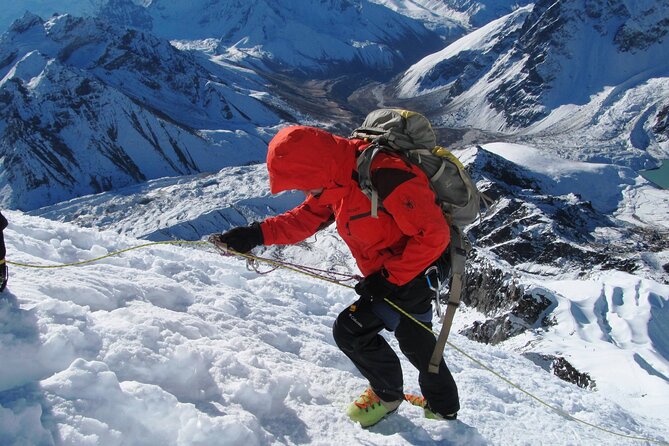
Lobuche East is a short climb with big payoff. This private trip combines a classic Everest Base Camp trek route through Gokyo Valley and Chola Pass, then adds a summit push to Lobuche East at 6,119 meters. I like that it is built as an adventure mix, not just a trek, and I like the practical support built around Three Jewels Adventures, including responsive communication with Amber for planning and peace of mind. One drawback to weigh: you are trading comfort for altitude and logistics, because this is a real mountain trip where good weather matters and you will need to be ready for high, cold days.
If you want the Everest region without doing it in a crowded, rushed way, a private setup helps. You get a pickup option in Kathmandu and the use of a mobile ticket, and everything is paced for a 17-day rhythm that includes trekking, camping, and climbing support. Just don’t underestimate the climb part, even if it is described as short and fairly easy, because 6,119 meters is still 6,119 meters.
In This Review
- Quick reasons this climb-trek combo works
- Lobuche East at 6,119 meters, plus Everest Base Camp
- Private logistics from Kathmandu, with pickup and a mobile ticket
- The trek route: Gokyo Valley to Chola Pass
- Chola Pass crossing: where timing and weather matter
- Summit focus: Lobuche East Peak climb strategy
- Everest Base Camp in the middle, not as a side quest
- Meals, camping setup, and what you still must bring
- Guides, safety culture, and Three Jewels Adventures style
- Price and value: what $2,470 covers for 17 days
- Who should book this Lobuche East plus EBC trip
- Should you book it or choose a different Everest plan?
- FAQ
- How long is the Lobuche East and Everest Base Camp trip?
- Where does the trip start, and is pickup included?
- What’s the highest altitude on this itinerary?
- What meals are included, and which days?
- Is this a private tour?
- What climbing and trekking costs are included?
- What is not included in the price?
- What happens if the trip is canceled due to poor weather?
Quick reasons this climb-trek combo works
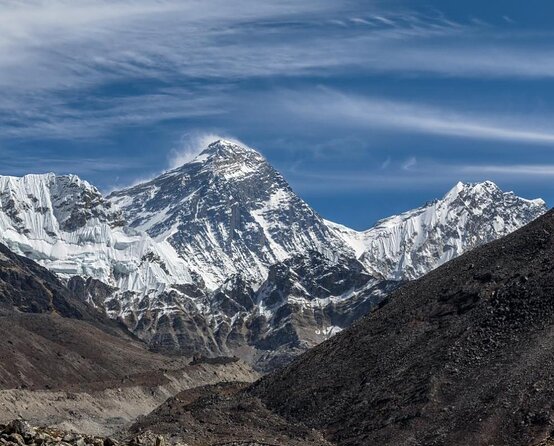
- Lobuche East at 6,119 m fits experienced trekkers who want a summit moment without an open-ended expedition.
- Gokyo Valley and Chola Pass give you variety beyond the usual Everest Base Camp approach.
- Private group only means your team can move together with fewer hassles and less waiting around.
- Meals for most of the trek (Day 03 to Day 15) plus camping and climbing equipment reduces what you must manage on your own.
- Permit and entrance fees included, which helps keep your budget predictable.
Lobuche East at 6,119 meters, plus Everest Base Camp
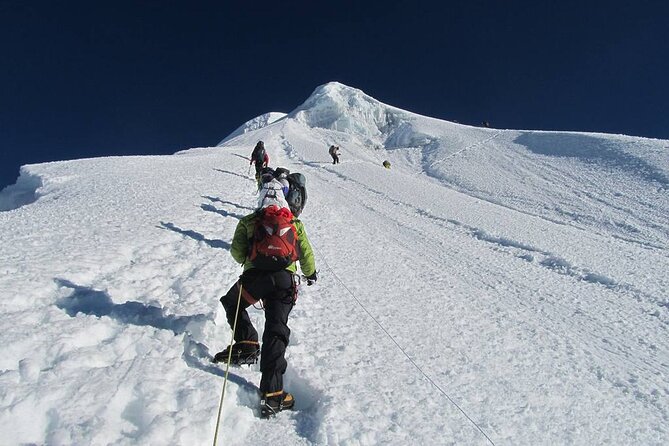
This is the kind of trip that clicks if you like your travel to have a clear “main event.” The main event here is Lobuche East Peak, listed at 6,119 meters, paired with a trek that hits Everest Base Camp and the scenic route through Gokyo Valley and over Chola Pass.
The big value is the combination. Trekking gets you into the rhythm of the Khumbu region, with days spent earning altitude gradually. Then the climb gives you that different, focused feel: learning your pace, managing the thin air, and working toward one specific summit objective. If you want a journey with both motion and a milestone, this route makes sense.
I also like how the trip is framed as short and fairly easy in Himalayan terms. That matters because many high-altitude dreams fail at the “too long, too intense” stage. Here, the plan is designed to keep the climb portion achievable for fit trekkers who take preparation seriously.
The tradeoff is obvious but worth saying plainly: this is still high-altitude travel. You can be physically prepared and still get hit by cold, fatigue, and altitude. The “fairly easy” part does not mean “easy.”
More Treks in Kathmandu
- Everest Base Camp Trek – 14 Days
★ 5.0 · 1,499 reviews - Everest Base Camp Trek
★ 5.0 · 842 reviews - Everest Base Camp Trekking
★ 5.0 · 485 reviews
Private logistics from Kathmandu, with pickup and a mobile ticket
Most Everest trips live or die on how smoothly the first day and last day go. Here, you start in Kathmandu, and you get a pickup offered option. That is not glamorous, but it prevents the common headache of trying to coordinate rides after a long travel day.
You also get a mobile ticket. In practice, that helps reduce paperwork friction when you’re moving through different people and offices. The meeting point is noted as near public transportation, which can be useful if you want a backup plan or you are building your own Kathmandu day before the trek.
And yes, this is a private tour/activity, meaning only your group participates. That is a real benefit in the Everest region where schedules can feel rigid. Private does not automatically mean effortless, but it usually means your pace and needs can be handled without constant renegotiation.
For planning, remember the experience operates with published opening hours (7:15 AM to 7:15 PM) across a broad date window. It just helps you line up your Kathmandu logistics and avoid random timing issues.
The trek route: Gokyo Valley to Chola Pass
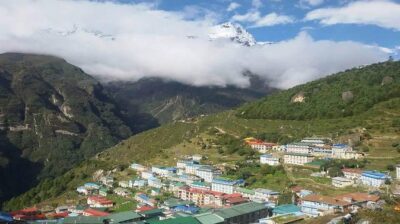
Gokyo Valley and Chola Pass are the heart of this itinerary’s personality. If you only think of Everest as one straight line from base camp to base camp, this route helps broaden the mental map.
You should expect a trek that leans into scenery and day-to-day altitude building. The trek portion matters because it prepares your body for what comes next: Lobuche East at 6,119 meters. The itinerary is designed so the summit climb does not feel like you jumped straight to the hardest day without the work of acclimatization.
What makes this part valuable is not just the names on a page. Gokyo Valley and Chola Pass create a route with natural variety, which keeps fatigue from becoming monotonous. When you have seven or eight days of a long valley-and-pass rhythm, small visual changes actually help your morale.
A practical note: the trip is set up for camping, and the tour includes camping and climbing equipment. That tells me the plan is meant to be more hands-on and mountain-forward, not lodge-based comfort all the way through. If you like figuring things out with your team and you are comfortable with basic camp life, you are in the right mood.
Chola Pass crossing: where timing and weather matter
Chola Pass is a day you plan for in your head even before you see it. That is how pass days work: they can feel mentally heavy, because you know the day includes exposure and effort. This trip specifically includes Chola Pass, so it is part of the “route build” that leads toward both the Everest Base Camp goal and the climb sequence.
The most important consideration is weather. Your itinerary depends on conditions in the mountains, and the cancellation policy explicitly notes that if the experience is canceled due to poor weather, you will be offered a different date or a full refund. Translation: do not assume the summit and pass days are guaranteed on your exact calendar date.
On the ground, you will feel that weather sensitivity in the way you dress, the way you pace, and how the team handles decision-making. The best advice I can give is to stay flexible about expectations. If you go in thinking everything will be exactly perfect on every schedule line, altitude travel will humble you.
More Everest Base Camp treks:
- Everest Base Camp Helicopter Tour landing at Everest View Hotel
★ 5.0 · 668 reviews - Everest Base Camp Trekking – 13 Day
★ 5.0 · 365 reviews - Everest Base Camp Trek
★ 5.0 · 350 reviews - Everest Base Camp Trek -14 Days
★ 5.0 · 321 reviews
Summit focus: Lobuche East Peak climb strategy
Now for the part that most people book for: the climb to Lobuche East at 6,119 meters. This is described as one of the best short and fairly easy climbing trips in the Himalayas. That is helpful context because it sets an expectation of a defined climb window rather than a long, uncertain expedition.
What I think makes Lobuche East the right kind of objective is the balance it offers. You still need real mountaineering effort, but you are not dealing with a week of technical uncertainty that becomes draining. A “short climb” can still be physically demanding, but it tends to keep mental focus sharp.
Also, you are not traveling alone. Guides, teamwork, and equipment matter a lot when the air gets thin. The reviews emphasize that the guides do what they need to do for success and safety, and you will feel that during the summit push. One reviewer highlighted that the views from the top on a clear morning were unbeatable. That is a common Everest-reality: the summit moment can be fleeting, so clear-weather windows carry extra weight.
One more thing: climbing is included with camping and climbing equipment in the package. That typically means you are not left scrambling for essentials once you are already in the mountains. Still, you should double-check what counts as personal gear versus provided gear, because the trip lists personal trekking gears as not included.
Everest Base Camp in the middle, not as a side quest
Everest Base Camp is included in the route, and the trip combines it with the Gokyo Valley approach and Chola Pass. That positioning matters. When base camp is just a quick stop on a longer route, it can feel like a checklist. Here, it comes as part of a longer, coherent travel arc.
The trek to base camp gives you a payoff that is emotional as much as visual. You see the scale of the region, and you understand why people keep coming back. But more importantly for your body, the trekking segment gives you a “workout you can adapt to.” You learn your pacing habits, you get used to cold mornings and steady effort, and you build the stamina needed for later high days.
If you are hoping for a trip that includes both a summit and the classic Everest scene, this itinerary actually checks both boxes without feeling like two unrelated trips glued together.
The only consideration is time and energy. A 17-day itinerary has to fit trekking, camping, altitude management, and the climb. That means your energy budget matters every day. Treat rest as training, not as wasted time.
Meals, camping setup, and what you still must bring
For a high-altitude trek, the smartest value is the kind you do not notice. Meals and equipment included from Day 03 to Day 15 is a big deal. It covers the bulk of the time when you need steady fuel, and it removes a layer of cost and decision-making during the most stressful parts of the trip.
You also get coffee and/or tea, which sounds small until you are standing in cold air wishing for something warm. That little comfort can do more for morale than you think.
Camping and climbing equipments are included, along with entrance fees, all fees and taxes, and the climbing permit. That is the package design you want: core mountain costs bundled so your “what did I forget to budget” anxiety stays low.
What is not included is equally important:
- Alcoholic beverages
- Personal trekking gears
- Emergency, and insurance
That last one matters. Emergency coverage is not included, and you will want your own travel insurance. The good news is that planning that is normal and straightforward, and it lets you climb with a bit more peace of mind.
Guides, safety culture, and Three Jewels Adventures style
In the Everest region, the human side is not soft. It is safety. It is decision-making. It is how the team handles a change in weather or pace.
The reviews you shared put a clear spotlight on Three Jewels Adventures doing the basics right, especially around responsiveness and professionalism. Amber is named in multiple notes as a trip manager who communicated in a courteous, honest, and responsive way. For you, that means planning is less of a guessing game before you ever reach the trail.
The other recurring praise is guide support during actual climbing and trekking. One reviewer specifically notes that when they climbed Lobuche East, the guides did everything to ensure success and safety. Another reviewer talks about reaching Everest Base Camp successfully with a good-value local company.
Is it perfect? No trip is. But if you want a team that treats logistics, communication, and safety as part of the product, this one signals that clearly.
Price and value: what $2,470 covers for 17 days
At $2,470 per person for about 17 days, this trip is not cheap in the way a city weekend is cheap. But it also does not read as overpriced when you look at what is included.
You get:
- All meals from Day 03 to Day 15
- Camping and climbing equipment
- Entrance fees
- All fees and taxes
- Climbing permit
- Coffee and/or tea
That bundle matters because the Everest region adds up fast once you include permits, staffing, meals, and gear support. Trips that feel cheaper often shift costs onto you later through equipment rentals, permit fees, or meal changes.
The tradeoff is that you still pay for personal trekking gear and you need your own emergency insurance. So the right comparison is not just price. The right comparison is total trip cost and hassle.
For best value, do what you should do anyway: plan your packing so you do not create extra expenses at the last minute. If you arrive without personal items you need, you can lose the budget advantage you thought you were buying.
Who should book this Lobuche East plus EBC trip
This works best for you if:
- You have moderate physical fitness
- You want a mix of trekking plus a climb objective
- You like having a private group pace
- You want guided support for summit work and high-altitude travel
It might be wrong if:
- You want maximum comfort and zero exposure
- You are not ready for cold weather and altitude fatigue
- You cannot commit to good-weather dependence, since the experience can be canceled due to poor weather
The sweet spot is experienced trekkers who are ready to add one peak to the trip, without turning it into a months-long training project.
Also, if you like clear planning and a responsive organizer, the named trip manager communication is a strong sign that the company pays attention to the pre-trip details, not just the summit day.
Should you book it or choose a different Everest plan?
I think you should book this trip if your goal is a structured Everest adventure with a real summit moment. The pricing makes sense for what is included, especially meals for most of the trip, permits, and equipment support. The route design through Gokyo Valley and Chola Pass also gives you a sense of “full region experience,” not just one fixed viewpoint.
You should pause before booking if you are someone who hates weather uncertainty. Since the experience requires good weather, your calendar may change. And if climbing to 6,119 meters sounds exciting only in theory, talk to your guides, plan your fitness realistically, and do not let excitement override preparation.
In short: if you want Everest Base Camp plus a disciplined climb objective, and you value a responsive team and private pacing, this is a strong choice.
FAQ
How long is the Lobuche East and Everest Base Camp trip?
The duration is listed as 17 days approximately.
Where does the trip start, and is pickup included?
The location is Kathmandu, Nepal, and pickup is offered. The meeting point is near public transportation, and a mobile ticket is provided.
What’s the highest altitude on this itinerary?
Lobuche East Peak is climbed at 6,119 meters from sea level.
What meals are included, and which days?
Meals are included from Day 03 to Day 15. Coffee and/or tea are also included.
Is this a private tour?
Yes. It is described as a private tour/activity, and only your group will participate.
What climbing and trekking costs are included?
The trip includes the climbing permit, entrance fees, and all fees and taxes, along with camping and climbing equipment.
What is not included in the price?
Alcoholic beverages are not included. Personal trekking gears and emergency, and insurance are also not included.
What happens if the trip is canceled due to poor weather?
If it is canceled due to poor weather, you will be offered a different date or a full refund.
More climbing peaks in Kathmandu
- Mera Peak Climbing
★ 5.0 · 33 reviews - Island Peak Adventure
★ 5.0 · 15 reviews - Everest Base Camp Trek with Island Peak Climbing
★ 5.0 · 14 reviews - Mera Peak Climbing
★ 5.0 · 8 reviews
Latest additions near Kathmandu
- Traditional Momo Making Class★ 5.0 · 10 reviews
- White Water River Rafting – 1 Day★ 4.3 · 3 reviews
- Kathmandu to Pokhara Premium sofa bus ticket★ 4.0 · 17 reviews
- Ghorepani Poon Hill Trek★ 5.0 · 16 reviews
- Amazing 1 Day Trekking Experience in Kathmandu Nepal★ 5.0 · 24 reviews
- Ghorepani Poonhill Trek★ 5.0 · 5 reviews
- Walking tour of real Kathmandu through back streets.★ 5.0 · 3 reviews
- Wildlife Adventure in Chitwan Nepal★ 4.0 · 4 reviews
Everest Base Camp Treks, compared.
Everest Base Camp Helicopter Tour landing at Everest View Hotel
Read our review →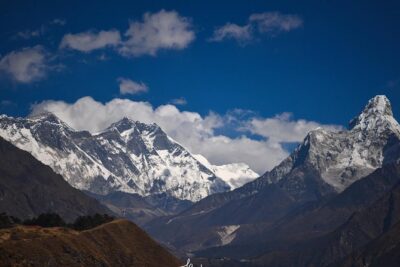
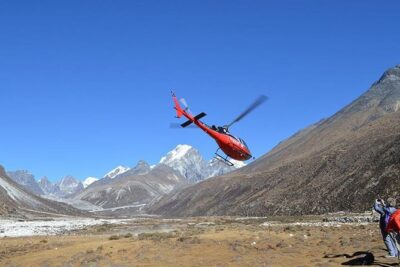
Everest Base Camp Helicopter Tour landing at Hotel Everest View
Read our review →
Browse the lists this tour appears in