
Reviewed · EVEREST BASE CAMP TREKS
Everest Base Camp Trek – 14 Days
The trek turns logistics into calm. You get an intimate small-group setup led by a government licensed guide trained for emergencies, and you also have porter support for 11 days so you can keep your energy for the trail. The route is physical, but the plan is built to keep you moving with less chaos.
One thing to consider: the altitude and the mountain schedule are not gentle. Also, in peak season, Lukla flights can be rerouted from Kathmandu to Manthali (Ramechhap), which changes your Day 2 rhythm even though the trek starts in the Everest region either way.
In This Review
- Key things I think you’ll really care about
- A trek that trades DIY stress for real planning
- Kathmandu setup: transfers, sleep, and the first big decision
- Lukla to Namche Bazaar: Dudh Koshi bridges and Sherpa culture on your schedule
- Tengboche, Dingboche, and why acclimatization days are built like a strategy
- Khumbu Glacier to Lobuche: memorial stones and the real seriousness of the route
- Kala Pattar at 5,555 m: when effort turns into a payoff
- The descent back to Namche and then Lukla: stamina, not speed
- Value check: where your $1,800 really goes
- Meals, water, and daily comfort on the trail
- Who should book, and who should think twice
- Should you book this Everest Base Camp trek?
- FAQ
- What is the duration of the Everest Base Camp trek?
- What does the tour include for trekking meals and lodging?
- Are porters included, and for how long?
- What flights are included, and what is the luggage allowance?
- Is travel insurance included?
- What is the cancellation deadline for a full refund?
Key things I think you’ll really care about
- Small group max 14 travelers, so you get attention on route choices, pacing, and how you feel that day
- First-aid trained, licensed English-speaking guide, plus a system for emergency evacuation if things go badly
- Porters for 11 days with a 1 porter to 2 clients ratio, meaning less hauling for you
- Kala Pattar at 5,555 m is the big ticket day, and it is described as demanding yet rewarding
- Water and meals are largely handled with a Katadyn Pocket Water Filter and standard meals on the trek
- Lukla flight contingency in peak months shifts to Manthali Airport, so plan for a flexible Day 2 start
A trek that trades DIY stress for real planning
Everest Base Camp has a reputation for being complicated. This version tries to fix that. You’re not just booking beds and hoping for the best. You’re getting a package where the route, permits, domestic flights (Kathmandu to Lukla and back), and the people who help you on the trail are all part of the deal.
I also like that the guide is government licensed and first-aid trained. That matters most when you are tired, moving slower than you expected, or dealing with altitude symptoms. The best kind of mountain support is the kind that keeps you calm and makes decisions early.
This is not a luxury trek. You do get organized support, but you still do real hiking, often with long days on the clock. If you hate being uncomfortable, or you’re not ready for cold and thin air, this route will feel like a constant test.
More Treks in Kathmandu
- Everest Base Camp Trek
★ 5.0 · 842 reviews - Everest Base Camp Trekking
★ 5.0 · 485 reviews - Nagarkot Sunrise View and Day Hiking from Kathmandu
★ 5.0 · 471 reviews
Kathmandu setup: transfers, sleep, and the first big decision
Day 1 is about getting settled in Kathmandu. You meet an airport representative at Tribhuvan International Airport, then you go to your Kathmandu hotel in a private vehicle. After that, you sleep close to the start of the program. Breakfast is included for the two nights in Kathmandu.
Why I like that approach: Kathmandu is where you can either feel rushed, or you can breathe. This trek gives you the breathing room to sort gear, ask questions, and plan your body for the jump from city life into trekking mode.
Day 2 is your flight day. Depending on season and traffic, flights to Lukla may run from Kathmandu, or they may be shifted to Manthali Airport in the Ramechhap district. That’s not a small detail. It can affect wake-up time and overall pacing, but it keeps the trek on track when the main airport is overloaded.
One practical note: your domestic flight luggage allowance is 15 kg. You’ll want to pack smart so you are not carrying extra weight you will later regret on the trail.
Lukla to Namche Bazaar: Dudh Koshi bridges and Sherpa culture on your schedule
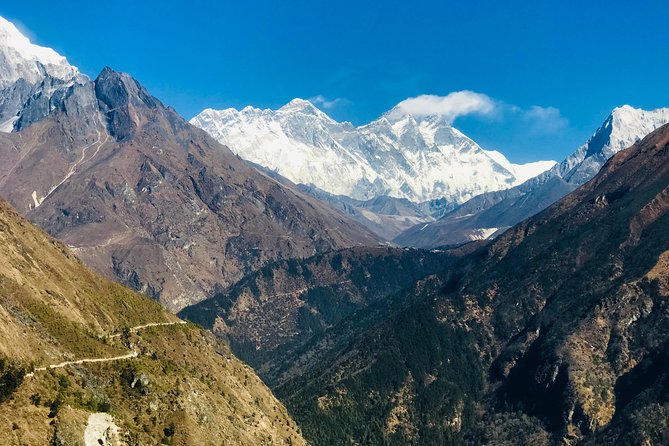
Your trek begins with the flight into the Everest region, then you transition into walking days. The route starts with a classic early taste of the Khumbu area: the trail follows the Dudh Koshi River, and you cross multiple suspension bridges strung with prayer flags. It’s beautiful, but more importantly, it’s a good way to get your legs working before altitude fully settles in.
Day 3 pushes you toward Namche Bazaar and includes a long day listed around 16 hours. That sounds intense, and it can be, especially if you start out too fast. Your job on days like this is to move at a pace that keeps breathing steady. Let your body learn the rhythm.
You also enter Sagarmartha National Park on the way up. That’s part of the official trekking permits included in the price, and it’s one of the reasons packages like this matter. You’re not left trying to figure out rules once you’re already on the mountain road.
Day 4 is a smart pause. You stay in Namche Bazaar to acclimatize, plus you get a cultural stop with a Sherpa Museum. That museum visit is more than a break from trekking. It helps you understand what you’re seeing later in monasteries and high villages, because Sherpa life and Buddhist traditions are not just background scenery.
Tengboche, Dingboche, and why acclimatization days are built like a strategy
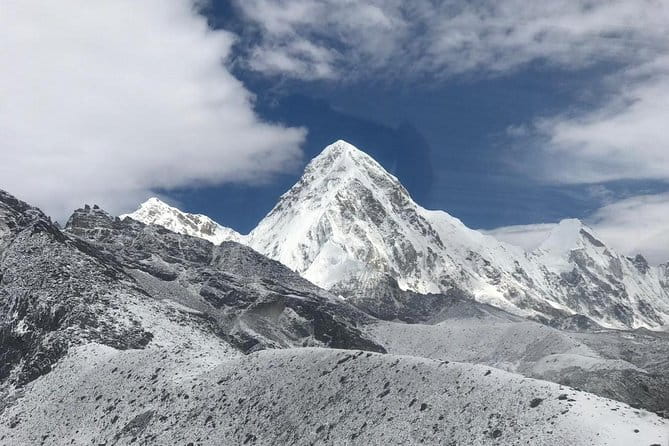
Day 5 takes you to Tengboche Gompa, reaching about 3,860 m. The trail continues alongside the rushing Dudh Koshi and into views that make you stop more than once. You also get monastery time. Inside the monastery, there are inscriptions and carvings connected to Buddhist practice. Even if you’re not a religion expert, you’ll pick up a sense of how these places function for local life and for trekkers passing through.
The move from Tengboche to Dingboche on Day 6 is another classic segment, involving drops and climbs. You pass through Debuche, cross another suspension bridge over the Imja Khola, and head uphill toward Pangboche, with thousands of mani stones you’ll see along the way. Then you continue into Dingboche.
Day 7 is the acclimatization day that many EBC plans get right. You don’t push straight toward Base Camp. Instead, you hike to Nangkartshang peak just above Dingboche. The point is to help your body adapt while still giving you the satisfaction of a viewpoint day. It also breaks up the monotony of endless climbs.
If you are someone who tends to feel impatient at altitude, you’ll be glad this itinerary builds in a reason to slow down.
More Everest Base Camp treks:
- Everest Base Camp Helicopter Tour landing at Everest View Hotel
★ 5.0 · 668 reviews - Everest Base Camp Trekking – 13 Day
★ 5.0 · 365 reviews - Everest Base Camp Trek
★ 5.0 · 350 reviews - Everest Base Camp Trek -14 Days
★ 5.0 · 321 reviews
Khumbu Glacier to Lobuche: memorial stones and the real seriousness of the route
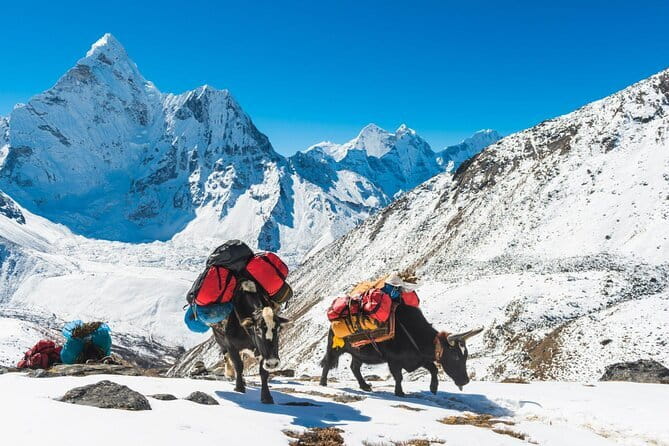
Day 8 reaches Lobuche and it is described as following the lateral moraine of the Khumbu Glacier. You’ll also pass stone memorials for climbers who have perished on nearby summits. This is one of those moments where the trek becomes more than a photo project. It reminds you that people come up here with strong intentions, and the mountain still does what it wants.
Lobuche is a key step before Base Camp. The day is listed around 16 hours, so you’ll want to protect your energy the day before you reach the highest, most famous targets.
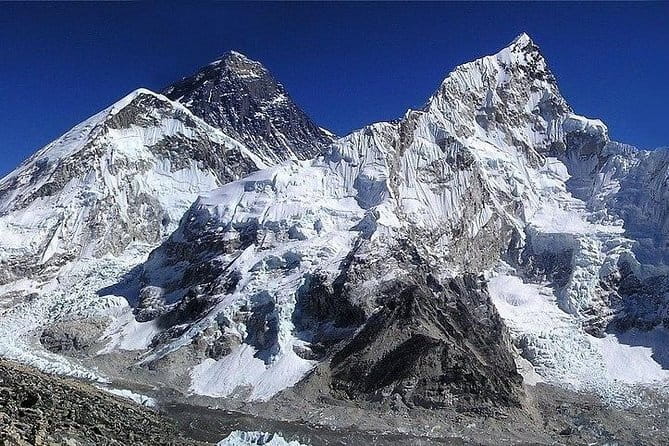
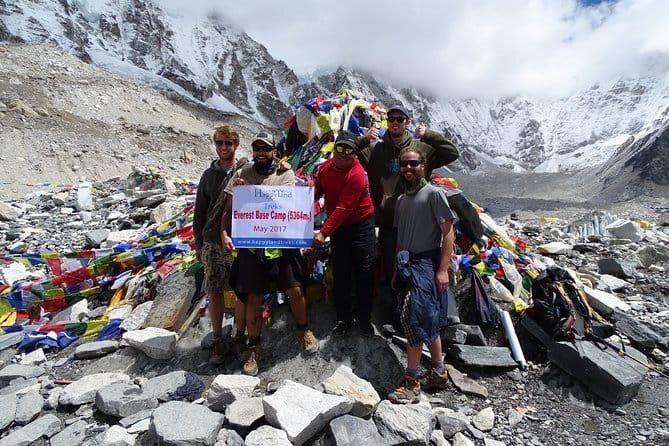
Day 9 is the big and difficult day to Everest Base Camp at 5,365 m, described as following along the Khumbu Glacier and reaching the Base Camp area without mountaineering gear. Expect it to feel long and demanding. Even if the hike is not “technical climbing,” altitude makes every step work harder.
Season matters here. In spring, there’s likely to be more activity around the area, but the program doesn’t promise crowd-free conditions. What it does promise is that your plan is organized, including guide support and all the trekking logistics.
Kala Pattar at 5,555 m: when effort turns into a payoff
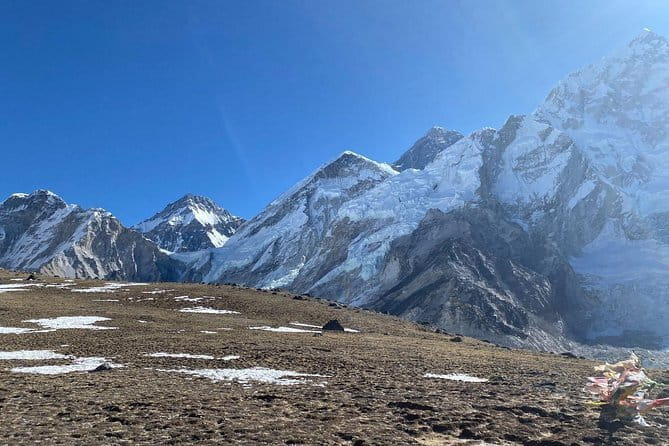
After Base Camp, you’re not just getting a victory lap. Day 10 is built around Kala Pattar at about 5,555 m. It is described as one of the most difficult yet rewarding days. The ascent is demanding, but you get the kind of view that becomes the reason people keep doing this trek.
Why Kala Pattar matters: it’s one of the best ways on this route to see major peaks from a high vantage point. It’s also a psychological milestone. You’ve already made it to Base Camp. Now you climb higher for the view, which changes the way you experience everything you saw earlier.
This day is also part of the reason you should take the acclimatization days seriously. If you ignore those slower moments, the Kala Pattar climb can feel much harder than it has to.
The descent back to Namche and then Lukla: stamina, not speed
Day 11 turns you around and starts your descent away from Everest Base Camp through Pangboche and Tengboche back toward Namche Bazaar. You arrive back in Namche in the afternoon, and that makes Day 11 useful. It’s not just downhill. It’s your chance to recover in the best place on the route for a breather before your final push out.
Day 12 brings you back to Lukla, where the trek began. This is your last day in the Everest region, so it has a reflective feel built into it. Also, it is still a hiking day, and you’ll want to treat it like one. People sometimes get sloppy when they think it’s almost over.
One practical comfort detail: the tour includes guesthouse accommodation with attached toilets in Lukla, Phakding, and Namche. Other nights are handled via guesthouse lodging, but only those towns are called out for attached toilets, so pack with that expectation.
Day 13 is your return flight to Kathmandu, described as a scenic flight around 35 minutes. After that, you’re met and transferred to your next lodging or the airport connection you need. Day 14 concludes the trek with a drop back to Tribhuvan International Airport.
Value check: where your $1,800 really goes
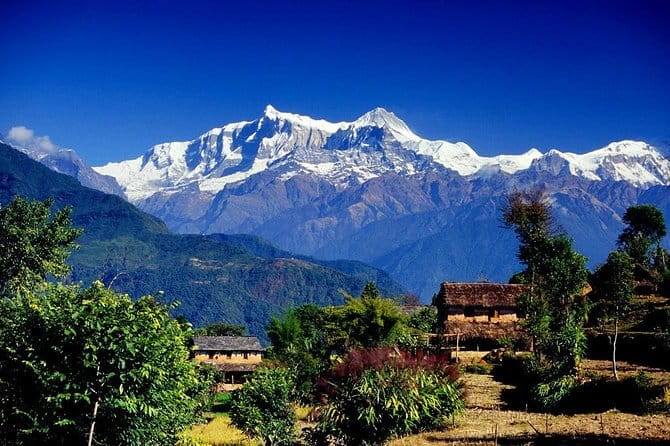
At $1,800 per person for 14 days, this trek is not cheap. But the price lines up with what you’re actually getting: domestic flights, permits, guide and porter support, most meals, and trail accommodation. In Nepal, you can find cheaper trips, but they often cut key pieces like permitting, trained guidance, or staff support.
Here’s what you’re getting that reduces your risk and decision fatigue:
- International flights are not included, but the Kathmandu-Lukla-Kathmandu airfare is included
- Permits and fees are included (Everest/Sagarmatha National Park entry permit and a rural municipality trekking fee)
- Most meals on the trek are included (breakfast, lunch, dinner during the trekking days)
- You also get support items from Ace the Himalaya: a duffel, trekking map, sun hat, and a trip completion certificate you keep
You also get water support. The trek includes filtered water using a Katadyn Pocket Water Filter. That’s one of those “small” inclusions that saves your day when you don’t want to worry about water sources.
What’s not included is equally important for value:
- Lunch and dinner in Kathmandu are not included
- Travel insurance covering emergency high-altitude rescue and evacuation is not included, and you should not skip it
- Alcohol and other drinks are not included
- Tips for the guide and porters are expected
- Personal trekking equipment is not included
From a value lens, the big win is that this package removes a lot of uncertainty. You’re not trying to coordinate permits, flights, and staffing once you’re already in Nepal with a limited window.
One more cost consideration: if you book as a solo traveler and there isn’t an existing group to share accommodation with, a $250 single surcharge can apply. You pay that upon arrival in Nepal. If you hate unpredictable room logistics, plan for the chance of that surcharge.
Meals, water, and daily comfort on the trail
Your trekking days include standard meals: breakfast, lunch, and dinner. That consistency helps your body. Also, the trek includes seasonal fruits during the route, which can be a nice morale boost when appetite changes up high.
Alcohol and hot and cold drinks are not included, so expect to budget for small purchases if that’s your habit. On long days at altitude, it’s easy to feel tempted by convenience. The better plan is to rely on the included food and water support and only add extras you genuinely want.
For comfort, remember that you are climbing into a different world. The itinerary includes cold-weather reality, but it does not provide all personal gear. You should bring what you need for layering, hands and head warmth, and safe footwear. The tour includes a sun hat, but you should not treat that as your only head coverage.
Who should book, and who should think twice
This trek fits you best if you:
- Have moderate physical fitness and you can handle long walking days
- Like guided structure, especially when altitude and schedule matter
- Want porter support and not full DIY load hauling
- Appreciate a mix of hiking and culture, like the Sherpa Museum stop and monastery visit
You might want to think twice if you:
- Get nervous when flights shift, because Lukla flights may route through Manthali during peak traffic months
- Struggle with long days, since multiple days are listed around 16 hours
- Assume it will feel easy once you reach Base Camp. Base Camp is a milestone, not the end of the difficulty
From the guide and porter stories in the reviews, the human factor seems to be a strength. You might get guides such as Kishor or Maddy, and porters like Saman and Sher. What matters for you is the pattern: people are praising staff who keep a safety-first mindset and take care of the details.
Should you book this Everest Base Camp trek?
I’d recommend this tour if you want Everest Base Camp with real structure: licensed guide, emergency planning, porter support, permits handled, and domestic flights already built into your schedule. It also looks like a strong fit for first-time EBC hikers, because acclimatization is built into the plan rather than tacked on.
I would not book it if you want a fully self-guided experience, or if you are not ready for altitude and long hiking days. No itinerary can erase that reality.
If you decide to go, pack for comfort and flexibility. Plan for the flight routing possibility on Day 2. And take the acclimatization day seriously. That’s how you turn a scary goal into a story you can actually enjoy telling later.
FAQ
What is the duration of the Everest Base Camp trek?
The trek is listed as 14 days approximately.
What does the tour include for trekking meals and lodging?
It includes most standard meals during the trek (breakfast, lunch, and dinner), plus guesthouse accommodation on the trail. Accommodation with attached toilets is specifically listed for Lukla, Phakding, and Namche.
Are porters included, and for how long?
Yes. Porter service is included for 11 days, with 1 porter for 2 clients.
What flights are included, and what is the luggage allowance?
The tour includes airfare for the Kathmandu-Lukla-Kathmandu sector. Domestic flight luggage allowance is listed as 15 kg.
Is travel insurance included?
No. Travel insurance covering emergency high-altitude rescue and evacuation is not included.
What is the cancellation deadline for a full refund?
You can cancel up to 6 days in advance for a full refund. You must cancel at least 6 full days before the experience start time.
Latest additions near Kathmandu
- Traditional Momo Making Class★ 5.0 · 10 reviews
- White Water River Rafting – 1 Day★ 4.3 · 3 reviews
- Kathmandu to Pokhara Premium sofa bus ticket★ 4.0 · 17 reviews
- Ghorepani Poon Hill Trek★ 5.0 · 16 reviews
- Amazing 1 Day Trekking Experience in Kathmandu Nepal★ 5.0 · 24 reviews
- Ghorepani Poonhill Trek★ 5.0 · 5 reviews
- Walking tour of real Kathmandu through back streets.★ 5.0 · 3 reviews
- Wildlife Adventure in Chitwan Nepal★ 4.0 · 4 reviews
Everest Base Camp Treks, compared.
Everest Base Camp Helicopter Tour landing at Everest View Hotel
Read our review →
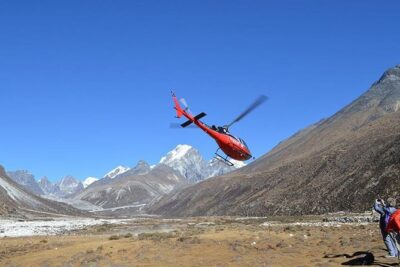
Everest Base Camp Helicopter Tour landing at Hotel Everest View
Read our review →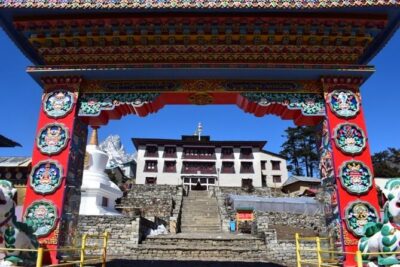
Browse the lists this tour appears in