
Reviewed · EVEREST BASE CAMP TREKS
Everest Base Camp Trek
The trek starts with a wild Lukla landing. This 12-day Everest Base Camp hike runs from Kathmandu to the Khumbu, with round-trip flights to Lukla and a guide team you may recognize from stories like Nima and Manoj. You’ll get real Sherpa-style support day after day, not just a checklist, and the group stays small at up to 12 people.
I love that the essentials are taken care of. Your trekking permits are arranged for you, and meals plus accommodation on trek days are included, so you can focus on walking, not paperwork. I also love the acclimatization pacing, with dedicated side trips around Namche Bazaar and Dingboche before you push higher.
The main drawback is simple: it’s hard work at high altitude. Even with a guided plan, you’ll need strong fitness and good decision-making, especially on longer uphill days and the big pushes toward Everest Base Camp.
In This Review
- Key things I’d watch before you go
- Kathmandu to Lukla: the start that sets the mood
- Day-by-day hiking rhythm, from Phakding to Namche
- Namche side trips: why the monastery and viewpoint time matter
- Dingboche and the second acclimatization window
- Lobuche: the long approach days that test patience
- Everest Base Camp: the day you stop thinking and start absorbing
- Kalapatthar on Day 9: another altitude check, with payoff
- The return route: why retracing your steps can be a gift
- Food, accommodation, and the quiet power of dal bhat
- Guides, support, and the small touches that make it feel human
- Price and value: what your $1,445 actually buys
- Weather, timing, and the reality of high-altitude plans
- Who this Everest Base Camp trek fits best
- Should you book this Everest Base Camp trek with Mosaic Adventure?
- FAQ
- How long is the Everest Base Camp trek?
- Where does the trek start and end?
- Are flights and trekking permits included?
- What meals are included during the trek?
- What costs are not included in the price?
- Is there a group size limit?
Key things I’d watch before you go
- Lukla flights are included both ways, which saves you the biggest logistics headache
- Acclimatization days are built in, including time around Namche Bazaar and Dingboche
- Meals and on-trek accommodation are included, so your budget is easier to predict
- Small group size (max 12) helps with pace control and personal support
- Guides can adapt when altitude gets messy, and you’ll see that reflected in real trip stories
Kathmandu to Lukla: the start that sets the mood
Your meeting time is early, around 5:15 am, and the trip kicks off fast. From Kathmandu, you fly to Lukla, then start hiking the same day. That early start matters because Lukla flights and mountain weather can be a moving target, and the tour is designed to keep you moving.
Lukla landing is famous for a reason. It’s short, intense, and it puts you mentally on mountain time right away. After that, Day 1 is your first warm-up hike, about 3.5 hours to Phakding, which is a good way to settle into the trekking rhythm without immediately smashing your legs.
One more practical touch: pickup is offered in Kathmandu, so you’re not left scrambling on arrival day. You’ll also use a mobile ticket, which is handy when you’re dealing with multiple segments and confirmations.
More Treks in Kathmandu
- Everest Base Camp Trek – 14 Days
★ 5.0 · 1,499 reviews - Everest Base Camp Trek
★ 5.0 · 842 reviews - Everest Base Camp Trekking
★ 5.0 · 485 reviews
Day-by-day hiking rhythm, from Phakding to Namche
Days 1 to 3 are all about getting your feet used to the terrain and your body used to altitude.
On Day 1, you walk from Lukla toward Phakding for roughly 3.5 hours. Expect steady uphill and lots of small footing challenges, more “workmanlike” than scenic posing.
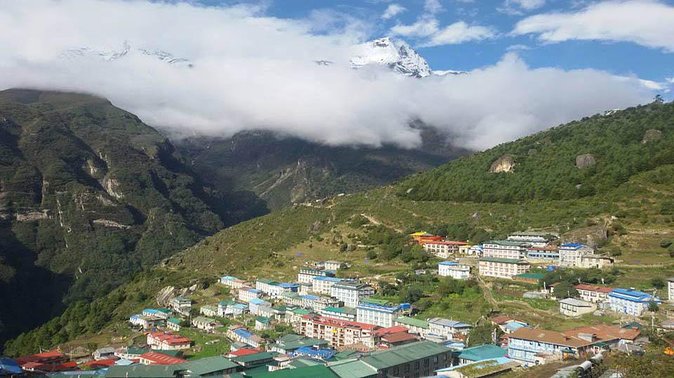
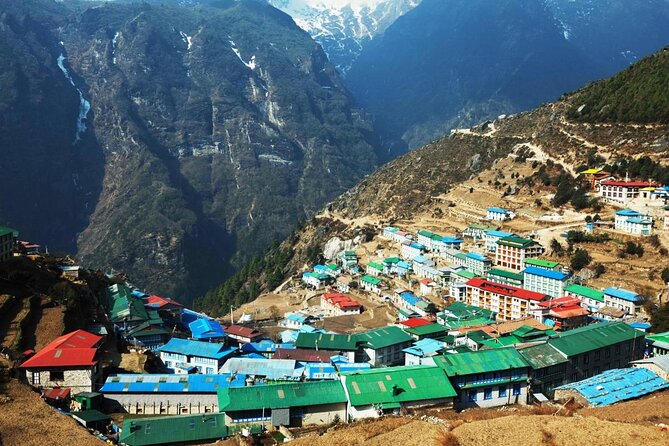
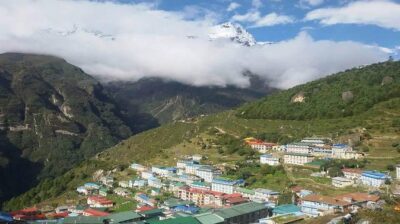
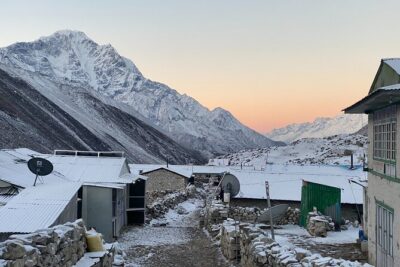
On Day 2, the hike to Namche Bazaar is about 8 hours, and it’s mostly uphill. This is also one of the days you’ll want to respect pacing, because you’ll feel that rocky, uneven footing and the climb add up. Namche Bazaar then becomes your first real hub, with colorful buildings, tea houses, and that high-altitude energy where everything feels slightly more intense.
Day 3 is an acclimatization day around Namche, including time at the Everest View Hotel. This is valuable because it’s not a full push day. It’s a chance to move your body without exhausting it, and it helps you learn what “high altitude breathing” feels like before you go higher.
Namche side trips: why the monastery and viewpoint time matter
Some treks rush through Namche like it’s a waiting room. This one gives you breathing room.
On Day 4, you go to a monastery. It sounds simple, but it’s a smart pause in the trekking cycle. A monastery stop helps break up the day, gives you a cultural moment, and lets you keep moving without turning everything into an all-day climb.
Also, those small stops help you stay calm. When you’re high in the Himalaya, mental pressure counts. A day that’s not pure uphill gives your brain a chance to catch up to your lungs.
By Day 5, you’re ready to continue upward.
Dingboche and the second acclimatization window
Day 5 takes you to Dingboche. The walk is around 8 hours, and you’ll feel the change as the trail climbs and the air thins. Dingboche is where many hikers start to take altitude more seriously, not just physically, but strategically.
Day 6 is another acclimatization day, with a trip around Dingboche. That extra day is one of the biggest reasons this trek suits fit hikers who want to hike confidently. It’s not just about reaching higher elevations, it’s about learning how you respond when you do.
When I read trip stories tied to this kind of pacing, a common theme shows up: guides who encourage slow, steady effort tend to make the whole trek feel more manageable. And this itinerary structure gives your guide room to keep your pace sensible.
More Everest Base Camp treks:
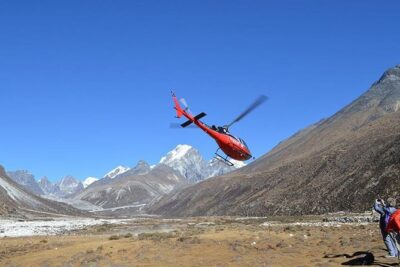
- Everest Base Camp Helicopter Tour landing at Everest View Hotel
★ 5.0 · 668 reviews - Everest Base Camp Trekking – 13 Day
★ 5.0 · 365 reviews - Everest Base Camp Trek -14 Days
★ 5.0 · 321 reviews - 12 Days Everest Base Camp Trek
★ 5.0 · 289 reviews
Lobuche: the long approach days that test patience
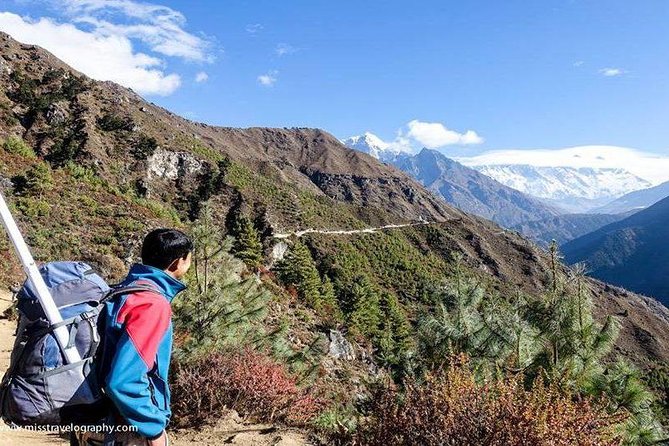
On Day 7, you trek to Lobuche. This is one of those “we’re getting there” days where you notice your pace slowing, not because you’re weak, but because altitude makes every step cost more.
This is also a day where good guiding matters. A strong local leader helps you avoid the two classic mistakes: going too fast early, or dwelling too long when you’re clearly fatigued.
Day 7 sets up the emotional contrast of what comes next.
Everest Base Camp: the day you stop thinking and start absorbing
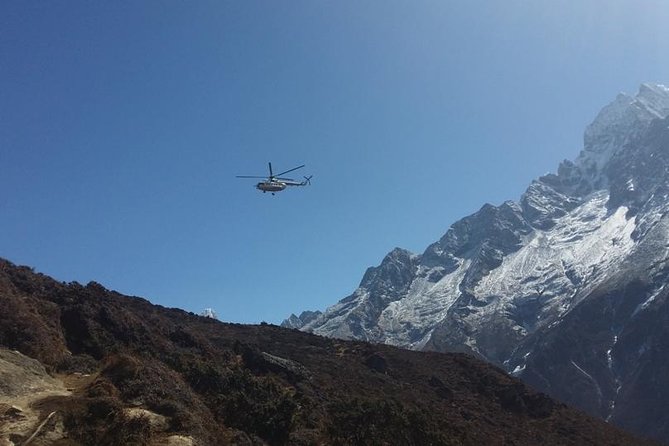
Day 8 is your big one. You trek to Everest Base Camp, then return to Gorakshep. That bounce matters because it’s a reality check day. You don’t just “arrive,” you keep moving, then you have to manage how your body feels once you’ve hit the goal.
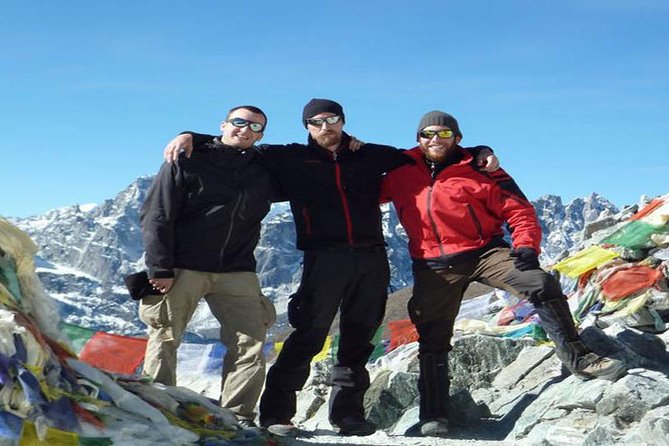
Reaching Everest Base Camp is not just about the photo. It’s about the total effort that led there. Your legs will know exactly what you did over the previous days, and your brain will finally get the same message your body sent earlier.
In the stories from this trek, people often praise their guides and support teams for keeping things organized even when the travel to and from Lukla gets chaotic. That matters because the EBC day is only one part of the experience. You want a team that handles the whole arc, not just the summit moment.
Kalapatthar on Day 9: another altitude check, with payoff
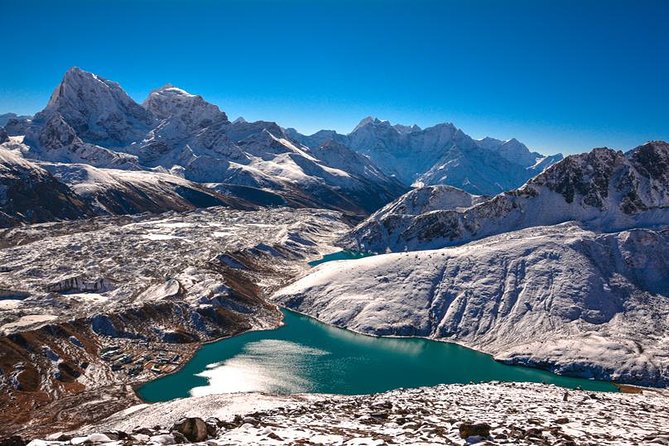
Day 9 is hike to Kalapatthar, then trek to Pheriche. This is a classic altitude reality day: you push for the views, then you move to a lower elevation zone that helps you recover.
Kalapatthar is one of the highest-feeling parts of the route. Even if you’re not battling extreme symptoms, you’ll feel the thin air during the climb. The value here is the balance. You get your “top of the world” goal, then you start positioning yourself for a smoother descent.
Pheriche is where the trekking becomes more about recovery. Your focus shifts from pushing to sustaining.
The return route: why retracing your steps can be a gift
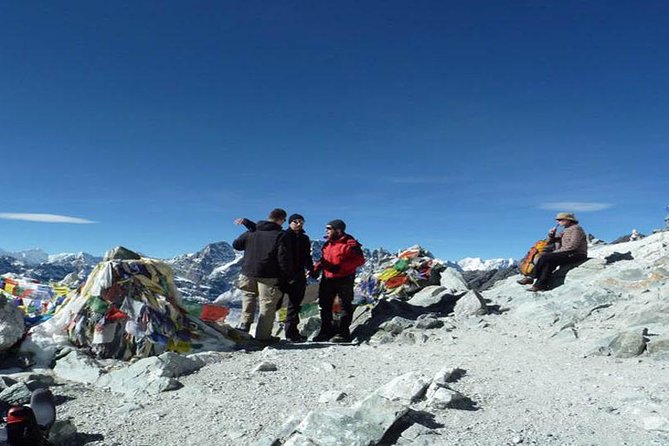
Days 10 and 11 walk you back through Namche Bazaar and to Lukla. Retracing the same trail can feel monotonous to some people. But it’s also comforting.
You already know the rhythm. You know where the footing is rough, where the climbs drag, and where you can settle into your pace. That lowers the mental load, which is underrated when altitude fatigue is still in the background.
Day 10 brings you back to Namche Bazaar. Day 11 returns you to Lukla. Day 12 is the fly back to Kathmandu and transfer to your hotel.
That hotel transfer on the last day is practical. After 12 days, you don’t want to figure out transport while your body is still adjusting back to lower altitude.
Food, accommodation, and the quiet power of dal bhat
The best trekking meals do two things: they fill you up and help you keep going. This trek includes breakfast, lunch, and dinner on trek days, with 11 breakfasts, 11 lunches, and 11 dinners included.
One trip story even called out dal bhat power for 24 hours. That’s exactly what you want at altitude. A meal that’s reliable, warm, and carb-friendly gives your body the raw material to keep moving.
Accommodation is included on the trek as well. You’ll be staying in the mountain tea house style setup common on this route, where rooms can be simple and warmth can depend on the day and the altitude. The upside is you’re not paying extra for every night along the way. The goal is to keep your energy for hiking, not for constant decision-making.
Dietary requirements are something you should share at booking. If you have specific needs, tell the operator early so they can plan around it.
Guides, support, and the small touches that make it feel human
A big part of why people rate this trek so highly is support quality. Guides and their teams show up again and again in the stories, with names like Nima, Madan, Manu, Manoj, Purna, Perna, Madhav, Ngima, and Pralhad.
Here’s what that support looks like in real terms:
- Encouragement on tough days, like daily motivation when someone worries they’ll fall behind
- Adjustments when altitude complications happen, including itinerary changes when needed
- Flexibility around accommodation and food, keeping options sensible rather than stubborn
- A sense of care beyond logistics, like one birthday cake surprise guided by Manu
Another repeated theme is teamwork. Porters and guides work together to keep hikers from getting lost, and when a friend slows down, the team can reorganize support so no one feels left behind.
This is especially important on Everest Base Camp routes, where you’re often tired, weather can change, and small navigation mistakes cost energy. A capable guide turns the trek from a grind into a guided process.
Price and value: what your $1,445 actually buys
At $1,445 per person for 12 days, this trek isn’t cheap. But it’s also not just “a guide and a prayer.” The value comes from what’s included.
You get:
- Round-trip flights Kathmandu to Lukla
- Trekking permits arranged
- Accommodation and meals on trek days
Those three items often make or break the total cost of an Everest Base Camp trip. Flights to Lukla and permits are not small add-ons, and meals plus lodging reduce day-to-day spending stress.
What isn’t included is equally important:
- Travel insurance
- Personal expenses
- Porter
- Tipping
If you carry your own pack the entire time, you might save on porter costs, but it also means more physical strain. If you’re trying to protect your energy for acclimatization and the big hiking days, budgeting for a porter may be worth considering. Either way, plan for extra costs so the final bill doesn’t surprise you.
Weather, timing, and the reality of high-altitude plans
The tour operates in all weather conditions, and you’re told to dress appropriately. That’s exactly the right mindset. You can’t fully control wind and temperature at altitude, but you can control layering and preparation.
Starting at 5:15 am is one sign this trip expects early-day energy. You’ll also move through multiple regions with different weather patterns. The schedule is set up to keep you hiking, resting, and acclimatizing in a consistent cycle.
If you’re prone to altitude issues, the acclimatization days are a big reason this plan works. Still, listen to your guide and do not “push through” symptoms that are getting worse.
Who this Everest Base Camp trek fits best
This trek is ideal for fit hikers who prepared for high-altitude trekking. That doesn’t mean you need to be a mountaineer, but you do need stamina for long hike days and tolerance for thin air.
It also fits you if you want:
- A guided, small-group experience (max 12)
- A plan that includes acclimatization time, not just nonstop hiking
- Clear inclusions like meals, accommodation, permits, and Lukla flights
It may be less suitable if you hate early mornings, dislike long uphill days, or expect a completely comfortable “vacation pace.” This is a walking trip first, views second. The views are huge, but they come after the work.
Should you book this Everest Base Camp trek with Mosaic Adventure?
My take is yes, if you’re ready for the physical side and you want a well-run, supported EBC trip.
Book it if:
- You value included Lukla flights and don’t want flight logistics stress
- You like the idea of acclimatization days around Namche and Dingboche
- You want a guide team that has a track record for organization and adapting when people feel unwell
- You appreciate real support, including encouragement, pace management, and practical problem-solving
Skip it or think twice if:
- You’re not physically prepared for long uphill days like Namche and Dingboche pushes
- You don’t want to deal with altitude uncertainty, even with a guided plan
- You can’t cover costs that are not included, like travel insurance and tipping
If your goal is to hike to Everest Base Camp with a structure that prioritizes safety and pacing, this one is built for that mission.
FAQ
How long is the Everest Base Camp trek?
It runs for 12 days (approximately).
Where does the trek start and end?
You start in Kathmandu, fly to Lukla for the trek, and you return to Lukla then fly back to Kathmandu. There is also a transfer to your hotel in Kathmandu on the final day.
Are flights and trekking permits included?
Yes. Round-trip flights from Kathmandu to Lukla are included, and trekking permits are arranged for you.
What meals are included during the trek?
Breakfast, lunch, and dinner are included on trek days (11 of each is listed).
What costs are not included in the price?
Travel insurance, personal expenses, porter, and tipping are not included.
Is there a group size limit?
Yes. The maximum group size is 12 travelers.
Latest additions near Kathmandu
- White Water River Rafting – 1 Day★ 4.3 · 3 reviews
- Traditional Momo Making Class★ 5.0 · 10 reviews
- Kathmandu to Pokhara Premium sofa bus ticket★ 4.0 · 17 reviews
- Ghorepani Poon Hill Trek★ 5.0 · 16 reviews
- Amazing 1 Day Trekking Experience in Kathmandu Nepal★ 5.0 · 24 reviews
- Ghorepani Poonhill Trek★ 5.0 · 5 reviews
- Walking tour of real Kathmandu through back streets.★ 5.0 · 3 reviews
- Wildlife Adventure in Chitwan Nepal★ 4.0 · 4 reviews
Everest Base Camp Treks, compared.
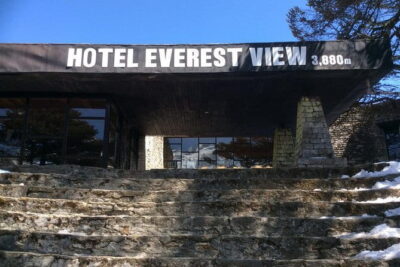
Everest Base Camp Helicopter Tour landing at Everest View Hotel
Read our review →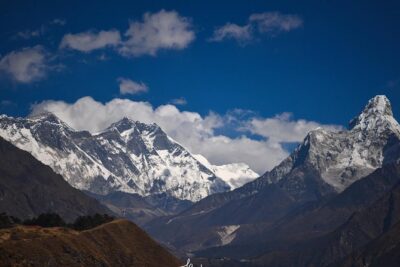
Everest Base Camp Helicopter Tour landing at Hotel Everest View
Read our review →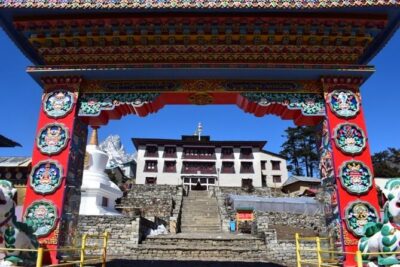
Browse the lists this tour appears in