
Reviewed · EVEREST BASE CAMP TREKS
Everest Base Camp Trek
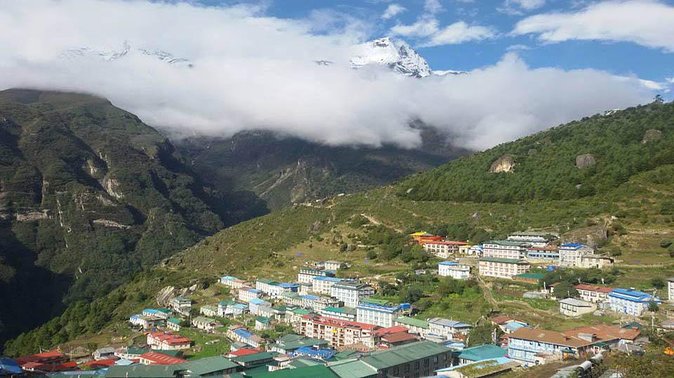
Lukla to Everest Base Camp is pure nerve fuel. I love how the trek leans on porters and a licensed English-speaking guide to handle the hard logistics, and I love that the route is built toward the famous sunrise viewpoint at Kalatthar. One real consideration for this kind of trip is weather, Lukla flights can face delays or cancellations, so the plan uses a buffer day in Kathmandu to absorb it.
You’ll also get genuine Sherpa-culture stops in the villages along the way, including places like Pangboche and Tengboche where climbers and locals share the same trail rhythm. On top of the guided structure, this package includes major cold-weather gear like a down jacket and a sleeping bag, which helps you travel with less bulk and more sanity.
The walking is tough in places, especially with altitude and glacier sections later on, but the schedule includes rest and acclimatization hikes, with options you can choose based on how your body feels. For a moderate-fitness trekker, that built-in flexibility matters as much as the big mountain views.
In This Review
- Key highlights you’ll feel on the trail
- Kathmandu first: where your trek actually begins
- Lukla flight reality: short air time, big emotions
- Phakding to Monjo to Hillary Bridge: a gentle start that still feels high
- Acclimatization Day 1: Khumjung, Khunde, Thame, and Everest View options
- Kyanjuma and Phungi Thanga: Dudh Koshi river and big views
- Pangboche to Nagarkhang Peak: the second reset before the harder push
- Toward Dughla and the pass stage: when oxygen and terrain get serious
- Kalatthar at sunrise: the climb that earns the classic view
- Tengboche to Kyanjuma: descend, refuel, and keep the rhythm
- Lukla to Kathmandu and the Kathmandu buffer day
- What’s included, and what that means for your real budget
- Pace, fitness, and small-group comfort: the difference between hard and miserable
- Should you book this Everest Base Camp trek?
- FAQ
- How long is the Everest Base Camp trek?
- Where does the trip start?
- Is airport pickup and drop-off included?
- Are domestic flights included?
- What food is included during the trek?
- What gear does the trip provide?
- Is the Everest National Park permit included?
- Do I have a guide and porters?
- What should I expect about the Lukla flights?
- What is not included in the price?
Key highlights you’ll feel on the trail
- Lukla flight days set the tone with a short, adventurous hop that puts you right in the Khumbu region fast
- Porters carry your gear, not your pride so your pack weight stays manageable on steep up and down days
- Rest and acclimatization are scheduled, not guessed with hike options like Khumjung and Khunde, and a second reset day to Nagarkhang Peak
- Kalatthar is the payoff with an early-morning climb timed for sunrise and classic Khumbu-valley views
- Cold-weather gear is included (down jacket, four-season sleeping bag, duffel bag) so you can pack smarter
- Meals and core paperwork are handled for you including TIMS registration and the Everest National Park Entry Permit
Kathmandu first: where your trek actually begins
Most big adventures start with a little routine. Here, Day 1 in Kathmandu is all about getting you settled and oriented. You’ll have an airport representative meet you with a name card, then transfer to your hotel. It’s simple, but it’s the kind of start that reduces stress if you arrive tired, jet-lagged, or anxious about what comes next.
What I like is how the trip includes pickup and drop by private vehicle before and after the trek. That means you’re not left negotiating transport right after arriving or on your final day. It’s also a reminder that the operator is treating this like a full experience, not just a “show up and figure it out” trek.
This is also where you’ll get your first look at the reality of Nepal timing. Even without a full day of planning, you’re right in Kathmandu with the trip’s moving parts, your domestic flight schedule, and a buffer plan later if Lukla weather turns.
More Treks in Kathmandu
- Everest Base Camp Trek – 14 Days
★ 5.0 · 1,499 reviews - Everest Base Camp Trek
★ 5.0 · 842 reviews - Everest Base Camp Trekking
★ 5.0 · 485 reviews
Lukla flight reality: short air time, big emotions
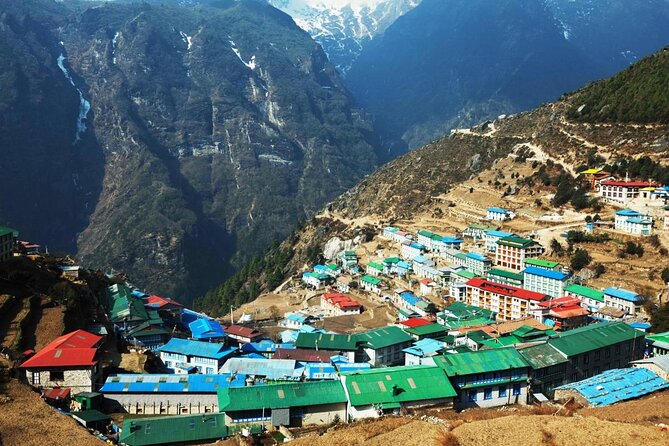
The trek’s tempo changes the moment you fly to Lukla. On Day 2, you take a flight that takes about 30 minutes, one of the most adventurous airport moments in the Himalayas. Then you start walking to Phakding, a daytime trek listed around four hours, with mountain views opening up as you go.
If you’re the type who likes to be prepared, this is where you should mentally adjust from city time to trail time. You’re not waiting around for days. The plan moves, and the mountain starts early.
Also note a small but important detail: the domestic flight tickets include the guide as well. That matters because the guide is part of the logistics web from the beginning, not someone you meet later on the trail.
When you return, Day 13 also includes the flight back to Kathmandu. There’s a practical tip built into the plan: for better views, it’s worth sitting on the right side of the airplane.
Phakding to Monjo to Hillary Bridge: a gentle start that still feels high
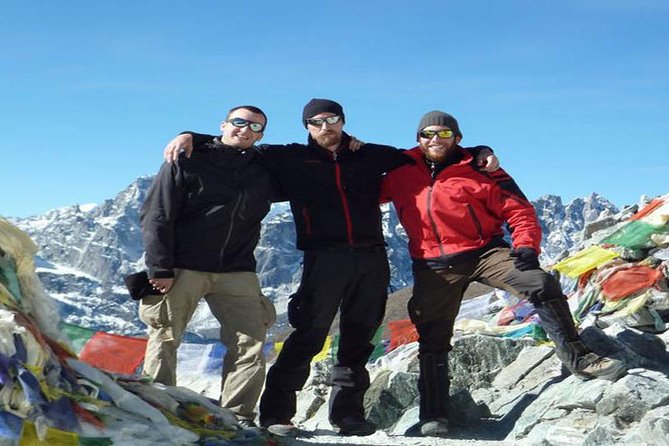
Days 3 and 2 set you up with the right kind of challenge: enough climbing to wake up your legs, but not so much that you burn out early.
Day 3 starts with gentle ascending until Monjo. You’ll stop for lunch in Jorsalle, then continue toward Hillary Bridge. The route goes through pine forests, then you cross the bridge and continue with a steep section. That mix is useful. Pine forest walking feels “normal-ish,” while bridges and sudden steepness remind you that this is still altitude country.
This day is also a good example of how the trip is designed for a small-group flow. You’re not on your own, and you’re not forced into racing. With a guide, the pace tends to stay consistent, which is exactly what you want when your body is still adjusting.
If you’re carrying a daypack only while porters handle the bulk of your gear, you’ll feel a difference here. Your energy goes into footwork instead of managing weight.
Acclimatization Day 1: Khumjung, Khunde, Thame, and Everest View options
Altitude doesn’t announce itself. The schedule helps you respond without panic. Day 4 is a rest and acclimatization day, and it comes with real choice.
Your leader provides options for hikes such as Khumjung and Khunde, an Everest View Hotel hike, a Thame hike, or a National Park option (the specific choice varies by what’s available in the moment). This matters because not every trekker feels the same on Day 4, and not every group will choose the same distance.
I like this approach because it keeps you from feeling trapped. If you want an easier outing, you can lean that way. If you feel good, you can go a bit bigger. You still get movement and fresh air, but without turning the day into a “catch up” march.
It also sets up a smarter pattern for later. When the route gets harder with glaciers and high passes, you’ll already understand how your body behaves when you’re not pushing every day.
More Everest Base Camp treks:
- Everest Base Camp Helicopter Tour landing at Everest View Hotel
★ 5.0 · 668 reviews - Everest Base Camp Trekking – 13 Day
★ 5.0 · 365 reviews - Everest Base Camp Trek
★ 5.0 · 350 reviews - Everest Base Camp Trek -14 Days
★ 5.0 · 321 reviews
Kyanjuma and Phungi Thanga: Dudh Koshi river and big views
On Day 5, you climb toward the national park headquarters and follow a gentle trail to Kyanjuma. You might stop for a short tea break before descending to Phungi Thanga for lunch, then crossing the Dudh Koshi river.
That river crossing is one of those moments where you can feel the geography change even if the walking pace stays steady. Water in the Himalayas means melt, motion, and constant elevation shifts that shape the trail under your feet.
The Kyanjuma to Phungi Thanga rhythm is also a good “mid-trek” lesson: you keep moving but the itinerary gives you reasons to breathe, eat, and reset. For many trekkers, that’s what makes the later steep days possible.
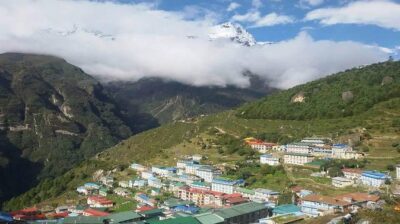
By Day 6 you’ll follow the Imja Khola toward Pangboche, at about 3,930 meters. Pangboche is known in the Everest region as a home for brave Sherpas and for people associated with renowned Everest climbers. In practice, this kind of village stop gives your trek a human pace, not just a vertical one.
Pangboche to Nagarkhang Peak: the second reset before the harder push
Day 6 continues the trail toward Pangboche with its high-altitude feel and Sherpa community presence. Then Day 7 gives you the second scheduled rest and acclimatization day, this time with a hike up to Nagarkhang Peak, around 5,000 meters.
The goal here is not to race to the highest spot available. It’s to get the benefit of altitude exposure and panoramic payoff while still staying inside a planned rhythm. You’ll witness spectacular Himalayan beauty from the summit area, with views that spread across multiple peaks.
I like this day because it’s a clear signal that the trek is being guided thoughtfully. Instead of tossing you into the hardest terrain as soon as you arrive, you get a controlled step-up.
This is also the day where guide style can matter a lot. In accounts connected to this operator, guides like Lok and Khila are described as keeping the pace right and staying attentive to how you’re doing. That kind of hands-on pacing makes these acclimatization days feel less like a gamble.
Toward Dughla and the pass stage: when oxygen and terrain get serious
Day 8 marks the run-up to Everest Base Camp. You’ll follow a ridge above Pheriche village toward Dughla. Lunch happens in Dughla, then you start steep climbing toward Dughla pass.
Even without getting every detail in hand, you can expect this to feel more demanding than earlier days. That steep climbing plus the growing altitude is where many trekkers notice a shift in breathing and endurance.
Day 9 is where the route changes character even more. The first part of the trek is described as relatively easy, including walking over glaciers. Then, as you start ascending over the glaciers, the trail becomes harder due to trail difficulty and low oxygen levels.
This is the part where you’ll be glad you packed for cold nights and carried your gear efficiently. It’s also where the included first aid medical kit carried by the guide becomes meaningful, because your guide is the one making decisions day to day in real conditions.
If you’re prone to pushing too fast when you feel okay, remind yourself that the hardest section is ahead. The pace that works on flatter sections may not be the pace that works on glaciers.
Kalatthar at sunrise: the climb that earns the classic view
Day 10 begins early, with a hike to Kalatthar before sunrise. This climb is described as difficult, but it’s also described as worthy. Kalapatthar is the most famous viewpoint of the Khumbu valley, known for towering Himalayan peaks, and sunrise timing is the reason it’s so sought-after.
Even if you’re not a sunrise person, this is still a strong day to commit to. The hike gets you above the morning haze and gives you the sense of scale that only Everest-region angles provide.
What I like about how this trek is scheduled is that it doesn’t just treat Kalatthar as a photo stop. You’re walking up for the payoff, then you’re done. That keeps the day focused and reduces the temptation to turn it into a marathon.
After a tough start, you’ll move onward through villages and back down in the coming days, which makes Day 10 feel like a turning point.
Tengboche to Kyanjuma: descend, refuel, and keep the rhythm
On Day 11, you pass through Debuche and Tengboche village, then start steep descending to Phungi Tenga for lunch. After lunch, you ascend again toward Kyanjuma.
This is a very Everest-region pattern: descend to recover, eat, then climb back into the next zone. It can be tiring, but it’s manageable when your pace is steady and your pack weight is controlled.
Day 12 continues that closing stretch. You take steep descending to Jorsalle, then continue to Phakding for lunch breakfast. By now you’re moving toward the end of the long walk, and once you reach Lukla, the trekking portion is essentially done.
The practical advantage here is that you can feel your progress turning into closure. Your legs may still be sore, but the mental load often lifts when the finish is no longer abstract.
Lukla to Kathmandu and the Kathmandu buffer day
Day 13 brings a morning trip to the airport to catch the flight back to Kathmandu. This is where you’ll feel the contrast between altitude trail effort and airplane comfort. It also finishes the big loop.
Day 14 is a free day in Kathmandu. The plan specifically calls out that Lukla flights often get weather issues, with cancellations or delays possible, and the extra day is used as a buffer for potential problems. You’ll have time for shopping and decompression before your international flight.
That buffer day is not a luxury. It’s a hedge against the one part of the experience you cannot control, weather. It also turns a stressful situation into a manageable one, because you’re not scrambling for transport or emergency rebooking.
Day 15 then includes a private drive to the airport about three hours before your flight time, with breakfast included, and it ends the journey with a clean departure.
What’s included, and what that means for your real budget
This trek is priced at $1,408 per person for about 15 days, and the key value is that you’re not just paying for walking. You’re paying for the full operational package.
Included items that can materially change your budget:
- Domestic flights (Kathmandu-Lukla and back), including for the guide
- Everest National Park Entry Permit and TIMS registration
- Guide, porters, and assistant guide support (assistant trekking guide is listed for groups over 6 people)
- Food: breakfast 14, lunch 11, dinner 12
- Cold-weather gear: down jacket, four-season sleeping bag, and a duffel bag (to be returned after the trip)
- A comprehensive first aid medical kit carried by the guide
- Necessary paper works and local taxes/company service charges
The trekking support is especially important. Porters carry your gear, and the guide organizes the rest for you. In plain terms, that means you’re not spending time bargaining over logistics at altitude. You’re spending time walking, resting, and eating.
What’s not included matters too. International airfare, Nepal visa fees, travel and medical insurance, and emergency evacuation are not included. Personal expenses are also on you, including bars and beverage bills, hot shower costs, telephone, laundry, and small extras.
Pace, fitness, and small-group comfort: the difference between hard and miserable
This is a private tour/activity, meaning only your group participates. That’s a big deal on a long trek, because crowding can wreck your rhythm. Here, the walking is described as take it easy, go at your own pace, with your private small group.
You should have a moderate physical fitness level. That doesn’t mean it’s gentle. It means the route is designed to be achievable for someone who can handle sustained hiking with altitude exposure.
Porters change the experience. With your heavier items carried for you, you can focus on your own cadence rather than fighting your pack every step. The guide can also manage how the day unfolds, especially on rest and acclimatization hikes where you may choose between options.
One more detail worth noting: the trek includes accommodation and meals, not just trail services. That means fewer decisions for you after each hiking day, and less time trying to figure out where you’ll sleep or what you’ll eat.
Should you book this Everest Base Camp trek?
If you want Everest Base Camp with organized logistics, porter support, included permits, and a guided plan that includes rest and acclimatization days, this is a strong fit. The price can feel fair because it wraps major costs like domestic flights, guide support, food, and key gear into one number, rather than making you piece together everything separately.
This is not the right choice if you want zero uncertainty. Lukla flight weather can cause delays or cancellations, and the trek explicitly builds in a buffer day in Kathmandu for that reason. Also, late-stage glacier walking and the difficult climb to Kalatthar are not pretend-hard. You need to show up ready for challenging high-altitude trekking.
My call: if you’re a moderate-fitness hiker who likes a small-group pace and wants the heavy lifting handled, book it and spend your energy on enjoying the villages and the views. If you hate flight variability or you want to fully DIY everything, you may want a different style of trek.
FAQ
How long is the Everest Base Camp trek?
The trek lasts 15 days, approximately.
Where does the trip start?
It starts in Kathmandu, Nepal.
Is airport pickup and drop-off included?
Yes. There is airport pickup and drop services on a private vehicle, including before and after the trek.
Are domestic flights included?
Yes. Kathmandu to Lukla and back to Kathmandu are included via domestic airline tickets, including for the guide.
What food is included during the trek?
Breakfast is included for 14 days, lunch for 11 days, and dinner for 12 days.
What gear does the trip provide?
The trip includes a down jacket, a four-season sleeping bag, and a duffel bag. The duffel bag is to be returned after the trip completion.
Is the Everest National Park permit included?
Yes. The Everest National Park entry permit is included, along with TIMS registration.
Do I have a guide and porters?
Yes. You get an experienced English-speaking, government licensed trekking guide, plus Sherpa helpers (porters) the entire way. An assistant trekking guide is included for groups over 6 people.
What should I expect about the Lukla flights?
Lukla flights often have weather issues that can lead to cancellations or delays, which is why the schedule includes a free buffer day in Kathmandu.
What is not included in the price?
International airfare, Nepal visa fees, travel and medical insurance, and emergency evacuation are not included. Personal expenses like hot showers, telephone, laundry, and drinks are also not included.
Latest additions near Kathmandu
- White Water River Rafting – 1 Day★ 4.3 · 3 reviews
- Traditional Momo Making Class★ 5.0 · 10 reviews
- Kathmandu to Pokhara Premium sofa bus ticket★ 4.0 · 17 reviews
- Ghorepani Poon Hill Trek★ 5.0 · 16 reviews
- Amazing 1 Day Trekking Experience in Kathmandu Nepal★ 5.0 · 24 reviews
- Ghorepani Poonhill Trek★ 5.0 · 5 reviews
- Walking tour of real Kathmandu through back streets.★ 5.0 · 3 reviews
- Wildlife Adventure in Chitwan Nepal★ 4.0 · 4 reviews
Everest Base Camp Treks, compared.
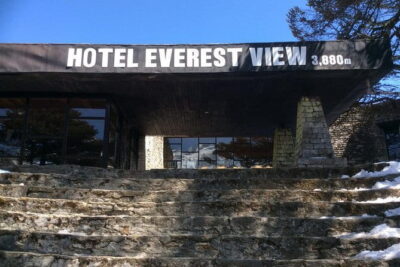
Everest Base Camp Helicopter Tour landing at Everest View Hotel
Read our review →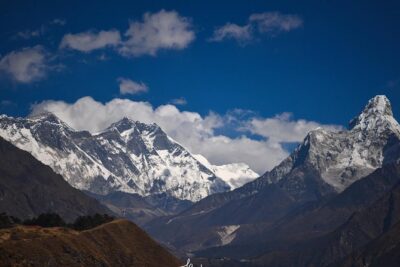
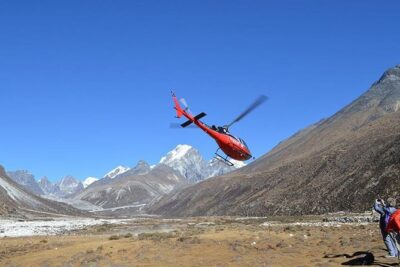
Everest Base Camp Helicopter Tour landing at Hotel Everest View
Read our review →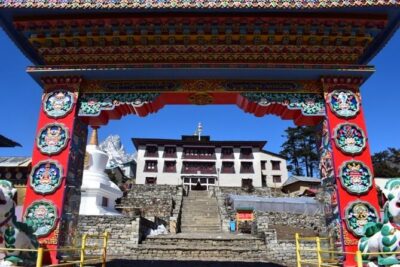
Browse the lists this tour appears in