
Reviewed · EVEREST BASE CAMP TREKS
Everest Base Camp Trek -14 Days
One flight day changes everything. This Everest Base Camp trek ties classic Khumbu routes to a small group and a licensed guide that handle the paperwork and logistics. I especially like the smooth start in Kathmandu and the way the pace builds in real acclimatization stops. The main consideration is altitude, and you should expect the route to ask a lot from your lungs even when the days look short on paper.
You get a planned, supported itinerary, but the experience still feels personal on the trail. I also like that the package focuses on the essentials, so you spend your time walking, not negotiating. The tradeoff is that you will pay extra for some day-to-day items like water, Wi-Fi, and hot drinks as you go.
In This Review
- Key things to know before you go
- Price and what you actually get for $1,420
- First day in Kathmandu: meeting, hotel, and a smoother start
- Day 2: Lukla flight, Sherpa crew handoff, and starting the trail
- Days 3 to 4: Pine forests, first Everest views, and a viewpoint acclimatization day
- Day 5: Dudh Koshi descent and rhododendron climbing
- Day 6: Tengboche monastery morning light and serious mountain drama
- Day 7: Dingboche rest day, fields, and a breather before the high push
- Day 8: Duglha to Chukpo Lari ridge and memorials for climbers
- Day 9: Khumbu Glacier north, lateral moraine terrain, and the long-awaited push
- Day 10: Kalapathar sunrise and a 360-degree panorama
- Days 11 to 12: Downshift back through villages and back toward the main lodge trail
- Day 13: Back to Kathmandu, leisure time, and your post-trek reset
- Food, lodges, and what “full board” really means in practice
- Your guide and group vibe: what support looks like on the ground
- Things that can affect your experience (the honest part)
- How this trek fits you: who should book it
- Quick FAQ: logistics, meals, and cancellations
- FAQ
- Is the Everest Base Camp route a 13-day or 14-day trip?
- What is included in the trek price?
- What is not included?
- How big is the group?
- Where do you meet and where do you end?
- What is the cancellation policy?
- Final call: should you book this Everest Base Camp trek with Alpine Ramble?
Key things to know before you go
- Flight to Lukla, not a long bus slog: you start with an early 35-minute scenic flight from Kathmandu to Lukla.
- Small-group trekking (max 12): easier conversation on tea breaks and less feeling like you disappear into a crowd.
- Acclimatization built into the route: rest and viewpoint days at key points like Dingboche and Tengboche.
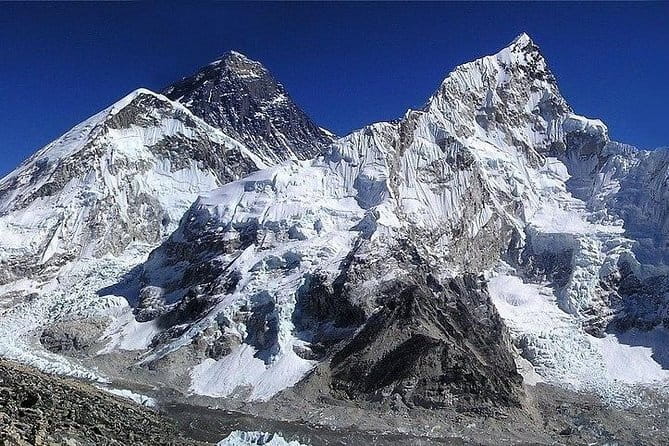
- Kalapathar sunrise viewpoint: you wake early for the climb and aim for a 360-degree Himalayan view window.
- Official support and paperwork included: TIMS card and Everest national park paperwork are handled.
- You pay for extras on the trail: drinks, water, and Wi-Fi are not included, so budget for them.
Price and what you actually get for $1,420
At $1,420 per person, this trek is priced like a full service package for one of Nepal’s most structured and logistically tricky routes. The value comes from what’s bundled: return flights between Kathmandu and Lukla, a licensed guide, trekking documents, and full-board meals during the trekking days.
Here’s the practical way I’d measure it: you are paying to reduce coordination stress. That matters on the Everest route, where flights, permits, and timing can make or break your trip. You are also paying for a small group size, which usually means less chaos at lodges and on the trail.
What’s not included is also clear. You still cover personal costs like hot and cold drinks (including coffee or tea), snacks, water, and Wi-Fi. Porter help is optional and costs extra if you choose it. And while the program description mentions a Kathmandu hotel night and dinner as a celebration, the provided details also list accommodations and foods before and after the trek as not included, so I’d confirm exactly what you are getting for your Kathmandu nights before paying the final amount.
More Treks in Kathmandu
- Everest Base Camp Trek – 14 Days
★ 5.0 · 1,499 reviews - Everest Base Camp Trek
★ 5.0 · 842 reviews - Everest Base Camp Trekking
★ 5.0 · 485 reviews
First day in Kathmandu: meeting, hotel, and a smoother start
Your journey begins in Kathmandu at Tribhuvan International Airport. You get welcomed by the tour staff and transferred to your hotel for an overnight stay. This matters more than it sounds. The day you arrive, you have paperwork, jet lag, and the general mental load of being in a new country. A real transfer and a planned overnight means you start the trek day two with fewer unknowns.
You’ll also be based near Thamel, the classic Kathmandu neighborhood, and the tour’s meeting point is there too. That’s convenient for quick errands and orientation, and it keeps you close to the kind of small services you might need if something is missing.
A nice human touch from past trekkers shows up in the reviews: some groups reported being met with garlands on arrival, and multiple mentions highlight the owner, Dil, as quick to respond and well organized. While your exact team can vary, it’s a good sign that the support doesn’t feel like a faceless counter.
Day 2: Lukla flight, Sherpa crew handoff, and starting the trail
Day two is a short, scenic flight, about 35 minutes, from Kathmandu to Lukla. The route then drops you into Sherpa country. After you land, you meet the crew who carries your luggage for the trek.
The big idea here is leverage. Once the luggage is handed off, you can move with less weight on your back, and you can focus on acclimatization effort and steady steps. Even if you are fit, the Everest Base Camp trek rewards pacing, not sprinting.
Your group size cap is a real factor on this day too. With a maximum of 12 travelers, you usually have enough space to remember names and to coordinate when you pause for photos or tea. That’s not just a comfort perk. It also makes it easier to follow the guide’s timing and watch each other’s footing in busier moments.
Days 3 to 4: Pine forests, first Everest views, and a viewpoint acclimatization day
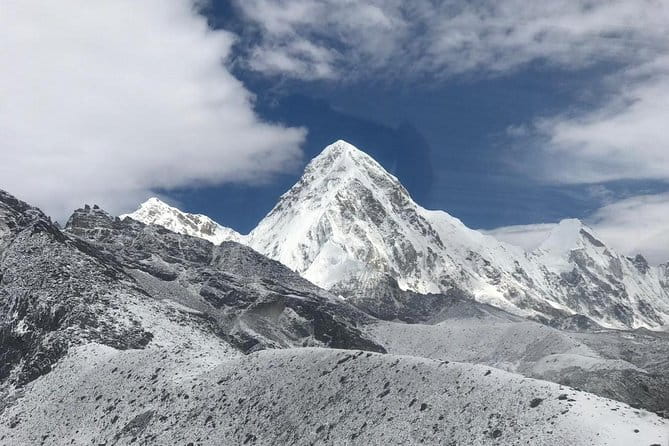
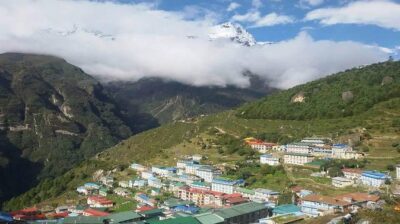
On day three, the walk starts through lush pine forest, crossing the Dudkosi River. You also get your early, jaw-drop moment with Mount Everest in view, plus nearby peaks like Kusum Kanguru mentioned in the route description. Early views do more than impress. They also help you mentally connect the miles you are walking to the high payoff ahead.
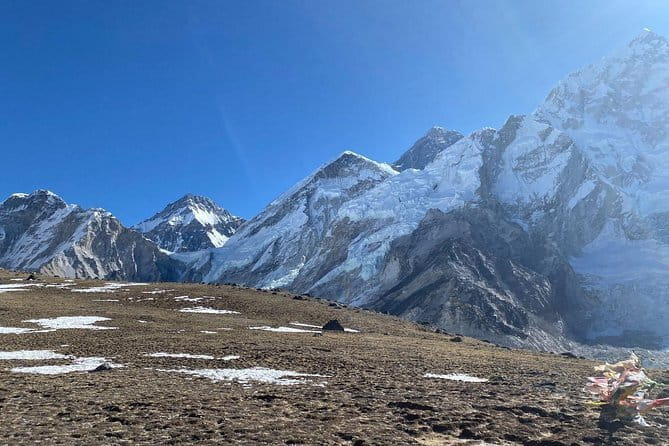
Day four is a rest and acclimatization day, focused on ascending to a high lookout with a wide mountaintop panorama. The itinerary calls out views of Everest, Lhotse, Cholatse, Thamserku, Kwangde, Khandala, Ama Dablam, and the valleys. Even if you keep expectations realistic, this kind of “go high, return or settle, then recover” day is part of why Everest Base Camp works for people who move steadily.
Possible drawback: these viewpoint days can still feel physically demanding, because altitude does not care that it’s called a rest day. The right approach is to treat them as active recovery, meaning slow steps, water breaks, and no heroics.
More Everest Base Camp treks:
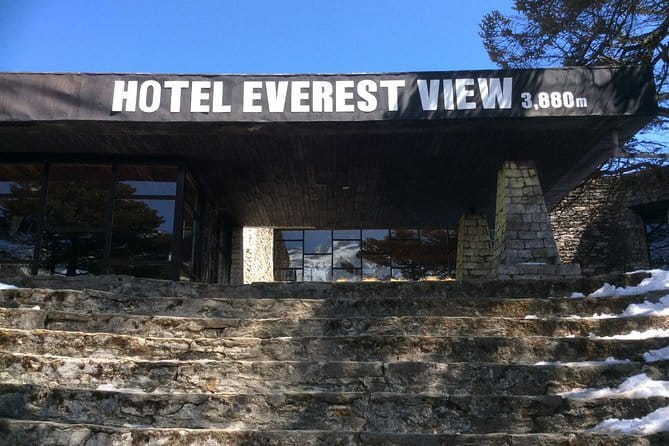
- Everest Base Camp Helicopter Tour landing at Everest View Hotel
★ 5.0 · 668 reviews - Everest Base Camp Trekking – 13 Day
★ 5.0 · 365 reviews - Everest Base Camp Trek
★ 5.0 · 350 reviews - 12 Days Everest Base Camp Trek
★ 5.0 · 289 reviews
Day 5: Dudh Koshi descent and rhododendron climbing
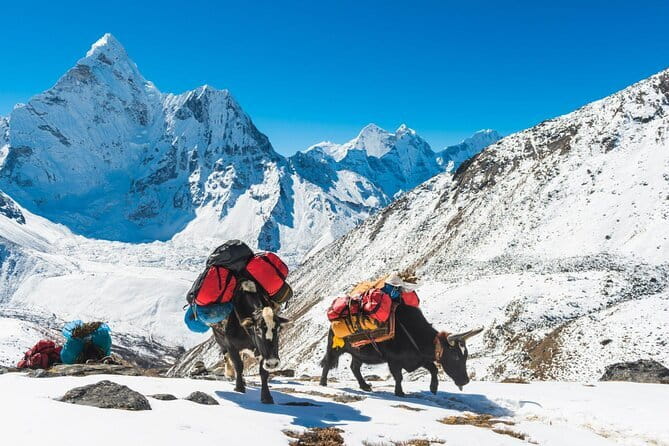
Day five brings a mix of famous terrain types. You trek along the Everest “highway” corridor, including a descent to the Dudh-Koshi River and then an ascent alongside the rhododendron sections described in the route.
This is the day where the trail starts to feel like a rhythm. You’ll go from wooded paths to river-side walking, then back up again. It’s not just scenery. This pattern helps your body keep adapting while still giving you the variety you want from a classic trek.
One practical tip if you want to enjoy this day: treat it as energy management. Descents can be tough on knees, and ascents can feel harder at altitude. If your goal is to reach Everest Base Camp and Kalapathar, your best plan is consistent movement.
Day 6: Tengboche monastery morning light and serious mountain drama
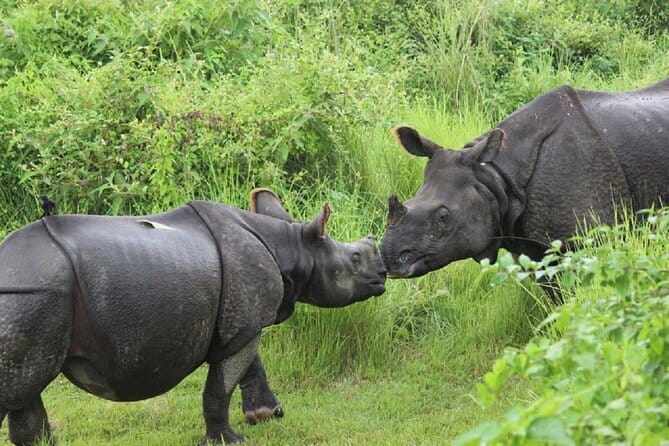
Day six centers on Tengboche, and it’s designed around timing. The route notes that in the early morning light, the monastery and surrounding mountains look pristine and spectacular.
This is one of those stops that is both spiritual and practical. You usually get a clear, scenic moment to reset your focus before the higher, colder sections ahead. Then you move through forested trails described with memorable wording, and you keep building toward the higher villages.
If you are sensitive to cold mornings, plan for it mentally. The itinerary puts key views early, and it’s worth dressing for that reality.
Day 7: Dingboche rest day, fields, and a breather before the high push
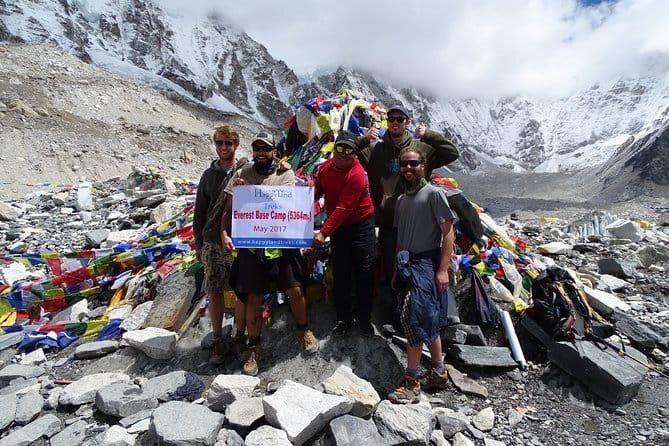
Day seven is a rest day at Dingboche, a popular stop for trekkers and climbers heading toward Everest and Ama Dablam. The description highlights the village setting: fields enclosed by stone walls meant to protect barley and other crops.
This is a meaningful day for two reasons. First, it helps with acclimatization before higher elevations. Second, it gives you a slower pace emotionally. After days of moving forward, a rest day makes the trek feel less like you are chasing a checklist.
In the reviews, guide support comes up again and again. You’ll likely feel this most on rest days, when you have time to ask questions and your guide can help you adjust your pace and expectations. Several reviews mention guides like Nir and Saugat as attentive and supportive, which is exactly the kind of vibe you want here.
Day 8: Duglha to Chukpo Lari ridge and memorials for climbers
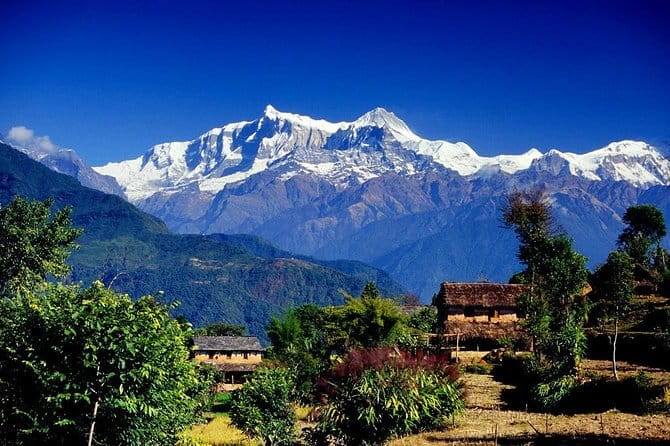
Day eight climbs from Duglha and includes a steep climb to the ridge at Chukpo Lari. The itinerary notes memorials in tribute to climbers who have died on Mount Everest.
This stop adds weight to the trek. Everest Base Camp is not just a view mission. It carries the history and risk of high-altitude mountaineering, and memorials like these are a quiet reminder that the mountain takes effort seriously.
Because this day includes steep climbing, you’ll want to keep your pace gentle. This is where slow breathing and steady footing will matter more than how quickly you reach the next tea house.
Day 9: Khumbu Glacier north, lateral moraine terrain, and the long-awaited push
Day nine is described as the most exciting and long-awaited day. You leave from Lobuche (spelled Lubuche in the itinerary text). The route goes across flat meadow segments, then follows the Khumbu Glacier northward, with short climbing and then climbing onto the lateral moraine.
This is the transition into the high-zone feel. The terrain can feel more rugged and less “village trail” than earlier days. Even when the days are paced in increments, the altitude makes everything more physical.
Practical advice: on days like this, you’ll benefit from sticking to the guide’s schedule for breaks. Guides are not just pointing the way. They help keep the group safe and moving at a sustainable tempo.
Day 10: Kalapathar sunrise and a 360-degree panorama
Day ten is the sunrise plan. You wake up early and climb for about two hours to Kalapathar, positioned for sunrise over the Himalayas. The itinerary promises a 360-degree view that includes Mount Everest and other peaks like Nuptse and Lol and more named in the text.
Kalapathar is often the emotional peak of the trek for many people. It offers a different angle than base camp itself, and sunrise adds the wow factor. Even if clouds cloud the horizon, you still get the value of being there at the right time with the right effort.
If you are prone to headaches at altitude, go easy. Early starts plus exertion can trigger symptoms, and the trek description includes a basic first aid box with Diamox for altitude sickness support.
Days 11 to 12: Downshift back through villages and back toward the main lodge trail
Day eleven is a descending pass through Sherpa villages, then a walk down to the Dudh Koshi River area and back into forest toward Dingboche. After that, the itinerary climbs to Tengboche again.
This “back through, then forward again” pattern can feel like you’re walking in loops, but it’s normal for the route. You are building a safe day-to-day elevation profile. It also gives you the chance to see familiar places with different light and different fatigue levels.
Day twelve continues the descent on the same general way you came through Jorsalle, Manjo, Benkar, Phakding, and other small villages. It also notes walking over multiple suspension bridges over the Dudh Koshi.
Bridge-heavy days help on one front, because the scenery stays changing. But watch your footing. Suspension bridges can feel bouncy, and tired legs are not great balance partners.
Day 13: Back to Kathmandu, leisure time, and your post-trek reset
On day thirteen, you fly back to Kathmandu. The itinerary calls for a leisure day in Kathmandu afterward.
This matters. You do not want your trek to end and then immediately jump into a second major activity. A leisure day lets you recover, shower if needed, and process what you saw.
One more realism check: past trekkers noted that lodge and meal quality can vary by stop, and that some menu patterns can repeat. The tour is still described as using authentic local meals, but it’s smart to expect simple lodge food rather than restaurant style variety every day.
Food, lodges, and what “full board” really means in practice
The package includes full-board meals during the trek, with breakfast, lunch, and dinner covered as listed. Lodges provide the setting for those meals, so you’ll eat where you sleep.
In the reviews, there’s a common theme: the meals are simple, and while they may stay consistent in many places, the overall experience still works because it is paired with the trekking rhythm. Some trekkers also noted that certain accommodations can be basic, including at places like the Lukla hotel.
So here’s my balanced read: you should go with the mindset that the trek is the priority, and lodging is functional. If you want luxury, Everest Base Camp trekking does not deliver it. If you want reliable shelter, warm meals, and a straightforward trail plan, this format usually hits the mark.
Your guide and group vibe: what support looks like on the ground
A government-licensed guide is included. That’s not just a credential. It tends to show up in how smoothly the day runs: timing, acclimatization choices, and staying calm when the trail gets busy.
The reviews also highlight specific people in the team. The owner Dil is frequently mentioned as organized and responsive. Guides like Sujal, Amer, Nir, Laxman, Ram, Saugat, and Subash come up across different groups, with comments that they were attentive, supportive, and made the logistics easy.
There’s also the porter role. Even though a porter is not required, you meet and introduce the luggage-carrying crew early, and you can choose to hire more porter help if you need it. That optionality is good because it matches different comfort levels and pack sizes.
Things that can affect your experience (the honest part)
Even with a well-built plan, Everest Base Camp trekking has a few unavoidable realities:
- Altitude demands discipline. The itinerary builds rest and acclimatization stops, including a rest day at Dingboche and viewpoint days. Still, you need to keep your effort at a pace your body can handle.
- Weather and visibility can change the payoff. The sunrise plan at Kalapathar and earlier mountain viewpoints depend on clear skies. When clouds roll in, you still walk through beautiful zones, but the promised panoramic views can be muted.
- Some lodging will be basic. Reviews include mentions of menu sameness and that some accommodations are less impressive, like at least one Lukla-area hotel. This is normal for the region, but go in with the right expectations.
- Trail traffic can be higher at certain times. One review notes it felt more crowded than earlier years. On popular legs, that can mean more people at tea houses and busier sections.
How this trek fits you: who should book it
This trek is a good fit if you want:
- A classic Everest Base Camp experience with Lukla flights and a guided plan
- A small-group atmosphere that helps you feel like a group, not a crowd
- Built-in acclimatization stops and a realistic pacing structure
- Included trekking documents and official logistics so you are not chasing permits and details while you travel
It may be less ideal if:
- You want hotel comfort every night
- You dislike altitude risk and prefer fully predictable conditions
- You are not comfortable budgeting for on-trail extras like drinks and Wi-Fi
Quick FAQ: logistics, meals, and cancellations
FAQ
Is the Everest Base Camp route a 13-day or 14-day trip?
The package is titled Everest Base Camp Trek -14 Days, but the detailed itinerary runs from Day 1 in Kathmandu through Day 13 with your return flight to Kathmandu on Day 13. The duration is listed as 13 days (approx.).
What is included in the trek price?
The included items cover return flights Kathmandu to Lukla and Lukla to Kathmandu, full-board meals during the trek, trekking lodges accommodations during the trek, a government-licensed guide, first aid medical kit, trekking documents (Everest national park and TIMS card), and an emergency rescue operation funded by Travel Insurance.
What is not included?
International flights, Nepal entry visa fees, accommodations and foods before and after the trek, local porter if you need it, and personal expenses like hot shower, hot and cold drinks, snacks, water, and Wi-Fi are not included. Tipping for guides and staff is also not included.
How big is the group?
This tour has a maximum of 12 travelers.
Where do you meet and where do you end?
You start at Thamel, Kathmandu 44600, Nepal. The experience ends back at the meeting point.
What is the cancellation policy?
You can cancel for a full refund up to 24 hours in advance. If you cancel less than 24 hours before the start time, the amount paid is not refunded.
Final call: should you book this Everest Base Camp trek with Alpine Ramble?
If you want a smooth, guided Everest Base Camp plan with a small group, and you value having flights, paperwork, and meals handled, I think this is a strong choice. The combination of Lukla flights, a licensed guide, and the way the route uses rest and viewpoint days gives you a solid structure for a tough trek.
I’d only hesitate if you are the type who needs luxury lodging or who hates budgeting for daily extras. Also, confirm the details on your Kathmandu hotel night and dinner versus what is listed as not included, so there are no surprises after you arrive.
Latest additions near Kathmandu
- White Water River Rafting – 1 Day★ 4.3 · 3 reviews
- Traditional Momo Making Class★ 5.0 · 10 reviews
- Kathmandu to Pokhara Premium sofa bus ticket★ 4.0 · 17 reviews
- Ghorepani Poon Hill Trek★ 5.0 · 16 reviews
- Amazing 1 Day Trekking Experience in Kathmandu Nepal★ 5.0 · 24 reviews
- Ghorepani Poonhill Trek★ 5.0 · 5 reviews
- Walking tour of real Kathmandu through back streets.★ 5.0 · 3 reviews
- Wildlife Adventure in Chitwan Nepal★ 4.0 · 4 reviews
Everest Base Camp Treks, compared.
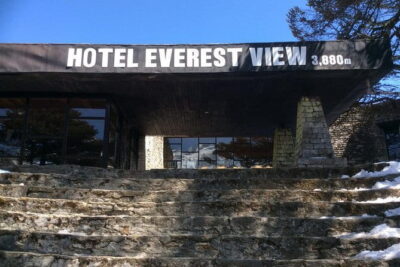
Everest Base Camp Helicopter Tour landing at Everest View Hotel
Read our review →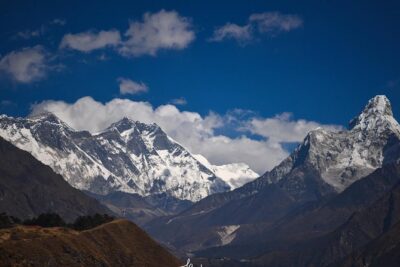
Everest Base Camp Helicopter Tour landing at Hotel Everest View
Read our review →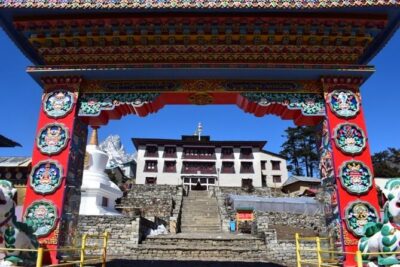
Browse the lists this tour appears in