
Reviewed · EVEREST BASE CAMP TREKS
12 Days Everest Base Camp Trek
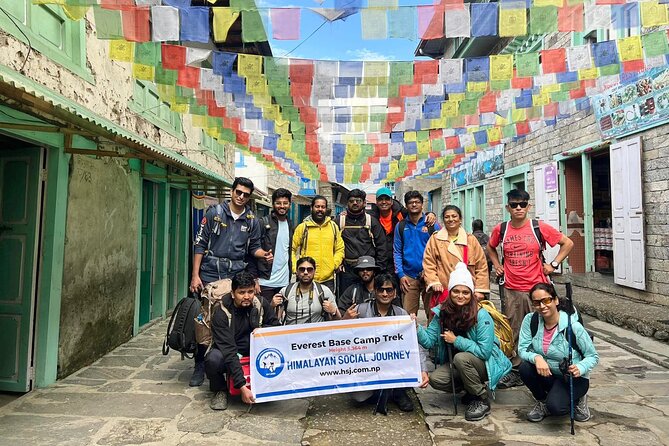
Everest, minus the stress of planning. This guided 12-day Everest Base Camp trek covers the big moving parts like Lukla flights and park permits, then pairs you with experienced guides and Sherpa support such as Mingmar and Dawa Sherpa. You still get the full adventure, but you spend less time worrying about logistics.
I also like the built-in acclimatization rhythm. You get a one-night Kathmandu hotel stay at Gokarna Forest Resort, plus intentional rest and hike days in the Everest region to help your body adjust as altitude rises. One important consideration: you’ll cover extra costs like lunch and dinner during the trek, and high-altitude tea house comfort can be basic.
In This Review
- Key things I’d notice fast about this EBC trek
- From Kathmandu to Lukla: flights, permits, and staying on the right route
- Kathmandu prep night at Gokarna Forest Resort, plus transfers that actually matter
- Day 1 to 2: Lukla landing, pine forests to Phakding, then the Monjo check
- Day 3 to 5: Namche acclimatization, Syangboche views, and the Tengboche monastery day
- Day 6 to 7: Dingboche rest and Nangkartshang, then Thukla Pass and higher terrain
- Day 8 to 9: Gorakshep, Everest Base Camp, and the Khumbu Glacier moment
- Day 10 to 11: Pheriche to Namche, then Lukla, and the mental shift of going down
- Price and value: what $1,099 covers, and what you must still plan for
- Porter support, tea house comfort, and what you should expect to feel
- Who should choose this guided Everest Base Camp trek?
- Should you book this 12-day Everest Base Camp trek package?
- FAQ
- What does the price include on this Everest Base Camp trek?
- Are meals like lunch and dinner included?
- Do I need travel insurance?
- What’s the toughest part of the trip in terms of effort?
- Will I have a guide and porter support?
- How big is the group?
Key things I’d notice fast about this EBC trek
- Lukla flights plus park fees are handled, so you can focus on walking and taking in the views
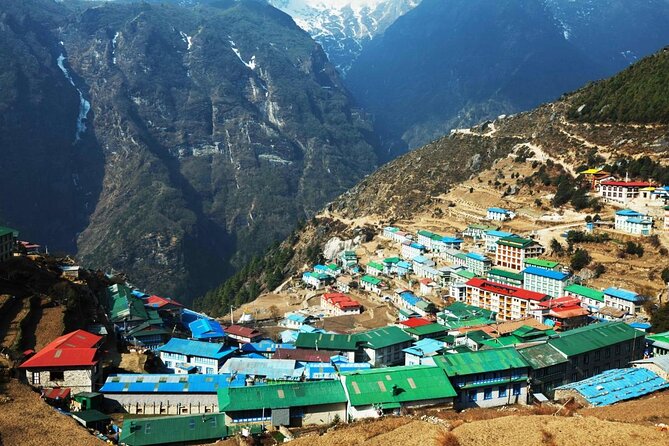
- Acclimatization days in Namche Bazaar and Dingboche reduce the chance you feel rushed by altitude
- Guide plus porter support (1 porter for 2 travelers) helps keep the trek doable
- Everest Base Camp day includes Khumbu Glacier travel and return to Gorakshep
- Kala Patthar sunrise is built in for that early-morning big-view payoff
- Kathmandu comfort upgrade includes one night at Gokarna Forest Resort
From Kathmandu to Lukla: flights, permits, and staying on the right route
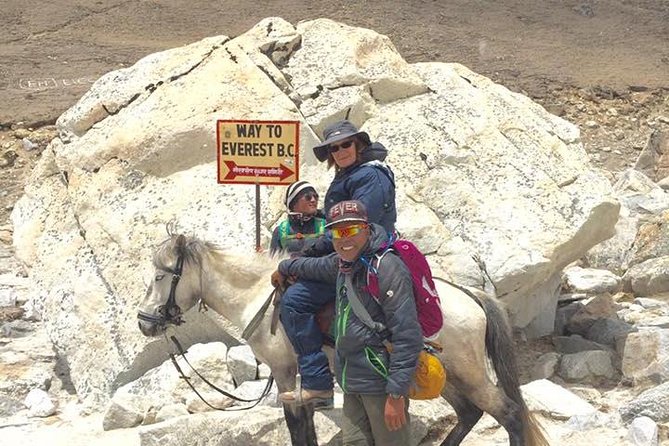
The biggest value in a guided Everest Base Camp trek is not drama. It is simple, practical coverage of the steps that can otherwise snowball into confusion. Here, the package includes domestic flights from Kathmandu or Ramechhap to Lukla, plus the return flight back the same way. That matters because Lukla is the gateway, and getting there and back on schedule is half the battle.
Permits and access are also included, including Sagarmatha National Park fees and the Lukla entrance fees and local taxes. If you have ever tried to piece this together on your own, you know how fast it turns into paperwork. With this setup, you can arrive in Nepal and start thinking about boots, not forms.
You also get a professional, licensed English-speaking guide, and you travel with porter help. The package lists a first aid kit too. I do not want to pretend that coverage makes altitude risk disappear, but it does mean you are not alone when conditions change or when the day needs a smarter pace.
More Treks in Kathmandu
- Everest Base Camp Trek – 14 Days
★ 5.0 · 1,499 reviews - Everest Base Camp Trek
★ 5.0 · 842 reviews - Everest Base Camp Trekking
★ 5.0 · 485 reviews
Kathmandu prep night at Gokarna Forest Resort, plus transfers that actually matter
Most people underestimate what Kathmandu does for your trek before you ever see Everest. This package includes pickup and drop-off and includes at least one night in Kathmandu at Gokarna Forest Resort. That is a real perk if you land tired, need a shower that feels like a shower, and want a calm place to prep for the flight to Lukla.
The small catch: accommodation in Kathmandu is listed as not included, even though the highlights say one night at Gokarna Forest Resort is included. So I’d treat this as a “clarify it now” item. If your dates add extra nights, ask what happens. If the trek starts with the included night, you should be fine. If it does not match your plan, you want that answered before you pay for anything.
Either way, the package includes transport before and after the trek, which is the difference between a smooth handoff and a chaotic scramble through town right after you land.
Day 1 to 2: Lukla landing, pine forests to Phakding, then the Monjo check
You start with the Lukla flight, arriving at the gateway to the Everest region. Then day one turns into an easy win for your confidence: you move from Lukla down to Phakding through pine forests and Sherpa villages. You descend, you find your rhythm, and you end in a tea house for the night. I like this because it gets your body moving without immediately asking for big climbs.
Phakding is also where you learn how the trek day rhythm works. You will likely have time left after checking in to explore the village area and settle in before dinner and sleep. That matters because on an EBC trip, the early days set your habits for pace, hydration, and how you use breaks.
Day two starts with suspension bridges and the walk along the Dudh Koshi River. You pass Monjo, where you verify entry into Sagarmatha National Park. That check is part of why guided treks feel safer, because it is one less moment where you might wonder what documents you still need.
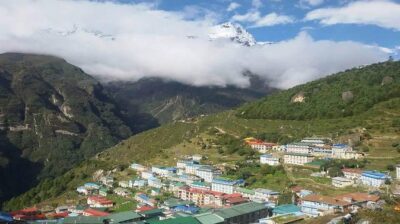
Then comes the climb to Namche Bazaar. It is a long day and includes crossing the Tenzing Hillary Suspension Bridge, plus a steep push. The payoff is the view of peaks like Thamserku and Everest. But the practical takeaway is this: the climb to Namche is where your legs start learning the altitude, even if you are not fully suffering yet.
Day 3 to 5: Namche acclimatization, Syangboche views, and the Tengboche monastery day
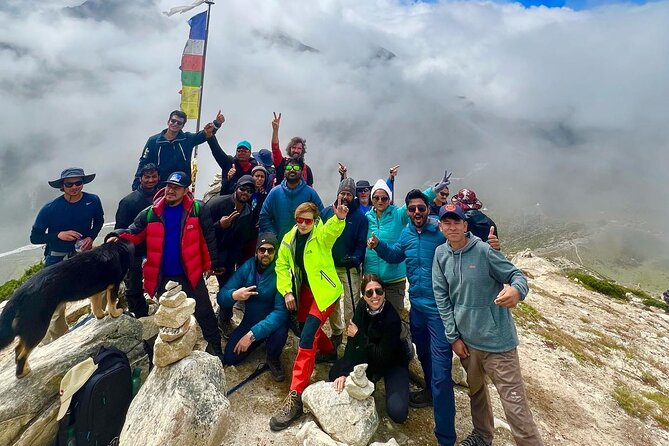
Day three is about not rushing. You stay in Namche Bazaar and acclimatize, because thin air does not care about your enthusiasm. This day also gives you time to adjust to the reality of the trail: the market town feel, the shop stops, and a chance to refuel mentally before you climb higher.
Namche is also where you learn why the itinerary repeats itself in the best way. Your goal is to move up, but you also need to recover properly. If you treat every day like a race, altitude gets the last word.
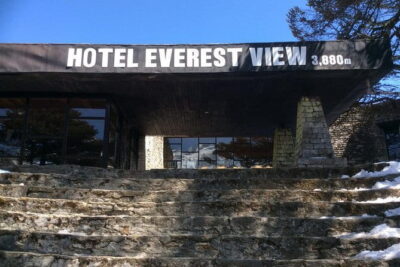
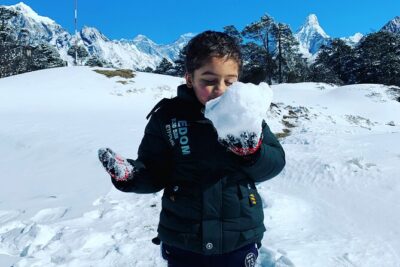
On day three, you also hike to Syangboche and to Hotel Everest View area. That is a short, targeted move designed for acclimatization with excellent views. You should expect more wind, more sun glare, and colder air as you go higher. Go slow, and let your breathing do the work for you.
Day four sends you toward Tengboche, and the big feature here is the Tengboche monastery. This is one of those moments where the trek becomes more than just physical effort. Even if you are not religious, you get a sense of the culture that survives at high altitude.
After Tengboche, you continue toward Deboche, crossing the Imja River, and you spend the night in another tea house. This day often feels like a steady rhythm of short climbs and long view stretches. The main “drawback” is you might feel tempted to linger in places that are simply too chilly, too early. Plan your breaks and keep moving.
Day five continues toward Dingboche via the Imja Valley and the Lobuche River, with forest walking through birch, conifer-like trees (confer), and rhododendron. The route also gives you regular sightings of Everest, Lhotse, and Ama Dablam. That is one of the reasons I like the EBC trek early on, the sense that the mountain is always watching.
More Everest Base Camp treks:
- Everest Base Camp Helicopter Tour landing at Everest View Hotel
★ 5.0 · 668 reviews - Everest Base Camp Trekking – 13 Day
★ 5.0 · 365 reviews - Everest Base Camp Trek
★ 5.0 · 350 reviews - Everest Base Camp Trek -14 Days
★ 5.0 · 321 reviews
Day 6 to 7: Dingboche rest and Nangkartshang, then Thukla Pass and higher terrain
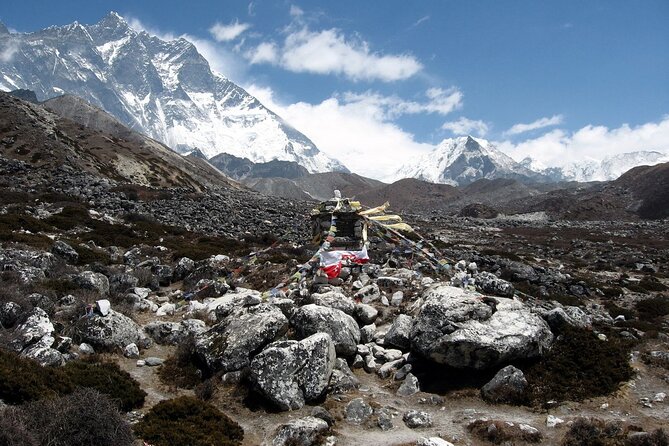
Day six is a rest day in Dingboche, but do not confuse rest with doing nothing. This is where you slow down and let your body adjust. You can explore the village, keep hydration steady, and take the right kind of naps. Then, for additional acclimatization, you hike to Nangkartshang Peak. The point is the view, but the real win is training your body to handle altitude while staying efficient.
This is also one of the days where having an experienced guide matters. People on these treks often want reassurance about pace, clothing layers, and how hard they should push. Your team’s daily briefing style is a big deal on this kind of trek. On this operator’s trips, multiple trekkers highlighted how guides offer practical guidance like what to wear and how to manage the day.
Day seven is when the environment starts changing fast. You trek from Dingboche to Lobuche, and the trail becomes rougher as you get closer to Everest Base Camp. You pass through higher terrain where air feels thinner.
You also cross Thukla Pass, with panoramic views of Pumori and Nuptse. The practical consideration here is to keep your effort steady on the pass. If you sprint early, you pay later. Bring a calm mindset, use short breaks, and keep your pack weight under control with porter support doing what it is supposed to do.
Day 8 to 9: Gorakshep, Everest Base Camp, and the Khumbu Glacier moment
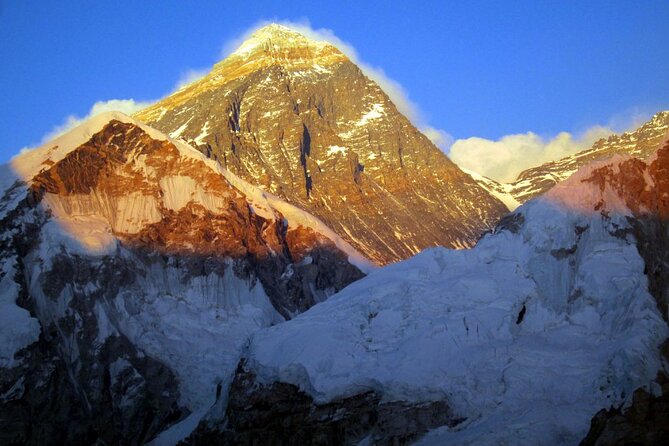
Day eight starts with the move to Gorakshep, the last settlement before Everest Base Camp for this route. Expect rocky terrain and a climb that forces you to slow down. Then you check into a tea house, take lunch, and continue toward the big objective.
This is your Everest Base Camp day. The route involves traveling through the Khumbu Glacier, and then you spend time at Everest Base Camp for photos and a real sense of arrival. I like that the plan includes time at base camp and also includes the return to Gorakshep the same day. It keeps you from feeling like your energy is being drained across too many long moves.
Day nine is built for sunrise. You start early for Kala Patthar, aiming for sunrise over the Himalayas. This is the sort of morning that feels cold before it feels worth it, but when you are up there with clear skies, the views can be unforgettable. After the sunrise time, you descend back to Gorakshep, then trek down toward Pheriche for another tea house night.
This split makes sense. You get your “big views” morning, then you regain some comfort by coming down. Even on an easy-feeling day, descending helps you recover for the final stretch.
Day 10 to 11: Pheriche to Namche, then Lukla, and the mental shift of going down
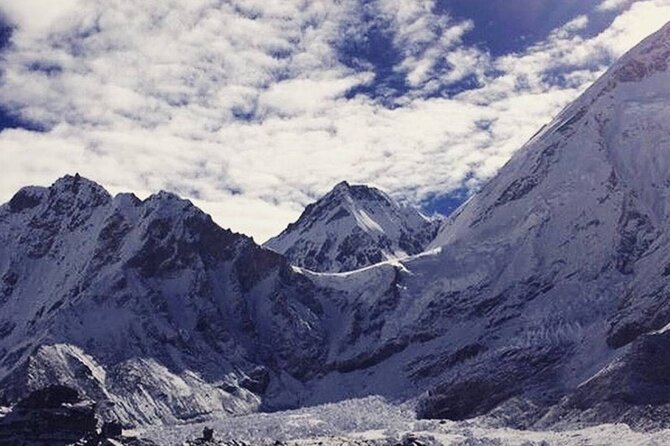
Day ten returns you toward Namche Bazaar. Coming down to lower altitude is a relief, and you start recognizing parts of the route. That recognition is helpful because your mind can focus on the experience instead of just surviving the next uphill step.
The trek still takes time and still includes tired legs, but the weather often feels friendlier. The route gives you familiar scenery, plus the quiet satisfaction of knowing you are close to the finish line.
Day eleven brings the final descent to Lukla. You pass through villages, cross suspension bridges again, and end your trek by arriving back at the Lukla tea house area. You typically take lunch in Phakding along the way, then keep moving through the forest and bridges.
On day eleven, you also get that strange mix of emotions. You feel accomplished, and you may also feel a little sad because your daily trail routine disappears quickly once you are back near the airstrip. Enjoy the last views but do not overextend. The flight day can be busy.
Price and value: what $1,099 covers, and what you must still plan for
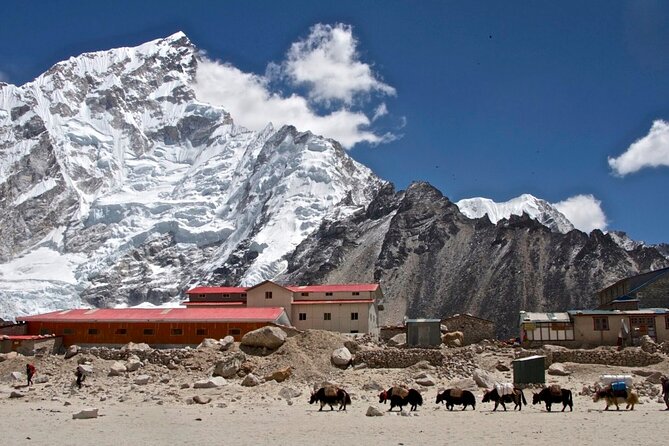
At $1,099 per person, the price is best understood as paying for logistics and support, not for luxury. Here is what you are getting for that number:
- Flights between Kathmandu or Ramechhap and Lukla, and the return
- Trek crew airfare
- Guide plus porter support (porter help is listed as 1 porter for 2 travelers)
- National park fees, Lukla entrance fees, and local taxes
- Guesthouse accommodation during trekking days, with breakfast on a twin-sharing basis
- Necessary equipment (duffle bags if needed) and a first aid kit
- Transfers: pickup and drop-off, plus transport before and after the trek
What you should budget extra for is equally important:
- Lunch and dinner during the trek are not included
- Personal equipment and clothing are not included
- Travel insurance is not included
- Alcoholic drinks are available to purchase
- Kathmandu accommodation is listed as not included in one part of the details, even though a Kathmandu hotel night at Gokarna Forest Resort is called out in the highlights
That last point is the one you should double-check. In practice, if your included nights cover what you expect, the price can feel very fair. If you need extra hotel nights in Kathmandu, or if your trek dates change the included hotel coverage, the total cost can climb quickly.
Also, consider seasonality. This region is weather-sensitive. Good weather matters for flight days, and that can affect the overall flow of the trek.
Porter support, tea house comfort, and what you should expect to feel
This trek uses a group format with a maximum group size of 30 travelers, which keeps the experience social without turning it into a big moving circus. You walk with a guide who can manage pace and route decisions, and the porter model means your heavy load is not automatically placed on your back.
Still, you are in the high country. Tea houses mean simple rooms, basic comfort, and limited hot-water or temperature control. Multiple experiences with the trek mentioned that lodging at higher altitudes can feel uncomfortable, which is normal. The win is that the route is set up so you are not stuck with surprise costs or having to manage your own logistics.
One other practical comfort detail: the group gets frequent opportunities to stop for food and for rest. The itinerary includes tea house nights almost every day, and you get breakfast included with guesthouse accommodation. That structure makes it easier to plan your daily energy.
Finally, keep your paperwork ready. The tour notes ask you to bring your original passport and have travel insurance. Bring it even if you think you will never need to show it.
Who should choose this guided Everest Base Camp trek?
This tour is aimed at active travelers with at least some mountain trekking experience. You should be comfortable hiking for long days, managing steep sections, and adjusting to altitude with patience. If you are new to trekking, it can still work, but you need to follow guidance and accept that the schedule is designed for acclimatization, not for shortcuts.
It is also a good fit if you want the Everest Base Camp trek experience without DIY headaches. If you like your travel to include clear coverage for flights, permits, guides, and core logistics, you will likely appreciate this format.
It may not be the best match if you want maximum independence in every decision. Even though you will move as a group, you still need to respect guidance on pacing, acclimatization hikes, and when to push versus recover.
Should you book this 12-day Everest Base Camp trek package?
I’d book it if your main priorities are smooth planning, licensed guide support, and a route that includes sensible acclimatization stops. The Everest Base Camp day plus the Kala Patthar sunrise morning are the kind of moments you plan your whole trip around, and this trek structure is built to get you there in the right order.
I would hesitate only if you do not want to manage extra costs like lunch and dinner, or if you are expecting hotel-level comfort on the mountain. Also, confirm the exact Kathmandu lodging situation, since the details mention both an included Gokarna Forest Resort night and note that Kathmandu accommodation is not included. Get that straight now and you avoid surprises later.
If you want Everest without the stress of piecing everything together, this is a strong, practical choice.
FAQ
What does the price include on this Everest Base Camp trek?
The package includes domestic flights (Kathmandu/Ramechhap to Lukla and back), guide and porter support, a first aid kit, Sagarmatha National Park fees and Lukla entrance fees, trekking day guesthouse accommodation with breakfast (twin sharing), and necessary equipment like duffle bags if needed. It also includes round-trip transfers and some taxes and office expenses.
Are meals like lunch and dinner included?
No. Breakfast during trekking days is included with the guesthouse stay, but lunch and dinner are not included in the package.
Do I need travel insurance?
Yes. Travel insurance is listed as not included, and you are asked to bring your travel insurance details.
What’s the toughest part of the trip in terms of effort?
The itinerary includes multiple long trekking days, steep climbs (including the push to Namche Bazaar), and higher altitude terrain. The schedule also includes acclimatization hikes, so expect you will be working in thin air and rougher ground.
Will I have a guide and porter support?
Yes. The trip includes a professional licensed English-speaking guide and porter support, listed as 1 porter for 2 travelers.
How big is the group?
The maximum group size is listed as 30 travelers.
Latest additions near Kathmandu
- White Water River Rafting – 1 Day★ 4.3 · 3 reviews
- Traditional Momo Making Class★ 5.0 · 10 reviews
- Kathmandu to Pokhara Premium sofa bus ticket★ 4.0 · 17 reviews
- Ghorepani Poon Hill Trek★ 5.0 · 16 reviews
- Amazing 1 Day Trekking Experience in Kathmandu Nepal★ 5.0 · 24 reviews
- Ghorepani Poonhill Trek★ 5.0 · 5 reviews
- Walking tour of real Kathmandu through back streets.★ 5.0 · 3 reviews
- Wildlife Adventure in Chitwan Nepal★ 4.0 · 4 reviews
Everest Base Camp Treks, compared.
Everest Base Camp Helicopter Tour landing at Everest View Hotel
Read our review →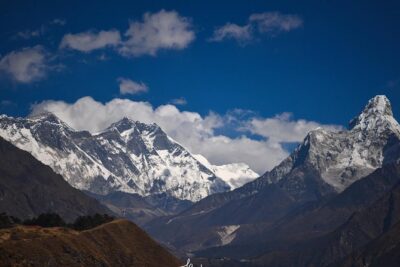
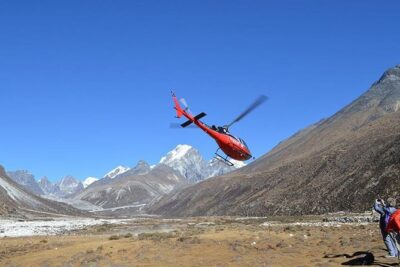
Everest Base Camp Helicopter Tour landing at Hotel Everest View
Read our review →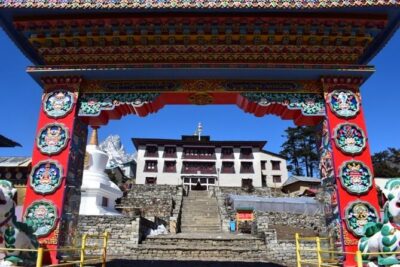
Browse the lists this tour appears in