
Reviewed · EVEREST BASE CAMP TREKS
Everest Base Camp Trekking – 2025/2026
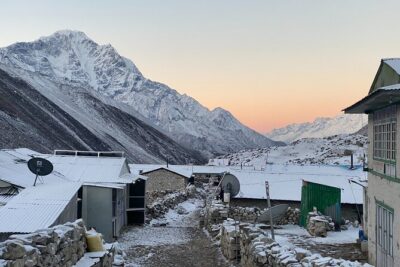
A week of steep stairs and cold tea pays off fast. This is the classic Everest Base Camp route, run as a private guided trek with Lukla flights and full-board support. You hike through Sherpa villages, past Buddhist monasteries, and end up face-to-face with the highest mountains in the world.
What I like most is how much is handled for you. Domestic flights to and from Lukla are included, along with trekking lodges, permits (national park fees and the TIMS card), and a government-licensed English-speaking guide who helps with meals, flights, and the whole flow of the days.
The main drawback to plan for is altitude and weather reality. This trek is non-technical, but you still reach high elevations, and Lukla flying can depend on good conditions, so you need a flexible mindset and solid health plan.
In This Review
- Key points at a glance
- Why Everest Base Camp still feels like a real journey
- Price and what you really get for $1,339.20
- Kathmandu day: setting up without wasting your energy
- From Kathmandu to Lukla, where timing meets altitude
- Phakding to Namche Bazaar: your first real taste of Khumbu life
- Namche to Pangboche: monasteries and mountain walls
- Pangboche to Lobuche: the trail gets more serious
- Gorak Shep and Everest Base Camp: the part people remember
- The return through Pangboche and Namche: still work, just less pressure
- A typical day on the trail: warm routine, early dinners, and room for photos
- Lodges, rooms, and bathrooms in the Everest zone
- Food on the mountain: included meals, menu choices, and what to skip
- Safety, altitude reality, and the value of a guide
- Guide names you may run into, and what that usually means
- Packing for 2025/2026: the gear that prevents misery
- Best seasons to plan for clear views
- Responsible tourism, Sherpa culture, and keeping the place clean
- Should you book this private Everest Base Camp trek?
- FAQ
- What is the duration of this Everest Base Camp trek?
- Where does the tour start?
- Are domestic flights to Lukla included?
- What permits are included?
- What meals are included during the trek?
- What type of accommodation will I have?
- Is this a technical climb?
- What about drinking water?
- What is not included in the price?
Key points at a glance
- Lukla flights included (Kathmandu/Manthali to Lukla and return), which saves you real time and hassle
- Permits included (Everest National Park fees plus the TIMS card), so you do not have to chase paperwork
- Full-board trek support with lodge stays, breakfast-lunch-dinner, and water purification tablets
- A government-licensed English-speaking local guide who keeps you on route and helps with daily logistics
- Private trek format with the flexibility to move at your pace without getting rushed
Why Everest Base Camp still feels like a real journey
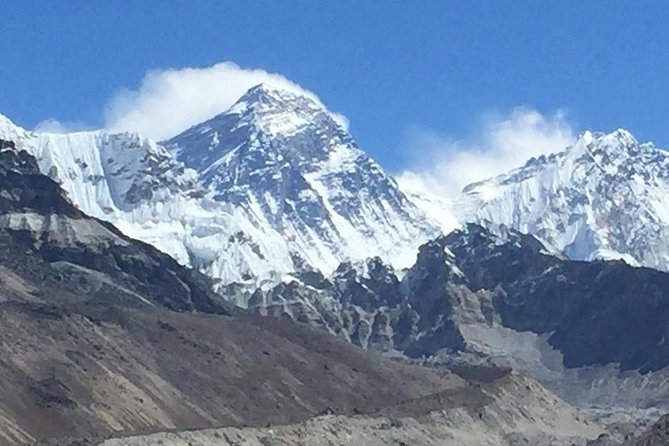
Everest Base Camp never stops feeling special, even though the route is popular. The biggest reason is the gradual build. You move from city life in Kathmandu, to the “tinkly” rhythm of mountain villages, to a stark world where big peaks do most of the talking.
I also like the way this trek is built around comfort and sanity, not just distance. You get a structured day routine, warm meals at the lodge, and guide support so you spend less energy on figuring out logistics and more energy on hiking, photos, and taking breaks.
One more thing I appreciate is the guide’s focus on culture. In the mountains, the route is not only about views. It is also Sherpa settlements, monasteries, and local beliefs, and you are encouraged to learn while you go.
More Treks in Kathmandu
- Everest Base Camp Trek – 14 Days
★ 5.0 · 1,499 reviews - Everest Base Camp Trek
★ 5.0 · 842 reviews - Everest Base Camp Trekking
★ 5.0 · 485 reviews
Price and what you really get for $1,339.20
At $1,339.20 per person, the value comes from what is included, not just the headline number. This package covers the big-ticket items that often add up on your own: Lukla domestic flights, permits, lodge accommodation during the trek, and most meals.
Here is what the money buys during the trek:
- Trek lodges for your nights on the mountain
- Breakfast, lunch, and dinner on a full-board basis
- National Park fees and the TIMS card
- Water purification tablets for safer drinking water
- A licensed English-speaking local guide handling meals, flights, and daily logistics
- Private transportation in the Kathmandu portion, with an air-conditioned vehicle
What is not included (so you budget correctly):
- Visa fees and the Nepal entry visa
- International flights and travel insurance
- Extra nights and meals before and after the trek in Kathmandu
- Shopping, drinks, hot shower costs, snacks, Wi-Fi, and alcohol
If you want a straightforward trekking plan where the hardest parts are handled, this is the kind of package that can make EBC feel less like a project and more like a trip.
Kathmandu day: setting up without wasting your energy
You start with arrival in Kathmandu, then transfer to your hotel. An airport representative meets you on arrival and helps with the handoff, which matters when you are tired from your flight.
There is also private vehicle support in the Kathmandu Valley. That helps if you want to get oriented the right way, rather than losing half a day to transport and timing puzzles. Your tour also lists a start time of 7:15 am, which usually signals an early, organized day setup.
Practical tip: plan a calm evening the night before your trek flight. Kathmandu is busy, and once you go up, your schedule tightens fast.
From Kathmandu to Lukla, where timing meets altitude
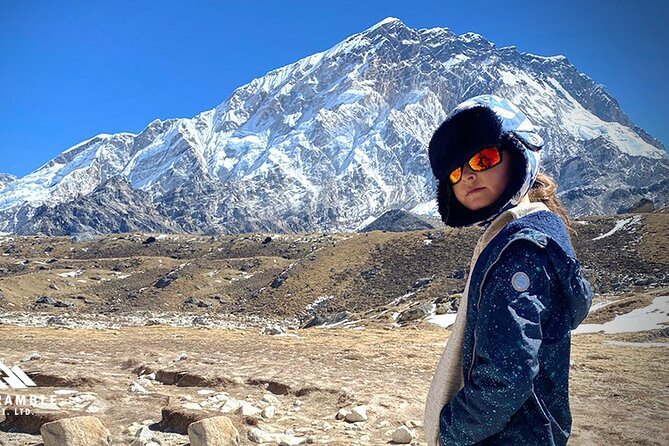
Your trek begins with a domestic flight to Lukla, then hiking onward to Phakding at 2,652 m. Lukla is where many people feel the shift instantly. The air is thinner, the day feels more physical, and the mountain weather can change fast.
What I like about having the flights included is simple: you avoid the stress of building the most important connection yourself. The package also includes the return flight from Lukla back to Kathmandu.
A consideration: flights to Lukla can be weather-sensitive. Even with everything planned, you may need patience and flexibility around flight timing.
More Everest Base Camp treks:
- Everest Base Camp Helicopter Tour landing at Everest View Hotel
★ 5.0 · 668 reviews - Everest Base Camp Trekking – 13 Day
★ 5.0 · 365 reviews - Everest Base Camp Trek
★ 5.0 · 350 reviews - Everest Base Camp Trek -14 Days
★ 5.0 · 321 reviews
Phakding to Namche Bazaar: your first real taste of Khumbu life
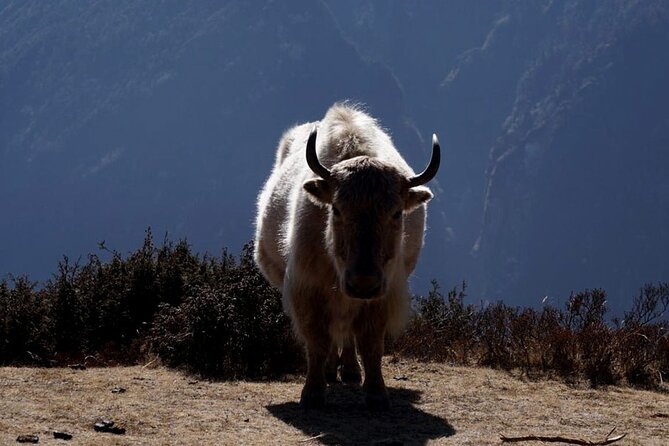
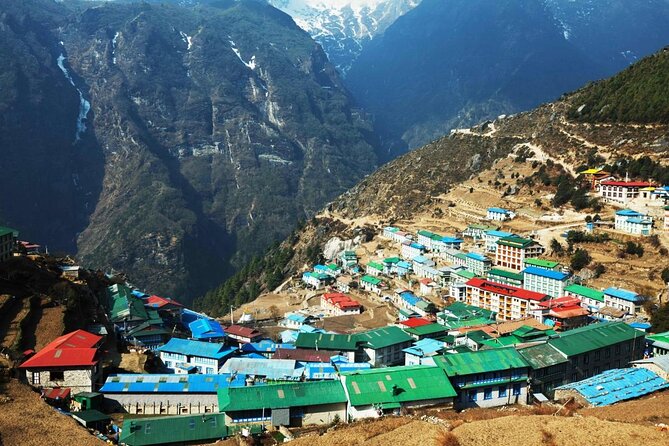
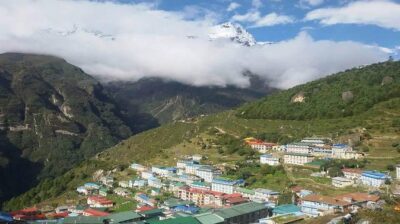
The early segment includes Phakding to Namche Bazaar. Namche is where the trek really starts to feel like a destination, not just a hike.
Expect a solid walking day, roughly 5 hours in the plan, covering a long route (listed as about 10 to 12 km). You will climb into higher Sherpa country and start seeing the rhythm of village life up close.
Namche Bazaar also acts as your acclimatization turning point. Even if you keep the pace moderate, you feel the altitude. This is one of the places where going a little slower helps you enjoy the next days more.
Namche to Pangboche: monasteries and mountain walls
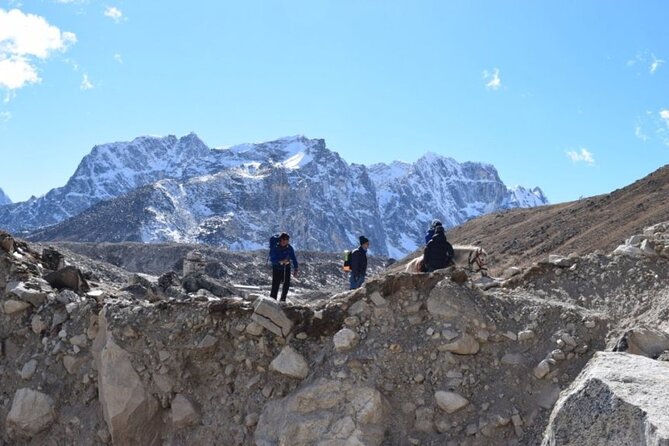
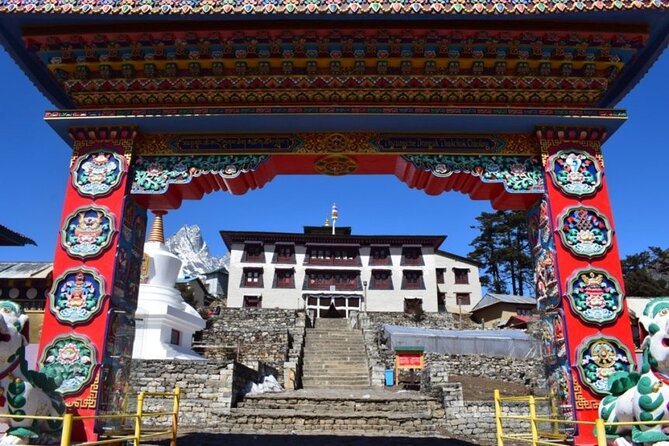
From Namche, you trek toward Pangboche, with the walking time listed around 5 hours. Pangboche is a favorite stop on many EBC routes, and the reason is straightforward: it sits in the middle of some of the most dramatic scenery you will see on the trek, plus it has a strong religious and cultural presence.
You also get a chance to practice the trek routine properly. Most days follow a pattern, and Pangboche is where you become used to it.
A helpful detail from the program: your mornings start with wake-up tea around 6 am, breakfast around 7 am, then short warm-up stretching before you head out. That structure keeps the day from feeling random or chaotic.
Pangboche to Lobuche: the trail gets more serious
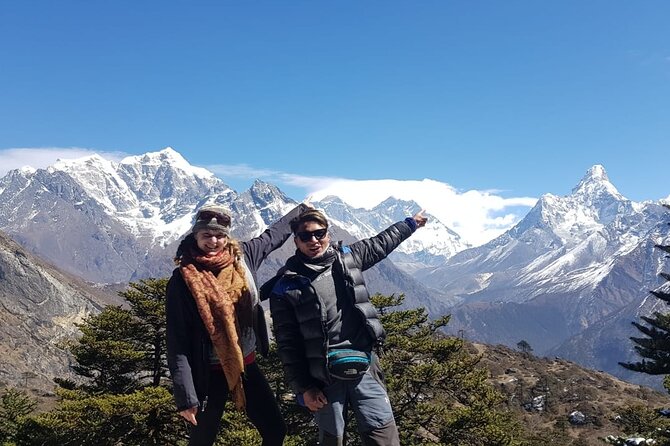
Next comes Pangboche to Lobuche. This leg is listed around 5 hours.
As you gain height, the terrain typically feels tougher, and you start to notice how your breathing changes even when you are moving at an even pace. This is where your “moderate fitness” actually matters. The trek is not technical, but high-altitude hiking is still hiking, and it asks for steady effort.
This is also where food and hydration choices start to matter. When you are tired or slightly out of breath, you want meals that feel reliable and easy to digest.
Gorak Shep and Everest Base Camp: the part people remember
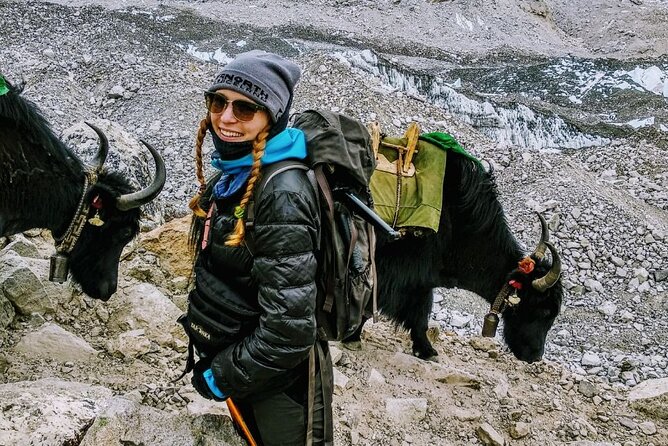
You reach Gorakshep, then the base camp area. The plan shows a day of hiking from Labuche to Gorakshep, listed around 5 hours.
This is the segment most people dream about, because the journey funnels into the Everest Base Camp area itself. Even when conditions limit visibility, the feeling of being near Everest is hard to explain in words. The air feels different. The scale gets real.
If you are the type who likes sunrise views, this is where you will be tempted to chase early light, because the mountains can look very different hour to hour.
Practical consideration: temperatures get cold fast at these altitudes. You will appreciate having warm layers ready, and a sleeping setup that keeps you comfortable.
The return through Pangboche and Namche: still work, just less pressure
After the base camp area, you hike back down. Your route outline includes returning toward Pangboche and then back to Namche, followed by the Lukla flight back to Kathmandu.
One thing I like about the return loop is that it shifts your mindset. Going down can feel easier, but you still spend days on your feet. You still need trekking poles if they help you, and you still need to manage your pacing so your legs do not punish you on day ten.
The plan also includes time for resting at the lodge after you arrive. You might take a break, then order and eat dinner together with the team.
A typical day on the trail: warm routine, early dinners, and room for photos
The program’s daily rhythm is clear, and it is one of the reasons trekking can feel less exhausting and more organized.
Here is what a day tends to look like:
- Wake-up tea about 6 am, then you pack and head to breakfast around 7 am
- A short warm-up, then walking with frequent short rests
- Morning hiking until lunch, which is often served between 12 and 1 pm (about 40 minutes)
- After lunch, you walk another 2 to 3 hours to reach the next lodge
- Tea in your room after you settle in, then dinner planning before 5 pm
- Evening briefing about the next day, plus optional time to visit Sherpa settlements and learn culture
The small detail I really like is the briefing. It keeps your expectations aligned, so you are not guessing what the next day will require.
And yes, you will still hike for real. The plan notes 2 to 3 hours after lunch, plus morning hiking stretches. That adds up.
Lodges, rooms, and bathrooms in the Everest zone
During the trek, you stay in basic trekking lodges. Rooms are listed on a twin-sharing basis. If you travel solo, a single supplement is provided.
Do not expect city hotel standards at high altitude. You are sleeping on blankets and warm bedding, and you use facilities that may be simpler than you are used to. The program notes that attached bathroom access may require compromises at higher elevations, mainly due to building limits.
One good thing: the operator says they will try to ensure attached bathrooms where possible, especially if booked ahead. If a private bathroom is important to you, flag it early.
Shower reality check: hot showers and extra comforts cost extra. That is normal for this region, and you should treat it as a bonus, not a guarantee.
Food on the mountain: included meals, menu choices, and what to skip
You get breakfast, lunch, and dinner as part of the full-board setup during the trek. Meals are served at the tea houses where you sleep, and outside meals are generally not allowed as a rule.
I like that you still have menu options. The lodge menus typically offer both local and western meals. You can look for Dal Bhat, vegetable dishes, soups, and items like noodles and eggs. There are also many warm drinks such as lemon tea and ginger tea.
A practical note from the program: they suggest avoiding meat items in the Everest region as they may not be as hygienic and can affect how you feel at altitude. If you are trying to stay consistent with your energy, lean toward simpler, fresh options.
Hydration is covered with guidance too. Water is available everywhere, and you can use tap water if you purify it. Water purification tablets are included. Bottle water can also be purchased, and the program lists a cost range of about 2 to 3 dollars per liter.
Also, cold water can be tough at altitude. The packing info recommends a separate proper bottle for hot water when you can.
Safety, altitude reality, and the value of a guide
This trek is described as non-technical. You do not need climbing skills, and the program highlights that it does not require crampons, oxygen cylinders, ropes, or other technical gear.
The challenge is still real though. You hike to high altitude and cross rugged terrain. The program expects moderate fitness and says you should be able to hike about 3 to 5 hours a day, which is manageable for many people, but only if you respect pacing.
A big plus is that you trek with a guide, which helps you avoid the classic beginner worry of getting turned around. The operator also emphasizes you can go at your pace, so you are not forced into a one-size-fits-all stride.
Your guide and porter crew are government-licensed and local to the mountain region. The program also mentions using one porter for luggage, with a porter model of one porter for every two trekkers, and a luggage limit listed as not exceeding 18 kg.
Guide names you may run into, and what that usually means
The route is supported by a guide, and on past trips, the team has been praised for clear communication and care. In feedback, I saw names like Dil (the owner), plus guides and Sherpa support such as Sujal, Samir, Krishna, and Hairy. Sherpa Manish also appears in the mix.
You should take from that pattern what matters most: you are likely not getting a random volunteer who read a map once. You are working with people who understand both the trail and the mountain culture.
That matters on the days when visibility drops or when your body says slow down. A supportive guide helps you manage your effort without making the day feel like a battle.
Packing for 2025/2026: the gear that prevents misery
The program includes a detailed gear list, and it is not just for show. High-altitude trekking is cold and dry, and the wrong gear can turn normal fatigue into misery.
Key items the program highlights include:
- Head and face coverage (sun hat, warm hat, scarf, sunscreen SPF 40, sunglasses)
- A good layer system (down or fiber-filled jacket, fleece, warm gloves)
- Rain protection (poncho or rain jacket)
- Good socks and boots (proper trekking boots plus multiple sock pairs)
- A daypack and water setup (day backpack over 30 L, thermal bottle options)
- A sleeping bag that keeps you warm (the operator notes they can provide warm down jackets and sleeping bags if you do not have your own)
The list also includes optional trekking poles, a headlamp, and a first aid kit. It even mentions Diamox (acetazolamide). If you are thinking about altitude medication, talk to your doctor before you go. Do not treat the packing list as medical advice.
One more tip: bring face wipes and a small towel. In the mountains, “washing” is not a daily event like it is at home, so wiping down is a practical upgrade.
Best seasons to plan for clear views
The operator lists the best time as dry season in autumn (mid-September to May) and the pre-monsoon spring period (March to May). Nights are described as very cold, with temperatures dropping below freezing during nighttime.
If your travel dates are flexible, those windows usually mean better visibility and more comfortable trekking conditions than the wetter seasons.
Responsible tourism, Sherpa culture, and keeping the place clean
This trek runs through living communities. The operator stresses respect for local people and customs, asking permission before doing things in the community, and keeping waste under control.
It also encourages you to learn by visiting Sherpa settlements. That is a big part of why this trek feels human, not just scenic.
If you want a trip that feels good in your conscience as well as your camera roll, this is the right kind of trekking style.
Should you book this private Everest Base Camp trek?
I would book this if you want a classic Everest Base Camp route with fewer headaches. The strongest reasons are the Lukla flights included, permits handled for you, and a guide-led day routine that keeps the trek organized. At $1,339.20, you are paying for the key infrastructure: flights, paperwork, lodge stays, and meals.
Do not book if you are not ready for cold nights, altitude, and days that are physically demanding even without technical climbing. Also, if you need guaranteed hot showers or high-end hotel comfort in the mountains, you should know lodges here are basic.
If you do book, go in with patience. Start slow, drink water, eat what sits well, and let your guide set the pace. That approach is exactly how you turn the Everest Base Camp dream into a trek you remember for the right reasons.
FAQ
What is the duration of this Everest Base Camp trek?
The trek is listed as 14 days approximately.
Where does the tour start?
The tour is based in Kathmandu, Nepal, and the meeting start time is 7:15 am.
Are domestic flights to Lukla included?
Yes. The package includes domestic flights from Kathmandu or Manthali to Lukla and the return flight.
What permits are included?
The plan includes Everest National Park fees and the TIMS card.
What meals are included during the trek?
Meals on a full-board basis are included, with breakfast, lunch, and dinner during the trek.
What type of accommodation will I have?
You stay in trekking lodges during the trek. Rooms are listed as twin-sharing, and a single supplement applies for solo travelers. In Kathmandu, higher-standard hotels can be arranged on request for an extra cost.
Is this a technical climb?
No. It is described as a non-technical trek and does not require climbing skills or technical equipment.
What about drinking water?
Water purification tablets are included. The program also notes that tap water may be available for free, but you should purify it. Bottle water can be purchased.
What is not included in the price?
Not included items are visa fees, international flights, travel insurance, the Nepal entry visa, extra accommodation and meals in Kathmandu before and after the trek, and personal expenses like drinks, snacks, Wi-Fi, and hot shower costs.
Latest additions near Kathmandu
- White Water River Rafting – 1 Day★ 4.3 · 3 reviews
- Traditional Momo Making Class★ 5.0 · 10 reviews
- Kathmandu to Pokhara Premium sofa bus ticket★ 4.0 · 17 reviews
- Ghorepani Poon Hill Trek★ 5.0 · 16 reviews
- Amazing 1 Day Trekking Experience in Kathmandu Nepal★ 5.0 · 24 reviews
- Ghorepani Poonhill Trek★ 5.0 · 5 reviews
- Walking tour of real Kathmandu through back streets.★ 5.0 · 3 reviews
- Wildlife Adventure in Chitwan Nepal★ 4.0 · 4 reviews
Everest Base Camp Treks, compared.
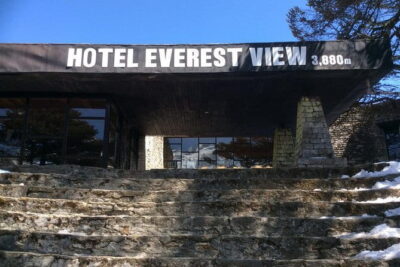
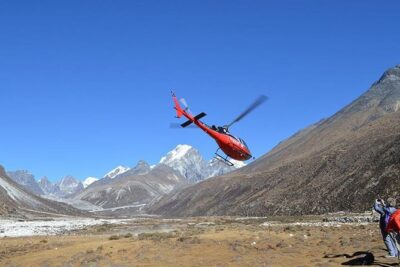
Everest Base Camp Helicopter Tour landing at Everest View Hotel
Read our review →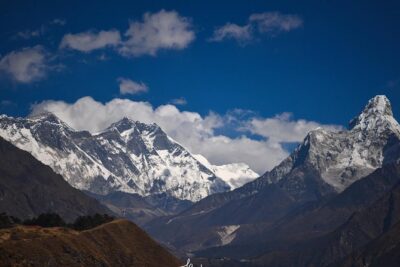
Everest Base Camp Helicopter Tour landing at Hotel Everest View
Read our review →Browse the lists this tour appears in