
Reviewed · EVEREST BASE CAMP TREKS
Everest Base Camp Trek
Everest is close, but only if logistics behave. This private guided Everest Base Camp trek focuses on safety, clean planning, and going at your own pace through the Khumbu. The itinerary mixes high-altitude walking with smart rest days, and you are not left figuring out permits, lodges, or flight connections on your own.
I especially like the private guide setup. You get certified English-speaking guidance, plus porter help, so you can focus on walking and views instead of navigation stress. The other big win for me is the all-in approach to basics like accommodation, meals, and permits, including round-trip flights to Lukla via Ramechap.
One drawback to consider is the altitude challenge. This is a demanding trek for active travelers, and weather can also affect flights and timing, so you should be ready for early starts and possible changes.
In This Review
- Key things that make this Everest Base Camp trek work
- Kathmandu to Lukla: that early start sets the tone
- Private guiding on Everest Base Camp: more than just someone to walk with
- Your day-by-day route through the Khumbu
- Day 1: Arrive in Kathmandu
- Day 2: Ramechap to Lukla, then Lukla to Phakding
- Day 3: Phakding to Namche Bazaar
- Day 4: Acclimatization with a hike to Everest View Hotel
- Day 5: Namche to Tengboche
- Day 6: Tengboche to Dingboche
- Day 7: Acclimatization hike to Nagarjun hill
- Day 8: Dingboche to Lobuche
- Day 9: Gorakshep and Everest Base Camp out-and-back
- Day 10: Kala Patthar and the long walk down to Pheriche
- Day 11: Pheriche to Namche Bazaar
- Day 12: Namche to Lukla
- Day 13: Fly to Ramechap, drive to Kathmandu
- Day 14: Departure
- Why the acclimatization days are the real secret sauce
- Lodges and meals: what helps you keep moving
- Price and logistics value: is $1,790 fair for this setup?
- Gear checklist and the 25 kg porter limit you should respect
- Who should book this trek, and who might not love it
- Should you book this Everest Base Camp trek?
- FAQ
- FAQ
- How long is the Everest Base Camp trek?
- Where does the trek start and finish?
- What is included in the tour price?
- Are flights to Lukla included?
- Do I need a visa before I travel?
- What about vegetarian meals?
- Is the trek suitable for beginners or solo travelers?
- What trekking gear do I need to bring?
- What happens if weather affects the trek?
Key things that make this Everest Base Camp trek work
- Private pace with a certified guide so you can keep a steady rhythm instead of matching someone else’s speed
- Meals, permits, and lodge stays included, which removes most of the admin headache
- Two acclimatization days that help you adjust before the bigger elevation pushes
- Tea and coffee with full board each trekking day, so you are not constantly hunting for food
- Early-morning flight planning via Ramechap and Lukla, built into the schedule
- A porter model (for groups of two) that keeps loads reasonable, up to 25 kg
Kathmandu to Lukla: that early start sets the tone
Most Everest trips feel like they start with a flight. Here, it starts early. You meet at 2:15 am, then Day 1 is your arrival in Kathmandu, with the trek week really beginning on Day 2.
On Day 2 you drive to Ramechap, fly to Lukla, then hike to Phakding (about 8 km in roughly 3 hours). It is not a long walking day, but it is a real transition day. You go from city bustle to small-lodge rhythms fast, and that matters when you are mentally preparing for a long stretch at altitude.
Kathmandu also gives you a practical cushion. This trip includes two nights in a 3-star hotel in Kathmandu, so you are not scrambling for sleep after travel fatigue. When your head is clear, you pack better, ask questions, and start the trek with less stress.
In the real world, the flight part is the main uncertainty. The trek depends on good weather for the Lukla connection, so the smart move is to accept that timing might be tight. If you are hoping for a relaxed first morning, this itinerary will test that expectation.
More Treks in Kathmandu
- Everest Base Camp Trek – 14 Days
★ 5.0 · 1,499 reviews - Everest Base Camp Trekking
★ 5.0 · 485 reviews - Nagarkot Sunrise View and Day Hiking from Kathmandu
★ 5.0 · 471 reviews
Private guiding on Everest Base Camp: more than just someone to walk with
On Everest Base Camp, the best guide help is often unglamorous. It is the small things that keep you safe and moving: clear route guidance, altitude pacing, and quick answers when you feel off.
This is a private trek, meaning it is your group only, not a mixed crowd you have to work around. That structure matters if you want to take breaks when you need them, not when the group does. It also helps if you are traveling with different fitness levels, because the guide can adjust pace and timing.
You also get a certified English-speaking guide plus a porter (for two trekkers per porter). In the feedback tied to this operator, names like Ram and Shyam show up as guides who stay attentive, and people like Ganga are described as responsive during planning. That kind of communication is worth its weight when you are trying to understand equipment, timing, and what to expect at altitude.
And yes, going with a guide helps with more than safety. It makes the walking feel smoother because you are not guessing. Where to stop. When to keep going. Which tea house to use. When to hydrate. That is how you protect your energy for the tough days later.
Your day-by-day route through the Khumbu
Here is how the trek unfolds, in plain terms, and what each stretch is really doing for you.
Day 1: Arrive in Kathmandu
You land in Kathmandu and get a couple of nights in a proper hotel setup. This is your buffer day for rest, buying any missing gear, and tightening your packing so you are not carrying extra weight.
More Everest Base Camp treks:
- Everest Base Camp Helicopter Tour landing at Everest View Hotel
★ 5.0 · 668 reviews - Everest Base Camp Trekking – 13 Day
★ 5.0 · 365 reviews - Everest Base Camp Trek
★ 5.0 · 350 reviews - Everest Base Camp Trek -14 Days
★ 5.0 · 321 reviews
Day 2: Ramechap to Lukla, then Lukla to Phakding
You fly to Lukla, then trek to Phakding (8699 ft). You walk around 8 km, about 3 hours. This day is about getting your legs working after the flight, and letting your body acclimate to movement at altitude.
Potential drawback: if you come in tired, it can feel harder than the distance suggests. Keep the pace easy, and treat this like your warm-up, not a workout.
Day 3: Phakding to Namche Bazaar
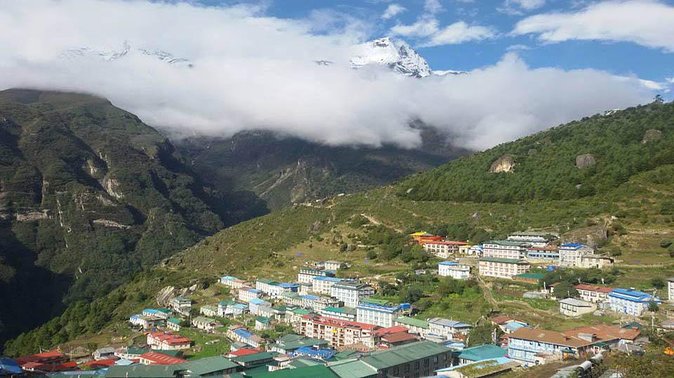
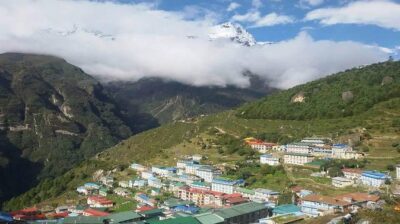
You climb to Namche Bazaar (11283 ft) over 10 to 12 km in about 6 hours. This is one of the bigger first-day climbs, and it is where the views start turning from impressive to jaw-dropping.
Namche is also a practical hub. You get a real village feel, more services than smaller stops, and a better chance to understand how the next phases will feel.
Day 4: Acclimatization with a hike to Everest View Hotel
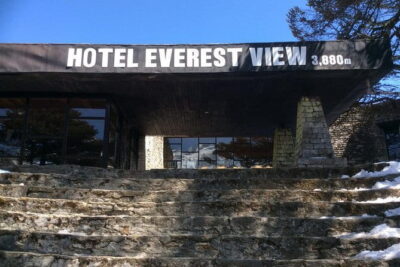
This is your acclimatization day, and it is a key one: you hike up toward Everest View Hotel (12995 ft), then return. Expect 3 to 4 hours and 3 to 4 km of walking.
This kind of day helps you build altitude tolerance without stuffing your schedule with extra long distances. It is also a morale booster because you get a front-row seat to big-mountain scenery before the trek pushes higher.
Day 5: Namche to Tengboche
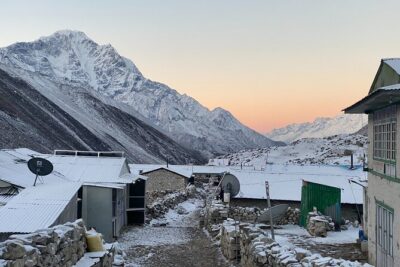
You trek to Tengboche (12660 ft), about 10 to 11 km and roughly 5 hours. This is a classic Khumbu walking day, with steady climbs and pauses that help you absorb the scenery.
A realistic note: Tengboche days often feel longer than the clock says because you will want to stop for views. Build in that time.
Day 6: Tengboche to Dingboche
Next you go to Dingboche (14464 ft), around 11 to 12 km and 5 hours. The elevation jumps enough that your breathing changes, even if the walking feels similar.
Dingboche tends to be a place where you slow down mentally. Your body is doing more work now, so you will benefit from hydration and smaller, more frequent breaks.
Day 7: Acclimatization hike to Nagarjun hill
Another acclimatization day: you hike up to Nagarjun hill and return, about 4 to 5 hours for 5 to 6 km.
This is the kind of day that makes later days safer. Instead of just climbing, you give your body repeated chances to adjust. It also helps you learn your pace so the next big elevations do not catch you off guard.
Day 8: Dingboche to Lobuche
You move to Lobuche (16105 ft), about 11 to 12 km and around 5 hours. This is where the trail gets more serious, both physically and emotionally. The air is thinner, and every climb feels like it takes more effort.
The payoff is coming, but today can feel like a grind if you start too fast. Let your guide set the rhythm.
Day 9: Gorakshep and Everest Base Camp out-and-back
This is the signature day. You trek to Gorakshep (16990 ft), then to Everest Base Camp (5364 m / 17594 ft), and back to Gorakshep. Total walking is listed as 14 to 15 km, about 8 hours.
This day is long and emotionally intense. You want to move steady so you still have enough energy for Base Camp itself, not just the march there.
If your legs feel heavy late in the day, that is normal. Keep your breathing controlled. The guide helps you avoid the common mistake of pushing too hard early.
Day 10: Kala Patthar and the long walk down to Pheriche
You trek to Kala Patthar (11283 ft) and then down to Pheriche (4210 m / 13810 ft). It is about 13 to 14 km and 7 hours.
Kala Patthar is one of those spots where the effort feels worth it, because the views are the kind you remember for years. The tradeoff is that you are usually walking while tired. Plan for it. Fuel well. Hydrate.
Day 11: Pheriche to Namche Bazaar
You go back to Namche, 14 to 15 km and around 7 hours. This is a long descent plus ups and downs that can still feel challenging, especially with fatigue in your thighs.
It is also a reminder that the hardest part is not only reaching the high points, it is finishing the circuit.
Day 12: Namche to Lukla
Another long day: 18 to 19 km in about 7 hours. You are dropping in elevation overall, but distance makes this a big leg-saver test.
If you are the kind of person who feels fine until suddenly you do not, pace yourself early on this day. Your body may be saving issues for later.
Day 13: Fly to Ramechap, drive to Kathmandu
You fly back to Ramechap and return to Kathmandu. This is a day for shower, laundry, and simple meals. You earned it.
Day 14: Departure
Departure day. No trekking pressure, just wrap-up time.
Why the acclimatization days are the real secret sauce
If you want a “do it safely” mindset, the schedule shows it. There are two acclimatization hikes: Day 4 to Everest View Hotel and Day 7 to Nagarjun hill.
Those days do two things at once. They help your body adjust, and they train your pace and decision-making when you are high. You learn how long you can comfortably walk before you need a rest. You learn how quickly you get out of breath if you rush.
A private guide makes those days easier because you are not forced to match someone else’s pace. That is where many people feel better within a couple days, because they are not spending energy they do not have.
Also, the trip stays focused on lodge-to-lodge logistics. You get twin sharing lodge accommodation, and the package notes include private bathrooms with hot shower at Phakding, Namche, and Lukla. The package also lists hot shower as not included, so I would treat shower availability as “confirmable” and plan on basic comfort more than guaranteed hot water every night.
Lodges and meals: what helps you keep moving
This trek runs on small refueling moments. The trip includes full board meals with tea and coffee at breakfast, lunch, and dinner during the trek. That means you spend less time negotiating food options and more time building a routine.
Meals matter more at high altitude because your appetite can change and you will need enough calories. The best guides push you toward consistent eating, not only when you feel hungry. With full board in place, you have fewer gaps in your day.
Accommodation is lodge-to-lodge, with twin sharing during the trek, and the notes specify private bathrooms with hot shower at key stops. You also get seasonal fruits on the trek. That may not sound like a big deal until you are tired of the same meal rhythm.
One more practical point: the trip includes the guide and porter logistics too, including their accommodation, food, insurance, and related costs. That reduces uncertainty for you and helps the team stay focused on helping you.
Price and logistics value: is $1,790 fair for this setup?
At $1,790 per person, the question is not just the number. It is what you are buying for that money.
This price includes a lot of the expensive, annoying parts that add up fast on Everest itineraries: round-trip domestic flights to Lukla via Ramechap with transfers, permits, taxes and office charges, meals, and lodge accommodation for the trek days. It also includes a professional certified guide and porter support, plus two nights of 3-star hotel in Kathmandu.
You are not paying extra for every single administrative step. You also have fewer points where a last-minute gap could derail your trip.
What is not included is also clearly listed: travel insurance, international airfare to Nepal, the Nepal entry visa (USD 40 for 30 days on arrival), drinks and personal expenses, hot shower details beyond what is stated in accommodation notes, personal trekking equipment, and tips for staff and drivers.
My practical advice: compare this kind of package against a build-your-own trek plan. If you would have to hire a guide, book flights, and secure permits yourself, this price starts to look more like a convenience fee for real risk reduction.
Gear checklist and the 25 kg porter limit you should respect
The gear list is long because conditions can swing. Even if you start healthy, cold hands and wet layers can turn a good day into a miserable one.
You are expected to pack layers for winter-style cold (the checklist references a rated negative 10 C sleeping bag and serious warmth). Key essentials called out include UV sunglasses, a sun hat or scarf, a balaclava or warm hat, gloves in both light and heavy versions, a headlamp, waterproof shell jacket and pants, and trekking poles if you use them.
Two practical packing tips stand out in the notes:
- Keep your load light. A porter is available for two trekkers and can carry up to 25 kg.
- Use a separate bag for non-trek items left in Kathmandu. They provide a wind proof duffel/kit bag, but you still need space for your carry-on and extras.
Also, the checklist suggests you can buy missing items in Kathmandu, and many are locally made or imported with good quality. That helps if you realize you forgot something critical right before you fly.
Who should book this trek, and who might not love it
This is built for active travelers who want a challenging trek with structured support. It fits best if you care about safety, clear pacing, and not getting lost on a route that still changes with weather.
It is also a good match if you like the idea of personalized attention. Private guiding matters when you want to slow down, take an extra break, or ask questions without feeling rushed.
You might think twice if you want a casual vacation pace. The itinerary includes long walking days, especially Day 10 and Day 12, where distance is significant and altitude fatigue can hit hard.
If you are traveling solo, the trip notes mention a minimum of two people per booking. That does not mean it is impossible to travel alone, but it does mean you should ask how they handle solo requests before you get your heart set on a specific format.
Should you book this Everest Base Camp trek?
If you want a well-run Everest Base Camp trek where someone else handles permits, flights, and daily logistics, this package is a strong candidate. The biggest reasons to consider booking are the private guide model, full board meals, and the built-in acclimatization structure that helps you manage the altitude.
Book it if you are ready for early mornings, long walking days, and a real climbing challenge. Skip it or choose another plan if your fitness is more casual than active, or if you are not comfortable with altitude-based pacing.
FAQ
FAQ
How long is the Everest Base Camp trek?
The trek is listed as 14 days approximately, from arrival in Kathmandu through departure.
Where does the trek start and finish?
It starts in Kathmandu and includes travel to Lukla for the trek. You return to Kathmandu after flying from Ramechap on Day 13, then depart on Day 14.
What is included in the tour price?
Included are airport car pickup and drop off, full board meals with tea and coffee during the trek, lodge accommodation, seasonal fruits, a certified English-speaking guide and porter (with the porter for groups of two), round-trip flights to Lukla via Ramechap with transfers, trekking map and achievement certificate, first aid kit, required permits, government taxes and office charges, and two nights in a 3-star hotel in Kathmandu.
Are flights to Lukla included?
Yes. Round trip flights to Lukla via Ramechap, including transfers, are included.
Do I need a visa before I travel?
The notes say the Nepal entry visa can be obtained at the airport upon arrival for USD 40 for 30 days.
What about vegetarian meals?
A vegetarian option is available. You need to advise at booking.
Is the trek suitable for beginners or solo travelers?
It states travelers should have strong physical fitness. It also says the minimum is 2 people per booking, so solo travelers should check how that requirement is handled. The itinerary is challenging.
What trekking gear do I need to bring?
The checklist includes cold-weather layers, gloves, UV sunglasses, headlamp, waterproof outerwear, boots, trekking poles, a sleeping bag rated to zero degrees F, and a day pack. It also notes that you can buy missing items in Kathmandu and that you should keep luggage light because a porter can carry up to 25 kg.
What happens if weather affects the trek?
The experience requires good weather. If canceled due to poor weather, you are offered a different date or a full refund.
Latest additions near Kathmandu
- White Water River Rafting – 1 Day★ 4.3 · 3 reviews
- Traditional Momo Making Class★ 5.0 · 10 reviews
- Kathmandu to Pokhara Premium sofa bus ticket★ 4.0 · 17 reviews
- Ghorepani Poon Hill Trek★ 5.0 · 16 reviews
- Amazing 1 Day Trekking Experience in Kathmandu Nepal★ 5.0 · 24 reviews
- Ghorepani Poonhill Trek★ 5.0 · 5 reviews
- Walking tour of real Kathmandu through back streets.★ 5.0 · 3 reviews
- Wildlife Adventure in Chitwan Nepal★ 4.0 · 4 reviews
Everest Base Camp Treks, compared.
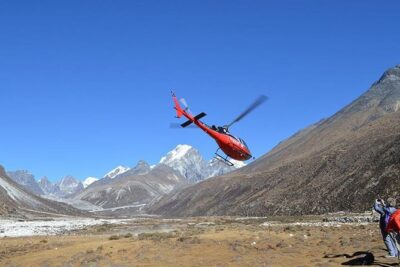
Everest Base Camp Helicopter Tour landing at Everest View Hotel
Read our review →
Everest Base Camp Helicopter Tour landing at Hotel Everest View
Read our review →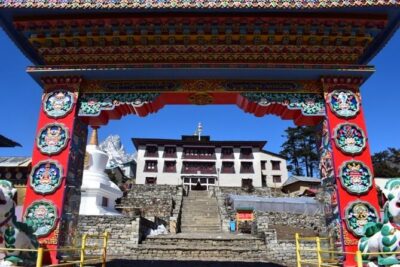
Browse the lists this tour appears in