
Reviewed · EVEREST BASE CAMP TREKS
Everest Base Camp Trekking – 13 Day
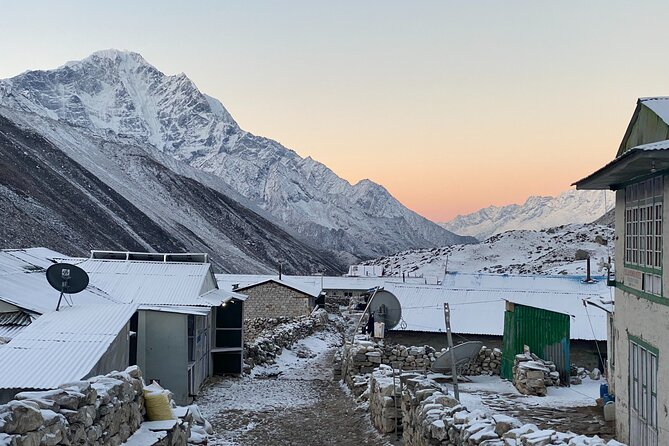
Lukla is where Everest starts, fast. What makes this 13-day Everest Base Camp trek stand out is that it removes the hassle, with flights from Kathmandu and Lukla and nightly trailside lodges plus meals so you spend less time planning and more time walking (and staring at mountains). One thing to plan for up front, your travel and health insurance, including helicopter evacuation coverage, is not included.
I also like the way the trip is paced for real altitude travel, with rest and acclimatization built in around Namche Bazaar and higher stops like Dingboche. In the field, guides such as Milan, Dibash, and Achyut Mishra are known for clear daily briefings and good time management, which matters when weather and daylight can be sneaky.
In This Review
- Key Highlights Worth Your Attention
- Why This 13-Day Everest Base Camp Plan Feels Low-Stress
- Price and Logistics: What $1,399 Buys You (And What It Does Not)
- Fitness and Altitude Reality Check in the Khumbu
- Days 1-4: Kathmandu Setup, Lukla Flight, and Namche Acclimatization
- Days 5-8: Forest Trails, Tengboche Views, and Up Toward Lobuche
- Days 9-10: Everest Base Camp Day and Kala Patthar Day
- Days 11-13: The Return Down, Namche Again, and Your Flight Home
- Guides and Pace: The Real Difference Maker
- Lodges, Meals, and Day-to-Day Comfort on the Trail
- What You Should Pack, Based on the Trip’s Real Needs
- Who This Trek Suits Best
- Should You Book This Everest Base Camp Trek?
- FAQ
- Are flights included for the Everest Base Camp trek?
- What meals are included during the trek?
- Is the TIMS card and park entry fee included?
- Do I need travel or health insurance for this trek?
- What is not included besides meals?
- Is the trek private?
Key Highlights Worth Your Attention
- Included Lukla flight round-trip, so you do not have to gamble on arranging air travel yourself
- Trails hotels and meals included on the trek, which keeps your budget cleaner once you leave Kathmandu
- Private trek option, so your experience can be personalized rather than fully cookie-cutter
- Altitude-aware itinerary, with acclimatization stops in Namche and again higher up
- Kala Patthar sunrise-level goal, a classic viewpoint move to help you feel the Khumbu scale
- TIMS and national park fees handled, plus a trekking-information card as part of the package
Why This 13-Day Everest Base Camp Plan Feels Low-Stress
Everest Base Camp is popular, and that is exactly why logistics can get annoying. When flights, lodge logistics, meal timing, and guide coordination are handled for you, the trek feels like one continuous plan instead of a chain of last-minute errands.
This tour is built around a private trek format, which is a big deal on Everest routes. It can mean your guide has more room to adjust pacing to your group and keep the day organized without constantly waiting on a large crowd.
Value-wise, I like that meals are covered on the trek, and it is not just a vague promise. The inclusions list specific coverage, including 11 lunches, 12 breakfasts, and 12 dinners, which helps you avoid the usual spending surprises in small villages.
More Treks in Kathmandu
- Everest Base Camp Trek – 14 Days
★ 5.0 · 1,499 reviews - Everest Base Camp Trek
★ 5.0 · 842 reviews - Everest Base Camp Trekking
★ 5.0 · 485 reviews
Price and Logistics: What $1,399 Buys You (And What It Does Not)
At $1,399 per person, you are paying for the trekking infrastructure around you: guide support, lodge planning on the trail, and included transport between Kathmandu and Lukla. You are also paying for the paperwork side of the trek, since national park entrance fees and the TIMS card (Trekker’s Information Management System) are included.
What is not included matters just as much. You will still need to budget for your Nepal visa, meals in Kathmandu, and alcoholic drinks. The list also spells out personal costs like phone calls and charging, plus the big one: insurance and helicopter evacuation coverage. If you are the type who would rather not think about emergency planning, this is the part you should handle early.
If you are traveling solo, there is another pricing wrinkle. The information provided notes a $150 single surcharge if you want a solo departure and not to join an existing group. That is not automatically bad value, but it is a real cost, so confirm how your departure is set up before you finalize.
Fitness and Altitude Reality Check in the Khumbu
This trek is for people with moderate physical fitness, but altitude is the real boss here. The itinerary is designed with acclimatization, yet you still need to follow a slow, steady style on the uphill days. Your guide can help pace you, but you still must respect how your body reacts at higher elevations.
Weather is another practical factor. The trip operates in all weather conditions, which is great for not getting canceled easily, but it means you should dress for rain and cold. The packing notes are detailed for a reason, especially layers and waterproof protection, since cold wind can make even short stops feel longer.
Days 1-4: Kathmandu Setup, Lukla Flight, and Namche Acclimatization
Day 1 starts the trip in Kathmandu. You are met at Tribhuvan International Airport by a Nepal Trekking Planner representative and escorted to a hotel after customs. It is a small thing, but it removes the uncertainty of day-one transport, especially if your arrival is tiring or late.
Day 2 is the equipment day and then the early move to Lukla, the classic gateway to Everest trekking. The plan includes a scenic flight, and you will start your guided trek from there. This is where you feel the rhythm shift, from city logistics to village life and the Dudh Koshi corridor.
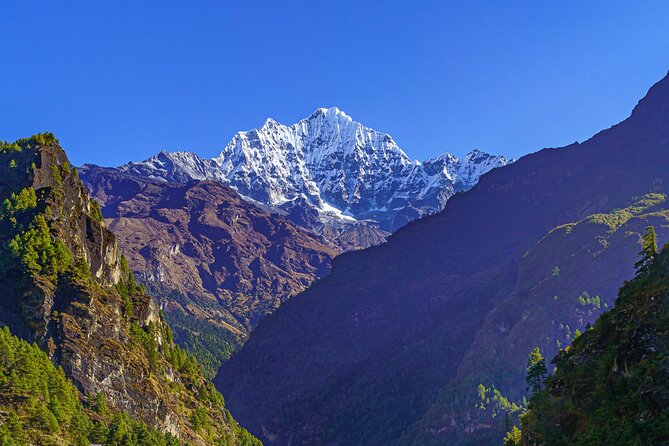
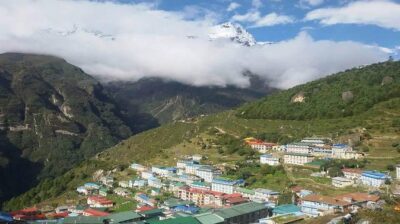
On Day 3, you trek alongside the Dudh Koshi River toward Namche Bazaar, the main hub of the Khumbu region. The route includes bridges and early big views, including a first glimpse of peaks such as Kongde Ri Peak, which sets the emotional tone of the trip.
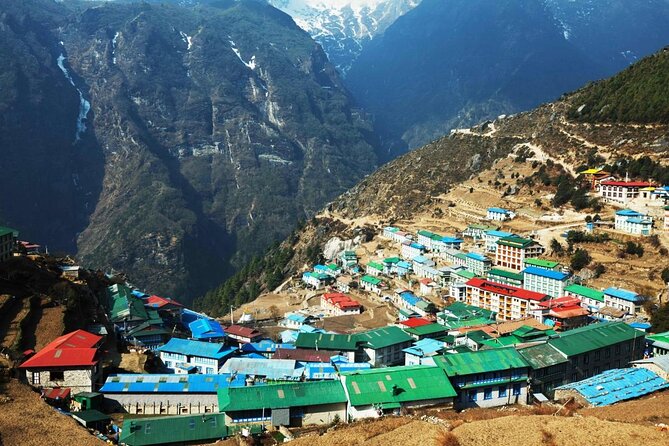
Day 4 is a rest and acclimatization day in Namche. You get the chance to settle in, and you also get time for practical choices like checking gear and adjusting socks and layers. The itinerary notes Namche’s colorful feel, and it specifically mentions a Saturday market vibe, which can be a fun way to see everyday trekking life beyond the trail.
My quick advice: Use this day to move your body gently, not to test yourself. Small efforts now make harder days later less stressful.
More Everest Base Camp treks:
- Everest Base Camp Helicopter Tour landing at Everest View Hotel
★ 5.0 · 668 reviews - Everest Base Camp Trek
★ 5.0 · 350 reviews - Everest Base Camp Trek -14 Days
★ 5.0 · 321 reviews - 12 Days Everest Base Camp Trek
★ 5.0 · 289 reviews
Days 5-8: Forest Trails, Tengboche Views, and Up Toward Lobuche
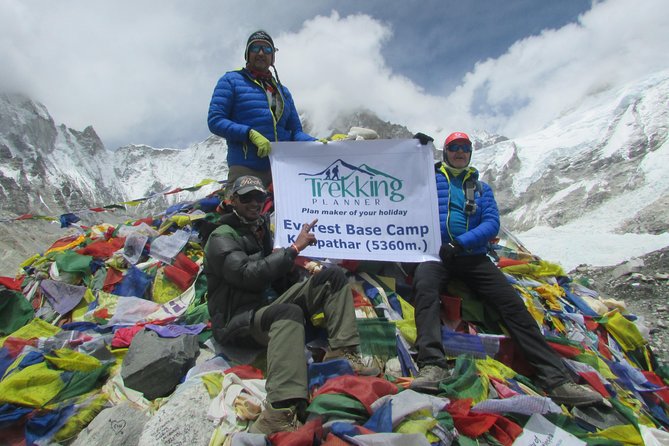
Day 5 climbs out of Namche with a short but steep start, then transitions into a more leveled forest path toward Kenjoma and Sanasa. Forest sections can feel easier on paper, but humidity, footing, and steady altitude gain still add up. This is the kind of day where your trekking shoes matter more than your ego.
Day 6 continues through the high Khumbu villages, including Tengboche before heading toward Dingboche via Deboche. The itinerary highlights the sunrise and sunset quality around Tengboche, and that makes sense in a region where light changes fast. After that, you are moving toward the higher settling point area, which is important because you are not just climbing, you are learning to live at altitude for multiple days.
Day 7 is another acclimatization and rest day, and this one includes short hikes higher up to help your body adjust. This is where the itinerary shows good altitude logic. You are gaining elevation gradually, then giving your system time to adapt before pushing further.
Day 8 begins with gradual ascent from Dingboche, passing grazing areas and features like chortens and Mani walls. These stone carvings and prayer walls are more than decorations, they are part of how the local communities mark faith in daily life. It is also the kind of scenery that breaks up the monotonous “up, up, up” feeling.
Practical note: If you tend to get anxious about pace, these rest and acclimatization days are when you should relax most. Consistency beats speed.
Days 9-10: Everest Base Camp Day and Kala Patthar Day
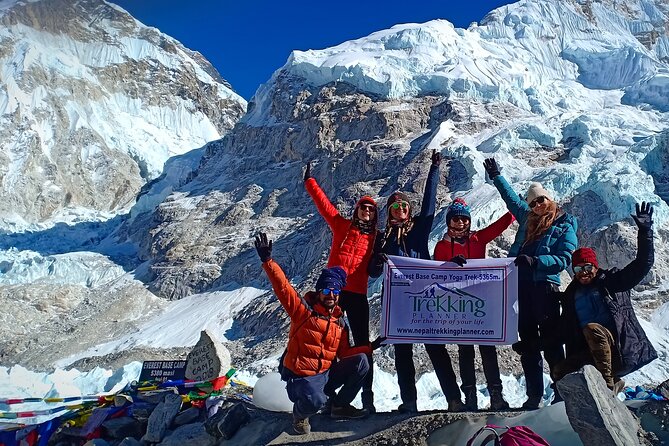
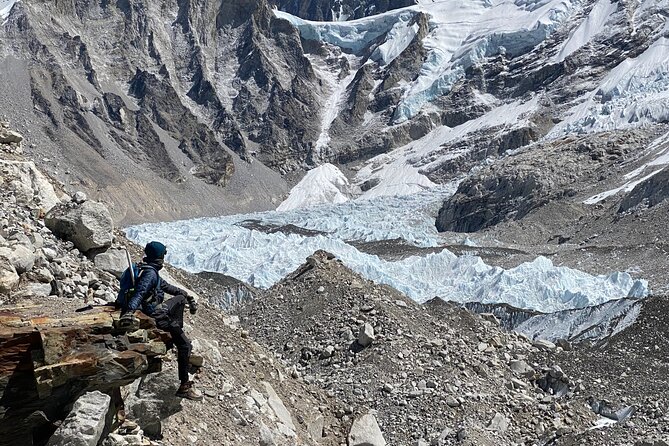
Day 9 is the day you are waiting for, the push to Everest Base Camp. The route begins early, after you start from Lobuche, and the itinerary specifically reminds you to be careful about altitude and acute mountain sickness. That warning is not just standard copy, it matches how Everest-area trekking works: you can feel fine, then get hit quickly if you move too fast or ignore symptoms.
Even though the goal is one place, the day is really about process. You will watch the terrain shift, feel the air thin, and measure your progress in short segments rather than long strides. Base Camp day tends to feel both triumphant and slightly surreal, because it is an engineered world of trekkers in the middle of something raw and enormous.
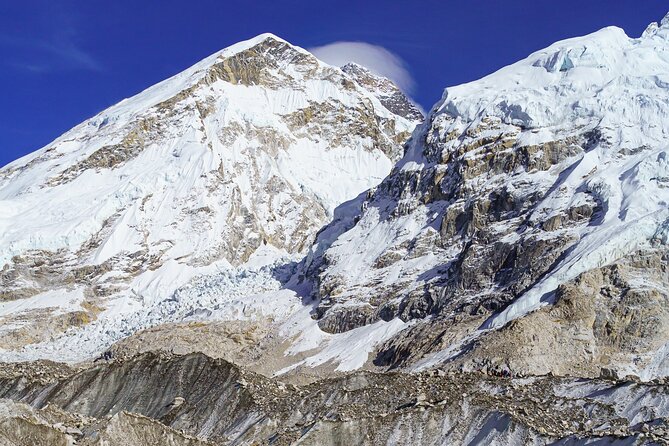
Day 10 targets Kala Patthar, then returns to lower altitudes. Kala Patthar is a high viewpoint goal, and the itinerary notes getting ready before day breaks and going out with your equipment. This is often when you get the clearest sense of scale, because you are higher than the base area and closer to the sharp lines of the mountains.
My advice: Treat both Day 9 and Day 10 like they have one job each: reach the target safely and respect your body. If you feel off, slow down immediately. Your guide’s pacing style is meant to help you do exactly that.
Days 11-13: The Return Down, Namche Again, and Your Flight Home
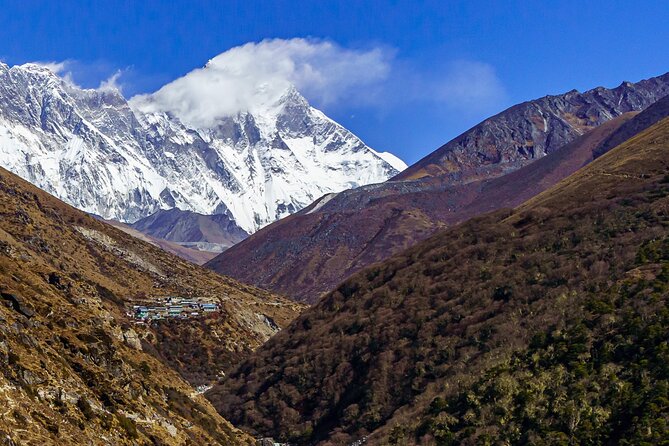
Day 11 brings the return from Periche to Namche Bazaar. The itinerary describes a mostly downhill trek, with company from the Dudh Koshi River again. Downhill sounds easier, but it can be brutal on knees and ankles, especially after you have already spent days at altitude. This is a day to focus on controlled steps and good trekking technique.
Day 12 continues the descent out of the Namche area. The itinerary describes a steep trail out of Namche Bazaar and then descending at the riverbed of a confluence of the Dudh Koshi. At this point, your focus shifts from peak excitement to comfortable movement. You might feel like you are already done mentally, but your body still needs careful footwork and hydration.
Day 13 returns you to Kathmandu after your stay in the Khumbu region. The itinerary notes that flights may be affected by weather disturbances during the day, so you take an early departure flight. That is a key Everest reality. Even when the itinerary is set, you should assume the schedule can flex based on mountain weather.
Guides and Pace: The Real Difference Maker
The most repeated win across the experience is the guide style, and you should care about this more than most travelers think. Clear daily planning helps you understand what to expect, how long it will take, and what to prioritize. Guides such as Milan, Dibash, and Achyut Mishra are described as responsible, attentive, and focused on keeping the plan on time.
Time management is not just about finishing early. On an Everest trek, arriving while there is still usable daylight can affect how smoothly you settle into lodging, how much time you have for meals, and whether you have energy left for a viewpoint stop.
Lodges, Meals, and Day-to-Day Comfort on the Trail
One of the smartest value parts of this tour is that lodging and meals on the trek are handled for you. You get nightly accommodation in trailside lodges and included meals through the trekking days. This makes daily budgeting simpler and reduces the chance of accidentally skipping a meal because you were busy or late.
Food choices on Everest routes are often limited, and the itinerary does not promise luxury dining. But with meals provided, you do not have to constantly negotiate and second-guess. That matters when your energy needs are high and your appetite can change with altitude.
What You Should Pack, Based on the Trip’s Real Needs
The provided gear list is unusually detailed, and it is worth treating it as a survival checklist rather than a suggestion. Key items include layers for cold, a warm cap, gloves, and a waterproof Gore-Tex layer or equivalent. A raincoat and good trekking shoes are also on the list.
You will also want a proper day pack, and the itinerary notes a 25 to 40 liter day pack. For the trail bag, they provide a complimentary Trekking Planner duffel bag to use and return after the trip. That is one less logistics thing for you to think about on moving days.
If you are the type who forgets small stuff, pay attention to the reminders: torch light, socks, toilet paper, and a small hand towel. The note about toilet paper being available on the route but sometimes poor quality is exactly the kind of detail that saves your comfort.
Who This Trek Suits Best
This fits best if you want a structured Everest Base Camp experience without juggling logistics. A private trek can also appeal to couples, small groups, and anyone who likes having a plan but still wants room for personalization.
It is also a good option if you are traveling on a schedule and want the flight piece handled as part of the package. If you prefer extreme independence, then you might not love paying for coordination, but if you want to focus on walking and views, this setup is built for that.
Should You Book This Everest Base Camp Trek?
I’d book it if you want a guided trek where the hard parts are taken care of, flights, lodges, meals, and the official trek fees. The itinerary logic around acclimatization days is a strong point, and the emphasis on daily pacing from guides like Milan, Dibash, and Achyut Mishra is the kind of help that makes Everest safer and less stressful.
I’d pause before booking if you still need to sort insurance, because coverage for health issues and helicopter evacuation is not included. Also check how the $150 solo surcharge applies to your exact plan if you are traveling alone.
If those boxes are handled, this 13-day Everest Base Camp trek can be a smart, well-paced way to reach the Khumbu highlights without spending weeks organizing the details yourself.
FAQ
Are flights included for the Everest Base Camp trek?
Yes. Flights between Kathmandu and Lukla are included, along with airport departure tax according to the itinerary.
What meals are included during the trek?
The tour includes meals on the trekking days, listed as 11 lunches, 12 dinners, and 12 breakfasts. Meals in Kathmandu are not included.
Is the TIMS card and park entry fee included?
Yes. The national park entrance fee and the TIMS card (Trekker’s Information Management System) are included.
Do I need travel or health insurance for this trek?
Yes, because personal travel and health insurance, including helicopter evacuation insurance, is not included.
What is not included besides meals?
Not included are alcoholic drinks, meals in Kathmandu, personal expenses such as phone calls and battery recharge, and food and drinks unless specified. Nepal visa fees are also not included.
Is the trek private?
Yes. This is described as a private tour or activity, with only your group participating.
Latest additions near Kathmandu
- White Water River Rafting – 1 Day★ 4.3 · 3 reviews
- Traditional Momo Making Class★ 5.0 · 10 reviews
- Kathmandu to Pokhara Premium sofa bus ticket★ 4.0 · 17 reviews
- Ghorepani Poonhill Trek★ 5.0 · 5 reviews
- Ghorepani Poon Hill Trek★ 5.0 · 16 reviews
- Amazing 1 Day Trekking Experience in Kathmandu Nepal★ 5.0 · 24 reviews
- Walking tour of real Kathmandu through back streets.★ 5.0 · 3 reviews
- Wildlife Adventure in Chitwan Nepal★ 4.0 · 4 reviews
Everest Base Camp Treks, compared.
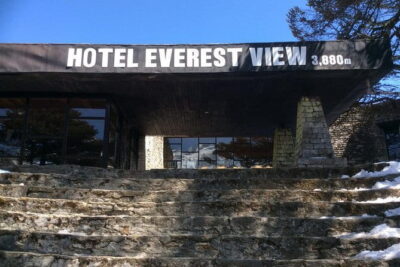
Everest Base Camp Helicopter Tour landing at Everest View Hotel
Read our review →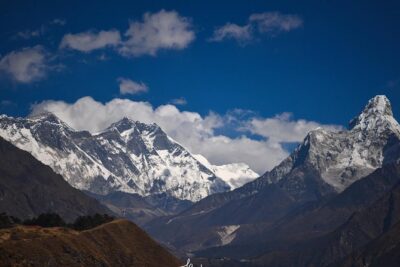
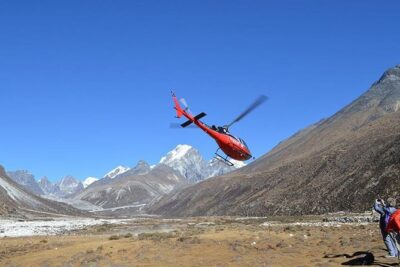
Everest Base Camp Helicopter Tour landing at Hotel Everest View
Read our review →
Browse the lists this tour appears in