
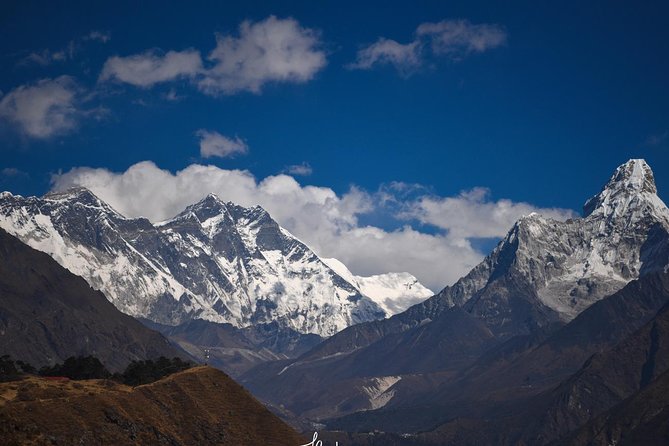
Reviewed · EVEREST BASE CAMP TREKS
Everest Base Camp Trekking
Everest Base Camp hits different when you walk it. What makes this trek stand out is guide-led safety and small-group pacing, with max 10 people so you are not just one more set of boots in the crowd. The best part for me is the focus on moving smart, not hustling, while you soak up big mountain views day after day. One thing to plan for up front, though, is the physical reality: this is for active, moderately fit trekkers, and you need a strong fitness level because you are climbing and descending a lot in cold, changing weather.
I also like how much the day-to-day is handled. Teahouse accommodation and meals are included, plus local transportation, so you can spend your energy on the trail instead of logistics. You will still have early starts and tough weather moments, but the reviews and the route reflect crews ready for it, including guide support that can make a cold blizzard day feel controlled rather than chaotic.
In This Review
- Key Things That Make This Everest Base Camp Trek Feel Well Run
- Kathmandu First Day: Airport Meet-Up and a Smooth Start
- Lukla Flight Day 2: Sunrise Views and the Reality of Altitude
- Day 3 Through Namche: Forests, River Views, and Entering Sagarmatha
- Phorse and Dingboche: Mugla Pass Views and Buddhist Stops
- Duglha to Chola Lake and Chupki Lhara: Big History and Prayer Flags
- Thangma Riju’s 360 View and the Everest Morning Spark
- Everest Base Camp and Kala Patthar: Why This Timing Works
- The Descent: Jame Route, Pangboche, and the Dudh Koshi Bridge
- Returning to Kathmandu: Lukla Mountain Flight and City Wind-Down
- What You’re Really Buying: Safety, Pace, and Local Expertise
- Price and Value: Is $1,350 Worth It for 14 Days in the Khumbu?
- Should You Book This Everest Base Camp Trek?
- FAQ
- How long is the Everest Base Camp trek?
- Where does the experience start?
- How many people are in the group?
- Is pickup from your Kathmandu hotel included?
- What is included during the trek?
- Do I need a passport?
- Is the trek affected by weather?
- What is the cancellation window?
Key Things That Make This Everest Base Camp Trek Feel Well Run
- Max 10 travelers keeps the experience personal, not assembly-line
- Guide-led navigation and pacing helps you avoid getting lost and stay focused
- Lukla flights with sunrise views turn Day 2 into the trip’s first big moment
- Kala Patthar sunrise timing is built in for that classic Everest glow
- Guide and porter praise shows up repeatedly, especially for people like Biru, Amabar, and Ramesh
- Teahouses plus included meals means fewer decisions mid-trek
Kathmandu First Day: Airport Meet-Up and a Smooth Start
Day 1 is all about reducing friction. You land at Tribhuvan International Airport, and an airport representative meets you, then arranges a drop to your hotel by private tourist vehicle. That matters more than it sounds, because Nepal arrival days can be long, and a clean handoff helps you avoid the first-stress spiral.
You also get options for what to do next. The plan gives you time to rest, but it also invites you to meet the team at their office to get the details. That office time can be useful if you want clarity on what happens next and who you are trekking with.
If you like a trip that starts calm and structured, this setup fits. You are not spending your first evening figuring out paperwork or where to go. You are just getting your bearings in Kathmandu valley, which sets you up for the next big step, flying to Lukla.
More Treks in Kathmandu
- Everest Base Camp Trek – 14 Days
★ 5.0 · 1,499 reviews - Everest Base Camp Trek
★ 5.0 · 842 reviews - Nagarkot Sunrise View and Day Hiking from Kathmandu
★ 5.0 · 471 reviews
Lukla Flight Day 2: Sunrise Views and the Reality of Altitude
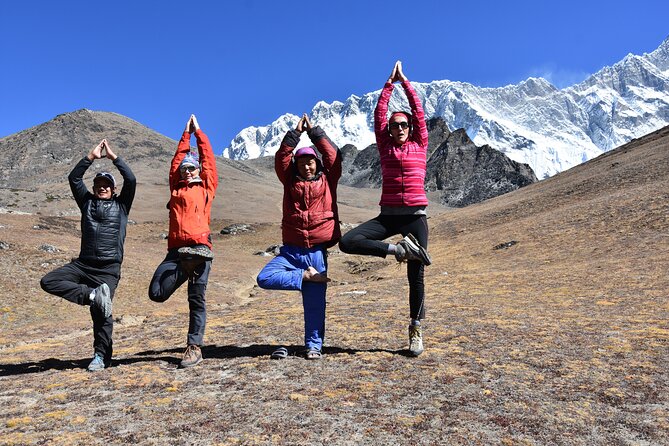
On Day 2, after breakfast, you drive from your hotel to the domestic airport terminal. Then you fly to Lukla and get outstanding views of early sunrise on the snowcapped mountains. It is one of those rare travel moments where your camera roll starts filling before you even hike.
That flight also serves as a gut-check. Everest Base Camp is not a leisurely walk, and the Lukla approach makes that clear fast. You will be swapping the city comfort of Kathmandu for high-mountain days, and having the route begin with scenic morning light helps your brain accept the change.
If you do not love early starts, this is still the right choice, because the trek is organized around the mountains’ clock. Getting to Lukla in the morning, and then moving onward, is part of the rhythm that keeps acclimatization and timing on track.
Day 3 Through Namche: Forests, River Views, and Entering Sagarmatha
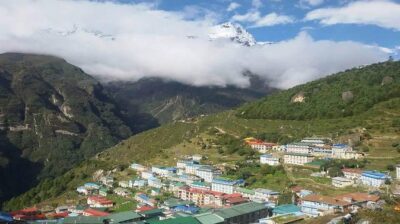
Day 3 moves from transport to trail. The route goes through pine forests, crosses Dudh Koshi River scenery, and includes views of mountains like Thamserku, before you reach the check post and enter Sagarmatha National Park. That national park entry point is a real moment. You feel like you are stepping into a protected, high-altitude world rather than just trekking through villages.
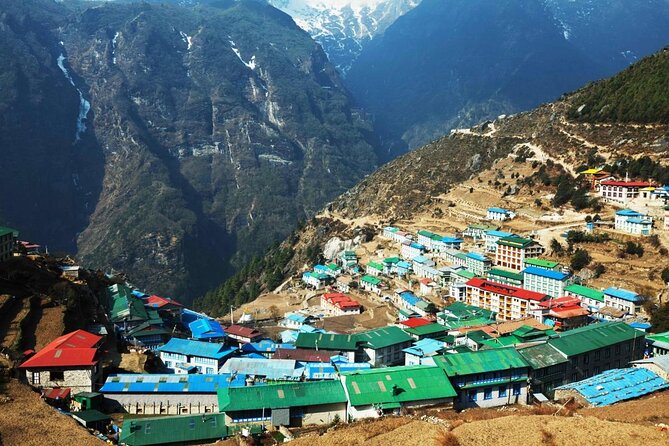
Day 4 is your acclimatization rest day in Namche Bazaar, the biggest settlement in the Khumbu region. It is also practical. You will find ATMs, internet cafes, restaurants, and bakeries, so you are not completely cut off. That can help morale, especially if you are thinking ahead to laundry, charging devices, or just getting a hot drink and watching the trail traffic.
The plan still gives you movement, though. Even on a rest day, you go for a short hike to a nearby viewpoint (T… is listed, so the exact name might vary), which is a smart way to work your body without overdoing it. This kind of short effort tends to make the next days feel more manageable.
Phorse and Dingboche: Mugla Pass Views and Buddhist Stops
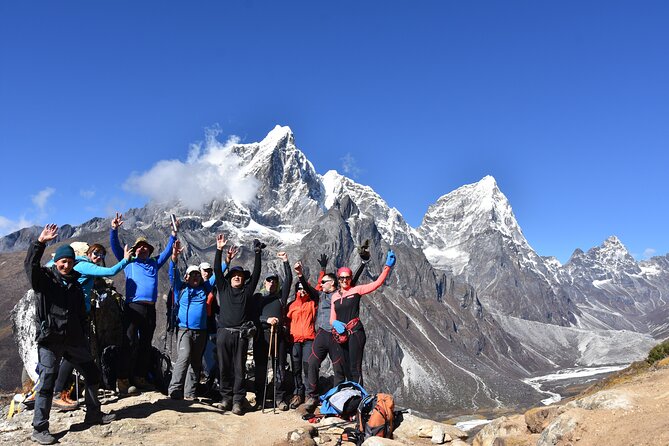
Day 5 starts from Namche and heads toward Phorse. You get a chance to reach Mugla Pass and see glimpses of major peaks like Ama Dablam, Mount Khumbu, and Mount Thamserku. Even if the views are brief between climbs and descents, it helps you understand what you are working toward. You are earning those panoramas.
From there, the route descends toward the Dudh Koshi and crosses, then keeps going toward Phorse. The key value here is pacing. You are not only climbing. You are also learning how the trail feels on different gradients, which matters later when you are moving uphill with altitude in your legs.
Day 6 continues from Phorse to Dingboche. The day includes a visit to the biggest Buddhist monastery in the region. Then you travel through alpine forests and pass villages such as upper Pangboche, continuing onward through other settlements (the list is cut off in the details, but the idea is clear). Stopping for cultural sites like this can be grounding. When the mountains look scary tall, you need something human-scale to focus on, and monasteries and villages do that job.
More Everest Base Camp treks:
- Everest Base Camp Helicopter Tour landing at Everest View Hotel
★ 5.0 · 668 reviews - Everest Base Camp Trekking – 13 Day
★ 5.0 · 365 reviews - Everest Base Camp Trek
★ 5.0 · 350 reviews - Everest Base Camp Trek -14 Days
★ 5.0 · 321 reviews
Duglha to Chola Lake and Chupki Lhara: Big History and Prayer Flags
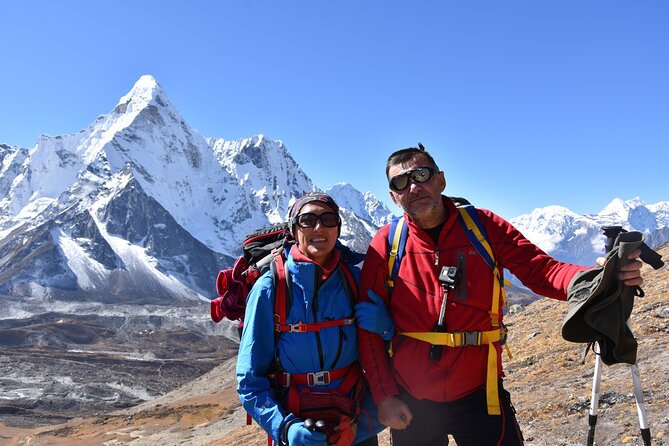
By Day 7, the climb begins from Duglha through the Khumbu Khola valley. On the way, you see Dusa, the yak herders’ place, and you pass Phulong Karp, described as the camp of the first successful Everest Expedition in 1953. That is not a random landmark. It gives the trek context, turning Everest into something more than a photo on a poster.
You also reach Chola lake during the day. Even without extra details about the shoreline, the inclusion of a named lake tells you the trek is moving through varied terrain, not just grinding uphill. That variety can make a difference on long days.
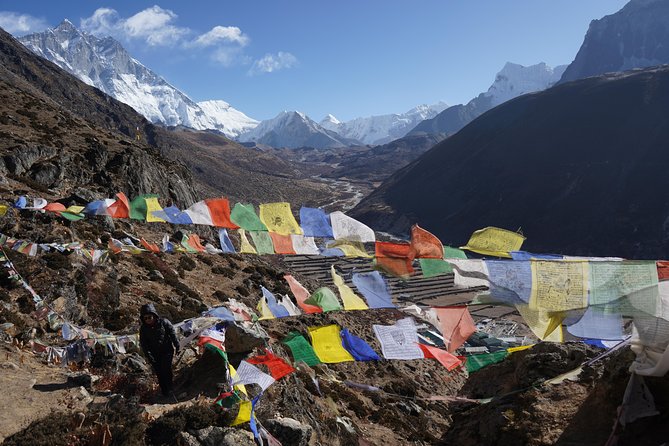
Day 8 is a tougher mountain-day. The route includes walking up steep terminal moraine of the Khumbu glacier, then starting the ascent to Chupki Lhara. You encounter slopes with boulders and pass the stone collections with prayer flags. Those prayer-flag moments are quietly powerful. It is not a performance. It is part of the landscape’s spiritual signage, and it gives your eyes something to read besides cliff and sky.
Thangma Riju’s 360 View and the Everest Morning Spark
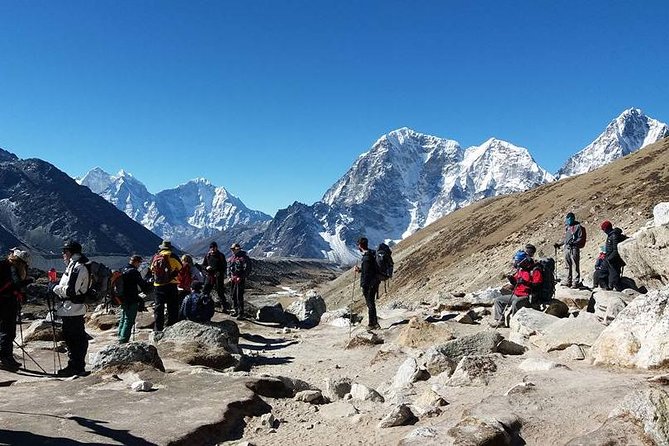
Day 9 is described as the most important day on the Everest Base Camp trek route. At Thangma Riju, you get a 360-degree panoramic view of snowcapped mountains. You also get an important clarification: Mount Everest is not seen from here. That detail matters because you might otherwise feel like you are missing the moment. The trek is building it, line by line.
After Thangma Riju, the day also includes the Everest Base Camp Trekking Route highlight, with a short 30-minute stop and admission ticket free noted in the experience details. This is where you reach the world’s highest-mountain destination point, and it is where all your earlier effort starts clicking into meaning.
Day 10 then shifts into sunrise strategy. The trek starts much early so you can witness a glimpse of Mount Everest as dusk turns to bright morning. This is where the itinerary’s planning earns its keep. You are not just walking. You are timing the mountains like a photographer with a deadline.
Kala Patthar is listed as a sunrise view stop with a 30-minute duration and admission ticket free noted. Even if you have seen Everest pictures before, sunrise viewing changes the surface details. It can also change how you feel physically, since cold morning starts are real, not theoretical.
Everest Base Camp and Kala Patthar: Why This Timing Works
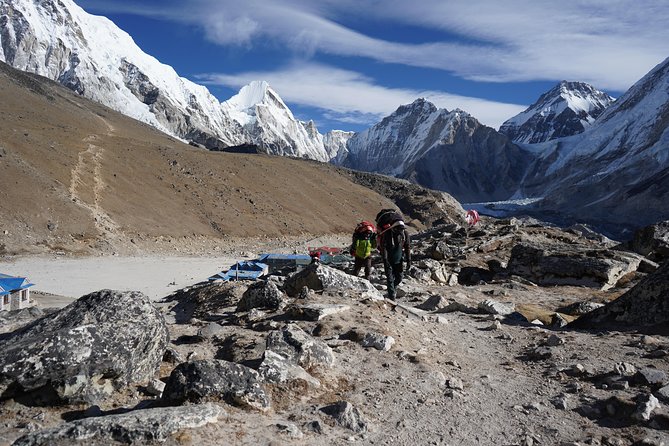
This trek’s emotional core is the combination of Base Camp and Kala Patthar. Base Camp gives you the milestone feeling, while Kala Patthar gives you the view payoff that people chase.
The way the schedule is laid out matters. You get panoramic mountain views on Day 9, and then the Everest glimpse and sunrise focus on Day 10. That sequencing helps you stay engaged even if Everest is not fully in sight from your first major viewpoint. It also prevents the common letdown of walking all that way expecting one perfect photo and getting it only half right.
From what I can piece together from the guide praise, one of the underrated values is how your guide handles timing and comfort. Multiple reviews name guides such as Biru and Amabar, with porters like Kanchar earning credit for helping make the days feel safe and organized. When the mountains are in charge, you want someone who knows how to keep your pace steady and your plans realistic.
The Descent: Jame Route, Pangboche, and the Dudh Koshi Bridge
On Day 11, you start descending. The route goes back through the Jame route to the terminal moraine at Duglha. You pass villages like Pheriche and Orsho along with Shomare, then reach Pangboche village and can explore an old part of the area (the detail is cut off, but the meaning is an optional cultural visit during descent).
Descent days can be mentally tricky. Your lungs might feel better than on the ascent, but your knees and ankles take over. A guided small-group format helps here because you can maintain rhythm without getting strung out.
Day 12 continues with the last big downward push. The notes stress that you need to walk really slow and controlled on steep rocky terrain until reaching a suspension bridge over Dudh Koshi. That is practical advice you should treat as non-negotiable. Going too fast downhill is a great way to shorten your vacation and lengthen your next pain day.
Even the bridge moment has value. Suspension bridges on this kind of trek are not just scenery. They are a checkpoint that says you are truly back on the route to Kathmandu.
Returning to Kathmandu: Lukla Mountain Flight and City Wind-Down
Day 13 brings a mountain flight from Lukla to Kathmandu, which you enjoy once again. Once you get back to the city, the plan shifts to easier life. It includes shopping and walking around Kathmandu.
That matters because you need a transition after cold mornings and thin-air fatigue. An evening celebration for a successful completion is also listed, which gives you a chance to decompress with your group.
Day 14 finishes the trip with more Kathmandu valley sightseeing and one last shopping loop, then departure to Tribhuwan International Airport on scheduled flight time. If you like having a clear end-point instead of an endless wandering finale, this is a tidy wrap-up.
What You’re Really Buying: Safety, Pace, and Local Expertise
The headlines for this trek are guide-led safety, world-class mountain views, and personalized attention on a small-group trek. Here is what that means in real life.
A guide helps you avoid getting lost, but the bigger value is pacing decisions. Altitude punishes ego. When your guide keeps you moving steadily, you are more likely to arrive at viewpoints feeling functional rather than wrecked. The small group size, max 10, supports that. You do not have to compete for attention when someone needs help adjusting their pace or dealing with fatigue.
Local expertise also shows up in the way guides are praised by name. Biru is repeatedly singled out for great company and excellent guidance. Amabar and porter Kanchar are praised for going above and beyond and helping people feel safe. Another review calls out sherpa Ramesh as a solo trekkers best companion. And for administration, the company owners Arjun and Raj are described as responsive before and during the trip.
This is also a chance to learn about the Himalaya, the people who live deep in the mountains, and Nepali culture from your guide. That cultural learning is not a separate add-on. It is integrated, which makes the trek feel like a human journey, not just a fitness project.
Price and Value: Is $1,350 Worth It for 14 Days in the Khumbu?
The price is $1,350 per person for about 14 days. On the surface, it is a big number. In practice, it can feel reasonable because the core logistics are handled.
You get teahouse accommodation and meals included, plus local transportation. The route also features domestic flights between Kathmandu and Lukla, and then the mountain flight back to Kathmandu, as part of the planned experience. You also get pickup offered and a mobile ticket. Group discounts are included too, which matters if you are traveling with friends or want to share costs.
The max 10 traveler group size matters for value, because it usually correlates with more hands-on attention. In a trek where you are exposed to cold and fast weather changes, having people who can guide and support you makes the trek safer and less stressful.
One fair consideration is that you are paying for a guided package. If you already have the experience, the spare time, and the confidence to plan independently, you might spend less elsewhere. But for most people, this kind of structured support is exactly what makes the trek enjoyable instead of exhausting.
Should You Book This Everest Base Camp Trek?
I would book this if you want an organized Everest Base Camp trek that prioritizes safety and pacing, and you like the idea of a max 10 group with a guide you can rely on. It is a strong match for active, moderately fit trekkers who want mountain views without turning every day into a logistics project.
I would pause if you are very sensitive to early mornings or if cold, changing weather would ruin your trip mood. The experience operates in all weather conditions, and at least one account describes a blizzard situation. The good news is that the setup is built for guidance and control, but you still need the mindset for mountain realities.
If you want a trek that mixes major sights like Namche, Kala Patthar sunrise, and a controlled descent over the Dudh Koshi suspension bridge, while keeping the day-to-day decisions handled, this is a solid choice.
FAQ
How long is the Everest Base Camp trek?
It runs about 14 days.
Where does the experience start?
The meeting point is Tribhuvan International Airport in Kathmandu, Nepal.
How many people are in the group?
The trek has a maximum of 10 travelers.
Is pickup from your Kathmandu hotel included?
Yes, pickup is offered.
What is included during the trek?
Teahouse accommodation, meals, and local transportation are included.
Do I need a passport?
Yes. A current valid passport is required, and you must provide your passport name, number, expiry, and country at booking.
Is the trek affected by weather?
It operates in all weather conditions, and you are advised to dress appropriately.
What is the cancellation window?
Free cancellation is available. You can cancel up to 24 hours in advance for a full refund. If you cancel less than 24 hours before the experience starts, the amount paid is not refunded.
Latest additions near Kathmandu
- White Water River Rafting – 1 Day★ 4.3 · 3 reviews
- Traditional Momo Making Class★ 5.0 · 10 reviews
- Kathmandu to Pokhara Premium sofa bus ticket★ 4.0 · 17 reviews
- Ghorepani Poon Hill Trek★ 5.0 · 16 reviews
- Amazing 1 Day Trekking Experience in Kathmandu Nepal★ 5.0 · 24 reviews
- Ghorepani Poonhill Trek★ 5.0 · 5 reviews
- Walking tour of real Kathmandu through back streets.★ 5.0 · 3 reviews
- Wildlife Adventure in Chitwan Nepal★ 4.0 · 4 reviews
Everest Base Camp Treks, compared.
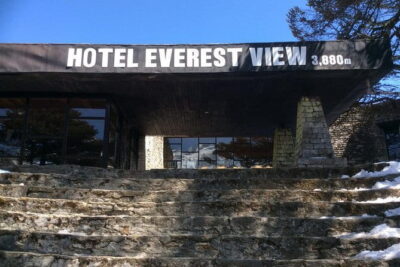
Everest Base Camp Helicopter Tour landing at Everest View Hotel
Read our review →
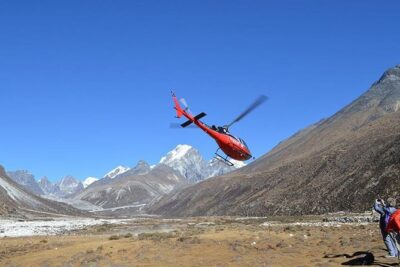
Everest Base Camp Helicopter Tour landing at Hotel Everest View
Read our review →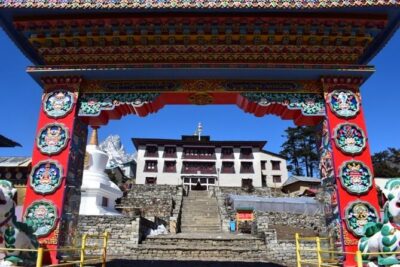
Browse the lists this tour appears in