
Reviewed · POON HILL TREKS
Ghorepani Poon Hill Trek
First, morning light at Poon Hill hits different. This 6-day Ghorepani Poon Hill Trek mixes panoramic sunrise views with a steady walk through villages like Ulleri and Ghandruk, plus forests that can glow with rhododendrons. I especially like that you get support that shows up in small ways, from an English-speaking guide to included breakfasts, lunches, and dinners. One drawback to plan for is the schedule, especially the early start for Poon Hill and the longer trekking day that can feel like a lot if you’re not used to hiking.
A big reason this trek works for many people is the pacing. You’re walking through real communities, not just doing a scenic stroll, and the trail design includes uphill chunks, stone steps, and downhill days that keep you engaged instead of bored. Still, you’ll want moderate fitness, because the days are long enough that you can’t treat this like a casual walk in the park.
In This Review
- Key highlights to know before you go
- From Kathmandu to Pokhara: the ride that sets your pace
- Ulleri: stone steps, Modi Khola views, and your first “real” climb
- Rhododendron forests to Ghorepani: sunset feels close up here
- Poon Hill at dawn: making sunrise work without rushing yourself
- Tadapani down to Ghandruk: culture, village life, and the feeling of arrival
- Head back to Kathmandu from Pokhara
- Price and what $650 really buys in the real world
- What the praised guide style means for your comfort
- Daily rhythm: what your body will notice most
- Packing tips that match this trek’s reality
- Should you book the Ghorepani Poon Hill Trek?
Key highlights to know before you go
- Poon Hill sunrise timing: you’ll start very early to catch first light over the Himalayas
- Village-to-village trekking: Ulleri, Ghorepani, Tadapani, and Ghandruk make the trek feel human
- Rhododendron forests: seasonal color shows up as you climb toward Ghorepani
- Meals built into the plan: breakfasts (5), lunches (4), and dinners (3) reduce decision fatigue
- Guides like Hari and Hari Bhatta get praised: attentive care, quick problem solving, and safety focus
- Private group experience: only your group participates, which usually makes the trek feel calmer
From Kathmandu to Pokhara: the ride that sets your pace
Your trek starts with a road transfer from Kathmandu to Pokhara by tourist bus. Plan on about 6 hours. This matters more than it sounds. When you’re about to walk for days, arriving in Pokhara rested enough to handle the next day makes everything easier, especially if you’re coming in from another travel day.
Once you land in Pokhara, you’ll have time to settle in and unwind. The plan includes time at Phewa Lake area, so you’re not just shoved straight into the mountains. It’s also a useful buffer day, because trekking in Nepal is often a mix of hiking plus waiting for the right conditions, especially for sunrise plans later.
If you like practical comfort, this is a good entry point: bus transfer, a real place to sleep, and a calm evening before the trail rhythm begins.
More Treks in Kathmandu
- Everest Base Camp Trek – 14 Days
★ 5.0 · 1,499 reviews - Everest Base Camp Trek
★ 5.0 · 842 reviews - Everest Base Camp Trekking
★ 5.0 · 485 reviews
Ulleri: stone steps, Modi Khola views, and your first “real” climb
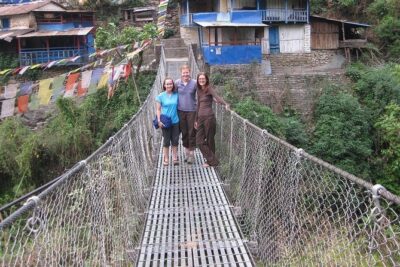
On day two, you drive to Nayapul, the gateway to the Annapurna region, then you begin trekking along the Modi Khola River corridor. The walk is described as 7 hours, and it includes village paths and forest sections.
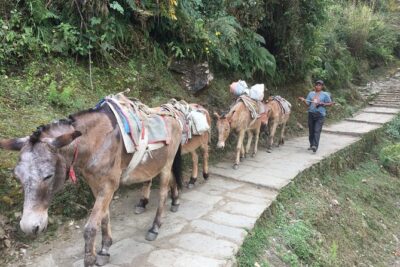
Ulleri is the night stop, and the experience here is about transitions. You go from road access into trails, then into a climb that uses stone steps. Those steps can be steady on the legs, but they also help you track progress. You’ll get those early glimpses of the mountain world as you gain height, and you’ll feel the Annapurna region start to open up.
This is also where the trek becomes more than scenery. You’re moving through places where people live and work, which changes your pace. You’ll naturally slow down to notice details like tea houses, local shortcuts, and how trail life is organized. If this is your first trek, Ulleri is a solid early test because the climb builds without going extreme.
Rhododendron forests to Ghorepani: sunset feels close up here
Day three is your push toward Ghorepani, and the signature detail is the rhododendron forests. The description calls out rhododendrons with vibrant color as you ascend. Even when you don’t catch peak blooms, the forest trail tends to feel cooler and more shaded than open ridgelines, which can make the uphill feel less punishing.
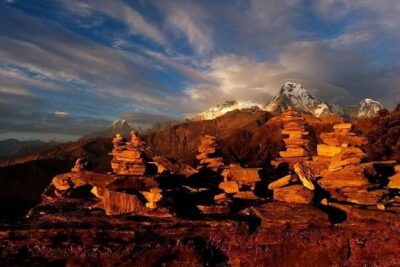
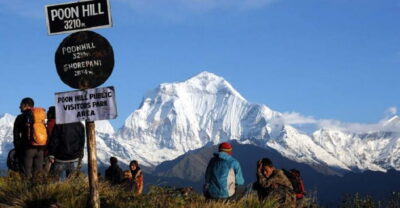
This day is about gradually expanding views. As you climb, you’re meant to see panoramas of the Annapurna and Dhaulagiri ranges. Then you reach Ghorepani, a mountain village base where the day ends with sunset over the snow-capped peaks.
Why this stop is valuable: Ghorepani is not just a bed for the next morning. It’s the staging point for Poon Hill. You’ll likely feel more confident about sunrise logistics because you’re already in the right area, not scrambling at the last minute.
A note to keep your expectations grounded: sunset views in the Himalayas depend heavily on weather and cloud cover. But the trek is designed around that hope, and even on imperfect evenings, you usually still get a rewarding mountain atmosphere.
Poon Hill at dawn: making sunrise work without rushing yourself
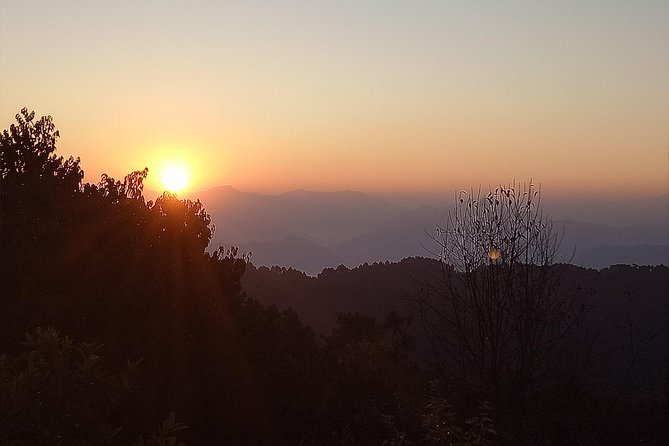
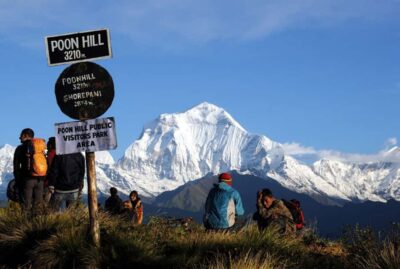
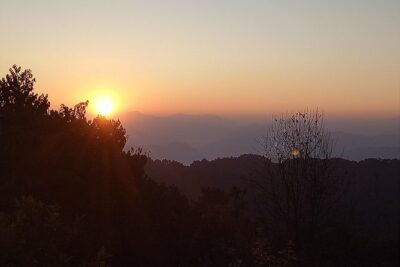
Day four is the big moment. You’ll rise before dawn to hike to Poon Hill for sunrise views over the Himalayas. This is the reason most people choose this trek in the first place, and the plan specifically highlights the first rays of light turning the peaks into a changing palette of colors.
Here’s how to make it actually enjoyable. Don’t treat the sunrise hike like a sprint. The early hours are cold, and going too fast can make you feel shaky or numb. Instead, use the pace of the group. If your guide is paying attention like the praised guides in the feedback, you’ll get gentle direction and reminders to stay warm, hydrate, and adjust.
After sunrise, you hike back to Ghorepani for breakfast, then you continue onward to Tadapani. That means the day totals around 9 hours. So yes, it’s a long day even if the sunrise portion is only part of it.
Why this schedule works: you’re not just chasing a photo. You experience the changing light, you eat, then you keep walking through a different section of the trail system. You get the morning peak, then the rest of the day still feels like progress.
More Poon Hill treks:
- 4 Days Poon Hill Trek
★ 5.0 · 94 reviews - Ghorepani(Poonhill Trek)
★ 5.0 · 81 reviews - 4-day Poon Hill Trek
★ 5.0 · 74 reviews - Ghorepani Poon Hill Trek
★ 5.0 · 61 reviews
Tadapani down to Ghandruk: culture, village life, and the feeling of arrival
Day five shifts gears. You descend to Ghandruk, a village known for Gurung culture and mountain views. The walk is described as 6 hours, and the day includes time to explore the village and enjoy a hearty lunch.
This is where the trek starts to feel complete. Ulleri and Ghorepani gave you the climb story. Ghandruk adds a different kind of richness: you see how people organize life around the mountains, and you get that slower, village-strolling pace after days of moving.
It’s also an emotional landing spot. After a summit-style morning earlier in the week, you’re now in a place that feels like home base for the final wrap-up. You’ll then travel back to Pokhara by public bus, and that bus ride becomes part of the decompression.
If you like moments that feel earned, Ghandruk is a strong finisher. It’s not just the views. It’s the sense that the trek is ending in a real community, not a parking lot.
Head back to Kathmandu from Pokhara
Day six is your return drive from Pokhara to Kathmandu. It’s about 7 hours. By this point, your body knows the routine. You may feel tired, but most people also feel oddly proud of the fact that they handled early mornings and day after day of hills.
This transfer day is a practical wrap-up. You get scenery along the way, enough time to reflect, and you arrive back in Kathmandu with the trek fully complete.
Price and what $650 really buys in the real world
The price is listed at $650. On paper, that can sound either fair or pricey, depending on what you compare it to. What makes it feel more valuable here is that several costs that catch people off guard are included:
- Kathmandu to Pokhara and vice versa by tourist bus
- Pokhara to Nayapul and Ghandruk to Pokhara by local bus
- Trek permits plus government and local taxes
- An English-speaking professional guide
- Meals: breakfast (5), lunch (4), dinner (3)
For many hikers, the real cost isn’t only the trail. It’s transport, permits, and food coordination. If you have a plan that handles those things, you spend more energy enjoying the trek and less energy chasing logistics.
One thing that is not included is porter service. That’s important. If you want to keep your pack light, you may need to arrange that separately. Without a porter, you’ll carry your own day-to-day essentials, which is totally doable for short treks, but it changes how you pack and how heavy you allow your bag to get.
Also keep the “private tour/activity” in mind. That can mean you pay more than a fully shared group option, but it can also mean the trip feels more personal and predictable. The listing also notes pickup offered and group discounts, which helps if you’re traveling with friends.
What the praised guide style means for your comfort
The strongest theme across the feedback is guide quality, and the names Hari and Hari Bhatta show up repeatedly, along with Ganesh in at least one case. Even without getting too technical, the practical impact is clear: the guide doesn’t just lead, they manage the small problems that can ruin a trekking day.
In the feedback, Hari is praised for being attentive and checking in on people’s wellbeing, taking plenty of pictures, and stopping when someone needs a moment. There’s also specific praise for safety and security, plus the ability to help with comfort details like tea and even getting hot water activated for showers. Another recurring point is that the guide will help slower hikers stay supported, including carrying a fatigued member’s bag for a day.
Why you should care: on a trek like this, the “best moment” is often the result of 50 small moments handled well. If your guide is organized, patient, and proactive, the trail feels smoother, even on the harder hours like the early hike to Poon Hill.
So when you book, I’d ask yourself a simple question: do I want a hands-on guide who handles practical details, or do I just want someone to point at the trail? This trek tends to shine for people who appreciate the hands-on style.
Daily rhythm: what your body will notice most
This trek has a clear rhythm: early starts, uphill hours, then a downhill or village walk, repeat.
- Day two is a drive to Nayapul plus a 7-hour trek to Ulleri
- Day three is a 6-hour trek that includes rhododendron forests and a sunset payoff at Ghorepani
- Day four is the long day, around 9 hours, with pre-dawn hiking for Poon Hill sunrise
- Day five is descent to Ghandruk, about 6 hours, followed by travel back toward Pokhara
- Day one and day six are transport-heavy, with hotel time in Pokhara on day one
The tour notes say you should have moderate physical fitness. That’s the right target for this route. You don’t need to be an ultra athlete, but you do need to be okay with long hours of walking and some steep stone-step segments.
Also, start time is listed as 7:00 am. Even though Poon Hill requires you to go earlier than that day-of, 7:00 am gives you a sense of how the team structures the rest of the day. If you’re the type who struggles with early mornings, this is the single thing most likely to test you.
Packing tips that match this trek’s reality
The tour data doesn’t list a gear checklist, so I’ll keep this practical and tied to the plan you’re doing.
Bring layers for cold early mornings. Sunrise hikes start before dawn, and you’ll be outside before the sun does its job.
Pack for multiple trekking days, not one big day. Since you’re walking for days and have meal support arranged, you can keep your pack focused on essentials rather than trying to carry everything.
If porter service is not included, decide early how heavy your bag is allowed to be. Your comfort will depend on weight as much as distance.
Finally, bring a camera-ready mindset. Many of the praised guide comments mention taking lots of pictures, but sunrise is still about being ready when light hits.
Should you book the Ghorepani Poon Hill Trek?
Book this trek if you want a classic Annapurna experience with a real village feel, a clear goal morning (Poon Hill sunrise), and a guided setup that handles major logistics like permits, transport, and meals.
Skip or rethink it if you dislike early mornings, you’re injury-prone with long walking days, or you’re hoping for a low-effort stroll. This route is short in duration, but it’s not short on effort.
If you’re a first-time trekker who wants support and someone to keep things smooth, this one is a strong fit. Just plan for the physical rhythm, pack smart since porter service isn’t included, and be ready to appreciate the simple payoff of mountain light over your dinner table the night before.
Latest additions near Kathmandu
- White Water River Rafting – 1 Day★ 4.3 · 3 reviews
- Traditional Momo Making Class★ 5.0 · 10 reviews
- Kathmandu to Pokhara Premium sofa bus ticket★ 4.0 · 17 reviews
- Amazing 1 Day Trekking Experience in Kathmandu Nepal★ 5.0 · 24 reviews
- Ghorepani Poonhill Trek★ 5.0 · 5 reviews
- Walking tour of real Kathmandu through back streets.★ 5.0 · 3 reviews
- Wildlife Adventure in Chitwan Nepal★ 4.0 · 4 reviews
- Kathmandu Street Food Walking Tour – Eat Like a Local★ 5.0 · 3 reviews
Poon Hill Treks, compared.
4-Day Ghorepani, Poonhill & Ghandruk Mountain Trek
Read our review →
Browse the lists this tour appears in