
Reviewed · NEPALI COOKING CLASSES
Traditional Momo Making Class
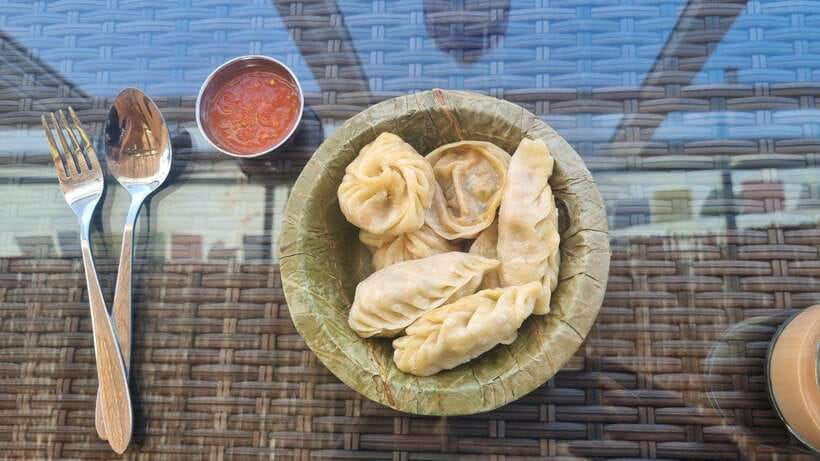
Dumplings are a shortcut to Nepal. In this traditional momo making class, you learn the full rhythm of dough, filling, and folding, taught by women chefs in Kathmandu’s Thamel area. I especially like the hands-on format, where you actually do the kneading and shaping, and the way you finish with tasting your own momos alongside a welcome masala chai.
One thing to plan for: the session can run a bit longer than the schedule on paper, so give yourself a small time buffer after the class. Also, there’s no hotel pickup, so you’ll need to make your own way to the Women Led Namaste Cooking School meeting point.
In This Review
- Key things that make this momo class worth it
- Momo making in Thamel, taught by women chefs
- Women Led Namaste Cooking School: where the class happens
- The 1.5-hour flow: from dough to folded momos
- Step 1: knead the dough until it feels right
- Step 2: prepare your filling with local ingredients and Nepali spices
- Step 3: fold the momos into traditional shapes
- What you drink and what you taste at the end
- Price and value: what $15 buys you in Kathmandu
- Timing reality check: it can run longer than listed
- Who this momo class is best for
- What to wear and how to show up prepared
- Cultural angle: why momos matter beyond the plate
- The bottom line: should you book this momo making class?
- FAQ
- Where is the Traditional Momo Making Class located?
- How long is the class?
- How much does it cost?
- What is included in the class?
- What language are the instructors?
- Is hotel pickup and drop-off included?
- Do I need to bring anything?
- What is the cancellation policy?
Key things that make this momo class worth it
- Women chefs run the show, and they guide you through each step instead of rushing you
- Real technique, not shortcuts, from dough handling to getting the folding right
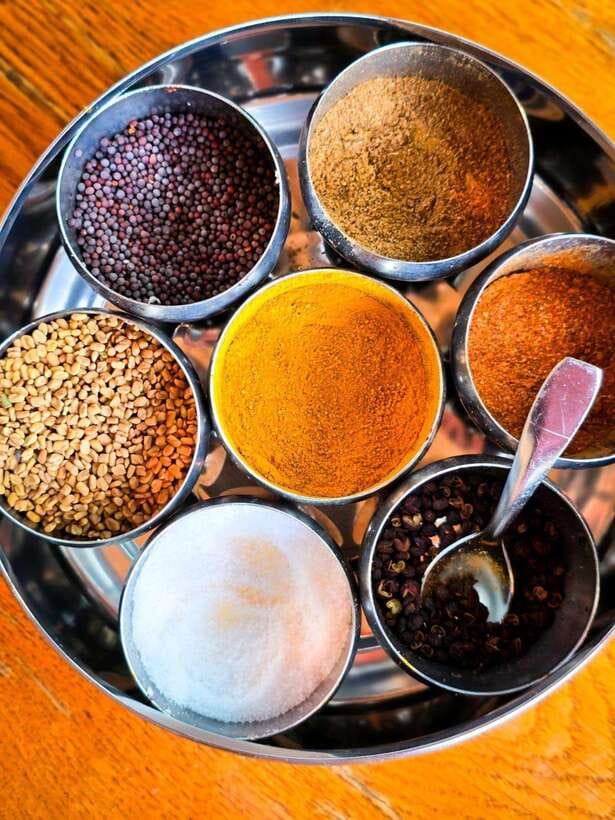
- Fresh ingredients and Nepali spices are part of the process, not just the final bite
- You eat what you make, so the payoff is immediate
- A clean, calm kitchen setup helps you focus, even if you are a first-timer
- English instruction makes it easy to ask questions as you go
Momo making in Thamel, taught by women chefs
If you want a small experience with big cultural payback, a momo class works. Momos are a beloved Nepali comfort food, showing up in everyday life and in celebrations too. And here, the focus is not on watching from the sidelines, it’s on learning the motions that make momos feel so natural to Nepalese cooks.
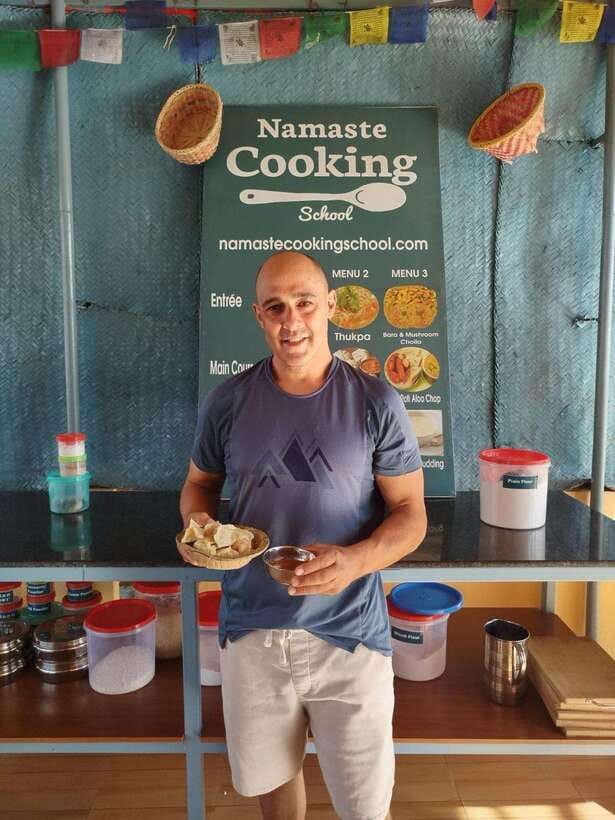
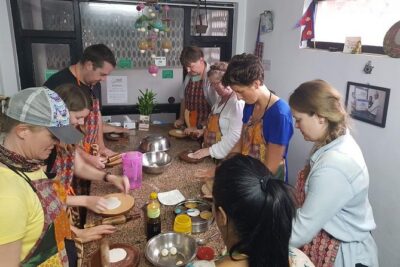
What makes this class feel different is the people at the center. The workshop is led by Namaste Cooking School, and it is women led, with instructors who explain clearly and keep things friendly in the kitchen. In some sessions, you’ll even get a bright, quiet workspace feel, like a rooftop-style setup, which makes a cooking class calmer than you might expect.
More Cooking Classes in Kathmandu
- Half day cooking class in Thamel kathmandu
★ 5.0 · 607 reviews - Kathmandu: Local Women-Led Nepali Cooking & Momo Class
★ 4.9 · 360 reviews - The best Private Nepali Cooking Class in Kathmandu
★ 5.0 · 83 reviews
Women Led Namaste Cooking School: where the class happens
The class is based in Thamel in Kathmandu, a convenient area for pre and post dinner wandering. You’re not sent into some remote cooking shed where you have to guess what to do next. Instead, you’re learning in a proper cooking space with a clean setup, and that matters because you’ll be handling dough and fillings with your hands.
One practical benefit: the kitchen environment helps first-timers relax. A clean, bright workspace means less stress, especially if you’ve never folded dumplings before. It also helps you focus on texture, not on the mess.
Another plus is the English instruction. If you’re not fluent in Nepali, you can still understand what you’re supposed to do, and ask questions without playing guessing games.
The 1.5-hour flow: from dough to folded momos
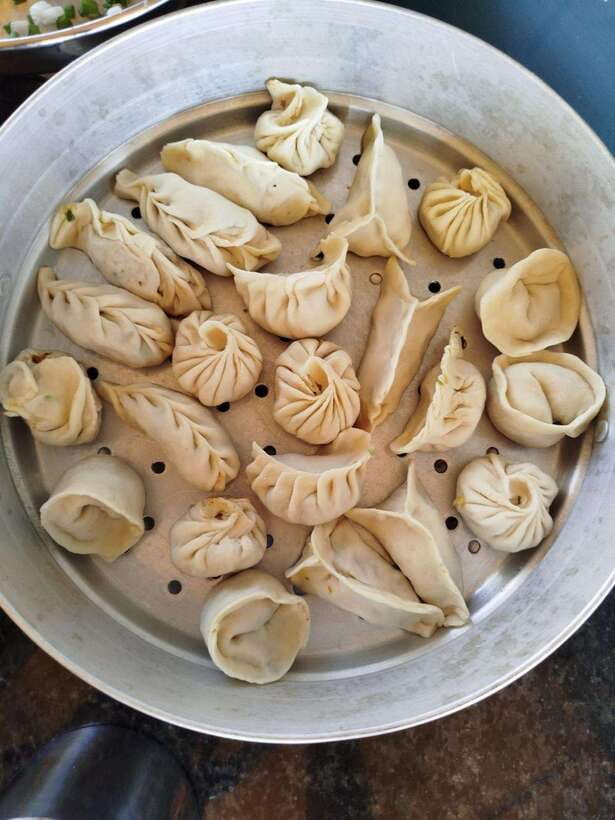
This is a full hands-on lesson built around the three core steps of momo making: kneading dough, preparing fillings, and folding the dumplings into shape. You’re not just learning the final form. You learn what changes when dough is handled correctly, and how that affects the way momos cook.
Step 1: knead the dough until it feels right
You start with the dough. Kneading in a class like this isn’t busywork. The goal is to learn the feel, how the dough becomes smoother and more elastic as you work it. You’ll also get guidance on managing the dough so it’s workable for folding.
For you, this is where the skill sticks. If your dough is too dry or too sticky at home, your dumplings will behave differently. The advantage of kneading here is that you can compare what you’re doing with what your instructor wants, then adjust in real time.
Another way to spend the time in Nepal:
- Everest Base Camp Trek – 14 Days
★ 5.0 · 1,499 reviews - Everest Base Camp Trek
★ 5.0 · 842 reviews - Private Kathmandu Sightseeing Tour | UNESCO World Heritage sites
★ 5.0 · 756 reviews - Kathmandu: 7 UNESCO Sites with Lunch
★ 4.8 · 744 reviews
Step 2: prepare your filling with local ingredients and Nepali spices
Next comes the filling. The class uses fresh, locally sourced ingredients and authentic Nepali spices. That combination is what gives momos their signature flavor profile, not generic seasoning that could belong anywhere.
You’ll learn how the filling is built and handled before it ever touches the dough. Getting this part right matters because filling texture and seasonings affect both taste and how the dumpling seals.
Step 3: fold the momos into traditional shapes
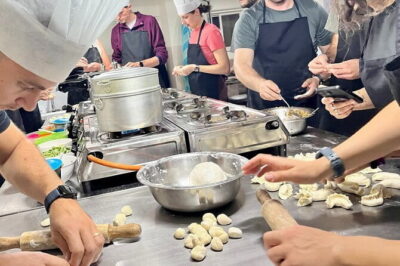
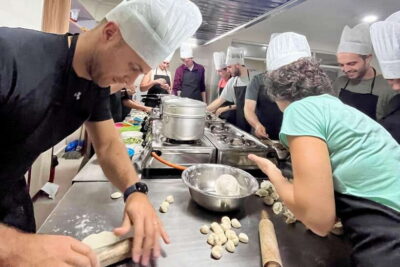
Then the fun part, folding. Folding is where most first-timers think they will fail. But in this class, you get step-by-step coaching on how to make the dough wrap neatly around the filling.
If you are bringing kids or a friend who wants to do more than just taste, folding is often the moment they can shine. One family experience I heard about involved an 11-year-old doing most of the chopping and surprising themselves with their folding. The takeaway for you: the technique is teachable, and you’ll likely get better faster than you expect.
What you drink and what you taste at the end
You don’t leave with theory. You leave with food you made yourself. At the end, you taste your handmade momos, which is the best way to understand what you did well and what you’d tweak next time.
You’ll also get welcome masala chai. It’s a simple add-on, but it sets the tone. Chai pairs naturally with a cooking class because it makes the first minutes feel like hospitality instead of instruction only.
When you taste, pay attention to two things you can control next time at home. First, how the wrapper cooked, whether it feels tender and springy. Second, how the filling tastes, especially the spice balance. In a class like this, you’ll taste the result of every step, which is how your brain learns the recipe for real.
Price and value: what $15 buys you in Kathmandu
The class costs $15 per person, for a 1.5-hour session. On paper, it’s not a large expense, but the value comes from what’s included.
You get:
- the momo making class itself
- ingredients for making momos
- guidance from experienced local chefs
- tasting of the momos you make
- welcome masala chai
So you’re paying for coaching plus ingredient access plus a meal payoff. If you tried to replicate this on your own, you’d spend time hunting down ingredients, then still be guessing about dough texture and folding technique. Here, you learn those parts directly, and you also get a flavor benchmark because you eat the final product during the session.
The only cost that might sneak up is transport time. There’s no hotel pickup or drop off, so you’ll want to factor in how you’ll reach Thamel and return on your own.
Timing reality check: it can run longer than listed
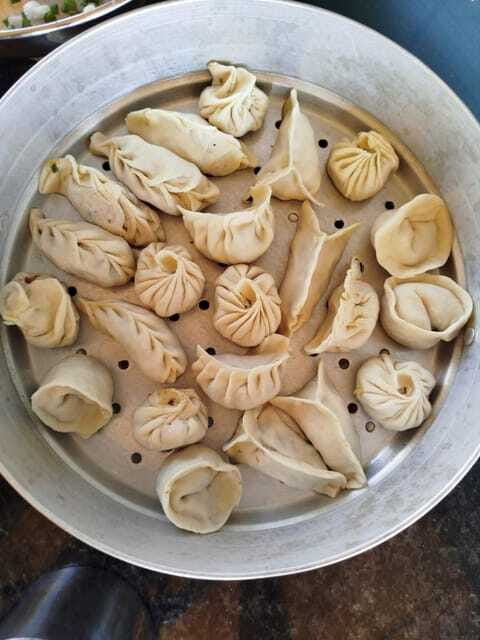
One detail worth respecting: the class may run a bit longer than the duration listed. In a cooking class, that can happen for normal reasons, like everyone chatting a bit more than expected or getting extra help while folding.
For you, the practical move is simple. Plan something flexible nearby. If you have dinner reservations or a flight connection right after, build in buffer time. Arriving early helps too, since the class expects you to be there about 10 minutes before it starts.
Who this momo class is best for
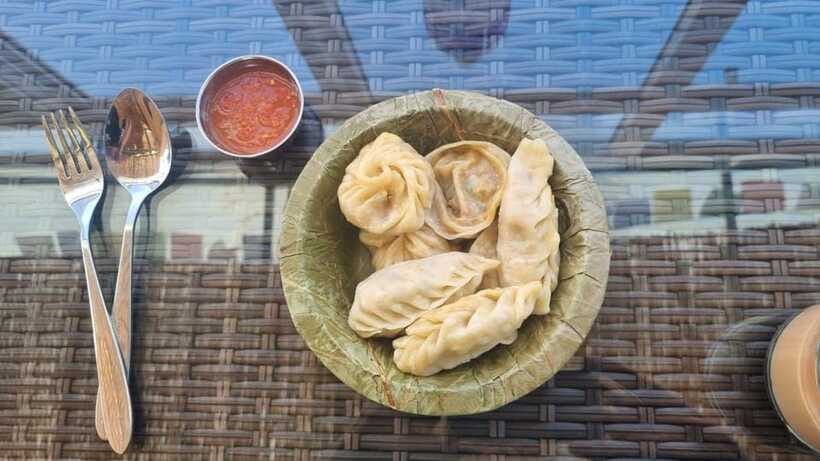
This activity fits food lovers who want more than a snack. If you like the idea of learning Nepalese cooking heritage through a single dish that’s widely loved, momos are a great choice. Momos show up in celebrations and everyday life, so whatever you learn here isn’t locked to one tourist bubble.
It’s also ideal if you prefer learning by doing. This class isn’t a lecture. You knead, you mix filling, and you fold. That hands-on flow makes the experience satisfying even if you’re not a confident cook.
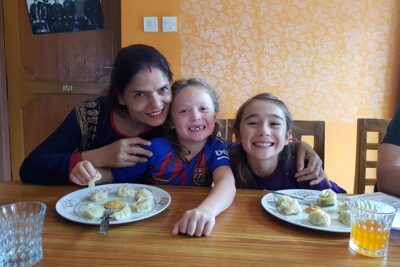
Family-friendly is plausible too. One experience I heard involved an 11-year-old doing real prep work like chopping and focusing on folding. So if your group includes kids who are curious and willing to try, this format can work well.
What to wear and how to show up prepared
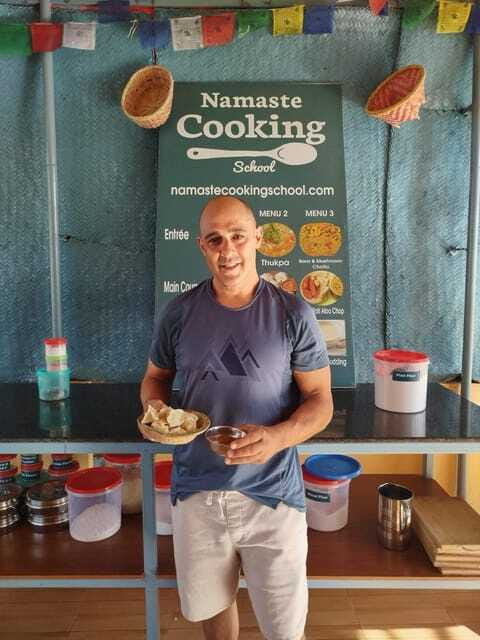
This is basic, but it matters. Wear comfortable clothing and shoes suitable for cooking, because you’ll be standing and working with your hands. Loose, easy-to-move clothes help you focus on technique rather than discomfort.
Arrive about 10 minutes early. That gives you time to settle in, get any instructions before you start, and avoid feeling rushed when you’re handling dough.
If you care about photos, consider how you’ll manage them. While the class is social, you’ll be working with flour and spices, so keep your phone protected or ready for quick shots between steps.
Cultural angle: why momos matter beyond the plate
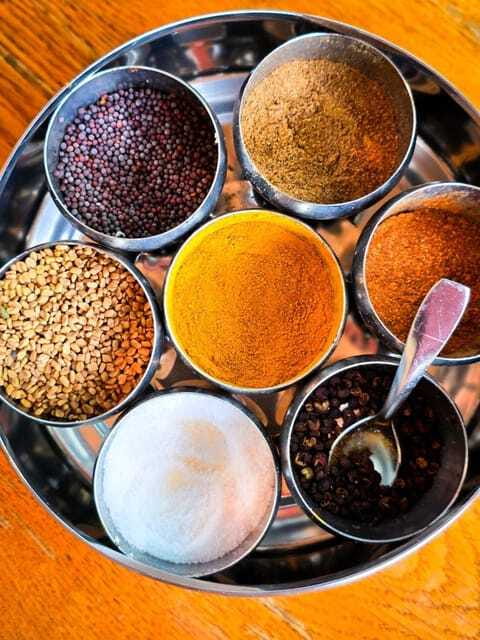
Even if your main goal is learning a recipe, the class gives you context for why momos are such a big deal in Nepal. Momos hold a special place in Nepali celebrations and everyday life, which means the dish is not just street food. It’s part of how people gather, talk, and share comfort.
You also get insight into how Nepali cooks approach food as both technique and hospitality. That shows in how you’re guided through each step and how tasting is built into the experience. It’s not only about producing dumplings, it’s about understanding the way food connects people.
The bottom line: should you book this momo making class?
I’d book it if you want a compact, hands-on introduction to Nepalese cooking that ends with something you can actually eat immediately. The women-led coaching, the step-by-step technique, and the fact that you taste what you make add up to real value for the price.
Skip it only if you strongly prefer passive activities, or if you need strict scheduling with no wiggle room. The lack of hotel pickup also means you should be comfortable finding your way to Thamel on your own.
If you’re in Kathmandu and you want to leave with both skills and a satisfying food memory, this class is a smart bet.
FAQ
Where is the Traditional Momo Making Class located?
It takes place in Kathmandu, in the Bagmati Zone area, at the Women Led Namaste Cooking School in Thamel.
How long is the class?
The class lasts 1.5 hours.
How much does it cost?
The price is $15 per person.
What is included in the class?
You get the momo making class, ingredients for preparing momos, guidance from local chefs, tasting of your handmade momos, and a welcome masala chai.
What language are the instructors?
The instruction is in English.
Is hotel pickup and drop-off included?
No, hotel pickup and drop-off are not included.
Do I need to bring anything?
The key guidance is to wear comfortable clothing and shoes suitable for cooking. You should also arrive about 10 minutes before the class starts.
What is the cancellation policy?
You can cancel up to 24 hours in advance for a full refund.
Latest additions near Kathmandu
- White Water River Rafting – 1 Day★ 4.3 · 3 reviews
- Kathmandu to Pokhara Premium sofa bus ticket★ 4.0 · 17 reviews
- Ghorepani Poonhill Trek★ 5.0 · 5 reviews
- Ghorepani Poon Hill Trek★ 5.0 · 16 reviews
- Amazing 1 Day Trekking Experience in Kathmandu Nepal★ 5.0 · 24 reviews
- Walking tour of real Kathmandu through back streets.★ 5.0 · 3 reviews
- Wildlife Adventure in Chitwan Nepal★ 4.0 · 4 reviews
- Visit Swayambhunath and Bauddhanath Stupa with Guide★ 5.0 · 5 reviews
Nepali Cooking Classes, compared.
Nepalese Momos or Dal Bhat Cooking Class (Cook with Delight)
Read our review →
The best Private Nepali Cooking Class in Kathmandu
Read our review →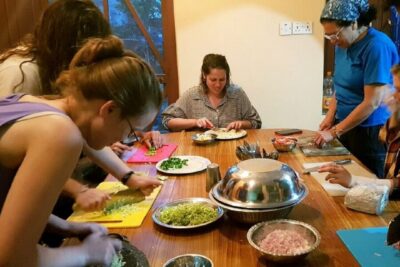
Nepalese Kitchen in Pokhara: Momos or Dal Bhat Cooking Class
Read our review →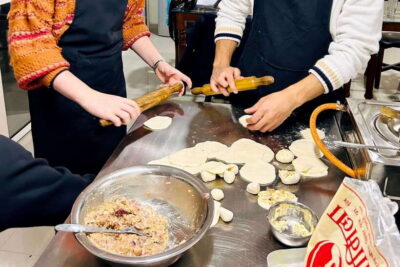
Browse the lists this tour appears in