
Reviewed · NEPALI COOKING CLASSES
Kathmandu: Local Women-Lead Nepali Cooking & Momo Class
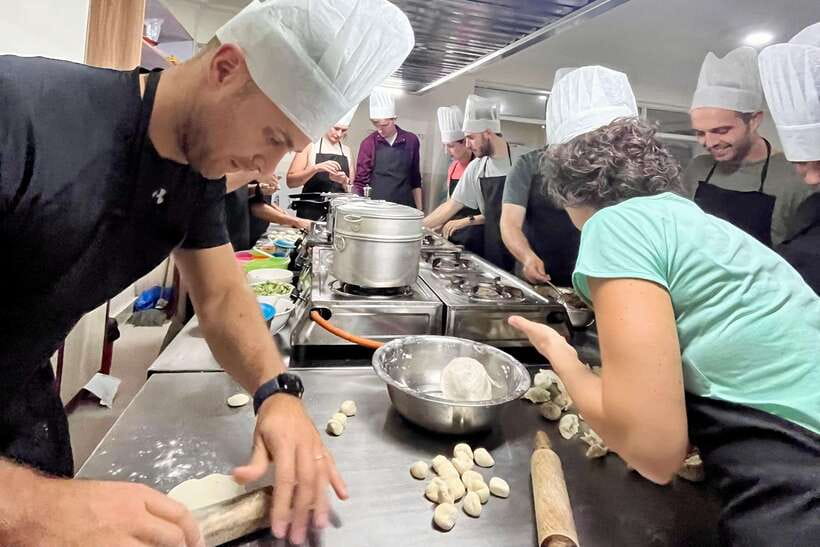
Your hands will learn momo fast. In Kathmandu, this small-group class pairs a market stop with a chef-led, hands-on session where you cook momo and dal bhat from scratch. I love how practical it feels, you do the work, and you go home with the recipes you made (not just a photo).
The possible drawback is simple: dish choices can depend on what the group decides together. If you show up craving only momo, you may need to convince the table, or at least accept that your cooking plan is a shared one.
In This Review
- Key Things I’d Bet You’ll Care About
- Why Momo And Dal Bhat Work So Well For A First Nepali Cooking Lesson
- Getting To Kathmandu Cooking Academy In Thamel (And Why That Matters)
- The Market Walk: Picking Ingredients Like A Chef, Not Like A Tourist
- How The Class Actually Runs In The Kitchen
- Dish Choices: How Momo Fits In, And What You Might Cook Besides It
- Momo Workshop: Dough, Folding, Steaming, And Getting The Details Right
- Dal Bhat: Learning The Staple That Sets The Flavor Baseline
- Dessert And The Starter Game: Making The Meal Feel Like A Full Nepali Plate
- The Timing: A 3 To 4 Hour Block That Actually Feels Like Work (In A Good Way)
- Price And Value: Why $5 Can Still Feel Like A Real Skill Builder
- Who Should Book This Cooking Class (And Who Might Want A Different Option)
- Small Watch-Outs I’d Plan For Before You Go
- Should You Book This Kathmandu Nepali Cooking Class?
- FAQ
- Where is the cooking class held?
- How long is the class?
- What does the class teach you to cook?
- How much does it cost?
- Is hotel pickup and drop-off included?
- What about language support?
- Are meals and drinks provided?
- Do they provide cooking equipment and ingredients?
- What should I bring?
- Is the class accessible for wheelchair users?
Key Things I’d Bet You’ll Care About
- Pick your starter, main, and dessert, with momo and dal bhat usually part of the menu options
- Market tour close by so you can buy fresh ingredients with your chef
- English instruction that’s easy to follow, with teachers like Nish and Nishma mentioned by name
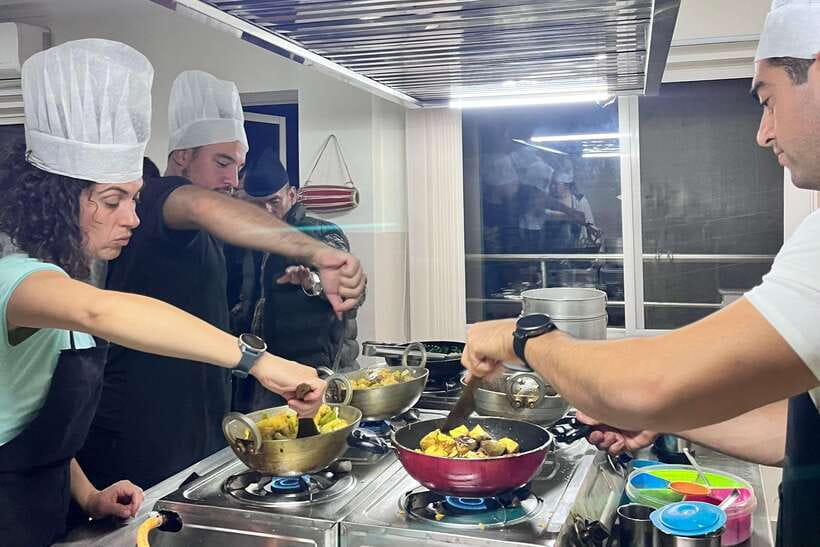
- Hands-on cooking with equipment provided, so you are not waiting around
- Taste what you make, plus complimentary Nepali masala tea during the class
- Small groups (10 or fewer) that make it feel more like a lesson than a show
Why Momo And Dal Bhat Work So Well For A First Nepali Cooking Lesson
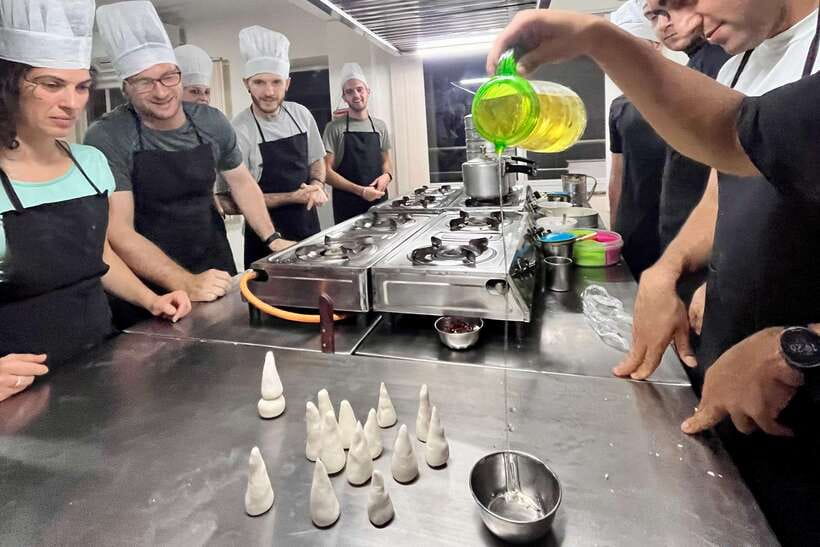
Momo is Nepal’s version of comfort food. It’s also one of the best foods to learn because the dough, filling, folding, and steaming teach you technique you can repeat later. You are not just cooking one dish, you are practicing a whole chain of steps.
Dal bhat is the other big reason this class makes sense. It’s Nepal’s staple meal, so learning it gives you context for how flavors and textures show up across the rest of the cuisine. When you finish, you should feel like you understand what a Nepali plate is trying to do.
More Cooking Classes in Kathmandu
- Half day cooking class in Thamel kathmandu
★ 5.0 · 607 reviews - Kathmandu: Local Women-Led Nepali Cooking & Momo Class
★ 4.9 · 360 reviews - The best Private Nepali Cooking Class in Kathmandu
★ 5.0 · 83 reviews
Getting To Kathmandu Cooking Academy In Thamel (And Why That Matters)
This experience runs from Kathmandu Cooking Academy, located in Thamel, and that matters more than you’d think. Thamel is a travel hub, so reaching the venue tends to be straightforward without lots of guesswork.
If you choose the hotel pickup option, you will be collected within Kathmandu Valley and dropped back at the end. If you do not, you make your own way. Either way, plan to arrive around 15 minutes early so your market time and prep time feel relaxed, not rushed.
The Market Walk: Picking Ingredients Like A Chef, Not Like A Tourist
You start with a market or shop tour to select ingredients for what you will cook. This is not just shopping for the sake of sightseeing. The point is to help you recognize key items you’ll need later, like the seasonings and produce that shape your dish.
You’ll also see how a local cook thinks about freshness and balance. That’s the real value here, because the ingredients you learn to buy are the same ones that will make your homemade momo and dal bhat taste right after you leave Kathmandu.
How The Class Actually Runs In The Kitchen
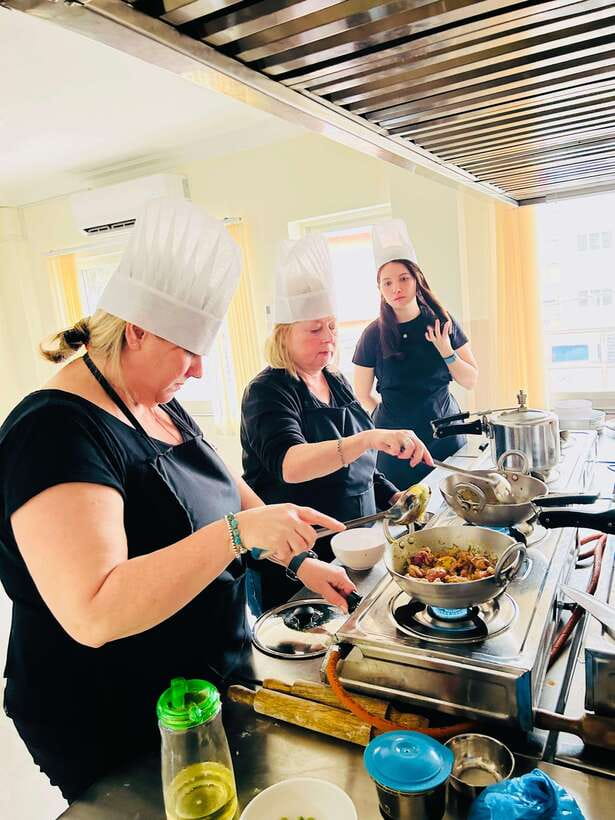
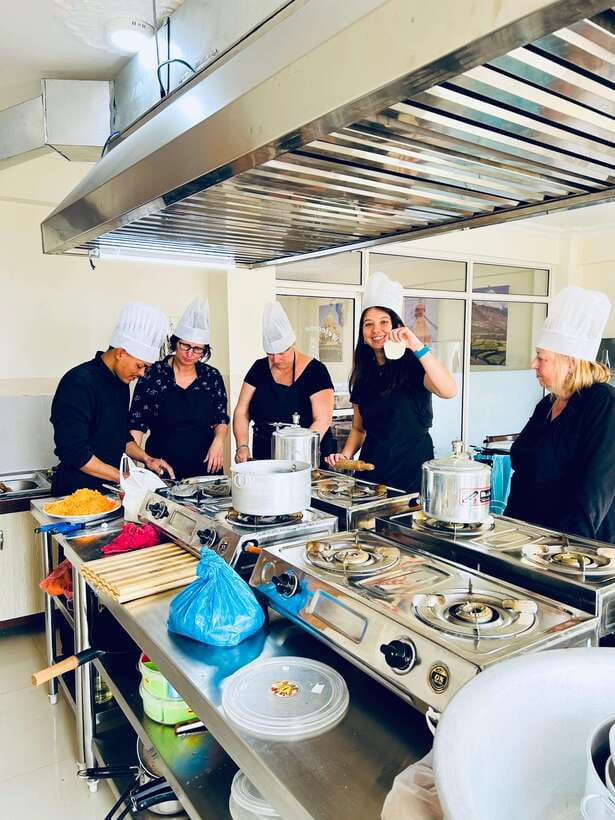
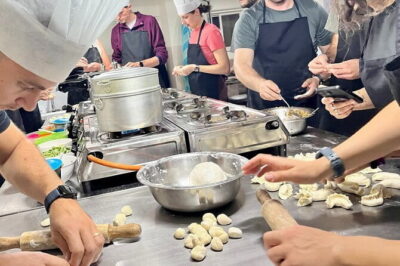
The class is designed for hands-on participation, not observation. Cooking equipment and accessories are provided, so you can show up with a camera and comfortable clothes, and focus on the steps in front of you.
Expect a steady flow: a bit of demo, then you take over. In a group limited to 10, you are less likely to spend your time waiting for your turn. English instruction is part of the setup, and people have specifically praised teachers like Nish and Nishma for being clear and patient.
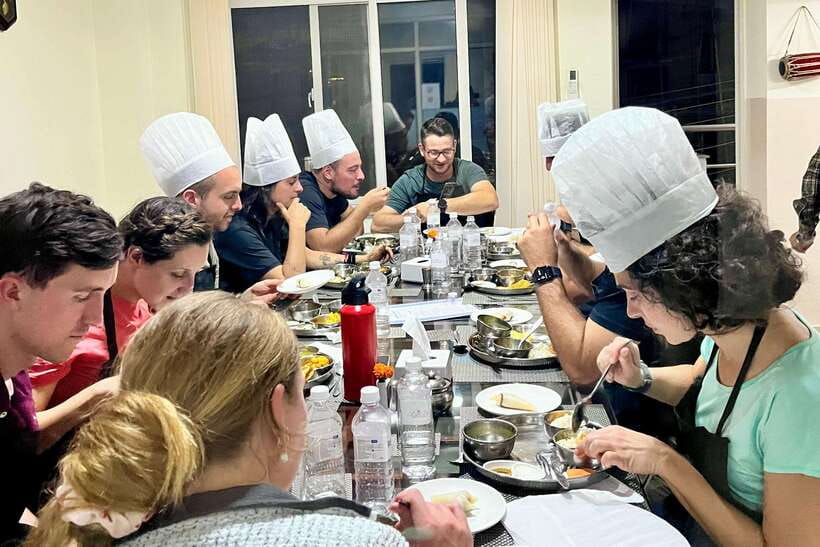
Also, you’ll get a tasting session of what you prepare. That’s an important part of learning because you can connect the technique to the final result while everything is still fresh in your head.
Another way to spend the time in Nepal:
- Everest Base Camp Trek – 14 Days
★ 5.0 · 1,499 reviews - Everest Base Camp Trek
★ 5.0 · 842 reviews - Private Kathmandu Sightseeing Tour | UNESCO World Heritage sites
★ 5.0 · 756 reviews - Kathmandu: 7 UNESCO Sites with Lunch
★ 4.8 · 744 reviews
Dish Choices: How Momo Fits In, And What You Might Cook Besides It
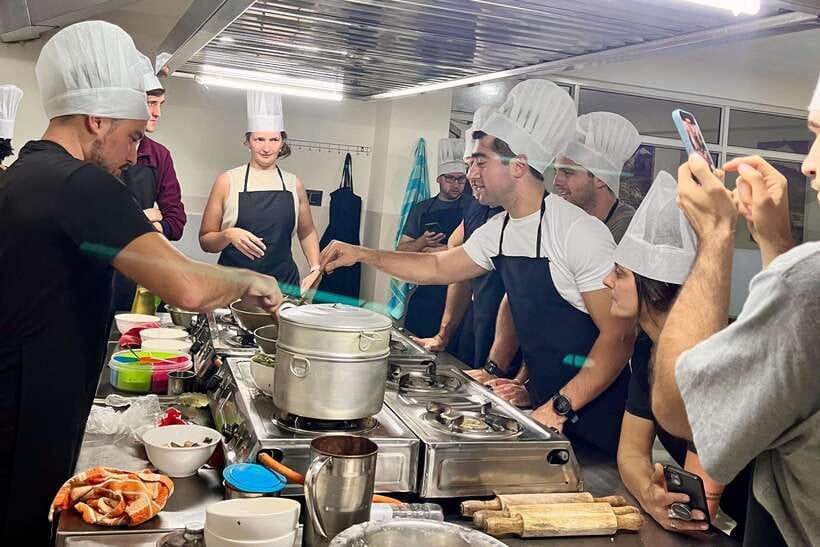
This class focuses on momo and dal bhat, but you can usually choose additional dishes so your meal feels complete. In practice, many people select a starter, a main course (including momo as an option), and a dessert. Some classes also allow you to choose among several item options, depending on availability and group decisions.
Here’s the practical takeaway. If you go in with a strict plan like only momo, be ready that the class may operate as a shared menu. Small groups help, but they do not eliminate group decision-making. On the upside, it’s why the meal at the end tends to feel varied rather than repetitive.
If you’re vegetarian, tell the team ahead of time. Several participants reported that vegetarian preferences and spice levels were accommodated without trouble. That’s exactly how you want a cooking class to handle real life.
Momo Workshop: Dough, Folding, Steaming, And Getting The Details Right
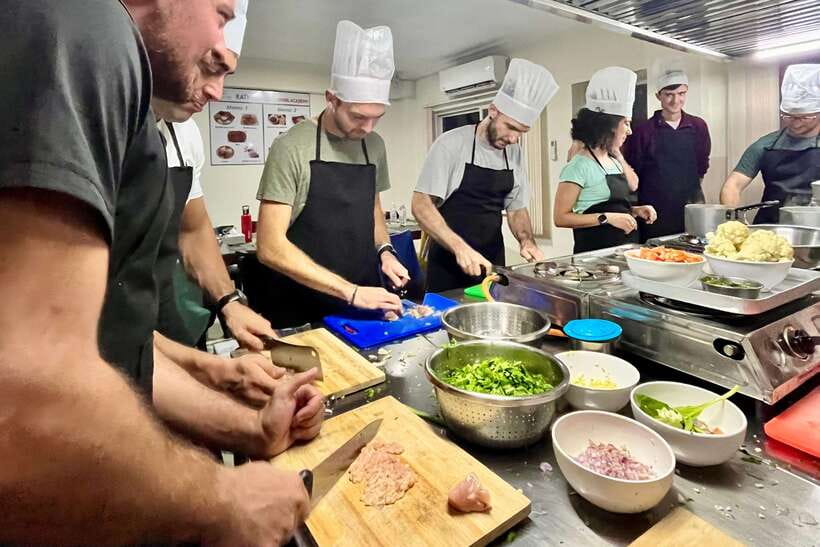
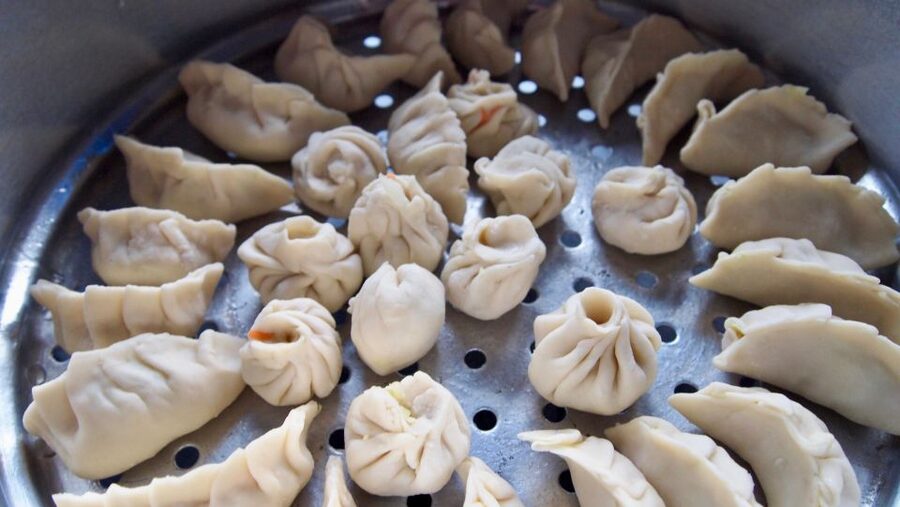
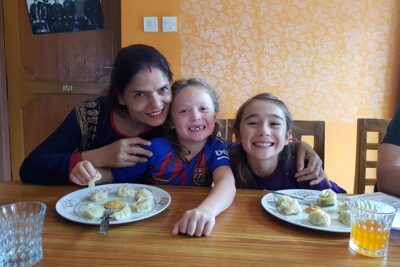
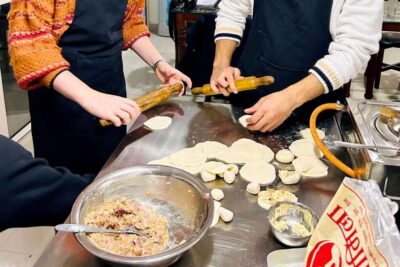
Momo is the main event here, and you learn it step-by-step. You’ll work through the dough and filling, then handle the folding technique needed to form the dumplings. The best part is that you do it yourself, so you learn what the dough should feel like and how the filling should be portioned.
People have been especially happy with the momo instruction, including how clearly the process is explained. If you pick a chicken momo, an aloo or potato-style filling, or a mushroom-style option, you’ll still learn the same core method. That’s what makes the skills portable.
And yes, you’ll eat what you make. That helps you fine-tune your own technique for next time, because you can compare your dumpling outcome with what the class expects.
Dal Bhat: Learning The Staple That Sets The Flavor Baseline
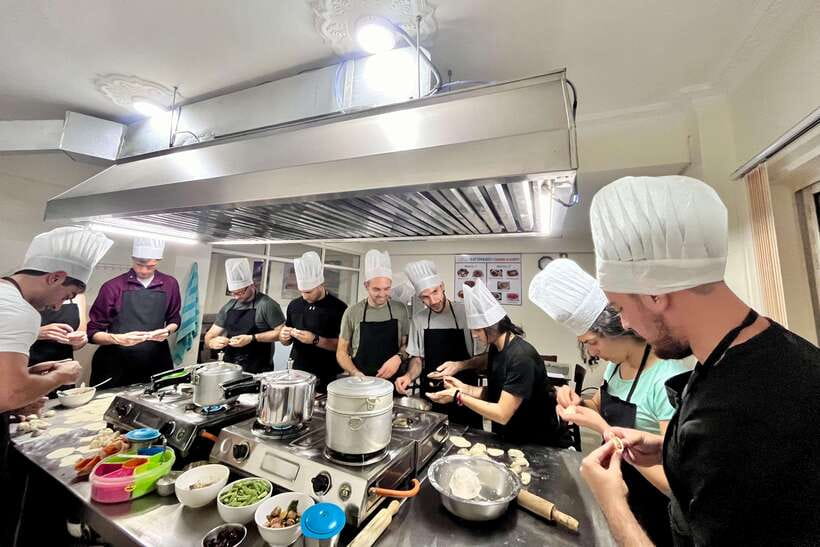
Dal bhat usually means dal (lentils) plus rice, with supporting sides that make the meal feel balanced. In this class, you learn to prepare dal bhat as part of the core cooking session, so your plate isn’t just dumplings and tea.
What I like about this focus is that it gives you a flavor baseline. Once you understand how dal is built, you can better appreciate Nepalese cuisine in restaurants afterward. You also learn how spice, texture, and seasoning interact in a comfort-food meal.
Dessert And The Starter Game: Making The Meal Feel Like A Full Nepali Plate
Dessert is included, and many participants mention choosing a dessert as part of the menu selection. Starters also come into play, with people reporting options among several starters and desserts.
Why this matters for value: you are not paying for one dish and leaving hungry. You are making a sequence of bites that turn into a full meal, which helps you understand how Nepali cooking flows from savory to sweet.
You’ll get complimentary Nepali masala tea during the lesson, which keeps things grounded in local routine rather than just a tourist snack.
The Timing: A 3 To 4 Hour Block That Actually Feels Like Work (In A Good Way)
The duration is listed as 3 to 4 hours, with the class typically running around 3 hours including the market visit. That’s a sweet spot in Kathmandu, where travel delays can be real.
Transport is optional. Some people did report pickup and drop-off being late, and Kathmandu traffic is the usual culprit. For a smooth day, I’d keep your next activity flexible.
Also, remember this is not a quick tasting stop. You are cooking, so go in ready to move. You’ll probably be glad you wore comfortable clothes and brought a camera for the hands-on moments.
Price And Value: Why $5 Can Still Feel Like A Real Skill Builder
At about $5 per person, this class is priced like an impulse buy, but it doesn’t behave like one. You get expert guidance, market ingredient selection, equipment, cooking instruction, and a tasting session. That combination is where value lives.
Most cooking classes in popular destinations charge a lot more for less structure. Here, the lesson is built around technique: momo method, dal bhat basics, and a full meal experience with tea. Even if you are a confident cook, the market piece and momo folding instruction are the kind of things you cannot easily recreate on your own without a teacher.
If you are on a budget, this also works as a high-impact cultural activity. You are spending your afternoon doing something practical with local flavors, not just browsing.
Who Should Book This Cooking Class (And Who Might Want A Different Option)
This is best for food lovers who want to learn real technique, especially if you are curious about Nepali staples and street-friendly dishes like momo. It’s also a strong choice if you like small group dynamics, since groups are capped at 10.
If you want a flexible experience, you can usually choose among several dish options so you are not stuck with one pre-set menu. If you have dietary needs, message in advance so they can accommodate.
On the other hand, it may not be ideal for very young kids, since children under 5 are not suitable. People over 95 are also listed as not suitable. Beyond age, the class is an active kitchen session, so it’s not the best match if you want something mostly seated and low effort.
Small Watch-Outs I’d Plan For Before You Go
The biggest consideration is group menu choice. One person noted that if you arrive expecting to cook only momo, you may need to persuade the group, even though it can work out when others want momo too.
Another practical note: solo participants may sometimes experience meal pacing differently from staff, depending on how the class runs. That can be a small disappointment if you want full togetherness for every bite, but the teaching and cooking process tends to stay focused.
Finally, Kathmandu traffic can affect pickup and drop-off timing if you select it. It’s usually manageable if you do not schedule your entire day to the minute.
Should You Book This Kathmandu Nepali Cooking Class?
I think it’s a yes for most visitors. You’re getting hands-on momo and dal bhat coaching, a market tour that teaches you what to buy, and a real meal at the end with complimentary masala tea. The small group size and strong English instruction from chefs like Nish or Nishma (as praised by participants) make it easy to follow even if you’ve never cooked Nepali food before.
Book it if you want more than a tasting tour. This is for people who like to learn technique and then recreate it at home.
Skip it only if you need a strictly private, solo, no-choice cooking plan, or if you want something slow and sightseeing-only. For everything else, this is a smart use of a half day in Kathmandu, and the skill payoff is right there in your finished dumplings.
FAQ
Where is the cooking class held?
The venue is Kathmandu Cooking Academy in Thamel. The meeting point is provided as a Google map listing for Kathmandu Cooking Academy.
How long is the class?
It runs about 3 to 4 hours, with the class typically lasting around 3 hours including the market visit and cooking time.
What does the class teach you to cook?
The core focus is momo and dal bhat. You also choose an additional dish such as a starter and dessert, depending on the options available.
How much does it cost?
The price is listed as $5 per person.
Is hotel pickup and drop-off included?
Hotel pickup and drop-off are included only if you select that option during booking. Without pickup, you’ll go to the venue on your own.
What about language support?
The instructor teaches in English.
Are meals and drinks provided?
You taste the food you prepare, and complimentary Nepali masala tea is served during the lesson. Specialty or alcoholic drinks are not included.
Do they provide cooking equipment and ingredients?
Cooking equipment and accessories are provided. The market or shop tour is included so you can buy key ingredients for what you’ll cook.
What should I bring?
Bring a camera.
Is the class accessible for wheelchair users?
Yes, the experience is listed as wheelchair accessible.
Latest additions near Kathmandu
- Traditional Momo Making Class★ 5.0 · 10 reviews
- White Water River Rafting – 1 Day★ 4.3 · 3 reviews
- Kathmandu to Pokhara Premium sofa bus ticket★ 4.0 · 17 reviews
- Ghorepani Poon Hill Trek★ 5.0 · 16 reviews
- Amazing 1 Day Trekking Experience in Kathmandu Nepal★ 5.0 · 24 reviews
- Ghorepani Poonhill Trek★ 5.0 · 5 reviews
- Walking tour of real Kathmandu through back streets.★ 5.0 · 3 reviews
- Wildlife Adventure in Chitwan Nepal★ 4.0 · 4 reviews
Nepali Cooking Classes, compared.
Nepalese Momos or Dal Bhat Cooking Class (Cook with Delight)
Read our review →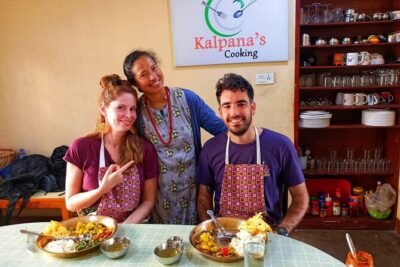
The best Private Nepali Cooking Class in Kathmandu
Read our review →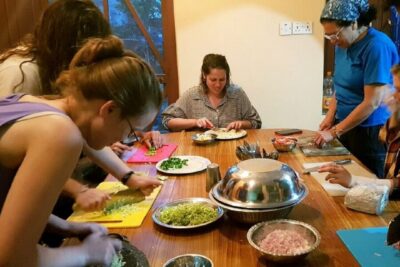
Nepalese Kitchen in Pokhara: Momos or Dal Bhat Cooking Class
Read our review →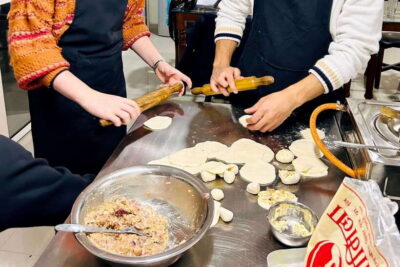
Browse the lists this tour appears in