
Reviewed · NEPALI COOKING CLASSES
The best Private Nepali Cooking Class in Kathmandu
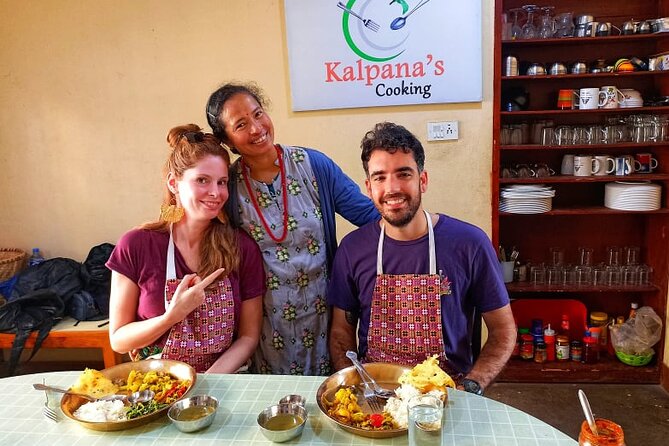
A quiet afternoon can turn into a Nepal food lesson. This private cooking class in Kathmandu is hands-on, home-style, and built around choosing ingredients and cooking with a local family, not watching from the sidelines. You also get hotel pickup and drop-off, plus a meal you genuinely helped make, from spice grinding to plating.
What I really like is how local the setting feels, with cooking happening in a family kitchen and even time spent selecting ingredients, so you understand why Nepali flavors taste the way they do. I also appreciate the dietary flexibility, because the class can adjust your menu if you tell them your needs ahead of time. One thing to consider: the experience includes tea or coffee and a full lunch, so if you show up after a big breakfast, you may feel comfortably full by the end.
In This Review
- Key Points Before You Go
- Why This Private Nepali Cooking Class Feels More Real Than a Demo
- Getting There Comfortably: Pickup, Tea, and a Family Kitchen Welcome
- Market and Organic Farm Ingredient Choosing, Then Straight to Cooking
- The Spice-Grinding Moment: Why Small Steps Change Everything
- What You Cook: The Set Meal and the Home-Style Structure
- A Closer Look at Dal Bhat Skills and How to Recreate Them
- Veg, Meat, and Side Dishes: Flexibility Without Missing the Point
- Photo Moments and the Pace You Can Actually Enjoy
- Eating What You Made, With Real Nepali Hospitality
- Leaving With PDF Recipes You Can Actually Use
- Price and Value in Kathmandu: What $24 Gets You
- Who This Cooking Class Is Perfect For
- Should You Book This Private Class in Kathmandu?
- FAQ
- How long is the Nepali cooking class in Kathmandu?
- Is hotel pickup and drop-off included?
- What’s included in the price?
- Can the class handle vegetarian meals or dietary requirements?
- Is this class private?
- What if weather affects the experience?
Key Points Before You Go
- Private home setting where you cook alongside a Nepali family, not in a studio kitchen
- Pickup and drop-off included, which makes this easy even if Kathmandu traffic is a headache
- Market and ingredient selection, so you learn what goes into the food before you cook it
- You do the work, from chopping to grinding spices and assembling your meal
- All food included, plus a lunch you will not just sample
- PDF recipes included so you can repeat dishes at home
Why This Private Nepali Cooking Class Feels More Real Than a Demo
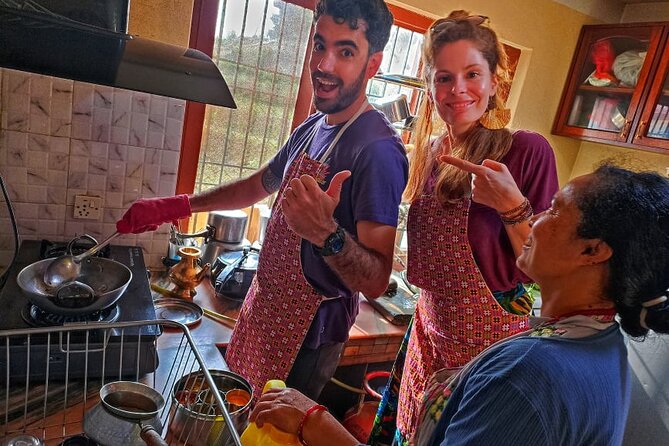
Kathmandu is packed with places to eat. But this class is about something else: learning how Nepalis actually cook at home, and why certain steps matter. The biggest difference is that you are not just tasting Nepali cuisine, you are making it with guidance, questions welcome, and lots of hands-on time.
I like that the experience starts with ingredients, not with instructions. You choose what you cook, including crisp seasonal produce and spices, and that naturally changes how the final dishes taste. You also get a family setting that many cooking classes skip, which helps you understand the rhythm of everyday Nepali meals.
It is also private, meaning you and your group are the focus. One family host, Kalpana Thapa, is repeatedly praised for being warm and thoughtful, and her family helps make the day feel relaxed and fun. If you want more culture than a quick food tour, this is a strong fit.
More Cooking Classes in Kathmandu
- Half day cooking class in Thamel kathmandu
★ 5.0 · 607 reviews - Kathmandu: Local Women-Led Nepali Cooking & Momo Class
★ 4.9 · 360 reviews - Kathmandu: Traditional Momo Making Class & Pickup
★ 4.8 · 60 reviews
Getting There Comfortably: Pickup, Tea, and a Family Kitchen Welcome
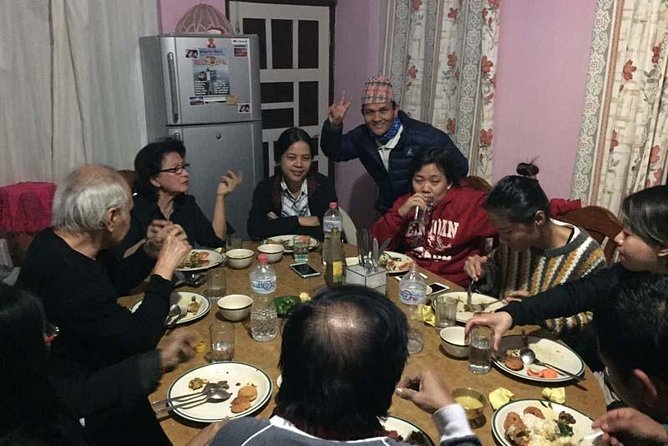
The day starts with hotel/ homestay pickup and drop-off, plus transportation by a private vehicle. This matters in Kathmandu. Getting in and out without wrestling with logistics gives you more time to pay attention when the cooking begins.
When you arrive, you are welcomed into the family space and offered homemade masala tea or coffee. That little moment is more than a drink. It sets the tone: slower, calmer, and very much local. After that, the session shifts into “let’s cook” mode, with you stepping into the home routine.
If you are the kind of person who needs things explained as you go, you will likely feel at ease here. Many past participants highlight how friendly hosts are and how questions are handled without making you feel rushed. The pace also gives you enough time to take photos and videos while you cook, not just at the end.
Market and Organic Farm Ingredient Choosing, Then Straight to Cooking
One of the smartest parts of this class is that it does not start with a stove. It starts with choices. You begin by visiting a local market and a private organic farm to pick ingredients. Then later you’ll also select seasonal vegetables, with produce described as coming from the garden.
Why does that matter? Because Nepali cooking depends on ingredients being fresh and properly chosen. Even if you cannot recreate the exact vegetables at home, learning what to look for helps. You also learn the logic behind flavor building, like how different vegetables fit into dal and sides, and how whole spices change the final taste.
In practical terms, expect a bit of walking and selecting. Wear comfortable clothes and bring a camera or phone you feel good using. If you come with a long list of allergies or dietary needs, this is also a good moment to have a real conversation, so adjustments happen before cooking begins.
The Spice-Grinding Moment: Why Small Steps Change Everything
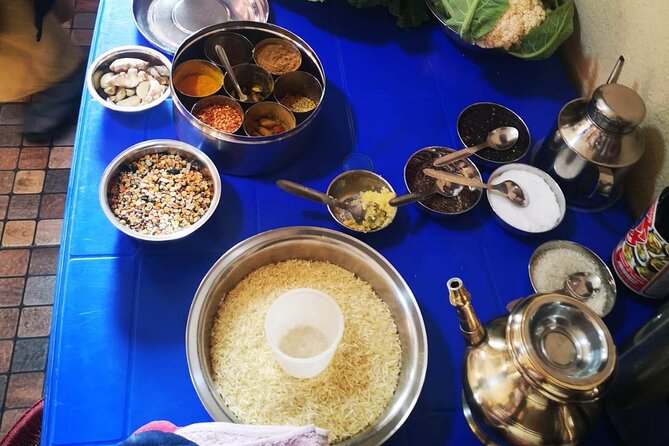
After you settle in, you start with core prep skills. The class is hands-on, including chopping vegetables and making masala. You will grind whole spices and pound fresh ginger and garlic using time-honored methods passed down through generations.
This is where the class earns its reputation for being more than a meal. Grinding spices is not just theater. It changes how aromas behave when cooked, and it helps you understand why Nepali dishes can taste deep and fragrant without relying on complicated tricks.
One review that stuck with me described how hosts clearly explain what you are doing and why. That approach makes the learning practical. You are not memorizing steps, you are understanding them. If you like cooking for real, this part is especially satisfying.
Also, Nepali cooking can be labor-intensive, so pace yourself. You will likely do a lot of hands-on chopping, mixing, grinding, and assembling. It is active, not passive.
Another way to spend the time in Nepal:
- Everest Base Camp Trek – 14 Days
★ 5.0 · 1,499 reviews - Everest Base Camp Trek
★ 5.0 · 842 reviews - Private Kathmandu Sightseeing Tour | UNESCO World Heritage sites
★ 5.0 · 756 reviews - Kathmandu: 7 UNESCO Sites with Lunch
★ 4.8 · 744 reviews
What You Cook: The Set Meal and the Home-Style Structure
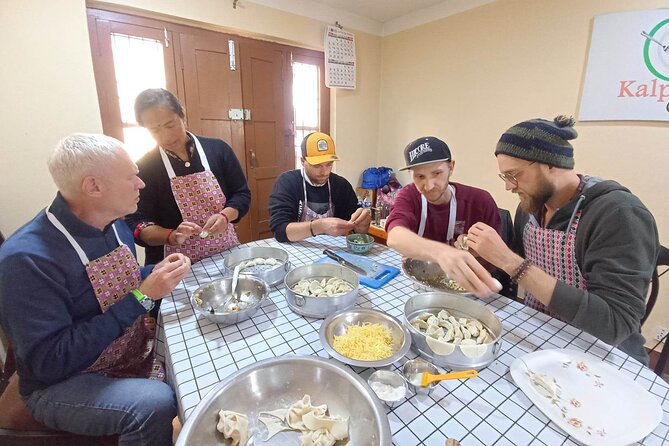
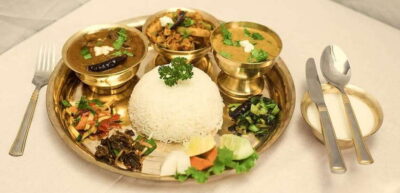
You will cook a full Nepali home-style set meal. Based on the class menu, you can expect to learn how to make:
- Plain rice
- Dal soup
- Seasonal vegetable
- Spinach
- Chicken
- Pickle papad fry
That list tells you the structure of the meal. It is balanced and familiar in Nepali households: rice as the base, dal for comfort and protein, vegetables for freshness, spinach for earthiness, chicken for a main, and pickle papad fry for tang and crunch.
Many people book this class specifically for dal bhat and momos, and multiple past participants describe learning dal bhat and making momos during the session. So if you are chasing Nepalese comfort classics, you are in the right place. Just know the guaranteed menu includes the items above, and the exact dish mix may vary in how the hosts teach and portion the day.
A Closer Look at Dal Bhat Skills and How to Recreate Them
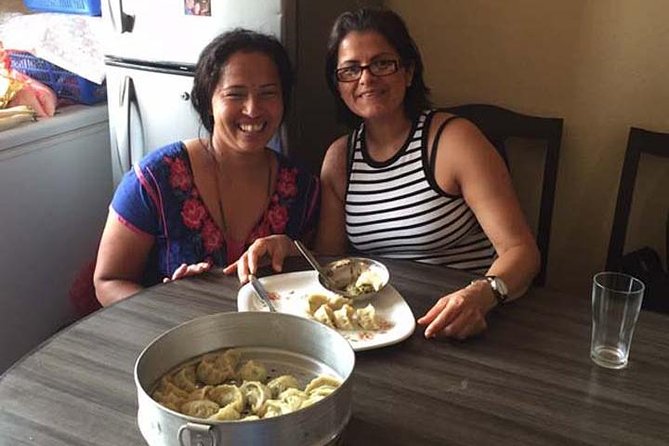
Dal bhat is more than a dish. It is a daily pattern. The dal soup you make is your foundation, and you will learn the idea of building flavor and getting the right balance for the whole plate.
Here is the practical part you can take home: once you learn how the dal base is formed, you can adapt it with whatever vegetables and spices you have access to. The class teaches technique and tasting, so you start understanding what “right” tastes like, not just what ingredients to copy.
Then you pair it with plain rice and sides you cook. That pairing is a big reason Nepali meals feel satisfying. You are building a complete plate, not an isolated recipe.
Veg, Meat, and Side Dishes: Flexibility Without Missing the Point
If you have dietary needs, this is one of the strongest reasons to pick this specific class. The class can cater to travelers with special dietary requirements, and a vegetarian option is available if you ask when booking.
What I like about that is you do not have to attend a watered-down version. You should still get the learning goals: spice handling, prep techniques, and home-style cooking structure. In other words, you are still practicing the core Nepali approach.
For the meal components, you also get range. Seasonal vegetables bring freshness. Spinach adds a distinct leafy flavor. Chicken gives you a main dish experience. Pickle papad fry adds that salty, tangy punch Nepalis love with meals. Taken together, it is a well-rounded introduction to home cooking.
Photo Moments and the Pace You Can Actually Enjoy
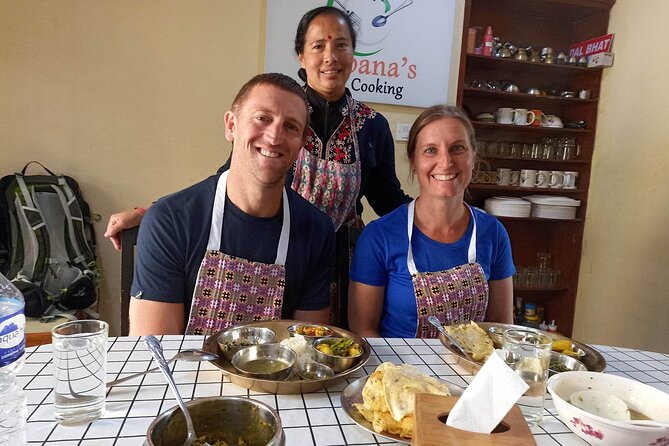
This class is active enough to teach you real skills, but it is also designed to feel comfortable. Hosts encourage questions, and you can take photos and videos during the cooking process.
A practical tip: do not try to run the entire day through your phone camera. Step back sometimes, taste, and listen. You will remember flavors better than you remember shots. Plus, the hands-on rhythm moves quickly, and you might miss key teaching moments if you focus only on filming.
Also, expect a warm, welcoming environment. Many past participants praise the hosts as kind and thoughtful. That kindness shows up in how they help you stay comfortable while you learn.
Eating What You Made, With Real Nepali Hospitality
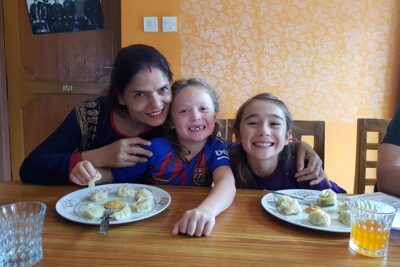
After cooking comes the best part: eating your meal. Lunch is included, along with morning tea or coffee. This is not a small tasting. You should come hungry in a way that still allows you to enjoy the process.
One participant even noted a timing misunderstanding, thinking it might be lunch only, then realizing you eat plenty during the experience. So here’s my advice: treat it like a full meal plan. Keep your morning lighter so you can enjoy the food you make.
Eating together in a home setting is also where you understand Nepali dining culture. You taste, compare, and learn how the flavors fit on a plate. It is the moment when the “why” behind the cooking clicks.
Leaving With PDF Recipes You Can Actually Use
When the session ends, you depart with PDF recipes to recreate the food at home. That is a big deal for value. Many classes teach, then send you away with vague instructions and a vague memory.
With recipe PDFs, you have a starting point. And because you learned technique, you can adjust based on ingredients available in your kitchen. Want to make dal again? Use the dal approach and build sides you can find locally.
If you like cooking, this follow-through is what makes the class feel complete.
Price and Value in Kathmandu: What $24 Gets You
At $24.00 per person for about 4 hours 30 minutes, the value is strong, especially because it includes hotel pickup and drop-off, transportation by private vehicle, morning tea or coffee, and lunch, plus all the food. In plain terms, you are paying for guided cooking, ingredient selection support, and a full meal, not a short demo.
The private nature also matters. Group tours can be fun, but you often lose time waiting. Here, you have more time doing tasks yourself. That turns the money into learning, not just entertainment.
Booking ahead is common, with an average booking time of 18 days in advance. If your dates are firm, it is wise to secure your spot early rather than hoping for last-minute availability.
Who This Cooking Class Is Perfect For
This is a great choice if you:
- Want a hands-on Nepali cooking experience in a local family home
- Prefer practical learning over watching from the edge of a kitchen
- Have dietary needs and want real adjustments, not just a side swap
- Like cultural experiences that teach everyday life, not only famous sights
It may be less ideal if you only want a quick snack class or if you hate active prep. This is cooking, including chopping and grinding, so come ready to participate.
Should You Book This Private Class in Kathmandu?
Yes, if you want real Nepali home cooking and you like learning by doing. The combination of market and ingredient selection, a family home setting, and a full meal you cook yourself makes this feel like a complete experience, not a rushed food stop.
If you are on the fence, decide based on one question: do you want to cook, or do you only want to eat? If you want to cook and take skills home, book it. If you only want to sample, you might prefer a restaurant meal plus a lighter cultural stop.
Finally, send your dietary requirements at booking time. The menu can be adjusted, and that prep up front is how you get the best result from the day.
FAQ
How long is the Nepali cooking class in Kathmandu?
The experience runs about 4 hours 30 minutes (approx.).
Is hotel pickup and drop-off included?
Yes. Hotel pickup and drop-off are included, along with transportation by a private vehicle.
What’s included in the price?
You get morning tea or coffee, lunch, and all food used for the cooking. You also get pickup/drop-off and private transportation.
Can the class handle vegetarian meals or dietary requirements?
Yes. A vegetarian option is available. The class can also cater to travelers with special dietary requirements, and you should advise them at booking.
Is this class private?
Yes. It is a private tour or activity, and only your group participates.
What if weather affects the experience?
If the experience is canceled due to poor weather, you’ll be offered a different date or a full refund.
Latest additions near Kathmandu
- White Water River Rafting – 1 Day★ 4.3 · 3 reviews
- Traditional Momo Making Class★ 5.0 · 10 reviews
- Kathmandu to Pokhara Premium sofa bus ticket★ 4.0 · 17 reviews
- Ghorepani Poon Hill Trek★ 5.0 · 16 reviews
- Amazing 1 Day Trekking Experience in Kathmandu Nepal★ 5.0 · 24 reviews
- Ghorepani Poonhill Trek★ 5.0 · 5 reviews
- Walking tour of real Kathmandu through back streets.★ 5.0 · 3 reviews
- Wildlife Adventure in Chitwan Nepal★ 4.0 · 4 reviews
Nepali Cooking Classes, compared.
Nepalese Momos or Dal Bhat Cooking Class (Cook with Delight)
Read our review →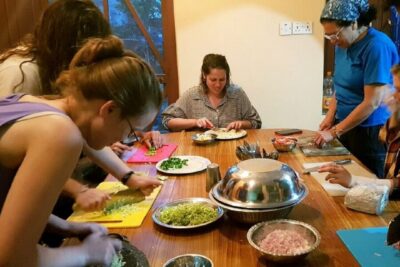
Nepalese Kitchen in Pokhara: Momos or Dal Bhat Cooking Class
Read our review →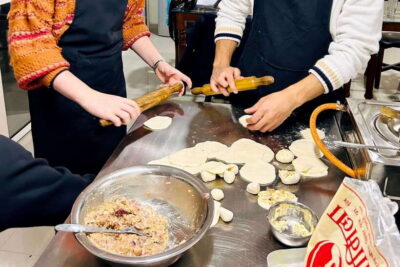
Browse the lists this tour appears in