
Reviewed · UNESCO HERITAGE TOURS
Kathmandu: 7 UNESCO Sites with Lunch
Seven UNESCO stops, one focused day. I like how this route pairs palace squares with living Hindu and Buddhist rituals, and I love that your guide can explain the meaning behind Swayambhunath and Pashupatinath in plain language. The main drawback is simple, you are cramming seven stops into a single day, so the walking and timing can feel full-on.
You get hotel pickup in Kathmandu, private transportation, and a practical lunch plan. The packed lunch is handy for a long day (croissant, muffin, Danish, cookies, banana, and juice), and most people say the day stays organized from start to finish. If you prefer a slow, sit-down kind of sightseeing day, you may want fewer sites instead.
In This Review
- Key highlights worth showing up for
- Price and value: why this $2 day tour can still cost more
- Pickup in Thamel and the 4.5 to 8 hour reality check
- Swayambhunath and the Monkey Temple viewpoint
- Kathmandu Durbar Square: Newar palaces, courtyards, and temple clusters
- Patan Durbar Square plus brunch: where Hindu and Buddhist styles mix
- Changu Narayan’s hilltop test of time and wooden temple survival
- Bhaktapur Durbar Square and lunch: medieval courtyards that feel preserved
- Pashupatinath: Bagmati River rituals and the parts of Hindu practice you cannot unsee
- Boudhanath in the afternoon: Tibetan village vibes and Thanka painting souvenirs
- Lunch plan, timing, and how not to feel swallowed by the day
- Who this tour suits best
- Should you book this 7 UNESCO sites with lunch tour?
- FAQ
- How long is the Kathmandu 7 UNESCO Sites with Lunch tour?
- Where are the pickup and drop-off locations?
- Which UNESCO sites are included?
- Is lunch included, and what does it include?
- Are entrance tickets and monument entrance fees included?
- What ID do I need to bring?
- Is this tour suitable for wheelchair users or visually impaired people?
Key highlights worth showing up for
- Seven UNESCO sites in one day, covering both Durbar Squares and major religious landmarks.
- Guided context that links art to faith, including why Swayambhu and Pashupati matter to people.
- Newar culture front and center, especially through the architecture of Kathmandu, Patan, and Bhaktapur.
- A meal break built into the schedule, plus a packed lunch with sweet and fruity options.
- A smooth city logistics focus, with skip-ticket-line support and drivers used to tight Kathmandu streets.
- Boudha as the Tibetan-flavored stop, where monasteries and Thanka painting are part of the atmosphere.
Price and value: why this $2 day tour can still cost more
The headline price looks budget-friendly for what you get: hotel pickup and drop-off, private transportation, an experienced guide, and a packaged lunch. For a first-time visit to Kathmandu Valley, that kind of bundling matters because it saves you time figuring out routes and ticket logistics.
That said, entrance fees are the one variable. Entrance tickets and monument entrance fees are included only if you choose the All-Inclusive option. If you choose the standard setup, you’ll want Nepalese currency ready to cover monument fees at the sites you enter. It’s not a reason to skip the tour, it just changes what you should carry.
My practical take: this is excellent value if you want maximum cultural contact fast. It’s less ideal if you only want one or two sites, because you will be paying for a day designed to hit everything.
More UNESCO Heritage Tours in Kathmandu:
- Private Kathmandu Sightseeing Tour | UNESCO World Heritage sites
★ 5.0 · 756 reviews - Kathmandu: Full Day 7 UNESCO Tour with Lunch – Private/Group
★ 5.0 · 415 reviews - Kathmandu: Full Day Top 4 UNESCO Tour with Lunch – Private/Group
★ 5.0 · 269 reviews
Pickup in Thamel and the 4.5 to 8 hour reality check
This tour is built around a single-day rhythm. Pickup is available from Thamel (a common base for many visitors), or from your hotel, and drop-off returns you to Thamel. You should plan to be ready about 10 minutes early in the lobby (or just outside the main entrance for apartments with a private setup), and look for a comfortable vehicle with the company logo and a guide holding a sign with your name.
The total duration is listed as 4.5 to 8 hours, so your day can stretch depending on which time slot you take and how the traffic and on-site visiting pace works out. You also won’t be doing a sit-and-stare style tour. Seven sites, plus shopping stops at several locations, adds up quickly.
One more constraint to remember: alcohol is not allowed in the vehicle. Also, the tour is not suitable for wheelchair users or for visually impaired people, mainly because it involves walking between monuments.
Swayambhunath and the Monkey Temple viewpoint
Your day typically starts with Swayambhunath, the hilltop Buddhist stupa complex that looks over Kathmandu Valley. It’s often called the Monkey Temple because of the monkeys living around the area, so don’t be surprised if you see them moving through the temple spaces like regular locals.
What makes Swayambhu a great early stop is the mix of atmosphere and age. The main stupa is around 2,600 years old, and the site is known for ancient sculptures and temple areas tied to Buddhist devotion. A guide can also point out the child protector goddess temple area and how monasteries fit into the overall layout.
Practical tip: this is a short stop (about 35 minutes in the schedule), so treat it as a get-your-bearings visit. Walk the areas you can, take your first photos, and listen for the guide’s quick explanation of what you’re seeing before you move on.
Shopping can also be part of this leg. If you want small, easy souvenirs early, Swayambhunath is where the day starts feeding that impulse.
Kathmandu Durbar Square: Newar palaces, courtyards, and temple clusters
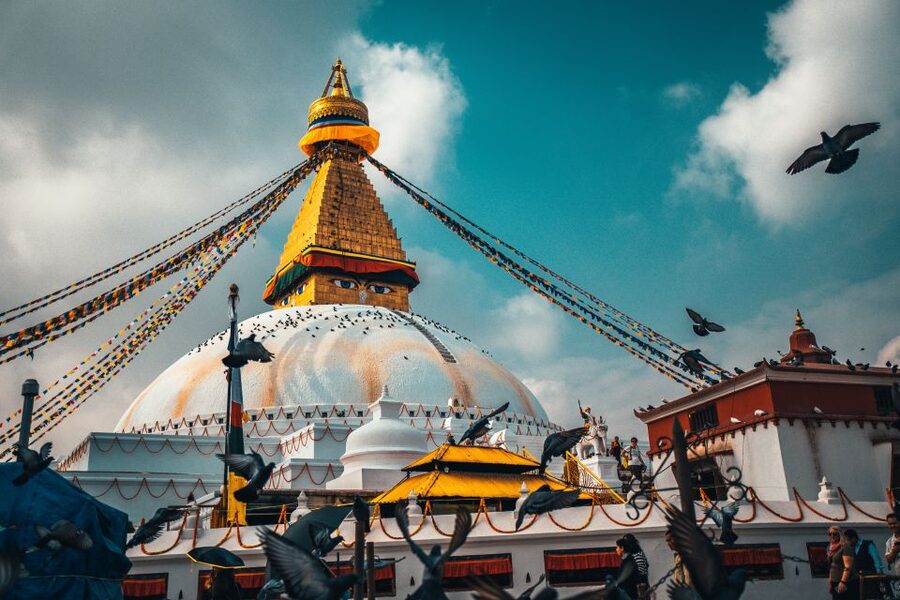
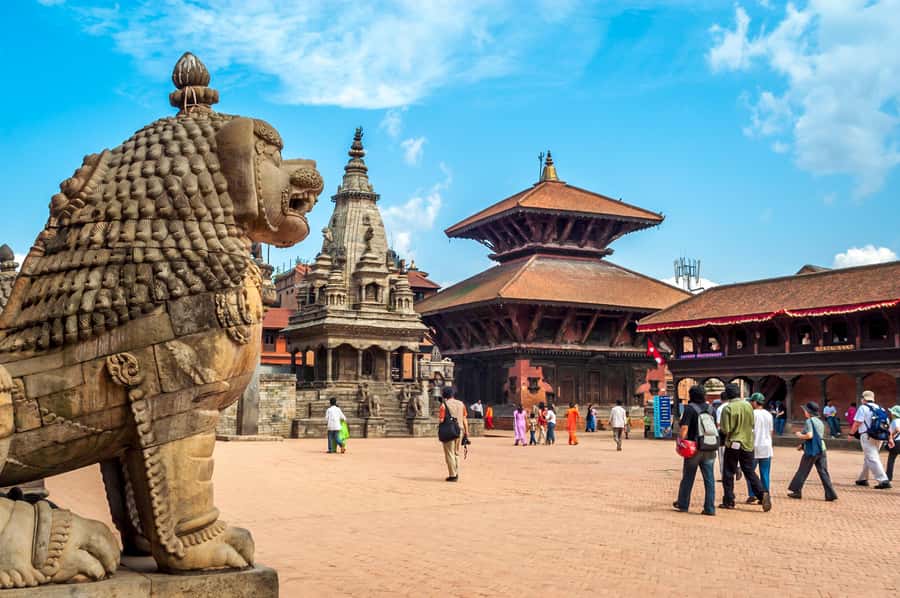
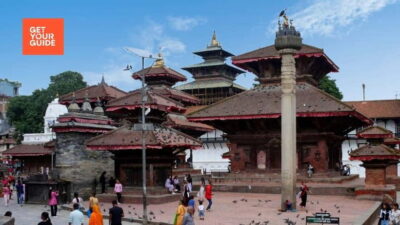
Next comes Kathmandu Durbar Square, set in the heart of old Kathmandu. This is the classic palace-and-temple layout: courtyards, palaces, and temples grouped in a dense historic core. If you care about architecture, this is one of the strongest stops for understanding how Newar design shaped the city center.
It’s also a lively place by day, with active bazaars around it. That combination can be fun and it can be distracting, so I’d focus on the buildings first, then let the crowd and shops fill the edges.
The schedule gives you about 1 hour. That’s enough time to see the main cluster and get an explanation of what you’re looking at, but not enough time for deep, slow wandering. If your guide is Dipendra, you can often expect clear connections between the palace architecture and the religious meaning tied to the sites in this area. (In other words, you learn what you are looking at, not just that it exists.)
If you’re the kind of traveler who loves asking questions, this is a great place to do it, because the guide can answer while you’re standing right in front of the structures.
Another way to spend the time in Nepal:
- Everest Base Camp Trek – 14 Days
★ 5.0 · 1,499 reviews - Everest Base Camp Trek
★ 5.0 · 842 reviews - Everest Base Camp Helicopter Tour landing at Everest View Hotel
★ 5.0 · 668 reviews - Half day cooking class in Thamel kathmandu
★ 5.0 · 607 reviews
Patan Durbar Square plus brunch: where Hindu and Buddhist styles mix
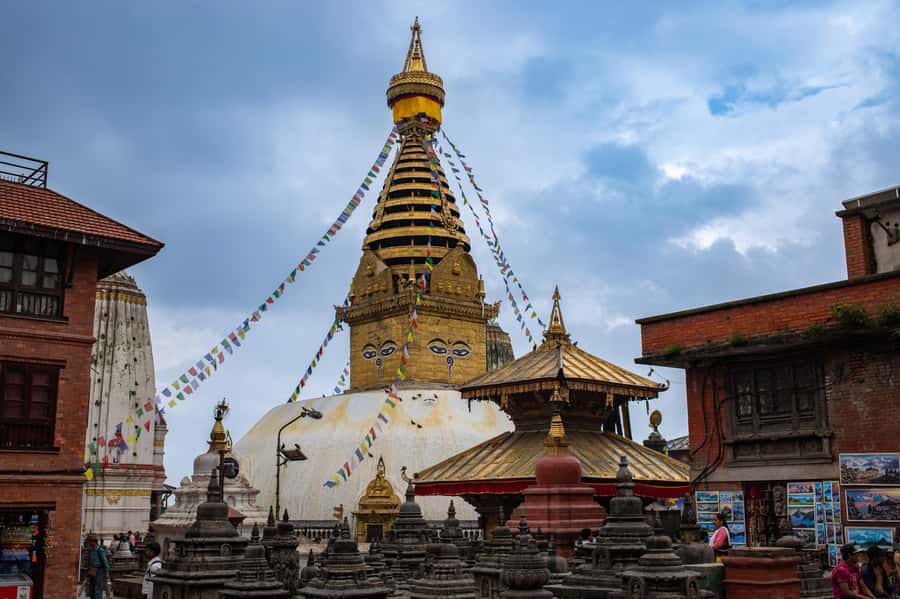
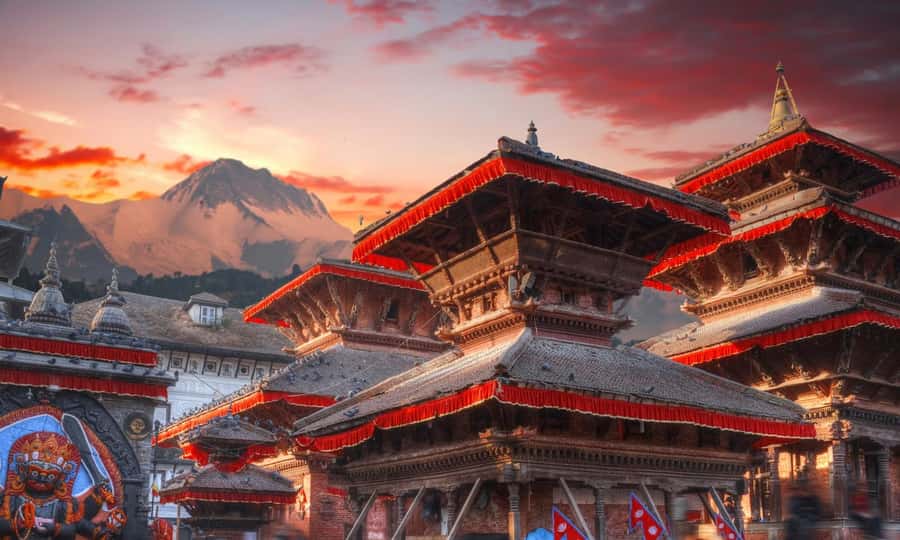
Patan Durbar Square is about 5 kilometers from Kathmandu city center, in Lalitpur. This stop is a fusion zone, where Buddhism and Hinduism show up side by side in the art and architecture. You’ll also see classic design details on houses, and fine handwork on doors and windows, which makes Patan feel more tactile than just a view from the roadside.
This leg is scheduled for about 1.5 hours and includes brunch and guided visiting. If you’re someone who gets hangry on long days, this is a good place for it. The day has enough movement that a planned meal break can keep you from feeling rushed later.
Patan is also one of the better spots for shopping if you like arts and handcrafted items that connect to the city’s heritage. Your guide can point out what to look for, including how certain craft styles connect to local religious themes.
One note: if you’re photographing, be prepared for a lot of detail. The beauty here is in the small work, not just the big skyline.
Changu Narayan’s hilltop test of time and wooden temple survival
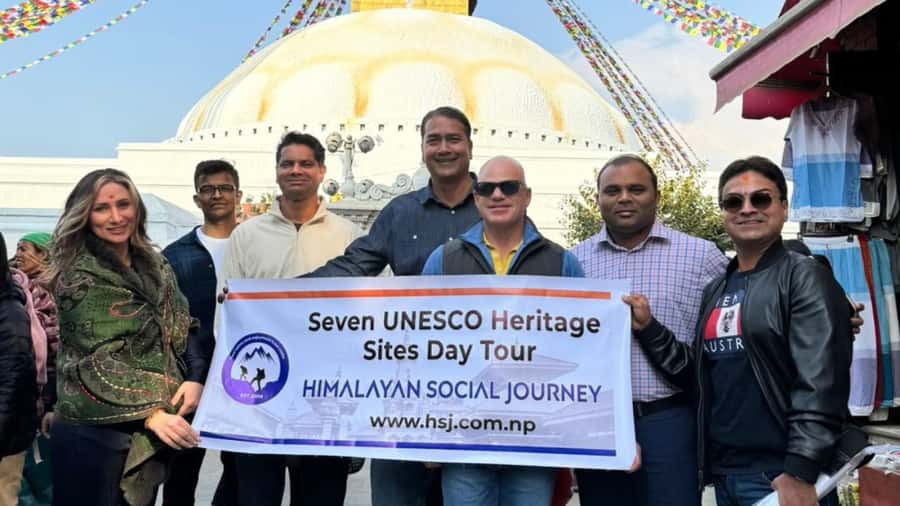
Changu Narayan Temple is an older, hilltop stop near Bhaktapur. The schedule puts it at about 25 minutes, so again, think of it as a focused hit rather than a long exploration.
The standout claim here is its age and survival. The temple is believed to have been built in the 4th century during the Lichhavi dynasty, which makes it one of the oldest temples in Nepal. It’s also described as one of the oldest surviving wooden structures in the country, which is exactly the kind of detail that makes a quick stop feel meaningful when a guide explains it.
This site rewards attention. Even in a short visit, you can see why it’s considered historically important. If you’ve only seen newer temple buildings in other parts of Asia, this one can shift your view of how old Nepal’s sacred architecture is.
Bhaktapur Durbar Square and lunch: medieval courtyards that feel preserved
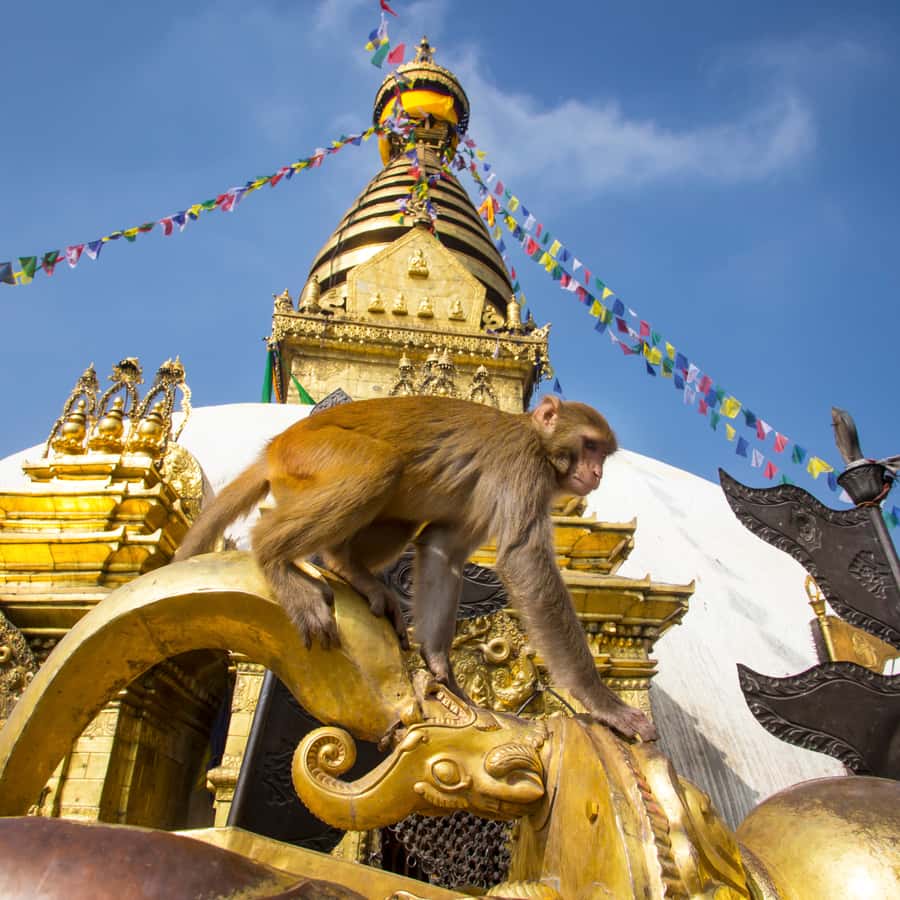
Then you get Bhaktapur Durbar Square, often considered a highlight for people who love medieval architecture. Bhaktapur is a city in the Kathmandu Valley, and the Durbar Square there is known for well-preserved medieval design, including temples, palaces, and intricate artwork.
The visit here is about 2 hours and includes lunch plus guided time and shopping. This is your longest stop after the main Durbar Square blocks, and it’s a helpful breather. Bhaktapur’s Durbar Square is filled with shrines, statues, and courtyards, and the density of details can make it feel like an open-air museum.
If you want to shop, Bhaktapur can be productive, but keep your pacing realistic. This is one of those places where you can accidentally spend 20 extra minutes because one doorway detail looks better than the next.
Also consider your comfort. With this many walking segments in one day, Bhaktapur is where you notice it most. I like having a guided flow here because it helps you see what matters before you get tired.
Pashupatinath: Bagmati River rituals and the parts of Hindu practice you cannot unsee
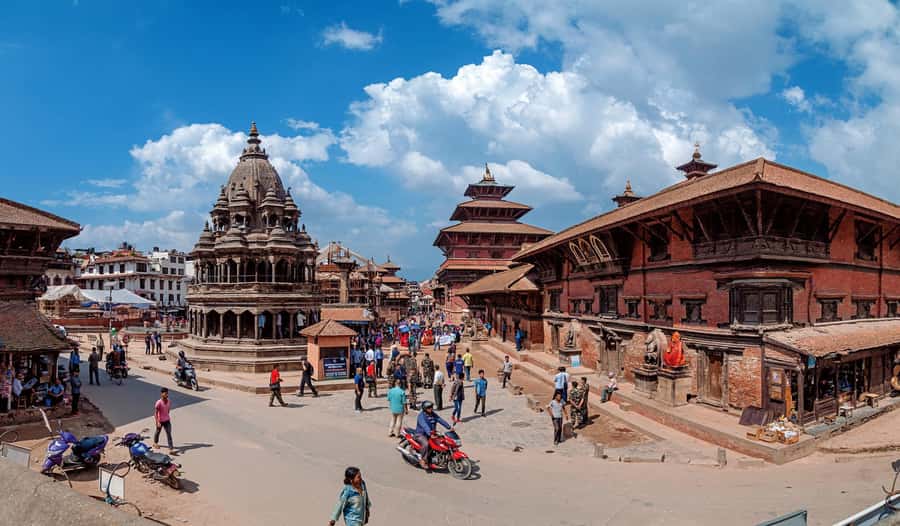
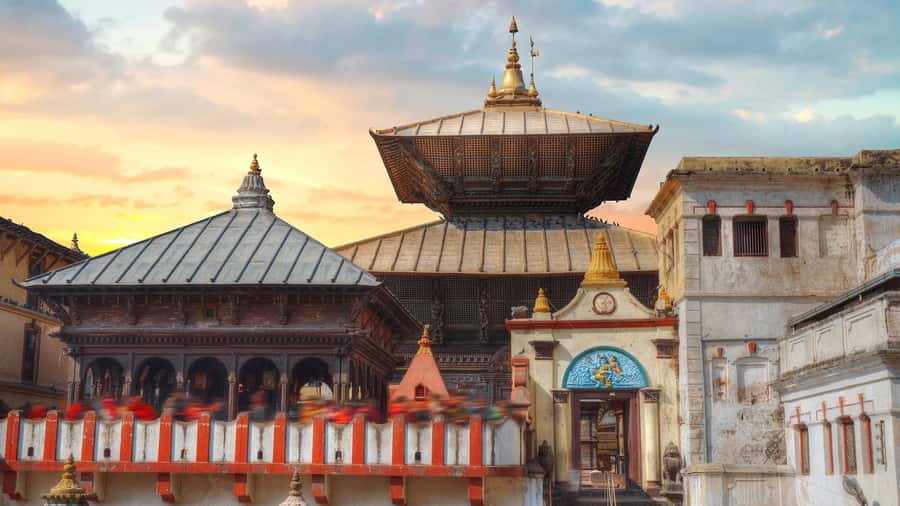
Pashupatinath Temple is one of Nepal’s legendary Hindu temples. It sits on the bank of the sacred Bagmati River, and the site is famous for drawing visitors year after year.
The big reason this stop hits hard is that you can witness open public crematorium activity with rites and rituals taking place. You may also see holy men with painted faces, dreadlocked hair, and ash applied to the body. This is sacred and public at the same time, so it’s emotional for many people, and it can feel intense if you’re not used to funeral rituals being part of everyday religious life.
A good guide matters here. Instead of just pointing at scenes, your guide can explain the cultural and religious significance of the rituals so you understand what you’re looking at rather than treating it like spectacle. This is exactly where a guide like Dipendra tends to earn their reputation, since people specifically praise how he connects Swayambhu and Pashupati to their religious context.
The schedule gives about 1 hour plus guided time and walking. If you feel overwhelmed, you can step back and regroup. The day is busy, so you don’t need to force yourself to stay right up against the most intense areas.
Boudhanath in the afternoon: Tibetan village vibes and Thanka painting souvenirs
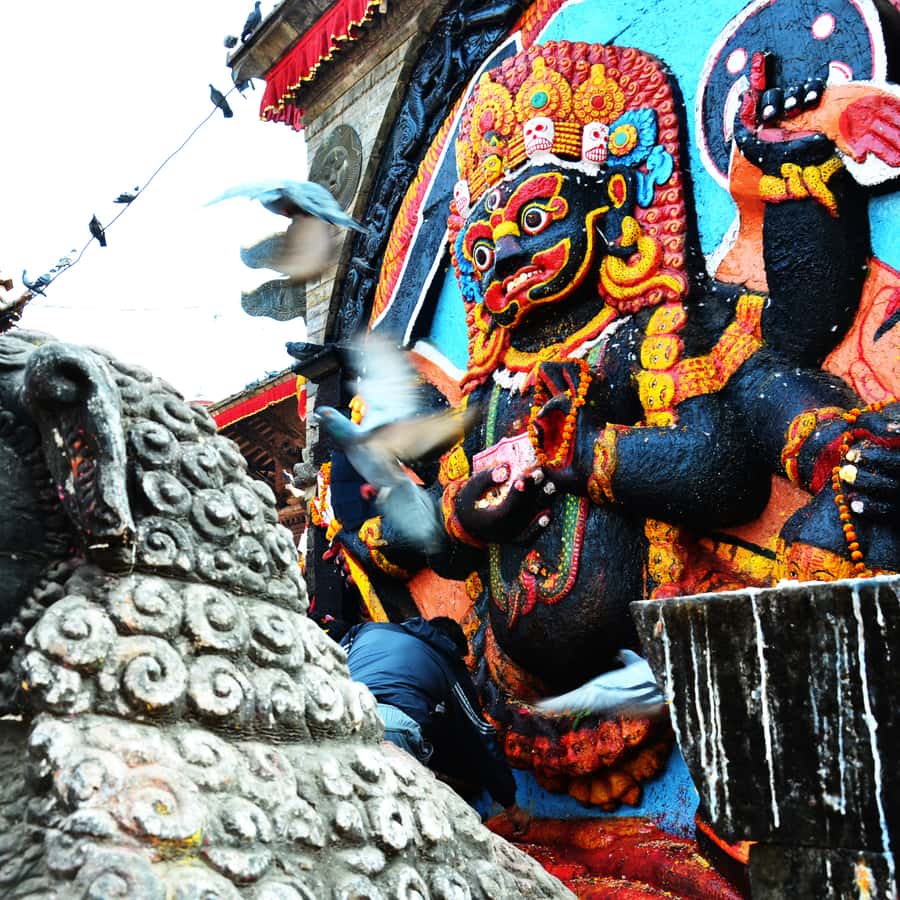
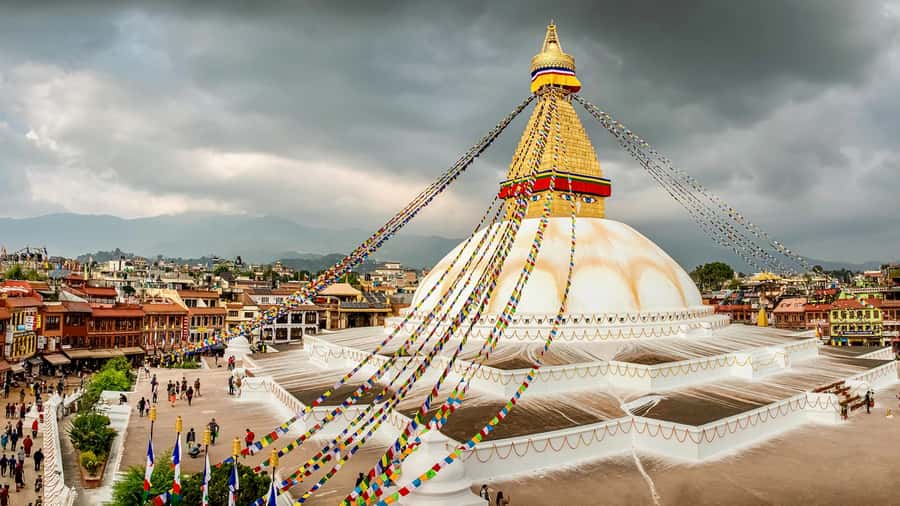
After Pashupatinath, you finish with Boudhanath, one of the largest stupas in the world, constructed back in the 4th century. This is the Buddhist counterpart to the Hindu powerhouse earlier in the day, and it changes the mood.
Boudha feels like a Tibetan village because the surrounding area includes Tibetan monasteries. This is also where Thanka painting schools come into the picture, and the art can become the most practical souvenir option of the day because it’s tied to the spiritual culture you just experienced.
Your visit is about 40 minutes, with guided walking, sightseeing, and shopping time. That’s enough to take in the stupa and understand the basics, especially with guide explanations about how Buddhism is practiced and represented at a place like this.
If you’re a “small shop, quick craft find” person, Boudhanath is often where you want to slow down. The art is meant to be looked at, not just purchased.
Lunch plan, timing, and how not to feel swallowed by the day
This tour includes a packed lunch with croissant, muffin, Danish, cookies, banana, and juice. In a busy UNESCO sweep, that matters because you are not guaranteed a long sit-down meal every time. The schedule also lists brunch and lunch stops at different Durbar Square points, so you will have at least one proper break in the middle of the day.
To make this day feel less rushed, I’d use the guide as your time anchor. A strong guide keeps you on track without rushing you away from important details. Many people highlight this style, with guides who check in and adjust to your pace, especially on private tours.
If you book a private group, you also have more room to shape the day. Some groups have even had their number of sites adjusted based on individual needs, like doing fewer sites instead of all seven.
One more practical thought: bring an ID card. A copy is accepted. Entrance fees may also require cash, so don’t count on card payments everywhere.
Who this tour suits best
This is a smart choice if:
- you have limited time in Kathmandu and want to cover the big UNESCO anchors in one go
- you like getting the meaning behind what you see, not just photos
- you value a guided route that handles transportation and timing for you
This may be less ideal if:
- you want slow museum-style visits, with deep reading and long breaks at each site
- you are sensitive to public funeral ritual viewing at Pashupatinath
- you need wheelchair or low-vision support, since the tour involves walking and is not suitable for wheelchair users or visually impaired people
Should you book this 7 UNESCO sites with lunch tour?
I’d book it if you’re aiming for a first Kathmandu Valley overview with guided context and a workable lunch plan. The biggest win is practical, you get seven UNESCO sites tied together by a guide who can connect architecture to faith, so you leave with more than just snapshots.
I wouldn’t book it if you hate time pressure or you want to linger. If you fall into that camp, consider choosing fewer sites and giving yourself breathing room.
If you do book it, go in with one mindset: this day is about seeing and understanding quickly. With that expectation, you’ll get a lot out of a single long, memorable Kathmandu afternoon.
FAQ
How long is the Kathmandu 7 UNESCO Sites with Lunch tour?
The tour duration is listed as 4.5 to 8 hours, depending on the scheduled starting time.
Where are the pickup and drop-off locations?
Pickup and drop-off options include Thamel, Kathmandu.
Which UNESCO sites are included?
The itinerary covers Swayambhunath, Kathmandu Durbar Square, Patan Durbar Square, Changu Narayan Temple, Bhaktapur Durbar Square, Pashupatinath Temple, and Boudhanath.
Is lunch included, and what does it include?
Yes. A packed lunch is included, with croissant, muffin, Danish, cookies, banana, and juice.
Are entrance tickets and monument entrance fees included?
Entrance tickets are included only in the All-Inclusive option. Monument entrance fees are included only in the All-Inclusive option, otherwise they are not included.
What ID do I need to bring?
Bring an ID card. A copy is accepted.
Is this tour suitable for wheelchair users or visually impaired people?
No. The tour is not suitable for wheelchair users or visually impaired people.
Latest additions near Kathmandu
- White Water River Rafting – 1 Day★ 4.3 · 3 reviews
- Traditional Momo Making Class★ 5.0 · 10 reviews
- Kathmandu to Pokhara Premium sofa bus ticket★ 4.0 · 17 reviews
- Ghorepani Poon Hill Trek★ 5.0 · 16 reviews
- Amazing 1 Day Trekking Experience in Kathmandu Nepal★ 5.0 · 24 reviews
- Ghorepani Poonhill Trek★ 5.0 · 5 reviews
- Walking tour of real Kathmandu through back streets.★ 5.0 · 3 reviews
- Wildlife Adventure in Chitwan Nepal★ 4.0 · 4 reviews
UNESCO Heritage Tours, compared.
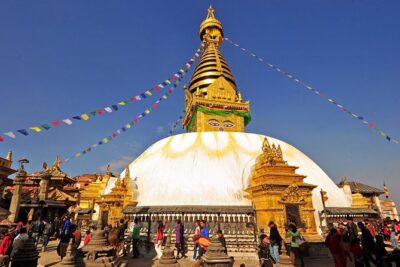
Private Kathmandu Sightseeing Tour | UNESCO World Heritage sites
Read our review →
Full Day 7 UNESCO Tour with Lunch – Private/Group
Read our review →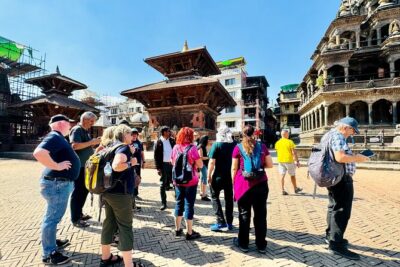
Full Day Top 4 UNESCO Tour with Lunch – Private/Group
Read our review →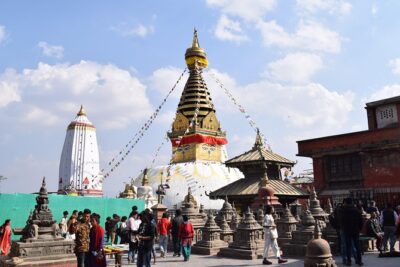
Kathmandu Private Sightseeing Tour | UNESCO World Heritage Sites
Read our review →Full Day 7 UNESCO Tour with Lunch – Private/Group
Read our review →Browse the lists this tour appears in