
Reviewed · UNESCO HERITAGE TOURS
Kathmandu Private Sightseeing Tour | UNESCO World Heritage Sites
Kathmandu in one day is a real test of stamina, and this private UNESCO route is the kind of challenge you might enjoy. You’ll hop between iconic sites across the Kathmandu Valley, with commentary from an English-speaking guide and the convenience of a private vehicle.
What I like most is the hotel pickup from Thamel and the private AC car that keeps the day moving. You also get a choice of how many UNESCO stops to tackle, so you can match your energy.
The main drawback to consider is that monument entrance fees are not included, and doing all seven UNESCO sites can feel like a marathon in traffic and crowds.
In This Review
- Key Points at a Glance
- From Thamel to UNESCO, the Real Value of This Private Day
- Getting Picked Up in Thamel and Riding in Comfort
- Kathmandu Durbar Square, Hanuman Dhoka, and the Kumari Stop
- Swayambhunath, the Monkey Temple, and Buddha’s Eyes
- Pashupatinath and Guhyeshwari Temple, Shiva and the River Area
- Boudhanath Stupa, the Giant Spherical Landmark
- Patan Durbar Square, Lalitpur’s Courtyards and Monuments
- Bhaktapur Durbar Square, Khopa Lyaku, and the Octagonal Pillars
- Changu Narayan Hilltop Temple, the Oldest Stop on the List
- Price and Entrance Fees, What the $35 Really Means
- Pace in Real Life, Rain, Traffic, and How Your Guide Saves the Day
- Who This Tour Fits Best (And Who Might Prefer Less)
- Should You Book This Kathmandu Private UNESCO Tour?
- FAQ
- How many UNESCO World Heritage Sites can I visit?
- Are monument entrance fees included?
- Do I get pickup from my hotel in Kathmandu?
- What’s included in the tour price?
- What if the weather is poor?
- Can I cancel for a refund?
Key Points at a Glance
- Thamel hotel pickup makes the start easy, especially if you are only in Kathmandu for a short visit
- Private vehicle with AC helps you keep your focus on the sights instead of the commute
- Choose 4 or up to 7 UNESCO stops, so you can avoid feeling rushed
- Hanuman Dhoka area includes the Living Goddess Kumari stop
- Swayambhunath (Monkey Temple) and Boudhanath Stupa give you two of the most memorable spiritual panoramas
- English-speaking city guide, with examples like Manoj and Santos showing up in the guide stories you’ll hear
From Thamel to UNESCO, the Real Value of This Private Day
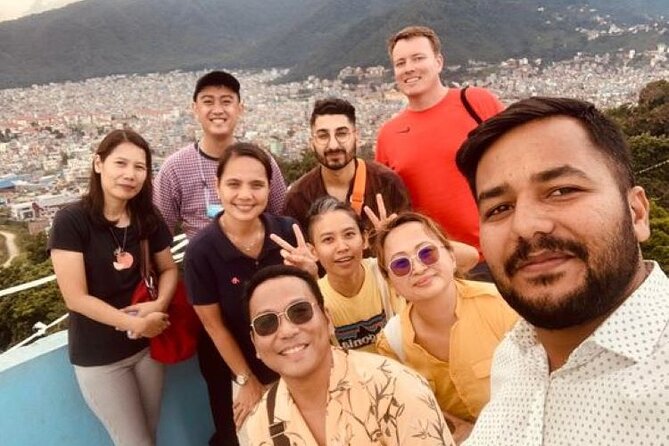
This is one of those Kathmandu tours that works because it is practical. You get a private setup, so you are not stuck waiting on other people’s slow photos. And you get enough structure to hit the “must-see” UNESCO sites in a single day, without turning it into a chaotic self-guided scramble.
If you are choosing between a walking-only day and a bigger route, it helps to know what the tour really offers. You can do a walking style option focused around Durbar Square and Thamel, or you can go for a longer day by visiting four or even seven UNESCO World Heritage Sites. That choice matters, because your pace and entrance-fee budget depend on it.
Also, the timing is built for a long day. Expect around 8 to 10 hours, and plan for your comfort level with early starts, some stairs, and time spent inside multiple temple complexes.
More UNESCO Heritage Tours in Kathmandu:
- Private Kathmandu Sightseeing Tour | UNESCO World Heritage sites
★ 5.0 · 756 reviews - Kathmandu: 7 UNESCO Sites with Lunch
★ 4.8 · 744 reviews - Kathmandu: Full Day 7 UNESCO Tour with Lunch – Private/Group
★ 5.0 · 415 reviews
Getting Picked Up in Thamel and Riding in Comfort
The simplest part is the pickup. If you’re staying in or near Thamel, you can start the day without dragging your daypack through the city first. The vehicle is a private car with AC, which makes a noticeable difference once you are bouncing between neighborhoods and dealing with Kathmandu traffic.
A small but real plus is that bottled mineral water is included. On a day where you might visit several major religious and heritage sites, having water ready means fewer interruptions.
This is also where the private format pays off. Your guide can adjust the flow for your group, so if you want more time at one stop, or you’re tired and ready to move on, you are not stuck with a rigid group schedule.
Kathmandu Durbar Square, Hanuman Dhoka, and the Kumari Stop
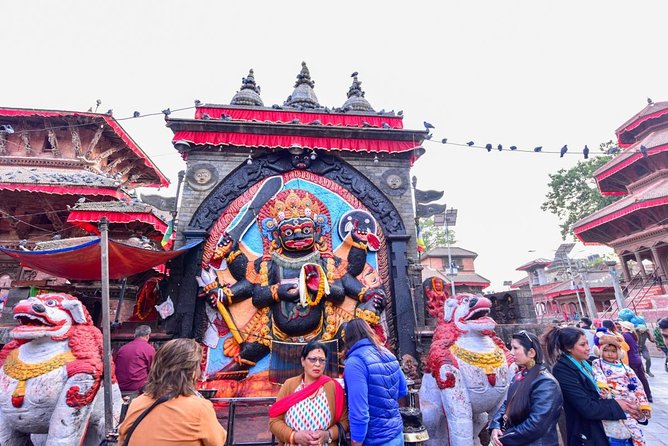
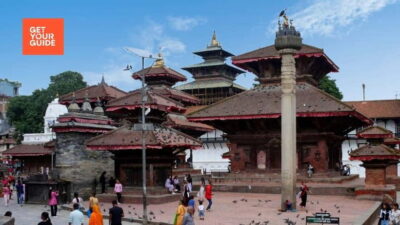
Your first big cultural hit is the Kathmandu Durbar Square, also known as Basantapur Durbar and often associated with Hanuman Dhoka Palace. This is a UNESCO site, and it’s the kind of place where you feel the old royal layout without needing museum walls.
In this area, the tour keeps things focused. You do not just pass through a courtyard and move on. The route includes the Hanuman Dhoka Durbar area and the stop connected with the Living Goddess, Kumari.
That Kumari stop is a big deal in Kathmandu life, because the role blends religion and tradition in a way you won’t see elsewhere. Even if you are not sure how the system works, it’s worth slowing down here and letting your guide explain what you’re looking at, since the symbolism is the point.
Practical note: the Durbar Square zone can involve uneven surfaces and lots of visual details. If you are doing the full seven UNESCO sites, I’d treat this as your “arrive and settle in” moment, then save your extra photo time for later when you’re not also orienting yourself.
Swayambhunath, the Monkey Temple, and Buddha’s Eyes
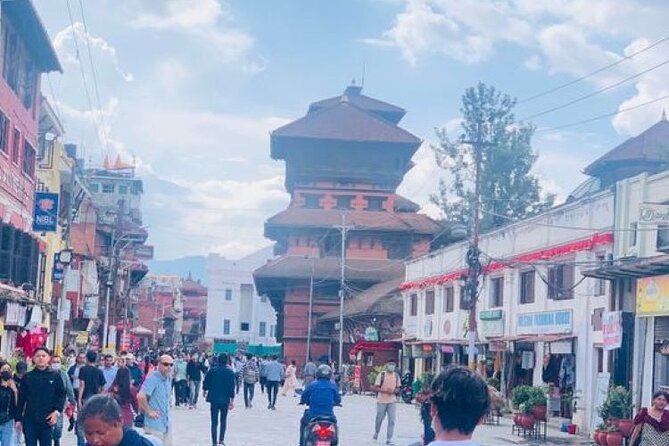
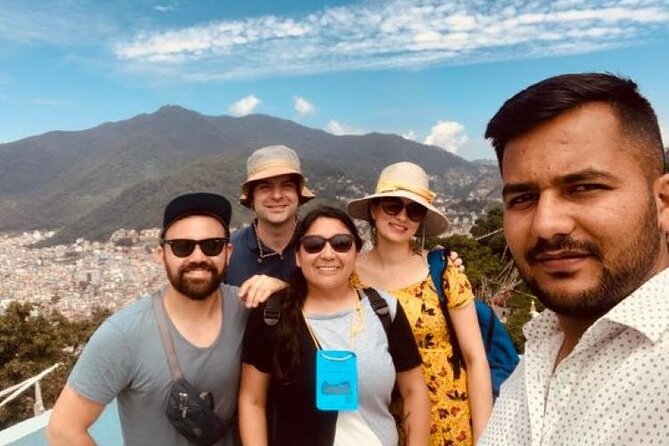
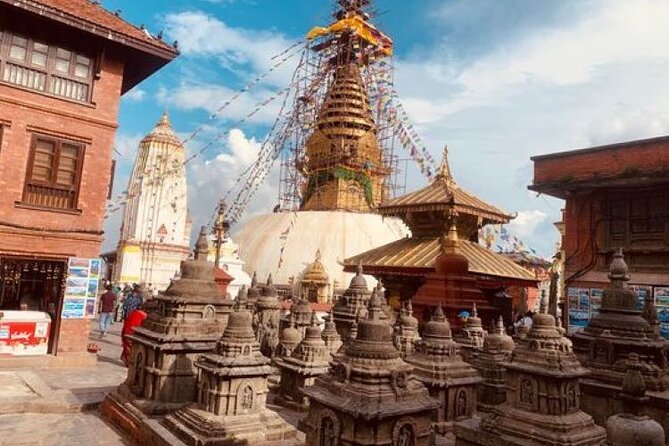
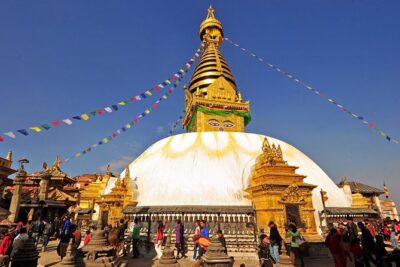
Next comes Swayambhunath, famous worldwide as the Monkey Temple. You’ll head up to the stupa on the hilltop, which already gives you a different feel compared with the flat courtyards of Durbar Squares.
What makes this stop memorable is how the place is built for repeated viewing. There are many smaller stupas around the main complex, and the major stupa is known for the Buddha’s eyes. That visual idea is easy to spot once you know what you’re looking for, and it’s the kind of detail your guide can point out quickly.
You’ll also get a sense of Kathmandu Valley’s layout from the hilltop. Even if you do not chase every viewpoint, just being above the streets makes the earlier stops click into a bigger picture.
If you want a smooth day, this is a good place to ask your guide about timing. Swayambhunath is popular, and if you’re visiting on a day when crowds are heavy, asking when to go for quieter viewing can help.
More History Tours in Kathmandu:
- UNESCO Seven World Heritage Tour in Kathmandu
★ 5.0 · 253 reviews - Nepal Discovery Tour: Heritage Sites & Scenic Hill Easy Hike
★ 5.0 · 121 reviews - Kathmandu World Heritage Tour
★ 5.0 · 74 reviews - Nagarkot Sunrise & Bhaktapur UNESCO Heritage Private Tour
★ 5.0 · 66 reviews
Pashupatinath and Guhyeshwari Temple, Shiva and the River Area
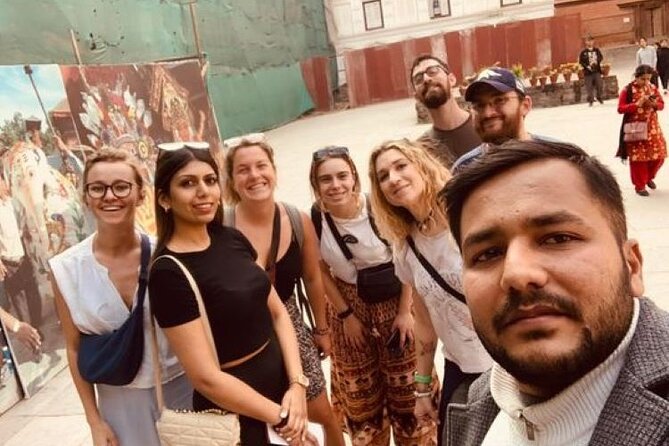
Then the tour shifts to Pashupatinath Temple, one of the best-known Hindu pilgrimage sites in Nepal. It’s another UNESCO stop, and it has a distinct atmosphere compared with the square-and-stupa vibe of the earlier sites.
The route also includes Guhyeshwari Temple. The naming matters here because it signals you are not just doing a quick temple glance. Your guide can help you connect the places in the area and understand what visitors typically focus on when they arrive.
Pashupatinath is also described as lying close to the international airport, which is why it often feels like a transition point in the day. It’s a stop where your senses are working hard, so it helps to take a breath, look around before you start filming everything, and let your guide narrow your focus.
For this kind of day, I recommend you keep your pace flexible. The tour is organized, but religious sites can have slower moments based on the time of day and what’s going on in and around the temple areas.
Boudhanath Stupa, the Giant Spherical Landmark
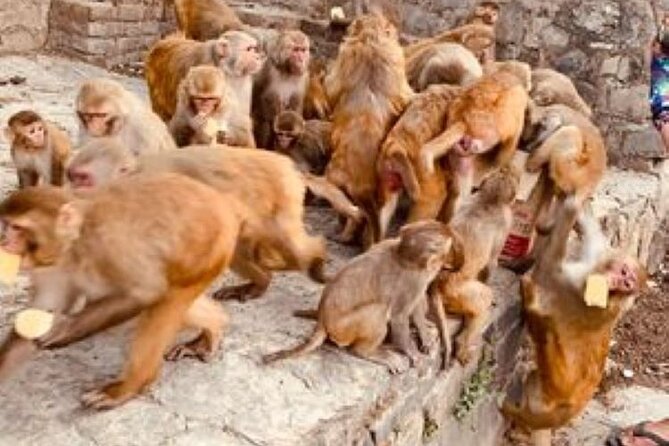
After the temple stops, you’ll move to Boudhanath Stupa. The tour highlights it clearly: this stupa is described as the largest spherical stupa in the world and built around the 5th century, with UNESCO World Heritage status.
It’s one of the rare places where the structure is so big that it dominates your thinking. You feel it as a landmark first, and then you start noticing the smaller surrounding details.
This stop is often the one people remember in a practical way. You can step back, take in the stupa, then re-enter the area to observe how locals and other visitors experience the space. Even on a long day, it’s a satisfying reset because the stupa gives you a stable visual anchor.
The tour allows about one hour here, which is enough for a first pass and a little time to linger. If you’re the type who reads every plaque and watches every ritual, you might want slightly more, but for a full UNESCO day, the schedule tries to balance your time.
Patan Durbar Square, Lalitpur’s Courtyards and Monuments
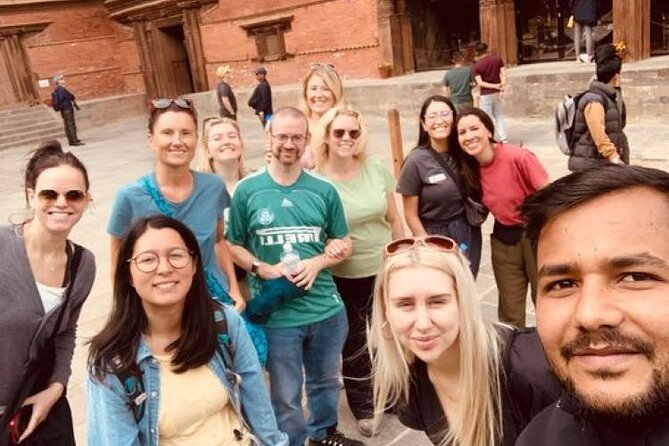
From Boudhanath, the tour heads to Patan Durbar Square, located in Lalitpur. Again, it’s UNESCO, and it’s described as full of Buddhist and Hindu monuments and historical palaces.
Patan often feels like a different lens on the same Valley culture. The tour framing here is useful: you’re not switching to random attractions. You’re staying in the Kathmandu Valley heritage zone, so your guide can compare styles and explain why these areas matter together.
What you should watch for at Patan is variety. The square is not a single statue moment. It’s multiple monuments and architectural points, so a guide really helps you not miss the important things.
If your day is heavy with sites, this is another stop where you can ask for a quick route through the highlights. That way you still see the key elements without burning out.
Bhaktapur Durbar Square, Khopa Lyaku, and the Octagonal Pillars
Then you get the stop in Bhaktapur Durbar Square, also called Khopa Lyaku. It’s a royal palace area, and it’s described as sitting at 1350 meters above sea level. That altitude note is small, but on a long day it can help explain why the air feels different and why you might notice more cool moments in the shade.
This part of the tour focuses on architecture details, including fourteen octagonal pillars and additional architecture above the cornice. If you like buildings as much as temples, this is a highlight. It’s also the kind of detail that makes a guide worth having, because it’s easy to walk past features you would never know to look for.
The time allotted is about two hours, which is realistic if you’re taking photos, reading the space, and catching a few of the architecture points your guide emphasizes.
Changu Narayan Hilltop Temple, the Oldest Stop on the List
If you are going for the longer UNESCO option, the day can also include Changu Narayan, an ancient Hindu temple on a hilltop. It’s described as the oldest temple on the list, and the tour flags its distinctive construction and the role it plays in Hindu belief worldwide.
Hilltop temples tend to give you the best “feel” for distance, because you can often spot how the surrounding area fits around the site. Even if you focus on the temple itself, the hilltop setting adds meaning.
This stop is listed as about one hour, and that feels right. Changu Narayan works best when you can slow down for a focused look rather than rushing through it like a checkpoint.
If you want to reduce fatigue, the smart move is to decide your priorities early. Your guide can help you choose which UNESCO sites to prioritize so the last stop does not turn into a slog.
Price and Entrance Fees, What the $35 Really Means
The headline price is $35 per person, and that’s the part that looks easy. But here’s the honest math: the tour fee covers the guide, taxes, the private AC vehicle, and basic comforts like bottled water. What you need to budget separately is entrance and monument fees.
Entrance fees are listed like this:
- 6000 Nepali Rupees for 7 UNESCO sites
- 2600 Nepali Rupees for 4 UNESCO sites
- 1200 Nepali Rupees for 2 UNESCO sites
The tour data says these monument entrance fees are not included. So if you are planning to do the full seven, your day cost is tour price plus the higher entrance fee tier.
Is it still good value? Usually yes, because these UNESCO sites are not close together, and the private vehicle is part of what makes the day possible. If you were trying to piece this together by yourself, you’d likely spend a lot more time figuring out logistics and juggling transportation between scattered heritage zones.
Where you need to be careful is expectations. If you are someone who hates surprise expenses, treat the entrance fees as part of the real budget from the start. If you want a quieter day, choosing four UNESCO stops often gives you a better balance of “see a lot” without feeling like you are constantly moving.
Also, the tour mentions group discounts and a mobile ticket, which can help if you are traveling with friends or family.
Pace in Real Life, Rain, Traffic, and How Your Guide Saves the Day
A long UNESCO day is always at the mercy of conditions. Traffic in Kathmandu can slow things down, and rain can make walking harder. The good news is that the tour has a track record of working through less-than-ideal days.
Your guide, including local names like Manoj and Santos, is part of the reason people finish the day feeling satisfied instead of exhausted. The way to think about it is simple: your guide can adjust the flow so you still get the core moments even when timing gets squeezed.
For example, one of the pieces of practical advice you might get on a long UNESCO day is not forcing every single stop if it would push you beyond comfort. That kind of smart pacing can keep you from ending the day annoyed, because the “extra” stop is often less important than seeing the major sites clearly.
So, do what you can to keep your mood flexible. If weather shifts or traffic stalls, your best move is to follow your guide’s timing suggestions and keep your priorities straight.
Who This Tour Fits Best (And Who Might Prefer Less)
This tour is a strong match for you if:
- You want UNESCO World Heritage Sites in one day without navigating transport
- You like having an English-speaking guide explain what you’re seeing, not just pointing at it
- You prefer a private experience with pickup from Thamel
- You are okay with a full day, 8 to 10 hours, and you can handle multiple temple complexes
It might not be ideal if you:
- Want a slow, low-stress day with no driving and minimal walking
- Are very sensitive to crowds
- Don’t want to handle separate entrance fees
If you are on a first visit to Kathmandu and you want a “greatest hits” day, this is exactly the kind of route that gives you a foundation. Then on a second day, you can return to the one or two places that truly grabbed you and spend time without a schedule pressure.
Should You Book This Kathmandu Private UNESCO Tour?
I’d book this tour if you want a guided, private one-day shot at Kathmandu Valley UNESCO sites with the convenience of Thamel pickup and AC transportation. The structure is built for real sightseeing, not just a blur of stops, and the guide element is what turns the monuments into something you understand instead of just photograph.
I’d think twice if you are budgeting tightly, because entrance fees are a separate cost, and doing seven sites can turn into a physically demanding day. But if you choose the four site option and keep a comfortable pace, it’s a smart way to balance value with sanity.
If your top priority is “see as much as possible,” go for the longer option and trust your guide’s timing. If your top priority is “enjoy every site,” choose fewer UNESCO stops and slow down where it matters most.
FAQ
How many UNESCO World Heritage Sites can I visit?
You can choose a walking tour focused on Durbar Square and Thamel, or opt to visit four or even seven UNESCO World Heritage Sites in one day.
Are monument entrance fees included?
No. Monument and UNESCO site entrance fees are not included. The tour lists costs of 6000 Nepali Rupees for 7 UNESCO sites, 2600 for 4 UNESCO sites, and 1200 for 2 UNESCO sites.
Do I get pickup from my hotel in Kathmandu?
Yes. Pickup is offered from your Thamel hotel.
What’s included in the tour price?
The tour includes an English-speaking city tour guide, government taxes and official expenses, a full-day sightseeing tour by private car with AC, and a bottle of mineral water.
What if the weather is poor?
The experience requires good weather. If it is canceled due to poor weather, you’ll be offered a different date or a full refund.
Can I cancel for a refund?
Yes. There is free cancellation, and you can cancel up to 24 hours in advance for a full refund. If you cancel less than 24 hours before the start time, the amount paid is not refunded.
Latest additions near Kathmandu
- White Water River Rafting – 1 Day★ 4.3 · 3 reviews
- Traditional Momo Making Class★ 5.0 · 10 reviews
- Kathmandu to Pokhara Premium sofa bus ticket★ 4.0 · 17 reviews
- Ghorepani Poon Hill Trek★ 5.0 · 16 reviews
- Amazing 1 Day Trekking Experience in Kathmandu Nepal★ 5.0 · 24 reviews
- Ghorepani Poonhill Trek★ 5.0 · 5 reviews
- Walking tour of real Kathmandu through back streets.★ 5.0 · 3 reviews
- Wildlife Adventure in Chitwan Nepal★ 4.0 · 4 reviews
UNESCO Heritage Tours, compared.
Private Kathmandu Sightseeing Tour | UNESCO World Heritage sites
Read our review →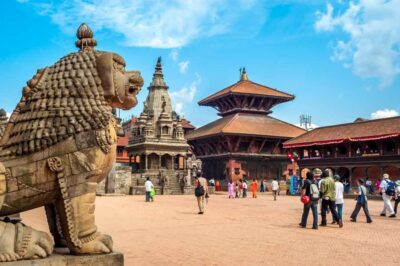
Full Day 7 UNESCO Tour with Lunch – Private/Group
Read our review →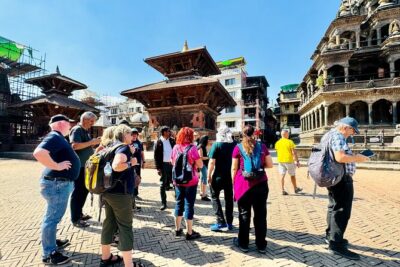
Full Day Top 4 UNESCO Tour with Lunch – Private/Group
Read our review →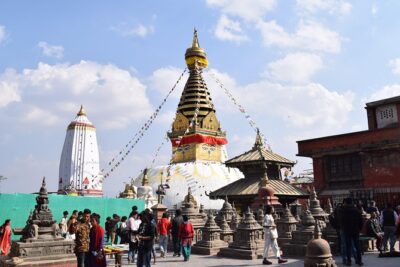
Full Day 7 UNESCO Tour with Lunch – Private/Group
Read our review →Browse the lists this tour appears in