
Reviewed · PEAK CLIMBING
Mera Peak Climbing
Your first Himalayan summit, then the long way down. Mera Peak is pitched as a first foray into peak climbing, with ice practice on the glacier and big-gone views on summit day. You also get a real warm-up in Kathmandu, hitting Patan, Swayambhunath, Boudhanath, and Pashupatinath before you fly to Lukla.
What I like most is the hands-on approach. You practice gear and ice-climbing techniques right above Khare so you are not guessing when it is cold and high. I also like the way the trek builds through Hinku Valley and into glacier terrain, with full-board meals and teahouses until the camping phase.
One consideration: the trip price is $1,199, but the big add-ons are not included. Domestic flights to and from Lukla and the Mera Peak permit (NMA) are separate, and Lukla weather can force timing changes, which is why they give you a spare day.
In This Review
- Key highlights you should know
- Mera Peak in plain terms, why it fits beginners
- Kathmandu warm-up: UNESCO sites and jet-lag pacing (Days 1-2)
- The Lukla jump: why the flight sets the rhythm (Day 3)
- Trek day one south: Kari La pass and the rhododendron grind (Days 4-6)
- Panch Pokhari and the route toward Hinku Valley (Day 7-8)
- Gondishung, the Lungsumgba Gompa, and the glacier corridor buildup (Days 9-10)
- Ice climbing practice above Khare: where you learn to move safely (Day 11-12)
- Summit day on Mera: crampons, heads, and thin air (Day 13)
- Spare day logic: why Day 14 makes this climb smarter (Day 14)
- Down to Kothe, then red rhododendron forests to Lukla (Days 15-18)
- Price and logistics: what $1,199 really covers, and what you must budget
- Who should do this climb, and who should not
- Should you book Mera Peak Climbing with Accessible Adventure?
- FAQ
- How long is the Mera Peak climbing tour?
- Where does the trekking for Mera Peak begin?
- Is Mera Peak climbing technical?
- What permits are included in the trek?
- What hotel and meals should I expect?
- Are domestic flights to Lukla included?
- Do I get cold-weather and climbing gear?
- Is there a spare day for the summit?
- What is the cancellation window?
Key highlights you should know
- Ice training before the summit: practice with crampons, rope skills, and safety tips above Khare
- Non-technical summit approach (but still serious altitude): the push is described as gradual uphill on a non-technical trail
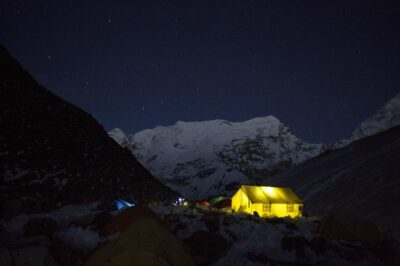
- Tented camping above Khare: organized cook and support crew, plus dining and toilet tents
- Big Himalayan panorama from Mera (6,476m): Everest, Cho Oyu, Lhotse, Makalu, and Kangchenjunga are all in the view set
- A real spare day: built in for weather delays or if acclimatization needs extra time
- Kathmandu culture before you go high: UNESCO sites plus time in Thamel if you have energy
Mera Peak in plain terms, why it fits beginners
Mera Peak sits at 6,476m and is often described as the highest trekking peak, plus a good “introduction” into the mountaineering world. The wording you get is non-technical peak climbing, and the ascent route is presented as less than 30 degrees snow at points. That means the climbing style is not the same as steep rock faces or complex technical route-finding.
Still, don’t treat it like a walk-up. You will work through altitude grind, cold, and glacier terrain. The trek spends days climbing, crossing high passes, and then moving into moraines and snow. So you should expect this to be a high-stakes fitness test plus one serious day of ice work, not a relaxed vacation hike.
This is also a trip where the team matters. The reviews you can read around this operator focus on being well taken care of, with professional guidance and an approachable attitude. The standout detail is communication and leadership, including CEO Mr. Himal being described as professional and easy to work with. That matters on summit day when calm, clear instructions can be the difference between stress and focus.
More climbing peaks in Kathmandu:
- Mera Peak Climbing
★ 5.0 · 33 reviews - Island Peak Adventure
★ 5.0 · 15 reviews - Everest Base Camp Trek with Island Peak Climbing
★ 5.0 · 14 reviews
Kathmandu warm-up: UNESCO sites and jet-lag pacing (Days 1-2)
You start with a straightforward arrival flow. After landing in Kathmandu, you reclaim luggage and go through visa and formalities, then a representative meets you at the airport. From there, it is a private transfer to your hotel. You get about two nights in Kathmandu, with 3-star accommodation and breakfast.
Day 1 is flexible. You can rest if you feel jet-lag, or pop into Thamel for shopping. That matters because your time in Thamel is useful only if you still have energy to handle small needs, like snacks and last-minute items.
Day 2 is your culture day. You visit:
- Patan Durbar Square with Newari architecture and carved details, plus the Krishna Mandir area
- Swayambhunath (Monkey Temple) on a hill with big city views and prayer flags, plus the mix of Buddhist and Hindu shrines
- Boudhanath Stupa with prayer wheels and Tibetan Buddhism atmosphere
- Pashupatinath Temple along the Bagmati River, with its golden roof and the cremation ghats you may see during ceremonies
Admission tickets for these stops are listed as not included, but the visit times are built into the schedule. In real life, this day is a good way to reset your brain before the mountains do the resetting for you.
The Lukla jump: why the flight sets the rhythm (Day 3)
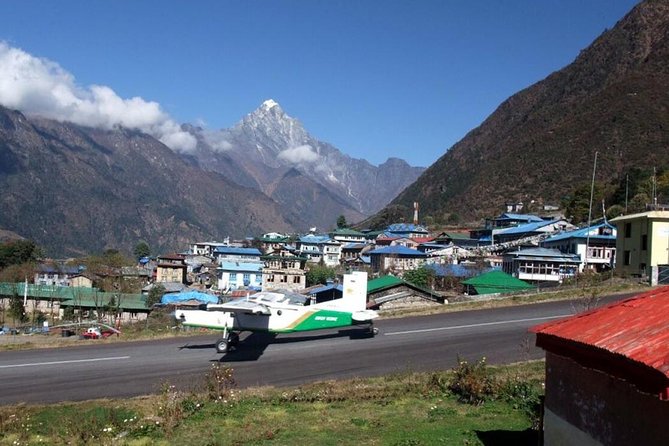
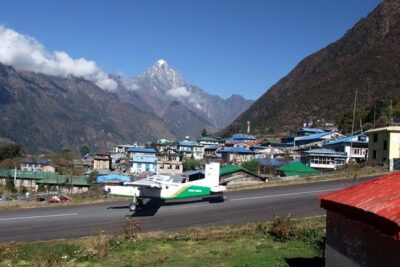
The trek proper begins after an early domestic flight. You are escorted to Kathmandu’s domestic terminal for an early departure, then fly to Lukla’s Tenzing-Hillary Airport at 2,800m.
The route is described as one of the most beautiful air routes in the world, and the landing is dramatic, on a hillside surrounded by peaks. This is not just scenic trivia. That early flight shapes the whole trip rhythm. It forces you to treat the mountains as the main event from day one, and it keeps you from wasting your energy on late-day travel.
In Lukla, you meet the additional crew and do packing and arrangements. That part sounds small, but it is where you confirm how the trek flow works, what you will carry, and how your team will handle camping logistics later.
Trek day one south: Kari La pass and the rhododendron grind (Days 4-6)
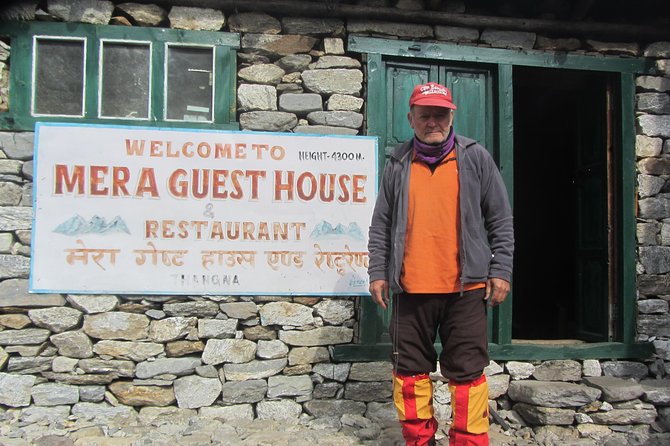
From Lukla, the route heads through jungle and then toward Surke, with lunch around Pakhapani area. Day 4 ramps up with Kari La pass.
Kari La is one of those moments where you see a lot at once. From the top, you can enjoy views of Everest, Lhotse, Nuptse, Makalu, Thamserku, Mera Peak, and more from the Mahalangur range. After that, you lunch in a village and walk through rhododendron and bamboo forests on a narrow mountain trail to Pangom for the night.
Day 5 continues with forest and village rhythm. Expect zigzagging trails, mani walls, and steep descents at points. The views highlight the south face of Mera Peak and Naulekh Peak. You finish the day in a local teahouse at Narjing Dingma.
Day 6 is where you notice the remoteness. You head through rhododendron and bamboo forest, pass landslide sections, then go over Surkie La (3,085m). From there you walk along a ridge with Hongu valley opening out ahead, and Kangchenjunga as a massive landmark near the Sikkim border. Lunch is beside a crystal clear stream, and you may spot wildlife if you are lucky, like wild animals crossing or visible from the trail.
The overall pacing here is a good setup. You are walking for about 5 to 8 hours most of these days depending on the day’s terrain. It builds stamina without jumping straight into the heaviest technical glacier sections.
Another way to spend the time in Nepal:
- Everest Base Camp Trek – 14 Days
★ 5.0 · 1,499 reviews - Everest Base Camp Trek
★ 5.0 · 842 reviews - Private Kathmandu Sightseeing Tour | UNESCO World Heritage sites
★ 5.0 · 756 reviews - Kathmandu: 7 UNESCO Sites with Lunch
★ 4.8 · 744 reviews
Panch Pokhari and the route toward Hinku Valley (Day 7-8)
Day 7 climbs above Chalem Kharka and then moves you to Panch Pokhari, the five lakes area. It is sacred for both Buddhists and Hindus, and it is a high-altitude change of mood. One moment you are in scrubby rocky grass surroundings, the next you are at a pilgrimage site tied to altitude and stillness.
From there, you descend into Khola Kharka (4,120m), then climb steeply out of the valley. After that, the trail contours around toward the main Hinku Valley. You also get series of steep descents through scree toward the next section. This is the kind of day where you will feel your legs the next morning, even if you kept a steady pace.
Day 8 is a viewpoint day for Hinku. After breakfast you reach a vantage point, then follow narrow bamboo forest trails with views of Mera, Kusum Kangguru, Kyashar Himal, plus the Hinku Valley itself. Wildlife is again possible in the trees, with sloth bears and jungle cats mentioned as possibilities.
For this section, a practical tip is mental pacing. Don’t chase views too hard. Stop, look, then keep moving. You’ll appreciate the scenery more when you arrive fresh, not when your legs are burning.
Gondishung, the Lungsumgba Gompa, and the glacier corridor buildup (Days 9-10)
Day 9 follows Inku Khola with big sight lines: Mera Peak, Charpati Himal, Kusum Kanguru, and Thamserku. The route moves into Upper Hinku valley, where vegetation becomes sparser and you start seeing nomadic meadows or kharkas. There are bridge crossings over Sanu Khola and Inkhu Khola, then you reach Gondishung.
Gondishung brings two big items: a teahouse stop for lunch and a visit to Lungsumgba Gompa. The shrine is described as 200 years old and set near a huge rock. Climbers burn incense and pray for good weather and a successful ascent. This is not a performance. It is a real cultural moment that connects the climb to local faith and routine.
Day 10 is where things start to feel more “peak” than “trek.” You head toward Khare following the lateral moraine of Dig Glacier. You get views of Charpate Himal, then the trail moves past the snout of Hinku Nup and Hinku Shar Glaciers. After walking moraines, you climb more steeply to Khare.
Khare is where the trip’s tone changes. The area is described as a special stay, with a pleasure view of the north face of Mera Peak.
Ice climbing practice above Khare: where you learn to move safely (Day 11-12)
Day 11 is training day. After breakfast, you prepare your gear near Khare or toward Mera Peak base camp. You walk a couple of hours to a spot with good views of the Mera La and the route up the mountain.
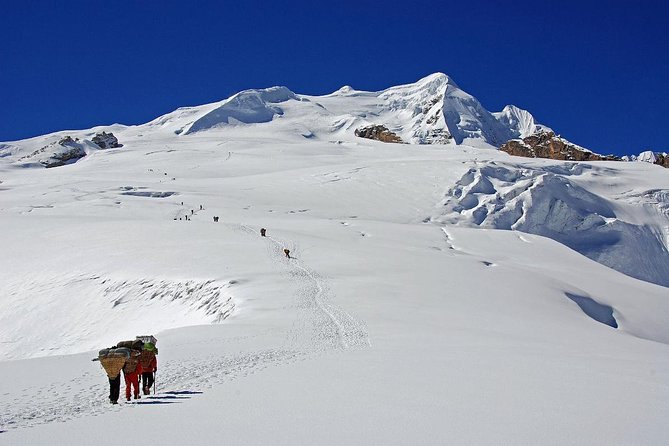
Then comes the practical part. You practice usage of climbing gears and ice climbing techniques for a few hours under the NMA-certified climbing guide. The guide also shares practical safety tips. Even if you are a novice climber, this is the point where you convert fear into technique.
You also return to camp after training and finish equipment prep and packing.
Day 12 focuses on acclimatization. The plan is to keep slow speed and work up carefully. You climb to the crest of the moraine above Khare, then up a steep snow slope to reach a boulder-strewn bowl below the lower tongue of the Mera Glacier. Even though today is described as no technical climb, it is still strenuous due to altitude and cold. Above 5,000 meters, every step is a struggle, which is honestly exactly what you should expect.
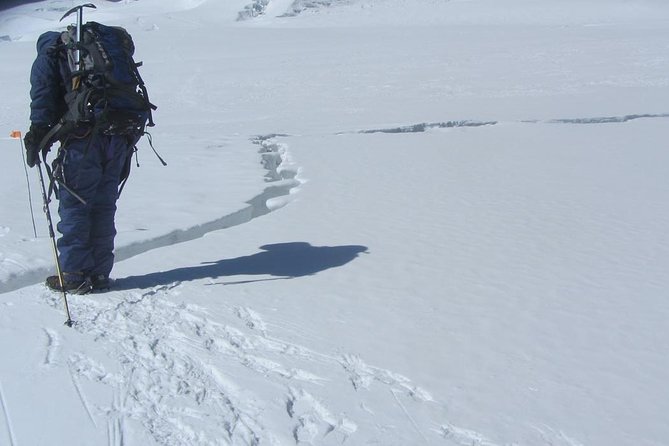
Mera High Camp can be hazardous if it recently snowed, because of crevasses. You move toward the top of a rock band marked by a large cairn, then set up high camp. This is where the team’s role becomes non-negotiable. You want people who know the hazards and manage the pace.
Summit day on Mera: crampons, heads, and thin air (Day 13)
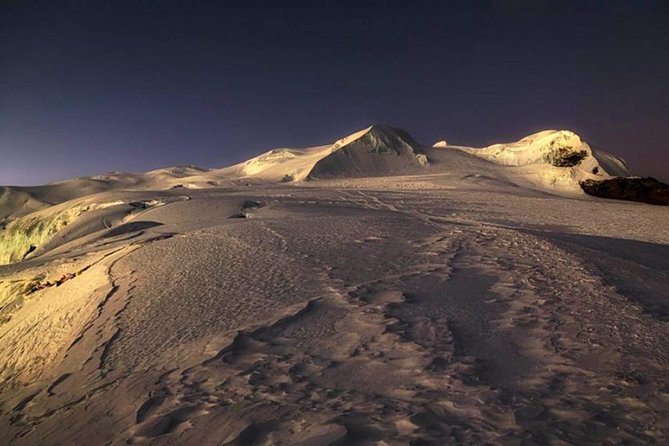
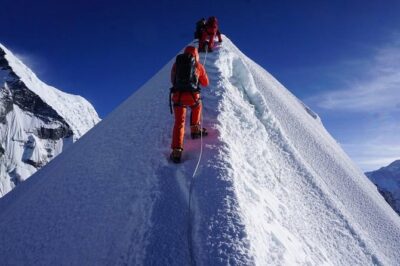
Day 13 is the target summit day. The plan is to wake up very early, then put on crampons, headlights, and rope up before the summit push. After that you follow your climbing guide on a gradual uphill, non-technical trail. The main limiting factor is the thin air and the cold.
From high camp, a well-acclimatized party takes about 3 to 4 hours to reach the central summit. The schedule suggests you aim to be at the central summit around 8 to 9 am.
From the top, you get jaw-dropping views. The trip describes looking at five of the six highest mountains on earth: Everest, Cho Oyu, Lhotse, Makalu, and Kangchenjunga. That is the payoff for every earlier hard day.
When you come down, you are not just walking down. You are spending altitude, cold, and fatigue. So keep the mindset of controlled movement. The “summit attitude” that feels good for going up can become risky for going down if you rush.
Spare day logic: why Day 14 makes this climb smarter (Day 14)
Not every summit day happens on the first attempt. Day 14 is a spare day set aside for weather issues or if someone needs more acclimatization time.
If the summit attempt goes well on Day 14, the spare day becomes flexible. The plan can shift to another ice climbing day, or you may stay another night in Lukla, or return early to Kathmandu. Having that buffer is not just insurance against disaster. It is the difference between pushing hard on a tired body and keeping your pace steady enough to finish safely.
This is also where the operator’s professionalism shows. You do not want a firm schedule that ignores real mountain conditions. You want plans that adapt.
Down to Kothe, then red rhododendron forests to Lukla (Days 15-18)
Day 15 is your first descent after the climb. You descend through Hinku valley to Kothe for an overnight teahouse stop. The evening is described as relaxed, with local food and drinks, and time to recover without rushing.
Day 16 shifts your route to the west side of Hinku valley. You climb through lush forest to Thuli Kharka below Zatwra La. Red rhododendron forest is mentioned, and if weather is clear you can enjoy views of Mera Peak and remote valleys toward its south side.
Day 17 is the big travel legs back to Lukla. It is listed as 11 km, about 7 to 8 hours, including a Zatrwa La pass and a descent to Chutanga before an easier walk to Lukla. This day is long, but it also feels like progress because you are moving toward the exit.
Day 18 brings you back to Kathmandu with an early morning flight. Lukla flights are usually morning because wind can create problems later. The trip also explicitly suggests a buffer day at the end, which is smart because weather is beyond anyone’s control. Back in Kathmandu, you transfer to a hotel and get time to rest, shop, and stroll in Thamel if you want.
Day 19 ends the trip. You get airport transfer about 3 hours before your flight. If you have time, you can squeeze in extra shopping or sightseeing.
Price and logistics: what $1,199 really covers, and what you must budget
$1,199 per person is not just a “guide fee.” A lot is already folded in. You get:
- Kathmandu hotel for 2 nights with breakfast
- ground transfers in Kathmandu by private vehicle
- teahouse accommodation during the trek up to Khare
- tented camping above Khare with a full kitchen and support setup
- full-board meals during the trek and climb
- bottled water boiled during the climbing phase
- NMA-certified climbing guide plus a licensed English-speaking trekking guide
- support crew for camping above Khare
- group climbing equipment including ropes, ice axes, crampons, harnesses, and karabiners
- cold-weather gear: down jacket, sleeping bag, and duffle bag
That is a meaningful value package because it reduces the number of separate vendors and unknowns. It also covers the stuff that can ruin your trip if you are under-prepared, like proper cold gear and glacier equipment.
But don’t ignore what is not included:
- Mera Peak climbing permit (NMA) is not included
- Domestic flights Kathmandu to Lukla and back are not included
- meals in Kathmandu are not included beyond breakfast
- drinks and snacks beyond what is in the included meals
- hot showers and charging fees at teahouses can cost extra
- helicopter rescue is not included, and the text says helicopter evacuation is covered by travel insurance
- Kathmandu city tour is listed as not included, even though the itinerary schedules UNESCO stops with admission noted as not included
If you want fewer surprises, budget for the permit and the flight, then treat any extra charges in teahouses as a small variable.
Who should do this climb, and who should not
This trip makes sense if you:
- are fit and adventure-loving, but new to peak climbing
- want a non-technical summit with ice-climbing training
- prefer a guided, team-led approach with equipment and camping organized for you
- care about having a spare day for acclimatization and weather
It might be a poor fit if you:
- hate cold and altitude discomfort. The route includes days above 5,000 meters and cold glacier movement
- want a lightweight minimalist trip. You still have trekking days, then tents and crew once above Khare
- plan to cut corners on insurance. The itinerary puts emphasis on emergency management by travel insurance, especially for helicopter rescue
Also note one practical detail: porter for a solo traveler is listed as not included. If you are traveling alone, you might want to ask how your carry plan works.
Should you book Mera Peak Climbing with Accessible Adventure?
I think you should book it if your goal is a first real taste of mountaineering that does not pretend the summit is easy. The combination of ice training, a team of guides, organized camping above Khare, and a built-in spare day makes it feel serious without being reckless.
I would hold off if you cannot handle altitude and cold, or if you have not budgeted for the missing pieces like domestic flights and the NMA climbing permit. Also, be honest about your comfort level with trekking days that are long and sometimes steep, because the itinerary is designed to build stamina for a high summit.
If you want a trip where professionalism is part of the package, not just a slogan, the feedback around this operator points strongly in that direction, including the clear mention of CEO Mr. Himal’s professionalism and the sense that the team keeps you focused on the climb.
FAQ
How long is the Mera Peak climbing tour?
The tour duration is listed as 19 days (approx.).
Where does the trekking for Mera Peak begin?
The trek begins after flying to Lukla, arriving at Tenzing-Hillary Airport (2,800m).
Is Mera Peak climbing technical?
The experience is described as non-technical peak climbing, with glacier and snow travel, plus ice climbing training. You still use climbing gear such as crampons and ropes.
What permits are included in the trek?
The included items list Makalu Barun National Park entry permit and a local (Rural Municipality) area permit. The Mera Peak climbing permit issued by the NMA is listed as not included.
What hotel and meals should I expect?
You get 2 nights in Kathmandu at a 3-star hotel with breakfast. During the trek and climb you have teahouse accommodation up to Khare and then tented camping above Khare, plus full-board meals (breakfast, lunch, dinner) during the trekking and climb phase.
Are domestic flights to Lukla included?
No. Domestic flights Kathmandu to Lukla and back, including airport taxes, are listed as not included.
Do I get cold-weather and climbing gear?
Yes. Included gear lists a down jacket, sleeping bag, and duffle bag, plus group climbing equipment like ropes, ice axes, crampons, harnesses, and karabiners.
Is there a spare day for the summit?
Yes. Day 14 is a spare day in case of bad weather or if someone needs more acclimatization.
What is the cancellation window?
You can cancel up to 24 hours in advance for a full refund. If you cancel less than 24 hours before the experience’s start time, the amount paid is not refunded.
Latest additions near Kathmandu
- White Water River Rafting – 1 Day★ 4.3 · 3 reviews
- Traditional Momo Making Class★ 5.0 · 10 reviews
- Kathmandu to Pokhara Premium sofa bus ticket★ 4.0 · 17 reviews
- Ghorepani Poon Hill Trek★ 5.0 · 16 reviews
- Amazing 1 Day Trekking Experience in Kathmandu Nepal★ 5.0 · 24 reviews
- Ghorepani Poonhill Trek★ 5.0 · 5 reviews
- Walking tour of real Kathmandu through back streets.★ 5.0 · 3 reviews
- Wildlife Adventure in Chitwan Nepal★ 4.0 · 4 reviews
Peak Climbing, compared.
Everest Base Camp Trek with Island Peak Climbing
Read our review →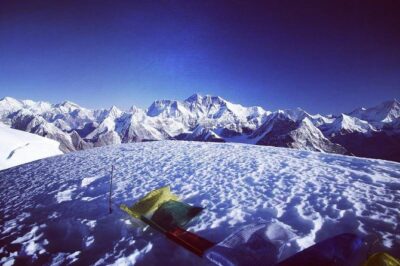
Browse the lists this tour appears in