
Reviewed · PEAK CLIMBING
Mera Peak Expedition – 20 Days
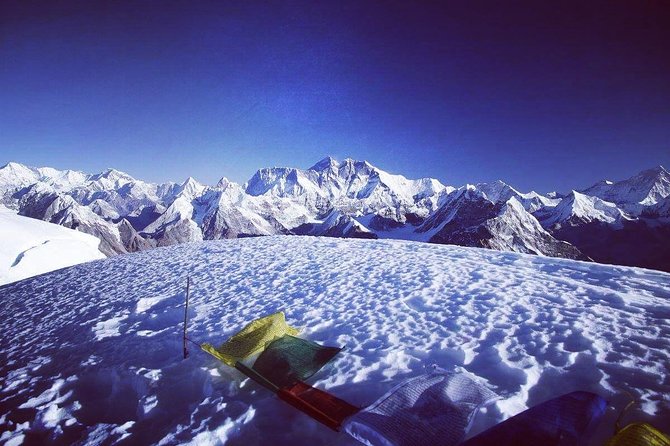
Mera Peak is the kind of climb that changes your map. This 20-day expedition links a flight to Lukla, a deep trek through the Hinku Valley, and then the high-camp grind to the summit of 6,476m Mera Peak. You also get full support in the “expedition zone,” from a certified Sherpa guide to camping equipment and staff.
I especially like two things. First, the trek itself is old-school Nepal: green terraced fields, forest paths, rushing streams, swinging bridges, and yak country, plus local lodges and Sherpa guesthouses along the way. Second, the logistics feel thought through: round-trip Lukla airfare is included, permits are covered, and camping nights at Base Camp and High Camp come with the tents and kitchen setup you would otherwise be stressing about.
One thing to consider before you fall in love with the idea: the route starts with flights to and from Lukla, and this kind of trip depends on workable weather. You do get a reserve day built into the plan, but you still need a strong fitness base and a flexible attitude.
In This Review
- Key things to know before you go
- From Thamel to Lukla: the start that sets the pace
- Hinku Valley trekking: terraced fields, forests, bridges, and yak country
- Khare acclimatization and moving into expedition mode
- Summiting Mera Peak at 6,476m: the long day and the reward
- Return to Kathmandu: real food, rest, and a free day to absorb it
- Price and logistics: what $3,300 buys you (and why it matters)
- Who should book this Mera Peak expedition
- Should you book this Mera Peak Expedition?
- FAQ
- What is the meeting point for the Mera Peak Expedition?
- How long is the expedition?
- What is the highest point on the climb?
- Are flights between Kathmandu and Lukla included?
- What permits are included in the price?
- Is the trip refundable if I cancel?
Key things to know before you go
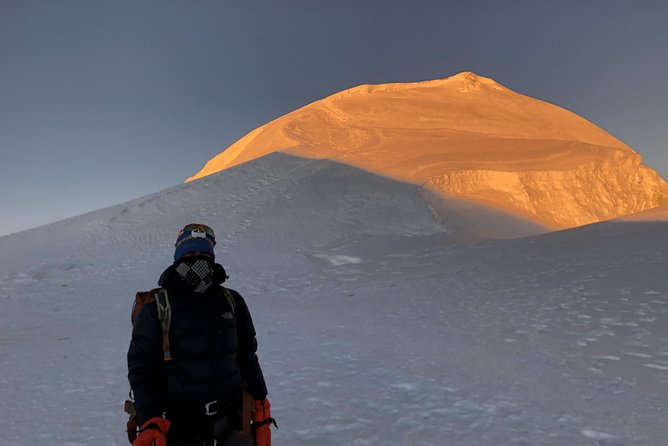
- First-time friendly 6,000m climb: Mera Peak is technically an easier 6,000m trekking peak than many others in Nepal, but it’s still serious at altitude.
- Hinku Valley is the real treat: expect remote scenery with terraced fields, forests, streams, swinging bridges, and yak pastures.
- Private trip style: this is a private activity, so your group goes as one.
- Expedition support is included: camping equipment, sleeping tents and mattresses, and kitchen staff on the camping days.
- Porter coverage: the trip includes a porter ratio of one porter for two trekkers during climbing trips.
- Flights and permits are handled: Kathmandu to Lukla round-trip airfare is included, plus Sagarmatha National Park fee, TIMS, and the Mera Peak permit.
From Thamel to Lukla: the start that sets the pace
Your trip begins in Thamel, Kathmandu, where most people are already thinking about tea, gear, and altitude all at once. Transfers are included from airport to your hotel and back again, using a private car, van, Hi-ace, or coaster depending on what’s needed.
After you arrive, you’ll get a preparation day in Kathmandu. This matters more than people think. You’re not just “resting,” you’re getting your body, paperwork, and gear sorted before the short hop that starts the real adventure. You also have a welcome dinner with an authentic Nepali meal and a live cultural program. It’s a nice way to reset after travel and meet your team in a low-pressure setting.
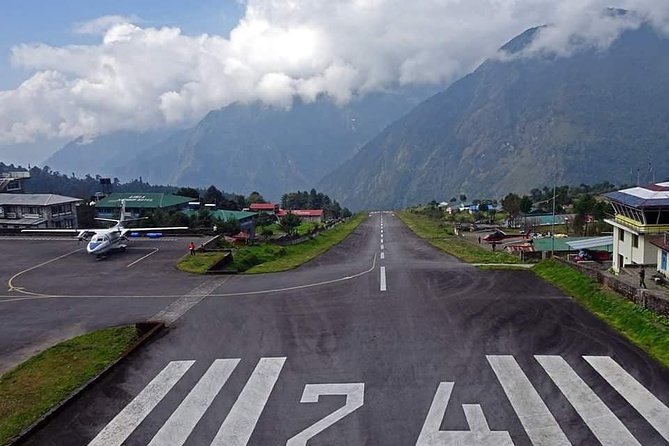
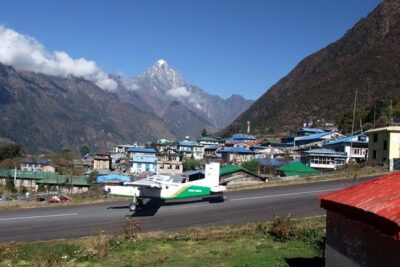
Then comes the flight to Lukla. It’s a classic Nepal moment for a reason: once you land at Lukla, the trip stops being about cities and starts being about the mountains. Because round-trip flights are included in the package (including airport tax and excess baggage fees), you can focus on moving efficiently instead of juggling extra logistics.
More climbing peaks in Kathmandu:
- Mera Peak Climbing
★ 5.0 · 33 reviews - Island Peak Adventure
★ 5.0 · 15 reviews - Everest Base Camp Trek with Island Peak Climbing
★ 5.0 · 14 reviews
Hinku Valley trekking: terraced fields, forests, bridges, and yak country
The trek through the Hinku Valley is where this expedition feels truly different from a basic “walk to the climb.” The valley is described as remote and unspoiled, with big scenery cues you can spot day after day: green terraces, dense forest sections, rushing streams, swinging bridges, and high pasture areas where yaks are part of the routine.
You’ll start with manageable day lengths for an expedition. The early trek is built around gradual progress, so you get used to walking while your lungs recalibrate.
Here’s how the days shape up:
Day 3 to Paiya (3 to 4 hours)
This is your first real step into the valley rhythm. Expect a steady uphill feel more than a sprint. The goal is to settle into a pace you can repeat the next day without getting annoyed with your own breathing.
Day 4 to Pangoma (5 to 6 hours)
This day adds time, which is a good thing. You’re building endurance before the route stretches higher. In valleys like this, the scenery changes are constant, so it’s easier to keep moving when the views keep giving you something to look at.
Day 5 to Nigmsa (2,745m, 4 to 5 hours)
You’re still in the “trek” part of the trip, not the “expedition” part. Lodges at these elevations are typically familiar enough to let you recover properly, and the day length stays controlled.
Day 6 to Chhetra Khola (3,122m, 7 to 8 hours)
This is one of the longer walking days early on. It’s a reminder that the trek is not just background. If your fitness is strong, you’ll likely enjoy this day because it feels like momentum. If you’re unsure, take it slow and don’t treat the long hours as a challenge.
Day 7 to Kothe (3,600m, 6 to 7 hours)
Kothe is higher and more “mountain trekking” than the lower settlements. You’ll be feeling the thin air at the end of the day, but the lodge routine helps you bounce back.
Day 8 to Thangnak (4,356m, 5 hours)
Altitude is rising again, but the time is shorter. This sort of balance helps your body catch up a bit. It’s also psychologically useful: a shorter day means you can spend more time resting and prepping for the next stage.
Day 9 to Khare (5,045m, 4 hours)
Khare sets you up for the acclimatization and climb portion. This is where your expedition mindset starts to click in. Expect colder conditions and the kind of early fatigue that makes you take hydration and warm layers seriously.
Days 3 to 9 in general
Across these days, local lodges make the trek easier to manage. You’re not camping from the start, which means you can save energy while your body adapts.
Khare acclimatization and moving into expedition mode
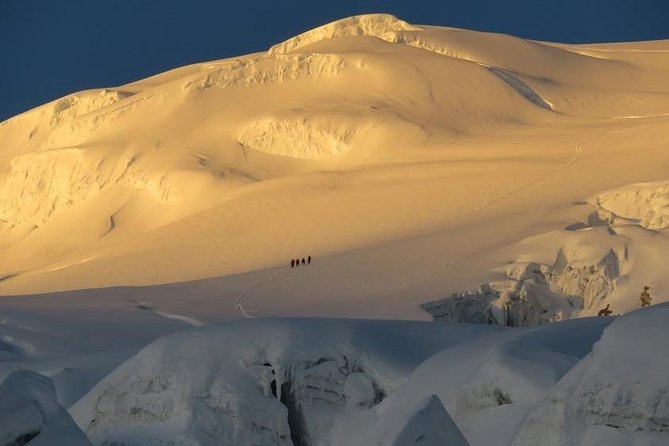
By Day 10, you’re at Khare and the trip shifts gears with an acclimatization and preparation day. This is one of the smartest parts of the plan. Instead of just pushing higher immediately, you get time to recover from the walk in, check gear, and settle into the rhythm of high-altitude living.
Then you start camping.
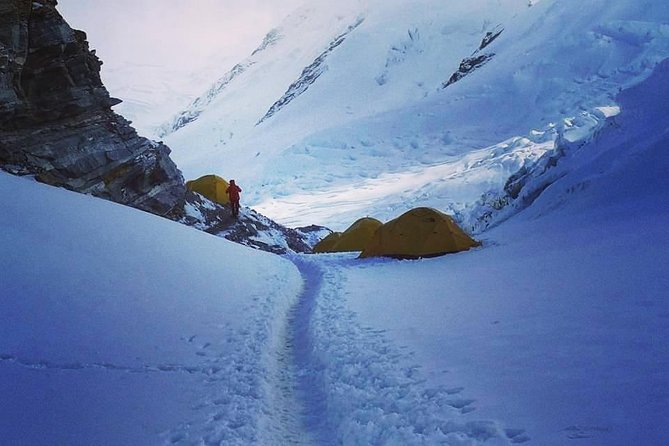
Day 11 to Base Camp (5,350m, 4 hours)
You head up to Base Camp and the expedition equipment takes over. The package includes camping gear like sleeping tents and mattresses, plus a kitchen tent and kitchen equipment. That’s a big deal. At high altitude, warmth and meal timing affect everything, and having the full kitchen setup means you’re not rationing comfort.
Day 12 to High Camp (5,780m, 4 hours)
High Camp is where the “climb” part becomes real. The package includes meals during camping, plus one night at High Camp. With proper camp support, you spend more energy on the ascent and less energy on problem-solving.
This is also where the value of an experienced English-speaking, certified Sherpa guide shows. The guide is there to manage the pacing, the route, and the overall flow of the climb stage. In the feedback I looked at, the team approach and careful handling came up again and again, including mentions of strong leadership figures like Ngima and experienced leads such as Mingmar.
Summiting Mera Peak at 6,476m: the long day and the reward
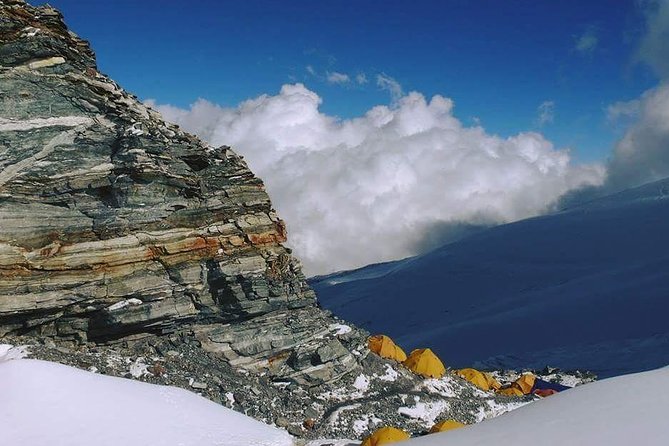
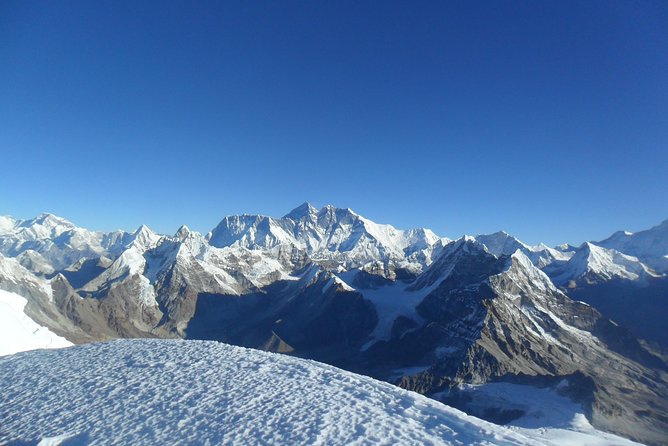
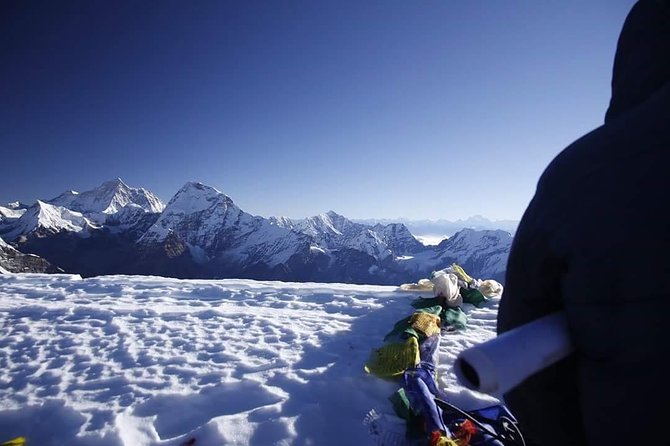
Day 13 is the headline. You’ll climb Mera Peak, which reaches 6,476m, then descend back to Khare. The time estimate is long, 9 to 10 hours for the whole push and descent. That time range matters because it tells you what kind of day it is: you will be working from start to finish.
What makes this summit more approachable than many other 6,000m trekking peaks is that it’s technically rated as an easier climb in the Nepal category. But “easier” does not mean “easy.” You still need endurance, good judgment in cold and thin air, and the willingness to keep moving even when the effort feels like it’s taking all your attention.
Reserve Day Day 14
Weather and conditions happen. That’s why you have a reserve day. This isn’t a waste of time, it’s insurance for the mountain. If the summit day gets delayed for conditions, you have buffer built in rather than forcing a tight schedule.
Days 15 onward
Once the climb is done, the expedition becomes about recovery and descent. You’ll trek from Khare down to Kothe (3,600m, about 7 hours) on Day 15, then continue lower over Day 16 to Thuli Kharka/Chhatrwabuk (4,200m, about 6 to 7 hours). Finally, you’ll drop to Lukla (2,800m, about 7 to 8 hours) on Day 17.
Those downhill and lower-elevation days can feel strange. Your legs may want to celebrate, but you still need to move carefully to avoid fatigue issues. Take your time. Even a “success day” can punish fast steps.
Another way to spend the time in Nepal:
- Everest Base Camp Trek – 14 Days
★ 5.0 · 1,499 reviews - Everest Base Camp Trek
★ 5.0 · 842 reviews - Private Kathmandu Sightseeing Tour | UNESCO World Heritage sites
★ 5.0 · 756 reviews - Kathmandu: 7 UNESCO Sites with Lunch
★ 4.8 · 744 reviews
Return to Kathmandu: real food, rest, and a free day to absorb it
By Day 18, you fly from Lukla back to Kathmandu and transfer to your hotel. After days of trekking and camping, Kathmandu feels loud and easy, even if you’re still running on summit adrenaline.
Day 19 is free day in Kathmandu. Use it for what you actually want, not what the schedule forces. Many people like a slow meal, a relaxed walk, and maybe a bit of shopping to replace the stuff they decided they definitely needed in Thamel at the start.
On Day 20, you depart with the standard trip finish, returning to the meeting point.
I like trips like this because they balance effort with decompression. You don’t get whisked straight back into travel mode the minute you descend.
Price and logistics: what $3,300 buys you (and why it matters)
At $3,300 per person for about 20 days, you’re not just paying for trekking and a summit attempt. You’re paying for a structure that reduces the chaos that can otherwise wreck a mountain schedule.
Here’s what stands out as real value:
- Private vehicle transfers in Kathmandu, airport to hotel and back
This saves time and avoids last-minute taxi hassles in a city where navigation can be confusing when you’re tired.
- Four nights in Kathmandu on twin share bed and breakfast
A full Kathmandu buffer helps you acclimatize mentally and physically before Lukla.
- 13 nights in local lodges during the trek
Local lodges keep costs under control while still giving you a proper base to recover each day.
- Camping support for the high phase
You get sleeping tents and mattresses, plus a kitchen tent and kitchen equipment. You also have trekking cook, kitchen staff, and support staff on camping days. This is one of those “you only notice it when it’s missing” inclusions.
- Guide and porter staffing
The guide is English-speaking and certified (Govt trained, license holder). Porters are included with the ratio one porter for two trekkers across climbing trips. That means you can focus on pacing and not reinventing load management every day.
- Permits handled
The trip includes the Mera Peak Climbing Permit, Sagarmatha National Park fee, and TIMS plus required official documentation. Permit work is not glamorous, but getting it wrong is a serious problem. Here, it’s covered.
- Flights and mountain timing pieces
Round-trip Kathmandu to Lukla airfare is included, with airport tax, and excess baggage fees are also included. In real life, baggage can be the silent budget leak.
- Climb certificates
You receive Mera Peak climbing certificates issued from the respective Nepal government body. It’s a small paperwork reward, but it’s nice to have.
What’s not included matters too. Your personal travel insurance is not included. City lunches and dinners are on you, and beverages are on you. The trip also notes tips are customary for your guide, porters, and driver.
My take on the price: for an expedition like this, $3,300 feels like it’s buying you coordination, permits, staffing, and camping infrastructure. If you tried to piece this together yourself, the hidden costs of logistics and documentation can surprise you.
Who should book this Mera Peak expedition
This trip is a strong match if you want:
- Your first Himalaya climbing experience in Nepal
The climb is described as technically easier than other 6,000m trekking peaks, which makes it a realistic target for first-timers who train and take the acclimatization seriously.
- A trek-first approach through an unspoiled region
If you care about the journey, not just the summit photo, the Hinku Valley route is where the heart of this trip lives.
- A guided team experience with expedition-grade support
Camping gear, meals during camping, and certified guidance reduce the usual stress points.
It may not be the best fit if you’re not ready for long walking days and a real summit effort at 6,476m. The trip is clearly designed for people with a strong physical fitness level.
Also, since it’s private and your group participates together, it’s ideal when you value a more personal pace and fewer strangers in your daily routine.
Should you book this Mera Peak Expedition?
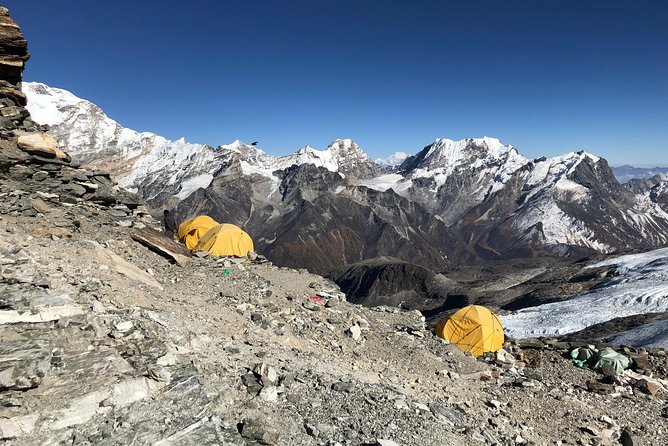
Yes, if your goal is a first Himalayan summit that comes with real structure, you’ll likely appreciate how this trip is built. The combination of a remote trekking corridor in the Hinku Valley, a climb that’s technically approachable for a 6,000m peak, and included expedition support makes it feel practical rather than risky.
Before you commit, I would check two things:
1) Can you handle a 20-day trip with long trekking days and cold, high conditions?
2) Are you comfortable with weather dependence around Lukla flights, even with a reserve day built into the plan?
If your answers are yes, this is a solid way to go. It’s a serious climb, but the planning is tight enough that you can spend your energy where it counts, on the mountain and the moment you reach the summit.
FAQ
What is the meeting point for the Mera Peak Expedition?
The start and end meeting point is Thamel, Kathmandu, Nepal (44600). Your activity ends back at the same meeting point.
How long is the expedition?
The Mera Peak expedition is listed as 20 days (approx.).
What is the highest point on the climb?
The summit is Mera Peak at 6,476m.
Are flights between Kathmandu and Lukla included?
Yes. The package includes round-trip airfare between Kathmandu and Lukla, with airport tax included, plus Kathmandu to Lukla excess baggage fees.
What permits are included in the price?
The trip includes the Mera Peak Climbing Permit, Sagarmatha National Park fee, TIMS permits, and all required permits or official documentation.
Is the trip refundable if I cancel?
No. The experience is listed as non-refundable and cannot be changed for any reason, and the amount you paid will not be refunded if you cancel or ask for an amendment.
Latest additions near Kathmandu
- White Water River Rafting – 1 Day★ 4.3 · 3 reviews
- Traditional Momo Making Class★ 5.0 · 10 reviews
- Kathmandu to Pokhara Premium sofa bus ticket★ 4.0 · 17 reviews
- Ghorepani Poon Hill Trek★ 5.0 · 16 reviews
- Amazing 1 Day Trekking Experience in Kathmandu Nepal★ 5.0 · 24 reviews
- Ghorepani Poonhill Trek★ 5.0 · 5 reviews
- Walking tour of real Kathmandu through back streets.★ 5.0 · 3 reviews
- Wildlife Adventure in Chitwan Nepal★ 4.0 · 4 reviews
Peak Climbing, compared.
Everest Base Camp Trek with Island Peak Climbing
Read our review →
Browse the lists this tour appears in