
Reviewed · EVEREST BASE CAMP TREKS
Everest Base Camp with Island Peak
Everest plus a real summit climb is rare. This 17-day Khumbu adventure pairs Everest Base Camp trekking with a climb of Island Peak, so you get both high-altitude drama and hands-on mountaineering. I like that it is built around strong local leadership and practical support, not just a long hike.
Two things I especially like: the package includes a full support structure with porters (2 guests to 1 porter), plus a dedicated climbing guide for Island Peak. You also get the basics handled for you, including key permits like TIMS and the Sagarmatha National Park entry, along with the required Island Peak permit fees.
One consideration: this is not casual trekking. You need strong fitness for a serious altitude trek plus a peak climb, and gear and warmth planning can get tricky because the info lists both supplied sleep gear and a note to bring a 4-season sleeping bag.
In This Review
- Key things to know before you go
- Everest Base Camp and Island Peak, the Khumbu way
- The guides and Sherpa support you rely on
- A practical walk-through of the 17-day flow
- Kathmandu arrival and ground setup
- Trek to the Everest Base Camp area, with guest-house comfort
- The Everest Base Camp moment
- Island Peak climb: the serious add-on
- Return and wrap-up
- Price and logistics: what you are actually paying for
- Packing realities: warmth, sleeping, and the gear list confusion
- Meals, altitude comfort, and how to keep energy up
- Who should book this trip
- Should you book Everest Base Camp with Island Peak through Accessible Adventure?
- FAQ
- How long is the Everest Base Camp with Island Peak trip?
- Where does the trip start and end?
- What meals and lodging are included during the trek?
- Are pickup and transfers included?
- Is a hot shower included during the trek?
- What should I bring for sleeping gear?
Key things to know before you go
- Everest Base Camp plus Island Peak in one trip, so you are not choosing between views and a real summit objective
- Porters included (2 guests to 1 porter), with their food, accommodation, salary, and insurance covered in the package
- Climbing support on Island Peak with a climbing guide and general equipment like rope and ice screws
- Hot shower is limited to Lukla, Phakding, and Namche, so plan to manage with cold water most nights
- Food and lodging are structured with twin-sharing guest houses and meals included during the trek
Everest Base Camp and Island Peak, the Khumbu way
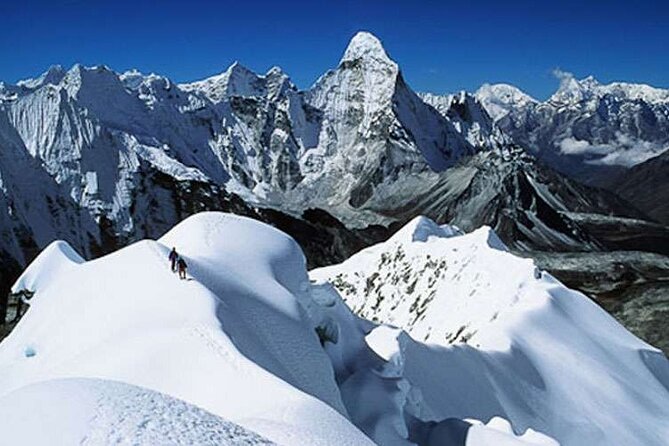
This trip is for people who want more than another multi-day hike. You start in Kathmandu, then work your way into the Khumbu region, where daily rhythm is slow and altitude-focused. The big difference here is that it doesn’t stop at Everest Base Camp. You also climb Island Peak, which adds ropework, steeper terrain, and cold, high-elevation conditions.
If you like having a plan that is organized end to end, you will appreciate the way logistics are handled. Your trip includes pickup and drop-off by car or van as per the program, plus surface transfer by private car. You also get a mobile ticket listed, so your pre-trip steps should feel more straightforward.
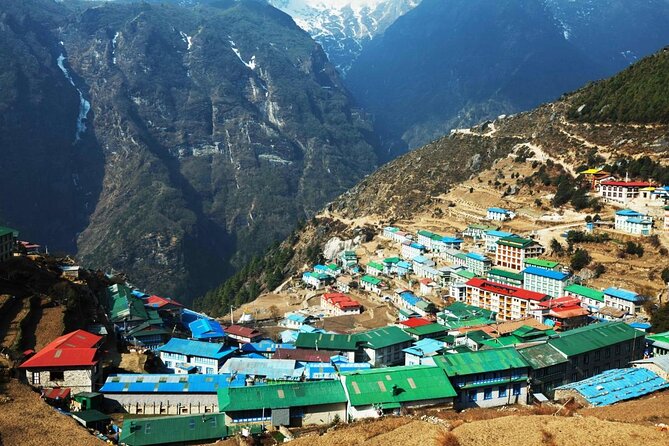
What makes this experience especially appealing is the mix of mountain and culture. The program calls out observing Sherpa culture and tradition along the way, and that matters in the Khumbu. When you are moving through villages, you are not just climbing above the world, you are passing through communities with deep local expertise. That local presence also connects to safety, since Sherpa support and guiding knowledge are core to how these routes are navigated.
More Everest Base Camp treks:
- Everest Base Camp Trek – 14 Days
★ 5.0 · 1,499 reviews - Everest Base Camp Trek
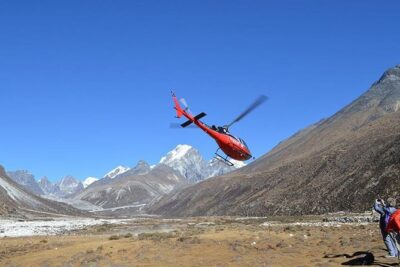
★ 5.0 · 842 reviews - Everest Base Camp Helicopter Tour landing at Everest View Hotel
★ 5.0 · 668 reviews
The guides and Sherpa support you rely on
A successful Everest region trip is not just about your legs. It is about timing, route choices, and how quickly problems get handled. The tour includes 1 highly experienced, helpful, and friendly guide during the trek, plus Island Peak climbing guide support for the peak portion. There is also a first aid medical kit included, which is a real reassurance when conditions get serious.
The strongest theme from the service side is human support. The trip information includes examples of how staff communication can work well, especially for solo travelers. Names that come up include Hari Daju and his son Himal, along with Sherpas like Ongchu Sherpa and support staff like Samden. Another name that stands out is Shiva, described as insightful and friendly, and the sort of person who can make the whole experience feel smoother from the start.
Even if you are traveling with your own group, you still benefit from that kind of calm, clear leadership. When you are dealing with altitude, weather changes, and equipment needs, you want someone who can explain what is happening and what comes next.
A practical walk-through of the 17-day flow
You can think of this as three phases: Kathmandu prep, Khumbu trekking to the Everest Base Camp area, and the Island Peak climb, followed by the return.
Kathmandu arrival and ground setup
You arrive at Tribhuwan International Airport in Kathmandu. From there, you can expect pickup and car transfer arrangements as described. Since the trek is high effort and high altitude, the Kathmandu days are usually where you confirm details, review your gear, and get used to the idea that the mountains will set the pace.
This is also where the included items can matter. The package mentions an Accessible Adventure T-shirt, a trekking map, and a trip achievement certificate. Those are not just souvenirs, they are practical too, because a good map and clear route overview help you follow what is coming next.
More climbing peaks in Kathmandu:
- Mera Peak Climbing
★ 5.0 · 33 reviews - Island Peak Adventure
★ 5.0 · 15 reviews - Everest Base Camp Trek with Island Peak Climbing
★ 5.0 · 14 reviews - Mera Peak Climbing
★ 5.0 · 8 reviews
Trek to the Everest Base Camp area, with guest-house comfort
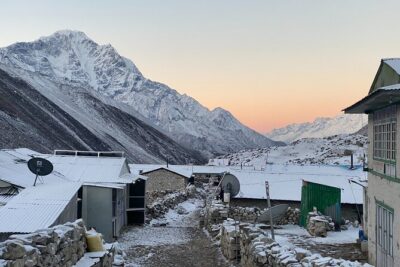
During the trek, you stay in twin sharing accommodation at guest houses. Breakfast, lunch, and dinner are included. That matters because it reduces decision fatigue. On these routes, you want to spend your energy on walking, acclimatization, and recovery, not figuring out where the next meal comes from.
You will also have seasonal fruits during the trek. It is a small inclusion, but I like it for two reasons. First, it adds variety to the food routine. Second, it is one more simple thing that can help you keep eating even when appetite changes with altitude.
The program also highlights that you should have a strong physical fitness level. That is not just fine print. With Everest region treks, the work ramps up gradually, and you need to be ready for long days on uneven trails, plus the slowed breathing that altitude brings.
The Everest Base Camp moment
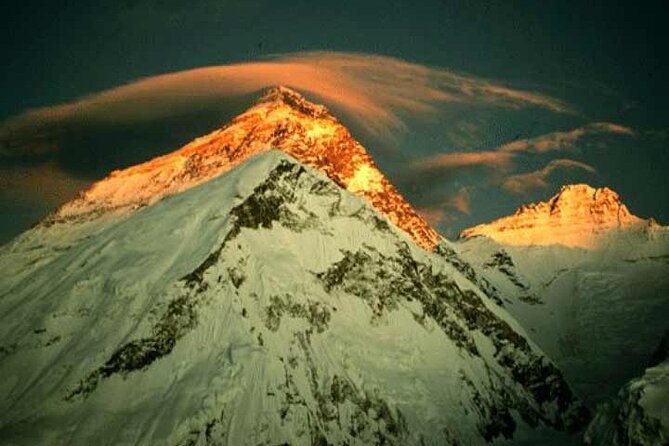
You are trekking to the base camp of Mount Everest. That part is a major draw for obvious reasons: the scale is hard to put into words, and the setting is extremely powerful. But the real value is how you get there. The journey builds gradually, and by the time you reach Everest Base Camp, you have earned the perspective you came for.
Also, remember this is not a simple sightseeing stop. Base camp is an important altitude milestone. You will be thinking about how you feel, how you sleep, and how your body handles cold and wind before shifting gears to Island Peak.
Island Peak climb: the serious add-on
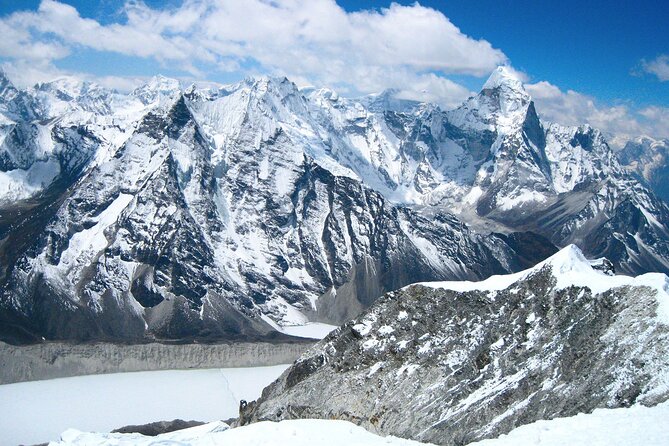
Island Peak is the part that transforms the trip from trek to mountaineering. The package includes an Island Peak climbing permit fee and Island Peak climbing permit handling as part of the required permits.
You also get general climbing equipment such as rope, ice screw, snow bar, and more. The trip includes a climbing guide for Island Peak, including their foods, accommodations, salary, insurance, and so on. That support is crucial, because you do not want to improvise technical movement with changing snow and ice.
This is also where you need to be honest with yourself about what you can handle. Reviews and the tour description both emphasize a more thrilling experience than regular trekking journeys. If you want a peak summit, plan for colder nights and sharper effort, even if your trek pacing has been solid.
Return and wrap-up
After the peak, you descend and work your way back to Kathmandu. The trip ends back at the meeting point in Kathmandu. The details here can vary by weather and conditions, but the overall arc stays the same: mountain work out, then recovery and return.
Price and logistics: what you are actually paying for
At $3,190 per person for a roughly 17-day program, this is not a bargain deal. But it is also not only “a trek ticket.” You are paying for the combination: Everest Base Camp trekking plus Island Peak climbing, with permits, guides, equipment, and porter support built in.
Here is what your money covers based on the package:
- Trek meals and lodging: twin sharing guest houses and included breakfast, lunch, and dinner
- Guide and porter staffing: 1 trek guide plus Island Peak climbing guide, and porter requirements listed at 2 guests to 1 porter
- Key permits and fees: TIMS, Sagarmatha National Park, and Island Peak climbing permit fees, plus additional permit listings such as Annapurna Conservation and government tax and office service charges
- Climbing equipment: items like rope and ice screw type gear are included
- Medical and cold-weather support: a first aid medical kit is included
What is not included also matters for value:
- Travel insurance
- Alcohol and personal expenses
- Tips and gratuities for trekking staff and drivers
- Hot shower during the trek except Lukla, Phakding, and Namche
The practical way to think about value is this: if you were to book the Everest region trek and the Island Peak climb separately, you would still pay for guides, permits, and staffing. This package bundles many of those costs. The main remaining question is whether you are comfortable with the included shower limits and the fact that you still need your own travel insurance and personal items.
Packing realities: warmth, sleeping, and the gear list confusion
When you prepare for Everest region cold, you need clarity. This package says you will receive a duffle bag, down jacket, and sleeping bag during the trek. But the not-included section also asks you to bring trekking equipment, specifically a 4-season sleeping bag.
That inconsistency is worth treating seriously. Before you go, you should confirm whether the sleeping bag and down jacket are truly included for your use, or if you are expected to bring your own anyway. Otherwise, you might end up carrying more weight than planned, or you might find out late that the “included” gear is not what you thought.
Beyond sleep gear, think about the shower situation. Hot shower is not included during the trek except in Lukla, Phakding, and Namche. So yes, expect cold water most nights. Plan your hygiene routine around that and bring what you need to stay comfortable.
On the climbing side, the package includes general equipment like rope and ice screw, which is a big cost saver. Still, you will want to bring personal clothing layers and whatever the climb requires that is not listed. Since exact personal gear is not spelled out here beyond sleeping bag guidance, confirmation from the operator is the smart move.
Meals, altitude comfort, and how to keep energy up
Meals are included throughout the trek: breakfast, lunch, and dinner, plus seasonal fruits. In practice, this makes your days easier to manage. You can focus on steady walking and acclimatization instead of searching for food.
Twin sharing guest houses help with cost and also with social comfort. If you like traveling with company, this format can feel more lively than solo lodging. If you prefer privacy, you might find the sharing layout less ideal, but it is still a standard approach on trekking routes.
Also pay attention to what is not included: hot water, hot shower, cold drinks, laundry, phone call, and internet are listed as not included. That does not mean you cannot access these things at all, but it means you should not assume they are built into the cost. In other words, budget separately for convenience and stay flexible.
Who should book this trip
This is best for you if you:
- Want a step up from standard trekking and you are interested in the technical side of a peak
- Have strong physical fitness and can handle long, high-altitude days
- Appreciate having permits, staffing, and key equipment handled
- Like the idea of Sherpa culture and local guiding expertise in the Khumbu
It might not be the right fit if you:
- Want only easy days with lots of creature comforts
- Are not comfortable with a serious cold-weather trekking and climbing objective
- Need guaranteed hot showers throughout the route
If you are unsure about the climbing side, focus on honest readiness. Island Peak is the element that makes this trip “thrilling.” You should be excited about that, not nervous about it.
Should you book Everest Base Camp with Island Peak through Accessible Adventure?
If your goal is one trip that delivers both the Everest Base Camp experience and an actual summit climb, this package is a logical choice. The included structure, from permits to porter staffing and Island Peak climbing support, is built around reducing the stress that can hit you during the trek. The human service tone also seems strong, with guidance and communication described as a highlight through staff like Hari Daju, Himal, and Shiva.
My main caution is practical: confirm gear details, especially the sleeping bag situation, and plan for limited hot showers. Then, go into the climb with respect for altitude and cold.
If that sounds like your kind of adventure, this is a very compelling way to connect Everest region trekking with Island Peak mountaineering in a single, organized 17-day run.
FAQ
How long is the Everest Base Camp with Island Peak trip?
It runs for about 17 days.
Where does the trip start and end?
The meeting point is Kathmandu, Nepal, and the activity ends back at the meeting point.
What meals and lodging are included during the trek?
Twin sharing accommodation at guest houses is included during the trek, along with breakfast, lunch, and dinner.
Are pickup and transfers included?
Yes. Pickup and drop-off by car or van are offered as per the program, and surface transfer by private car is included.
Is a hot shower included during the trek?
Hot shower is not included during the trek except in Lukla, Phakding, and Namche.
What should I bring for sleeping gear?
The information provided asks you to bring a 4-season sleeping bag as part of your trekking equipment.
Latest additions near Kathmandu
- White Water River Rafting – 1 Day★ 4.3 · 3 reviews
- Traditional Momo Making Class★ 5.0 · 10 reviews
- Kathmandu to Pokhara Premium sofa bus ticket★ 4.0 · 17 reviews
- Ghorepani Poon Hill Trek★ 5.0 · 16 reviews
- Amazing 1 Day Trekking Experience in Kathmandu Nepal★ 5.0 · 24 reviews
- Ghorepani Poonhill Trek★ 5.0 · 5 reviews
- Wildlife Adventure in Chitwan Nepal★ 4.0 · 4 reviews
- Walking tour of real Kathmandu through back streets.★ 5.0 · 3 reviews
Everest Base Camp Treks, compared.
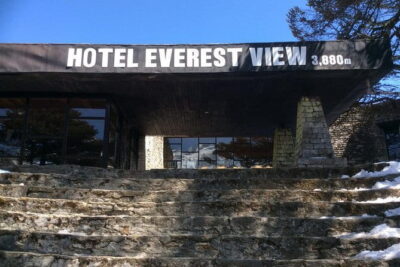
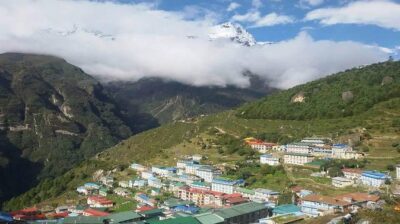
Everest Base Camp Helicopter Tour landing at Everest View Hotel
Read our review →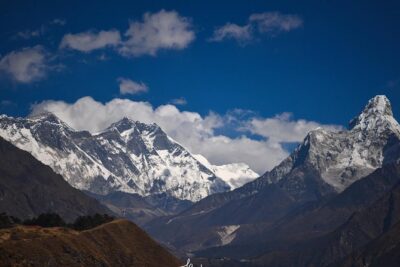
Everest Base Camp Helicopter Tour landing at Hotel Everest View
Read our review →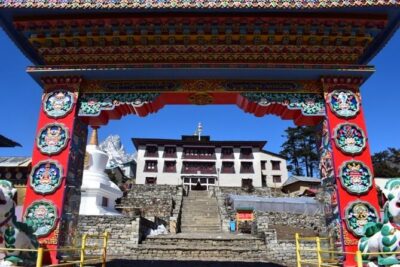
Browse the lists this tour appears in