
Reviewed · EVEREST BASE CAMP TREKS
Everest Base Camp Trek with Island Peak Climbing
Everest Base Camp feels close, until it doesn’t. This trip stands out because you trek in a small group capped at 15 and you get an acclimatization day rhythm built into the route, not just a hope-and-pray plan. It also targets the big dream combo, Everest Base Camp on foot and Island Peak with real mountaineering support.
I also like the way the experience starts in Kathmandu and then hands you steady coaching as the altitude rises. You begin with Kathmandu sightseeing, and Island Peak comes with ice climbing training plus a dedicated climbing Sherpa who guides the summit attempt.
One possible drawback is that this is a serious physical challenge. If you’re not prepared for long mountain days and the altitude grind, the schedule can feel unforgiving.
In This Review
- Key Things That Make This Everest + Island Peak Combo Work
- What You’re Really Signing Up For: Trekking Meets Mountaineering
- Price and Value: What $3,300 Covers (and What It Doesn’t)
- Kathmandu Start: Airport Pick-Up and Sightseeing That Isn’t Just a Checkmark
- Fly to Lukla, Meet the Trail: Phakding and the Dudh Kosi Rhythm
- Namche Bazaar: The Gateway, the Town, and the Acclimatization Plan
- Tengboche and the Monastery Stop: Culture and Cold Air at 3,860 m
- Dingboche and Nangkartshang: Another Acclimatization Day That Saves You
- Lobuche and the Push Toward Everest Base Camp
- Kala Patthar: The Big Summit-Feel Day Without Technical Climbing
- Chukhung and Imja Valley: From Trekking Pace to Climbing Preparation
- Island Peak: Training, Summit Attempt, and the Spare-Day Safety Net
- The Descent Through Tengboche Back to Namche and Lukla
- Staff, Pace, and the Kind of Support That Makes Altitude Easier
- Who This Trek Is Best For (and Who Should Think Twice)
- Should You Book This Everest Base Camp Plus Island Peak Trip?
- FAQ
- How long is the Everest Base Camp trek with Island Peak climbing?
- What is the maximum group size?
- Are airport transfers included?
- Are domestic flights included?
- What kind of accommodation do I get in Kathmandu?
- Are meals included on the trek?
- What permits are included?
- Does the package include climbing equipment and training?
- Is travel insurance included?
- What happens if bad weather cancels the experience?
- What is the cancellation window for a full refund?
Key Things That Make This Everest + Island Peak Combo Work
- Small group size (max 15) keeps the trip more personal and easier to manage on the trail
- Acclimatization days in Namche and Dingboche reduce the odds of rushing your body
- Everest Base Camp plus Kala Patthar gives you the full “closest to Everest” experience
- Island Peak gear and instruction included means you climb with the right setup
- Weather flexibility with a spare day helps when conditions change around the summit window
- Filtered water on the trail (Katadyn Pocket Water Filter) supports day-to-day hydration
What You’re Really Signing Up For: Trekking Meets Mountaineering
This is not just an Everest hike that ends at a viewpoint. You’ll spend days working up through the Khumbu region like a classic Base Camp trek, then shift gears for Island Peak, which adds crampons, ropes, and an early-morning summit effort. If you want the big Everest “I was there” moments and also want to leave with a mountaineering summit, this combo makes sense.
The best part is that the trip feels planned for how your body actually adapts. You’ll see dedicated rest and acclimatization blocks, not only straight-up mileage. That matters because altitude is the real boss here, not the distance.
More Treks in Kathmandu
- Everest Base Camp Trek – 14 Days
★ 5.0 · 1,499 reviews - Everest Base Camp Trek
★ 5.0 · 842 reviews - Everest Base Camp Trekking
★ 5.0 · 485 reviews
Price and Value: What $3,300 Covers (and What It Doesn’t)
At $3,300 per person, you’re paying for a true guided package, not just a route. Your price includes your airport and hotel transfers in Kathmandu, a Kathmandu hotel stay (twin-sharing in a three-star place, with breakfast, for 4 nights only), domestic flights Kathmandu to Lukla and back, plus park permits and TIMS for trekking. On the climbing side, it also includes permits and documents needed for Island Peak.
During the trek, the package covers most of your meals (breakfast, lunch, dinner) and filtered water using a Katadyn Pocket Water Filter. It also includes staff costs, insurance for the staff, trekking and climbing equipment for the group, and porters to carry your luggage (with a porter assignment of one porter per two guests). You also get a duffel/kit bag and a sun hat, which is a small thing until you’re grateful you don’t have to source gear right before you leave.
What you still need to budget for is straightforward. Kathmandu meals beyond what’s included, alcoholic and other drinks, personal trekking equipment, and tips for trekking staff and your driver are not included. And you should treat travel insurance as your responsibility, especially for emergency high-altitude rescue and evacuation, since that’s not part of the package.
Kathmandu Start: Airport Pick-Up and Sightseeing That Isn’t Just a Checkmark
Your trip begins at Tribhuvan International Airport, with an Ace the Himalaya representative meeting you outside the terminal. You’ll get transferred to your hotel in a private tourist vehicle, then you’ll have a pre-trip meeting with your guide.
If you arrive after 4 pm, the pre-trip meeting happens after check-in, and you should come ready with questions. If you arrive earlier, you meet at the office the same day. Either way, this is where you learn who you’re trekking with and how your team will run the days ahead.
One thing I like here is the built-in Kathmandu sightseeing before the trek. That gives you a mental buffer before you’re suddenly living in cold air, trekking snacks, and altitude pacing.
Fly to Lukla, Meet the Trail: Phakding and the Dudh Kosi Rhythm
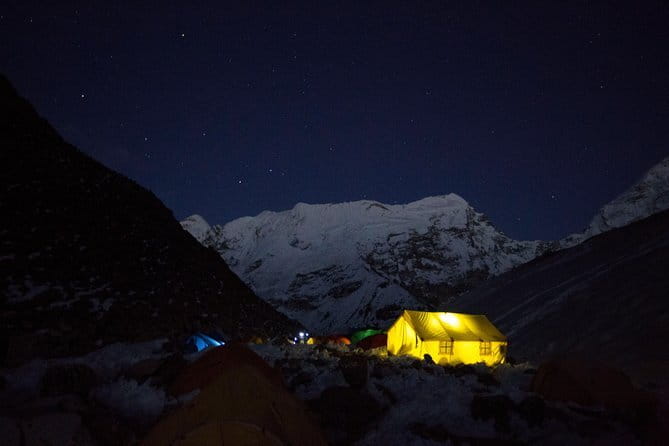
Your first big change happens quickly. After an early start, you fly about 35 minutes from Kathmandu to Lukla, landing at Tenzing and Hillary Airport at 2,804 m. From there, you begin trekking down toward Phakding at around 2,610 m.
Phakding is a classic “get your legs moving” day. You’ll descend toward the Dudh Kosi River, then join the main trail that links onward to Namche Bazaar. The walking is described as easy, which is exactly what you want when you’re just starting to breathe differently at elevation.
A practical note: Lukla days are short on margin. If you’re the type who wants to stay perfectly relaxed, this is the moment to practice it. Your team handles porters and gear, but your job is to keep your own energy steady.
More Everest Base Camp treks:
- Everest Base Camp Helicopter Tour landing at Everest View Hotel
★ 5.0 · 668 reviews - Everest Base Camp Trekking – 13 Day
★ 5.0 · 365 reviews - Everest Base Camp Trek
★ 5.0 · 350 reviews - Everest Base Camp Trek -14 Days
★ 5.0 · 321 reviews
Namche Bazaar: The Gateway, the Town, and the Acclimatization Plan
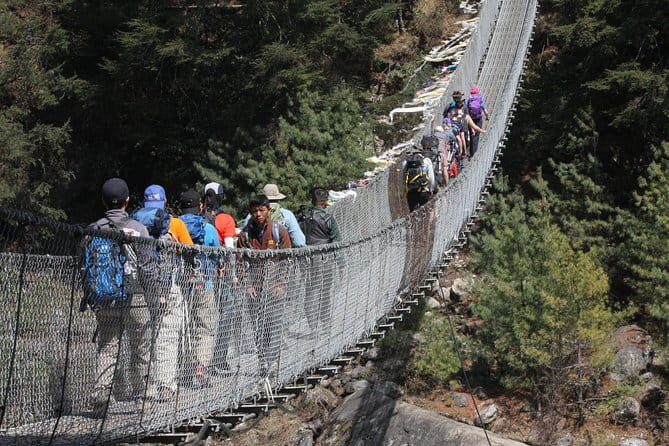
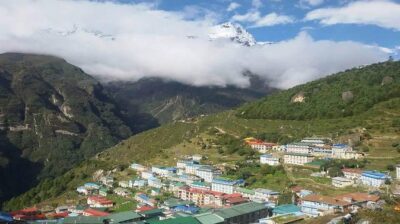
Namche Bazaar at about 3,440 m is often the emotional midpoint of the trek. You’ll arrive after crossing multiple suspension bridges along the Dudh Kosi. The route climbs steeply as you enter Sagamartha National Park, and the “gateway” nickname fits because Namche is where the trail suddenly feels like Everest country.
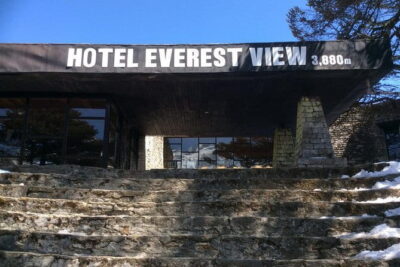
Then you stay. You’ll spend a day in Namche specifically to acclimatize and adjust to thinning air. This isn’t an idle break. You’ll take a hike to Syangboche Airport and Everest View Hotel, then head to a museum that covers traditional Sherpa customs. Even if the museum itself isn’t your main goal, the altitude-aware pacing is.
If you’re thinking, Do I really need this day? The honest answer is yes. Skipping acclimatization is the fastest way to turn a dream trek into a painful slog.
Tengboche and the Monastery Stop: Culture and Cold Air at 3,860 m
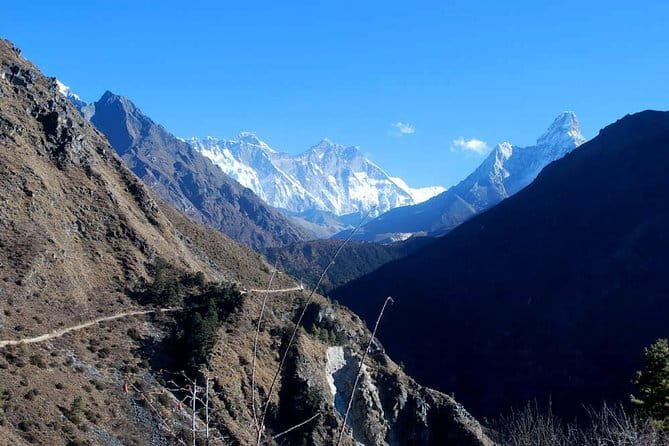
From Namche, the trail continues with views and glacial scenery as you push toward Tengboche at about 3,860 m. This is monastery country, so your day includes a visit to Tengboche Gompa.
What makes this stop special is the sense of place. Inside the monastery, you’ll see ornate wall hangings and a long, iconic Buddha sculpture, and the group can observe a prayer ceremony in the morning or evening depending on how the day goes. That’s one of those cultural moments that feels real, not staged for tourists.
You also get hit with the reality of mountain temperatures here. Even if the sun is bright, evenings can get sharp, so bring whatever helps you stay warm and move carefully on uneven ground.
Dingboche and Nangkartshang: Another Acclimatization Day That Saves You
Dingboche is where you earn the next altitude step. The trail from Tengboche drops through Debuche and crosses the Imja Khola on another suspension bridge, then climbs toward Dingboche with thousands of mani stones along the way. Dingboche is known for impressive views of Lhotse, Island Peak, and Ama Dablam.
Then comes another acclimatization day with no push toward Base Camp. You’ll hike to Nangkartshang peak just above Dingboche for panoramic views, especially of Ama Dablam if weather cooperates. After that, the afternoon is yours for resting or wandering around the village.
This is the pattern that makes the whole trip more survivable. You are not trying to conquer Everest on one day. You’re letting your body catch up to your ambition.
Lobuche and the Push Toward Everest Base Camp
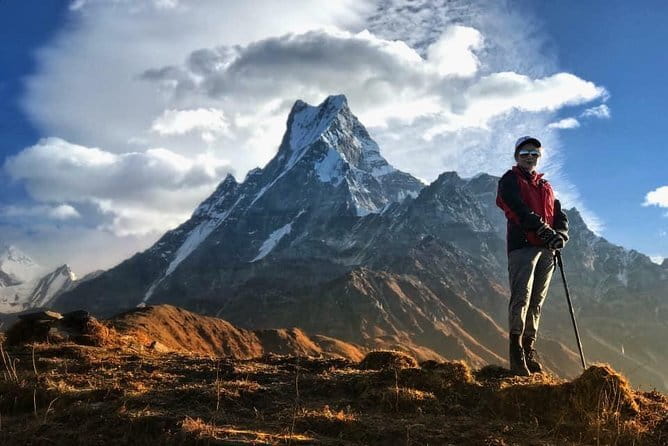
As you climb toward Lobuche, you move along the lateral moraine of the Khumbu Glacier and pass stone memorials for climbers who have died nearby. That kind of stop changes the mood. It reminds you this is a high-risk region, and it’s not all postcard perfection.
You then continue to Lobuche at higher altitude where breathing issues can show up. Some people feel it immediately, others after a long day of walking, but it’s a known altitude pressure point.
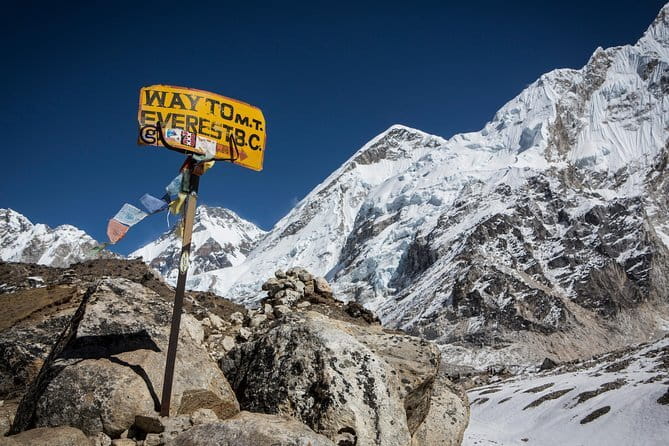
The day to Everest Base Camp is one of the hardest in the whole sequence. You trek along the Khumbu Glacier and up to Base Camp at about 5,365 m, the closest you can get to Everest without mountaineering gear. In spring you may see expedition teams preparing. From Base Camp, you’ll return to Gorak Shep for the night.
Base Camp is crowded with emotion, but also with logistics. You’ll want to keep your energy for walking, even when you’re tempted to stop for every single view.
Kala Patthar: The Big Summit-Feel Day Without Technical Climbing
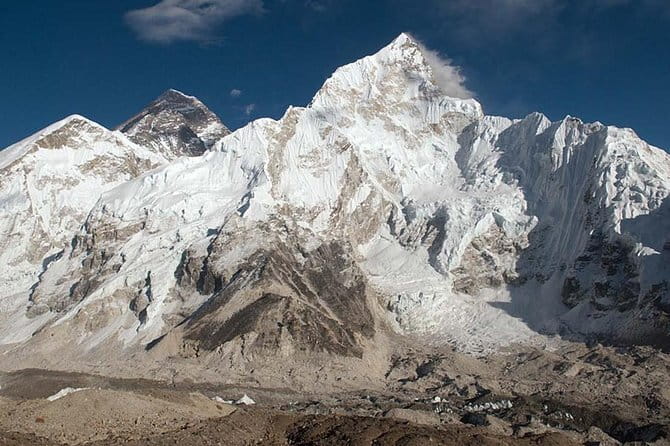
After Gorak Shep, you tackle Kala Pattar at about 5,555 m. This day is described as demanding, and you’ll feel why. You climb through thinner air, and it can be slow going, but the payoff is a mountain panorama that covers Everest and a full ring of giants like Nuptse, Pumori, Chagatse, Lhotse, and more.
The value of Kala Pattar is how it changes perspective. Everest looks close, but you also see how enormous the surrounding peaks really are. It’s the kind of day that makes you understand why people come back again and again.
You’ll descend back to Gorak Shep, get hot breakfast, then trek down to Pheriche. That descent is also a recovery tool, so it helps you transition without feeling wrecked.
Chukhung and Imja Valley: From Trekking Pace to Climbing Preparation
From Pheriche you move toward Chukhung, including an ascent to the Chukhung valley. The trek continues through Dingboche and then up toward Chukhung, where the higher-altitude feel becomes more obvious.
Then you shift deeper into the Imja Valley. You’ll follow the Imja Valley with views of Ama Dablam dominating the skyline, and you’ll move along moraines toward the sand flats at Pareshaya Gyab. You reach Imja Tse and then Base Camp for the Island Peak phase, with tented camp accommodation and meals cooked by a professional camping team.
This section matters because it’s where you stop thinking only like a trekker. You’ll be learning the mechanics of climbing gear and preparing for early starts.
Island Peak: Training, Summit Attempt, and the Spare-Day Safety Net
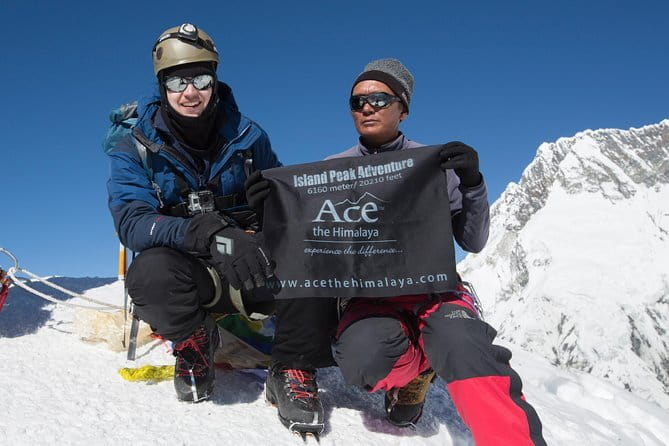
Island Peak climbing includes real support. Before the final summit attempt, you’ll get ice climbing training so you can use gear like ropes, ice pick, harness, crampons, and other climbing items. You’re also guided by a climbing Sherpa who decides the summit strategy based on your acclimatization and conditions.
Your final climb starts very early, and the summit effort may take 4 to 6 hours. The route isn’t described as technically difficult, but it’s still serious. You’ll be dealing with snow slopes that have crevasses, a reasonably steep headwall, and the kind of terrain where fear of heights can become the hardest part.
Then you get something most people will appreciate: a spare day. Day 14 functions as a weather buffer. If conditions on the planned climbing day are poor, you may attempt the summit on the spare day. If not, you use that day for trekking and rest, since flights from Lukla are pre-booked.
This is a smart design because mountains run on their own schedule. You don’t want your entire trip to hinge on one perfect weather window.
The Descent Through Tengboche Back to Namche and Lukla
After the climbing section, your route turns back down through familiar territory. You’ll pass through towns like Dingboche, Orsho, Shomare, and Lower Pangboche, cross the suspension bridge over the Imja Khola River, then ascend gradually through Debuche to Tengboche. It feels like you’re retracing steps, but you also get the relief that the hardest altitude work is behind you.
From Tengboche you descend through forests of juniper, rhododendron, and fir toward Phunki Tenga, cross the Dudh Kosi River, then climb to Trashinga. You’ll contour high above the valley to Shanasa, with an option to visit Kunde and Khumjung villages before returning to Namche Bazaar for the night.
The final trekking day brings you back to Lukla. You’ll have time in the afternoon to relax, wander, and enjoy a hot shower, then celebrate in the evening with your trekmates.
The walk back to Lukla is where you realize you don’t just visit Everest country. You finish it as a team.
Staff, Pace, and the Kind of Support That Makes Altitude Easier
This operation puts a lot of weight on having the right people with you. You’ll have a local Ace the Himalaya licensed English-speaking trekking guide, plus a climbing Sherpa for Island Peak. Porters handle your luggage, with a ratio of one porter per two guests, so you can focus on your own breathing and footing.
The human touch comes through in the way guides coach altitude awareness and keep you informed on what’s next. In past groups, guides such as Sandip and Deepak have been praised for checking in constantly and explaining the mountains and culture along the way. Guides like Ram have also been noted for patient guidance and tight attention to safety details. Climbing Sherpa support has included people named Pemba Sherpa, and porter support has included individuals like Bikas and Sher Bahadur.
Is the pace slow? It’s designed to be manageable. The days are still long, but they include the key ingredients: acclimatization, gear support, and clear leadership when conditions shift.
Who This Trek Is Best For (and Who Should Think Twice)
This fits best for active travelers who want a real challenge and don’t mind being uncomfortable some days. You should have a strong physical fitness level, because this route includes high altitude, steep sections, and a summit effort on Island Peak.
If you want a gentler hike, skip the climbing goal. But if you want an earned summit plus the Everest Base Camp experience, this is built for that.
One more thing to be honest about: your success will depend on weather. The spare day around Island Peak helps, and the team adjusts based on conditions, but no one controls cloud cover and snow.
Should You Book This Everest Base Camp Plus Island Peak Trip?
If you want a guided, small-group experience that takes acclimatization seriously, you’ll likely feel good about booking. The package is strong on value because it includes domestic flights, permits, most meals, filtered water support, and the technical part of Island Peak gear and training.
But book only if you’re ready for altitude work and early mornings. This isn’t a casual holiday. It’s a focused adventure with a lot of moving parts, and that’s exactly why you want professionals running the logistics.
FAQ
How long is the Everest Base Camp trek with Island Peak climbing?
It runs for about 19 days.
What is the maximum group size?
The tour has a maximum of 15 travelers.
Are airport transfers included?
Yes. There is airport pickup and drop-off in Kathmandu by private tourist vehicle.
Are domestic flights included?
Yes. Airfare from Kathmandu to Lukla and back to Kathmandu is included.
What kind of accommodation do I get in Kathmandu?
You get twin-sharing accommodation in a three-star hotel in Kathmandu for 4 nights, including breakfast.
Are meals included on the trek?
Yes. Standard meals during the trek are included, and there is also tented camp accommodation and meals during the 1/2-nights stay at Island Peak Base Camp.
What permits are included?
You get Everest National Park permits and a TIMS permit for trekking, plus all permits and documents needed for climbing Island Peak.
Does the package include climbing equipment and training?
Yes. Group climbing equipment is included, and you also receive ice climbing training. A climbing Sherpa guides the summit of Island Peak.
Is travel insurance included?
No. Travel insurance that covers emergency high-altitude rescue and evacuation is not included.
What happens if bad weather cancels the experience?
If the experience is canceled due to poor weather, you’ll be offered a different date or a full refund.
What is the cancellation window for a full refund?
You can cancel up to 24 hours in advance for a full refund. If you cancel less than 24 hours before the start time, the amount you paid is not refunded.
More climbing peaks in Kathmandu
- Mera Peak Climbing
★ 5.0 · 33 reviews - Island Peak Adventure
★ 5.0 · 15 reviews - Mera Peak Climbing
★ 5.0 · 8 reviews - Mera Peak Expedition – 20 Days
★ 5.0 · 7 reviews
Latest additions near Kathmandu
- White Water River Rafting – 1 Day★ 4.3 · 3 reviews
- Traditional Momo Making Class★ 5.0 · 10 reviews
- Kathmandu to Pokhara Premium sofa bus ticket★ 4.0 · 17 reviews
- Ghorepani Poon Hill Trek★ 5.0 · 16 reviews
- Amazing 1 Day Trekking Experience in Kathmandu Nepal★ 5.0 · 24 reviews
- Ghorepani Poonhill Trek★ 5.0 · 5 reviews
- Walking tour of real Kathmandu through back streets.★ 5.0 · 3 reviews
- Wildlife Adventure in Chitwan Nepal★ 4.0 · 4 reviews
Everest Base Camp Treks, compared.
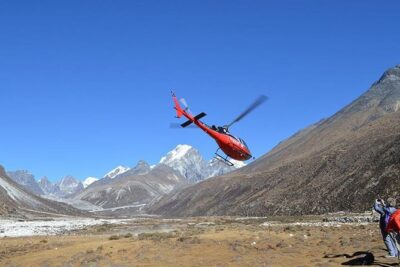
Everest Base Camp Helicopter Tour landing at Everest View Hotel
Read our review →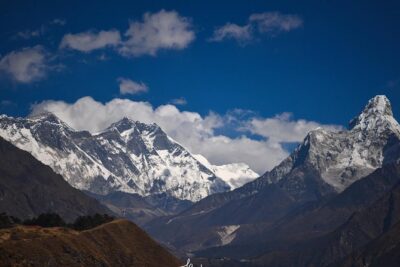
Everest Base Camp Helicopter Tour landing at Hotel Everest View
Read our review →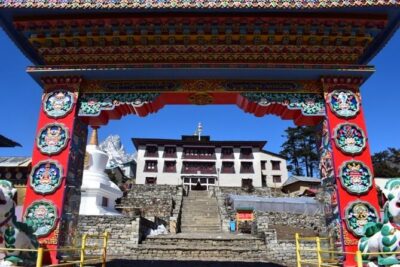
Browse the lists this tour appears in