
Reviewed · PEAK CLIMBING
Island Peak Adventure
Island Peak turns training into a real summit. This 17-day Khumbu adventure strings together Kathmandu culture, the Lukla trail, and a 6,187m climb with climbing Sherpa coaching.
I love the smart pacing that builds altitude confidence, especially the acclimatization stops in Namche and later around Dingboche and Chukhung. I also love the way logistics feel handled, from the licensed English-speaking trekking guide to the porter support (1 porter for every two clients).
One consideration: this is still a real altitude challenge, and you are dependent on weather for the summit and for Lukla flights.
In This Review
- Key things to look forward to
- Island Peak’s big payoff: Everest views without needing Everest
- Kathmandu culture days that also help you reset
- Lukla arrival and the first trek days, where your legs learn the rhythm
- Acclimatization in Namche and Tengboche, the part that makes summit day feel possible
- Dingboche and Chukhung, climbing higher while your breathing adjusts
- Base camp staging at Imja Tse, where you get time to get ready
- Summit day on Island Peak, the technical climb and the long return
- Coming down through Tengboche and Namche, closing the loop with culture
- Kathmandu again: your spare day and a farewell that feels earned
- Price and value, what $2,240 is actually buying
- Guides, teamwork, and the small details that make it feel stress-free
- Who should book this Island Peak adventure, and who should think twice
- Should you book Ace the Himalaya for Island Peak?
- FAQ
- Where does the trip start and what time?
- How long is the Island Peak trip?
- What flights are included?
- What lodging and meals are included?
- What climbing support and gear are provided?
- Is travel insurance included?
- What is the cancellation refund rule?
Key things to look forward to
- Sherpa-led climbing training before the summit day, so you are not walking into the unknown on day one
- A staged acclimatization plan, with time at Namche, Tengboche, Dingboche, and Chukhung
- Small group size (up to 15), which helps keep the experience organized on a busy trail
- Island Peak technical route, including glacier and crevasse terrain once you reach the right line
- Comfort where it counts, with a Kathmandu hotel base, guesthouses on the trek, and tented camp for the summit build-up
- Guides and staff with a calm, supportive style, highlighted by guides like Madan and Raj in past groups
Island Peak’s big payoff: Everest views without needing Everest
Island Peak is one of the most popular climbing peaks in Nepal, which means two things. First, the infrastructure of the Khumbu is right there for you, from trails to villages to familiar staging camps. Second, you should expect a busy feel on the approach and summit day, since you are not the only group chasing the view.
Here’s what makes it so satisfying for both amateurs and more serious climbers: you get a true glacier-and-rope style summit attempt without the full commitment of Everest logistics. You train, you acclimatize, and then you climb high enough to feel the altitude in your bones. If you care about big panoramas, the rewards are exactly what the Khumbu is famous for: Lhotse, Nuptse, Ama Dablam, and Makalu are the kind of names you do not just read about, you watch them stack up in the distance.
More climbing peaks in Kathmandu:
- Mera Peak Climbing
★ 5.0 · 33 reviews - Everest Base Camp Trek with Island Peak Climbing
★ 5.0 · 14 reviews - Mera Peak Climbing
★ 5.0 · 8 reviews
Kathmandu culture days that also help you reset
Your trip starts in Kathmandu with airport pickup and a private vehicle transfer to your hotel. Day 2 is a concentrated cultural sweep that also helps you get out of airport mode fast. You’ll visit Pashupatinath Temple, Boudhanath Stupa, and Bhaktapur Durbar Square.
At Pashupatinath, you cannot go inside the temple because it is strictly for Hindus, but you can see the pagoda-style structure and the riverbank activity clearly from the eastern bank. That matters because it keeps the experience respectful and realistic: you get the views and the atmosphere without pretending you have access you do not.
Then you shift to Buddhism at Boudhanath, with its famous eyes facing the cardinal directions and prayer wheels that pilgrims spin. Bhaktapur Durbar Square adds historic architecture, including the five-storied Nyatapola temple and the Palace of 55 windows. If you like travel that blends spirituality and stonework details, Kathmandu here does it in a compact, doable way.
Lukla arrival and the first trek days, where your legs learn the rhythm
The big transition is flying from Kathmandu to Lukla (about 35 minutes). From Lukla, you start trekking right away, beginning with an easy on-ramp toward Phakding. This part is short on distance, but long on effort, because you are still getting used to the altitude.
Phakding sits around 2,610m and gives you a gentle taste of the classic Khumbu trail. You descend toward the Dudh Kosi River and connect to the main route headed toward Namche. The walking is described as easy, and that is a good thing, because day three is where most people want to feel confident rather than defeated.
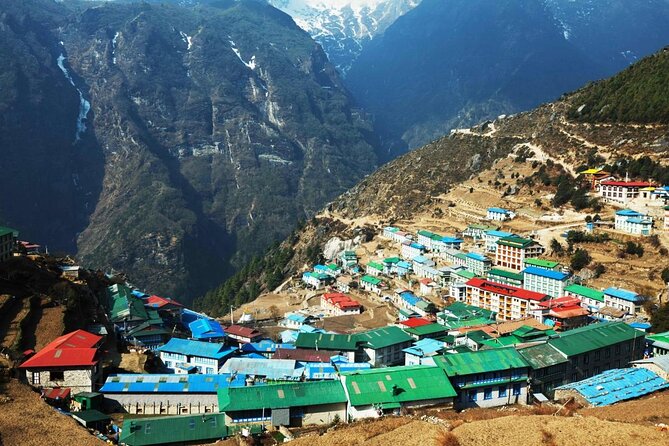
Then comes the Namche leg, a step up in both altitude and effort. The trail runs along the Dudh Kosi with multiple suspension bridges strung over the river, many decorated with prayer flags. You also enter Sagarmatha National Park, and from there the climb gets steeper until you reach Namche Bazaar at about 3,441m, the Gateway to Everest.
Namche Bazaar itself is useful, not just scenic. It is one of the biggest stops on the Everest trail, with restaurants, lodges, shops, money exchange, and internet access. That means if you want to check in with home, buy small items, or simply sit with hot tea and people-watch, you can do it.
Acclimatization in Namche and Tengboche, the part that makes summit day feel possible
One full day is spent in Namche to adjust to altitude. You walk to a museum focused on Sherpa traditions, then hike up toward Syangboche Airport near Everest View Hotel. From that high point you get rewarding Himalayan views, often at sunrise and sunset, which is exactly when the light makes mountains look sharper and closer.
If you tend to rush, this is where the trip quietly trains you not to. Acclimatization is not wasted time here. It is what lowers your risk of feeling wrecked later, especially when you move higher for Island Peak.
Next, you trek to Tengboche, around 3,860m, and this is one of the most atmospheric stops on the route. The Tengboche monastery is known for ornate interior details like wall hangings and a very large Buddha sculpture. You may also attend a prayer ceremony in the morning or evening depending on how the trek day lines up. That blend of effort and culture is part of the Khumbu magic, and it keeps the walking days from feeling like one long grind.
Another way to spend the time in Nepal:
- Everest Base Camp Trek – 14 Days
★ 5.0 · 1,499 reviews - Everest Base Camp Trek
★ 5.0 · 842 reviews - Private Kathmandu Sightseeing Tour | UNESCO World Heritage sites
★ 5.0 · 756 reviews - Kathmandu: 7 UNESCO Sites with Lunch
★ 4.8 · 744 reviews
Dingboche and Chukhung, climbing higher while your breathing adjusts
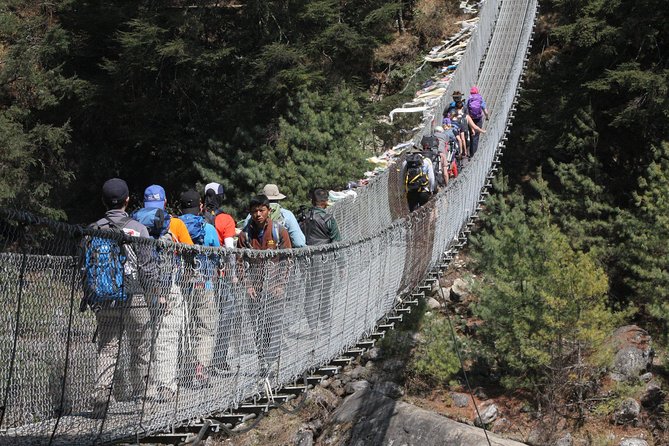
From Tengboche, the route continues toward Dingboche. You pass through Debuche, cross the Imja Khola by suspension bridge, and then climb to Pangboche, with thousands of mani stones along the way. Mani stones are small, but they add a sense of rhythm to the trail, like you are walking through layers of tradition rather than just moving through altitude.
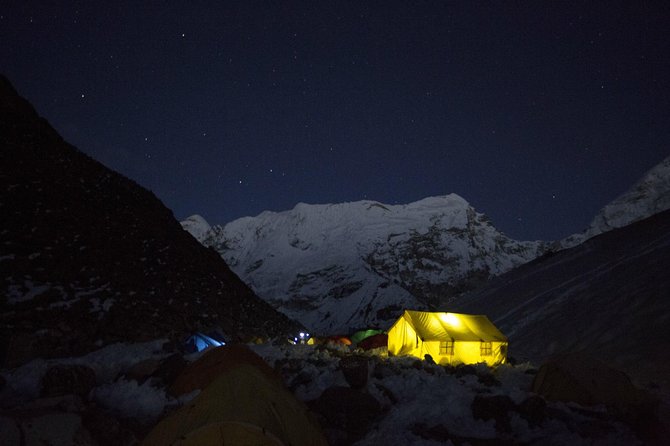
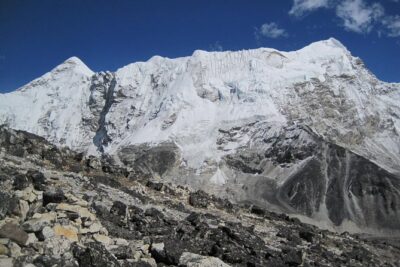
You reach Dingboche after an uphill day, and the views are a major highlight here. Lhotse, Island Peak, and Ama Dablam are visible in the area, which makes the summit goal feel less abstract. Instead of Island Peak being a single point on a map, you start seeing it as part of the bigger mountain wall you are about to work your way through.
Then you push to Chukhung, a shorter four-hour walk that exists for altitude reasons. This is not just about covering distance. It is about setting up your body for the climb. The guide gives key information about what Island Peak requires next, and that matters because summit day is technical. Even if you are fit, you still need the right movement skills and patience.
Base camp staging at Imja Tse, where you get time to get ready
From Chukhung, you trek to Island Peak base camp, Imja Tse. From this point you shift into tented camps for the next two days. Food is prepared by a professional chef, and that is a real value factor here. High-altitude days go better when your meals are consistent and not a struggle.
You then spend a day adjusting at base camp. The walking is short and focused, intended to get you ready for the high point ahead, which is why the plan includes a brief trek around the base camp area. Think of this as a rehearsal. You are practicing routine, watching how your body responds, and keeping energy available for the next morning.
If the summit is canceled due to poor weather, you still want your system to be in a good place. This staging time is what makes that easier.
Summit day on Island Peak, the technical climb and the long return
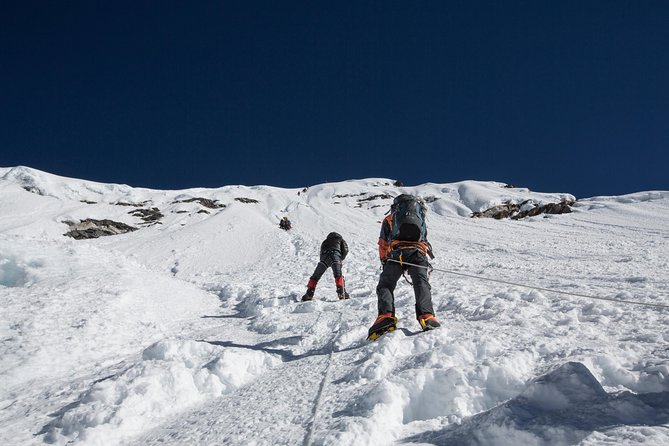
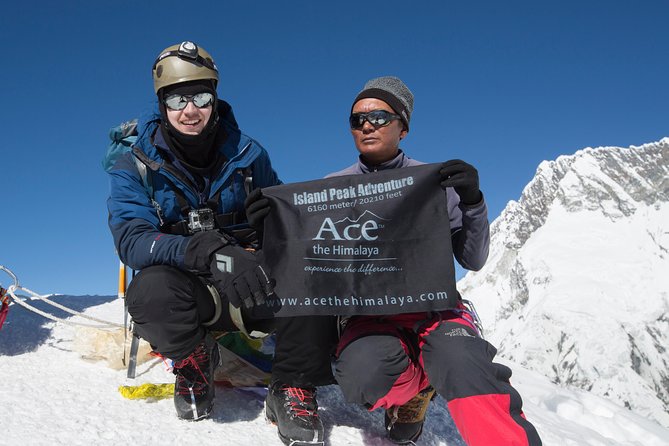
Weather permitting, you start early for the main adventure day. Island Peak rises to about 6,187m, and the climb has distinct sections.
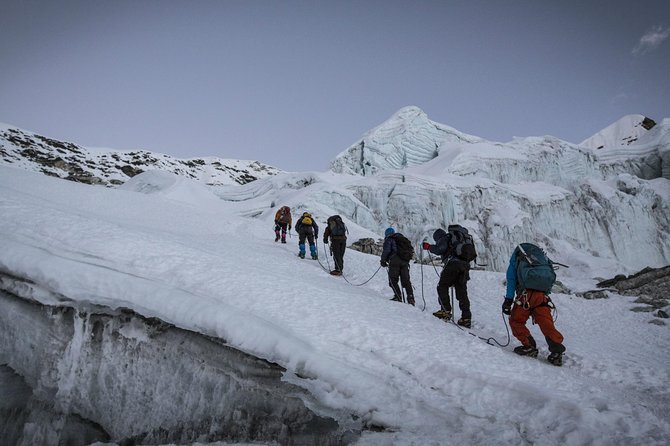
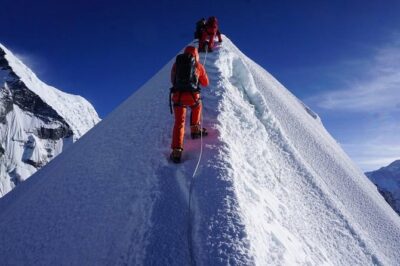
After Camp 1, you ascend through a gully and then traverse to the right. From there you work up a wide stone field, and eventually you reach the glacier and crevasse zone. That is the moment many people remember most, because snow and ice travel feels different from trekking. You are not just hiking anymore. You are moving with climbing technique, with ropes and tools in play.
Once you make it to the top, you go back down the same day to Chhukung. That one-day up-and-down is part of why Island Peak is such a popular peak for ambitious first-time summit attempts. You get the accomplishment without turning the trip into a multi-day siege.
Also, Island Peak being busy can be a double-edged sword. You might share space with other groups on the approach, but the trail and routines tend to be established, which helps keep things orderly. If you handle crowds well, you will likely find this flow reassuring rather than stressful.
Coming down through Tengboche and Namche, closing the loop with culture
After the summit, the route back follows the same big corridors you used to climb up. You trek from base camp area back toward Tengboche, passing through Dingboche, Pangboche, and Diboche. The day is described as about six hours, which tells you the descent is serious but not drawn out.
Then you continue down to Namche Bazaar. This is a five-hour walking day, and you arrive in the afternoon with time for a relaxed evening meal with fellow climbers. That hangout time is more than social. It is where you let your body shift from climb mode to recovery mode.
Next is the final trek day down to Lukla, about five hours. You then fly back to Kathmandu for a final hotel transfer and the chance to process the whole experience while your legs still feel that special kind of sore.
Kathmandu again: your spare day and a farewell that feels earned
On the way back, you get the scenic Lukla flight to Kathmandu (about 35 minutes). That last look at the mountains is often emotional, because the summit is real in your mind now, not just a goal.
Day 16 is set up as a spare day if the Lukla schedule gets hit by bad weather. You can keep your day open for extra activities, including a Chitwan Jungle Safari option, river rafting, Kathmandu shopping, or a scenic Everest flight. Even if you do none of those, the value is that you are not forced into a rushed plan after your trekking effort.
That evening ends with a farewell dinner in a traditional Nepalese restaurant with cultural performances. It is a nice close, because it respects the fact that climbing is only half the story. The other half is the people and the rituals you share along the way.
Price and value, what $2,240 is actually buying
At $2,240 per person, this trip sits in the mid-to-upper range for a 6,000m-class climbing peak experience. The key value is that you are paying for far more than a guide and a dream.
Included items you should care about:
- Kathmandu-Lukla-Kathmandu airfare, which is a big cost and a big logistics win
- A licensed English-speaking trekking guide, plus a climbing sherpa for Island Peak
- Permits for trekking and the Island Peak climbing permit
- Group climbing gear like climbing rope, ice screws, snow bar, and ice hammer, plus kitchen and tent setup
- Down jacket and sleeping bag for the trek (returned afterward)
- Lodging: three-star Kathmandu hotel (four nights), guesthouses for ten nights, and two nights in tented camps
- Meals: breakfast 16 times, lunch 12 times, dinner 13 times
- A porter for every two clients, which makes daily carrying feel manageable
What is not included:
- Travel insurance covering emergency high-altitude rescue and evacuation (this matters a lot at elevations like this)
- International airfare and Nepal entry visa
- Alcoholic and soft drinks
- Personal trekking equipment
- Tips for trekking staff and driver (tipping is expected)
So here’s the honest way to think about value: you are not just paying for the summit. You are paying for infrastructure, permits, food, lodging, and technical support that reduces chaos. If you try to DIY any part of that, it often costs you time, risk, and stress.
Guides, teamwork, and the small details that make it feel stress-free
From the way previous groups describe the experience, the most praised aspect is how well the team keeps everything moving. People highlight a stress-free expedition feel, with staff that act like a system rather than a collection of individuals.
Guide names that come up strongly include Madan, Raj, Ganesh, and Mil (as mentioned in one group). Porters mentioned include Hira and Krishna. One climbing sherpa, Pemaba Sherpa, is specifically praised for guiding someone through their first 6k summit successfully. These are not random compliments. They point to practical strengths you want on a route like Island Peak: clear check-ins, calm explanations, and real support with both technique and morale.
Even if you do not get the exact same guide team, the style is the point. You should expect daily communication, practical instruction, and enough humor to keep nerves from taking over. On summit day, that kind of steadiness matters as much as equipment.
Who should book this Island Peak adventure, and who should think twice
This tour makes sense if you want a major summit experience with structured acclimatization and real climbing support. It is also a good fit if you like a combo trip, where you get Kathmandu culture before you go high, and Sherpa village life after you come back down.
It is best for people with strong physical fitness, since you are trekking multiple days at altitude and then doing a technical ascent. Also, you should be comfortable with the fact that the summit is weather dependent. If you are the type who panics when plans shift, you might feel frustrated, since Lukla flights and mountain weather can change schedules.
The good news is the trip is designed with that reality in mind, including an extra Kathmandu day if Lukla gets derailed.
Should you book Ace the Himalaya for Island Peak?
If you want a reputable, guided path to a serious 6,000m-class summit, this looks like a solid choice. The standout value is the mix of technical climbing support, staged altitude adjustment, and the fact that a lot of key costs are included, especially the Kathmandu-Lukla airfare, permits, gear, and meals.
I would book if:
- you want Island Peak without turning it into a logistics project
- you like clear organization and strong guide support
- you are excited by big panoramic views and willing to put in the trekking work first
I would think twice if:
- you do not have strong fitness for altitude travel
- you cannot handle weather changes affecting summit timing or flight schedules
- you are not ready to budget for insurance that covers emergency evacuation at altitude
FAQ
Where does the trip start and what time?
The trip starts at Tribhuvan International Airport in Kathmandu. Start time is 8:00 am, and an airport representative handles the transfer.
How long is the Island Peak trip?
It runs for about 17 days.
What flights are included?
Kathmandu to Lukla and Lukla back to Kathmandu airfare is included.
What lodging and meals are included?
You get a twin-share or double room in a three-star hotel in Kathmandu for four nights. On the trek you stay in guesthouses for ten nights and in tented camps for two nights. Meals include breakfast 16 times, lunch 12 times, and dinner 13 times.
What climbing support and gear are provided?
You travel with a licensed English-speaking trekking guide and a climbing sherpa for Island Peak. Group climbing gear is provided, and you also get a down jacket and sleeping bag for the trek (to be returned). There is also 1 porter for every two clients.
Is travel insurance included?
No. Travel insurance is not included, and you should have coverage for emergency high-altitude rescue and evacuation.
What is the cancellation refund rule?
You can cancel up to 6 days in advance for a full refund. If you cancel 2 to 6 days before the start time, you receive a 50% refund. If you cancel less than 2 days before the start time, the amount paid is not refunded. If poor weather cancels the experience, you are offered a different date or a full refund.
Latest additions near Kathmandu
- White Water River Rafting – 1 Day★ 4.3 · 3 reviews
- Traditional Momo Making Class★ 5.0 · 10 reviews
- Kathmandu to Pokhara Premium sofa bus ticket★ 4.0 · 17 reviews
- Ghorepani Poon Hill Trek★ 5.0 · 16 reviews
- Amazing 1 Day Trekking Experience in Kathmandu Nepal★ 5.0 · 24 reviews
- Ghorepani Poonhill Trek★ 5.0 · 5 reviews
- Walking tour of real Kathmandu through back streets.★ 5.0 · 3 reviews
- Wildlife Adventure in Chitwan Nepal★ 4.0 · 4 reviews
Peak Climbing, compared.
Everest Base Camp Trek with Island Peak Climbing
Read our review →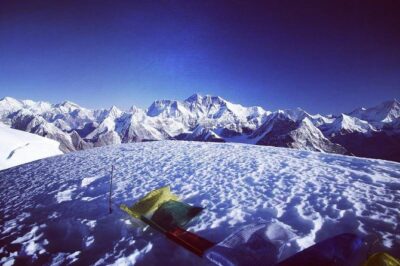
Browse the lists this tour appears in