
Reviewed · PEAK CLIMBING
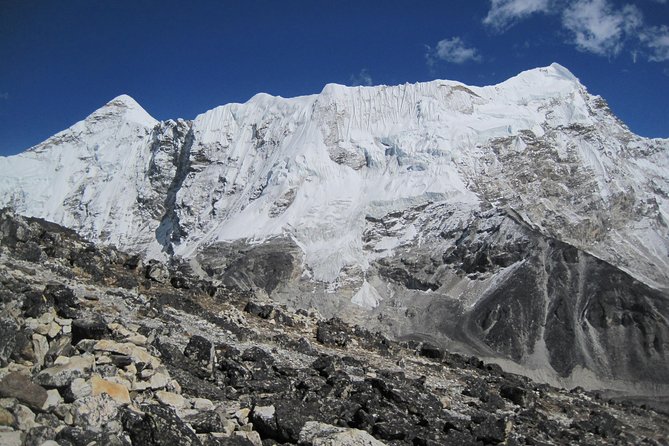
Island Peak Climbing ( 6,189M )
Island Peak turns an EBC trek serious. This climb works as a smart add-on while you are already deep in the Everest region, so you get the big myth stuff first, then the higher-stakes mountain work. I like that it is structured as a private experience starting early, with a clear start time of 7:15 am and a start-from-Lukla trek plan.
Everest Base Camp plus an Island Peak summit is a rare combo at this price tier, because you are paying for one coordinated plan instead of stitching separate trips together.
Two big things I like: first, the pace logic. You trek up from Lukla to Everest Base Camp and Kala Patthar, then you work your way back down toward Chhukung Ri before committing to Island Peak. That order matters for altitude management. Second, there is a dedicated one-day practice at Island Peak base camp before the actual summit day, which helps you treat the climb like training, not guesswork.
A possible consideration: this is not an easy “walk-up.” The tour asks for strong physical fitness, and you are stacking long trekking days with a real peak objective.
In This Review
- Key points at a glance
- Why Island Peak fits so well after an Everest Base Camp trek
- Getting started: Kathmandu to the trekking rhythm, with clear daily timing
- Lukla to Everest Base Camp: the trek day that changes your mindset
- Kala Patthar viewpoints: why that extra effort is worth it
- Back down to Chhukung Ri: the smart pivot before Island Peak
- Island Peak base camp practice day: how to treat it as training
- Summit day mindset: what success usually depends on
- Who you are traveling with: the value of a capable guiding team
- Price and value: what $2,256.42 covers and what you should budget for
- Meals, recovery, and keeping your energy steady on long mountain days
- Fitness and weather reality: who should book, and who should think twice
- Should you book Island Peak climbing with Hiking Adventure Treks?
- FAQ
- Where does the Island Peak climbing start?
- What is the total duration of this experience?
- How much does the tour cost?
- What time does the tour start?
- Is this a private tour?
- What does the tour include?
- What is not included in the tour price?
- Is there a practice day before the summit?
- What is the cancellation policy?
Key points at a glance
- Private group setup: only your group participates, so you are not sharing pace with strangers.
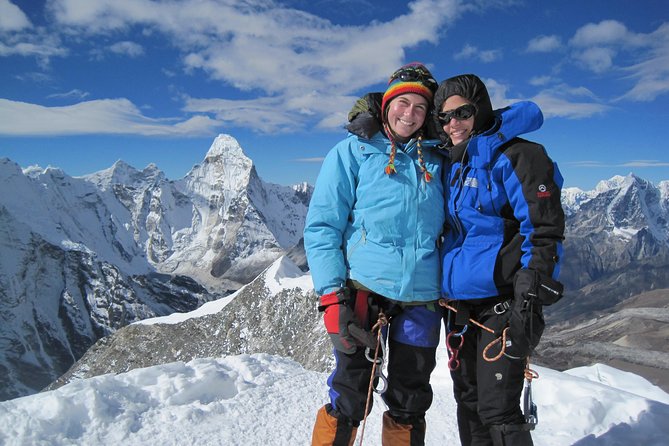
- EBC classics, then higher stakes: Everest Base Camp and Kala Patthar first, then Chhukung Ri and Island Peak.
- Practice day at Island Peak base camp: helps you sharpen movement and acclimatize in the right place.
- Early start: meeting time is 7:15 am, which usually means smoother logistics and less waiting.
- Meals included: breakfast, lunch, and dinner are covered, with alcoholic drinks not included.
Why Island Peak fits so well after an Everest Base Camp trek
Island Peak is one of those goals that sounds simple until you are actually dealing with altitude, weather, and your own energy levels. The nice part here is that the climb is built into an Everest Base Camp style trek, so your body gets gradual exposure to height over multiple days before the summit push.
You also get to enjoy the classic Everest region highlights in the proper order. The trek plan takes you from Lukla toward Everest Base Camp, and then you return down from the big viewpoints. That matters because your summit day is only as good as the days leading into it. You are not jumping straight from sea-level comfort into a technical mountain day.
The other big win is timing and motivation. When you reach Everest Base Camp and then go for Kala Patthar, you are already in the mindset of altitude. Chasing views and then transitioning into a peak objective keeps the trip feeling like one continuous story, not a disconnected grab-bag of activities.
More climbing peaks in Kathmandu:
- Mera Peak Climbing
★ 5.0 · 33 reviews - Island Peak Adventure
★ 5.0 · 15 reviews - Everest Base Camp Trek with Island Peak Climbing
★ 5.0 · 14 reviews
Getting started: Kathmandu to the trekking rhythm, with clear daily timing
This experience is based out of Kathmandu, Nepal, and the provider offers pickup. You are also told you will receive confirmation at booking time, which helps reduce the usual pre-trip stress. The tour is also listed as private, so your group will move together rather than blending into a mixed crowd.
Start time is 7:15 am. That is a small detail, but it is a big deal in the mountains. Early starts usually mean cooler temperatures for hiking, less chance of afternoon weather, and more predictable day flow. It also helps you stay on schedule for acclimatization and any summit windows.
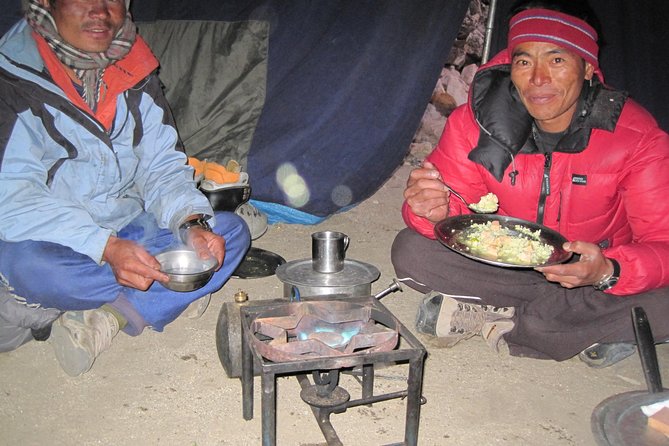
You should think of the 16 days as a rhythm. You will be hiking for long stretches, eating and sleeping well enough to recover, and then repeating the pattern with slightly higher stakes. The plan includes breakfast, lunch, and dinner, which is one less variable you have to worry about in Nepal. I still suggest you budget for your own snacks and any personal items not listed, because the “included” meals are the only clearly defined food coverage.
Lukla to Everest Base Camp: the trek day that changes your mindset
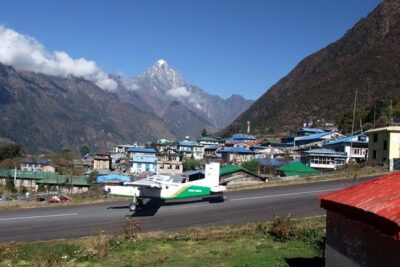
Your route begins with trekking from Lukla, then moves toward Everest Base Camp. That section is the heart of the experience for a lot of people, because it is where you see how Everest region trekking actually feels. It is steady work, not a stroll. You spend time climbing through changing air and scenery, with your body learning the new normal.
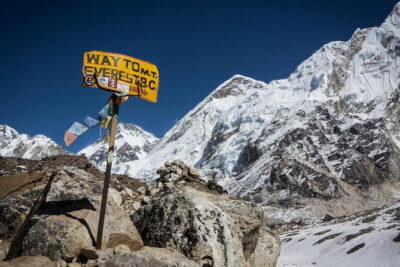
Everest Base Camp also has a psychological effect. Even if you have seen photos before, being there in person makes everything more real. It is one of those places where you start measuring time differently, because you are surrounded by people chasing the same dream and your own pace becomes the focus.
One thing to keep in mind: altitude is cumulative. Even though the trek part is not the technical part of the trip, it still demands effort. That is why the tour emphasizes strong physical fitness. If you come in undertrained, the trek part will steal energy that you later need for the peak.
Kala Patthar viewpoints: why that extra effort is worth it
Kala Patthar is included in the plan, as a return-trip highlight connected to the Everest Base Camp segment. In plain terms, it is there to reward you. You are reaching for a big view, and that typically means early hiking efforts and a willingness to push through discomfort.
What I like about pairing Everest Base Camp with Kala Patthar is that it gives you a fuller “Everest day” rather than a single checkbox. You get the destination feeling at base camp, then you follow with a viewpoint day that is about perspective. That kind of sequencing keeps the trek meaningful even on harder days.
From a practical standpoint, viewpoints like Kala Patthar also teach you how you handle cold, wind, and slower movement. Those lessons help when you later go toward Island Peak, where the weather can turn quickly and your energy needs to be managed.
Another way to spend the time in Nepal:
- Everest Base Camp Trek – 14 Days
★ 5.0 · 1,499 reviews - Everest Base Camp Trek
★ 5.0 · 842 reviews - Private Kathmandu Sightseeing Tour | UNESCO World Heritage sites
★ 5.0 · 756 reviews - Kathmandu: 7 UNESCO Sites with Lunch
★ 4.8 · 744 reviews
Back down to Chhukung Ri: the smart pivot before Island Peak
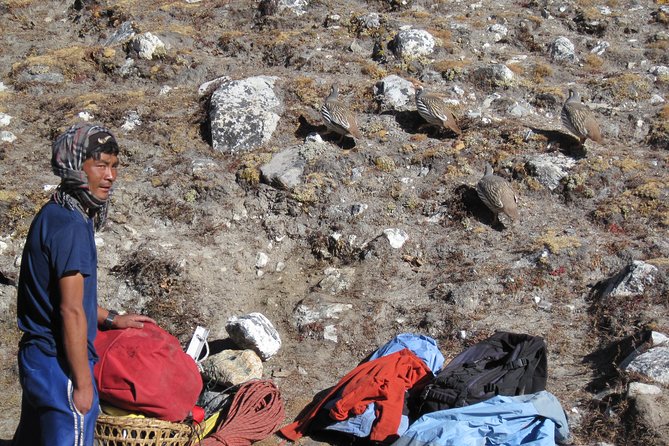
After Everest Base Camp and Kala Patthar, the plan brings you back down to climb Chhukung Ri. That “back down then up again” pattern is one of the reasons this setup works. Instead of treating Island Peak as a totally separate quest, Chhukung Ri acts like a bridge climb that fits the same altitude world.
You should view Chhukung Ri as both a reward and a rehearsal. It is a chance to get more mountain views while your body is already in trekking mode. It also helps you practice being patient on steep sections and managing breathing when the air feels thinner than the day before.
The drawback is that “rehearsal” still costs energy. After a big base camp day and a viewpoint push, you still have to keep moving and recover well. That is why the tour’s overall structure, with recovery time through the middle days and then a practice day at Island Peak base camp later, makes sense.
Island Peak base camp practice day: how to treat it as training
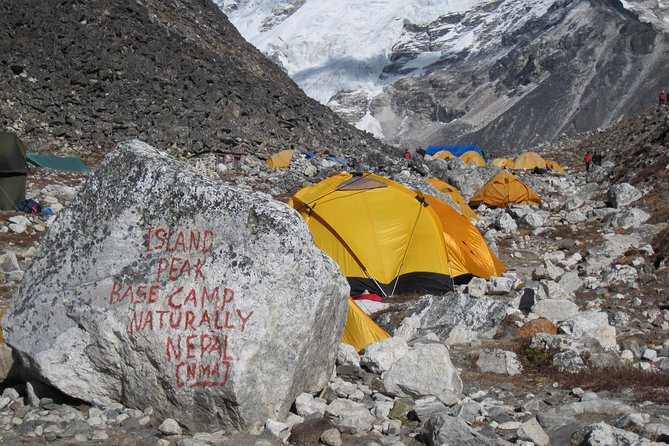
A key part of this climb plan is a one-day practice at Island Peak base camp, followed by the summit. That practice day is not just a formality. It is the bridge between trekking and peak movement, and it gives you a chance to get comfortable with the feel of the climb while you are already at the right altitude.
You will likely spend time learning how to move efficiently, how to stay balanced on uneven terrain, and how to conserve energy. Even if you have climbed before, altitude changes your “normal.” The practice day helps you adapt to that reality before the actual summit attempt.
What I would do if I were you: treat the practice day like your main job. Eat well, sleep as best you can, and don’t turn it into a sightseeing day. Your goal is to arrive for the summit day with clear focus.
Summit day mindset: what success usually depends on
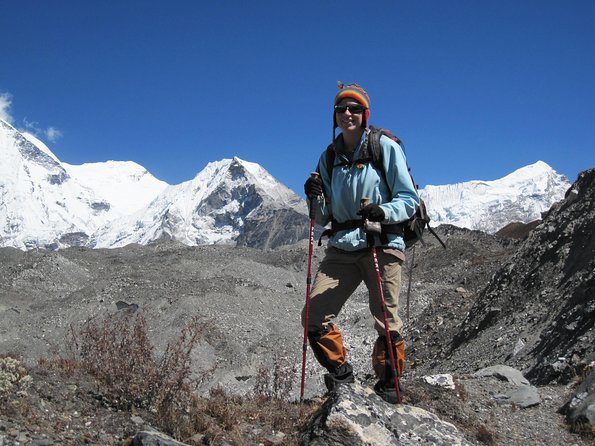
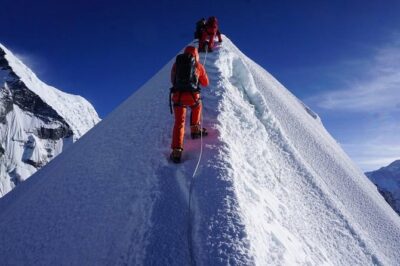
The tour aims for the Island Peak summit after the practice day at base camp. The most reliable way to summit a peak like this is not bravado. It is timing, pacing, and staying consistent when it gets slow.
Even with good planning, mountain weather and wind can play a role. You cannot control the sky, but you can control your effort. If you go out too hard on summit morning, you burn the fuel you need to finish. If you move at a steady pace and protect your breathing, you have a much better chance of finishing strong.
This is also where your strong fitness requirement shows up in real life. You do not just need endurance for hiking, you need endurance for sustained effort at altitude. The tour is built to prepare you through the trek segment and the Chhukung Ri climb, but you still need to bring your fitness baseline.
Who you are traveling with: the value of a capable guiding team
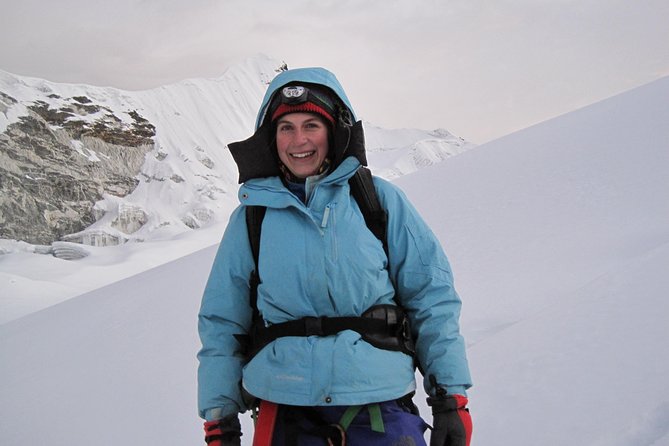
This experience is run by Hiking Adventure Treks and is private. That typically means you are working with a focused team instead of being shuffled around by multiple groups.
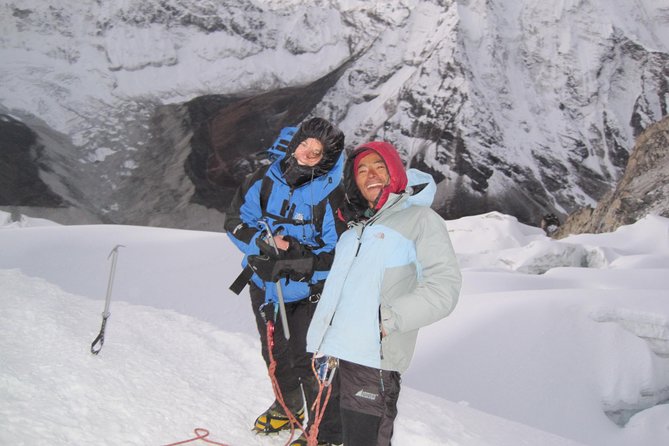
In the accounts tied to this provider, several guide names show up: Ram, Sajana, Gabriel, Bishnu, and Yadu. The consistent theme is organization, meaning your logistics do not turn into a scavenger hunt. One person highlighted how the company supported them from arrival in Kathmandu through departure, and another noted that hotels, guides, porters, and food were handled as part of the experience.
Why that matters for you: in the Everest region, small failures become big problems. If guides and support staff are solid, you lose less time on confusion and you spend more time moving safely and eating enough to recover.
Private travel also helps you adjust. If your group is moving slightly slower or you need extra recovery time, your team can help you make the best of the day rather than forcing an inflexible schedule designed for a crowd.
Price and value: what $2,256.42 covers and what you should budget for
The price is $2,256.42 per person for an approximately 16-day experience. That sounds like a lot until you remember what you are actually buying: a private, multi-day Everest region trek plus an Island Peak climb objective, with meals included and a practice day built in.
What is clearly included: breakfast, lunch, and dinner. Pickup offered, and the use of a mobile ticket are also part of the package. Alcoholic beverages are explicitly not included, so you should assume you will pay for drinks separately.
What you should budget for beyond the stated inclusions will depend on your personal needs and what is not listed. Since only meals are clearly specified as included, I recommend you plan for any other costs you might encounter, like snacks, hot drinks, extra gear, and any personal spending. The headline value is that your core daily nutrition is handled, and your trip structure is organized around the climb goal.
If you are comparing value, look for the practical elements: private pacing, guided support, and a practice day at base camp before summit. Those things reduce risk and mental stress. And in a trip where weather and altitude already add uncertainty, reducing uncertainty is part of the cost.
Meals, recovery, and keeping your energy steady on long mountain days
Food can make or break high-altitude stamina, and this tour covers breakfast, lunch, and dinner. That is not a glamorous selling point, but it is huge. You do not want to waste energy chasing meals after a long hike day. You want calories when you need them and you want them consistently.
Also, meals help you build routine. When you know where breakfast will be, when lunch happens during the day, and that dinner comes at the end of the trekking effort, you can plan your day mentally. That makes it easier to stick to pace on the difficult sections.
Keep in mind that alcohol is not included. If you usually like a celebratory drink after a big day, plan to keep it minimal during the climb phase. Not because someone told you to, but because sleep and recovery matter more at altitude.
Fitness and weather reality: who should book, and who should think twice
This is for people with strong physical fitness. That requirement is there for a reason. You are trekking multiple days and then going after a summit objective. Even if you are a strong hiker, Island Peak brings extra demands, including cold and sustained effort at height.
I think this is a good match for you if:
- You have solid trekking experience at altitude or can confidently handle long hiking days.
- You want Everest Base Camp and also want to go beyond it with a real peak goal.
- You like structured guidance and a private team rather than a free-for-all itinerary.
I would think twice if:
- You struggle with sustained climbs or regularly get hit hard by altitude.
- You are looking for something light and casual.
- Your fitness base is more casual sightseeing than endurance training.
This tour is more than a walk. It is a mountain program with a clear arc, and you will enjoy it most when you treat it like training, not only tourism.
Should you book Island Peak climbing with Hiking Adventure Treks?
If you want an Everest region trek that actually ends in a summit goal, I think this is a strong option. The biggest reasons are the structure, the practice day at Island Peak base camp, and the fact that the trek segment builds your altitude exposure first. Private group travel also helps a lot when you are dealing with early starts and long recovery cycles.
Book it if you meet the fitness requirement and you are excited by the idea of blending the Everest Base Camp classics with Chhukung Ri and then a summit push. Skip it, or at least ask tough questions first, if you are not ready for the physical demands or you want a low-stress, purely scenic trip.
FAQ
Where does the Island Peak climbing start?
The tour is based in Kathmandu, Nepal, and it includes pickup offered.
What is the total duration of this experience?
The duration is approximately 16 days.
How much does the tour cost?
The price is $2,256.42 per person.
What time does the tour start?
The start time is 7:15 am.
Is this a private tour?
Yes. It is private, and only your group will participate.
What does the tour include?
The tour includes breakfast, lunch, and dinner.
What is not included in the tour price?
Alcoholic beverages are not included.
Is there a practice day before the summit?
Yes. There is one day of practice at Island Peak base camp.
What is the cancellation policy?
This experience is non-refundable and cannot be changed for any reason. If you cancel or ask for an amendment, the amount paid will not be refunded.
Latest additions near Kathmandu
- White Water River Rafting – 1 Day★ 4.3 · 3 reviews
- Traditional Momo Making Class★ 5.0 · 10 reviews
- Kathmandu to Pokhara Premium sofa bus ticket★ 4.0 · 17 reviews
- Ghorepani Poon Hill Trek★ 5.0 · 16 reviews
- Amazing 1 Day Trekking Experience in Kathmandu Nepal★ 5.0 · 24 reviews
- Ghorepani Poonhill Trek★ 5.0 · 5 reviews
- Walking tour of real Kathmandu through back streets.★ 5.0 · 3 reviews
- Wildlife Adventure in Chitwan Nepal★ 4.0 · 4 reviews
Peak Climbing, compared.
Everest Base Camp Trek with Island Peak Climbing
Read our review →
Browse the lists this tour appears in