
Reviewed · EVEREST BASE CAMP TREKS
Island Peak Climbing with Everest Base Camp
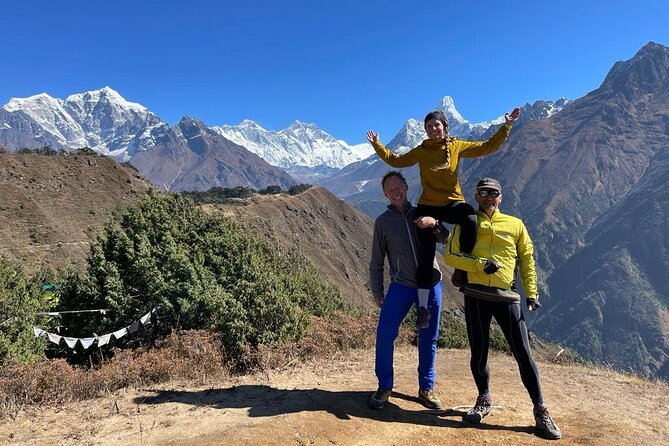
Two summits, one unforgettable month of altitude. This 20-day Island Peak climb paired with Everest Base Camp trekking strings together Lukla flights, Sherpa culture, and big mountain views.
I especially love the combo of a proper acclimatization plan plus a real high point: the Island Peak summit at 6,160 m. You get that rare sense of going from trail walking to technical climbing without the trip feeling rushed or random.
One consideration: altitude is the obvious challenge, and Lukla weather can force flight changes, so you should be ready for an extra Kathmandu day if needed.
In This Review
- Key highlights you should care about
- Why Island Peak and Everest Base Camp feel different in the best way
- Price and value: what $2,899 buys you (and what it doesn’t)
- The Kathmandu start: how day one sets your mood
- Lukla flights: short airtime, huge emotional impact
- Trekking days 3 to 6: Phakding to Namche, with the Everest horizon forming
- Tengboche Gompa: the monastery stop that changes the tone
- Dingboche and Lobuche: acclimatization plus Everest getting closer
- Everest Base Camp day: Gorakshep, Icefall views, and the main payoff
- Kala Patthar at dawn: the early climb that makes the whole trek worth it
- Chukhung and beyond: turning from Everest to Island Peak
- Island Peak summit day: what to expect from the climbing side
- Returning days: Namche and Lukla, plus the mental reset
- The built-in buffer day in Kathmandu
- Who should book this trip, and who should pause
- Practical booking advice to get the most out of it
- Should you book this Island Peak with Everest Base Camp trek?
- FAQ
- How long is the Island Peak climbing and Everest Base Camp experience?
- Where does the trip start, and when is the meeting time?
- Are pickups offered?
- How do you get from Kathmandu to Lukla?
- What kind of lodging is included during the trek?
- Does the itinerary include acclimatization days?
- What are the main goals during the trip?
- Is this a private tour?
- What is included in the price?
- What is not included?
Key highlights you should care about
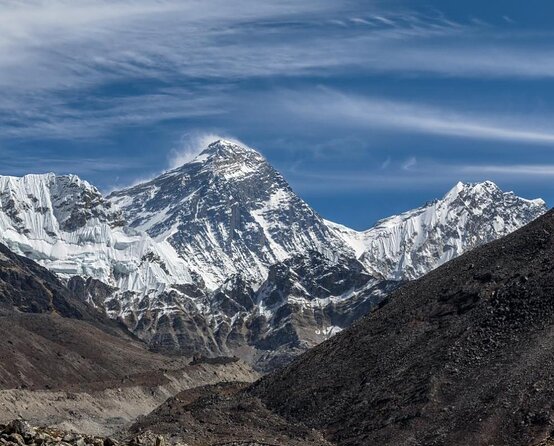
- Island Peak summit at 6,160 m with a technically guided route (PD plus, French and Swiss system)
- Acclimatization built in, including a Namche rest day and the early climb to Kala Patthar
- Everest Base Camp via Gorakshep, with Khumbu Icefall views as a main payoff
- Sherpa villages and monasteries, including Tengboche Gompa and the Buddhist cultural side of the Khumbu
- Two-stage lodging, lodge and guest house trekking plus tent camping during the Island Peak approach
- Strong organization and guide support, with praised guides like Gyeljen, Ngima, Dipak, Sudip, and porter Pandesi in past trips
Why Island Peak and Everest Base Camp feel different in the best way
This is not just an Everest trip with an extra hike added on. You start in trekking mode, building your breathing and rhythm in the Khumbu, then you switch into true climbing for Island Peak. That change is exactly why this combination works. Your legs learn the altitude, and your confidence grows before you ever touch glacier and snow terrain.
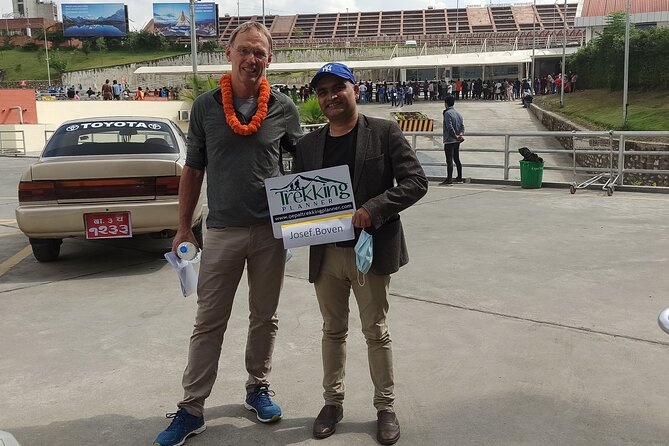
You also get a complete “Khumbu storyline.” You’ll see the bustling entry towns around Namche, the quieter monastery stop at Tengboche, and then you’ll push into the Everest core where the scenery turns serious. Finally, Island Peak gives you the view you came for, with Everest looking close from a high summit that most hikers only dream about.
There’s also a behind-the-scenes strength to how the trip is run. Past clients specifically praised the organization and the way guides handled the details. Names that came up include Gyeljen for Island Peak climbing and Ngima for the Everest Base Camp trek, plus Dipak and Sudip for planning and on-route guiding, and porter Pandesi for day-to-day support. That matters, because altitude trips succeed or stumble on logistics and decision-making.
More Everest Base Camp treks:
- Everest Base Camp Trek – 14 Days
★ 5.0 · 1,499 reviews - Everest Base Camp Trek
★ 5.0 · 842 reviews - Everest Base Camp Helicopter Tour landing at Everest View Hotel
★ 5.0 · 668 reviews
Price and value: what $2,899 buys you (and what it doesn’t)
At $2,899 per person, this is a mid to higher-end adventure, but it includes a lot of the expensive parts that blow up budgets if you try to piece them together yourself.
What you’re paying for that reduces risk
- Permits and taxes, plus the core trek and climbing paperwork
- A trained, government license holding guide and Sherpa support (English speaking, with climbing expertise)
- Full board during the trek and climbing, so you are not constantly budgeting meals in remote areas
- Porter support (the plan states a ratio of 2 guests to 1 porter with insurance, salary, food, accommodation, and equipment)
- Kathmandu lodging at a 3-star level for the city portion, and lodge or guest house during the trek (with tent camping during the Island Peak phase)
What costs extra
- Nepal visa fees and international flights
- Lunch and dinner in Kathmandu
- Personal travel and health insurance, including emergency evacuation insurance
If you want a clean, guided experience where your money is mostly going toward permits, guides, and mountain support, this pricing makes sense. If you already have your own climbing guide or you can run your own permits and porter plan, you might find cheaper alternatives. But for most people, the included support is the value.
The Kathmandu start: how day one sets your mood
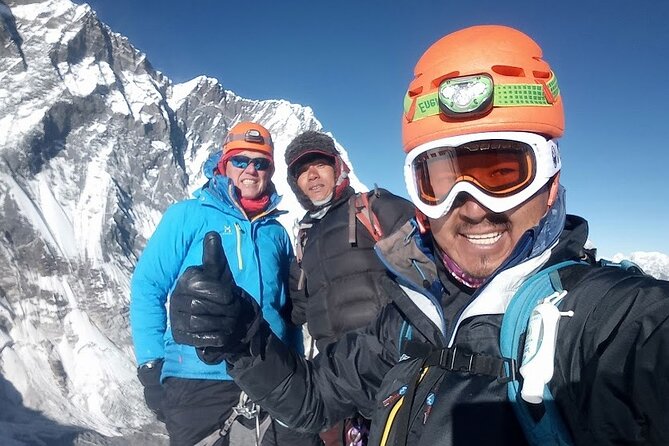
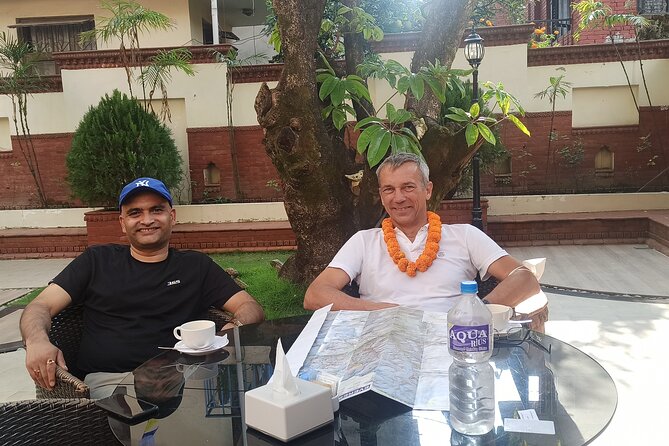
You arrive in Kathmandu and get greeted by the office staff and guide, then transferred to a hub-area hotel. After you check in, you have time to explore on your own, which is a nice way to shake off travel stress without cramming in an all-day program.
Then day two begins with a briefing. This is where you learn how the plan works and what you need to prepare for the trekking and the climbing. In trips like this, the briefing is not just paperwork. It helps you understand what you are signing up for, what skills to practice, and how the team expects you to pace yourself.
That’s also where the “organization focus” becomes real. Multiple past clients praised the way communications were handled before departure and how guides kept things running smoothly once on the ground.
Lukla flights: short airtime, huge emotional impact
Day three moves you from Kathmandu into the gateway town of Lukla. The flight is about 30 minutes in a smaller aircraft, with Twin Otter or Dornier mentioned, and it lands at Tenzing and Hillary Airport. That runway approach is the kind of thing you remember even if you’ve flown in mountains before.
Right after landing, you don’t jump straight into steep climbing. You get a gradual start with a few hours of downhill walking past Sherpa farm villages, terraces, and vegetable fields. You also follow the Dudh Kosi River directionally for stretches, which helps your brain lock onto a route instead of guessing.
This is also a good place to set expectations for pacing. The day is long enough to feel like a trek day, but it is not yet the grind.
More climbing peaks in Kathmandu:
- Mera Peak Climbing
★ 5.0 · 33 reviews - Island Peak Adventure
★ 5.0 · 15 reviews - Everest Base Camp Trek with Island Peak Climbing
★ 5.0 · 14 reviews - Mera Peak Climbing
★ 5.0 · 8 reviews
Trekking days 3 to 6: Phakding to Namche, with the Everest horizon forming
The route builds altitude gradually, with a classic Khumbu rhythm.
Day 3: Phakding
You sleep in Phakding in a lodge near the Dudh Kosi River. The key here is comfort plus momentum. You’re still in the early stage of acclimatization, and getting decent sleep helps.
Day 4: Namche Bazaar
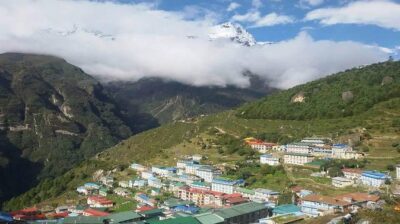
You move uphill toward Namche Bazaar, cross bridges, and pass through the Sagarmatha National Park entrance area near Monjo. Then you climb from forest trails into open mountain views. Namche is where the Khumbu “scene” starts to feel full of people, prayer flags, shops, and mountains all at once.
Day 5: Rest day at Namche
This day is for acclimatization, and it’s scheduled correctly. You’ll hike to view points facing Everest and Ama Dablam and spend time exploring Namche’s streets. One specific plus mentioned in the plan is the weekly Saturday market in Namche, if your timing lines up. Even if it’s not Saturday, it’s still a useful recovery day with a purpose.
This set of days matters because your body needs time. You can’t rush your way to 5,000 m just by motivation. You’ll get the breathing lesson here.
Tengboche Gompa: the monastery stop that changes the tone
Day six takes you into Tengboche Gompa. The walking involves a mix of gradual forest trails and uphill effort, with lunch at a spot near Imjatse River areas before you continue toward Tengboche.
When you reach the monastery, the views are a highlight, including Everest, Nuptse, and Lhotse in the mix. You also get time to visit the monastery and observe monks and priests in prayer. That Buddhist cultural side of the Khumbu is not a side quest. It helps the whole Everest story make emotional sense.
Day seven shifts from Tengboche to Pheriche area, and you’ll pass the last permanent Sherpa farm village before Island Peak and Everest Base Camp, called Pangboche in the plan. That transition from “settled life” to “high-country seriousness” is one of those quiet but memorable moments.
Dingboche and Lobuche: acclimatization plus Everest getting closer
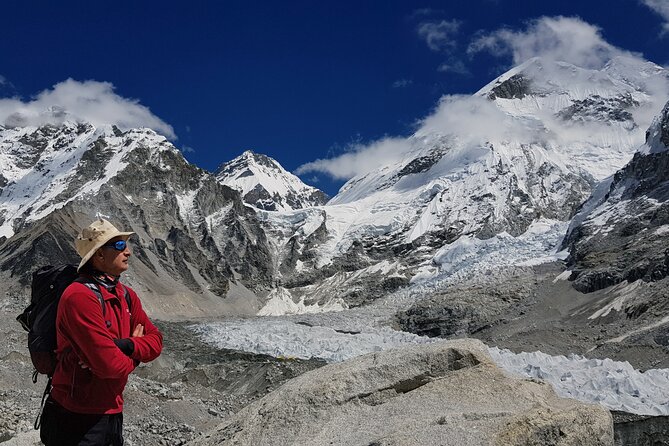
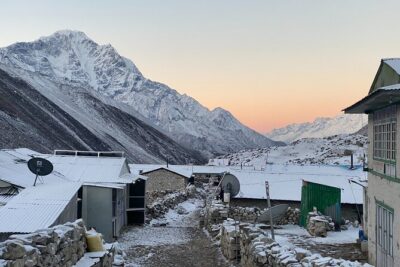
Day eight brings you to Dingboche, another high-altitude valley with plenty of lodge options. The plan also notes a visit opportunity to the Himalayan Rescue Association office and a small medical post. Even if you don’t need medical services, seeing that kind of infrastructure helps you understand how important preparedness is in the Khumbu.
Day nine heads toward Lobuche. You leave Pheriche, walk with a short climb toward Thugla (Dugla), and then you connect with the trail system heading to Everest Base Camp. The views listed include Taboche, Cholatse, Lobuche, Pumori, and Ama Dablam. Then you pass memorials of climbers who died on Khumbu peaks. It’s heavy, but it’s part of Everest reality, and it makes Base Camp feel earned rather than just scenic.
You sleep in Lobuche, and by this point the trip has fully switched from hiking scenery to “big mountain terrain and consequences” scenery.
Everest Base Camp day: Gorakshep, Icefall views, and the main payoff
Day ten is the big day for Everest Base Camp. You trek to Gorakshep first, beneath Pumori and Kalapathar. Then you continue toward Everest Base Camp after that. The plan emphasizes walking over glacier and moraine with some short steep sections between.
When you reach Base Camp, you get the payoff: views of the massive Khumbu Icefall and surrounding glaciers. Spending time there is often emotional for a reason. It’s not just the altitude and the history. It’s the scale. The mountains feel close, and the route feels like it has narrowed down to the essentials.
Then you retrace back to Gorakshep for overnight, which keeps your energy for the next day.
Kala Patthar at dawn: the early climb that makes the whole trek worth it
Day eleven starts before sunrise with a climb to Kala Patthar, above 5,545 m. This is the highest point on the trekking portion of the plan, and it’s where you’re set up for the kind of Everest views that look almost too close.
After time on top, you descend to Gorakshep for breakfast, then continue walking back down toward Thugla and into Dingboche for the night. This matters because you’re about to switch goals from Everest trekking to Island Peak climbing. You’ll need your legs, and you’ll need recovery.
Chukhung and beyond: turning from Everest to Island Peak
Day twelve heads to Chukhung, described as the last human settlement before Island Peak and Everest Base Camp. You climb into Imjatse valley and then reach Chhukung lodge comfort.
You also have an optional day hike to Chhukung Peak in the afternoon, with panoramic mountain views. Even if you don’t feel like sprinting uphill, this is useful. It gives you perspective and helps your brain adapt to the climbing style you’ll use on Island Peak later.
Day thirteen is where the plan shifts into camping. You walk to Island Peak Base Camp at Parshya Gab, set camps, and practice climbing with your expert guide in the afternoon. Camping here is not just romantic. It’s preparation. You’re training muscle memory for gear use and movement style in colder, higher conditions.
Island Peak summit day: what to expect from the climbing side
Day fourteen focuses on getting higher to establish an advanced camp above 5,400 m. The route goes toward moraine, then into an open gully between ridges, reaching high camp beneath a small hanging glacier. You spend the afternoon on final preparations for the early summit push.
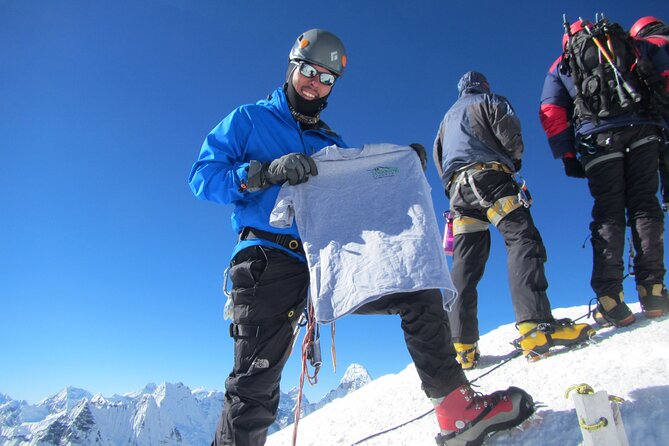
Day fifteen is summit day. It starts very early, before break of dawn. You climb across a broad open gully, follow snow-covered glacier terrain, and avoid serac and crevasses as you move northwards toward a ridge margin. Then you cross a gully with some stone and icefall danger, and tackle a steep snow and ice ramp. The plan notes a steep ramp that leads more than 100 m upward to the main summit.
This is the day you’ll remember for the rest of your life. It’s also the day where attitude and instruction matter most. A climbing guide’s job is not just route finding. It’s keeping you safe, controlling pace, and timing the effort so you’re not wiped out before the summit moment.
The plan lists the climb as PD plus grade (French and Swiss Alpine Climbing system). Translation: it’s serious mountaineering. If you’re going to do this trip, you want to go in willing to work and listen.
Returning days: Namche and Lukla, plus the mental reset
After summit, day sixteen moves you back down to Namche via Dingboche and Tengboche for lunch. This kind of descent is strangely soothing. The air often feels thinner on the climb but easier to manage psychologically when you’re returning through familiar high-country villages.
Day seventeen goes from Namche down toward Monjo and then Phakding, with a longer walking finish toward Lukla. Day seventeen ends at Lukla for your last overnight stop in the Khumbu region.
Day eighteen flies you back to Kathmandu in the morning, with mountain views along the way. You’re transferred back to your hotel and have a free afternoon to relax. That matters. After high-altitude effort, your brain needs time to come down from emergency focus mode.
The built-in buffer day in Kathmandu
Day nineteen is a free day reserved as an extra buffer for Lukla flight delay or cancellation due to bad weather. That is not a luxury. It’s a smart risk management feature, because Everest region flights can be weather-dependent.
If weather cooperates, you can use the day for simple Kathmandu wandering or individual activities. If flights get shifted, you have breathing room instead of getting rushed.
Day twenty is your final day, and you depart based on your international flight time, with staff or a guide transfer to the airport.
Who should book this trip, and who should pause
This experience fits best if you:
- have moderate physical fitness and can commit to long trekking days
- are comfortable with altitude and understand that acclimatization days are part of the plan
- want a true climbing summit, not only a walking-focused Everest itinerary
- value a guided, organized approach with strong local support
You might pause if you:
- are nervous about a technical glacier and snow summit day
- can’t handle early starts and long hiking days at altitude
- need a trip where every day runs like a city vacation schedule (Lukla can change things)
Also, if you’re sensitive to cold, remember that the Island Peak portion includes tent camping and higher altitude camps. The plan includes that camping phase, so you should be realistic about comfort expectations.
Practical booking advice to get the most out of it
Before you go, treat the briefing like homework. Ask questions about pace, cold weather management, and how the team expects you to report fatigue. On summit day, your checklist should be simple: drink, eat what you can, move smoothly, and trust the guide’s timing.
For the best experience, also plan your mindset. Many people assume the hardest day is “the summit.” For most, the hardest part is surviving the sequence of high effort days. If you use every rest and acclimatization window, you set yourself up for better climbing legs later.
Finally, consider the emotional rhythm of the itinerary. You’ll go from Sherpa villages and monasteries to memorials for climbers, then to the Icefall and Everest Base Camp, and finally to the technical grind of Island Peak. If you let the route change you instead of fighting it, the trip lands in a good place.
Should you book this Island Peak with Everest Base Camp trek?
If you want one trip that covers Everest trekking plus a real summit on Island Peak, this is a strong match. The price includes the key mountain infrastructure: permits, skilled guides, full board during the trek, porter support with insurance, and the major flights that make the route possible.
I’d recommend booking if you enjoy the challenge of altitude and you want the climb to feel guided and structured, not improvised. If you only want a trekking badge and an easy finish, there are simpler Everest-only options. But if you want to stand on a 6,160 m summit after earning your way there, this combination is one of the more complete ways to do it.
FAQ
How long is the Island Peak climbing and Everest Base Camp experience?
It is about 20 days in total.
Where does the trip start, and when is the meeting time?
The trip is based in Kathmandu, and the start time is listed as 6:15 am.
Are pickups offered?
Yes, pickup is offered.
How do you get from Kathmandu to Lukla?
You take a short scenic domestic flight to Lukla, about 30 minutes, using a Twin Otter or Dornier type aircraft. It lands at Tenzing and Hillary Airport.
What kind of lodging is included during the trek?
The plan includes 3-star hotel stays in Kathmandu, then lodge or guest house during trekking. During the Island Peak phase, there is camping in tents for a few nights.
Does the itinerary include acclimatization days?
Yes. It includes a rest day in Namche Bazaar for acclimatization and an early climb to Kala Patthar before continuing the route.
What are the main goals during the trip?
The main goals are Everest Base Camp and the summit of Island Peak (above 6,160 m).
Is this a private tour?
Yes. It is listed as private, meaning only your group will participate.
What is included in the price?
Included items are private transportation, permits and taxes, an experienced English-speaking trained guide and Sherpa, meals (full board during trekking and climbing), and Kathmandu hotel plus lodge or tent lodging as described in the plan.
What is not included?
Not included are Nepal visa fees, international airfare to and from Kathmandu, lunch and dinner in Kathmandu, and personal travel and health insurance including emergency evacuation coverage.
Latest additions near Kathmandu
- White Water River Rafting – 1 Day★ 4.3 · 3 reviews
- Traditional Momo Making Class★ 5.0 · 10 reviews
- Kathmandu to Pokhara Premium sofa bus ticket★ 4.0 · 17 reviews
- Ghorepani Poon Hill Trek★ 5.0 · 16 reviews
- Amazing 1 Day Trekking Experience in Kathmandu Nepal★ 5.0 · 24 reviews
- Ghorepani Poonhill Trek★ 5.0 · 5 reviews
- Walking tour of real Kathmandu through back streets.★ 5.0 · 3 reviews
- Wildlife Adventure in Chitwan Nepal★ 4.0 · 4 reviews
Everest Base Camp Treks, compared.
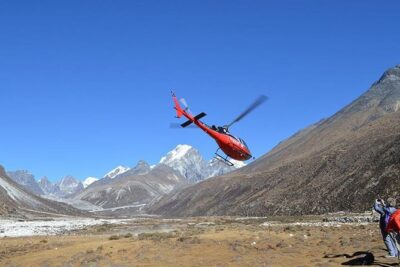
Everest Base Camp Helicopter Tour landing at Everest View Hotel
Read our review →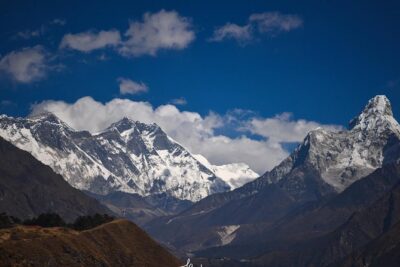
Everest Base Camp Helicopter Tour landing at Hotel Everest View
Read our review →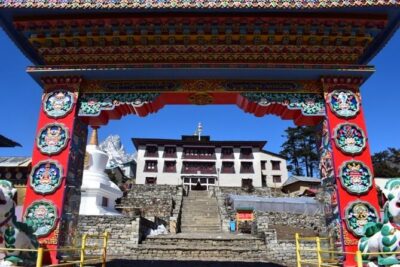
Browse the lists this tour appears in