
Reviewed · PEAK CLIMBING
Mera Peak Climbing
Mera Peak is a serious summit with a friendly setup. You get officially permitted trekking-peak access, huge 8,000m views on a trek that also explores the Hongu and Hinku valleys, plus real highland Sherpa community culture. I especially like that this package is built around experienced trekking and climbing guidance and includes the climbing permits and the big pieces of gear.
The main thing to think about is fit and flexibility. This is not a short hike, and the weather can force route changes, so you need a solid fitness base and a calm attitude if plans shift.
In This Review
- Key Highlights Worth Planning For
- Mera Peak: Big 8,000m Views on a Permitted Trekking-Style Climb
- Kathmandu Setup: Permits, Pro Planning, and a Real Training Ground
- Hongu and Hinku Valleys: Wild Walking with Sherpa Culture in the Background
- Tea Houses and Camping: What the Comfort Level Really Means
- Summit Strategy Above 6,000m: Acclimatize, Then Act Early
- How Guides, Sherpa Teams, and Gear Support Turn Risk into a Plan
- Price and Value: What $3,000 Covers, and What You Still Need to Budget
- Health, Packing, and Habits That Match the Trip Guidance
- Who Should Book This Mera Peak Climb, and Who Should Think Twice
- Should You Book Mera Peak with Nepal Guide Treks and Expedition?
Key Highlights Worth Planning For
- Highest permitted trekking peak feel near Everest country, but with a route that’s more about sustained trekking effort than technical chaos
- 8,000m viewpoint day dreams with sightlines to Everest, Cho Oyu, Makalu, Kanchenjunga, and Lhotse from the right angles
- Hongu and Hinku valleys exploration that keeps you moving through wild, less visited terrain
- Tea house plus camping rhythm that gives both community warmth and remote-camp reality
- Small group size (max 15) for easier pacing, smoother logistics, and less waiting around
- Altitude safety guidance included in the way you manage symptoms, descend early if needed, and plan for emergencies
Mera Peak: Big 8,000m Views on a Permitted Trekking-Style Climb
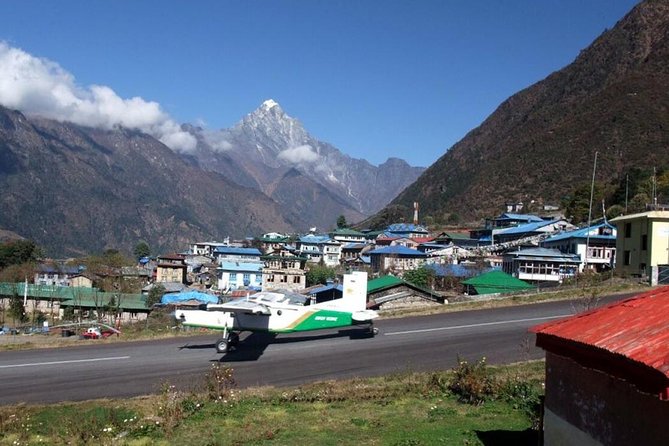
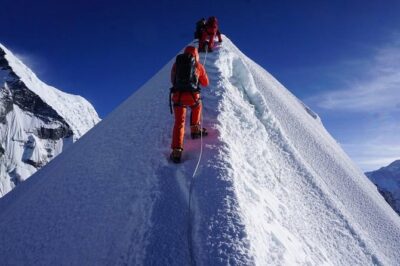
Mera Peak is one of those Nepal objectives that sounds like it belongs to someone else, then you realize it’s specifically set up for climbers on the “high altitude challenge” ladder. It is the highest of Nepal’s permitted trekking peaks that rise to the south of Mount Everest, which matters because it shapes the whole trip. You are not just wandering. You’re climbing with a structured plan that supports acclimatization, gear use, and summit timing.
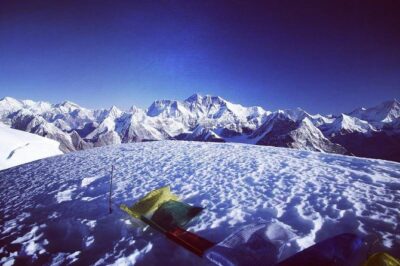
The payoff is the view. When conditions line up, the mountain can put you looking at multiple 8,000m giants, including Mount Everest, Cho Oyu, Makalu, Kanchenjunga, and Lhotse, plus other peaks in the Everest region. You get the kind of perspective that makes you stop talking. In a good way.
And it is not only the summit. The trek portion is routed around the Hongu and Hinku valleys, described as wild and beautiful and uninhabited in stretches. That combination is what makes the trip feel like more than a peak stamp. You’ll see how life and culture change as altitude climbs, and you’ll spend time with highland Sherpa communities that keep traditions alive in a demanding environment.
More climbing peaks in Kathmandu:
- Island Peak Adventure
★ 5.0 · 15 reviews - Everest Base Camp Trek with Island Peak Climbing
★ 5.0 · 14 reviews - Mera Peak Climbing
★ 5.0 · 8 reviews
Kathmandu Setup: Permits, Pro Planning, and a Real Training Ground
Your journey starts in Kathmandu at Tribhuvan Airport. If you book with pickup offered, you’ll likely get help getting from the airport to the city and settled. The trip also uses a mobile ticket system, which usually means fewer paper hassles when you’re bouncing between offices, briefings, and transport.
You also get four nights in Kathmandu with BB plan. That time is practical. It gives you breathing room to handle the stuff that would otherwise stress you right before the climb: confirming details, reviewing what to bring, and meeting your trekking and climbing guide. It also helps your body adjust after travel. Even one or two extra low-altitude days can be the difference between feeling ready and feeling wiped out.
One key value here is that climbing permits for Mera Peak are included. Permits can feel like a dry topic until you’re staring at forms while everyone else is already packing crampons. Having them handled means you can focus on the important part: conditioning and preparation.
Hongu and Hinku Valleys: Wild Walking with Sherpa Culture in the Background
The most memorable trekking moments in this kind of Everest-neighborhood itinerary usually come from contrast. You’re moving through cold, open terrain where the mountain looks massive. Then you reach pockets where Sherpa highland culture shows up in daily routines and community warmth.
This route uses the Hongu and Hinku valleys for exploration. If you like trekking that feels less crowded, this is a big reason to consider it. Valleys like these tend to deliver a sense of remoteness, with long walks, changing weather, and views that stretch out farther than you expect.
You’ll also get culture and tradition exposure with highland Sherpa tribe communities. That does not mean a checklist of staged performances. It means your trek passes through living places and you’ll learn how people adapt to harsh seasons, mountain travel, and high-altitude work.
A practical tip for this stage: keep food simple and steady. The trip’s guidance emphasizes eating light but calorie-rich food, and using ginger and garlic. That matches how many people feel at altitude, especially when appetite drops and digestion gets picky. If your stomach is calm, your brain stays focused, and the climb day goes better.
Tea Houses and Camping: What the Comfort Level Really Means
During the trek, your food and accommodation are combined across tea houses and camping. That mix is common on serious trekking, but it changes your daily routine in real ways.
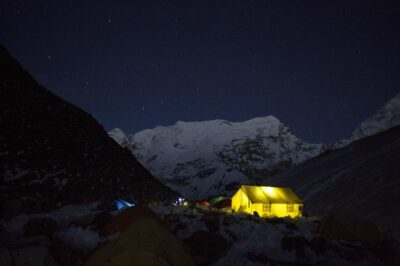
Tea houses usually mean you can step into a warm-ish building, melt water, and get at least a little protection from wind. Camping means you accept that you’re sleeping in a temporary base, with weather and cold part of the bargain. If you’ve camped before, you’ll know the drill. If you haven’t, it’s worth taking seriously. Your sleep quality at these altitudes is not a luxury. It’s part of acclimatization.
This is also where planning your clothing matters. The trip includes all necessary climbing gears, but your personal comfort comes from what you bring yourself. The trip does not include personal climbing gears, so you’ll want to make sure you have what you need for cold protection, traction use, and overall day-to-day trekking comfort.
My advice: treat the trek stage like a rehearsal. Learn how you drink water consistently, how you manage hunger, and how you pace your breathing. The summit day is built from those small choices.
Another way to spend the time in Nepal:
- Everest Base Camp Trek – 14 Days
★ 5.0 · 1,499 reviews - Everest Base Camp Trek
★ 5.0 · 842 reviews - Private Kathmandu Sightseeing Tour | UNESCO World Heritage sites
★ 5.0 · 756 reviews - Kathmandu: 7 UNESCO Sites with Lunch
★ 4.8 · 744 reviews
Summit Strategy Above 6,000m: Acclimatize, Then Act Early
Mera Peak sits in that classic range where you have to respect altitude. You’re not just walking higher. Your body has to adjust to less oxygen and more stress, and that means acclimatization is the whole game.
The trip timing is listed as 18 days and about 2 hours, which hints at multiple acclimatization and travel days rather than a sprint. You should expect a steady build. If the plan includes rest and altitude adjustment, good. Don’t skip rest because you feel fine on day one. Altitude can catch up fast.
The health guidance in the trip materials is blunt, and I like that. It’s exactly the kind of common-sense that saves problems from turning into emergencies:
- Drink enough water, around 2 to 3 liters per day, and keep it lukewarm if that’s easier on your stomach.
- Avoid alcohol and smoking.
- If sickness is mild, stay at your place, sleep sufficiently, and keep drinking water.
- If it does not improve even after acclimatizing, start descending your climbing.
- If the case is serious, start to descend immediately. The guidance includes using Diamox pills in serious cases.
- A Gamow bag (high-pressure inflatable bag) is mentioned as an option to restore oxygen level and air pressure, but you should confirm whether your organizer provides all altitude gears.
That last point matters. Don’t assume emergency equipment is there just because the trip is well run. Ask what’s included in your actual climb support pack, and what is carried on the expedition.
Also, consult a doctor if available. That might sound obvious, but it’s the kind of step you take when you still have time to fix things before altitude does the fixing for you.
How Guides, Sherpa Teams, and Gear Support Turn Risk into a Plan
One of the strongest parts of this experience is the human support system. The trip includes an experienced trekking and climbing guide, and it provides all necessary climbing gears. In a high-altitude environment, that combination often matters more than people expect.
Why? Because gear only helps if it’s used correctly, in the right order, with the right technique. And technique only works if you have a guide who watches your movement, your pace, and your condition.
In the feedback tied to this operation, names like Gelchen Sherpa, Dandee, Sonam Sherpa, Samdu, Ming-ma, and support from Prakash Devkota show up. I can’t promise which individuals you’ll get, but the pattern is clear: you’re not just buying a permit and hoping for the best. You’re buying an organized team approach, including Sherpa expertise.
Another value is problem solving. Weather can close routes, and stomach illness can hit at the wrong time. When that happens, the difference between a frustrating trip and a successful one is how quickly the plan adjusts. The operation’s support style, as seen through past experiences, is to keep safety first while still working toward the summit when the body allows it.
Small group size helps too. With a maximum of 15 travelers, you tend to get better pacing control, easier communication, and less downtime from bottlenecks.
Price and Value: What $3,000 Covers, and What You Still Need to Budget
The listed price is $3,000 per person. At first glance, it can feel steep until you map what’s actually included.
Included items that carry real cost and hassle:
- Four nights in Kathmandu with BB plan
- Mera Peak climbing permits
- Trek food and accommodation combining tea house plus camping
- Experienced trekking and climbing guide
- All necessary climbing gears
Not included items you should plan around:
- International airfares and departure tax
- Personal climbing gears
- Personal expenses
- Tips for guides and porters
So the value question becomes less about the sticker price and more about what gets taken off your plate. Permits, permits staff work, and the guide and gear side are exactly the parts that cost money and stress you don’t want while preparing for altitude.
One more thing: weather variability. When snow and storms change the route, a good organizer absorbs some of that operational chaos. That can be a hidden value, because you’re buying more than a schedule. You’re buying decision making.
Health, Packing, and Habits That Match the Trip Guidance
This is not the moment for macho challenges. The trip materials emphasize practical behaviors that are worth following even if you think you’re fine.
Here’s what I’d treat as non-negotiable based on the guidance:
- Hydration: drink enough daily, around 2 to 3 liters, using lukewarm water if it helps you keep it down.
- No alcohol, no smoking: altitude already tightens your body, and these habits can make it worse.
- Light food, high calories: keep meals manageable but energy dense.
- Ginger and garlic: the guidance specifically suggests adding them, likely to support digestion and comfort.
- Sleep and calm: if symptoms are mild, don’t panic. Stay put, sleep, and keep hydration steady.
- Descend early: if things do not improve after acclimatizing, start descending rather than pushing through.
Also, ask yourself a packing question that isn’t sexy but matters: what’s truly personal gear for you, and what’s covered by the included climbing gears? The trip says it includes all necessary climbing gears, but also says personal climbing gears are not included. That means you should confirm the exact gear list before you buy or arrive.
If you do that homework, you’ll avoid the most common summit-day stress: missing something basic and trying to replace it in a hurry.
Who Should Book This Mera Peak Climb, and Who Should Think Twice
This experience is aimed at people with strong physical fitness and an age minimum of 18. That’s a clear signal: if you’re still building endurance, consider doing shorter altitude prep treks first or training longer before committing.
It also suits solo climbers who want logistics handled. The small group size can help you feel secure and not stuck figuring out everything on your own. One of the nicest parts of a guided summit is knowing you’ll get instructions, pacing guidance, and safety decision support when conditions change.
On the flip side, if you have health concerns that might worsen in cold, low oxygen conditions, treat it like an early warning system and consult a doctor if available. The trip’s guidance already points you toward that. Trust it.
Should You Book Mera Peak with Nepal Guide Treks and Expedition?
If you want an Everest-neighborhood objective that mixes big mountain views with a guided, structured approach, this is a strong choice. The included permits, the four Kathmandu nights, the trek lodging and food structure, and the gear and guide support are the real selling points, not just the headline summit.
Before you book, do three quick checks:
- Ask what exactly counts as included climbing gears versus personal climbing gears, and confirm you have everything you need.
- Discuss altitude safety gear availability, including the Gamow bag question.
- Be honest about fitness and your ability to follow hydration and early descent rules.
If you handle those basics with care, you’ll be in the right frame for a trip that is tough, scenic, and deeply memorable for all the right reasons.
Latest additions near Kathmandu
- White Water River Rafting – 1 Day★ 4.3 · 3 reviews
- Traditional Momo Making Class★ 5.0 · 10 reviews
- Kathmandu to Pokhara Premium sofa bus ticket★ 4.0 · 17 reviews
- Ghorepani Poon Hill Trek★ 5.0 · 16 reviews
- Amazing 1 Day Trekking Experience in Kathmandu Nepal★ 5.0 · 24 reviews
- Ghorepani Poonhill Trek★ 5.0 · 5 reviews
- Walking tour of real Kathmandu through back streets.★ 5.0 · 3 reviews
- Wildlife Adventure in Chitwan Nepal★ 4.0 · 4 reviews
Peak Climbing, compared.
Everest Base Camp Trek with Island Peak Climbing
Read our review →
Browse the lists this tour appears in