
Reviewed · ANNAPURNA BASE CAMP TREKS
Pokhara: 7-Day Annapurna Base Camp Trek & Natural Hot Spring
Seven days on a Himalayan stairway. You’ll work your way through Annapurna Sanctuary views and finish with natural hot springs at Jhinu Danda, which makes the whole trip feel worth the effort. One thing to plan for up front: the high point at 4,130m can be demanding, and the first and last days include some walking on roads that can get dusty if you are sensitive to that.
I like that this trek keeps things real, with simple tea houses, local village rhythms, and a certified guide who focuses on safety and pacing. I also like the “end on a reward” structure, base camp first, then a soak by the river. If you prefer zero altitude stress, you’ll want to take the climb slow and pack warm, because nights at higher elevation can feel cold fast.
In This Review
- Key highlights
- From Pokhara to Ghandruk: The Trek Starts With Real Village Energy
- Chomrong’s Stone Steps: Where Your Legs Learn the Rhythm
- Himalaya Stop at 2,920m: The Forest Turns the Volume Down
- Into the Annapurna Base Camp Amphitheater: The 4,130m Moment
- Down to Bamboo: Backward Views and a Better Kind of Sore Legs
- Jhinu Danda After the Descent: The Hot Springs Reset Your Body
- Day Seven Back to Nayapool and Pokhara: Easy Ending, Still Mountain Time
- Guides, Safety, and the Personal Touch That Makes It Work
- Price and What You Really Get for $181
- What to Bring for Cold Nights, Dusty Moments, and Hot Springs
- Fitness and Altitude Reality Check for This 7-Day Plan
- Should You Book This Annapurna Base Camp Trek?
- FAQ
- How long is the Annapurna Base Camp trek?
- What altitude do you reach on this trek?
- Where does the trek start, and is transportation included?
- Are permits and TIMS fees included?
- What kind of accommodation and meals are provided?
- Is there a hot spring stop during the trek?
- Do I need travel insurance?
- Is a porter included?
- What documents and items should I prepare before departure?
Key highlights
- Annapurna Base Camp at 4,130m, reached in 7 days with time to enjoy the amphitheater feel
- Gurung village mornings in places like Ghandruk, where terraces and stone steps set the tempo
- Rhododendron and bamboo forest sections that break up the climbs with cooler shade
- An alpine-style push on Day 4 into the glacier valley zone around the Annapurna Sanctuary
- Jhinu Danda hot spring soak right after a downhill day, so your legs get a real reset
- Private group + English Hindi Nepali guide support, with guides who prioritize your well-being
From Pokhara to Ghandruk: The Trek Starts With Real Village Energy
Pokhara is a great launching pad because it’s close to trailheads and easy to sort your gear logistics. On this route, you’ll do a short drive from Pokhara to Nayapool, then start hiking along the Modi Khola corridor. That combination matters. A clean start helps you settle into the walk, not just the altitude.
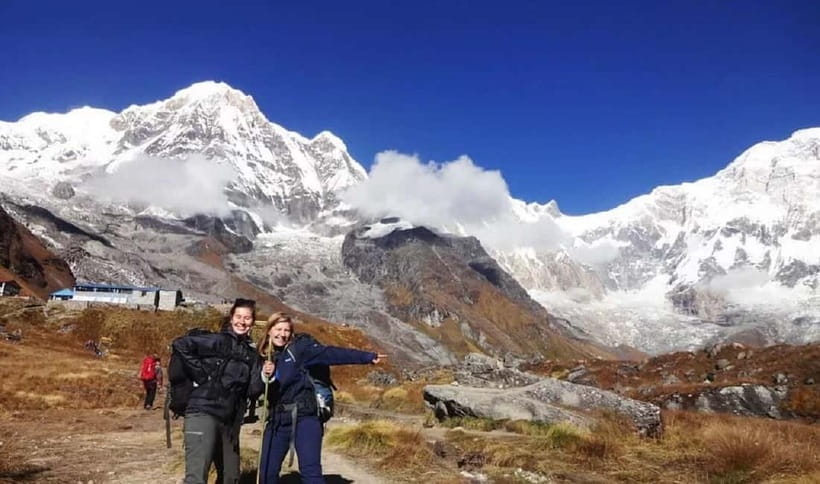
Expect your first day to feel like “settling in,” but not like a flat warm-up. The trek to Ghandruk takes about 5 to 6 hours, and it ends at roughly 1,940m. You’ll pass through villages and forested sections, so you get a mix of scenery right away, plus the feeling that you’re actually moving through people’s home landscape.
Ghandruk is a classic stop for a reason: the views toward the Annapurna region open up nicely, and the village itself gives you context. You’re not just walking through mountains. You’re walking through terraced farming and daily life. If you want an authentic Nepal trekking rhythm, this is where it starts.
Practical note: since luggage storage is available in Pokhara, you can keep your load sane on the trail. You’ll still need a day pack, but you shouldn’t feel like you’re hauling everything on day one.
More Treks in Pokhara
- Poon hill Trek 3 days
★ 5.0 · 176 reviews - Trekking in Annapurna/Langtang/Everest/Upper Mustang regions
★ 5.0 · 161 reviews - Pokhara: 4-Day Ghorepani, Poonhill & Ghandruk Mountain Trek
★ 5.0 · 132 reviews
Chomrong’s Stone Steps: Where Your Legs Learn the Rhythm
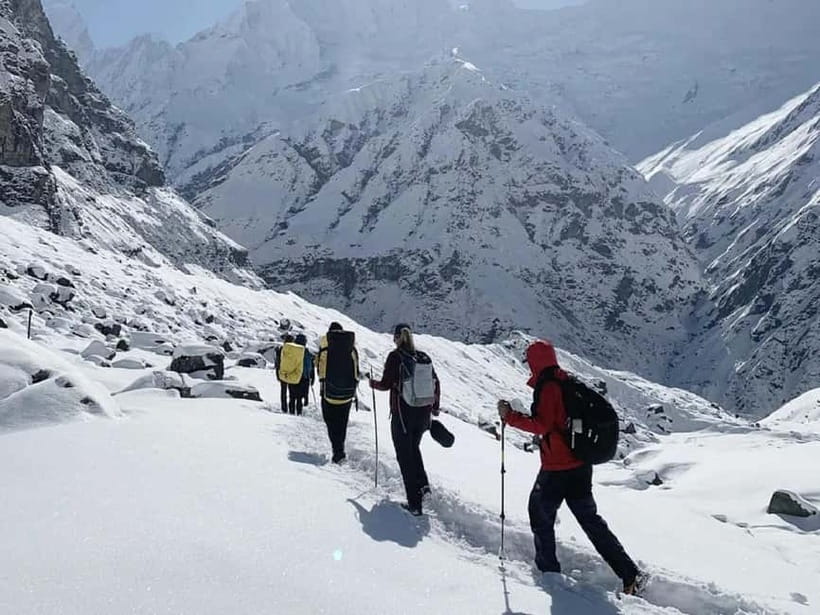
Day two is the first “work day,” with a hike of about 5 to 6 hours from Ghandruk to Chomrong, ending around 2,170m. The climb includes stone steps and forest trails, and that is exactly the point. You’re training your body to move efficiently uphill, not just to survive.
This is also a great day for views. As you move through the climb, you’ll get wide looks across the Annapurna region and toward Machhapuchhre. Those angles keep you focused, because the trail rewards your effort with glimpses of big peaks instead of just a blank wall.
Chomrong is a village stop, so your tea house night isn’t just a bed. It’s part of the experience. You’ll likely notice how the pace changes here: fewer people than the busiest routes, but still enough village energy to feel connected.
If you’re carrying warm layers, this is a good time to use them smartly. Chomrong sits higher than day one, and evenings can cool down quickly. A dry jacket and a warm hat are not overkill.
Himalaya Stop at 2,920m: The Forest Turns the Volume Down
By day three, the trail starts to feel more sheltered, and that’s a good thing. You’ll hike roughly 6 to 7 hours from Chomrong to Himalaya, around 2,920m. The day starts with descending toward the river, then you climb again through bamboo and rhododendron forest.
This mix is why the trek feels balanced. If the whole route were nonstop uphill, you’d burn energy early. Here, you get a natural rhythm: lower valley movement first, then the upward effort through shaded stretches. And rhododendron forests do something practical. They keep you cooler on climbs and often make the trail less exposed.
The Himalaya lodge zone is higher, so your breathing may feel different even if the effort is similar to earlier days. That’s where your guide becomes more than logistics. Guides on this route are trained to look at how you’re doing and help you adjust pace and pacing breaks.
One tip that keeps things comfortable at these heights: keep your climbs steady and don’t “race” viewpoints. The mountain will wait. Your lungs won’t always feel the same on command.
Into the Annapurna Base Camp Amphitheater: The 4,130m Moment
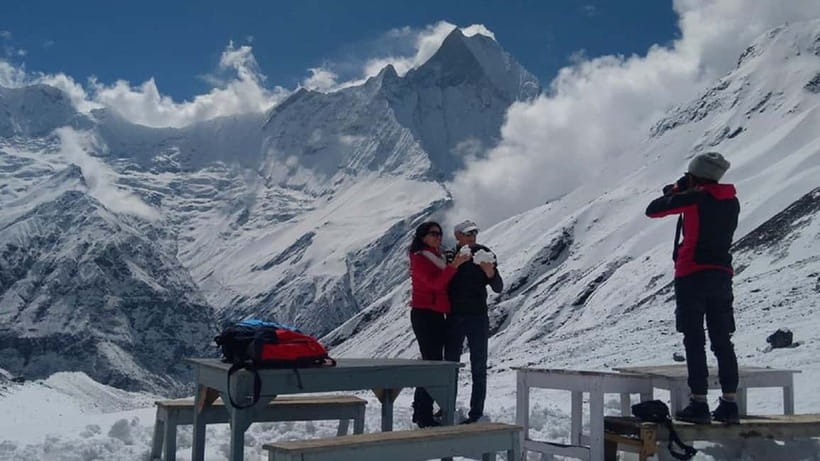
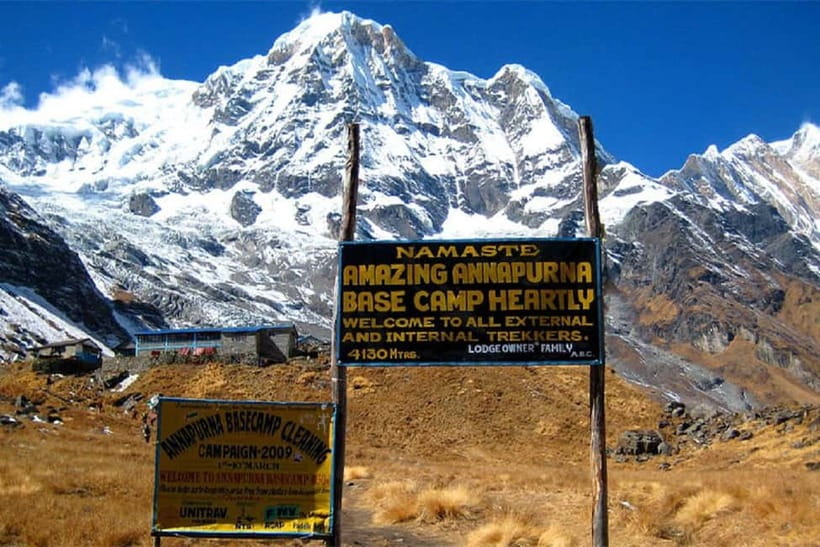
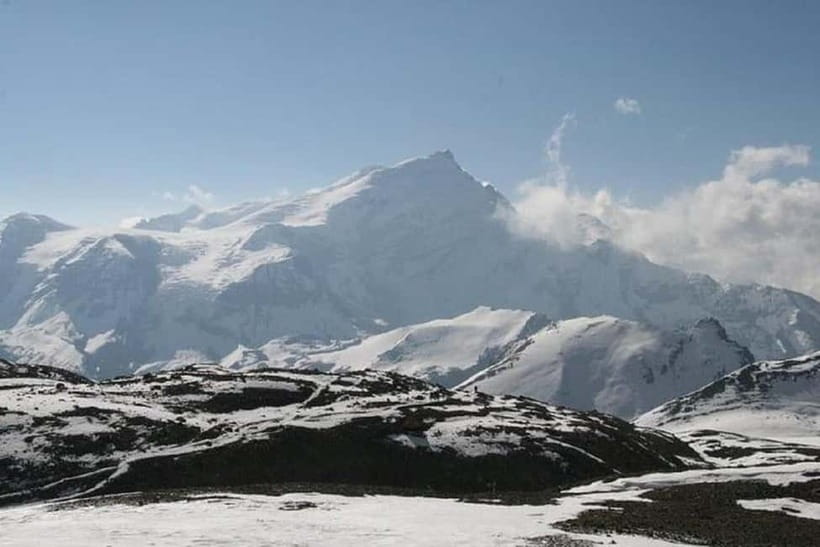
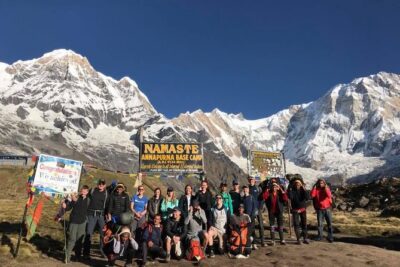
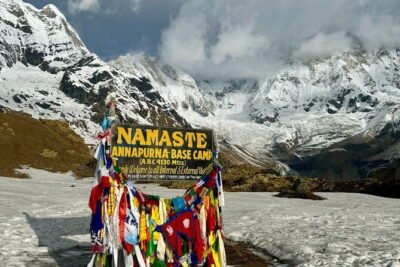
Day four is the headline push, about 6 to 7 hours to reach Annapurna Base Camp at 4,130m. You move into an alpine zone and into the glacier valley feeling, where the landscape starts changing from forest and village life into something more stark and high.
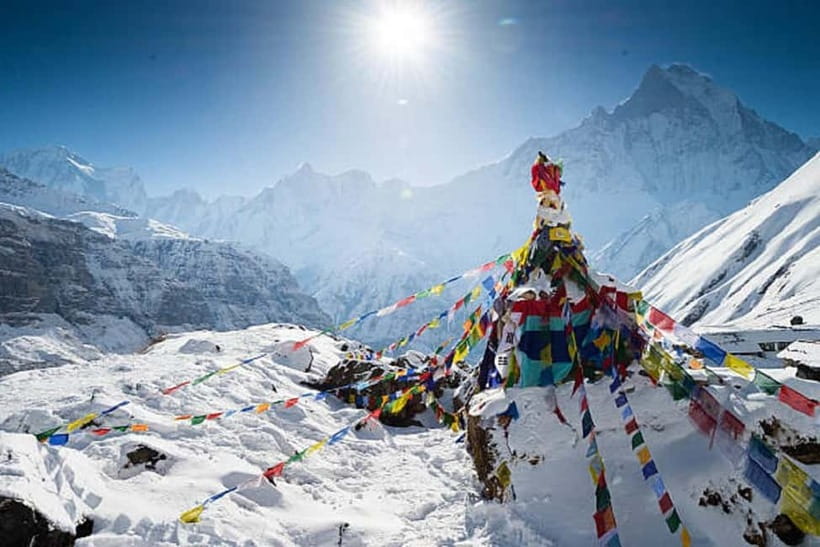
There’s a meaningful mental shift here. The trail becomes a corridor into the Annapurna Sanctuary, and base camp is often described like an amphitheater for a reason. You’re surrounded by big faces of peaks, and it feels like the world tightened up around you.
Reaching base camp in about seven days means you’ll still have energy to enjoy the moment, instead of arriving exhausted and numb. Still, don’t underestimate the altitude. Even if you feel fine while hiking, you can feel the change at 4,130m once you stop moving.
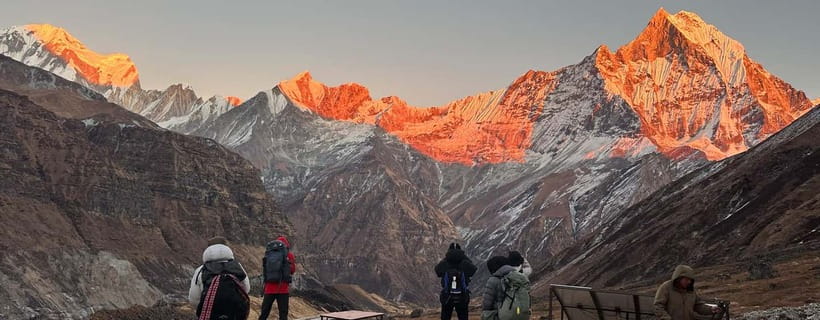
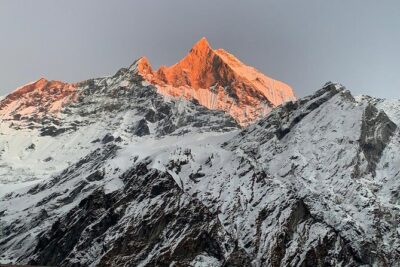
This day is also where sunrise and sunset views become part of the plan. With the right timing and weather, you can watch the light change around giants like Annapurna I and Machhapuchhre. From a value perspective, this is the emotional payoff. It’s not just seeing a place, it’s watching how the mountains look when the sky turns.
Practical advice: at this altitude, small things matter. Keep your windproof layer handy, and have a plan for warm drinks when you pause.
More Annapurna Base Camp treks:
- Kathmandu/Pokhara: 5-Day Annapurna Base Camp (ABC) Trek
★ 4.9 · 72 reviews - Annapurna Base Camp Trek -8 days
★ 5.0 · 56 reviews - Private 7 – Day Annapurna Base Camp Trekking
★ 5.0 · 50 reviews - Annapurna Base Camp Trek (8 days)
★ 5.0 · 45 reviews
Down to Bamboo: Backward Views and a Better Kind of Sore Legs
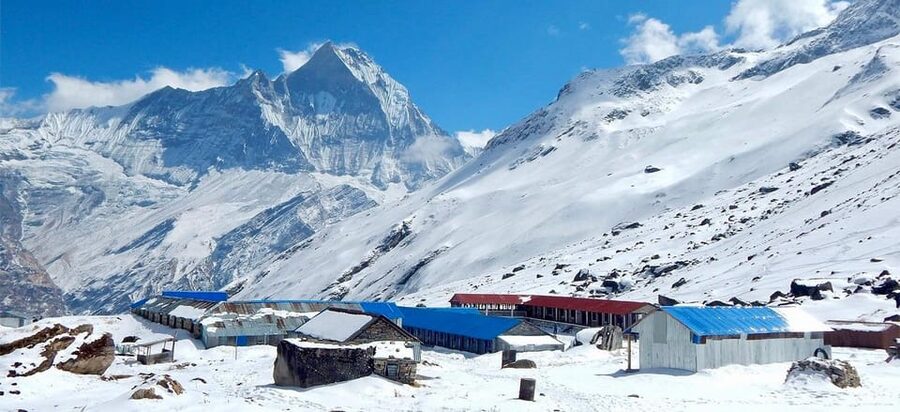
Day five turns the route downhill, about 6 to 7 hours from Annapurna Base Camp to Bamboo, ending around 2,335m. This is often the “surprise day” because descent feels easier than ascent, yet your body can still complain, especially your knees.
The payoff is that you get incredible backward views of the Annapurna range as you descend. You’ll also pass waterfall scenery as you work your way down. It’s a chance to appreciate your earlier effort from a new angle, like the mountain is showing you what you earned.
Bamboo is a recovery-style stop. The altitude drop helps, and by the time you settle into a tea house here, you’ll likely feel the difference between high altitude pounding and normal mountain walking.
If you tend to get stiff after descents, bring a little patience into your day. Your best tool is a slow, controlled downhill stride. It protects your joints and keeps you enjoying the views.
Jhinu Danda After the Descent: The Hot Springs Reset Your Body
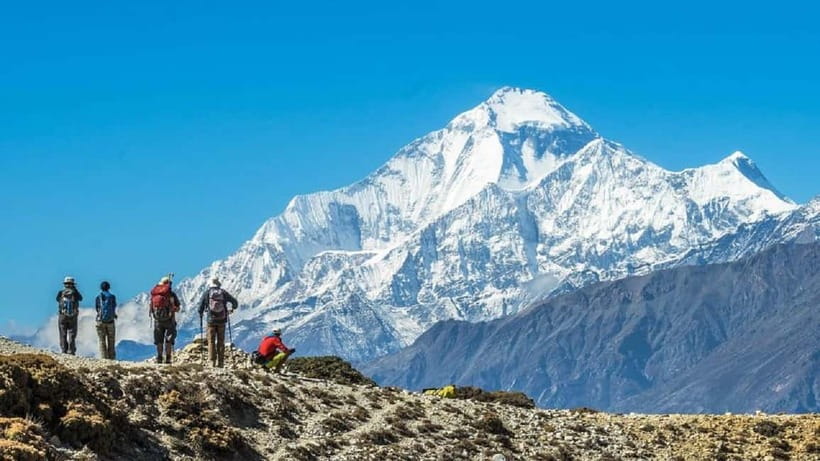
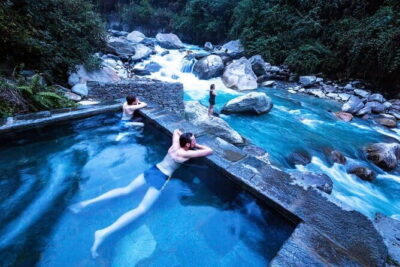
Day six brings a gentle but important reward. You’ll hike about 5 to 6 hours from Bamboo down to Jhinu Danda, around 1,610m, and then you get the natural hot spring soak. This is not an add-on. It’s part of why the trek works as a full experience.
You’ll trek down to the riverside, and then soak in warm water. That combination does something practical: it speeds up recovery and makes your final day feel lighter. After a base camp effort, your legs deserve this kind of reset.
If you want to make the most of it, pack a towel and change of clothes. Even a “simple” tea house day feels more comfortable when you can clean up properly after the soak.
Also note the altitude story. Dropping to 1,610m helps your body normalize. Soaking here is a closing ritual that matches the physical reality of the trek.
Day Seven Back to Nayapool and Pokhara: Easy Ending, Still Mountain Time
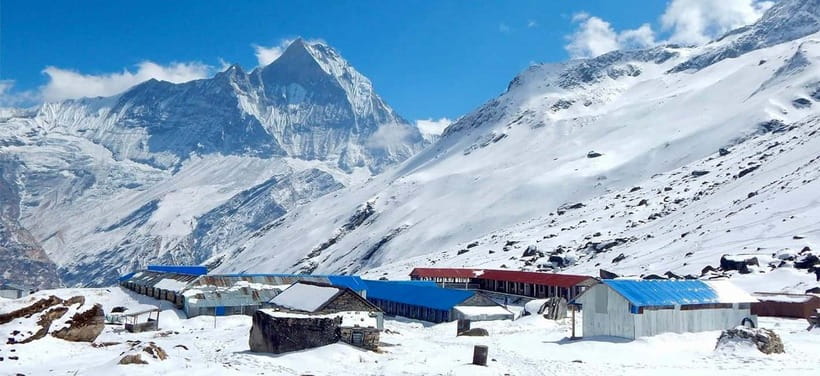
On day seven, you’ll hike about 4 to 5 hours from Jhinu Danda to Nayapool, then drive about 1 hour back to Pokhara. It’s the final transition from trail life to city life, and it feels better when you treat it as a moving cooldown rather than a final sprint.
You get one last chance for mountain memories on foot before the drive. When you finally roll into Pokhara, you’ll notice what you came for: the sense of space you only get after days in the hills.
If you’ve ever felt like photos can’t capture the feeling, base camp plus the hot spring combo tends to fix that. The mountain sticks in your head, and the warmth of the soak helps the trip land emotionally.
Guides, Safety, and the Personal Touch That Makes It Work
This trek is run as a private group, which matters more than you might think. You’re not stuck with a mismatched pace. A private setup also makes it easier to get guidance that fits your day and your body.
Guides are described as professional, friendly, experienced, and English-speaking. Past groups have credited guides like Chaundra, Bishnu Giri, Sun, and Chandra for safety focus, patience, and clear information about mountains and local culture. That kind of guidance is gold when you’re working at altitude and trying to decide how hard to push.
One highlight from the guide feedback: flexibility. Some trekkers noted the route adjusted overnight guesthouses based on progress. That can reduce stress. It also helps you finish strong instead of being forced into a plan that ignores your pace.
Here’s the one practical consideration. One participant suggested changing day one and day seven logistics to reduce dust from road walking, like using a jeep or car for those stretches. If you are sensitive to dust, it’s worth asking what the plan looks like for the road segments on your exact dates.
Price and What You Really Get for $181
At $181 per person for a 7-day guided Annapurna Base Camp trek, the value is in how much is bundled. You’re paying for round-trip transportation between your hotel or Pokhara International Airport and the trek starting point, required trekking permits (including TIMS paperwork), and local taxes. That removes the biggest headache, which is not the hike itself, it’s the admin.
Your money also covers tea house or lodge accommodation during the trek, plus meals depending on your selected option. You get a government-certified English-speaking trekking guide, with guide insurance and trip expenses handled, plus a first aid kit. There’s also luggage storage in Pokhara so you don’t have to carry everything.
One more value detail: trekking gear support is mentioned as including a trekking stick and sleeping bag as needed. That can save money if you do not already have gear.
What is not included is important. Travel insurance is mandatory for your safety, and personal snacks and beverages are on you. Emergency rescue services are noted as available if needed, but that does not replace insurance. Porters are optional at $20 per day, if you decide you want help carrying weight.
So the real question is not just whether the price is low. It’s whether you’re comfortable carrying your essentials, moving at altitude with a steady pace, and budgeting extra money for personal items and insurance.
What to Bring for Cold Nights, Dusty Moments, and Hot Springs
Pack like you’re hiking in changing weather, not like it’s one climate. You’ll want comfortable shoes and warm clothing, plus sunglasses and a sun hat. Bring sunscreen, gloves, a rain jacket or rain gear, and a warm jacket for higher elevations.
For clothing, include change of clothes. It sounds basic, but after the hot spring stop at Jhinu Danda, laundry-day comfort becomes a big deal. Bring a towel, a flashlight, and a power bank if you plan to charge devices.
Documents matter too. You’ll need your passport, and a copy is accepted. You should submit a copy of your passport at least one day before the trek so permits can be processed.
Fitness and Altitude Reality Check for This 7-Day Plan
This trek reaches 4,130m at Annapurna Base Camp. That number is the reason the itinerary includes plenty of time for walking hours and tea house nights rather than nonstop forced marches.
The route is described as challenging for some participants, so you should book only if you are in good health with reasonable fitness. If you’re coming off an inactive season, do a warm-up plan at home. Think: frequent walking, stairs, and building endurance.
Your best altitude strategy here is simple: pace yourself and listen to your guide. Even with good luck on weather, you can still feel altitude during breaks and at night. Bring warm layers, because colder temperatures can make you feel more tired than the altitude alone.
Also, if you are booking for January, you may get a bonus. One group report praised January as quieter and less crowded on trails and at tea houses, along with clear skies. That’s not guaranteed, but it matches what many people hope for in winter trekking.
Should You Book This Annapurna Base Camp Trek?
I’d book this trek if you want the classic Annapurna Base Camp experience in a tight 7-day package: Gurung village life, forest walking, a real alpine base camp day, and a hot spring ending that helps you recover instead of just leaving you sore.
Book it if:
- You want an English-speaking, safety-focused guide and a private group setup
- You like tea house trekking and want local culture woven into the route
- You are okay with altitude at 4,130m and can hike 4 to 7 hours per day
Pass or reconsider if:
- You know dust bothers you, especially on road sections near the start and finish, and you cannot handle that comfortably
- You are not confident in your ability to manage altitude and cold nights
If you do book, one smart move is to confirm what the road segments look like on your travel dates, and to bring real warm layers for the higher elevations. That small prep is how you turn a tough week into a memory you’ll keep for years.
FAQ
How long is the Annapurna Base Camp trek?
The trek is 7 days.
What altitude do you reach on this trek?
You reach Annapurna Base Camp at 4,130m (13,550 feet).
Where does the trek start, and is transportation included?
Transportation is included between your hotel and Pokhara International Airport and the trek starting point. Pickup is optional, including from Pokhara International Airport or hotels in the Lakeside area.
Are permits and TIMS fees included?
Yes. Trekking permits, paperwork, and TIMS fees are included.
What kind of accommodation and meals are provided?
You stay in simple tea houses or lodges along the route. Meals are provided throughout the trek, depending on the option you choose.
Is there a hot spring stop during the trek?
Yes. After reaching Jhinu Danda, you’ll have time to enjoy a relaxing soak in natural hot springs.
Do I need travel insurance?
Yes. Travel insurance is mandatory, and it is not included in the tour price.
Is a porter included?
A porter is not included by default. You can hire one optionally for $20 per day.
What documents and items should I prepare before departure?
You should submit a copy of your passport at least one day prior for permits. You’ll also want items like warm clothing, rain gear, a sun hat, sunscreen, sunglasses, a flashlight, and a sleeping bag if needed.
More Spa & Hot Springs in Pokhara
- Pokhara: 5 Day Annapurna Base Camp Trek & Natural Hot Spring
★ 4.9 · 44 reviews - From Pokhara: 5-Day Annapurna Basecamp Trek with Hot Springs
★ 4.9 · 26 reviews - Pokhara: 5-Day Trek to Annapurna Base Camp and Hot Springs
★ 5.0 · 4 reviews - Pokhara: 7-Day Annapurna Base Camp Trek & Hot Spring
★ 4.0 · 3 reviews
Latest additions near Pokhara
- Pokhara: Pokhara Highlights Tour by Bus★ 3.6 · 10 reviews
- Discover Pokhara in Style: Private Vehicle Service with Driver★ 5.0 · 5 reviews
- Pokhara in 5 Hours: Lake, Museum, Cave, Falls & Pagoda Hill★ 4.5 · 16 reviews
- The World Peace Pagoda in Pokhara★ 4.5 · 7 reviews
- 7-Day Trek to Annapurna Base Camp from Pokhara★ 5.0 · 12 reviews
- 4 Day Mardi Himal Base Camp Trek from Pokhara★ 5.0 · 18 reviews
- Unique Easy Hiking to Foxing Hill from Pokhara★ 5.0 · 4 reviews
- World Peace Stupa Day Hike From Pokhara★ 5.0 · 4 reviews
Annapurna Base Camp Treks, compared.
Kathmandu to Annapurna Base Camp (ABC) 5-Day Trek
Read our review →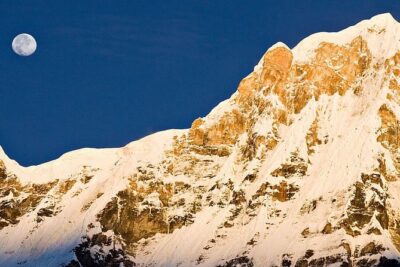
Browse the lists this tour appears in