
Reviewed · ANNAPURNA BASE CAMP TREKS
Annapurna Base Camp Trekking
Annapurna Base Camp does not ease you in. From Kathmandu to Pokhara, then straight to the trailhead at Nayapul, the trip builds momentum, not suspense. I love how this trek pairs big Himalayan payoff with everyday human stuff, like conversations with Gurung, Magar, and Thakali locals.
Poon Hill sunrise and the later high-mountain viewpoints are the kind of moments you plan your whole trip around. The second thing I love is the support structure, you get a guide and a porter with insurance, plus tea-house lodging each night during the trek.
One consideration: this is still a multi-day trek with long walking days and real altitude. You should plan on moderate fitness and smart pacing, and you should expect to feel tired on some stretches.
In This Review
- Quick hits before you commit
- Kathmandu to Pokhara: getting your trip rolling
- Pokhara, Phewa Lake, and the calm before the trail
- From Nayapul to Ulleri: the first taste of Gurung and Magar country
- Ulleri tip that keeps you sane
- Ghode Pani: rhododendron country energy
- Poon Hill sunrise: one early morning that pays big
- What to expect the morning of Poon Hill
- Chhomrong: hitting a cultural crossroads
- A practical way to handle village encounters
- Deurali: moving into cooler, higher feeling air
- The Annapurna Mountain Range viewpoint: amphitheater vibes
- Bamboo to Jhinu Danda: hot springs as a reward system
- Hot-spring reality check
- Pothana: keeping the views and finishing strong
- Back to Pokhara, then flying to Kathmandu
- What your trek price covers, and what you’ll still pay
- A note on the Nepal visa amount shown here
- The day-by-day rhythm, translated into real expectations
- Who this trek suits best
- My bottom line: should you book this Annapurna Base Camp trekking?
- FAQ
- Where does the experience start and end?
- How long is the Annapurna Base Camp trek?
- Is there a minimum group size?
- What transport is included between Kathmandu and Pokhara?
- Are meals included during the trekking?
- Do you provide a guide and porter?
- Is accommodation included on the trail?
- How much is the Nepal entry visa fee, and is it included?
- What comfort items are not included?
Quick hits before you commit
- Guided, private-group trekking so your pace and questions can stay personal.
- Porter support (01 porter for 02 pax) so you’re not forced to carry everything.
- Poon Hill sunrise early enough to catch clear light, plus a proper breakfast-in-the-rhythm day.
- Tea-house lodging each night on the trail, which keeps logistics simple.
- Jhinu Danda hot spring as a morale boost after harder uphill days.
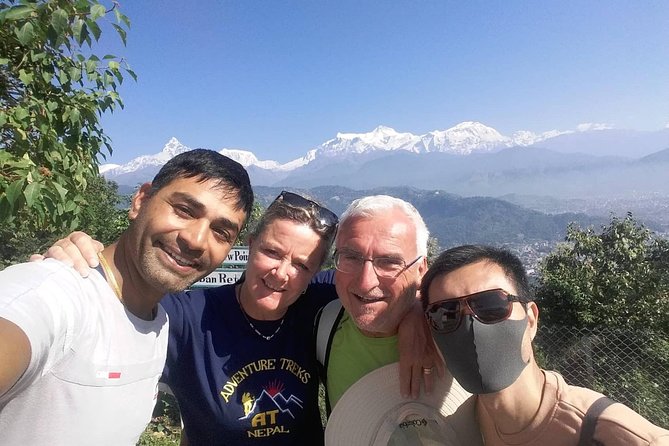
- Big Annapurna amphitheater views tied to Annapurna III, Annapurna South, Hiunchuli, Fang, Machhapuchhare, and Gangapurna.
Kathmandu to Pokhara: getting your trip rolling
Your experience starts at Tribhuvan International Airport in Kathmandu. After arrival, you’ll be set up for the first night with accommodation in Kathmandu that includes breakfast.
Kathmandu is the buffer day. It’s time to settle in, handle basics, and get used to Nepal tempo before you fly to Pokhara and start climbing on foot.
More Treks in Kathmandu
- Everest Base Camp Trek – 14 Days
★ 5.0 · 1,499 reviews - Everest Base Camp Trek
★ 5.0 · 842 reviews - Everest Base Camp Trekking
★ 5.0 · 485 reviews
Pokhara, Phewa Lake, and the calm before the trail
The next day takes you to Pokhara, about an hour’s drive from the airport zone once you’re in-country. You’ll have time to walk around Phewa Lake, which is a nice way to switch from city motion to lakeside breathing.
Pokhara is also where the trek starts to feel tangible. Even if you sleep at a higher elevation than on day one, you’re still waiting for the real altitude work that comes once you reach the trail.
From Nayapul to Ulleri: the first taste of Gurung and Magar country
On day three, you’ll drive to Nayapul and begin trekking. Nayapul matters because it’s your transition point, you go from roads and hotels into footpaths through small communities.
You’ll reach Ulleri by trekking day rhythm and sleep in a tea house or lodge. The vibe here is classic Nepal village trekking, people you pass may be busy, but they’re often willing to chat if you slow down.
This is where I’d start thinking about your “day system.” Tea house stops mean your routine gets easier, choose a simple snack plan, sip water regularly, and let your breathing set the pace.
Ulleri tip that keeps you sane
Wear shoes that are already broken in. On these first hiking days, your feet notice everything, and tea-house comfort starts with arriving without blisters.
More Annapurna Base Camp treks:
- Annapurna base camp trek 5 Days
★ 5.0 · 252 reviews - 14-Day Private Annapurna Base Camp Trek
★ 5.0 · 180 reviews - Annapurna Base Camp Trek
★ 5.0 · 111 reviews - Annapurna Base Camp Trek
★ 5.0 · 107 reviews
Ghode Pani: rhododendron country energy
Day four continues the trek toward Ghore Pani. This section is part of what makes the Annapurna region so popular, you’re moving through dense rhododendron forest with mountains showing in the background as the air clears.
You’ll overnight at another tea house or lodge, keeping your schedule predictable. That predictability matters on long days, because it means you can focus on the walk instead of guessing about beds, food, and transport.
Poon Hill sunrise: one early morning that pays big
Day five is the day you go for Poon Hill. You’ll get up early for sunrise views, and the experience is timed so you’re not rushing blindly, you’re going for light, not just effort.
The payoff is a wide look at the high Himalayan peaks, and it’s also a good acclimatization day. Sunrise days tend to feel like a checklist, you work hard briefly, then you settle into breakfast and keep trekking with better confidence.
What to expect the morning of Poon Hill
Bring a warm layer. Even if the day warms up, mornings near higher viewpoints can feel cold, and tea-house breakfasts after a sunrise hike are better when you’re not shivering.
Chhomrong: hitting a cultural crossroads
On day six you trek to Chhomrong and sleep in a lodge. Chhomrong is known for being a place where village life and mountain views meet, and it often feels like the trek shifts from “getting there” to “this is happening.”
The Gurung and other ethnic communities along the route give you something most treks lack, real cultural contact that isn’t staged. If you stop and show respect, people are often happy to talk and explain daily life.
A practical way to handle village encounters
Ask before taking close photos. When you do talk, keep it simple, where they live, what they grow, or how the season changes.
Deurali: moving into cooler, higher feeling air
Day seven takes you to Deurali for the night at a tea house or lodge. This is one of the stages where the air starts feeling cooler and the hills feel more “high-country” than lowland Nepal.
It’s also a good moment to check in with your body. If you’re getting headaches or nausea, slow down, drink steadily, and let your guide know early so pacing adjustments can happen.
The Annapurna Mountain Range viewpoint: amphitheater vibes
Day eight is a dedicated viewpoint day, you get a 360-degree view of the Annapurna Mountain Range. This is the moment when the trek’s description turns from words into something you can actually see.
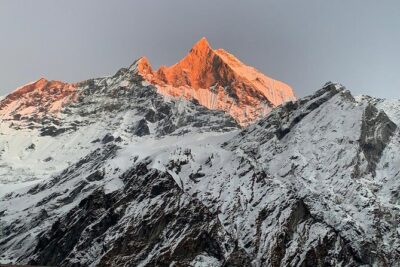
The peaks associated with the Annapurna massif are not just name drops. The area includes Annapurna III, Annapurna South, Hiunchuli, Fang, Machhapuchhare (Fish Tail), Gangapurna, and it’s framed like a dramatic circle around a central glacier-covered amphitheater.
Day nine then continues with trekking toward Bamboo, with an overnight at another lodge. Bamboo is a steadying point, you keep the rhythm while the mountain scale slowly sinks in.
Bamboo to Jhinu Danda: hot springs as a reward system
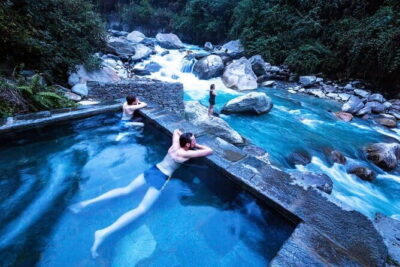
Day ten is your stop at Jhinu Danda, built around a hot spring visit. After days where your legs do the negotiating, hot springs feel like the best kind of “post-trek medicine.”
Your itinerary shows a full day in that area, so you’re not just stopping for a quick dip and sprinting again. That extra time matters because it lets you actually relax, soak, and eat without feeling rushed.
Hot-spring reality check
Hot springs can be crowded depending on season and timing, and water can feel very hot. Start carefully, and don’t assume you can stay for long without getting lightheaded.
Pothana: keeping the views and finishing strong
Day eleven brings you to Pothana for an overnight lodge stay. Pothana is one of those places that feels like a “finish chapter” before you drop back toward Pokhara.
You’re still trekking, but the mood usually shifts. The mountains remain present, yet the end is no longer vague, you can feel the trip winding down.
Back to Pokhara, then flying to Kathmandu
Day twelve takes you back to Pokhara, with time to walk around again. You’re exchanging trail air for city comfort, and that’s a big part of why people like this route, it gives you an easy landing.
Day thirteen is fly back to Kathmandu and a free day. You can use it to reset, shop for small gifts, and make one last meal feel special.
What your trek price covers, and what you’ll still pay
This trek is listed at $1,779 per person for an approximately 14-day experience. The value comes from how much is operationally handled for you: you get Kathmandu and Pokhara accommodation with breakfast, meals during the trek, tea-house stays, guides and porters, and transport between key points.
Included on the transportation side, you get Kathmandu to Pokhara flight with airport tax, plus drives including Pokhara to Nayapul and Phedi to Pokhara. That matters because it reduces the number of moving parts you have to coordinate.
What you still should expect to pay for: international airfare, a Nepal entry visa fee, and your travel insurance of any kind. Drinks are not included, and the listing also notes charges like heater charge and hot shower during the trekking and main meals in cities are not included, so pack a little cash buffer and plan around basics.
Tips for guide, porter, and driver are also not included. That’s common in trekking, and it’s worth setting aside a reasonable amount so it doesn’t become an afterthought.
A note on the Nepal visa amount shown here
The data lists US$ 50 for 30 days and US$ 30 for 15 days. It also notes you should get it via open your arrival, so don’t assume you can skip paperwork when you land.
The day-by-day rhythm, translated into real expectations
Here’s how the structure tends to feel once you’re on it. Day three starts trekking from Nayapul to Ulleri. Day four continues to Ghore Pani, then day five centers on Poon Hill sunrise, meaning a very early start then a slower recovery rhythm.
Days six and seven move to Chhomrong and Deurali, where you’re gaining the higher-feeling terrain and dealing with cooler air. Day eight is a dedicated Annapurna Range viewpoint for that huge 360-degree perspective, then day nine heads to Bamboo.
Day ten is the Jhinu Danda hot spring day, which functions like a reset. Day eleven moves to Pothana, and day twelve returns to Pokhara. Days thirteen and fourteen finish with the flight back to Kathmandu and departure.
Long days are built into this plan, with several trekking days listed at about 12 hours. That doesn’t mean constant steep uphill, but it does mean you should be ready for sustained hiking and frequent pauses.
Who this trek suits best
If you want a moderate trek with a strong balance of scenery and culture, this route makes sense. The itinerary includes village contact in ethnic communities and then moves through rhododendron forest into cooler high hills, so it’s not just one type of walking.
This is also a good match if you like clear structure. Tea-house lodging, meals, and guided support mean you can focus on the walk and the views without constantly re-planning.
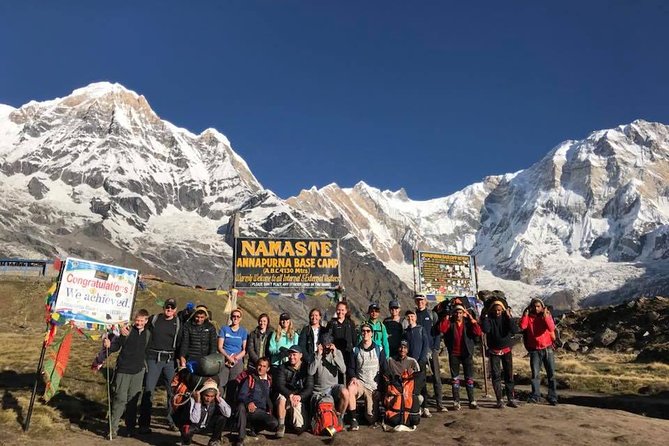
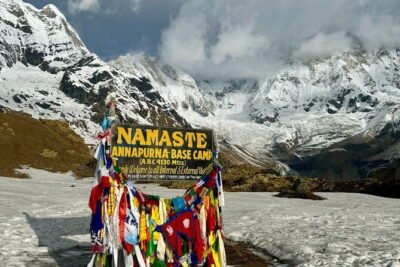
If you’re sensitive to altitude stress, you should take the stated moderate fitness guidance seriously and talk with your doctor before going. This is not a stroll, the final area reaches Annapurna Basecamp at 4,130m, and your body needs time to adjust.
My bottom line: should you book this Annapurna Base Camp trekking?
I’d book it if you want a guided, organized Annapurna Base Camp trek that hits the key moments: Kathmandu and Pokhara support, a proper Poon Hill sunrise, a high viewpoint day with 360-degree views, and a real morale boost from Jhinu Danda hot springs.
Skip it or rethink if you need maximum self-guided flexibility, because this trip is private and structured around included transfers, stays, and meal timing. Also, don’t go in assuming the hot shower and heater comforts are guaranteed in the mountains, because those are listed as not included.
If you’re ready for a real trek, bring patience, and choose steady pacing, this is the kind of Annapurna experience that turns into a lasting memory for reasons beyond photos.
FAQ
Where does the experience start and end?
The experience starts at Tribhuvan International Airport in Kathmandu and ends back at the same meeting point.
How long is the Annapurna Base Camp trek?
It’s listed as 14 days (approx.).
Is there a minimum group size?
Yes. The trip requires a minimum of 2 persons to run.
What transport is included between Kathmandu and Pokhara?
You get Pokhara Kathmandu flights with airport tax, plus drives including Kathmandu to Pokhara, and Pokhara to Nayapul and Phedi Pokhara.
Are meals included during the trekking?
Yes. During the trekking you have breakfast, lunch, and dinner included (the listing shows counts for each meal).
Do you provide a guide and porter?
Yes. You get a trekking guide with insurance and a porter with insurance. The listing states 01 porter for 02 pax.
Is accommodation included on the trail?
Yes. You get accommodation in tea house (mountain lodge) while trekking.
How much is the Nepal entry visa fee, and is it included?
The Nepal entry visa fee is not included. The listing shows US$ 50 for 30 days and US$ 30 for 15 days.
What comfort items are not included?
The listing says drinks, dessert, juice, mineral water, heater charge, hot shower during the trekking, and main meals in cities are not included. Tips are also not included.
Latest additions near Kathmandu
- White Water River Rafting – 1 Day★ 4.3 · 3 reviews
- Traditional Momo Making Class★ 5.0 · 10 reviews
- Kathmandu to Pokhara Premium sofa bus ticket★ 4.0 · 17 reviews
- Ghorepani Poon Hill Trek★ 5.0 · 16 reviews
- Amazing 1 Day Trekking Experience in Kathmandu Nepal★ 5.0 · 24 reviews
- Ghorepani Poonhill Trek★ 5.0 · 5 reviews
- Walking tour of real Kathmandu through back streets.★ 5.0 · 3 reviews
- Wildlife Adventure in Chitwan Nepal★ 4.0 · 4 reviews
Annapurna Base Camp Treks, compared.
Kathmandu to Annapurna Base Camp (ABC) 5-Day Trek
Read our review →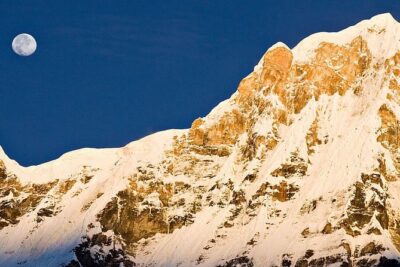
Browse the lists this tour appears in