
Reviewed · ANNAPURNA BASE CAMP TREKS
Annapurna base camp trek 5 Days
Annapurna Base Camp, in five trek days. I like that your booking includes down jacket and sleeping bag plus tea house meals and permits, so you can spend less time organizing and more time walking. One drawback to consider, based on reported issues, is water purification tablets may not always be provided correctly, so you should pack a backup plan.
This trek is a classic short route in the Annapurna Range, but it’s organized in a way that feels practical: Kathmandu to Pokhara up front, then lodge nights along the trail, and a return that works without feeling rushed. You’re moving with a small group (up to 12), and the itinerary starts early, around 6:45am, when mornings are still cool and light.
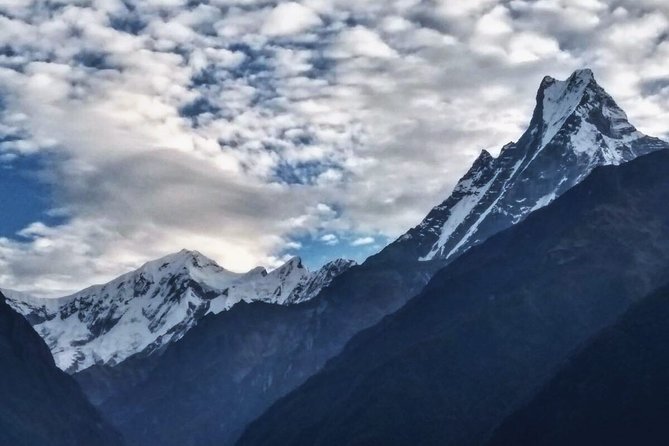
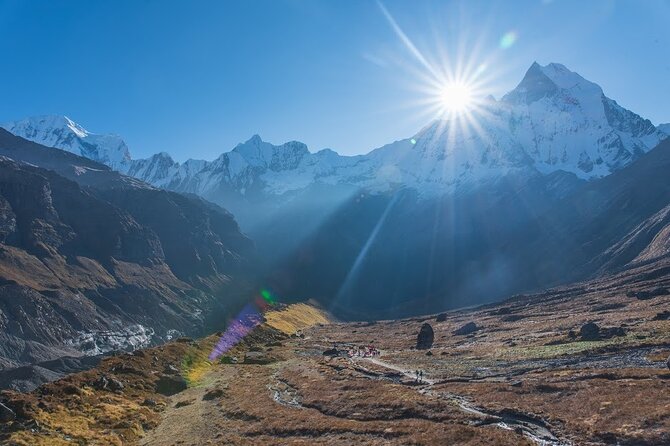
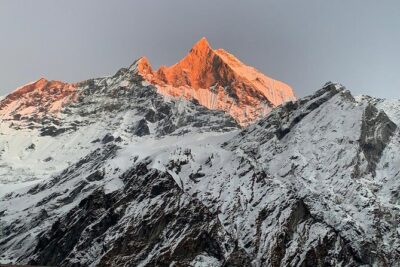
You’ll get plenty of big-mountain moments, especially sunrise views tied to Machhapuchare (Fish Tail) and Annapurna. This route suits you if you have moderate fitness and you want the feel of Nepal Himalaya trekking without signing up for a long, multi-week ordeal.
In This Review
- Key things to know before you go
- Why this Annapurna Base Camp trek feels like a smart shortcut
- Day 1: Kathmandu to Pokhara Lakeside and a calm start
- Day 2: Drive toward the trailhead, then Chhomrong cottage country
- Day 3: Sinuwa hilltop lodge, tea, and that sunrise gamble
- Day 4: The big day, Annapurna Base Camp on foot
- Day 5: Machhapuchare sunrise views and a morning walk before breakfast
- Day 6: Back toward Pokhara via Chomrong and Jhinu hot spring area
- What you’re really paying for: value inside the $699
- Lodges, meals, and cold weather comfort on a short schedule
- Guide support, water tablets, and how to protect your trip
- The route feel: forests, villages, and peak obsession time
- Who this trek suits best, and who might want another option
- Should you book this Annapurna Base Camp trek?
- FAQ
- Where does this Annapurna Base Camp trek start and end?
- How long is the trek?
- What time does the tour start?
- What is the maximum group size?
- What’s included in the trekking costs?
- Do I need to bring my own sleeping bag or jacket?
- What is the cancellation policy?
Key things to know before you go
- Gear is included: down jacket and sleeping bag for cold nights.
- Meals and permits are handled on the trekking days.
- English speaking guide takes care of trail logistics and paperwork.
- Small group size (max 12) helps keep pacing manageable.
- Machhapuchare sunrise moments happen on the route you’ll actually walk.
- Don’t trust water tablets blindly; bring your own backup or confirm on day one.
Why this Annapurna Base Camp trek feels like a smart shortcut
This itinerary is built around one idea: you get to Annapurna Base Camp fast, without skipping the small-town warmup in Pokhara. Day 1 is all about getting oriented in lakeside Pokhara after a scenic drive from Kathmandu along the Prithvi highway by tourist bus. It’s not the trek yet, but it does the most important thing for you psychologically, it turns a big goal into a real plan you can follow.
Then the trekking phase starts, and that’s where the value really shows. You’re not doing the heavy lifting of finding lodges, translating menu chaos, or handling permits. You’ll sleep in tea houses along the way and eat meals that keep you fueled for altitude and long walking days.
The “short route” part matters too. Annapurna Base Camp can be done in many ways, but this one keeps the rhythm simple: a steady climb through forests and villages, a base camp arrival day, then a descent and return to Pokhara with a hot spring stop area.
More Treks in Kathmandu
- Everest Base Camp Trek – 14 Days
★ 5.0 · 1,499 reviews - Everest Base Camp Trek
★ 5.0 · 842 reviews - Everest Base Camp Trekking
★ 5.0 · 485 reviews
Day 1: Kathmandu to Pokhara Lakeside and a calm start
Day 1 begins early, and you’ll travel from Kathmandu to Pokhara by tourist bus through the Prithvi highway, then spend time around Pokhara Lakeside. The plan here is practical sightseeing, not a workout. You can use the time to sort out your trekking day pack, check your layers, and get cash or snacks for personal preferences.
Why I like this setup for first-time trekkers: it reduces the risk of showing up under-prepared. Nepal trekking runs on schedules, and your body needs time to adjust to travel fatigue. By the time you sleep in Pokhara, you’re ready to start the next day’s drive into the trailhead zone.
A minor consideration is that Day 1 is mostly travel plus walking around Lakeside. If you hate being in transit, you might feel like you’re not doing the “real trek” yet. But it sets you up well for the next days when the altitude and walking begin to stack up.
Day 2: Drive toward the trailhead, then Chhomrong cottage country
After breakfast in Pokhara, you’ll drive to Siwai by local jeep, about 2 hours. Before you fully commit to the trekking side, you stop at Birethati, which acts as an entering point for the route.
This is one of those days where logistics matter. A direct jeep ride helps you start trekking without wasting energy before your first lodge night. And Birethati is a useful transition point, because the scenery and rhythm shift from road travel to real trail walking.
Then you’ll reach the area near Chhomrong Cottage for overnight. Chhomrong is a familiar name on Annapurna treks, and it often gives you that “we’re in the hills now” feeling, with village life, tea house clusters, and views that build as the days go on.
What to consider: Day 2 can feel long, not because of trekking distance only, but because you’ve had a morning drive and then a lodge day. Bring a water bottle you can refill (and purify properly), and keep your layers ready for temperature swings.
Day 3: Sinuwa hilltop lodge, tea, and that sunrise gamble
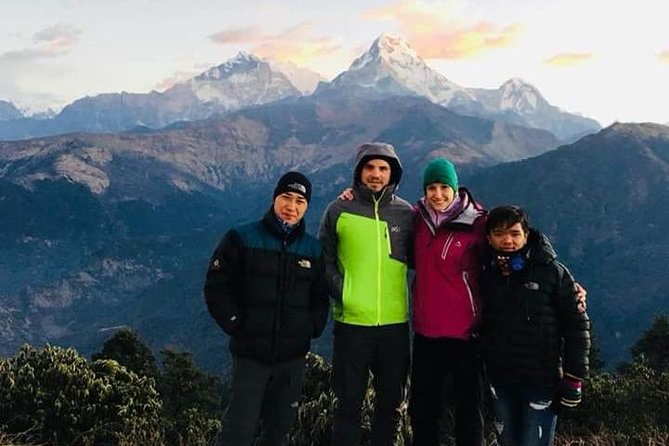
Day 3 is where morning routines start to become important. You wake up for tea, and you’re set up for a sunrise view over the White Mountain, assuming weather cooperates. After breakfast, the day includes descent and trail movement toward the next lodge area, with Sinuwa hilltop lodge and restaurant (Upper Sinuwa) listed as your stop.
Sinuwa hilltop is a good place to experience the Annapurna Range from a height where villages and forest edges feel close, but the mountains still look huge. It’s the kind of location where you might want to step outside between meals just to check the sky. On clear days you can catch crisp mountain lines; on cloudier mornings, you’ll at least get that high-hill quiet.
The drawback is weather dependence. Sunrise can be stunning or it can be gone quickly into cloud. That’s not something you can control. The best way to handle it is to accept that the mountain gives and takes, and you’ll still enjoy the day even if the sky hides the view.
More Annapurna Base Camp treks:
- 14-Day Private Annapurna Base Camp Trek
★ 5.0 · 180 reviews - Annapurna Base Camp Trekking
★ 5.0 · 116 reviews - Annapurna Base Camp Trek
★ 5.0 · 111 reviews - Annapurna Base Camp Trek
★ 5.0 · 107 reviews
Day 4: The big day, Annapurna Base Camp on foot
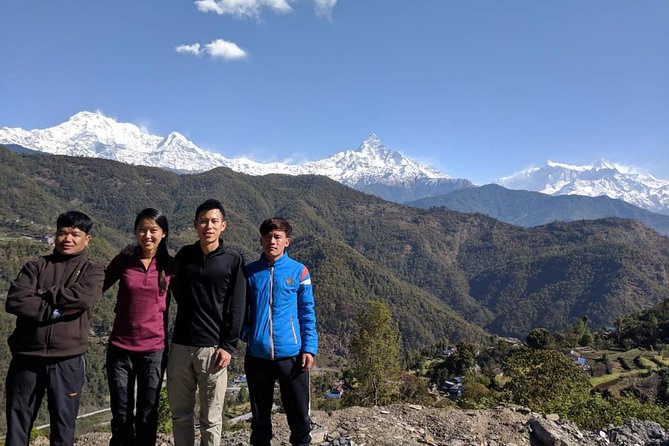
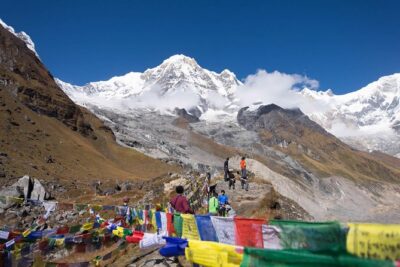
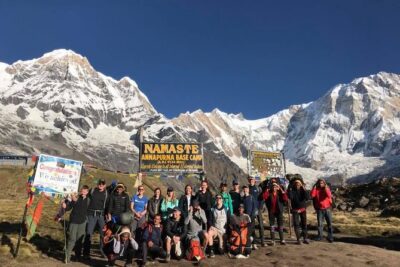
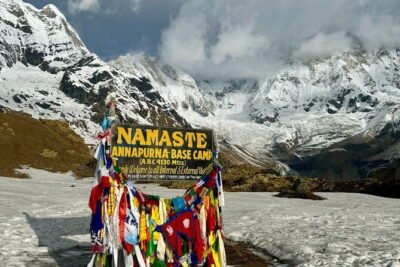
Day 4 is your arrival day on foot at Annapurna Base Camp, a classic goal in the Annapurna Range. The route is built to make the final push feel like a progression, not a sudden jump. You start with breakfast, and you’ll work your way up with rhododendron, bamboo, and oak forests mentioned as part of the trek experience.
This is also the day that reminds you why short treks are still real treks. Even if the itinerary is compact, your body has to handle sustained climbing, changes in air, and repeated altitude steps. Tea houses are warm enough for meals, but the trail itself asks for patience.
If you’re expecting base camp to feel like a theme park, adjust that mindset now. Base Camp is a working trekking hub with lodges and people, but the real payoff is still the view and the feeling of reaching a high goal with your own two feet. And since the itinerary highlights Fish Tail (Machhapuchare) as an iconic visual, you can expect that mountain to loom over portions of your journey.
Practical tip for base camp day: start slowly, keep water going, and don’t treat this like a sprint. You want to arrive able to appreciate it, not arrive gasping for air and disappointed you didn’t pace.
Day 5: Machhapuchare sunrise views and a morning walk before breakfast
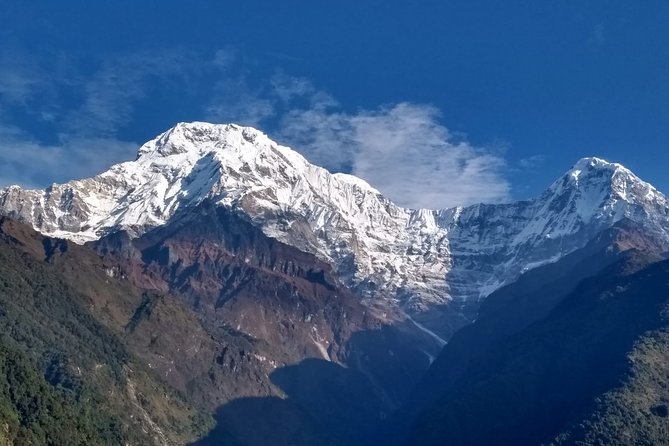
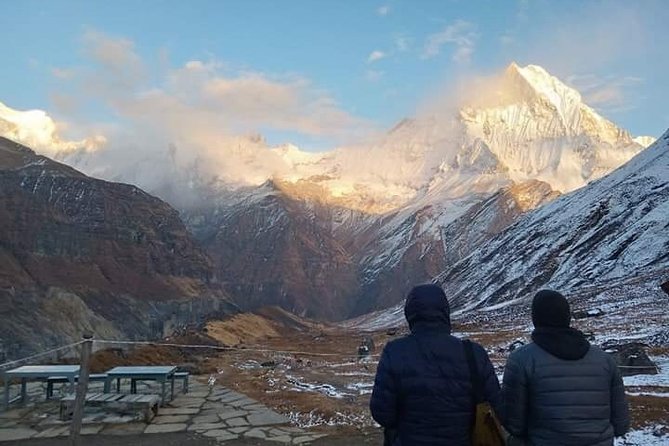
Day 5 is designed around another morning payoff. You’ll walk up a bit early to explore and catch the spectacular sun rising over Machhapuchare and Annapurna. Breakfast follows, and the day continues with trekking down toward the next stage.
This is one reason I like lodge-based treks like this. You’re not just moving, you’re timing your efforts around views. On clear days, these sunrise moments turn a tough day into a memorable one because you get a reason to wake up and move when you’d rather stay in bed.
The caution here is simple: wake-up times on mountain treks are early, and you might be tempted to overdo it to catch every photo angle. If you get tired, it’s okay to take the view from where you are. The mountain does not reward heroics.
Day 6: Back toward Pokhara via Chomrong and Jhinu hot spring area
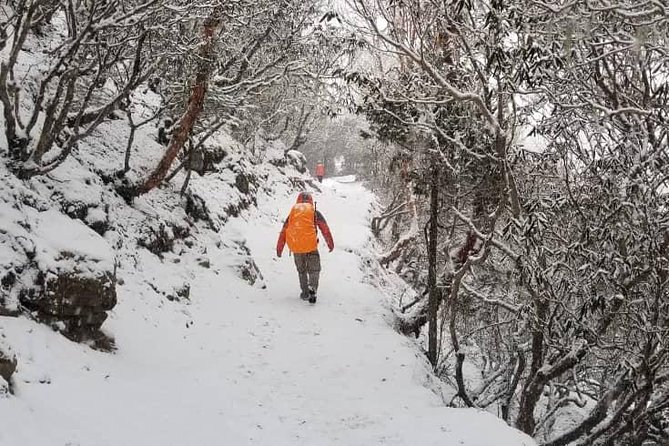
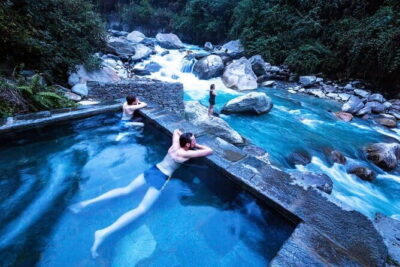
Day 6 starts with breakfast, then you follow the same trail until Chomrong, and then the descent gets steep toward Jhinu hot spring. From Jhinu dada, you trek down to Siwai for about 2 hours, then take a local jeep back toward Pokhara. The itinerary also includes a Pokhara Museum stop.
This day is about recovery. A descent can feel easier than a climb mentally, but your knees still do the talking. If you have knee or shin sensitivity, use this day for careful foot placement. Trekking poles can help, but the key is not rushing.
The Jhinu hot spring area is a nice reward after days of hiking because it gives you a chance to reset. You’re also getting an extra taste of Pokhara culture on the way back via the museum stop.
One practical note: the included schedule has you returning to Pokhara and finishing the experience. That’s convenient, but it also means you should avoid booking tight onward travel connections without padding time.
What you’re really paying for: value inside the $699
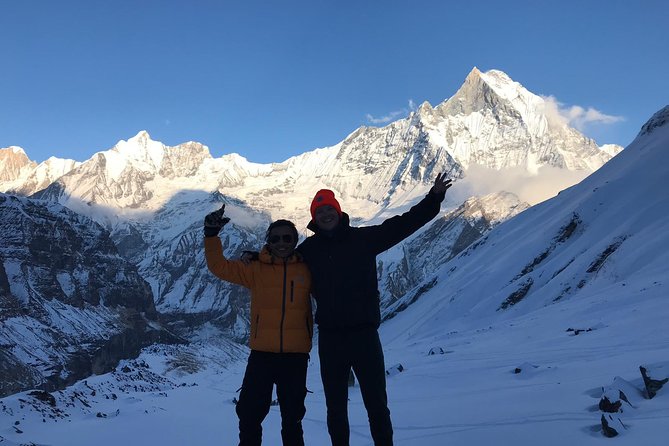
The price shown is $699 per person, and the trek includes a lot of the things that usually make trekking expensive or stressful to plan yourself. You get airport pickup and drop off, private transportation segments, all ground transportation, trekking permits, a local English speaking guide, and lodge accommodation on the trek.
Two of the biggest value drivers for me are the down jacket and sleeping bag being included, and the fact that meals are covered for the trekking days. Cold nights can be miserable if you arrive unprepared, and gear rental surprises are one of the most common budget killers in Nepal treks. Having your core warmth gear provided can save you money and, more importantly, headaches.
You also get a farewell dinner and a certificate of achievements, plus an ART’s free hiking t-shirt. Those last details are not the reason to trek, but they do add a sense of closure and a small community vibe after the effort.
What is not included also matters: food in Kathmandu and Pokhara is not included, arrival visa fees are not included, tips are not included, and travel insurance is not included. If you already have trekking insurance and your Kathmandu meals are covered, your budget will feel predictable. If not, plan for those gaps.
Lodges, meals, and cold weather comfort on a short schedule
This trek uses tea house accommodation during the trekking days, with breakfast, lunch, and dinner included for the five trekking days as listed. Tea houses are basic but functional, and in a short itinerary, that consistency helps a lot. You always know you’ll have a place to sleep and meals you don’t need to negotiate from scratch.
The included down jacket and sleeping bag can make a bigger difference than people expect. Base camp nights and early mornings are cold, and layering is not optional. With proper warmth gear, you can focus on sleep and acclimating rather than shivering through the night.
Still, I’d pack your personal essentials even if gear is included. You might find your own gloves, a headlamp, and a small daypack make you feel more in control. Also, bring a plan for charging devices if that’s important to you, since tea houses and schedules can vary.
Guide support, water tablets, and how to protect your trip
An English speaking guide is included, and the itinerary says the guide takes care of arrangements so you can concentrate on the trek. That’s exactly what you want, especially on your first Annapurna trek. A good guide does more than translate. They manage pacing, help with paperwork, and keep the group aligned.
At the same time, the reviews show real-world hiccups can happen. In particular, there have been complaints about water purification tablets not being brought as promised, and then needing to be sorted later, sometimes with pressure to pay. That’s not the kind of chaos you want when you’re already tired and at altitude.
So here’s your no-stress approach:
- On day one or at the first meeting, ask whether purification tablets are included and if everyone has them for the trek days.
- Confirm how water will be handled on trail.
- Pack a personal backup, even if tablets are supposed to be included.
This isn’t about being paranoid. It’s about being practical. Nepal trekking is safe when basics are handled well, and water is one of those basics.
The route feel: forests, villages, and peak obsession time
Even on a short Annapurna Base Camp run, the trail has variety. The route description includes rhododendron, bamboo, and oak forests, and you also move through village and lodge zones that give you breaks from pure climbing.
You’ll likely notice a rhythm: walk, arrive, eat, rest, then walk again. That repetition is normal, but it becomes easier when you trust the schedule and the lodge placements. With a max group size of 12, you’re less likely to feel lost in a crowd, and you can often find a steady pace that matches your energy.
And yes, you’ll get plenty of peak obsession time. The itinerary specifically calls out Machhapuchare, Annapurna, and the Fish Tail silhouette. The sunrise and morning view windows on Day 3 and Day 5 are built for the mountains when light hits them best.
Who this trek suits best, and who might want another option
This trek is aimed at people with moderate physical fitness who want a classic Annapurna goal in about a week including travel. The walking days are part of the experience, and the short itinerary keeps things manageable for many first-timers.
You’ll likely be happiest here if you:
- Want a structured trek with permits, guides, and lodge nights handled.
- Don’t want to source sleeping gear yourself.
- Enjoy sunrise view timing, especially for Machhapuchare.
You might not love it as much if you:
- Want total independence with zero dependency on group logistics.
- Hate early starts, since the schedule begins around 6:45am and has early morning routines.
- Have strong sensitivities to water and want absolute certainty on purification supplies without needing to bring your own backup.
Should you book this Annapurna Base Camp trek?
I think it’s a good booking if you go in prepared. The included gear, permits, lodge nights, and trekking meals are a strong package for the money. The Pokhara start also gives you a buffer that makes the whole trip feel smoother.
But due diligence matters. Ask about water purification tablets on day one and plan to carry a backup. Also take weather seriously, because the itinerary clearly depends on sunrise visibility.
If you want a short, high-reward trek with real mountain views and minimal planning stress, this route can be a solid match. If you need rock-solid certainty on every small item and you dislike last-minute fixes, you’ll be happier with a more flexible plan that gives you full control over supplies.
FAQ
Where does this Annapurna Base Camp trek start and end?
It starts in Kathmandu and includes travel to Pokhara early in the itinerary. The experience ends back in Pokhara.
How long is the trek?
The duration is listed as 6 days approximately, with an Annapurna Base Camp trek of 5 days included within that schedule.
What time does the tour start?
The meeting start time is listed as 6:45am.
What is the maximum group size?
The trek has a maximum of 12 travelers.
What’s included in the trekking costs?
Included items list permits, an English speaking guide, trekking lodges on the trek, trekking meals for the days listed (breakfast, lunch, and dinner), all fees and taxes, ground transportation, airport pick and drop off, and gear including a down jacket and sleeping bag.
Do I need to bring my own sleeping bag or jacket?
No. A down jacket and sleeping bag are listed as included.
What is the cancellation policy?
You can cancel for a full refund up to 24 hours in advance of the start time. If you cancel less than 24 hours before the experience’s start time, the amount paid is not refunded. The experience also notes weather can affect scheduling, with a different date or a full refund if canceled due to poor weather.
Latest additions near Kathmandu
- White Water River Rafting – 1 Day★ 4.3 · 3 reviews
- Traditional Momo Making Class★ 5.0 · 10 reviews
- Kathmandu to Pokhara Premium sofa bus ticket★ 4.0 · 17 reviews
- Ghorepani Poon Hill Trek★ 5.0 · 16 reviews
- Amazing 1 Day Trekking Experience in Kathmandu Nepal★ 5.0 · 24 reviews
- Ghorepani Poonhill Trek★ 5.0 · 5 reviews
- Walking tour of real Kathmandu through back streets.★ 5.0 · 3 reviews
- Wildlife Adventure in Chitwan Nepal★ 4.0 · 4 reviews
Annapurna Base Camp Treks, compared.
Kathmandu to Annapurna Base Camp (ABC) 5-Day Trek
Read our review →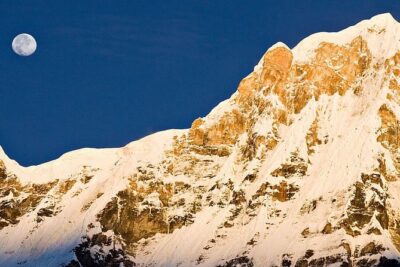
Browse the lists this tour appears in