
Reviewed · ANNAPURNA BASE CAMP TREKS
14-Day Private Annapurna Base Camp Trek
A high-altitude trek can feel intense. This one feels organized, step-by-step, with private guidance and lots handled for you.
You walk into the Annapurna region for big elevation days, lodge nights, and the payoff of reaching Annapurna Base Camp. You also get the Jhinu Danda hot spring moment that turns sore legs into smiles.
What I especially like is the practical support baked in: airport pickup, Kathmandu and Pokhara hotel nights, and real logistics help so you can focus on walking. Another strong point is the inclusion of altitude monitoring gear in the first-aid kit, plus a down jacket and sleeping bag for the trek.
One thing to consider: you still need a moderate fitness base, and the plan climbs above 4,000 meters. Cold, thin air, and long days are part of the deal.
In This Review
- Key highlights I’d plan around
- A Private Annapurna Trek That Removes the Usual Headache
- One more practical win
- Kathmandu to Pokhara: Set Up for the Real Walking
- What you’ll notice on this section
- Trail Days 3 to 8: Tikhe Dhunga, Ghorepani, Chhomrong, Dovan
- Day 3: Tikhe Dhunga to Ghorepani
- Day 4: Ghorepani and Poonhill, then Tadapani
- Day 5: Tadapani to Chhomrong village
- Day 6: Chhomrong to Dovan
- Day 7: Dovan to Deurali
- The High Day: Annapurna Base Camp via Machhapuchhre Base Camp
- Day 8: Deurali to Annapurna Base Camp area (via Machhapuchhre Base Camp)
- Altitude reality check you should plan for
- Recovery and Rewards: Bamboo to Jhinu Danda Hot Spring
- Day 10: Annapurna Base Camp to Bamboo
- Day 11: Bamboo to Jhinu Danda hot spring
- Day 12 to 14: Return to Pokhara and back to Kathmandu
- What You’re Really Paying For: Price vs Included Value
- How I think about value
- Lodges, Rooms, and Meals: The Comfort Level You Should Expect
- A simple strategy
- Who This Trek Suits Best
- Staff, Communication, and the Names That Keep Coming Up
- Should You Book This 14-Day Private Annapurna Base Camp Trek?
- FAQ
- Is airport pickup and drop-off included?
- Are meals included during the trek?
- Do I need to handle trekking permits?
- What gear is provided for the trek?
- What are the main things not included in the price?
- How does the tour support altitude concerns?
- Is the experience private to my group?
Key highlights I’d plan around
- Private group trekking with your own guide, so the pace can match you
- Gear provided (down jacket, sleeping bag, map, duffle bag), reducing what you must carry
- Altitude-aware support with a first-aid kit including an oximeter to track oxygen and heartbeat
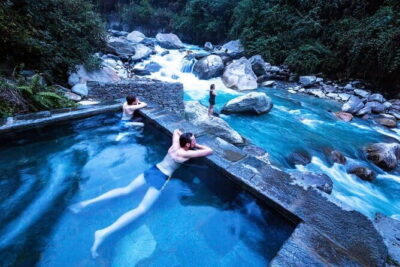
- Hot springs at Jhinu Danda after trekking, a very real recovery boost
- A true high-point day to Annapurna Base Camp with a route via Machhapuchhre Base Camp
- Meals and lodge nights included during the trekking stretch, so you are not planning daily
A Private Annapurna Trek That Removes the Usual Headache
If you have done any trekking planning, you know the stress comes from the pileup of small tasks. Flights, permits, where you sleep, what you eat, who brings your stuff, and how you get to the trailhead. This trek is built to shrink that chaos.
You start in Kathmandu with airport pickup and end with return transport to Kathmandu. In between, you get lodge-style accommodations, meals during the trek, and a guide plus a porter. That pairing matters because you are not just paying for presence. You are paying for someone to keep things moving, handle the paperwork, and help you pace your body on the hard days.
And since it is private, you are not stuck with someone else’s idea of speed. In feedback from Nepal Hiking Team treks, people repeatedly call out guide care and smooth coordination, with names like Arjun, Yubraj ji, Pabin, Deepak Dhakal, Bibek, Suraj, Netra, and Krishnan showing up. Even when trips feel different, the pattern is the same: organization plus calm guidance.
More Treks in Kathmandu
- Everest Base Camp Trek – 14 Days
★ 5.0 · 1,499 reviews - Everest Base Camp Trek
★ 5.0 · 842 reviews - Everest Base Camp Trekking
★ 5.0 · 485 reviews
One more practical win
The plan includes a duffle bag, a trek map, and key cold-weather gear. That means you can travel lighter. It also means you avoid the common mistake of buying or renting the wrong weight jacket once you arrive.
Kathmandu to Pokhara: Set Up for the Real Walking
Day one is arrival in Kathmandu. Day two is a long but manageable transfer to Pokhara by tourist bus, about 6 to 7 hours. Pokhara sits at roughly 910 meters, while Kathmandu is higher than that, so it is a useful first adjustment.
You will have a 3-star category hotel in both Kathmandu and Pokhara in a twin room setup. That is not luxury tourism, but it is a good base layer before the trek. You are also not stuck figuring out dinner in a new place when you should be resting.
Then you connect onward to the trail. The route starts with Tikhe Dhunga, which is around 1,495 meters. That means the first couple of trekking days feel like a warm-up, but they still get your legs ready.
What you’ll notice on this section
The early trail days are a mix of steep moments and steady walking. This is where you learn how you personally handle uphill rhythm. If you tend to sprint early, this itinerary will gently stop that habit, because there are longer days ahead.
It is also a good time to test your pacing with your guide. On private treks, you can usually ask for small changes, like breaking earlier, taking extra photo stops, or spending more time catching breath without feeling awkward about it.
More Annapurna Base Camp treks:
- Annapurna base camp trek 5 Days
★ 5.0 · 252 reviews - Annapurna Base Camp Trekking
★ 5.0 · 116 reviews - Annapurna Base Camp Trek
★ 5.0 · 111 reviews - Annapurna Base Camp Trek
★ 5.0 · 107 reviews
Trail Days 3 to 8: Tikhe Dhunga, Ghorepani, Chhomrong, Dovan
This trek builds altitude in a way that makes sense for most moderate hikers. You do not jump straight to high country. You climb, rest, climb more, and eventually step into the thinner air.
Day 3: Tikhe Dhunga to Ghorepani
You start at about 1,495 meters and walk roughly 9 kilometers for about 4 hours to Tikhe Dhunga and onward toward Ghorepani at about 2,850 meters. Even if the distances sound straightforward on paper, this kind of climb teaches you how to move efficiently. Your guide will likely keep you in a steady zone rather than rushing.
Day 4: Ghorepani and Poonhill, then Tadapani
This is a big turning day. You hike to Poonhill, then continue onward to Tadapani at around 2,500 meters. Expect a long day, about 9 kilometers total for roughly 6 to 7 hours.
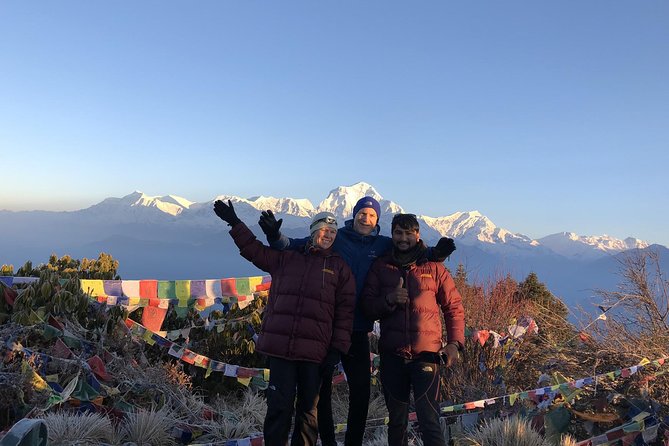
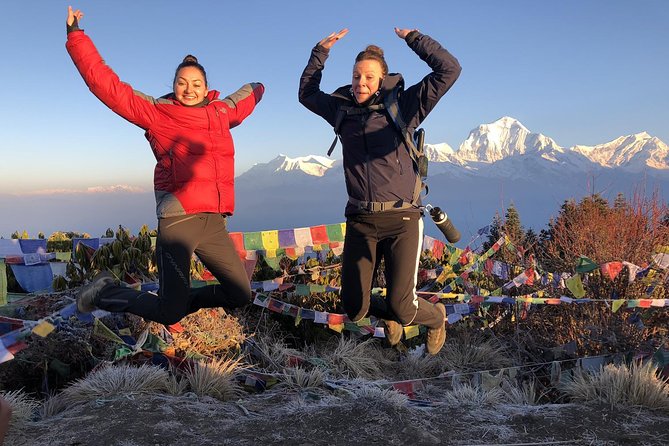
Why I like this part: Poonhill gives you a classic early view payoff before the full commitment. It also gives you a chance to practice layering. Mornings can feel sharply cold, even when the day later warms up.
Day 5: Tadapani to Chhomrong village
You drop into Chhomrong around 2,020 meters after about 8.5 kilometers and around 5 hours. Chhomrong is a key cultural and trekking hub. You tend to feel a little more life around here than on smaller trail segments.
This day is often where trekkers shift from thinking in “distance” to thinking in “effort.” Chhomrong makes you feel like you are entering the Annapurna heartland.
Day 6: Chhomrong to Dovan
From Chhomrong to Dovan you go to roughly 2,600 meters over about 9 kilometers and around 5 hours. Dovan is where the air starts to feel different. The terrain also tends to get more serious.
If you are prone to getting chilled, this is a good time to pay attention to timing. Start your climbs warm, then manage layers as you slow down.
Day 7: Dovan to Deurali
You climb to Deurali, around 3,200 meters, with about 7.8 kilometers and around 4 hours of walking. Shorter walking time does not mean easier. It means you are dealing more with elevation than with sheer distance.
This section is where the provided down jacket use can be a game changer. You will appreciate having the warmth available when you stop, not just when you keep moving.
The High Day: Annapurna Base Camp via Machhapuchhre Base Camp
Day 8 to 9 is where the itinerary stops being training and becomes the main event.
Day 8: Deurali to Annapurna Base Camp area (via Machhapuchhre Base Camp)
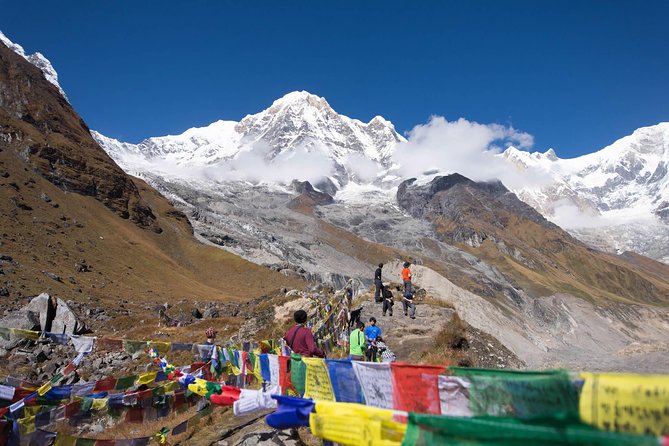
You trek about 8 kilometers for roughly 5 to 6 hours, reaching about 4,230 meters. This day includes a route through Machhapuchhre Base Camp.
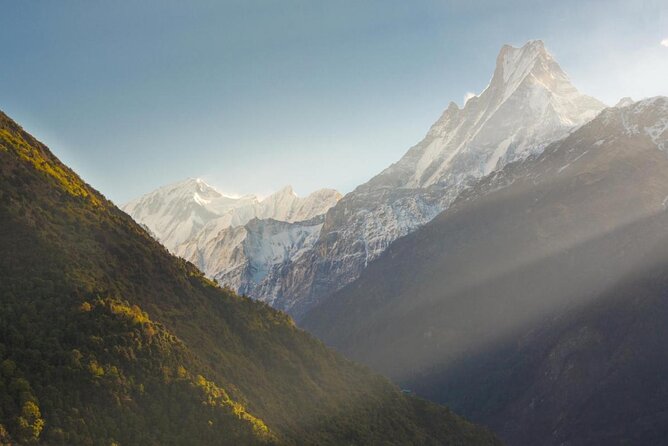
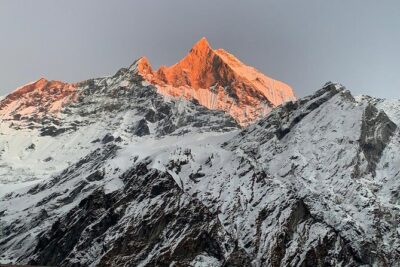
Why it feels special: Machhapuchhre, the “Fishtail” peak, is visible in many areas of the Annapurna region, and the route via its base camp zone makes the hike feel connected to the bigger mountain story. Even if you have read about the area, being on the path at that height is when it becomes real.
Altitude reality check you should plan for
This trek includes first aid equipment with an oximeter to monitor oxygen level and heartbeat. That does not erase altitude challenges, but it does show the operator is thinking about risk management.
What you can do to help your side of the process:
- Walk slower than you think you need to.
- Keep breathing steady, especially on the steeper angles.
- Tell your guide early if you feel off, rather than trying to “power through.”
If you have a history of altitude issues, you should talk to a medical professional before booking. Also, note that travel insurance is not included, and outdoor activities in Nepal require you to arrange it yourself.
Recovery and Rewards: Bamboo to Jhinu Danda Hot Spring
After reaching Base Camp, you get a return plan that still looks active. The trick is that each day is designed to move you down while still giving you time to enjoy.
Day 10: Annapurna Base Camp to Bamboo
You head back to Bamboo at about 2,310 meters. It is a long day, around 18 kilometers and about 7 hours of walking.
Long downhill days can be tougher than you expect. Your quads take the hit. This is where steady trekking shoes, correct sock thickness, and a willingness to take breaks matter more than pace.
Day 11: Bamboo to Jhinu Danda hot spring
You go from Bamboo to Jhinu Danda, around 1,780 meters, about 12 kilometers and roughly 6 hours.
The highlight here is the Jhinu Danda Hot Spring stop. This is not a small bonus. It is the part of the trek that feels like a reward with a body purpose. Warm water helps sore muscles and gives you a different kind of reset before the final transfers back to Pokhara and Kathmandu.
Day 12 to 14: Return to Pokhara and back to Kathmandu
You return from Jhinu Danda to Pokhara on day 12, then Pokhara to Kathmandu on day 13, and day 14 ends with farewell.
Your legs might feel “done” on day 13. That is normal. The key is not to treat day 12 as a full sightseeing day. Use the city time for a shower, a slower meal, and a good night’s sleep before your final travel.
What You’re Really Paying For: Price vs Included Value
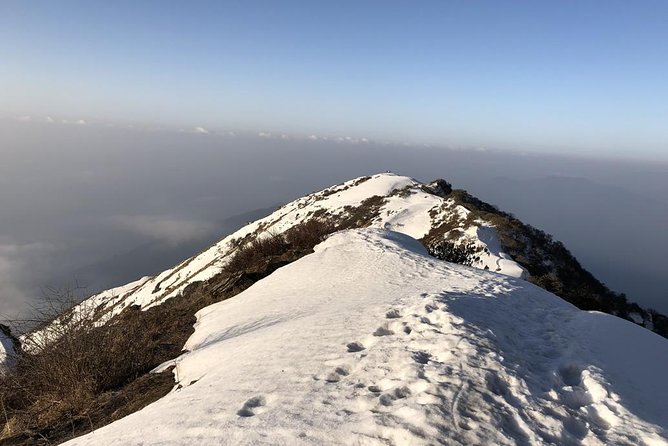
The price is $1,090 per person for a roughly 14-day private trek. That number can look high compared to “DIY trek” prices, but the value is in the package.
Here is what is included based on the trip details:
- Airport pickup and drop-off by private car
- Kathmandu and Pokhara twin rooms at a 3-star category hotel (during your city days)
- Breakfast, lunch, and dinner during the trek, with menu choice
- Ground transport Kathmandu to Pokhara and Pokhara to Kathmandu by tourist bus
- Lodge or teahouse accommodations during the trek (room sharing typical: 4/5 people per room)
- 1 experienced guide and a porter (between 2 trekkers)
- Trek gear use: duffle bag, trek map, down jacket, and sleeping bag
- Permits included, plus guidance to bring 3 passport-size photos
- First aid medical kit with oximeter
- Staff insurance, equipment, and accidental insurance
- Government taxes and office service charge
Now, what is not included:
- Lunches and dinners in Kathmandu and Pokhara
- Travel insurance (required for outdoor activities)
- Nepal visa fee
- Personal trekking equipment
- Drinking water and other drinks
- Private vehicle and airfare to/from Pokhara
- Tips for staff and driver
How I think about value
If you need to rent jackets, sleeping bags, maps, and if you also want permits handled, plus guide and porter support, the cost makes more sense. Also, the included oximeter plus staff insurance shifts risk management in a way that DIY planning often skips.
The only time this may feel expensive is if you already own the right cold gear, you have insurance sorted, and you can arrange reliable permits and transport on your own without stress. Most people book for the opposite reason.
Lodges, Rooms, and Meals: The Comfort Level You Should Expect
This is teahouse and lodge trekking, not a hotel-by-hotel resort. Accommodation during the trek is in shared rooms where 4 to 5 people share. That is common on this type of route, and it matters because it affects sleep quality.
Meals during the trek are included as breakfast, lunch, and dinner, and you choose meals from a menu. That helps because you are not locked into one option every day when you might not feel like eating much.
In Kathmandu and Pokhara, meals are not included beyond the trek days. So budget extra for your city lunches and dinners.
A simple strategy
I recommend bringing snacks you trust. Even with included meals, your appetite can change with altitude and cold. Snacks help you keep energy steady without waiting for meal times.
Who This Trek Suits Best
You should look at this trek if:
- You have moderate fitness and can handle several hours of walking daily.
- You want a private group setup with a guide who can manage pace and pacing decisions.
- You prefer the convenience of permits, logistics, and key gear handled for you.
- You care about a strong Base Camp experience, plus a recovery stop at Jhinu Danda hot spring.
You might reconsider if:
- You want full flexibility to change the route daily with zero structure.
- You hate shared rooms and early mornings.
- You are not comfortable with trekking above 4,000 meters.
Staff, Communication, and the Names That Keep Coming Up
One thing I really notice about the feedback for Nepal Hiking Team is the emphasis on smooth coordination. The office contact is often mentioned as responsive during planning, including handling questions and last-minute changes.
On trek leadership, specific guide and porter names show up across Annapurna treks: Arjun, Yubraj ji, Pabin, Deepak Dhakal, Bibek, Krishnan, Suraj, Netra, plus porters such as Bashu, Pradip, Ram, Sabin, and Sandeep.
Even if your own pairing is different, this pattern gives you a clue: you are not likely to be treated like an unprepared package. You are more likely to get someone watching the schedule, checking in on how you feel, and keeping the days on track.
Should You Book This 14-Day Private Annapurna Base Camp Trek?
Yes, if you want the Annapurna Base Camp goal with less mental load. The mix of included airport transfers, Kathmandu and Pokhara hotels, trek meals, permits, gear use, and altitude monitoring makes it a strong “I just want to trek” style trip.
You might skip or compare other options if you already have all cold-weather gear, you want to handle permits and daily logistics yourself, or you have concerns about shared rooms and long walking days.
If you book, do three things that pay off fast: train for uphill walking before you go, pack layers carefully for cold mornings and higher elevation stops, and tell your guide early if your body is struggling. That is the difference between a hard trek and a memorable one.
FAQ
Is airport pickup and drop-off included?
Yes. The trek includes airport pickup and drop-off by private car in Kathmandu.
Are meals included during the trek?
Yes. Breakfast, lunch, and dinner are included during the trekking days, and you can choose meals from a menu.
Do I need to handle trekking permits?
No. All trekking permits are included. You do need to bring 3 passport-size photographs.
What gear is provided for the trek?
You get use of a duffle bag, trek map, down jacket, and sleeping bag during the trek.
What are the main things not included in the price?
Not included are lunches and dinners in Kathmandu and Pokhara, travel insurance, Nepal visa fee, personal trekking equipment, drinking water and other drinks, private vehicle and airfare to or from Pokhara, and tips for trekking staff and driver.
How does the tour support altitude concerns?
A first aid medical kit with an oximeter is included to monitor oxygen level and heartbeat while on the trek.
Is the experience private to my group?
Yes. This is a private tour/activity, and only your group participates.
Latest additions near Kathmandu
- White Water River Rafting – 1 Day★ 4.3 · 3 reviews
- Traditional Momo Making Class★ 5.0 · 10 reviews
- Kathmandu to Pokhara Premium sofa bus ticket★ 4.0 · 17 reviews
- Ghorepani Poon Hill Trek★ 5.0 · 16 reviews
- Amazing 1 Day Trekking Experience in Kathmandu Nepal★ 5.0 · 24 reviews
- Ghorepani Poonhill Trek★ 5.0 · 5 reviews
- Walking tour of real Kathmandu through back streets.★ 5.0 · 3 reviews
- Wildlife Adventure in Chitwan Nepal★ 4.0 · 4 reviews
Annapurna Base Camp Treks, compared.
Kathmandu to Annapurna Base Camp (ABC) 5-Day Trek
Read our review →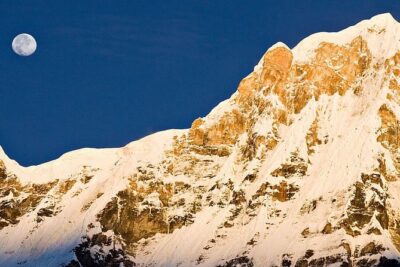
Browse the lists this tour appears in