
Reviewed · ANNAPURNA BASE CAMP TREKS
Pokhara: 7-Day Annapurna Base Camp Trek & Hot Spring
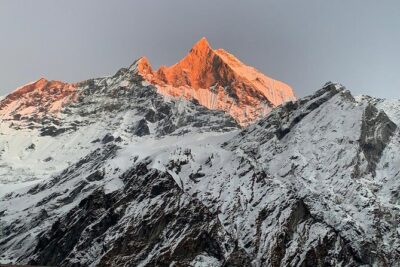
Most people come for the summit. They stay for the sunrise glow.
This 7-day Annapurna Base Camp trek from Pokhara balances real mountain hiking through villages and rhododendron forests with a payoff at 4,130m and then a deep unwind in Jhinu Danda’s natural hot springs.
I like two things a lot: the trail’s mix of culture and scenery, plus the way the high point lines up with that famous morning light over the Annapurna range. If you want a trek where your legs work and your reward feels immediate, this delivers. One drawback to consider is logistics and costs, because one experience I read about described poor organization, unexpected extra payments for things like wifi and drinking water at tea houses, and a rougher-than-expected return transport.
In This Review
- The trail’s best moments, in plain terms
- Getting from Pokhara into trekking mode
- Ghandruk to Chomrong, where the views start talking
- Chomrong to Himalaya, gaining altitude without panic
- Annapurna Base Camp at 4,130m, the real payoff
- Day 5: back down to Bamboo, legs learn the rules
- Jhinu Danda hot springs, your body’s thank-you note
- Day 7: Nayapool back to Pokhara, wrapping up with fresh air
- Price and value: $190, what you get, and what might cost extra
- Tea houses, comfort, and the packing list that actually matters
- How hard is it, and who will enjoy this most?
- Transport and organization: one warning, and how to protect yourself
- Should you book this Annapurna Base Camp trek with Jhinu Danda hot springs?
- FAQ
- What is the duration of the Pokhara 7-Day Annapurna Base Camp trek and hot spring?
- What is the highest altitude you reach?
- Are meals and accommodations included?
- Is transportation included from Pokhara?
- What languages is the live guide available in?
- What is not allowed during the trek?
The trail’s best moments, in plain terms
- Annapurna Base Camp at 4,130m for close-up mountain drama and an overnight feel
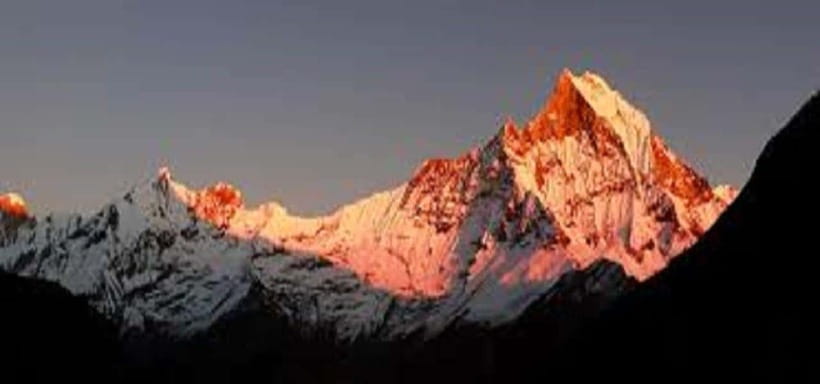
- Sunrise over the Annapurna range that can make the early wake-up worth it
- Rhododendron forests and village walking that keeps the days interesting, not monotonous
- Jhinu Danda hot springs to recover after downhill hours
- Private group with an English, Hindi, and Nepali speaking guide
Getting from Pokhara into trekking mode
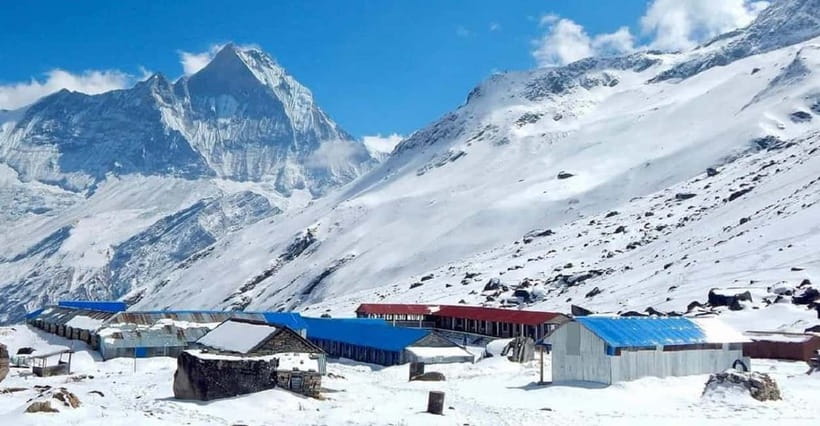
Pokhara is your launch pad, and Day 1 keeps things straightforward: you start with breakfast, then you ride to Nayapool, where the hiking begins. From there, you follow the Modi Khola as you head toward Ghandruk (about 1,940m), passing through smaller settlements and forested sections along the way.
What I like about this start is that it gives you a rhythm before the altitude climbs. You’re not thrown straight uphill all day, and you get time to settle into the “step, breathe, look up” pace that matters on this kind of trek. For a first day, it’s also a nice taste of everyday rural life, not just scenery from a moving viewpoint.
A practical note: you will be on your feet for several hours on Day 1, so don’t treat the start as a casual stroll. Warm clothing helps even when the day feels sunny, since mornings and shade can cool down fast at higher elevations.
More Treks in Pokhara
- Poon hill Trek 3 days
★ 5.0 · 176 reviews - Trekking in Annapurna/Langtang/Everest/Upper Mustang regions
★ 5.0 · 161 reviews - Pokhara: 4-Day Ghorepani, Poonhill & Ghandruk Mountain Trek
★ 5.0 · 132 reviews
Ghandruk to Chomrong, where the views start talking
Day 2 runs from Ghandruk to Chomrong (up to about 2,170m). After breakfast, you hike through hilly settlements and rhododendron forests, with panoramic views of the Annapurna range showing up more and more as you gain height.
This is the day that often changes your mood from sightseeing to trekking-focus. The trail is still beautiful, but you start noticing the altitude shift in your breathing and your energy. If you’re the type who likes to stop often for photos, you’ll want to do it without overdoing it. Short pauses are great. Long sits can make you feel colder.
Chomrong is also a useful checkpoint. Even without counting steps, you can feel that you’re now partway into the Annapurna region’s climbing arc, and your body is adapting. If you want smoother high-altitude days later, this is where you set your pace.
Chomrong to Himalaya, gaining altitude without panic
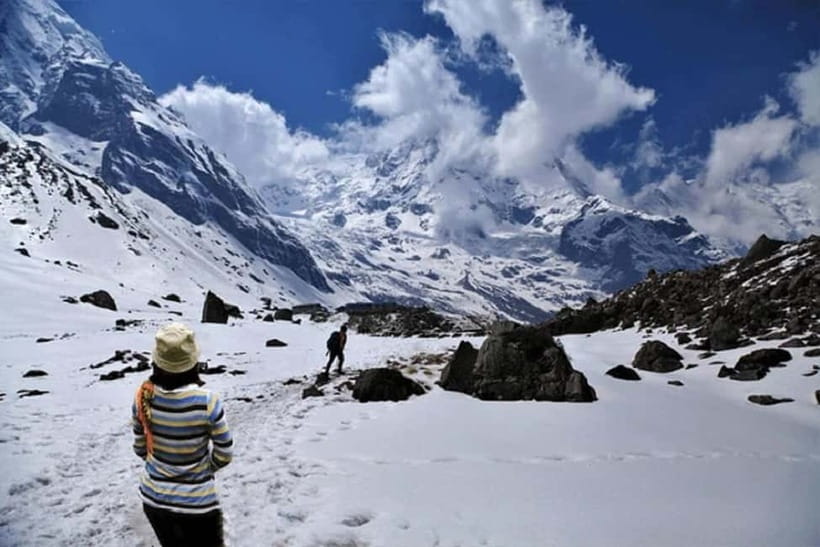
On Day 3, you move from Chomrong to Himalaya (around 2,920m). The route continues through villages and rhododendron forests while the mountains become more present. This day is less about a single “wow” moment and more about steady progress.
Why this matters: by the time you reach roughly the upper 2,000m zone, your body starts paying attention. Even if you feel fine at first, you’ll likely notice that uphill effort costs more. The “best” strategy here is boring in the best way. Go slow. Drink when you can. Keep your day flexible if you feel off.
This is also a good day to watch how you react to cold. At these elevations, temperatures can drop quickly. If you’re not layering properly, you’ll feel it on the hike and again in the tea house at night.
Annapurna Base Camp at 4,130m, the real payoff
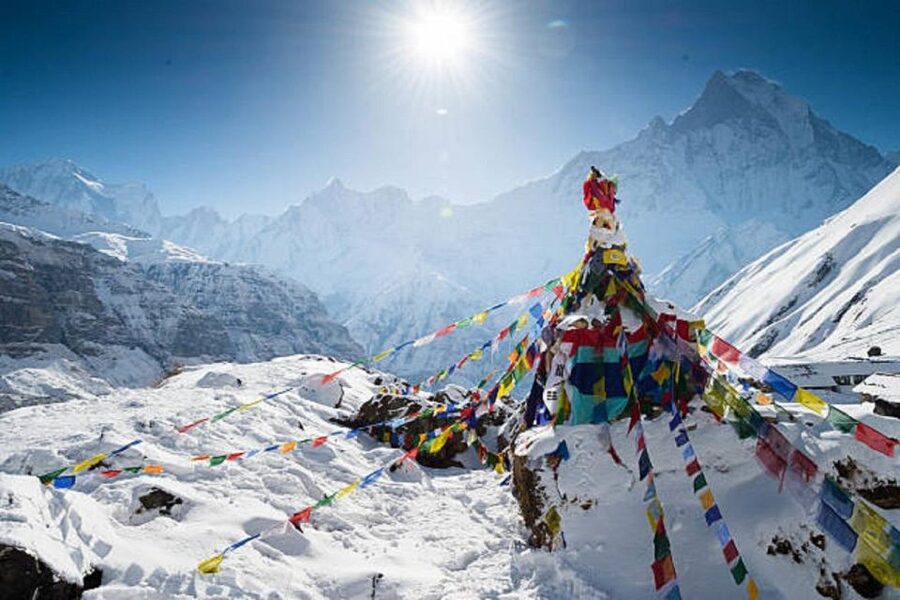
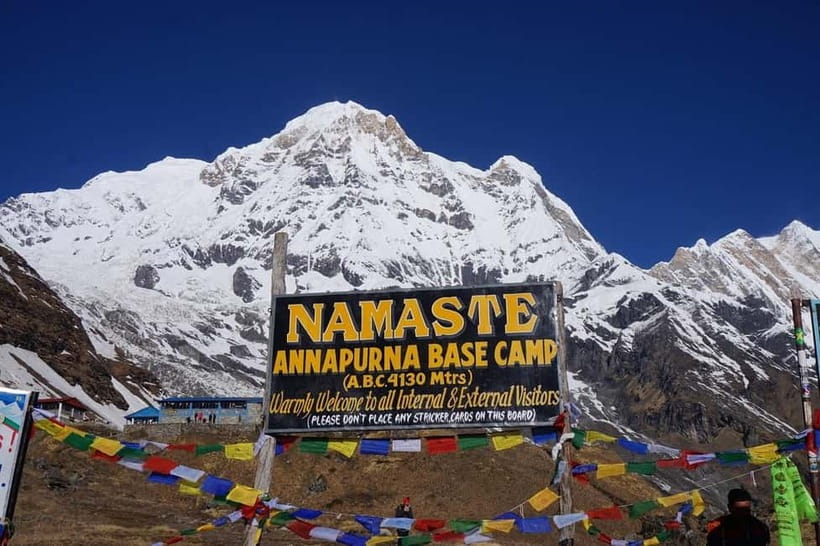
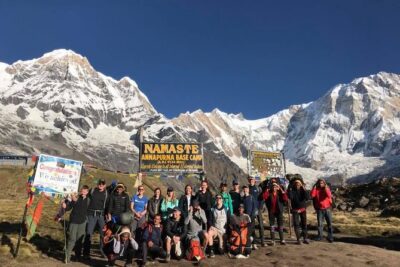
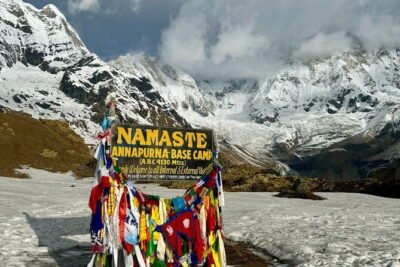
Day 4 brings the big moment: Himalaya to Annapurna Base Camp at 4,130m. You’re reaching the highest point of the trek and staying overnight at ABC, which gives you more time to enjoy the area instead of just passing through.
At this altitude, everything feels sharper. The air can be cooler, your body can feel heavier, and the views can turn from impressive to almost unreal. The mountains around you also feel close, especially with Annapurna and Machapuchare highlighted in the scenery.
If you like early mornings, you’ll understand why this trek is known for sunrise. One review I saw called it crazy, and I get why. When the sky lightens, you’re not just looking at peaks. You’re watching a whole mood change across the Annapurna range.
One thing to plan for: overnight at ABC means colder temperatures and more waiting for light to happen. Warm layers and a hat matter more than you think. Also, if you’re the type who hates being uncomfortable, make sure you’re prepared to be a little bit cold in exchange for the view.
More Annapurna Base Camp treks:
- Kathmandu/Pokhara: 5-Day Annapurna Base Camp (ABC) Trek
★ 4.9 · 72 reviews - Annapurna Base Camp Trek -8 days
★ 5.0 · 56 reviews - Private 7 – Day Annapurna Base Camp Trekking
★ 5.0 · 50 reviews - Annapurna Base Camp Trek (8 days)
★ 5.0 · 45 reviews
Day 5: back down to Bamboo, legs learn the rules
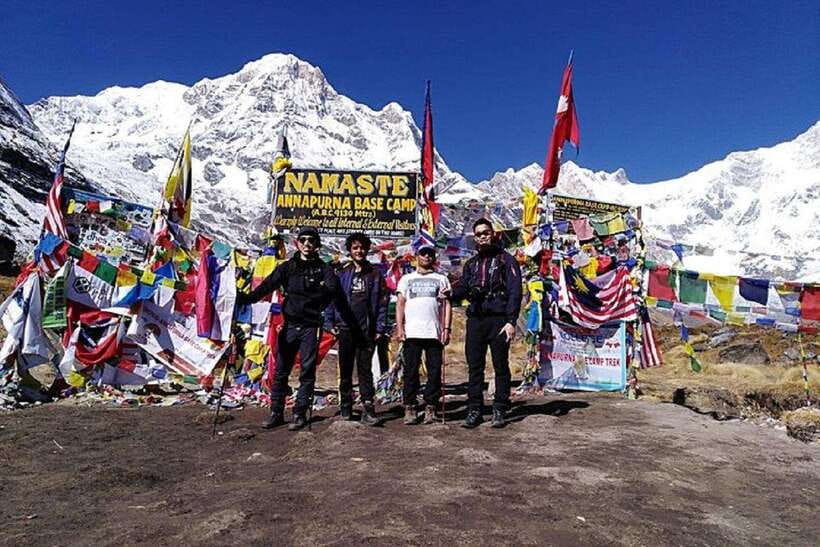
On Day 5, you head from Annapurna Base Camp to Bamboo (about 2,335m). This is a descent day, and descents can be trickier than they look. Your body worked hard going up, and now your knees and ankles get the new job.
The trail continues alongside rhododendron forests, natural springs, and waterfalls, plus you’ll pass through ethnic settlements. Even though you’re dropping in altitude, it doesn’t feel like a flat walk. There’s still plenty to pay attention to, which helps pass the hours.
I recommend you treat this day as “leg maintenance.” Short steps help. Stopping to rest is fine, but don’t wait too long so you don’t seize up. If you’re feeling stiff, the day’s natural rhythm plus some careful stretching at tea houses can make a noticeable difference.
Jhinu Danda hot springs, your body’s thank-you note
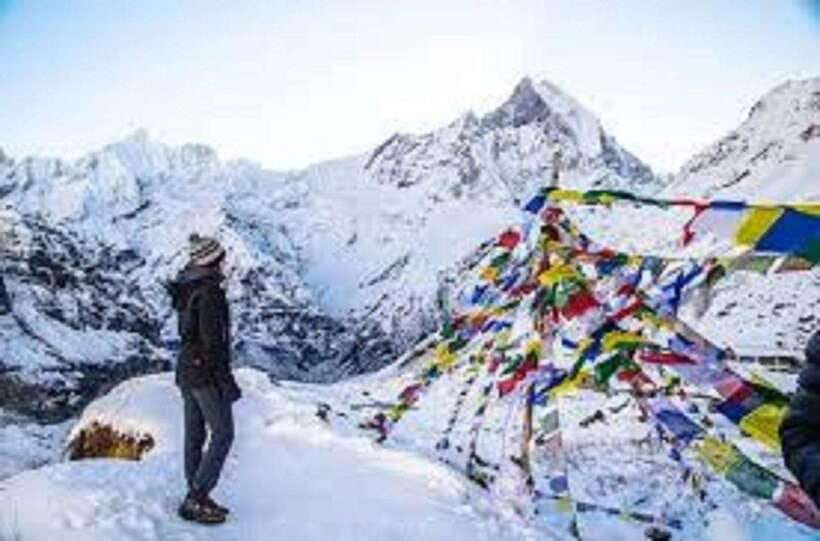
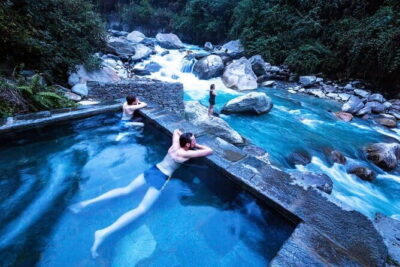
Day 6 is the recovery day in the best possible way. You hike from Bamboo to Jhinu Danda (around 1,610m) and then you soak in the natural hot springs.
This is the moment most trekking days build toward. After several days of ascent and a descent that tests your joints, hot water helps your muscles loosen up. The hot springs at Jhinu Danda are part of what makes this trek feel balanced instead of punishing.
A small reality check: hot springs don’t erase fatigue instantly. They do help. Think of it as resetting soreness so your final travel day feels easier, not as a miracle. Also, pack a change of clothes. You’ll be happy you did when you’re cooled off after soaking.
Day 7: Nayapool back to Pokhara, wrapping up with fresh air
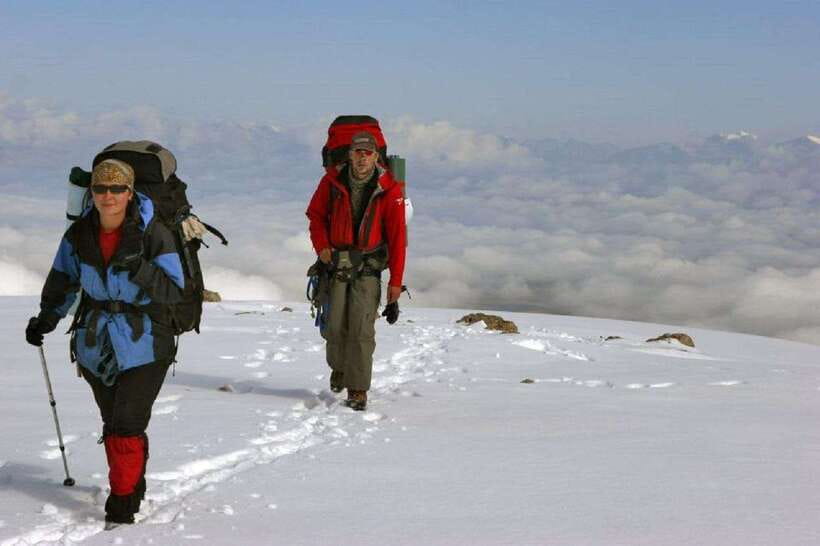
On Day 7, you go from Jhinu Danda to Nayapool, then you return to Pokhara by ride. Your trek ends after being dropped at your Pokhara hotel of choice.
This day can feel deceptively easy. You’re still walking, but you’re not chasing altitude anymore. It’s a good time to take in the slower details, like the settlement life you passed earlier and the way the forests shift as you descend.
If you’re planning any extra activities in Pokhara the same day, keep it light. A trek takes more out of you than you expect, even when the last day feels calmer.
Price and value: $190, what you get, and what might cost extra
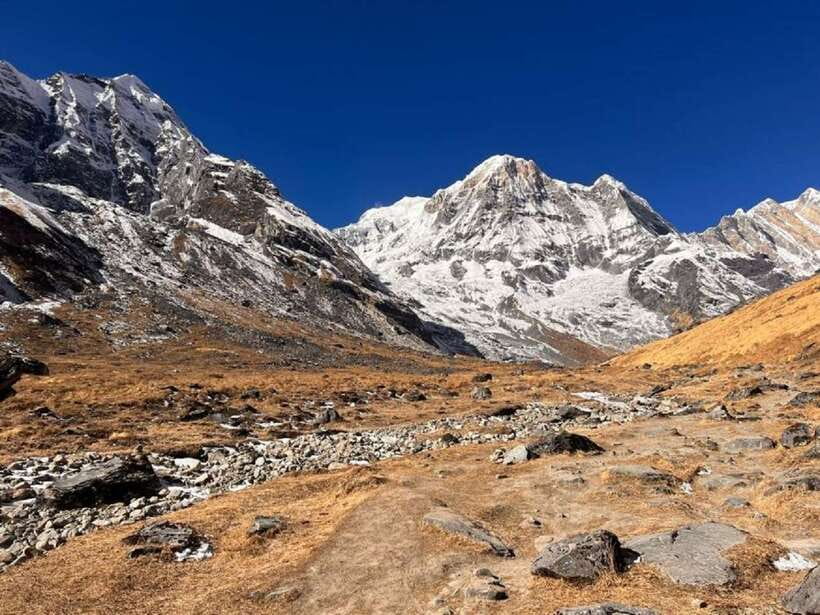
At $190 per person for a 7-day trek, this is positioned as mid-range value for the Annapurna Base Camp route. Here’s why it can feel like a good deal: you’re not just buying a hike. You’re getting permits and fees, tea house style accommodation during the trek, all meals during the trek (depending on the option chosen), and a government registered trekking guide. You also get a guide and porter package that covers food, accommodation, insurance, salary, transportation, and equipment details.
On top of that, you have round-trip transportation between your Pokhara hotel, Pokhara International Airport, and the trek starting point. Your package may also include a private vehicle depending on the option. Plus, there’s first aid kit support and trekking gear (like a trekking stick or sleeping bag) as needed.
Where you should be careful is the stuff that isn’t always included at the tea-house level. One experience described paying extra for wifi and drinking water along the way. That kind of cost can be small, but it can also surprise you if you assumed it was covered. I strongly suggest you bring some cash just for on-the-spot purchases.
Travel insurance is also not included. For emergency rescue, your policy needs to cover the costs. That’s not an optional “nice-to-have” for high altitude treks.
Tea houses, comfort, and the packing list that actually matters
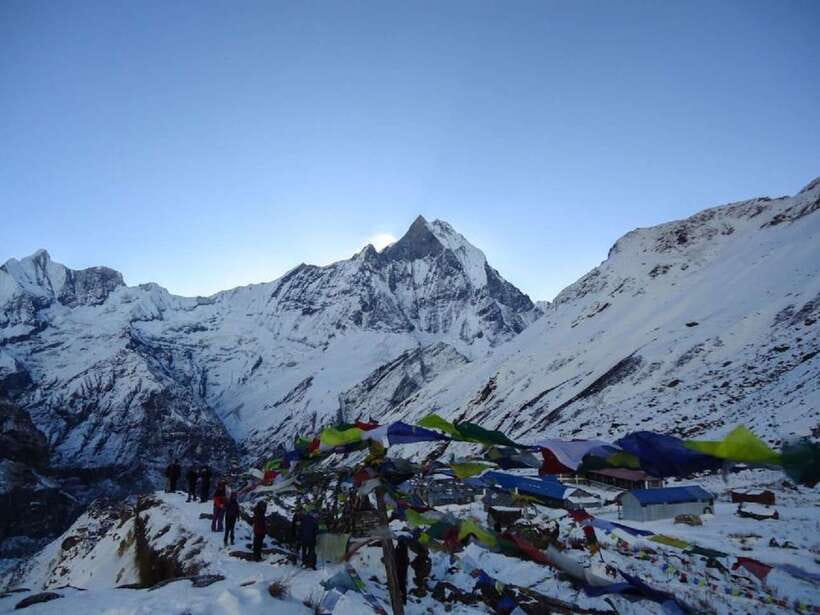
The trek is set up around basic tea houses or lodges. That usually means shared or simple rooms, hot drinks, and limited comfort. What makes you comfortable is what you bring, plus how warm you stay at the right times.
Based on the included gear and what you’re told to pack, focus your prep on layers:
- Comfortable shoes, plus hiking shoes if you have them
- Warm clothing, jacket, hat
- Flashlight (especially useful at dawn)
- Change of clothes
- Camera, and cash
- Hand sanitizer or tissues
- Hair tie if you need it for wind and sun
Also, plan for the hot springs day. Even if you soak, you’ll want to change afterward for the final descent day and ride back.
You do have trekking support: an experienced guide, plus porters who carry gear and support with logistics. But you’re still responsible for your own body comfort. Tea houses can only do so much with warmth and bedding, so your sleeping gear and jacket matter.
How hard is it, and who will enjoy this most?
This is not a flat walk, and the altitude tops out at 4,130m at Annapurna Base Camp. You’ll hike day after day through forests, villages, and changing terrain.
You’ll likely enjoy this trek if:
- You want the full arc, from village trails to a high-mountain summit environment
- You like mountain mornings, since sunrise is a major highlight
- You want a trek with a built-in recovery stop at Jhinu Danda hot springs
- You prefer a private group rather than a big crowd pace
You might want to think twice if:
- You’re very strict about exact inclusions at tea houses, like wifi and water charges
- You’re easily bothered by last-minute changes in how transport feels on return days
- You hate cold overnight conditions, even with warm layers
Transport and organization: one warning, and how to protect yourself
The trekking itself sounds magical. The mountains and sunrise are the headline for a reason. The problem is that the experience can be spoiled by weak planning around logistics and charges.
One caution I’d take seriously: an experience I read described poor organization, limited clarity about a route with multiple villages and sleeping arrangements, and extra payments at guest houses. It also described return-day transport not matching what was expected, including a faster return than planned and a rough bus ride.
You cannot control every operational detail, but you can reduce risk. Before you go, ask your provider these questions clearly:
- Confirm exactly what is included with tea house meals and what can cost extra on-site (wifi, drinking water, hot showers if offered).
- Confirm the return plan from Jhinu Danda to Nayapool and then back to Pokhara, including what vehicle type you’ll use.
- Make sure your route and overnight points are spelled out, so you know where you will sleep each night.
- Double-check timelines for transfers between airport, hotel, and starting point.
A good provider will answer without hand-waving. If they don’t, you’ll be less relaxed on the trail.
Should you book this Annapurna Base Camp trek with Jhinu Danda hot springs?
Book it if you want a classic Annapurna Base Camp journey with a real emotional payoff: sunrise, an overnight at ABC, and then actual muscle relief in Jhinu Danda hot springs. With guides and porters included, you’ll also avoid a lot of the hassle that makes treks stressful for first-timers.
Hold off or ask extra questions if you’re the type who needs tight control over inclusions and transport. The trek can be amazing, but your comfort depends on clear logistics. If you confirm what costs extra at tea houses, confirm return transport, and get your route and sleeping stops in writing, you’re much more likely to end the trip feeling good, not frustrated.
FAQ
What is the duration of the Pokhara 7-Day Annapurna Base Camp trek and hot spring?
The trek runs for 7 days, with hiking to Annapurna Base Camp and an included stop for hot springs at Jhinu Danda.
What is the highest altitude you reach?
You reach Annapurna Base Camp at 4,130m.
Are meals and accommodations included?
All meals during the trek are included depending on the option you choose. Accommodation during the trek is provided in basic tea houses or lodges.
Is transportation included from Pokhara?
Yes. Round-trip transportation is included between your hotel, Pokhara International Airport, and the trek starting point.
What languages is the live guide available in?
The live tour guide is available in English, Hindi, and Nepali.
What is not allowed during the trek?
Pets are not allowed. Alcohol and drugs are not allowed, and baby carriages are not allowed.
More Spa & Hot Springs in Pokhara
- Pokhara: 5 Day Annapurna Base Camp Trek & Natural Hot Spring
★ 4.9 · 44 reviews - From Pokhara: 5-Day Annapurna Basecamp Trek with Hot Springs
★ 4.9 · 26 reviews - Pokhara: 7-Day Annapurna Base Camp Trek & Natural Hot Spring
★ 5.0 · 11 reviews - Pokhara: 5-Day Trek to Annapurna Base Camp and Hot Springs
★ 5.0 · 4 reviews
Latest additions near Pokhara
- Pokhara: Pokhara Highlights Tour by Bus★ 3.6 · 10 reviews
- Discover Pokhara in Style: Private Vehicle Service with Driver★ 5.0 · 5 reviews
- Pokhara in 5 Hours: Lake, Museum, Cave, Falls & Pagoda Hill★ 4.5 · 16 reviews
- The World Peace Pagoda in Pokhara★ 4.5 · 7 reviews
- 7-Day Trek to Annapurna Base Camp from Pokhara★ 5.0 · 12 reviews
- 4 Day Mardi Himal Base Camp Trek from Pokhara★ 5.0 · 18 reviews
- Unique Easy Hiking to Foxing Hill from Pokhara★ 5.0 · 4 reviews
- World Peace Stupa Day Hike From Pokhara★ 5.0 · 4 reviews
Annapurna Base Camp Treks, compared.
Kathmandu to Annapurna Base Camp (ABC) 5-Day Trek
Read our review →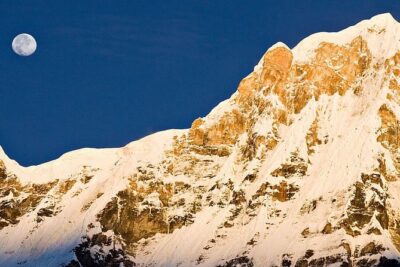
Browse the lists this tour appears in