
Reviewed · ANNAPURNA BASE CAMP TREKS
7-Day Trek to Annapurna Base Camp from Pokhara
High peaks, steady footsteps, and warm village stops. This 7-day Annapurna Base Camp trek from Pokhara threads you through Ghandruk, Sinuwa, Deurali, and down through Chomrong, with the hard parts supported by a guide, permits handled, and transport arranged.
I especially like the Lakeside pickup and drop-off plus the fact that your nights are covered with guesthouse accommodation along the way. It keeps the trek focused on the walk and the mountains, not daily decision-making.
One thing to consider before you go: it is a real 6-7 hour trekking rhythm, with a steep effort on Day 4 (a 730 m climb toward the base camp area), and food and drinks are not included so you’ll budget for meals on the trail.
In This Review
- Key highlights worth planning for
- Why Annapurna Base Camp feels different from a typical trek
- Day-by-day: Ghandruk to Upper Sinuwa, then into the ABC zone
- Day 1: Pokhara to Ghandruk via Siwai and the Modi River
- Day 2: Ghandruk to Upper Sinuwa, a steady grind upward
- Day 3: Upper Sinuwa toward Deurali, cooler air and winding paths
- Day 4: The big push to Annapurna Base Camp, with Machhapuchhre Base Camp at 3900 m
- Day 5: Base Camp back down to Bamboo, watch your footing
- Day 6: Bamboo and Jhinu Danda, into KhuldiGhar and the Sinuwa-Danda descent
- Day 7: Chomrong area to Pokhara, ending with a suspension bridge crossing
- Included logistics that remove daily stress
- Guides and group vibe, based on the names you might see
- Pace, altitude, and fitness: how to judge if this is the right challenge
- Transport days in a trek package, and what to do with that time
- Packing and preparation tips that match this exact trek
- Value check: is $345 a fair deal for 7 days to base camp?
- Tips for booking and deciding between this trek and DIY
- Should you book this Annapurna Base Camp trek from Pokhara?
- FAQ
- What is the meeting start time for the trek?
- Is hotel pickup included?
- Is there an English-speaking guide?
- Are trekking permits included?
- Are guesthouses included during the trek?
- How do you get from Pokhara to the trail head and back?
- Are meals included?
- Do I get trekking poles?
- Is a porter available, and what does it cost?
- What is the cancellation window for a full refund?
Key highlights worth planning for
- English-speaking guide included: you hike with someone who manages the route and keeps an eye on safety, with a normal first aid kit along.
- Guesthouses included nightly: you’re not stuck searching for beds each day in small villages.
- Permit and official documents handled: you avoid the paperwork shuffle before you start climbing.
- Shared jeep or bus transfers: you get between Pokhara and the trail heads without private vehicle costs.
- Trek pole provided per person: it helps on both the uphills and the careful descents.
- Village culture on the way: the route passes Gurung and Magar communities, with home-style stops and local food options.
Why Annapurna Base Camp feels different from a typical trek
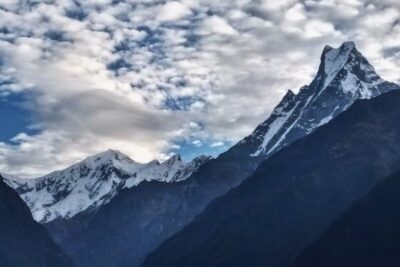
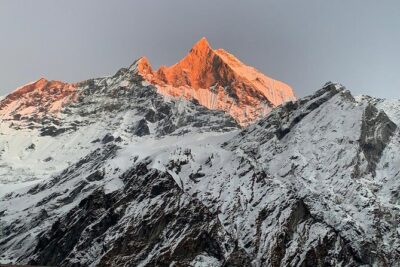
Annapurna Base Camp isn’t just about reaching a point on a map. On this route, you get the long view in phases. You don’t go from city to summit in one jump. You walk from terraced hills and river valleys into higher, cooler air, then finally into the dramatic amphitheater where the Annapurna massif dominates the sky.
I also like how the trek works as a cultural walk, not only a physical challenge. Along the way, you move through Gurung and Magar communities. That usually means real village guesthouses, the chance to eat what’s available locally, and conversations that are more practical than performative. You’re not stuck in one tourist bubble, you’re living for a week at trekking pace.
And because it is guided, the experience stays grounded. You’re not guessing which ridge to follow or how to pace the climb when the altitude starts to tug at your legs. That matters on ABC, where small missteps can turn into big energy drains.
More Treks in Pokhara
- Poon hill Trek 3 days
★ 5.0 · 176 reviews - Trekking in Annapurna/Langtang/Everest/Upper Mustang regions
★ 5.0 · 161 reviews - Pokhara: 4-Day Ghorepani, Poonhill & Ghandruk Mountain Trek
★ 5.0 · 132 reviews
Day-by-day: Ghandruk to Upper Sinuwa, then into the ABC zone
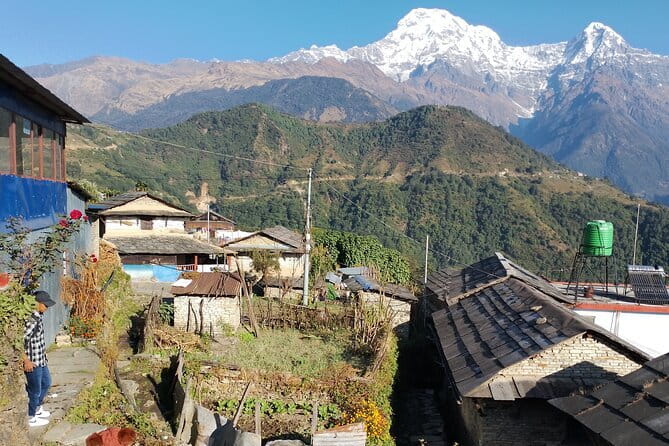
Below is what you can expect from each day, and where you’ll feel the challenge.
Day 1: Pokhara to Ghandruk via Siwai and the Modi River
You start with pickup from your hotel within Lakeside area, then drive to Siwai. After that, you trek to Ghandruk. This day sets the tone: rolling effort, village life, and a trail that follows natural corridors like the Modi River.
Why it’s a good first day: it’s long enough to settle into rhythm, but not described as a brutal grind. Ghandruk itself is a classic stop on the way in, and it helps you get your bearings fast in Nepal trekking mode.
Possible drawback: because you start with a drive and then walk, you’ll want to arrive ready. If you slept poorly in Pokhara, Day 1 can feel heavier than it should.
Day 2: Ghandruk to Upper Sinuwa, a steady grind upward
After breakfast in Ghandruk, you head toward Upper Sinuwa. The trail “fluctuates,” which is trek-speak for undulating climbs and dips, then you end up facing a strenuous walk to reach Upper Sinuwa. The schedule lists this day around 7 hours.
This is the day where the route starts changing character. You’ll feel more hillside trekking, less flat valley walking, and more of that higher-elevation breathing. If you like steady effort with frequent views, this one suits you. If you hate sustained climbs, you’ll feel it more here.
Practical tip: plan on slow steps. This is the kind of day where your pace beats your willpower.
More Annapurna Base Camp treks:
- Kathmandu/Pokhara: 5-Day Annapurna Base Camp (ABC) Trek
★ 4.9 · 72 reviews - Annapurna Base Camp Trek -8 days
★ 5.0 · 56 reviews - Private 7 – Day Annapurna Base Camp Trekking
★ 5.0 · 50 reviews - Annapurna Base Camp Trek (8 days)
★ 5.0 · 45 reviews
Day 3: Upper Sinuwa toward Deurali, cooler air and winding paths
You overnight in Upper Sinuwa, then continue uphill on Day 3. The description calls out air getting cooler and fresher, plus a winding path that leads toward Annapurna Sanctuary. This day is listed around 6 hours.
What makes Day 3 special is the gradual move into the sanctuary feel. Even without perfect weather, you’re transitioning into the higher zone where the mountains start to look closer and more vertical.
Where it can challenge you: trekking at higher altitude can make effort feel bigger. Even if the hours are not the longest, your legs may work harder because of the air.
Day 4: The big push to Annapurna Base Camp, with Machhapuchhre Base Camp at 3900 m
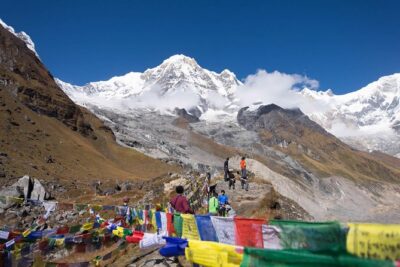
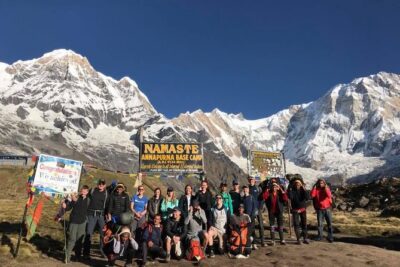
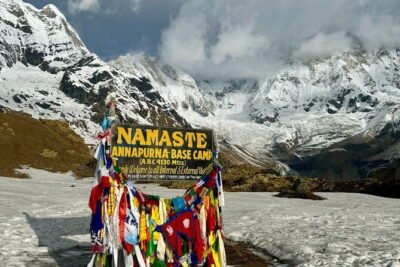
This is the centerpiece day. After breakfast, the trail goes up toward Machhapuchhre Base Camp, and that area is listed at 3900 m. Then the trek requires you to climb 730 m toward Annapurna Base Camp. Day 4 is around 7 hours.
If you want ABC, this is the day you earn it.
What to expect: more altitude pressure, more careful pacing, and big reward. Your guide will likely help you keep a steady tempo so you reach base camp without burning out too early.
Possible drawback: 730 m gain in a trekking day can be tough, even for fit people. If you go too fast in the first part, the later section becomes uncomfortable. Aim for calm, consistent steps.
Day 5: Base Camp back down to Bamboo, watch your footing
After your time at Annapurna Base Camp, you go back down to Bamboo. The route mentions passing via Deurali, Himalaya, and Dovan. This is listed around 6 hours.
Downhills sound easy until they start grinding your knees and shins. The itinerary notes that the trail is decent, but you should walk carefully to come down. That’s exactly right. This is the day where trekking poles matter, and where a relaxed downhill rhythm can save your energy for the final approach.
Day 6: Bamboo and Jhinu Danda, into KhuldiGhar and the Sinuwa-Danda descent
Day 6 is a connector day with multiple terrain types. From here you take a short steep up to KhuldiGhar, then descend downhill in forest toward Sinuwa-Danda. From that point, you descend to Chomrong Khola, cross a bridge, then climb short and reach Chomrong.
This day is listed around 6 hours. What I like about this part of the route is that it changes texture. You’re not only looking up at peaks, you’re moving through forest shade, bridges, and the rhythm of valleys.
One caution: bridges and descents often make people rush. Don’t. Trekking is one long sequence of small choices, and Day 6 is where careful footsteps keep you feeling good for the final day.
Day 7: Chomrong area to Pokhara, ending with a suspension bridge crossing
On the last day, you do a short downhill walk and cross a long suspension bridge to reach Samrung Khola. From there, you catch a local jeep back to Pokhara (listed as taking a certain time, and you’ll arrive in time for a lakeside finish). This day is listed around 6 hours.
The suspension bridge moment is a nice payoff. It feels like a clean transition between trekking and normal life.
Practical note: because it’s the last day, you’ll want to keep your legs under control. If you overdo the downhills on Day 7, the ride back can feel rough.
Included logistics that remove daily stress
The way this trek is packaged is one reason it scores well for people who want a guided, organized experience.
What’s included:
- Hotel pick up and drop off within Lakeside area
- An English-speaking trekking guide
- Trekking permit and all official documents
- Accommodation in guest house during the trek
- Transfers: Pokhara to Siwai and Samrung Khola to Pokhara by shared jeep or bus
- Trekking pole per each one
- The trek is listed as private, meaning only your group participates
- A normal first aid kit with the guide for emergencies
What’s not included:
- Food and drinks (you buy them)
- Personal expenses
- Porter per day 25$. It says one porter for two people, so it’s a shared setup if you choose this
- Gratuities (optional)
Why this matters: when food and bedding are handled, you can pace yourself better. You’re not spending your best energy hunting for details mid-journey. And permits handled by the operator can be a big relief when you’re trying to start trekking on time.
Guides and group vibe, based on the names you might see
This trek is guided, with an English-speaking trekking guide, plus an emergency first aid kit. That means you don’t hike alone through higher terrain and village areas where timing and route choices can matter.
One of the most repeated strengths in past trips is the guide style. People mention guides like Biru, Amrit, and Shiva, and they often describe the same themes: friendly presence, patient support, and active attention to safety and comfort. Some guides also share practical insights about the mountains along the way, which helps you connect the scenery to what you’re walking on and toward.
About group size: the activity is described as private, so only your group joins. At the same time, the package mentions group discounts, which usually means the operator may offer better pricing when more people join together. In practice, that can be a win if you’re traveling with friends or family.
Pace, altitude, and fitness: how to judge if this is the right challenge
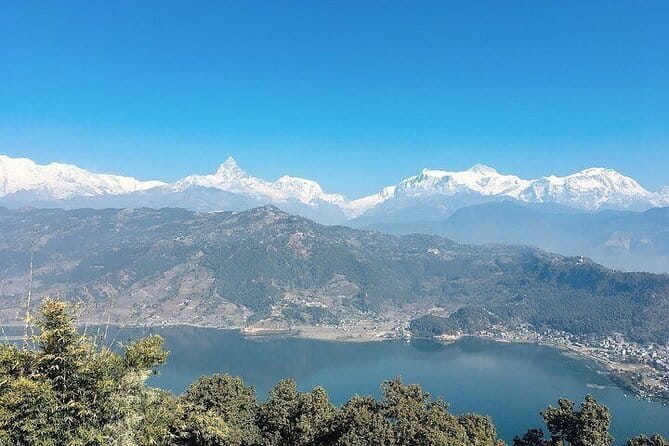
The trek lists that travelers should have strong physical fitness. You’ll also see a day-by-day rhythm of about 6 to 7 hours of walking.
The biggest physical marker is Day 4:
- You reach Machhapuchhre Base Camp at 3900 m
- Then you climb 730 m to Annapurna Base Camp
That kind of gain changes how your body feels. You may not go faster on that day, you’ll go steadier. If you’re the type who pushes hard at the start, this is where you’ll want to practice patience.
Also, Day 5 emphasizes careful descent, which means you need leg control, not only stamina. Plenty of fit hikers struggle most on downhills, not uphill climbs. This trek expects you to handle both.
For altitude comfort, the itinerary itself hints at the progression: by Day 3 the air is cooler, and by Day 4 you’re in the high zone. If you tend to get winded quickly at altitude, consider adding buffer days in Pokhara before you go.
Transport days in a trek package, and what to do with that time
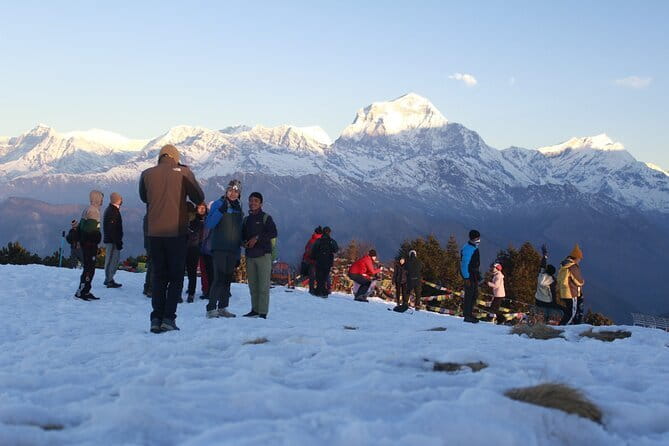
You’ll have two main transport legs tied to Pokhara:
- Pokhara to Siwai by shared jeep or bus
- Samrung Khola to Pokhara by local jeep
That setup is common on ABC treks because the road network does not reach deep into the mountains. It also keeps costs down compared with private transfers.
What I like about this arrangement is that it reduces logistics. You don’t spend your first morning wrestling with local transport schedules. You also don’t need to organize a ride after finishing the trail.
One small consideration: since transfers are shared or local, expect waiting time or a slower ride. It’s part of trekking in Nepal, not a flaw in the plan.
Packing and preparation tips that match this exact trek
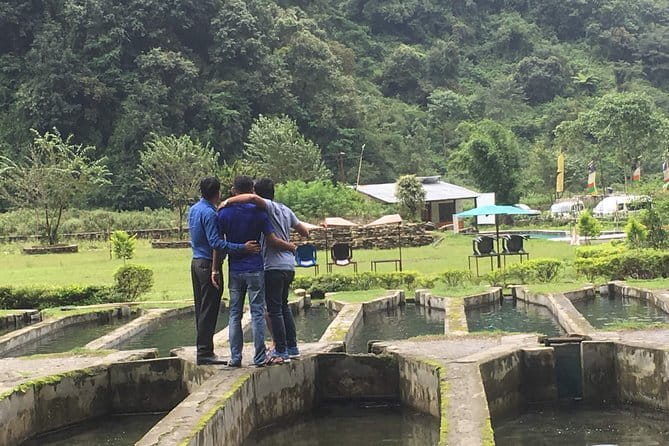
The itinerary includes cooler air by Day 3 and longer steep efforts on Day 4 and later downhills on Day 5. So pack for temperature swings and for walking comfort.
Here’s what you should focus on:
- Layering for cooler morning or evening air (Day 3 explicitly mentions cooler, fresher air)
- Sturdy footwear with good grip for descents, especially since Day 5 calls for careful footing
- Trekking pole use, since poles are included per person and can save your knees on downhills
- A small, practical bag for snacks and water during long stretches because food is not included
Also plan a calm start on Day 1. You begin with pickup and driving. If you want the trek to feel good, eat before you head out and keep the first day easy.
Value check: is $345 a fair deal for 7 days to base camp?
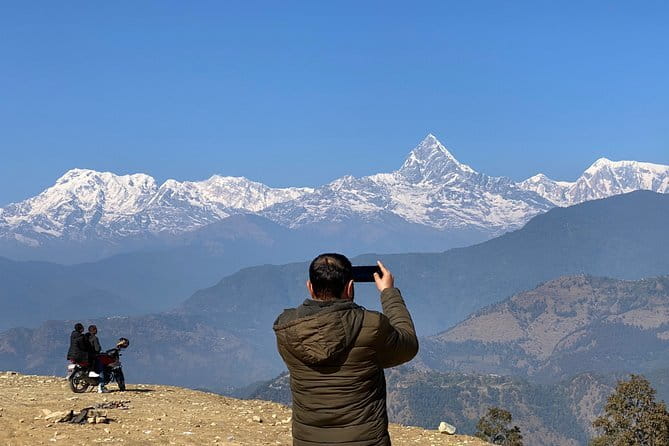
At $345 per person, you’re paying for more than the trail. This price includes:
- A trekking guide
- Guesthouse accommodation during the trek
- Permits and official paperwork
- Transport legs tied to Pokhara
- Trekking poles
- Pickup and drop-off within Lakeside area
What you likely add on top:
- Meals and drinks on the trail
- Porter service if you decide you want it (listed as 25$ per day, and it says one porter per two people)
- Optional gratuities
So the real question is whether you want a guided plan that covers the core admin and lodging. If yes, this feels like solid value. If you’re the type who wants full self-organization, the included structure may feel like it costs more than it should.
Also note the trek start time is listed as 2:15 pm. That matters for planning your arrival day in Pokhara.
Tips for booking and deciding between this trek and DIY
This is best if you want:
- A private, guided experience
- Permits and documents handled
- Guesthouses arranged so you can focus on walking
- A smooth end to the trek with transport back into Pokhara
It may not be your best match if:
- You want every meal included in the price
- You dislike spending time on logistics coordination yourself and then also dislike sharing transport days
- You have limited stamina for 6-7 hour trekking days and a high, steep push on Day 4
If you want to manage risk well, this structure also helps. The guide comes with a first aid kit, and the daily plan is set. That’s a comfort factor on a route like ABC.
Should you book this Annapurna Base Camp trek from Pokhara?
I’d book it if you want ABC done the smart way: guided, permits handled, guesthouses set, and transport stitched together so you’re not chasing details while you’re tired. The recurring praise for guides like Biru, Amrit, and Shiva points to a trekking style that feels people-first, not just a checklist of sights.
I would hesitate only if you’re not ready for the core workload. This itinerary is not a casual stroll. You’re walking several hours each day, with a big Day 4 climb and careful descents later on. And since food and drinks are not included, you’ll want to budget for meals.
If you meet that fitness reality and you want an organized guided ABC trek, this is a good bet.
FAQ
What is the meeting start time for the trek?
The start time is listed as 2:15 pm.
Is hotel pickup included?
Yes, pickup and drop-off within the Pokhara Lakeside area is included.
Is there an English-speaking guide?
Yes, the trek includes a friendly English-speaking trekking guide.
Are trekking permits included?
Yes, trekking permits and all official documents are included.
Are guesthouses included during the trek?
Yes, accommodation in guest house during the trek is included.
How do you get from Pokhara to the trail head and back?
Pokhara to Siwai and Samrung Khola to Pokhara transfers are included by shared jeep or bus.
Are meals included?
No. Food and drinks are not included, but you can purchase them along the way.
Do I get trekking poles?
Yes, trekking pole per each one is included.
Is a porter available, and what does it cost?
Porter service is not included, but it is available at 25$ per day. The plan notes one porter for two people.
What is the cancellation window for a full refund?
Free cancellation is offered, and you can cancel up to 24 hours in advance for a full refund. If you cancel less than 24 hours before the start time, the amount is not refunded.
More treks out of Pokhara
- From Pokhara: Sarangkot Sunrise Himalayas Tour
★ 4.7 · 218 reviews - From Pokhara: 3-Day Ghorepani Poon Hill Trek with Guide
★ 4.9 · 68 reviews - 3-Day Poon Hill Trek from Pokhara.
★ 5.0 · 45 reviews - From Pokhara: 2 Day 1 Night Ulleri,Ghorepani Poon Hill Trek
★ 4.9 · 33 reviews
Latest additions near Pokhara
- Pokhara: Pokhara Highlights Tour by Bus★ 3.6 · 10 reviews
- Discover Pokhara in Style: Private Vehicle Service with Driver★ 5.0 · 5 reviews
- Pokhara in 5 Hours: Lake, Museum, Cave, Falls & Pagoda Hill★ 4.5 · 16 reviews
- The World Peace Pagoda in Pokhara★ 4.5 · 7 reviews
- 4 Day Mardi Himal Base Camp Trek from Pokhara★ 5.0 · 18 reviews
- Unique Easy Hiking to Foxing Hill from Pokhara★ 5.0 · 4 reviews
- World Peace Stupa Day Hike From Pokhara★ 5.0 · 4 reviews
- Pokhara: Group Joining Sarangkot Sunrise Himalayas Tour★ 4.5 · 23 reviews
Annapurna Base Camp Treks, compared.
Kathmandu to Annapurna Base Camp (ABC) 5-Day Trek
Read our review →
Browse the lists this tour appears in