
Reviewed · ANNAPURNA BASE CAMP TREKS
Annapurna Base Camp Trek (8 days)
A trek like Annapurna Base Camp keeps your head on a swivel. You’ll hike through the Annapurna Sanctuary trails, sleep in tea houses, eat local food, and chase that sunrise moment when the mountains light up near base camp. It’s also run as a private experience with a local professional guide, which makes the whole thing feel more human and less like a conveyor belt.
What I like most is the calm, practical way this trip is set up. You get a guide with 10+ years in the area, plus someone who handles permits and logistics like TIMS and Annapurna Conservation Area Project paperwork. Second, you’re not piecing together food and beds on your own, because the trek includes all meals and tea house lodging along the way. One thing to consider: the mountains set the schedule, and in cold months you may feel the pace more than you expect, plus some trekkers end up moving faster than an 8-day plan.
In This Review
- Key Things I’d Pay Attention To
- Why Annapurna Base Camp Is Such a Smart Choice From Pokhara
- The Madu Factor: What a Local Guide Changes
- Permits, Pickup, and Logistics: The Stuff You Shouldn’t Want to Do
- Tea House Lodging and Meals: What Included Actually Buys You
- The Walk Toward the Sanctuary: How the Hike Feels Day-to-Day
- Sunrise at Annapurna Base Camp: Why That Moment Matters
- Machapuchare Stop: The Fishtail Peak Moment
- Customization: Shorter, Longer, and Adding Other Treks
- Price and Value: What $650 Covers, and What It Doesn’t
- Weather Reality: December Can Be Cold, and Sunny Days Still Win
- Who This Trek Fits Best
- Should You Book This Annapurna Base Camp Trek?
- FAQ
- How long is the Annapurna Base Camp trek?
- Who guides the trek?
- What permits are included?
- Are meals included during the trek?
- Do you provide tea house lodging?
- Do I need to bring trekking gear?
- Is porter service included?
- What if the trek is canceled due to weather?
Key Things I’d Pay Attention To
- Madu’s local experience: a guide from Pokhara with 10+ years on the trail, plus guidance on Gurung lifestyle and food.
- Permits are handled: TIMS and Annapurna Conservation Area Project permits are included, so you’re not stuck chasing forms.
- Tea house lodging and meals included: one less headache during the days you’ll be focused on walking.
- Machapuchare is part of the story: you’ll include a stop at Machapuchare, the famous Fishtail peak.
- Customizable trek length: you can adjust shorter, longer, or add other routes by request.
- Weather matters: this experience is tied to good conditions, and cancellations due to weather are handled with options.
Why Annapurna Base Camp Is Such a Smart Choice From Pokhara
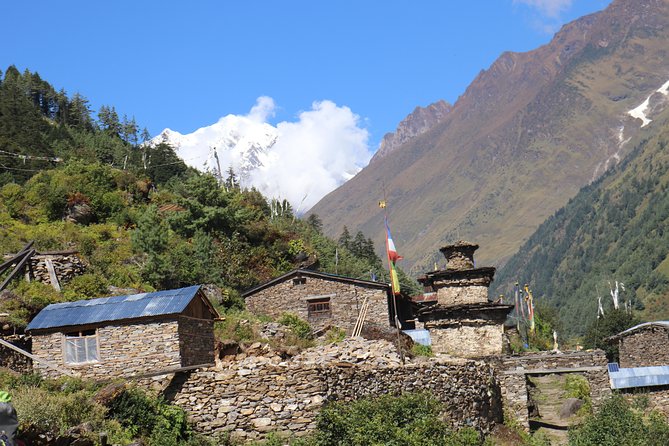
Annapurna Base Camp is one of those treks that hits multiple goals at once. You get classic mountain scenery, but you also spend real time in the sanctuary zone where the trails pass through forest and village life. That mix matters, because the hike isn’t just about reaching a single dot on a map.
Starting from Pokhara is also a practical win. Pokhara is the staging point for a lot of Nepal trekking. Even if you’re new to hiking in Nepal, you’ll usually find it easier to organize gear checks, local advice, and pre-trek logistics from here than from smaller hubs.
I also like how this trek frames the day-to-day experience. The goal is not only to reach base camp. It’s to slow down enough to notice what you’re walking through, including nature and local culture, especially Gurung communities.
More Treks in Pokhara
- Poon hill Trek 3 days
★ 5.0 · 176 reviews - Trekking in Annapurna/Langtang/Everest/Upper Mustang regions
★ 5.0 · 161 reviews - Pokhara: 4-Day Ghorepani, Poonhill & Ghandruk Mountain Trek
★ 5.0 · 132 reviews
The Madu Factor: What a Local Guide Changes
Here’s the underrated part of trekking: the trail is physical, but the planning is mental. This is where a strong local guide earns their keep.
This tour is designed to trek with Madu, a professional guide from Pokhara with over 10 years of trekking and guiding experience. That’s not just a resume line. It’s usually what separates a trip that feels smooth from one where you’re constantly solving small problems like where to stay, what to expect next, or how to manage your own pace.
From the guidance style shown in past experiences, you can also expect a steady, non-rushed approach. That matters on longer treks because your body does best with consistency. If you push too hard too early, you pay for it later. The happier version of ABC is the one where you take your time and let the scenery keep doing its job.
You’ll also get more than just route support. The tour includes learning about the lifestyle, food, and culture of the Gurung people. That tends to make tea house stops feel less like a pit stop and more like a window into daily life.
Permits, Pickup, and Logistics: The Stuff You Shouldn’t Want to Do
Trekking in Nepal runs on paperwork and timing. For you, the win is that permits and major logistics are included.
Included are the TIMS permit and the Annapurna Conservation Area Project permits. Those are core requirements for trekking in this region, and having them handled saves time and stress. It also reduces the chance that you’re left scrambling after you’ve already arrived.
You also get private transportation, and the tour notes that pickup is offered. That’s a small detail, but it matters. On a trek start day, you want the transfer from Pokhara to feel predictable, not chaotic. You’ll likely spend less mental energy worrying about routes and more energy getting ready to walk.
One more practical point: this is a private tour/activity, meaning only your group participates. In real terms, that usually means less waiting around and fewer “everyone do the same thing at the same time” moments.
Tea House Lodging and Meals: What Included Actually Buys You
Tea houses are the heart of ABC-style trekking. They’re also where your experience can go from great to annoying if you’ve never done this kind of hike before.
Here’s what’s included: tea house lodging during the trek and all meals. That’s huge. It removes decision fatigue when you’re tired. It also means you don’t have to carry extra food for long stretches just to solve dinner.
How tea houses work on the Annapurna route can vary by day and village, but the overall rhythm is usually the same. You hike into a settlement, find your tea house, eat something warm, and settle in early because mornings come fast.
I also like that the trip is designed around local foods rather than an imported-food bubble. You’re walking through the Annapurna Sanctuary network, and tea houses there often reflect what local communities actually cook. If you come with an open mind, meals become part of the cultural experience instead of just fuel.
More Annapurna Base Camp treks:
- Kathmandu/Pokhara: 5-Day Annapurna Base Camp (ABC) Trek
★ 4.9 · 72 reviews - Annapurna Base Camp Trek -8 days
★ 5.0 · 56 reviews - Private 7 – Day Annapurna Base Camp Trekking
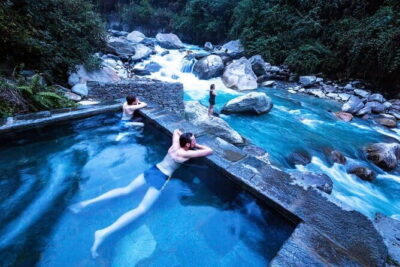
★ 5.0 · 50 reviews - Pokhara: 5 Day Annapurna Base Camp Trek & Natural Hot Spring
★ 4.9 · 44 reviews
The Walk Toward the Sanctuary: How the Hike Feels Day-to-Day
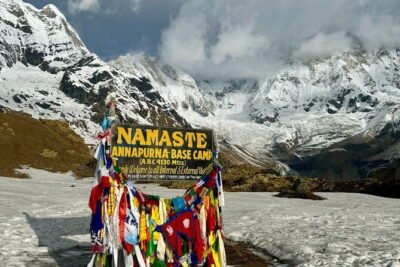
While the exact day-by-day schedule isn’t spelled out here, the experience is clear about the route concept. You’ll trek in one of Nepal’s most popular and scenic areas, moving through the Annapurna Sanctuary toward base camp.
Expect a steady progression from village and forest trails into higher, more dramatic terrain. You’ll be surrounded by the Annapurna range views as you go. The tour description also points to sightlines that include Annapurna South and Machapuchare (Fishtail), plus other peaks.
One of the big reasons ABC is so memorable is that it’s not just one view. It’s a chain of views that get better as you go. In clear weather, it can feel like the mountains are changing outfits hour by hour.
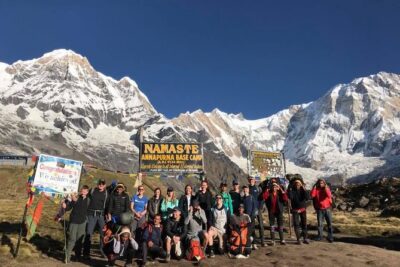
There’s also a social side that tends to happen naturally. You’ll meet fellow trekkers along the way, and because the trek is popular, conversations often start easily in tea house courtyards or while you’re taking a breather. That friendly energy is part of why people end up calling this a lifetime trek.
Sunrise at Annapurna Base Camp: Why That Moment Matters
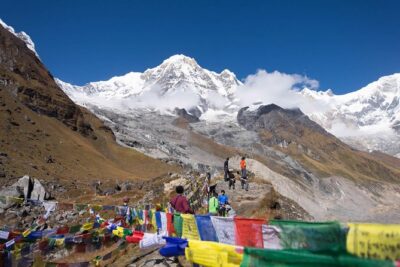
This trek is specifically built around reaching base camp and then seeing a sunrise crest over the Himalayan mountains. That matters because sunrise is where the whole effort condenses into one clear payoff.
Sunrise on mountain treks can be cold and slow going, but the payoff is the contrast: you’re usually up before the sun, and then suddenly the light hits the peaks. Even if you’ve seen photos before, the scale feels different in person.
This is also one of the reasons to respect the pace. If you rush, you can miss the build-up. If you go too slow, weather can shift. The trip approach, with an experienced guide, is aimed at helping you get there while staying comfortable enough to actually enjoy it.
Machapuchare Stop: The Fishtail Peak Moment
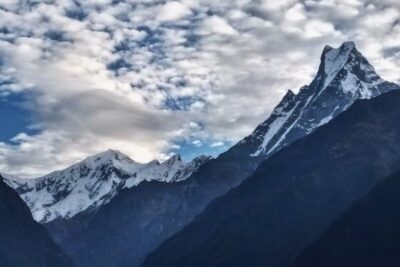
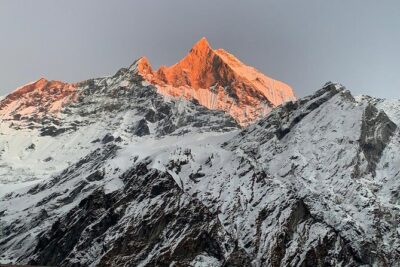
Machapuchare, also called Fishtail, is one of those Himalayan peaks that photographers talk about for good reason. This experience includes a stop at Machapuchare, which means you’re not only treating the mountain as a background object.
In practical terms, a stop like this helps you slow down at the moment the view is worth it. It also gives you a chance to orient yourself, so when Machapuchare shows up again in the distance, you recognize it immediately instead of guessing which peak is which.
If you’re the kind of traveler who gets real satisfaction from “I know what I’m looking at,” this stop is worth its time. Even without a lecture, it helps you connect the scenery you see from day to day.
Customization: Shorter, Longer, and Adding Other Treks
This is a fully customizable trek. If you want to adjust the time on the trail, you can. The plan explicitly mentions options like adding Poon Hill, the Annapurna Circuit, and/or Mardi Himal.
That matters if you’re coming in with specific constraints. Maybe you only have a week and you want to compress things. Maybe you’ve already done ABC and you want to add more viewpoints. Maybe you want a more varied taste of the region instead of staying locked into one corridor.
One caution: customization can also change how you feel physically. Even if the goal is the same, adding days or swapping routes can affect your energy and acclimatization rhythm. If you’re sensitive to cold or you’re carrying any fatigue from travel, you’ll want to choose a version that leaves you time to recover and enjoy the route.
Price and Value: What $650 Covers, and What It Doesn’t
At $650 per person for an around 8-day trek, the value is mainly in what’s included. You get private transportation, permits (TIMS and ACAP), tea house lodging during the trek, and all meals. That combo reduces your spending surprises and helps you plan with confidence.
What’s not included is also important. You’ll need your own trekking gear. Trekking gear in Nepal can be rented in places, but this specific tour note says you should have your own gear. Porter services are not included either, though you can reach out for help finding them if you want.
So the value equation looks like this:
- If you already own basic trekking gear and you’re comfortable carrying your pack, the price feels straightforward.
- If you need porters or if you’re missing key items, you should budget extra so the trek stays comfortable.
Also, note that this is described as booked on average 32 days in advance. That’s a sign this trip is popular, and in peak seasons or good-weather windows, availability can tighten.
Weather Reality: December Can Be Cold, and Sunny Days Still Win
ABC is heavily weather-dependent. The experience data says it requires good weather, and if it’s canceled due to poor weather, you’ll be offered another date or a full refund.
In colder months like December, you should expect real cold at higher elevations. The good news is that cold and clear can sometimes be better than mild and cloudy. One experience shared around December highlighted that it was cold but the weather was very sunny. That combination often gives you crisp visibility for those signature mountain views.
What you should do is plan like a grown-up about weather. Bring layers you can adjust, and don’t treat it as a forecast you can fully control. When weather cooperates, ABC rewards you fast.
Who This Trek Fits Best
This trek suits travelers with moderate physical fitness. It’s also a good match if you want:
- A guided experience with permits handled
- Tea house lodging and meals included
- Culture time alongside scenic time, especially Gurung life
- A private group setup that avoids feeling like cattle
If you’re a first-time trekker, this is often less intimidating than self-guided options because the core logistics are taken care of. If you’re an experienced trekker, the customization plus the focus on key scenic moments like base camp sunrise and Machapuchare can still be satisfying, especially if you value local context rather than just ticking landmarks.
Should You Book This Annapurna Base Camp Trek?
I’d say book it if you want an organized, guided ABC that handles the paper and the basic on-trail needs. The combination of a long-experienced local guide, included permits, and included tea house lodging plus meals is exactly what makes the trek feel doable.
I would not book it blindly if you’re counting on a perfectly fixed schedule down to the day count. Terrain and weather can affect pacing, and the trek includes a note that confirmation happens at booking, while good weather is required. Also, if you don’t have gear yet, plan ahead, because trekking gear and porter services are not included.
If you’re ready to hike with a steady mindset, carry what you need comfortably, and let the mountain set the rhythm, this is a strong choice for a once-in-a-lifetime Annapurna Base Camp experience.
FAQ
How long is the Annapurna Base Camp trek?
The trek is listed as 8 days (approx.).
Who guides the trek?
You’ll trek with Madu, a local professional guide from Pokhara with over 10 years of trekking and guide experience.
What permits are included?
Permits included are TIMS and the Annapurna Conservation Area Project permit.
Are meals included during the trek?
Yes. All meals during the trek are included.
Do you provide tea house lodging?
Yes. Tea house lodging during the trek is included.
Do I need to bring trekking gear?
Yes. Trekkers should have their own gear.
Is porter service included?
No. Porter services are not included, but help finding porter services is offered if you need it.
What if the trek is canceled due to weather?
If it’s canceled due to poor weather, you’ll be offered a different date or a full refund.
Latest additions near Pokhara
- Pokhara: Pokhara Highlights Tour by Bus★ 3.6 · 10 reviews
- Discover Pokhara in Style: Private Vehicle Service with Driver★ 5.0 · 5 reviews
- Pokhara in 5 Hours: Lake, Museum, Cave, Falls & Pagoda Hill★ 4.5 · 16 reviews
- The World Peace Pagoda in Pokhara★ 4.5 · 7 reviews
- 7-Day Trek to Annapurna Base Camp from Pokhara★ 5.0 · 12 reviews
- 4 Day Mardi Himal Base Camp Trek from Pokhara★ 5.0 · 18 reviews
- Unique Easy Hiking to Foxing Hill from Pokhara★ 5.0 · 4 reviews
- World Peace Stupa Day Hike From Pokhara★ 5.0 · 4 reviews
Annapurna Base Camp Treks, compared.
Kathmandu to Annapurna Base Camp (ABC) 5-Day Trek
Read our review →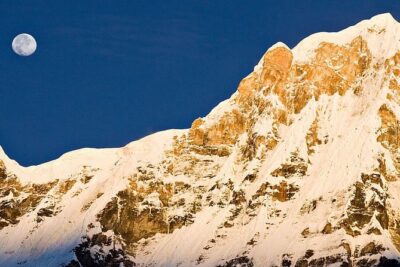
Browse the lists this tour appears in