
Reviewed · ANNAPURNA BASE CAMP TREKS
Kathmandu/Pokhara: 5-Day Annapurna Base Camp (ABC) Trek
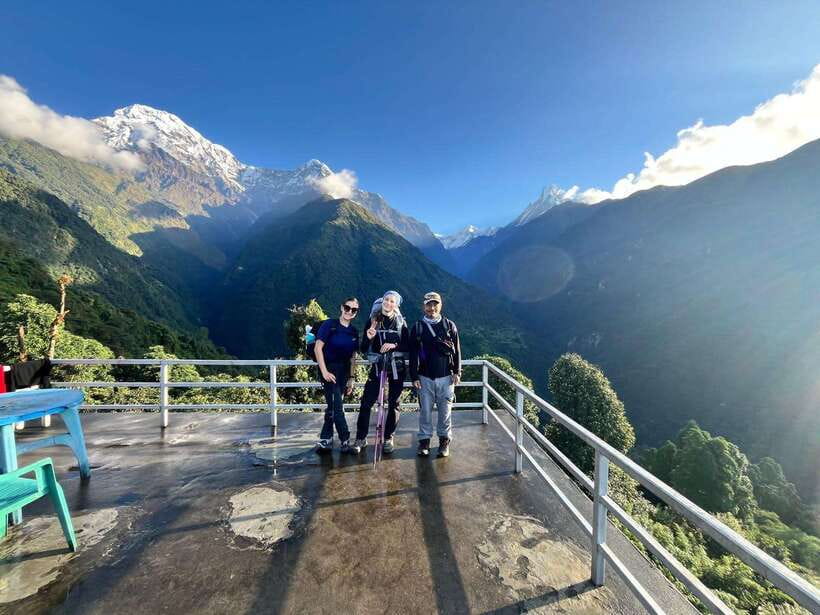
Annapurna Base Camp arrives fast. This 5-day trek runs a tight route from Pokhara or Kathmandu into the Annapurna Sanctuary, threading dense forests, waterfalls, terraced Gurung villages, and dramatic ridgelines before you stand at ABC, 4,130 m. Two things I really like: the built-in acclimatization with overnight stops at lower altitudes, and the payoff on Day 4, when you hike out early for sunrise views. One consideration: you’ll still be walking a lot each day, including a long return day after you reach the base camp zone.
I also like that the trip is set up around real trail logistics, not just sightseeing. You start with an included hotel pickup, a flight option if you’re coming from Kathmandu, and you get a licensed guide plus equipment borrowing (down jacket, sleeping bag, trekking poles) so you can travel lighter. The trek is not technically easy, and if weather turns wet or snowy, your boots and layering choices matter as much as your motivation.
In This Review
- Key things I’d highlight before you book
- How a short 5-day ABC trek actually works
- Day 1: Kathmandu to Pokhara, jeep to Simrung, trek to Sinuwa (2,340 m)
- Day 2: Waterfalls through forests to Deurali (3,230 m)
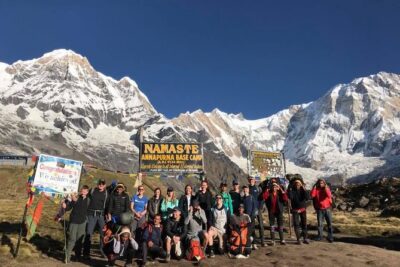
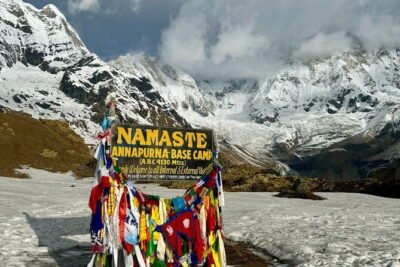
- Day 3: Machhapuchhre Base Camp valley to Annapurna Base Camp (4,130 m)
- Day 4: Sunrise at ABC, then the long descent to Bamboo or Sinuwa (2,340 m)
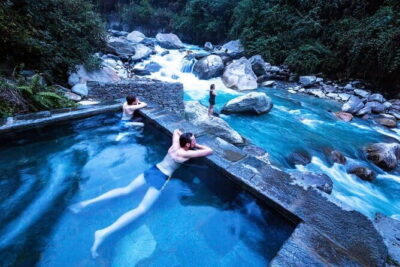
- Day 5: Jhinu Danda hot springs, trek to Simrung, drive back to Pokhara (830 m minimum)
- Tea houses, meals, and what you should expect at altitude
- Gear and seasonal temps that actually matter
- Permits, water safety, and the passport paperwork you must send
- Why the guide makes this trek feel safe, not scary
- Price and value, and what to double-check before you pay
- Who should book this ABC trek, and who should skip it
- FAQ
- FAQ
- What is the highest point you’ll reach on this trek?
- Do I need flights from Kathmandu to Pokhara?
- Are hot springs included, and on which day?
- What equipment do I need to bring versus what is provided?
- Is a guide included?
- Are meals included?
- Can I store luggage in Kathmandu or Pokhara?
- Should you book this ABC trek with Cordial Trek?
Key things I’d highlight before you book
- Annapurna Base Camp at 4,130 m: the big goal, with tea house stops close to the action
- Jhinu Danda hot springs on the final day: a proper reward after the long walks
- A route through forests, rivers, and waterfalls: scenery that changes daily, not just on Day 3
- Machhapuchhre Base Camp valley section: a key scenic corridor on the way into ABC
- Real support on the trail: a licensed guide, plus optional porter setups depending on your package
How a short 5-day ABC trek actually works
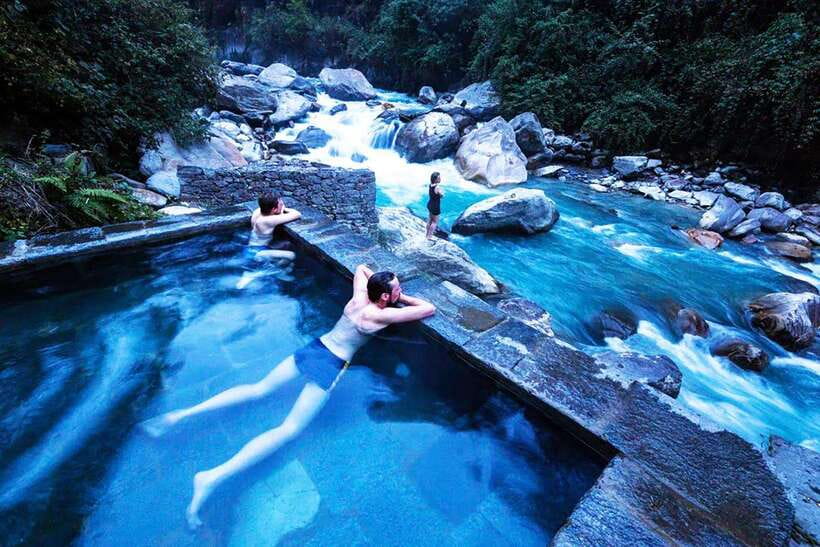
A 5-day Annapurna Base Camp trek is a classic “high reward, serious effort” plan. You get enough time to reach ABC and enjoy sunrise, but you do it with minimal slack time. That design is great for travelers who want the Himalayas without spending a week or more on the trail. It’s also why your day lengths are long.
Altitude climbs in steps. You start around 2,340 m on the first overnight, move up to about 3,230 m on Day 2, then push to the ABC high point on Day 3. Day 4 is the burn: you’re back on the trail for roughly 7 to 8 hours after an early start. Then Day 5 drops you down to around 830 m minimum as you return toward Pokhara.
If you want a mellow pace and lots of lounging at each altitude, this route might feel busy. If you like structure, steady progress, and a clear finish line with hot springs, you’ll probably enjoy the format.
More Treks in Pokhara
- Poon hill Trek 3 days
★ 5.0 · 176 reviews - Trekking in Annapurna/Langtang/Everest/Upper Mustang regions
★ 5.0 · 161 reviews - Pokhara: 4-Day Ghorepani, Poonhill & Ghandruk Mountain Trek
★ 5.0 · 132 reviews
Day 1: Kathmandu to Pokhara, jeep to Simrung, trek to Sinuwa (2,340 m)
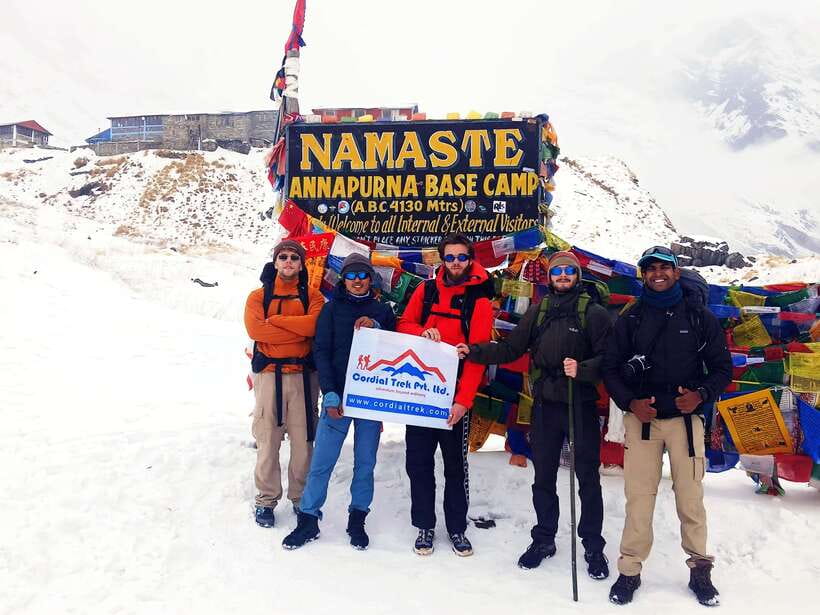
Day 1 begins with pickup from your hotel area in Kathmandu or Pokhara. If you’re starting in Kathmandu and you choose the flight option, you take a short flight to Pokhara (about 30 minutes), then shift into road travel.
From Pokhara, the drive is typically about 2 to 3 hours to Simrung via Nayapul. Then the trek starts with a hike from Simrung to Sinuwa, roughly 10 to 11 km, about 5 to 6 hours. You overnight at a guest house in Sinuwa, with a maximum altitude around 2,340 m.
Why this first day matters: it’s your “get moving” day without going straight to high altitude. Even so, it’s still Nepal trekking, meaning uneven footing and plenty of stairs or steep stretches depending on your exact trail segment.
Practical tip: If you’re new to trekking, this is a good day to practice your rhythm. Go slower than you think you need to. You’ll thank yourself on Day 3.
Day 2: Waterfalls through forests to Deurali (3,230 m)
On Day 2 you trek from Sinuwa to Deurali, again about 10 to 11 km and 5 to 6 hours. The route goes via Himalaya, a small settlement with tea houses where you can pause, refuel, and get oriented.
This day is about the middle-altitude feel of the region. Expect dense forest stretches, with waterfalls showing up along the way. You overnight at Deurali guest house, at a maximum altitude around 3,230 m.
What I like about this setup: the hike gives you a full day of “trail life” without the full ABC steepness. It’s also where you’ll notice how quickly your body adapts to walking tempo when you’re not sprinting.
Possible consideration: the forest sections can mean cooler air and mist. If you don’t manage your layers, you can end up damp from sweat early, then chilled at breaks. That’s one reason the checklist includes thermal base layers and a windproof outer layer.
Day 3: Machhapuchhre Base Camp valley to Annapurna Base Camp (4,130 m)
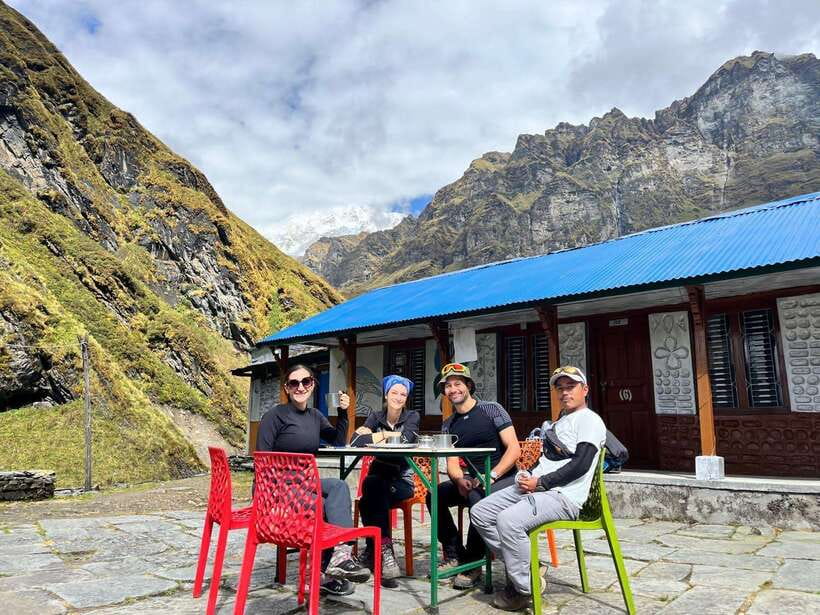
Day 3 is the big day. You trek from Deurali to Annapurna Base Camp, about 10 to 11 km and 5 to 6 hours, passing through Machhapuchhre Base Camp (MBC) area along the way. You’ll spend time in the MBC valley before continuing on to the ABC tea houses, where you overnight.
This is where the numbers stop being abstract. ABC sits around 4,130 m, so even if the route is straightforward on a map, the air feels thinner. Your breathing rate changes. Your legs may feel heavier than expected.
This day is also where a good guide makes a difference. In the experiences shared by hikers, guides like Raj, Raju, Pratip, Om, Anil Sherpa, and Smile stood out for pacing, safety checks, and explaining what’s ahead. That matters because at ABC you’re not just “walking,” you’re managing effort and comfort at altitude.
Practical tip for your success: plan your uphill pace like you’re saving batteries. Short pauses, steady steps, and drinking regularly do more than pushing harder.
More Annapurna Base Camp treks:
- Annapurna Base Camp Trek -8 days
★ 5.0 · 56 reviews - Private 7 – Day Annapurna Base Camp Trekking
★ 5.0 · 50 reviews - Annapurna Base Camp Trek (8 days)
★ 5.0 · 45 reviews - Pokhara: 5 Day Annapurna Base Camp Trek & Natural Hot Spring
★ 4.9 · 44 reviews
Day 4: Sunrise at ABC, then the long descent to Bamboo or Sinuwa (2,340 m)
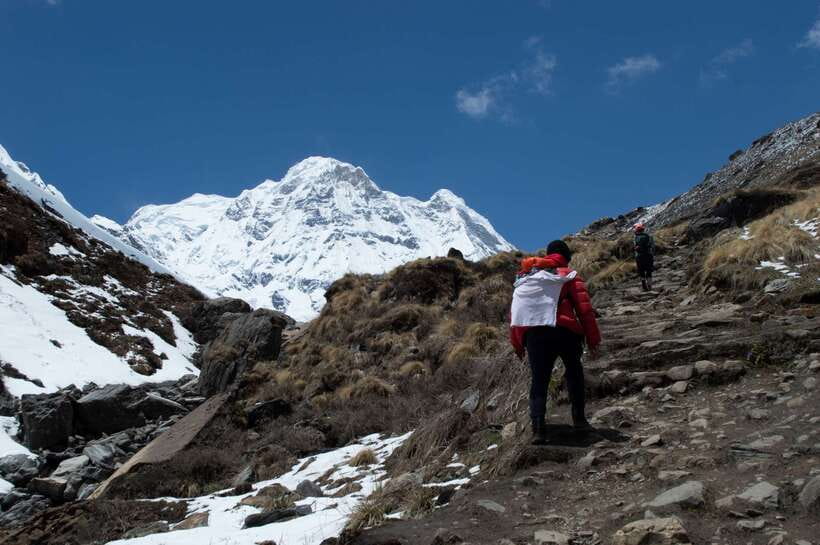
Day 4 starts early, with sunrise in the morning from the ABC area. After that, you begin the long return trek to Bamboo or Sinuwa, roughly 12 to 14 km and 7 to 8 hours, via Deurali, Himalaya, and Dobhan. You overnight at a guest house, with a minimum altitude around 2,340 m.
This is the part people underestimate: you’re going downhill, but it can still feel hard. Long descents stress knees, and repeated uneven steps can wear you out fast. If you’re expecting Day 4 to be easy because you reached ABC, you’ll likely be surprised.
What I like about this design: you don’t just sprint to the base camp and leave. You get a sunrise moment, then you still get a full evening at a lower altitude. It’s a smart way to end the high point on your schedule.
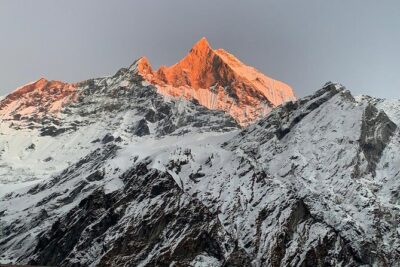
Bonus: with a sunrise start, you often get clearer views before clouds build in later hours. Keep your hat and gloves handy even if the trail looks sunny. Temperature at altitude can shift quickly.
Day 5: Jhinu Danda hot springs, trek to Simrung, drive back to Pokhara (830 m minimum)
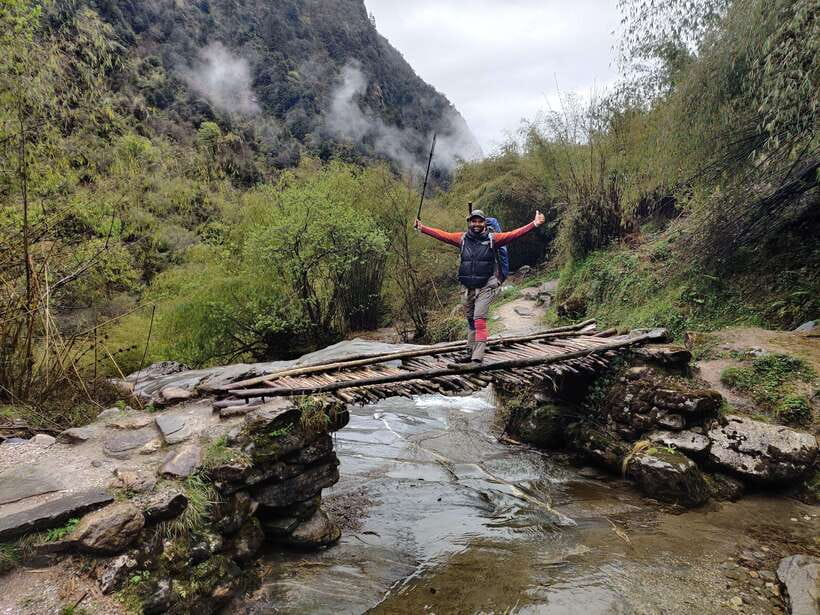
The final day is a classic “finish strong, then soak.” You trek from the ABC side down toward Simrung via Jhinu Danda, including the hot spring stop. The hiking portion is about 7 to 8 km, around 4 to 5 hours. Then you drive back to Pokhara, usually 2 to 3 hours, with hotel drop-off in Pokhara by no later than 17:00.
The minimum altitude is listed around 830 m, which is a big relief for your body after several days above 2,000 m.
Why I think this day is worth it: the hot springs give you a mental and physical reset. After days of cold air, sore legs, and damp trail conditions, warm water feels like a reset button.
Logistics note: if you have return flights, you’ll be dropped at Pokhara Airport for your flight back to Kathmandu. If your timing is tight, you’ll want to keep your daypack organized so you’re not scrambling when the jeep is ready.
Tea houses, meals, and what you should expect at altitude
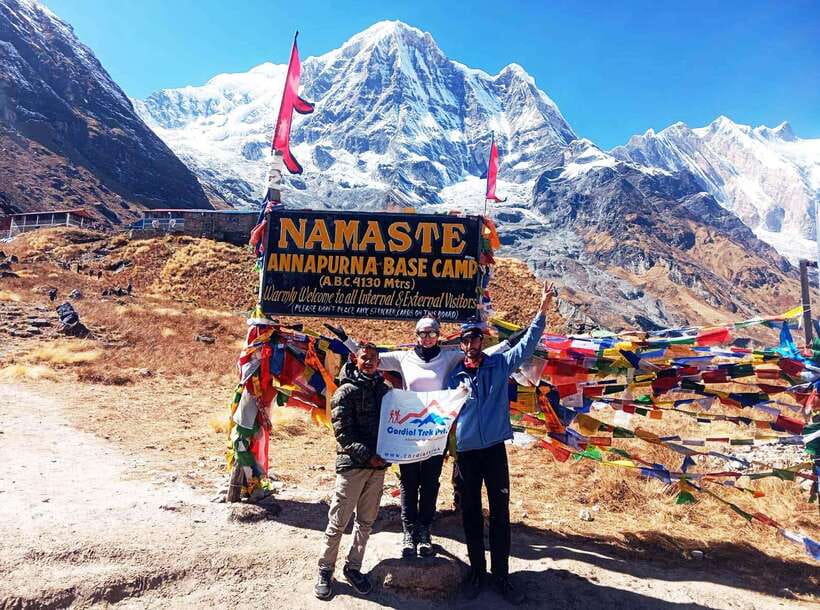
This trek runs on mountain guest houses and tea houses. That means simple, functional rooms, shared areas for meals, and food that’s designed for people who are walking all day in cold air.
Meals are listed as included in the package options as 4 breakfasts, 5 lunches, and 4 dinners if you choose the all-inclusive setup or add-ons. The listing also notes that hot showers, Wi-Fi, and battery charging are not included, so if those matter to you, plan to pay for them or skip them.
A few practical realities to plan for:
- Food is usually hearty and carb-focused, which is what you want after long climbs.
- You’ll want cash on hand, since extra snacks and drinks are not included.
- Overnight drying can be tough in wet seasons. When trails are muddy, extra socks and a spare layer become life improvements.
If you’re sensitive to cold, treat layering as non-negotiable. The checklist is there for a reason, and borrowing a sleeping bag and down jacket helps you avoid lugging bulky gear from home.
Gear and seasonal temps that actually matter
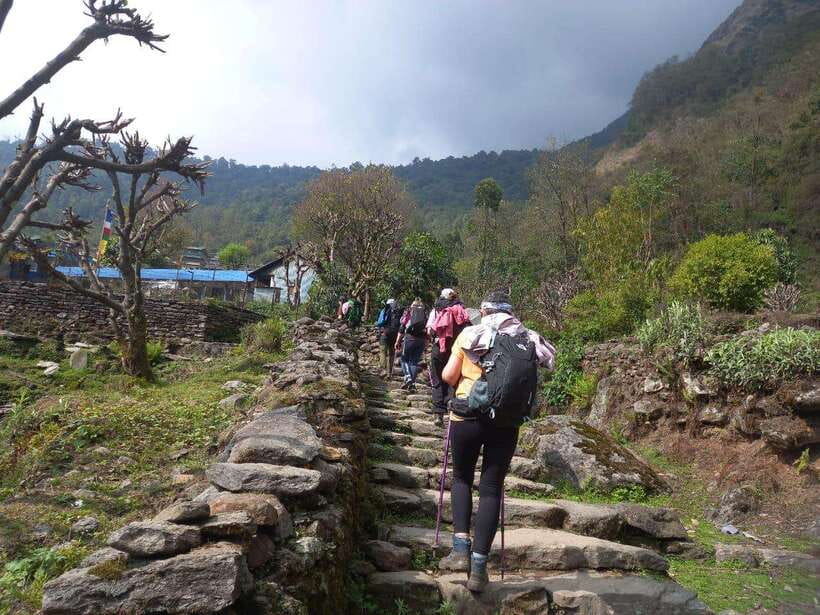
The standard packing list is solid. You’ll want warm clothing plus trekking essentials: a down jacket or puffer jacket, thermal base layers, gloves, a beanie, and a neck gaiter. High-ankle waterproof trekking boots are strongly recommended because wet trail sections are common. Bring warm socks and at least one towel. Sunscreen and sunglasses matter too, because altitude sun can sneak up on you.
You also have equipment support. The operator includes borrowing a down jacket, sleeping bag, and trekking poles. That’s a big value point if you travel light. They also mention crampons for snowy conditions, but only if conditions require them.
Temperature expectations by season are provided:
- Spring and autumn (Mar to May, Sep to Nov): lows around -3 C to 3 C, highs around 2 C to 20 C
- Summer and monsoon (Jun to Aug): lows around 0 C to 5 C, highs around 5 C to 22 C
- Winter (Dec to Feb): lows around -10 C to -2 C, highs around -5 C to 15 C
Here’s my practical takeaway: even in the warm months, you’ll feel cold at sunrise and late in the day. In monsoon season, expect wet feet more often, and plan for slow drying. In winter, consider that early starts at altitude can be icy.
Permits, water safety, and the passport paperwork you must send
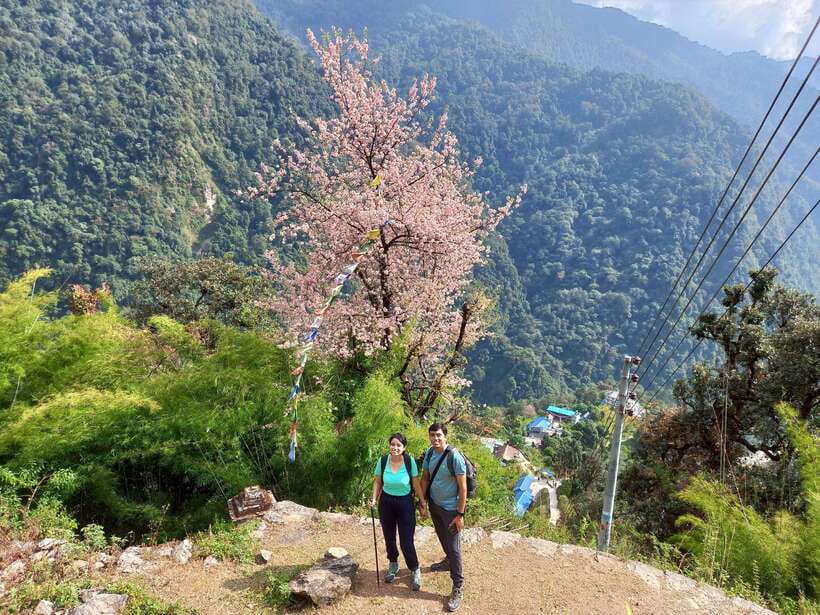
Nepal trekking permits require your passport details. After you book, you should provide a copy of your passport and a recent passport-sized photograph at least one day in advance for permits to be issued smoothly.
Water safety is handled with purification tablets, included as required. Still, treat water like water, not tea with a casual attitude. Purify it, then drink steadily through the day.
Also bring: a copy of your passport is accepted, and a passport photo is needed for permit processing. Cash is useful for personal expenses and tea house extras. If you’re storing luggage in Kathmandu or Pokhara, the listing says there’s luggage storage available.
Why the guide makes this trek feel safe, not scary
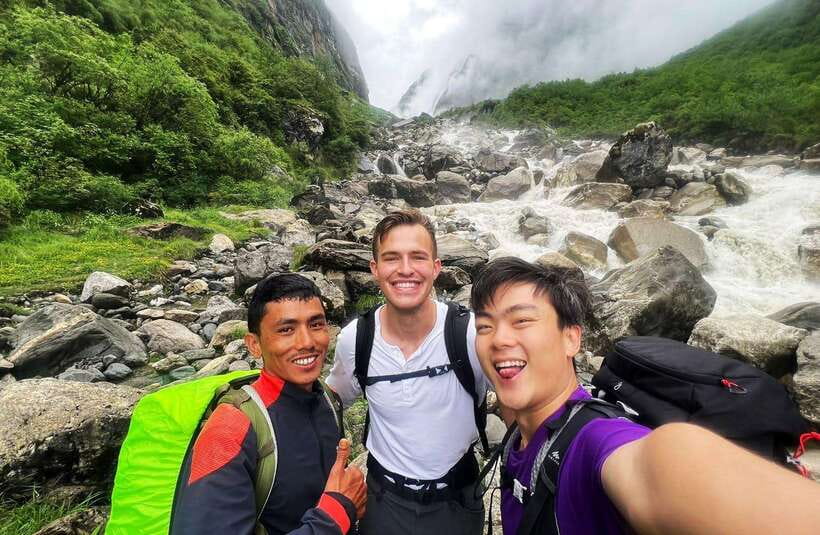
On paper, a 5-day ABC trek looks like route and altitude. In real life, it’s people and decisions. This experience is set up with a private, licensed guide, typically in English and Hindi.
In the experiences shared by hikers, guides repeatedly helped with:
- safety decisions when conditions changed
- arranging rooms at lodges
- suggesting which dishes to eat at specific stops
- adjusting pace for slower hikers
- handling emergencies calmly, including rushing logistics when someone needed to get to an airport fast
Porters can also be part of the team depending on your package. Some hikers specifically noted guides plus porters working as a unit when time mattered.
My advice: when you book, ask what your support level will be for your pace. If you’re a first-time trekker, say that upfront. If you’re traveling solo, confirm that your plan includes the level of support you expect on both the uphill and the long downhill days.
And yes, tip your guide and porter if your budget allows. They handle a lot of stress you do not see.
Price and value, and what to double-check before you pay
At around $96 per person, this trek is positioned as a value option. But the real question is what you get at that price, because the package can shift depending on add-ons and flight choices.
Based on what’s included, you’re paying for more than “a hike”:
- hotel pickup and drop-off in Pokhara
- mountain guest house accommodation for 4 nights
- transfers to the trail via shared jeep
- a licensed guide
- permits
- borrowing key gear like a sleeping bag and down jacket
- water purification tablets
- first aid
What can change based on your selected options:
- flights (Kathmandu to Pokhara, or round-trip flights if you’re choosing that)
- included meals (the listing ties meals to all-inclusive or add-on setups)
- porter service (included for all-inclusive, add-on for budget from Kathmandu one-way)
So here’s how I’d judge the value: if your plan includes flights and your meals and porter needs are covered, the package can feel like a bargain for a 5-day route reaching 4,130 m. If you end up adding multiple things, the price advantage can shrink.
My checklist for you: confirm which option you’re on, confirm whether meals are truly included for your start point, and confirm whether porter service is included or an add-on.
Who should book this ABC trek, and who should skip it
This trek suits people who want a guided ABC experience in just 5 days, starting from Pokhara with optional flights from Kathmandu. It’s also a good fit if you like clear structure and want someone to manage permits, trail support, and daily logistics.
It’s not for people with mobility impairments, and it’s not suitable for people over 95 years old.
If you’re a first-timer, you can still do it, but you should mentally prepare for long walks, cold mornings, and a Day 4 return that can feel tough even when you’re descending. Your success will depend on pacing and gear choices, not just motivation.
FAQ
FAQ
What is the highest point you’ll reach on this trek?
Annapurna Base Camp is listed at about 4,130 m, and the trip notes maximum altitudes for each day, culminating at ABC on Day 3.
Do I need flights from Kathmandu to Pokhara?
Flights are optional and depend on your selected option. The listing says a 30-minute flight from Kathmandu to Pokhara is used if you choose the flight option, and it also offers round-trip flights if you select the all-inclusive setup.
Are hot springs included, and on which day?
Yes. The trek includes Jhinu Danda hot springs on the final day, after you trek down via Jhinu Danda and then head back toward Simrung and Pokhara.
What equipment do I need to bring versus what is provided?
You should bring warm clothing and trekking essentials like boots, thermal layers, gloves, beanie, and a day or backpack. The listing says a down jacket, sleeping bag, and trekking poles are available to borrow, and crampions may be needed only for snowy conditions.
Is a guide included?
Yes. The trek includes a licensed and experienced trekking guide, and the guide is listed as English and Hindi.
Are meals included?
Meals are listed as included as 4 breakfasts, 5 lunches, and 4 dinners if all-inclusive is selected, or as available via add-ons depending on your package.
Can I store luggage in Kathmandu or Pokhara?
Yes. The listing includes a luggage storage facility in Kathmandu and Pokhara if needed.
Should you book this ABC trek with Cordial Trek?
If you want a guided Annapurna Base Camp trek in only 5 days, with a clear route from Pokhara into the Annapurna Sanctuary and a hot spring finish at Jhinu Danda, this format makes a lot of sense. It also helps that you’re not expected to arrive fully kitted out, since key gear can be borrowed.
Book it if you’re ready for long hiking days, especially Day 4, and you’ll pack for cold mornings and possible wet conditions. Consider skipping it if you have mobility limitations, since the trek is not suitable for people with mobility impairments.
If you do book, I’d plan to confirm your exact option for flights, porter support, and meal inclusion before you go. That’s how you get the best value out of the price.
Latest additions near Pokhara
- Pokhara: Pokhara Highlights Tour by Bus★ 3.6 · 10 reviews
- Discover Pokhara in Style: Private Vehicle Service with Driver★ 5.0 · 5 reviews
- Pokhara in 5 Hours: Lake, Museum, Cave, Falls & Pagoda Hill★ 4.5 · 16 reviews
- The World Peace Pagoda in Pokhara★ 4.5 · 7 reviews
- 7-Day Trek to Annapurna Base Camp from Pokhara★ 5.0 · 12 reviews
- 4 Day Mardi Himal Base Camp Trek from Pokhara★ 5.0 · 18 reviews
- Unique Easy Hiking to Foxing Hill from Pokhara★ 5.0 · 4 reviews
- World Peace Stupa Day Hike From Pokhara★ 5.0 · 4 reviews
Annapurna Base Camp Treks, compared.
Kathmandu to Annapurna Base Camp (ABC) 5-Day Trek
Read our review →
Browse the lists this tour appears in