
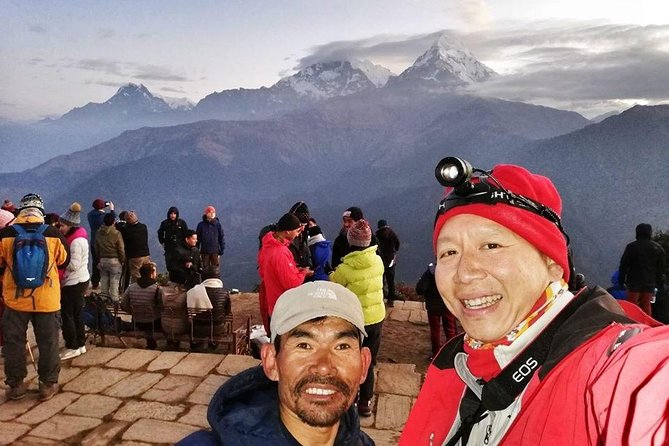
Reviewed · POON HILL TREKS
Poon hill Trek 3 days
The Himalayas have a way of making time feel slower. This short Poon Hill Trek packs a big payoff, with Annapurna sunrise views, rhododendron country, and classic mountain villages, all managed for you. I like that you get a small group (max 12), plus a local guide and porter setup that keeps things moving without turning the trip into a grind.
Two things I’d especially put at the top of the list are the sunrise moment from Poon Hill and the way the guiding feels tailored to your pace. A possible drawback to plan for is the physical side, especially Day 1, which includes 3,000+ steps up to Ulleri, so you’ll want moderate fitness and steady legs.
In This Review
- Key things that make this Poon Hill trek worth your time
- Poon Hill in 3 days, why the short format works
- Annapurna at sunrise from Poon Hill, what you should expect
- Day 1: Ulleri’s 3,000+ steps and the first big climb
- Day 2: Rhododendrons, villages, and getting altitude rhythm right
- Day 3: Poon Hill sunrise, then letting the mountains shrink behind you
- Who you’re traveling with, and how the guide and porter changes everything
- Permits, included meals, and the value behind the $230 price
- Gear tips that match what this trek actually includes
- Fitness reality check: moderate, but do not underestimate those steps
- Is it worth booking? A decision guide for your exact trip
- FAQ
- What does the price include on the Poon Hill 3-day trek?
- Is a guide and porter included?
- Is a pickup included from Pokhara?
- How many people are in the group?
- What permits are included?
- Are drinks or a Pokhara hotel included?
- Do I need micro spikes?
Key things that make this Poon Hill trek worth your time
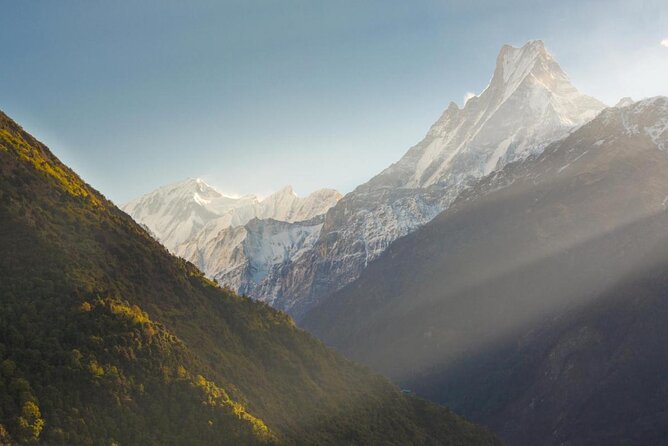
- Annapurna sunrise payoff, timed around the Poon Hill viewpoint
- Small-group feel with a maximum of 12 trekkers
- Guide and porter support (1 porter for every 2 pax) so you do not carry the heavy stuff
- Permits included (ACAP and TIMS) so you are not scrambling for paperwork
- Mountain-appropriate extras like hiking poles and micro spikes for Dec to Feb
Poon Hill in 3 days, why the short format works
Poon Hill is one of those Nepal treks that people talk about for a reason. In just three days, you get high-mountain viewpoints without committing to a long trek. That matters if you are limited on time from Pokhara, or if you want a taste of the Annapurna region before considering a longer hiking route.
The structure here is also built for real life. Private transportation and pickup are included, so you start with less hassle. Once on the trail, your local guide handles the key logistics, including accommodation and meals, which is exactly what you want on a short trek. You spend your energy looking up at the mountains, not asking where to sleep and what time to eat.
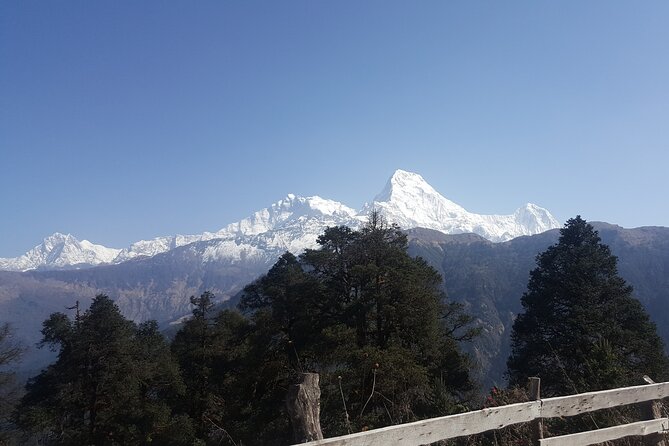
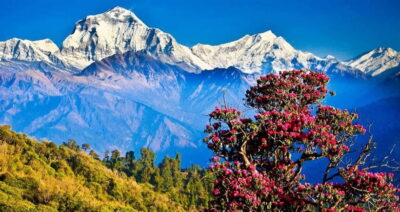
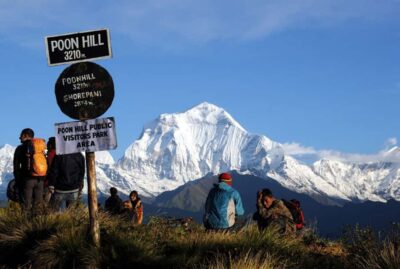
And yes, you still get the classic “walk into the mountains, step by step” feeling. The view information on this route is impressive, with sights that can include Dhaulagiri Himal (8,167m), Tukuche Peak (6,920m), and multiple Annapurna peaks in the panorama. You also catch the Kali Gandaki Valley and the Jomsom horizon on clear days, which is a big deal for a trek that is only a few days long.
More Treks in Pokhara
- Trekking in Annapurna/Langtang/Everest/Upper Mustang regions
★ 5.0 · 161 reviews - Pokhara: 4-Day Ghorepani, Poonhill & Ghandruk Mountain Trek
★ 5.0 · 132 reviews - Ghorepani – Poon Hill Trek 3N-4D
★ 5.0 · 125 reviews
Annapurna at sunrise from Poon Hill, what you should expect
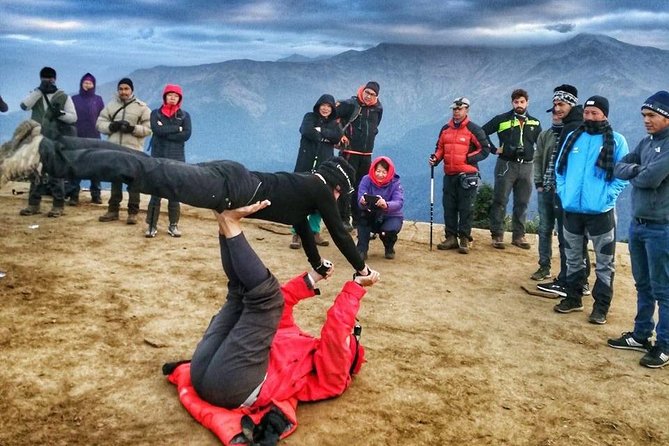
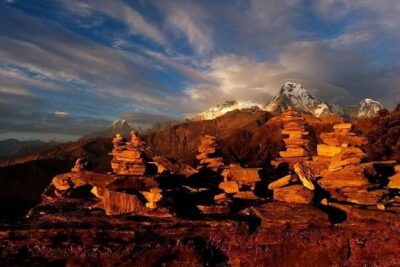
The headline is sunrise from Poon Hill. That is the main event, and it is not just marketing. Sunrise light is dramatic in the Himalayas, and Poon Hill is a viewing platform for that exact effect, with Annapurna I, II, and III appearing in the broader skyline when conditions are good.
From the viewpoint area, you can also see a wider sweep of peaks and valleys, including Mardi Himal and Manaslu Himal, plus Nilgiri and Khopra Danda. The view description even calls out colourful rhododendrons and the Kali Gandaki Valley, which hints at the scenery you are walking through during the days before the big sunrise.
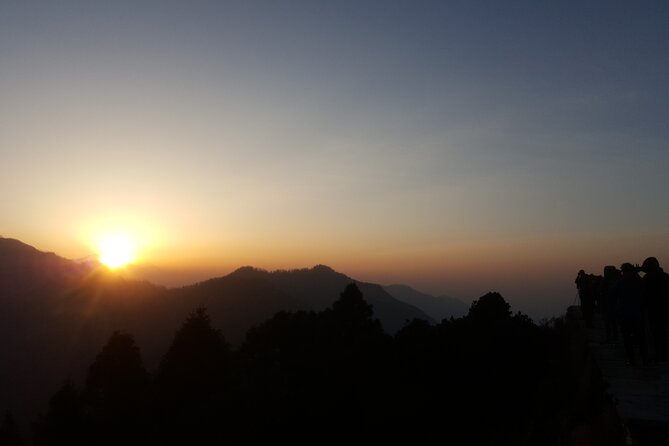
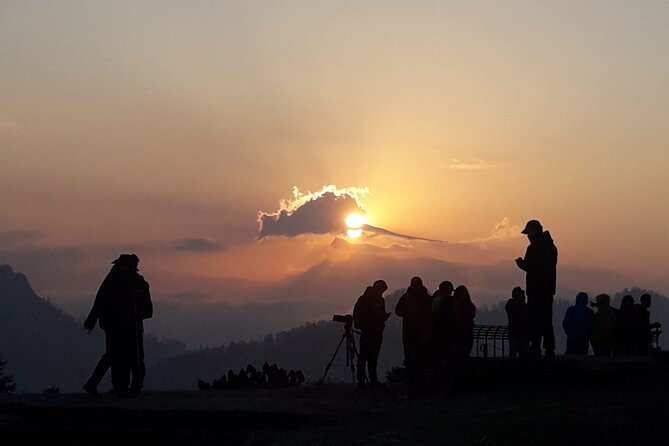
In practical terms, what this means for you is simple. Your early morning is not optional. Expect cold air and a hurry-up feeling as you get to the viewpoint before the sun climbs too high. If the sky clears, it can feel like the trek’s reward is happening live, right above you.
One more note from real trekking style: sunrise viewing is always weather-dependent. On this trek, that uncertainty is part of the experience, so I treat it like this, go for the view, but do not plan your entire emotional life around it being perfect.
Day 1: Ulleri’s 3,000+ steps and the first big climb
Day 1 is where the legs get introduced to the Himalayas. You will tackle a serious step climb to Ulleri, including 3,000+ steps according to one of the trek experiences tied to this route. That sounds intense, because it is. But it also tells you something useful: this is not a “stroll for beginners” kind of trek. It is a short trek with a real workout.
The good news is that the pacing is meant to be manageable. The guide and porter setup is designed to keep you moving at a set pace, with breaks when you need them. In one experience connected to this trek, the guide named Sabin was attentive and helped the trekker keep a comfortable tempo. That kind of “you go at your pace” support is the difference between finishing strong and finishing sore.
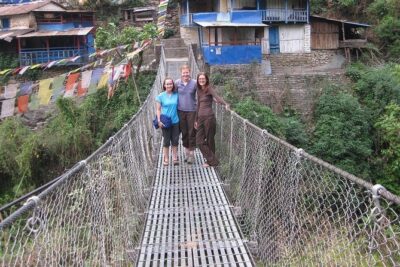
What else is happening on Day 1? You are moving through mountain village trails and getting your first taste of rhododendron country. Even before sunrise, the scenery is not just scenery, it is motivation. And you can also keep an eye out for Gurung and Magar villages along the route area. You are walking through communities, not just between viewpoints.
Possible drawback for Day 1 is knee and calf burn. If you tend to “power up” steep steps and then regret it later, you’ll want to hold back at first. Think rhythm, not speed. Your goal on a 3-day trek is to still have energy for sunrise.
Day 2: Rhododendrons, villages, and getting altitude rhythm right
Day 2 is where the trek shifts from “big climb day” to “steady mountain day.” You are still working, but it becomes more about feeling the trail rather than surviving the steep parts. This is also where the mountain ecology shows up. The view details mention colourful rhododendrons, which you can often spot along mid-elevation trails when conditions and season align.
You also get the sense of the region through villages tied to Gurung and Magar communities. That matters because it makes the trek feel lived-in. You are passing homes, paths, and everyday mountain life rather than only imagining what the Himalayas look like from a postcard angle.
The other big thing to get right on Day 2 is pacing for tomorrow. Sunrise at Poon Hill is early and you want to be ready for it. So I treat Day 2 as your “build momentum” day. Walk steady. Take breaks when your body asks. Stay hydrated and eat what is offered, even if you are not feeling super hungry.
Accommodation and meals are included, and one of the standouts from trek feedback is that the places were clean and comfortable, and the food was good. That is not a throwaway detail. On a short trek, sleep quality and meal timing directly affect how you feel for the sunrise push.
More Poon Hill treks:
- From Pokhara: 3-Day Ghorepani Poon Hill Trek with Guide
★ 4.9 · 68 reviews - 4-Day Private Poon Hill Trekking Tour
★ 5.0 · 58 reviews - Pokhara: 3-Day Ghorephani and Poon Hill Private Trek
★ 5.0 · 58 reviews - Pokhara: 2-Day Ghorephani and Poon Hill Private Trek
★ 4.6 · 50 reviews
Day 3: Poon Hill sunrise, then letting the mountains shrink behind you
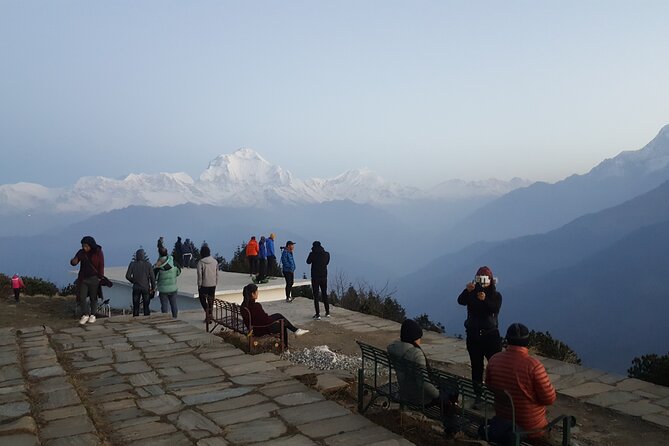
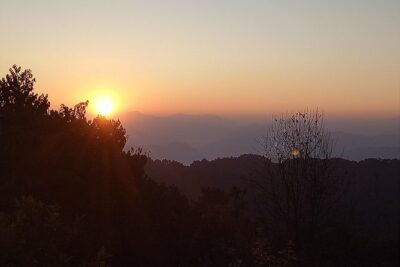
Day 3 centers on sunrise from Poon Hill. This is the day you wake up expecting cold air and return expecting your phone to be too small for how large the view is. When the sky cooperates, Annapurna peaks light up and the wider panorama comes into focus, including the valleys and horizons described in the route view notes.
After the sunrise moment, the rest of the day is about getting down comfortably. Sunrise always changes your energy level. You might feel like moving fast, but this is where you should protect your knees and ankles. I like to think of Day 3 as “celebration plus careful steps,” not a second climb.
Even though you are going downhill, you will still be walking. The trek duration is listed as about 15 to 18 hours over the total 3 days, so plan for consistent time on your feet across the whole trip, not just the peak moments.
What you do get on Day 3 is closure. The trek is short enough that it does not drag, but long enough that you feel like you went somewhere real.
Who you’re traveling with, and how the guide and porter changes everything
This is a small-group trek with a maximum of 12 travelers. That number matters. You get group energy without the chaos of big buses into narrow mountain paths. Smaller groups also tend to make it easier for the guide to notice who needs an extra break and who can keep a steadier tempo.
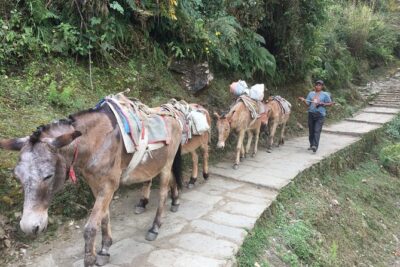
Your guide is included, and you also get a porter for every 2 trekkers. That porter ratio is meaningful on a short trek, because even if you are not carrying a heavy pack, the load of trekking gear adds up over days. With porter support, your job is basically to walk and enjoy.
One of the clearest signals from trek experiences is how caring the guide and porter were. In a shared experience on this route, the guide and porter checked in, asked if the trekker was okay, and made helpful suggestions, especially when someone wanted to keep to a set pace with breaks. That is the kind of attention you want when you are doing a steep step day and planning for an early sunrise morning.
If you like having guidance, this trek is a strong fit. If you prefer total independence, you might find the managed logistics less to your taste. But for most people doing Poon Hill for the first time, the guided structure is the point.
Permits, included meals, and the value behind the $230 price
Let’s talk value, because this trek is priced like a real service, not like a bare-bones “good luck out there” situation. At $230, you are getting private transportation plus a local guide. You also get breakfast, lunch, and dinner during the trek, plus ACAP and TIMS permits included.
Permits are one of those items people sometimes forget until they are already in the country. Having ACAP and TIMS included saves you time and reduces uncertainty. It also means the operator is set up for the trek officially, which matters for both safety and smooth entry into trekking areas.
Then there are the practical items included:
- Hiking poles to help with step climbing and downhill strain
- Micro spikes for Dec to Feb, a big deal if you are trekking when trails can be icy
- A kit bag, which is helpful for organized carrying through logistics days
What is not included is also important for budgeting: beverages, soft and caffeinated drinks like coke and beer, tips for the guide and porter, and the hotel in Pokhara. If you expect alcohol or lots of soda during the trek, the final cost will be higher. And if you expect the Pokhara hotel included, you will need to book that separately.
About the “duration” line, plan on 15 to 18 hours of active trekking time across three days. That is a fair amount of movement for the short timeframe, which makes the $230 feel more like “you are paying for a managed experience you can actually finish,” not just transportation and a viewpoint.
Gear tips that match what this trek actually includes
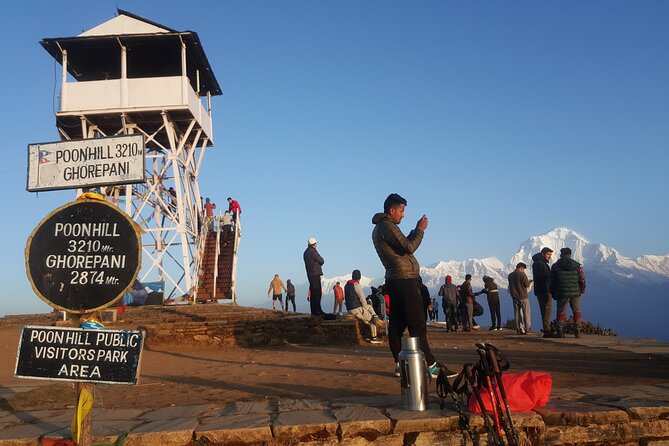
This trek includes hiking poles and micro spikes for Dec to Feb. That covers two common trekking needs: support on steep steps and grip when paths might be slick.
What you should still bring:
- Warm layers for the early morning sunrise period
- Comfortable daypack for personal items (even if a porter handles more)
- Basic sun protection, since Himalayan walking days can be bright even when it is cold
If you are in shoulder seasons, you might not get micro spikes, depending on timing. But the poles are included, so you can still reduce knee stress on Day 1 and Day 3.
I also recommend practical footwear with good grip. Steps can be rocky and uneven, and you want something that feels secure on both the climb and the descent.
Fitness reality check: moderate, but do not underestimate those steps
This trek is listed for travelers with moderate physical fitness. That is accurate, because the itinerary includes the steep step climb to Ulleri with 3,000+ steps. Moderate fitness is enough if you pace well and listen to your guide.
Where people get in trouble is trying to go too fast. You will feel strong at the start, then your legs get loud later. On a short trek, that can ruin your sunrise morning.
My advice is to train for endurance of your lower body in a simple way before you go. Even a few weeks of stair climbing, hill walks, or long walks helps. You do not need to be a marathon runner. You just need legs that can handle repeated steps without breaking down.
Is it worth booking? A decision guide for your exact trip
Book this trek if you want:
- A short Himalayan trek with a famous sunrise payoff
- A small-group experience that stays manageable (max 12)
- Included guide, meals, permits, and porter support
- A route that includes both big views (Annapurna sunrise) and real village trail walking
Consider another option if you:
- Know you struggle with steep stairs for long stretches
- Want a fully independent trek with no organized meals and accommodations
- Are expecting a Pokhara hotel to be included
One more practical note: this experience is non-refundable and cannot be changed for any reason. If your dates are firm and you are comfortable committing, that is fine. If you are still floating plans, you might want to think twice.
If you fall into the first group, I think this is good value. You are paying for the big things that make treks work, guide support, permits, meals, and sunrise logistics, with enough structure to keep it fun instead of stressful.
FAQ
What does the price include on the Poon Hill 3-day trek?
The price includes private transportation, breakfast lunch and dinner during the trek, ACAP permit, TIMS permit, an expert guide, a porter for every 2 pax, kit bag, micro spikes for Dec to Feb, and hiking poles.
Is a guide and porter included?
Yes. You get an expert guide, and porter support is included with 1 porter for every 2 trekkers.
Is a pickup included from Pokhara?
Yes, pickup is offered, and private transportation is included. The meeting time is 8:15 am.
How many people are in the group?
This trek is a maximum of 12 travelers.
What permits are included?
ACAP permit and TIMS permit are included.
Are drinks or a Pokhara hotel included?
No. All beverages and soft or caffeinated drinks are not included, and the hotel in Pokhara is not included. Tips for the guide and porter are also not included.
Do I need micro spikes?
Micro spikes are included for Dec to Feb. If you are traveling in those months, you will have them as part of the included gear.
Latest additions near Pokhara
- Pokhara: Pokhara Highlights Tour by Bus★ 3.6 · 10 reviews
- Discover Pokhara in Style: Private Vehicle Service with Driver★ 5.0 · 5 reviews
- Pokhara in 5 Hours: Lake, Museum, Cave, Falls & Pagoda Hill★ 4.5 · 16 reviews
- The World Peace Pagoda in Pokhara★ 4.5 · 7 reviews
- 7-Day Trek to Annapurna Base Camp from Pokhara★ 5.0 · 12 reviews
- 4 Day Mardi Himal Base Camp Trek from Pokhara★ 5.0 · 18 reviews
- Unique Easy Hiking to Foxing Hill from Pokhara★ 5.0 · 4 reviews
- World Peace Stupa Day Hike From Pokhara★ 5.0 · 4 reviews
Poon Hill Treks, compared.
4-Day Ghorepani, Poonhill & Ghandruk Mountain Trek
Read our review →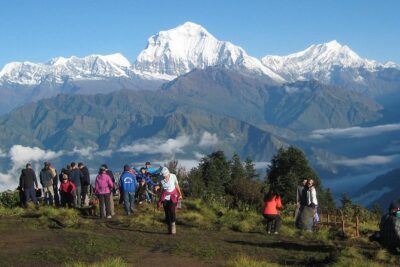
Browse the lists this tour appears in