
Reviewed · ANNAPURNA BASE CAMP TREKS
Pokhara: 5 Day Annapurna Base Camp Trek & Natural Hot Spring
A 5-day trek that feels bigger than it is. You start in Pokhara, climb through forests and terraced fields, and end at Annapurna Base Camp with big Himalayan views plus a relaxing stop in Jhinu hot springs. The route is built for steady progress, so first-timers can focus on pace, not navigation.
I especially like how this plan packages the logistics for you, from lodge nights to the permits and guide support. I also like that the itinerary keeps giving you a win each day, whether it is hitting Deurali at altitude or seeing the Annapurna massif come into focus near base camp. One possible drawback is that the cold and thin air can still be real, even on a short trek, so you need to take the pace seriously and be ready for altitude effects.
In This Review
- Key takeaways before you go
- Pokhara to the trailhead: quick drive, long payoff
- Lower Sinuwa to Deurali: your best chance to get the pace right
- Machhapuchhre Base Camp to Annapurna Base Camp: the views you came for
- Tea houses above 3,000 meters: food, cold, and altitude reality
- Jhinu hot springs back to Pokhara: end the climb with a reset
- Price and logistics: how $171 fits the value picture
- Guides make or break the short trek
- When to go, and what to pack for cold and wet trails
- Should you book this 5-day Annapurna Base Camp trek from Pokhara?
Key takeaways before you go
- Private guide-led pacing: English-speaking guides help you stay on route and adjust when you feel off.
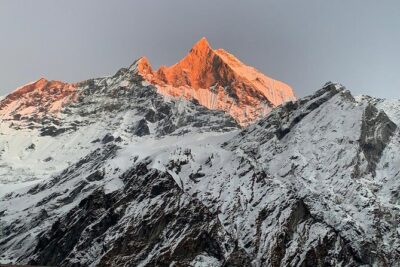
- Machhapuchhre views en route: You pass through the area around Machhapuchhre Base Camp, so the Fishtail peak is part of the story.
- Lodge-based comfort: You sleep in tourist standard lodges, so you are not dealing with tents and gear management.
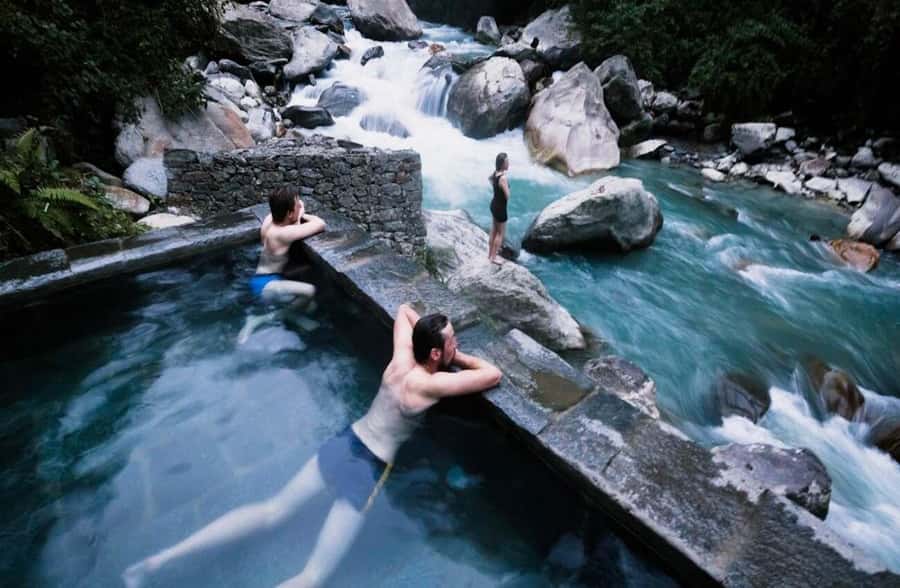
- Hot springs reset at the end: Jhinu is a natural reward after days of climbing.
- Permits handled for you: ACAP plus government permits, TIMS, and taxes are included.
- Bring cash and a light packing system: Costs can vary higher up, and storage in Pokhara may need a quick confirmation.
Pokhara to the trailhead: quick drive, long payoff
Your trek starts with an easy launch out of Pokhara. You will get hotel pickup, usually from Lakeside or the airport area, then head out by car for about 2 hours to the last road area near the trail start. This matters because Annapurna treks can start early and feel chaotic when you are trying to figure out transport on your own. Here, you are dropped in the right place and the walking begins without added stress.
From that point, Day 1 shifts into hiking mode: you trek up toward Lower Sinuwa, around 2,300 meters, with a total hiking time of about 5 hours. This first day is less about suffering and more about setting rhythm. You will pass through a mix of lower Himalayan scenery, including terraced agricultural areas and then greener stretches that gradually feel more enclosed as you gain elevation.
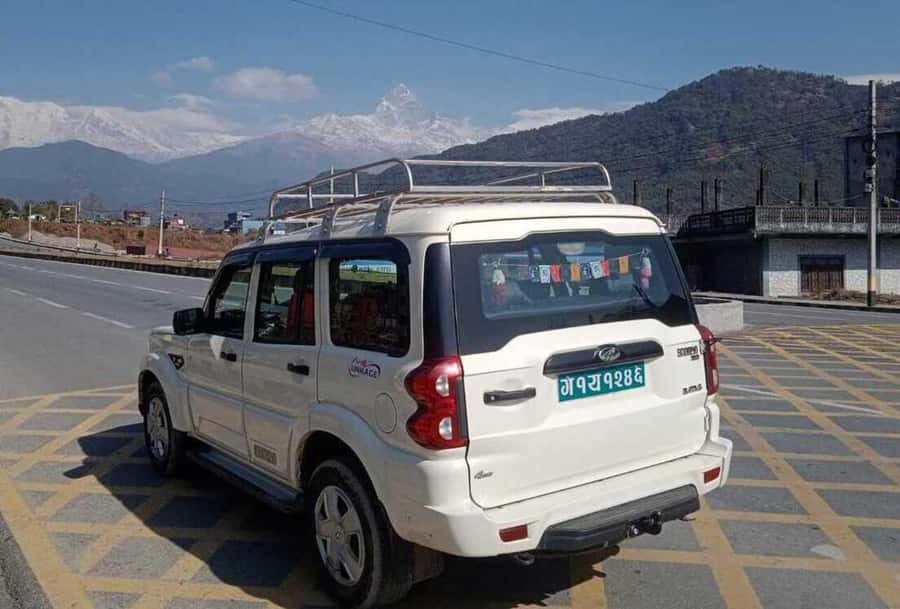
A small but helpful detail: the tour includes sharing jeep transport on the road segments, so you are not stuck waiting around for a full private vehicle for every transfer. It is a practical middle ground, especially if you are traveling with a group or want to keep costs down.
More Treks in Pokhara
- Poon hill Trek 3 days
★ 5.0 · 176 reviews - Trekking in Annapurna/Langtang/Everest/Upper Mustang regions
★ 5.0 · 161 reviews - Pokhara: 4-Day Ghorepani, Poonhill & Ghandruk Mountain Trek
★ 5.0 · 132 reviews
Lower Sinuwa to Deurali: your best chance to get the pace right
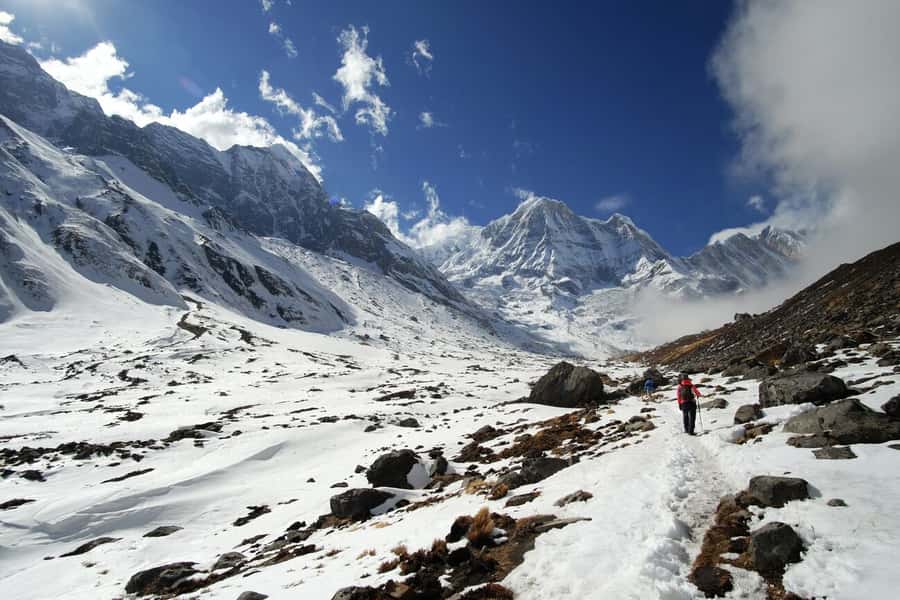
Day 2 takes you up to Deurali, around 3,200 meters, and it is about 6 hours of walking. This is where a short trek can start to feel intense. The gain is not insane on paper, but thin air changes how your body works. I like that the itinerary gives you time to acclimatize through the day rather than forcing a sprint.
The kinds of scenery you will move through fit what makes the Annapurna region so special for a 5-day itinerary. You go from cultivated lower slopes and farmland into stretches of forest and gradually more rugged hiking paths. That variety keeps your brain busy, which helps when your legs slow down a bit.
Culture also starts showing up in a real way here. The Annapurna foothills are tied to Gurung communities, and traditional village life becomes part of the trek experience as you climb. In practical terms, this means you will be walking through places where people live year-round, not just passing scenic photo stops. Expect tea houses, simple guest rooms, and interactions that can make the trek feel personal instead of mechanical.
What to watch for: Day 2 is often the first time you notice breathlessness. If you start to feel it, you do not need to push harder. The guides on this trek focus on pacing, and they can adjust your plan if altitude symptoms pop up. That support can make the difference between finishing strong and dragging for the last two days.
Machhapuchhre Base Camp to Annapurna Base Camp: the views you came for
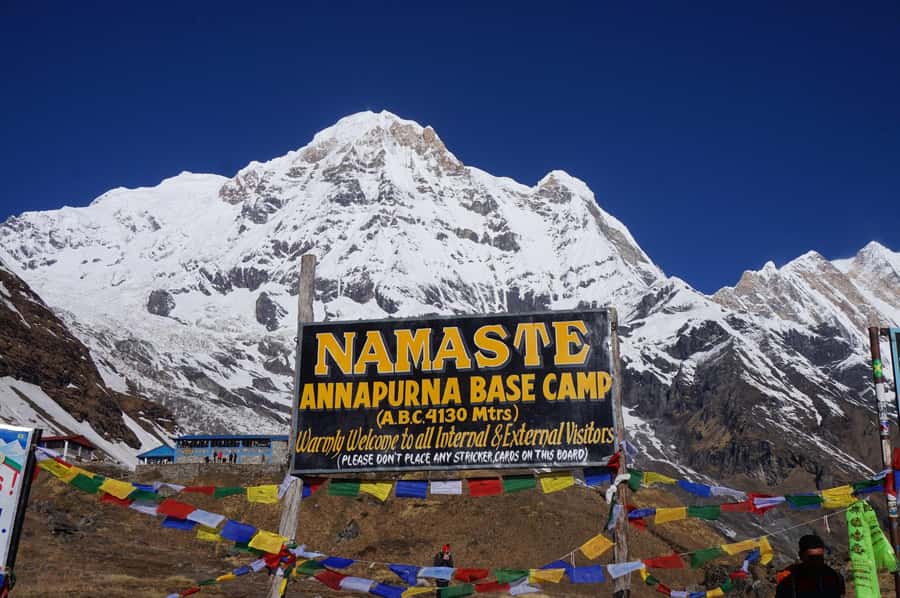
Day 3 is the big day: Deurali up to Annapurna Base Camp via Machhapuchhre Base Camp, with you reaching about 4,130 meters. The hiking time listed is about 4 hours, but remember, at altitude, time estimates move. Even if the hours are shorter than Day 2, your body will feel the climb.
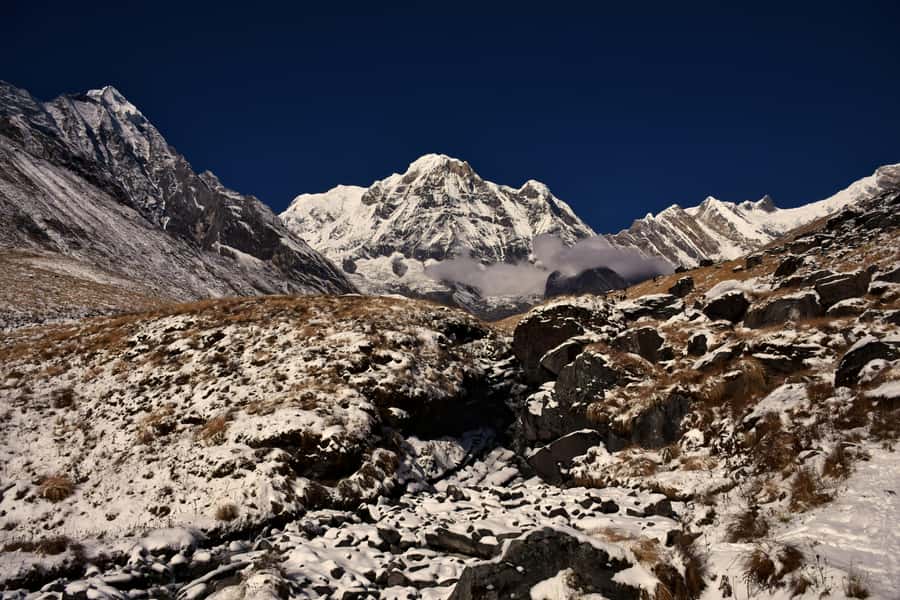
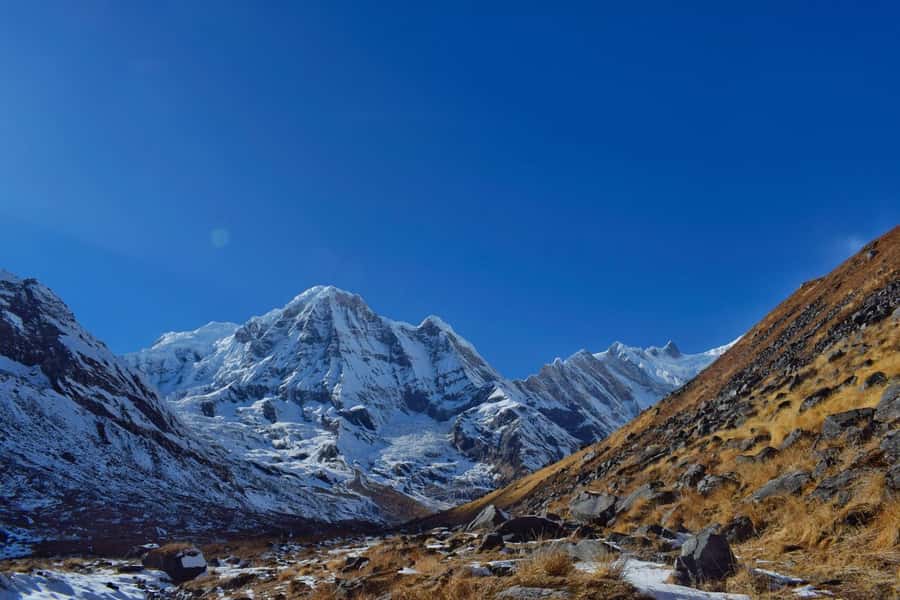
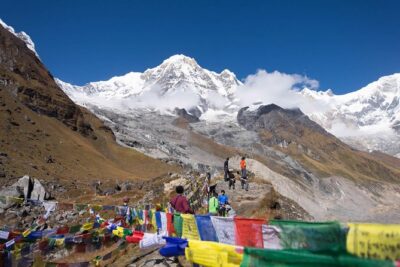
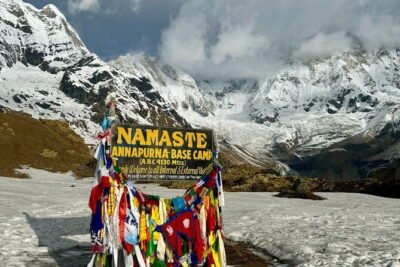
This is where the trek earns its legend. Annapurna Base Camp is the high point of the experience, and it is not just about altitude. You are walking into a staging area for massive peaks, with views that make the Annapurna massif feel close enough to touch. You also pass through the area that connects to Machhapuchhre, so the Fishtail silhouette becomes part of your day rather than a distant, random landmark.
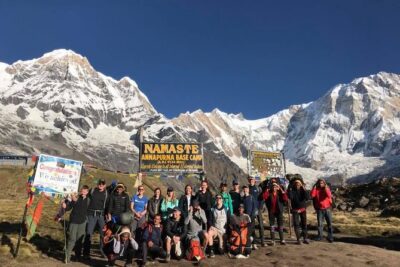
You should also expect the emotional shift that comes with reaching base camp. Many people feel that mix of pride and relief because you finally made it to the destination after days of climbing. The guide-led support helps here too, since you get help staying oriented and you can focus on enjoying the moment.
One practical note: weather can turn quickly at this altitude. You will want a plan that keeps you warm and moving with purpose, not wandering endlessly. Guides often time things so you have a chance at clear views while still protecting energy. If you get even a few hours of better visibility, the payoff can be enormous.
Tea houses above 3,000 meters: food, cold, and altitude reality
Day 4 is a welcome change of pace, even though it still includes effort. You spend time at Annapurna Base Camp and then hike onward toward Bamboo, around 2,400 meters. The day is about 6 hours total, and you get the benefit of dropping altitude after a high day. That drop can help your body recover a bit, which is key for a trek that compresses a lot into just five days.
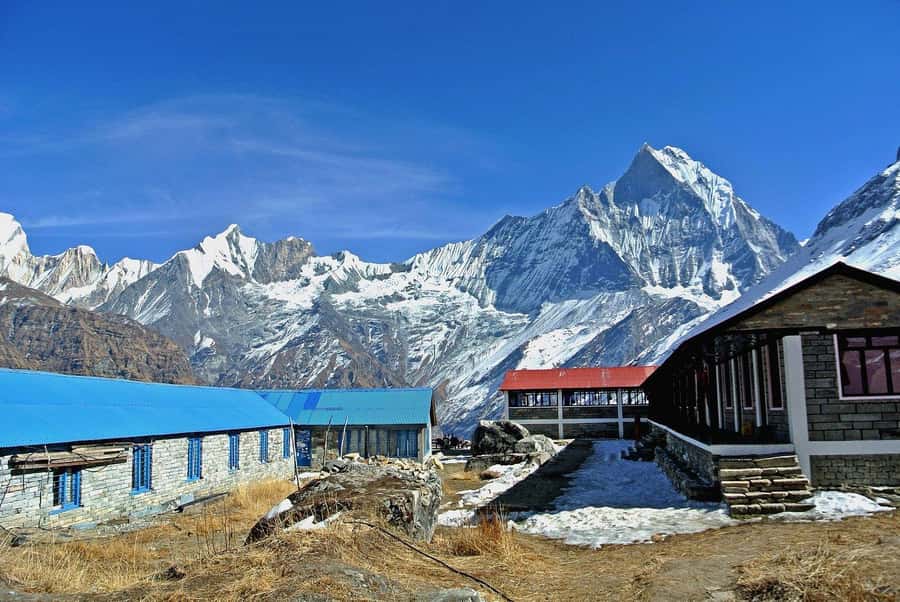
Your nights are in tourist standard lodges. That usually means you get a simple room, blankets, and a place to recharge. You will likely rely on warm layers and lodge heaters if available. Reviews and typical trekking reality match this: nights can be cold, and it is smart to pack for chilly sitting and sleeping, not just daytime walking.
Food is available for purchase at tea houses along the route, but meals are not included in the price. Practically, that means you should budget for daily meals. The benefit is choice. If you want something plain and easy on your stomach, you can usually find it. If you want a fuller Nepal-style meal, you can ask. And because the guide is included, you can lean on them for guidance on where and what to eat so you do not end up guessing after a hard day.
Altitude is the other reality check. People can get mild altitude sickness even on short treks, and the tour includes first aid support. In practice, this means you are not stuck alone if you slow down or feel unwell. Guides can provide help and offer alternatives, like adjusting the pace or carrying a heavier bag temporarily so you can conserve energy.
If you trek during monsoon season, plan for leeches. That is not a theoretical warning, it is something you can deal with using the right clothing and a calm attitude. Wearing proper rain protection and keeping your socks and pant hems protected helps a lot.
More Annapurna Base Camp treks:
- Kathmandu/Pokhara: 5-Day Annapurna Base Camp (ABC) Trek
★ 4.9 · 72 reviews - Annapurna Base Camp Trek -8 days
★ 5.0 · 56 reviews - Private 7 – Day Annapurna Base Camp Trekking
★ 5.0 · 50 reviews - Annapurna Base Camp Trek (8 days)
★ 5.0 · 45 reviews
Jhinu hot springs back to Pokhara: end the climb with a reset
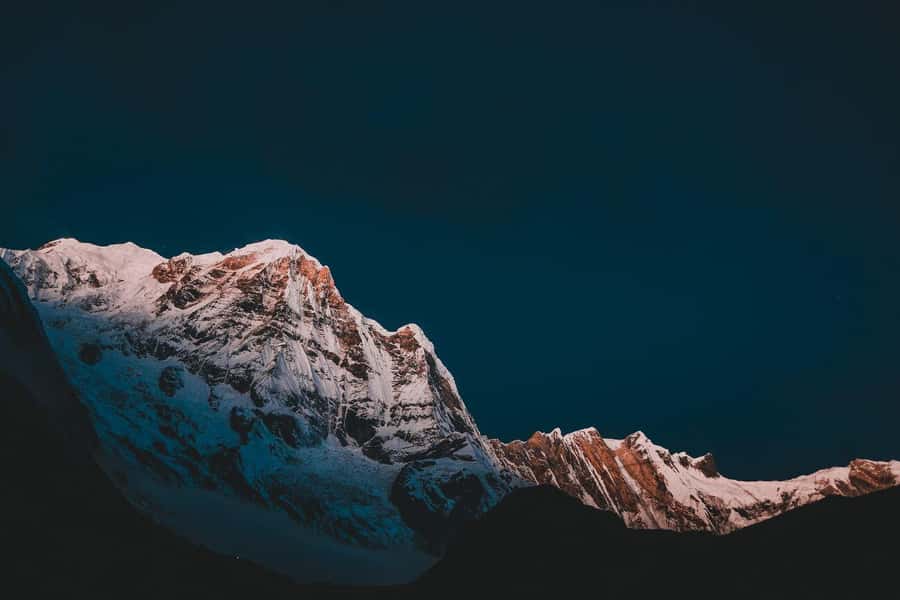
Day 5 takes you from Bamboo back down toward Jhinu, and you then drive back to Pokhara. The total listed time is about 6 hours, and the altitude drops steeply, finishing near 822 meters. That is a relief for your legs, but also a reminder that going downhill still takes technique. Short steps, good footwear, and steady pacing matter.
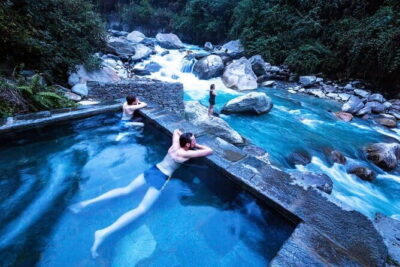
The highlight here is the hot spring stop in Jhinu. After several days at altitude, soaking is the kind of reward that makes the whole trip feel worth it. It is also a chance to take stock: blisters checked, legs loosened, photos looked through, and your brain replays each ridgeline moment while you cool down.
When you get back to Pokhara, you are not supposed to immediately jump into the next big activity. Even a short trek can add fatigue you do not notice until you are back on flat ground. I recommend planning a relaxed evening in Lakeside so you can actually enjoy the finish.
Price and logistics: how $171 fits the value picture
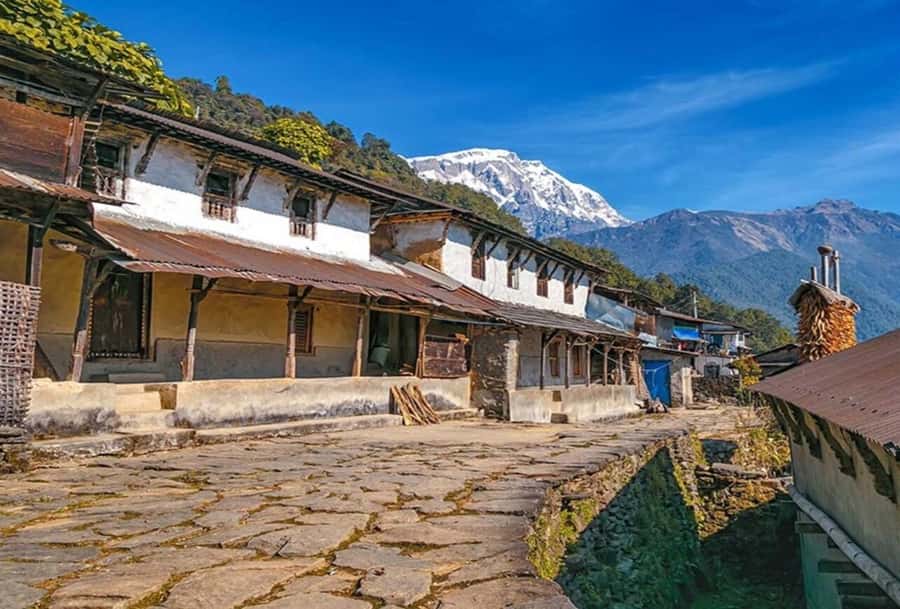
At $171 per person for 5 days, the biggest question is what you are buying besides the trekking itself. Here, you are getting a bundle: private accommodation in tourist standard lodges, hotel pickup and drop-off from Pokhara areas by car, sharing jeep to and from the last road point, and the key permits, including ACAP plus government permits and TIMS.
You are also paying for real coordination. The guide is included with support like food and accommodation coverage, insurance, salary, transportation, and equipment support. You also get a first aid kit. There is luggage storage in Pokhara during the trek, which is helpful because you do not want to haul extra bags up.
What you handle yourself: meals are not included, and porter service is optional at an additional $15 per day. If you are new to trekking or you want to keep your pack light, consider a porter or use the guide’s help strategically for heavier items. For first-timers, having someone handle the load can turn the trek from exhausting to enjoyable.
One more practical value point: many groups appreciate not having to worry about route mistakes or pass paperwork. Permits are handled, and you get registered professional guidance. That can save you time and reduce stress, which is often worth more than you think on a tight schedule.
If you need your own gear support, ask ahead. Some groups report renting trekking poles from the operator, which can be a smart cost saver if you forgot poles at home.
Guides make or break the short trek
This is one area where your experience can change fast. Multiple named guides show up repeatedly in the trek story. You might get someone like Deepak, Paras, Hari, Sushil, Basanta, Narayan dai, Bidur, Sandesh, or Rajendra. The common thread is not just friendliness, it is competence in the small moments.
For example, guides often keep you at a sustainable pace and make sure you stop for lunch without turning it into a rushed sprint. That matters because Annapurna treks can be steep and tiring in sections. A good guide also helps with altitude response. When mild altitude issues happen, you may get altitude sickness medicine support and encouragement to slow down or adjust your load.
Another small but important thing: guides may step in physically to help carry heavier bags when someone is struggling. That kind of practical help is huge if you are carrying too much or you simply hit the wall on a tough climb.
Finally, the guide role is not only trekking. They explain local culture and the way people live in the mountains. If you care about why places look the way they do, you will enjoy the added context around village life and the surrounding peaks. That turns the trek from a checklist into a story.
When to go, and what to pack for cold and wet trails
Timing can make or break Annapurna views. Clear skies help, and monsoon brings clouds, rain, and trail wetness. If you are going in monsoon season, bring ponchos and plan for leeches. You can still have a great trip, but your clothing choices determine how stressful it feels.
For packing, stick to practical categories:
- Comfortable trekking shoes with grip for steep and possibly wet sections
- Layers for cold nights at higher altitude
- Rain protection (poncho or shell) in case weather turns
- Passport or ID, because you will need a copy accepted for trekking paperwork
- Extra cash for lodge meals, since prices can vary higher up
A good rule: pack for the last hour of the day, not the best weather you hope for.
Also, if you are storing luggage in Pokhara, confirm your request clearly before you start the trek. Some travelers have run into communication gaps with storage, so a quick follow-up message can prevent last-minute hassle.
Should you book this 5-day Annapurna Base Camp trek from Pokhara?
Book it if you want a short, guided Annapurna Base Camp route with real value built in: permits covered, lodge nights included, transport arranged, and a guide who can manage pace and altitude concerns. The combination of base camp views and the Jhinu hot springs finish is a strong payoff for five days.
Skip or choose a different plan if you know you cannot handle cold and altitude effects. This trek is not suitable for pregnant women, and the day-to-day hiking demands steady effort even when the itinerary is well paced. If you are on the fence, think about your comfort with hiking uphill, your ability to slow down without getting anxious, and how you react to reduced air at higher elevation.
If you want a Himalayan trek that still feels manageable on time, this one is a solid choice, especially if you book with confidence in the guide and come prepared for weather, meals, and cold nights.
More Spa & Hot Springs in Pokhara
- From Pokhara: 5-Day Annapurna Basecamp Trek with Hot Springs
★ 4.9 · 26 reviews - Pokhara: 7-Day Annapurna Base Camp Trek & Natural Hot Spring
★ 5.0 · 11 reviews - Pokhara: 5-Day Trek to Annapurna Base Camp and Hot Springs
★ 5.0 · 4 reviews - Pokhara: 7-Day Annapurna Base Camp Trek & Hot Spring
★ 4.0 · 3 reviews
Latest additions near Pokhara
- Pokhara: Pokhara Highlights Tour by Bus★ 3.6 · 10 reviews
- Discover Pokhara in Style: Private Vehicle Service with Driver★ 5.0 · 5 reviews
- Pokhara in 5 Hours: Lake, Museum, Cave, Falls & Pagoda Hill★ 4.5 · 16 reviews
- The World Peace Pagoda in Pokhara★ 4.5 · 7 reviews
- 7-Day Trek to Annapurna Base Camp from Pokhara★ 5.0 · 12 reviews
- 4 Day Mardi Himal Base Camp Trek from Pokhara★ 5.0 · 18 reviews
- Unique Easy Hiking to Foxing Hill from Pokhara★ 5.0 · 4 reviews
- World Peace Stupa Day Hike From Pokhara★ 5.0 · 4 reviews
Annapurna Base Camp Treks, compared.
Kathmandu to Annapurna Base Camp (ABC) 5-Day Trek
Read our review →
Browse the lists this tour appears in