
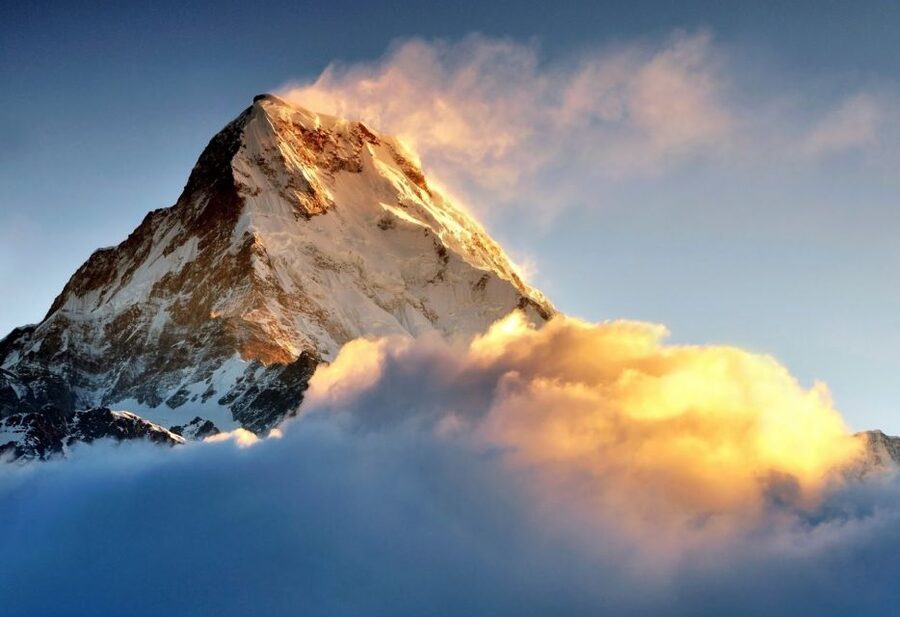
Reviewed · ANNAPURNA BASE CAMP TREKS
Pokhara: 5-Day Trek to Annapurna Base Camp and Hot Springs
Five days, one hard-earned mountain finish. I like the big payoff of reaching Annapurna Base Camp around 4,120 m and the calm reward of a soak at Jhinu Dada hot springs. You also get the full Pokhara-to-trekking-steps flow, with village walks along the Modi Khola and classic trekking rhythm. The main catch is the descent, especially the knee load when you come down from higher passes and lower toward places like Bamboo, so plan for slow steps and solid footwear.
I also appreciate the human side of this trek. In past groups, guides like Amir and Tanka are described as attentive, safety-minded, and good at adjusting the hike to the group’s pace, with Chhabi carrying a quiet, steady presence in the background. If you like learning as you walk, that part matters more than you’d think, because it turns simple stops into real understanding of animals, nature, and local life.
One more practical note: the trek is short for Annapurna standards, so you’ll spend more hours “in motion” each day than on longer itineraries. If you want leisurely trekking days with long recovery breaks, you may find this pace a bit tight.
In This Review
- Quick hits before you go
- Why this 5-day Pokhara to Annapurna plan feels efficient
- Day 1: From Pokhara to Sinuwa, via Samrung and the Modi Khola villages
- Day 2: Chhomrong-sized energy, then forest hiking to Deurali
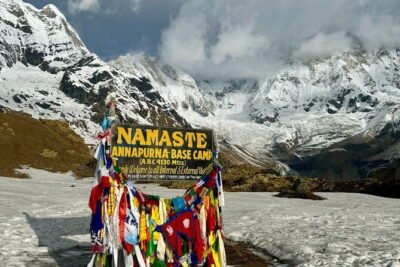
- Day 3: Deurali to Annapurna Base Camp at 4,120 m, then rest at the edge of the sanctuary
- Day 4: Machhapuchhare Base Camp area, Ablation Valley, then back toward Sinuwa
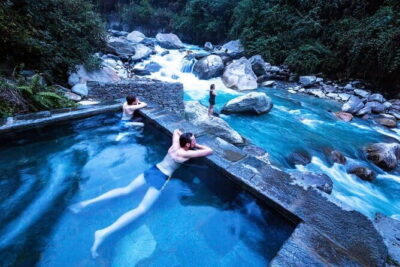
- Day 5: Jhinu Dada hot springs recovery, then the final hop back to Lakeside Pokhara
- Permits, lodges, and how the included stuff actually saves your trip
- Guide quality you can feel: safety, pace, and cultural Q and A
- What to pack for knees, cold nights, and the hot springs reset
- Who this trek suits, and who should think twice
- Price and value: what $206 really covers
- Final call: should you book this Annapurna Base Camp and hot springs trek?
- FAQ
- How long is the trek?
- Where does the trek start from Pokhara?
- How many nights do you stay in lodges?
- What permits are included?
- Is there an English guide?
- Are meals included?
- Do you get to visit the hot springs?
- Is travel insurance included in the price?
Quick hits before you go
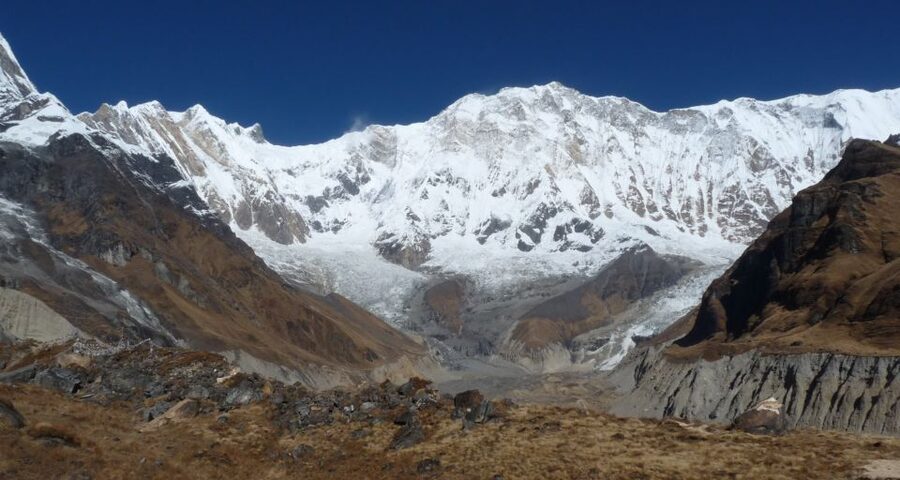
- Annapurna Base Camp in 5 days, with a lodge night close to the action
- Jhinu Dada hot springs as a literal recovery moment after downhill hiking
- Chhomrong and forest hiking on Day 2, with views that change hour by hour
- Ablation Valley and Machhapuchhare Base Camp area on the way out, with glacier-in-the-distance vibes
- Permits handled for you, including TIMS and conservation entry
- English guidance and safety focus, especially if your pace needs tailoring
Why this 5-day Pokhara to Annapurna plan feels efficient
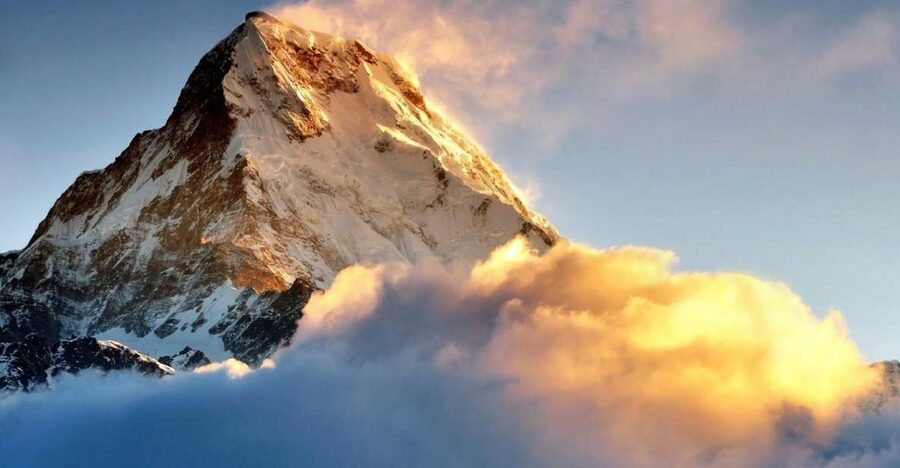
Pokhara is your launchpad, and that matters. You get hotel pickup in Lakeside Pokhara (or the airport) by car, then a mix of jeep and trekking that keeps the “getting there” part from swallowing the day. The trek itself sticks to the well-trodden Annapurna Base Camp route, which is exactly what you want when you have limited time but still want the classic views.
The cost, listed at $206 per person, makes sense when you look at what’s bundled: pickup and drop-off, a sharing jeep for parts of the transfer, tourist-standard lodge nights, and the paperwork for entry and trekking tracking. The value is best if you choose the all-inclusive meal option, because otherwise you’ll be buying meals along the way (drinks are not included in any case).
This is also not a “rough it” experience by default. You’re in private tourist-standard lodges rather than tent camping, which helps a lot when weather turns cold or your legs are already tired.
More Treks in Pokhara
- Poon hill Trek 3 days
★ 5.0 · 176 reviews - Trekking in Annapurna/Langtang/Everest/Upper Mustang regions
★ 5.0 · 161 reviews - Pokhara: 4-Day Ghorepani, Poonhill & Ghandruk Mountain Trek
★ 5.0 · 132 reviews
Day 1: From Pokhara to Sinuwa, via Samrung and the Modi Khola villages
Your day starts easy but not slow. After pickup in Pokhara, you head toward the trekking start area at Nayapul. You’ll get checked for permits, and you’ll be kitted out with what you need before you start walking.
Once on the trail, you follow the Modi Khola River, passing through small villages and crossing over to reach Jhinu Danda before ending the day at your first lodge. The altitude on this first stage is around 2,200 m, with the split of time you’ll likely see as a jeep segment (about 3 hours) and a trekking segment (about 4 hours).
This first day is a useful warm-up because it teaches your body the rhythm. You’ll walk enough to feel productive, but you’re not immediately thrown into the highest climbs. It’s also the time to start getting your routine right: drink regularly, pause often, and don’t treat every view point like you’re sprinting for it.
Day 2: Chhomrong-sized energy, then forest hiking to Deurali
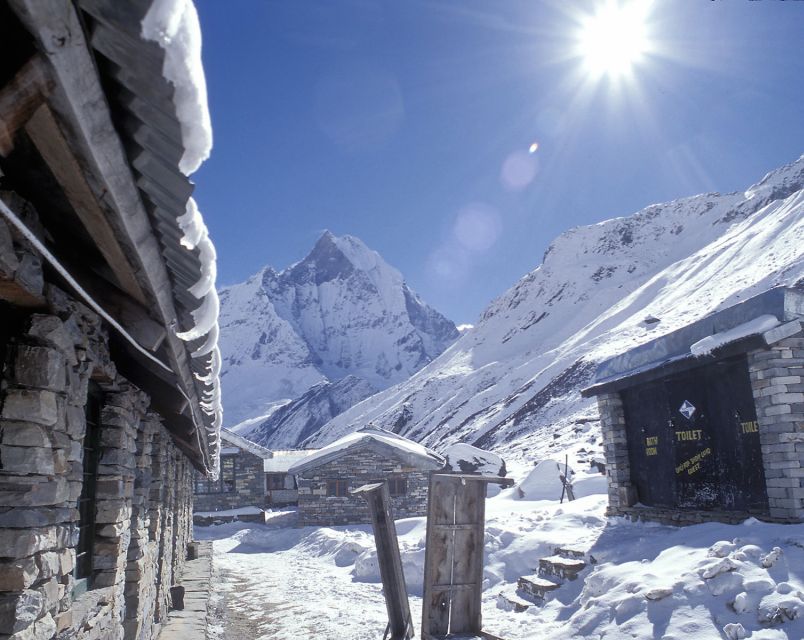
Day 2 is where you start earning the bigger elevations. You climb uphill toward Chhomrong, one of the largest villages along this route. That matters for two reasons: you see how established the trekking economy is, and you also get a sense of how the trail connects communities.
After Chhomrong, you move through dense forest terrain before reaching your lodge for the second night. This day is listed as about 6 to 7 hours of trekking, landing at Deurali (3,230 m).
Expect the feel to shift here. Forest trekking can look easier on paper, but the ground can be uneven, and shade means you may not notice how fast you’re cooling down. The practical move is to dress in layers you can adjust while you climb. Warm up slowly, then keep your torso regulated so you don’t soak your base layer from sweat.
Day 3: Deurali to Annapurna Base Camp at 4,120 m, then rest at the edge of the sanctuary
This is the day most people remember. You’ll trek from Deurali to Annapurna Base Camp, taking roughly 5 to 6 hours and arriving at around 4,120 m.
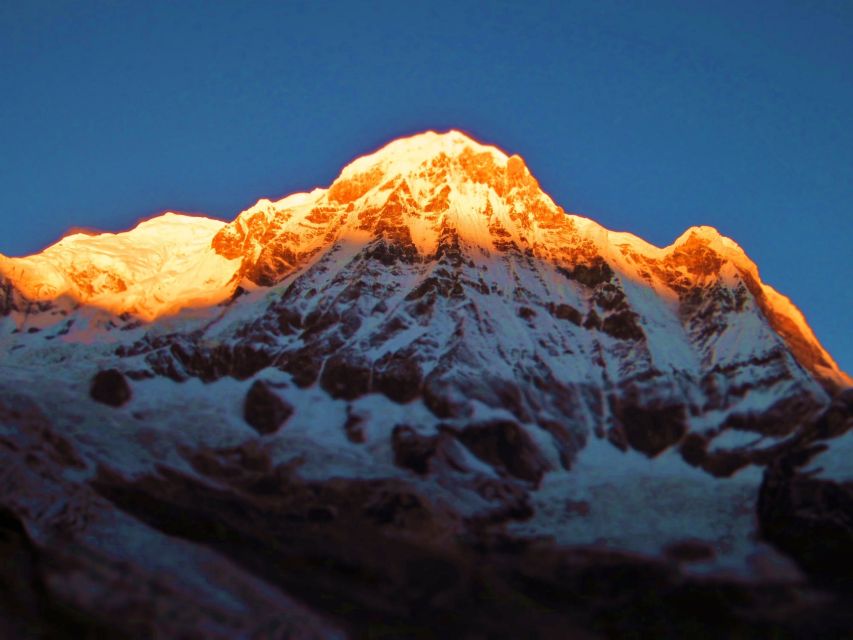
What makes Base Camp special is not just the height. The whole approach funnels you into a concentrated zone where the mountains feel close, and where the trekking world becomes a temporary community of tea lodges, footsteps, and wind. The night here is a genuine highlight because you get time to settle, slow down, and take in the surroundings without rushing.
One thing to plan for, though: the hard hiking often shows up right after reaching the summit zone. The route out of Annapurna Sanctuary tends to drop you toward lower terrain such as Bamboo, which can mean a significant vertical change on your knees. If you know your legs struggle on descents, start using trekking poles if you have them, and practice short steps with frequent stops.
More Annapurna Base Camp treks:
- Kathmandu/Pokhara: 5-Day Annapurna Base Camp (ABC) Trek
★ 4.9 · 72 reviews - Annapurna Base Camp Trek -8 days
★ 5.0 · 56 reviews - Private 7 – Day Annapurna Base Camp Trekking
★ 5.0 · 50 reviews - Annapurna Base Camp Trek (8 days)
★ 5.0 · 45 reviews
Day 4: Machhapuchhare Base Camp area, Ablation Valley, then back toward Sinuwa
Day 4 is a long one. You follow the trail across streams toward the Machhapuchhare Base Camp area, then continue to Ablation Valley. This part is described as a hollow corridor between the glacier and the mountain, which is exactly the kind of place where the air can feel cooler and the walls make the world feel smaller.
From there, you work your way back across hills to your lodge at Sinuwa (about 2,350 m). The listed trekking time is roughly 7 to 8 hours, so this is not a “stroll and chat” day. It’s a classic day for steady pace, breaks that actually refresh you, and careful foot placement on uneven ground.
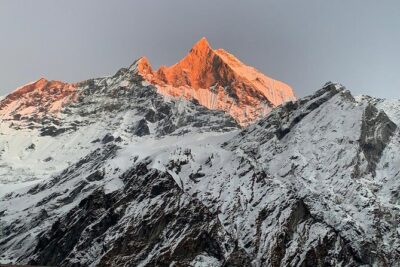
If the weather is clear, you’ll get big-picture views. If it’s cloudy, the value still holds because this area’s texture is all about proximity and terrain. Either way, I’d treat Day 4 as your “protect the knees” day: go slower than you think you need to, and keep your downhill technique consistent.
Day 5: Jhinu Dada hot springs recovery, then the final hop back to Lakeside Pokhara
This day is built around recovery. You head lower toward Jhinu Dada, then get your well-deserved soak at the hot springs. You’ll also enjoy a short morning trek that passes farmland around the river, which is a nice contrast after days of higher, rockier trails.
The total plan is about 4 hours of trekking plus about 3 hours by jeep to get back to Lakeside Pokhara, typically via Nayapul for the drop-off.
Here’s the practical trick for the hot springs moment: change into dry clothes as soon as you finish. Cold air plus damp hiking gear can make you feel miserable right when you’re finally relaxing. Bring a change of clothes, and pack any toiletries you’ll want for that end-of-trek reset.
If you’ve made it this far, the soak is more than a perk. It’s a deliberate end to the “downhill pain story,” and it helps your body bounce back faster for whatever comes next in Nepal.
Permits, lodges, and how the included stuff actually saves your trip
One of the best time-savers here is that you’re not chasing paperwork mid-trip. Your package includes the necessary documents and entry tracking, including TIMS and the conservation entry permits. You also have professional trekking guidance with a government-registered guide, plus lodge accommodations described as tourist standard.
That’s big for two reasons:
- It reduces stress so you can focus on the trail.
- It helps you avoid common beginner mistakes like missing the right document, or showing up without knowing you still need to buy permits.
Lodges matter too. Private tourist-standard lodge nights mean you can dry out, eat at normal times, and sleep in a way that supports recovery. It’s not luxury, but it’s functional, which is exactly what you want at the end of each day.
Meal coverage depends on the option you pick. Meals are included if you choose an all-inclusive format, and you’ll be buying meals if you pick the budget option. Either way, hot, cold, and alcoholic drinks are not included, so plan to budget a bit for that.
Guide quality you can feel: safety, pace, and cultural Q and A
The best part of any trek is the people who keep it safe and meaningful, and this is where the trek shines. Guides like Tanka are specifically praised for being safety-focused and for adjusting the hike daily to match the group’s performance level. That makes a huge difference on Annapurna, where altitude fatigue can trick you into thinking you’re fine right up until you’re not.
You’ll also find that the guide is not only there for navigation. In earlier experiences, guides answered questions about animals, nature, and culture, which changes how you experience the route. Instead of just looking at the mountains, you start noticing what’s happening around you at eye level.
If your pace is slower or your fitness is inconsistent, speak up early. A good guide can only tailor if you tell them how you feel on the climb, and how your body is handling the descent.
What to pack for knees, cold nights, and the hot springs reset
This trek is all about correct essentials, not overpacking. Here’s what to bring from the provided packing list, plus the reasoning behind it:
- Passport or ID card: you’ll need it for checks and permits.
- Comfortable shoes and hiking shoes: you need traction, especially on downhill days.
- Sun hat and sunglasses: higher sections mean strong glare.
- Sunscreen and insect repellent: daytime exposure and bug season can both be real.
- Change of clothes and toiletries: you’ll appreciate a quick reset after the soak.
- Sunscreen, daypack, and small personal items: keep your carry simple so you can move efficiently.
Also plan for personal expenses. You’re advised to bring funds for things like phone calls, laundry, bar bills, battery recharging, bottled or boiled water, and even extra porters if needed. That’s not a small detail. If you’re depending on consistent charging or you want extra bottles, having money set aside keeps the trip smooth.
And remember what’s not allowed: pets and weapons or sharp objects are not part of the trek.
Who this trek suits, and who should think twice
This is a solid pick if you want the Annapurna Base Camp experience in a shorter timeframe and you’re ready for multiple long walking days. You’ll be moving from around 2,200 m toward 4,120 m, then spending later days hiking out and down. If your knees handle descents reasonably well, you’ll likely enjoy the pacing.
It’s not suitable for everyone. The trip is not recommended for pregnant women and for people with heart problems. If you’re in either category, ask for safer alternatives instead of assuming you can modify the route.
Also be honest with yourself about comfort with altitude and fatigue. Short treks can feel easier because you’re not traveling for weeks, but the daily effort can still be significant.
Price and value: what $206 really covers
Let’s break down the value lens. At $206 per person, you get:
- Hotel pickup and drop-off in Pokhara Lakeside (or airport), by car
- A sharing jeep on the transfer between Pokhara and Jhinu (and back)
- Tourist-standard lodge accommodations
- Permit paperwork including TIMS and conservation entry
- A professional guide (government-registered)
- Guide salary, accommodation, and meals for the trekking guide
- VAT included
Some things depend on the option you choose:
- Meals are included only if you go with the all-inclusive plan.
- Porter help is included only if you select the all-inclusive plan.
Not included in any case:
- Drinks (hot, cold, or alcoholic)
- Travel insurance
So is it fair? Yes, if you want the permits handled, the guide included, and the key logistics taken care of. If you’re traveling budget-style and you’re already planning to organize everything yourself, the value might feel less dramatic. But for most people, the “less hassle, more hiking” payoff is worth it.
Final call: should you book this Annapurna Base Camp and hot springs trek?
I’d book this if you want a classic Annapurna route, you like having a guide who pays attention to pacing and safety, and you genuinely want that hot springs recovery moment at the end. I’d also book it if you prefer tourist-standard lodges over camping, because it makes sleeping and recharging more realistic.
I would skip it if descending is a major issue for you and you don’t have the gear or technique to manage knees. And if you’re in the groups it’s not suitable for, don’t gamble with altitude and exertion.
If you’re ready for a concentrated, memorable trek with real mountains and a warm soak at Jhinu Dada, this is a strong plan.
FAQ
How long is the trek?
The trek is listed as 5 days.
Where does the trek start from Pokhara?
You’re picked up from any hotel in Lakeside Pokhara or the airport, then taken toward the trek’s starting point at Nayapul.
How many nights do you stay in lodges?
You’ll have private accommodation on tourist standard lodge each night during the trek.
What permits are included?
The package includes all necessary paper work, including TIMS and conservation entry permits, plus the trekkers’ information management system process.
Is there an English guide?
Yes, the tour includes a live trekking guide in English, and the guide is government registered.
Are meals included?
Meals are included only if you choose the all-inclusive option. If you select the budget option, meals are not included.
Do you get to visit the hot springs?
Yes, the trek includes Jhinu Dada Hot Springs as part of the final day’s route, so you’ll have time to rest and soak there.
Is travel insurance included in the price?
No, travel insurance is not included, and it’s recommended for this activity.
More Spa & Hot Springs in Pokhara
- Pokhara: 5 Day Annapurna Base Camp Trek & Natural Hot Spring
★ 4.9 · 44 reviews - From Pokhara: 5-Day Annapurna Basecamp Trek with Hot Springs
★ 4.9 · 26 reviews - Pokhara: 7-Day Annapurna Base Camp Trek & Natural Hot Spring
★ 5.0 · 11 reviews - Pokhara: 7-Day Annapurna Base Camp Trek & Hot Spring
★ 4.0 · 3 reviews
Latest additions near Pokhara
- Pokhara: Pokhara Highlights Tour by Bus★ 3.6 · 10 reviews
- Discover Pokhara in Style: Private Vehicle Service with Driver★ 5.0 · 5 reviews
- Pokhara in 5 Hours: Lake, Museum, Cave, Falls & Pagoda Hill★ 4.5 · 16 reviews
- The World Peace Pagoda in Pokhara★ 4.5 · 7 reviews
- 7-Day Trek to Annapurna Base Camp from Pokhara★ 5.0 · 12 reviews
- 4 Day Mardi Himal Base Camp Trek from Pokhara★ 5.0 · 18 reviews
- Unique Easy Hiking to Foxing Hill from Pokhara★ 5.0 · 4 reviews
- World Peace Stupa Day Hike From Pokhara★ 5.0 · 4 reviews
Annapurna Base Camp Treks, compared.
Kathmandu to Annapurna Base Camp (ABC) 5-Day Trek
Read our review →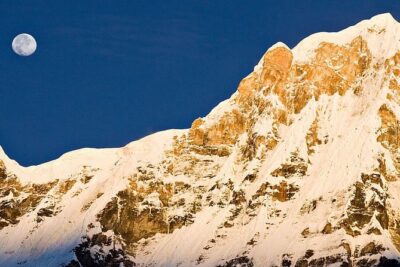
Browse the lists this tour appears in