
Reviewed · TREKS FROM POKHARA
From Pokhara: 5-Day Annapurna Basecamp Trek with Hot Springs
Annapurna Base Camp in just 5 days is no joke. This route pairs big Himalayan payoff with guided safety and the kind of everyday Nepal hiking that feels personal.
I especially like the clear rhythm of the trek, from the first climb out of Jhinudanda to the final downhill into Bamboo. And I really value that you get natural hot springs at Jhinu Danda after the trek, so your sore legs get a proper reset.
The main consideration is the altitude push to 4,130m at ABC. Even if the schedule is “moderately challenging,” you still need to take it slow, dress for cold mornings, and plan to feel the thin air on the way up.
In This Review
- Quick hits before you go
- Why this 5-day ABC route from Pokhara feels doable
- Day 1 from Pokhara to Jhinu Danda, then Chomrong or Sinuwa (first altitude wake-up)
- Day 2 Chomrong to Deurali, forests and villages plus that steep in-between work
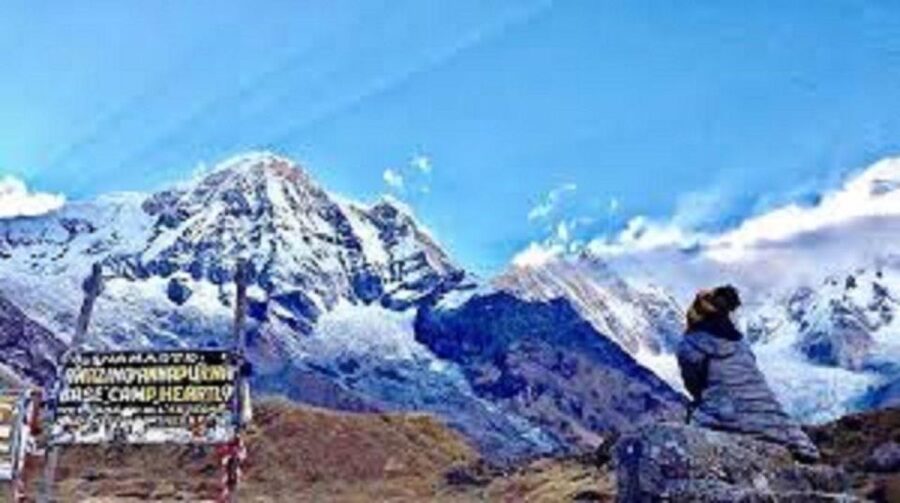
- Day 3 Deurali to Annapurna Base Camp (ABC) at 4,130m, plus Machhapuchhre Base Camp views
- Day 4 ABC to Bamboo (mostly downhill), where legs work and views keep changing
- Day 5 Bamboo back to Jhinu Danda for hot springs, then drive to Pokhara
- Tea houses, meals, and sleep at the height where comfort matters
- Guides and safety, why reviews keep circling the same names
- Gear checklist that matches this trek’s weather swings
- Price and what you actually get for $155 per person
- Who should book this, and who should think twice
- Should you book this Annapurna Base Camp trek with hot springs?
- FAQ
- What altitude does Annapurna Base Camp reach on this trek?
- How long is the drive and trek on the first day from Pokhara?
- Are permits and a guide included?
- Is the porter included in the price?
- What about hot springs?
- What should I pack for this trek?
Quick hits before you go
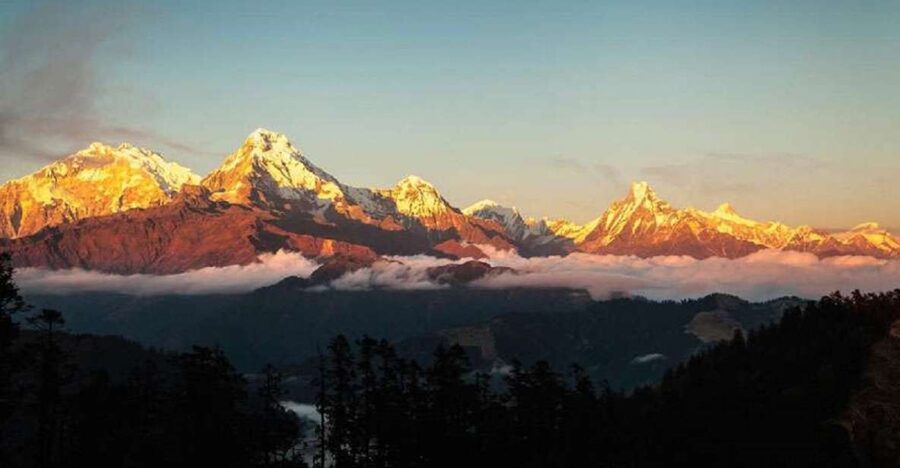
- ABC at 4,130m, with sunrise and strong photo moments built into the day’s timing
- Forests first, big peaks later, rhododendron, oak, bamboo, and village trails before the massif opens up
- Jhinu Danda hot springs included, so recovery is part of the plan, not an afterthought
- Tea houses and basic lodges for 4 nights, so you hike light but still sleep reliably
- Guides matter here, and the reviews consistently highlight patient, motivating support (names like Anil, Santosh, Uttam)
Why this 5-day ABC route from Pokhara feels doable
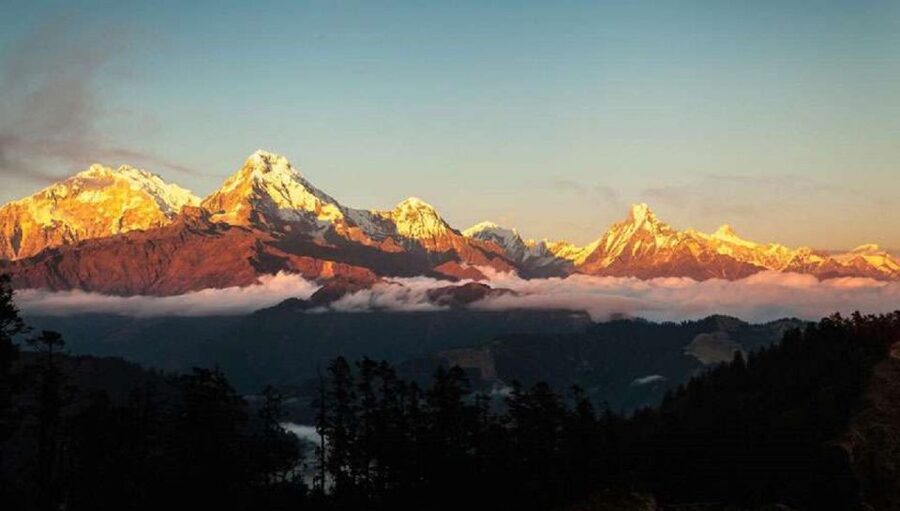
If you’re short on time but still want Annapurna Base Camp, this 5-day plan is the practical compromise. The trade-off is that it compresses altitude gain, so you will hike a bit harder than you would on the longer, more gradual routes.
What helps is how the trail is paced by design. You start with a drive out of Pokhara, then climb into the Chomrong or Sinuwa area, where you’re already gaining elevation before you really settle into the trekking days. After that, each day has a clear objective: Deurali gets you ready for the high zone, ABC is the peak goal, and Bamboo plus Jhinu Danda brings you back down for recovery and a hot-soak.
Another thing I like for real-life planning: the trek is paired with on-the-ground logistics in Pokhara, with pickup options across popular areas and even the airport. That means less scrambling and more time to focus on water, snacks, and packing properly for cold.
More Treks in Pokhara
- Poon hill Trek 3 days
★ 5.0 · 176 reviews - Trekking in Annapurna/Langtang/Everest/Upper Mustang regions
★ 5.0 · 161 reviews - Pokhara: 4-Day Ghorepani, Poonhill & Ghandruk Mountain Trek
★ 5.0 · 132 reviews
Day 1 from Pokhara to Jhinu Danda, then Chomrong or Sinuwa (first altitude wake-up)
Your day starts with a drive from Pokhara to the trailhead area around Matque/Jhinudanda. There’s also a short stop in Jhinu Danda for photos and a guided look at the area, so you get oriented before your boots start moving.
Then it’s on foot for about 4 to 5 hours to reach either Chomrong (around 2,170m) or Sinuwa (around 2,340m), depending on the route details that match your group and schedule. This stretch is described as moderately challenging. Expect some steep descents early on, which can feel more exhausting than you’d guess at the start, especially if your legs aren’t used to switching between downhill pounding and short uphill efforts.
Why this day matters: it sets your tempo for the whole trek. If you treat the first big descent like a sprint, your knees will protest later. If you instead keep a steady pace, you’ll arrive ready for the guesthouse routines: hot tea, simple dinner, and an early night, because cold weather often hits at elevation.
Day 2 Chomrong to Deurali, forests and villages plus that steep in-between work
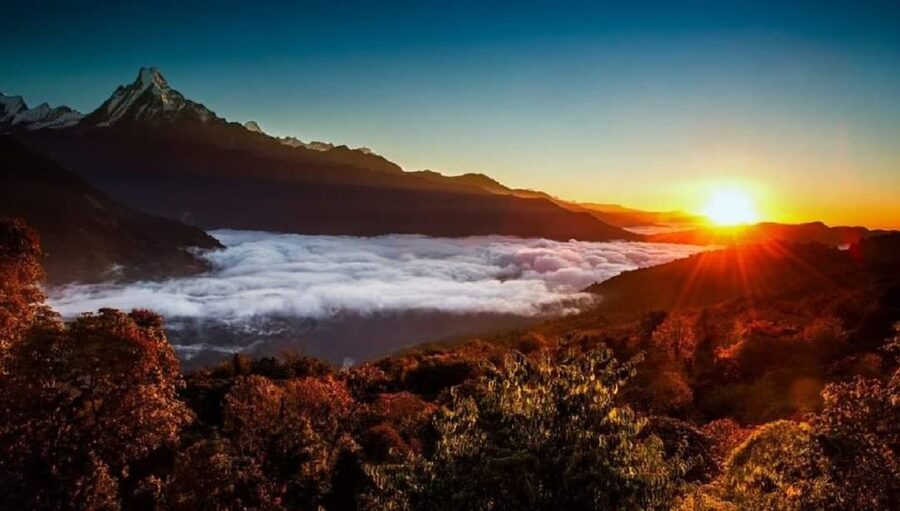
Day 2 pushes deeper into the trekking heart: you move from Chomrong toward Deurali, around 2,900m. The trail is described as dense with rhododendron, oak, and bamboo. That matters more than it sounds. Trees bring softer footing, shade when it’s warm, and a sense that you’re walking through a living ecosystem rather than just a stone corridor.
The day runs roughly 6 to 7 hours. Expect steep ascents and descents along the way. This is the day where altitude can start feeling sneaky. Even if you aren’t at extreme height yet, your breathing changes, and every time the trail turns up, you’ll feel the effort level rise quickly.
What you’ll likely notice on this day: the villages and terraced fields add texture to the hike. You’re not only climbing, you’re passing through daily life, which is one reason people remember Annapurna as more than a viewpoint trek.
Practical tip: keep your hydration consistent. Thin air increases your tendency to feel dry sooner, even when you don’t feel sweaty. Also, pack your warm layers so you can add them fast when the sun drops behind the hills.
Day 3 Deurali to Annapurna Base Camp (ABC) at 4,130m, plus Machhapuchhre Base Camp views
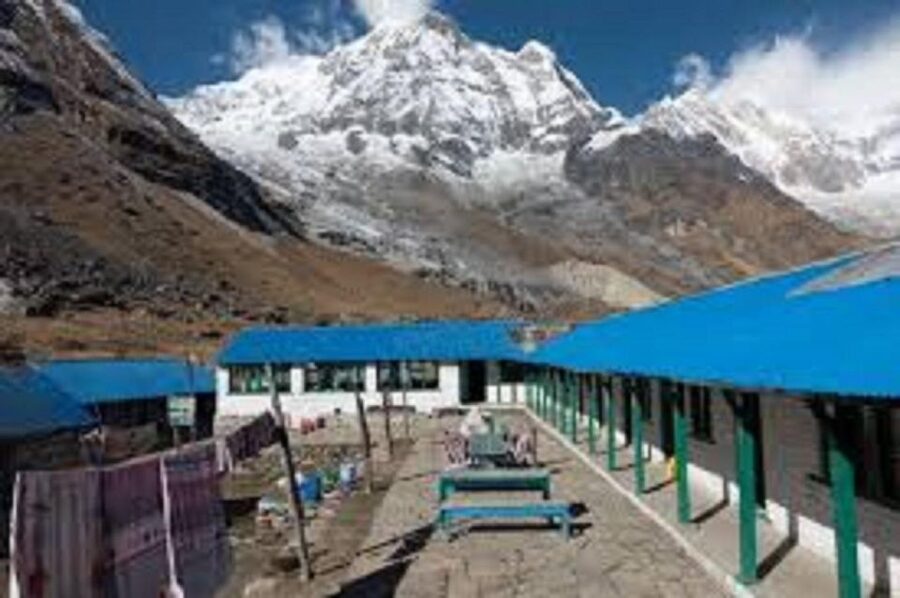
Day 3 is the big day. You hike from Deurali up to Annapurna Base Camp at about 4,130m. It’s estimated around 5 to 6 hours of trekking time, but don’t treat it like a simple walk. This is the highest point in the plan, so your pace needs to prioritize breath and stability.
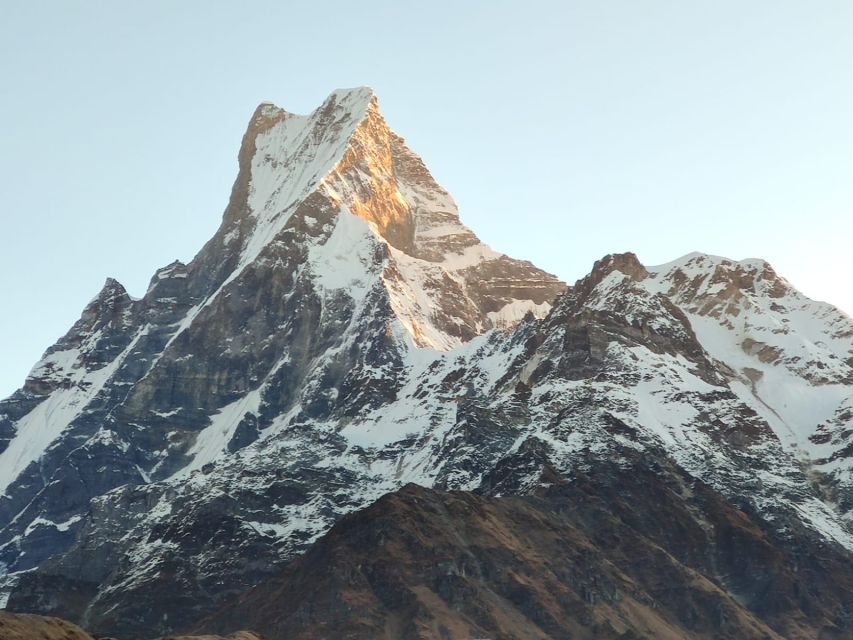
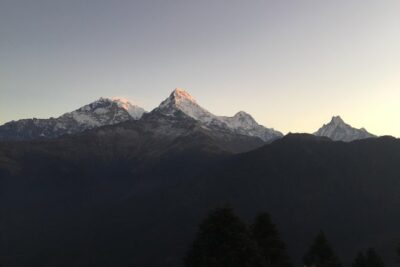
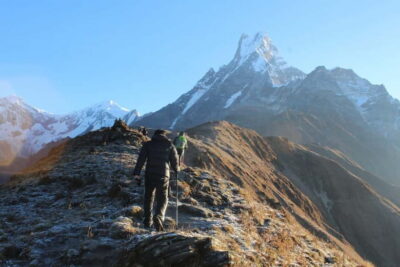
The route is described as passing through Machhapuchhre Base Camp. Even if you don’t linger long at every stop, this is where the Annapurna region starts to feel enormous. You’re moving through a corridor of peaks and ridges, and the views are often the kind that make you stop for photos even if you don’t mean to.
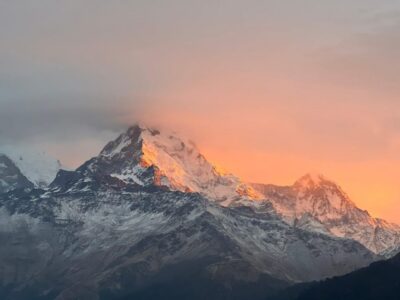
The schedule also includes photo stops and time at ABC for guided moments plus free time. That’s a big deal. At altitude, you don’t want to feel rushed through the moment. You want time to walk around, take in the scale of the Annapurna massif, and let your body adjust to the height.
What I’d consider the mental trick for Day 3: treat “arriving” as the start of your success, not the finish line. Take a slow minute when you first reach ABC. Eat something small even if you don’t feel hungry. Keep warm. Then enjoy the views.
More treks out of Pokhara:
- From Pokhara: Sarangkot Sunrise Himalayas Tour
★ 4.7 · 218 reviews - From Pokhara: 3-Day Ghorepani Poon Hill Trek with Guide
★ 4.9 · 68 reviews - 3-Day Poon Hill Trek from Pokhara.
★ 5.0 · 45 reviews - From Pokhara: 2 Day 1 Night Ulleri,Ghorepani Poon Hill Trek
★ 4.9 · 33 reviews
Day 4 ABC to Bamboo (mostly downhill), where legs work and views keep changing
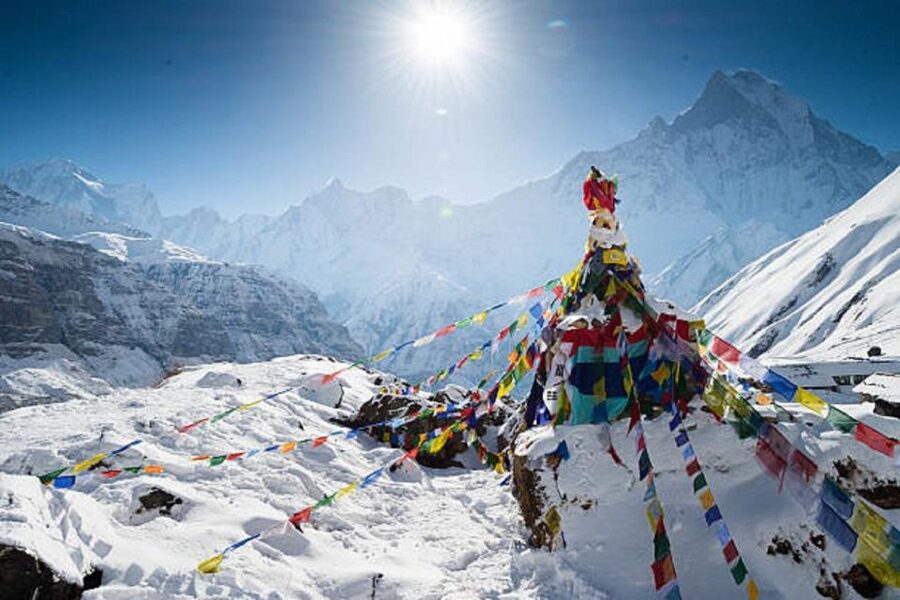
After ABC, Day 4 turns into a long descent to Bamboo at around 2,340m. The trek is mostly downhill, but that doesn’t mean it’s easy. There can be steep sections, and downhill is often harder on your quads than uphill is on your lungs.
Plan for roughly 6 to 7 hours. On this kind of day, you’ll likely feel every step, even when the air is a bit more forgiving. It’s also the day where good pacing pays off, because you need enough energy to comfortably reach Bamboo for the night.
Why this day is still worth it: the scenery continues to shift. You’re retracing some of the corridor of the earlier route, but the light and angles change as you drop in elevation. It’s also when your mind can relax because the high point is already behind you.
Practical advice: use trekking poles if you have them. Even if you’re strong, poles can help you control speed on steep parts and reduce knee strain.
Day 5 Bamboo back to Jhinu Danda for hot springs, then drive to Pokhara
The final day brings you from Bamboo to Jhinu Danda, around 1,780m, for about 5 to 6 hours of walking. There’s a lot of focus on the Jhinu Danda part, including photos, guided sightseeing, and then the hot springs experience.
This is where the trek becomes more than just a mountain workout. The hot springs entry fee is included, which I think is smart value. You don’t have to hunt around in a new area and worry about costs after you’ve already spent your energy.
Once you reach Jhinu Danda, you drive back to Pokhara, typically about 2 to 3 hours. I like having that direct unwind, instead of adding another complicated transit plan right after ABC recovery.
If you want to make the most of the last day: keep your cash handy for small extras, and don’t plan a late-night party after you get back. Your body has done a serious amount of work, and sleep helps your recovery more than you’d expect.
Tea houses, meals, and sleep at the height where comfort matters
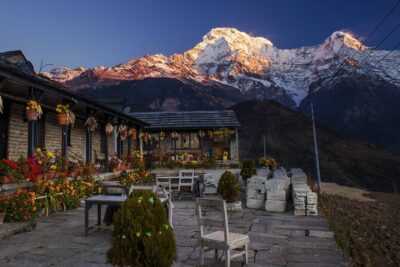
This trek uses basic tea houses or lodges during the route. That’s important context: you’re not buying comfort, you’re buying access. Rooms are simple, hot water and insulation can be inconsistent, and nights near higher elevation can feel sharply cold.
Meals are included depending on the option you choose. Expect typical trekking fare, usually simple and designed to refuel you, not to be fancy. What matters is that you can count on food without needing to carry cooking gear.
For your sleep strategy, treat the guesthouses as a warm base for your routine:
- Eat something warm after your hike
- Add layers before you feel too cold
- Use whatever you have for dry storage, because damp clothing can chill you fast
The plan also includes a first aid kit and a government-registered trekking guide, which helps you manage the common issues: fatigue, minor altitude symptoms, and everyday trail annoyances.
Guides and safety, why reviews keep circling the same names
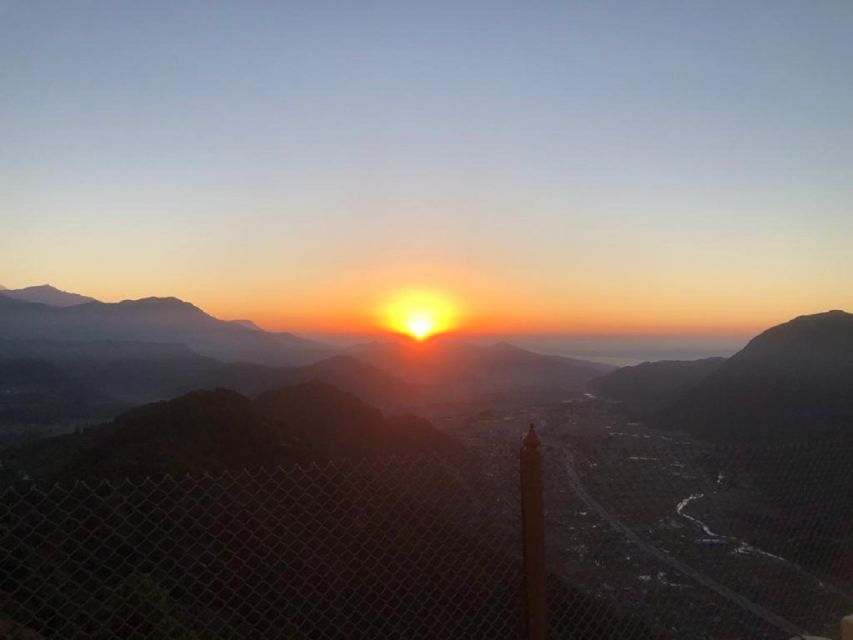
Here’s what jumps out in the reviews: the guides aren’t just checking logistics, they’re managing pacing and morale. Names that come up repeatedly include Anil and Santosh, plus Uttam, Santos, Milo, Candra, Sanik, and Sun Bahadur. Some guests specifically praised guides for staying patient during colder stretches and for encouraging a steady, not rushed rhythm.
That matters because in a trek like this, the hardest part is often the invisible one. It’s not only the climb. It’s deciding when to rest, how to handle cold, and how to keep your energy consistent when the altitude makes each decision feel harder.
You can also see the operator’s approach in how they respond to conditions. One review notes a serious weather situation and a sudden schedule change, with the team adjusting well. That kind of flexibility is real value, because mountain weather is rarely predictable.
A steady guide also helps with practical things that make a difference:
- getting you to the right guesthouses without confusion
- advising food and rest timing
- making sure you have what you need in your pack
- helping you avoid overexertion when you feel fine at first
Gear checklist that matches this trek’s weather swings
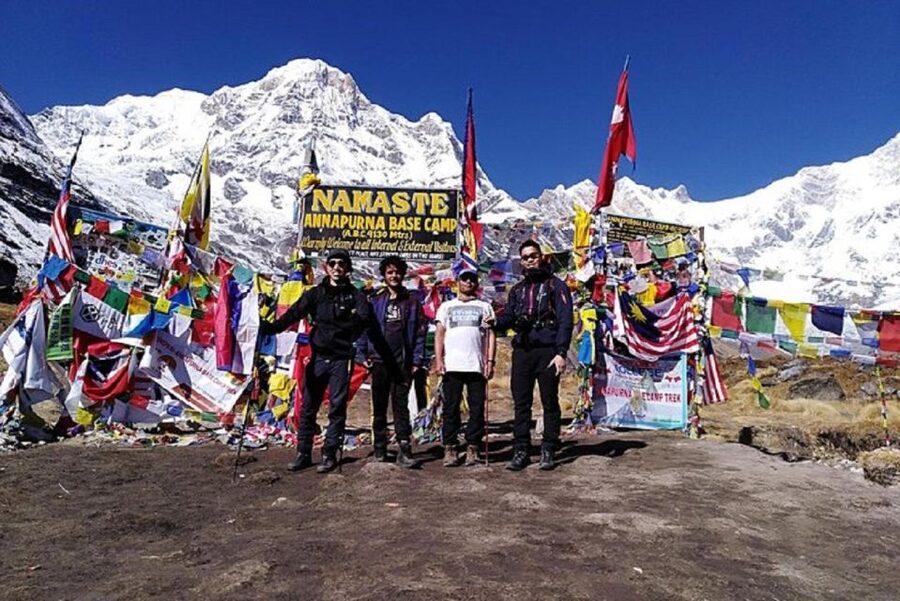
The trek includes days where temperatures can change a lot. The higher altitudes are often very cold, so pack for warm and cold conditions, not just one. The basics you should plan around:
- Comfortable shoes for trail walking
- Rain gear for sudden showers
- A hat for sun and cold wind
- Change of clothes, since you’ll want something dry at the end of the day
- Camera and cash for small purchases
- Hiking pants and comfortable layers
- Hair tie if you need it for comfort
- Passport copy, accepted, submitted at least one day before the trek so permits can be arranged
- Trekking gear you can handle in light weather, especially for mornings and evenings
If you’re unsure where to cut weight: skip bulky items. Prioritize layers you can combine. A good layering system is better than a single heavy piece.
Also, bring trekking poles if you have them. Even if the route doesn’t look technical on paper, steep sections can be rough on knees when you’re tired.
Price and what you actually get for $155 per person
At $155 per person for a 5-day trek, this package is aiming at value through inclusions. Here’s what you get that meaningfully reduces your risk and hassle:
- ACAP permit included
- Meals during the trek depending on your option
- Basic tea house or lodge accommodation during the trekking days
- English-speaking government-registered trekking guide
- Round-trip transportation between Pokhara and the trek starting point
- Hot springs entry fee
- Luggage storage in Pokhara
- First aid kit
- Equipment items if required, like a duffel bag or trekking pole (depending on what’s arranged)
What’s not included matters too:
- Travel insurance is mandatory for safety, and it’s not included
- Personal snacks and beverages are on you
- Emergency rescue services are not included
- Porter is optional at an extra $20 per day if you choose one
My take on value: for an Annapurna Base Camp trek, the key value is that the permit, guide, food structure, and hot springs are bundled. The cost makes sense if you’re the type who wants less planning stress and more trail time.
If you’re experienced and already set up with your own guide, insurance, and logistics, the bundle might feel less necessary. But for most people, especially first-timers, it’s exactly the kind of structure that keeps the trip enjoyable instead of complicated.
Who should book this, and who should think twice
This is a strong fit if you:
- want a guided Annapurna Base Camp experience that’s time-efficient
- like traditional village hiking plus big mountain views
- want the emotional win of reaching ABC, without needing a longer itinerary
- value a team that focuses on pacing, motivation, and staying safe in changing conditions
You might think twice if you:
- struggle with altitude. This trek climbs to 4,130m, and the schedule is firm
- have knee issues that flare on downhill days, because Day 4 is steep in places
- don’t like cold mornings. Higher elevations can feel very cold even when the lower valleys seem mild
If you’re on the fence, the best move is to be honest about your fitness. This route is called moderately challenging, but your own comfort with breath, pace, and cold conditions will decide whether it feels rewarding or merely exhausting.
Should you book this Annapurna Base Camp trek with hot springs?
Yes, if you want the classic Annapurna goal with a real recovery bonus at Jhinu Danda, and you like having a guide manage the details. This plan’s biggest strengths are the guided pacing, the realistic tea-house rhythm, and the fact that hot springs are part of the itinerary rather than an optional detour.
I’d book it with confidence if you’re willing to prepare properly: pack for cold, submit your passport copy on time for permits, and treat Day 3 as a slow, careful climb. If you rush, altitude will punish you. If you pace, the views at ABC are the kind that make the effort feel worth it.
If you’re very new to trekking, consider adding a porter only if you truly need help carrying your load. The plan leaves that choice open, and that flexibility can make the difference between enjoying the last day and feeling wrecked.
FAQ
What altitude does Annapurna Base Camp reach on this trek?
Annapurna Base Camp is listed at about 4,130m (13,550 ft).
How long is the drive and trek on the first day from Pokhara?
You start with a drive from Pokhara, then trek for about 4 to 5 hours on Day 1 to reach Chomrong (around 2,170m) or Sinuwa (around 2,340m).
Are permits and a guide included?
Yes. The trek includes the Annapurna Conservation Area (ACAP) permit and an English-speaking government-registered trekking guide.
Is the porter included in the price?
A porter is not included. You can arrange one for $20 per day if needed.
What about hot springs?
The hot springs entry fee is included, with Jhinu Danda as the hot springs stop on the final day.
What should I pack for this trek?
Bring comfortable shoes and trekking shoes if you use them, hiking pants, warm layers, a hat, rain gear, a change of clothes, a camera, hair tie, and cash. You also need a passport copy, submitted at least one day before the trek for permit arrangements.
More Spa & Hot Springs in Pokhara
- Pokhara: 5 Day Annapurna Base Camp Trek & Natural Hot Spring
★ 4.9 · 44 reviews - Pokhara: 7-Day Annapurna Base Camp Trek & Natural Hot Spring
★ 5.0 · 11 reviews - Pokhara: 5-Day Trek to Annapurna Base Camp and Hot Springs
★ 5.0 · 4 reviews - Pokhara: 7-Day Annapurna Base Camp Trek & Hot Spring
★ 4.0 · 3 reviews
Latest additions near Pokhara
- Pokhara: Pokhara Highlights Tour by Bus★ 3.6 · 10 reviews
- Discover Pokhara in Style: Private Vehicle Service with Driver★ 5.0 · 5 reviews
- Pokhara in 5 Hours: Lake, Museum, Cave, Falls & Pagoda Hill★ 4.5 · 16 reviews
- The World Peace Pagoda in Pokhara★ 4.5 · 7 reviews
- 7-Day Trek to Annapurna Base Camp from Pokhara★ 5.0 · 12 reviews
- 4 Day Mardi Himal Base Camp Trek from Pokhara★ 5.0 · 18 reviews
- Unique Easy Hiking to Foxing Hill from Pokhara★ 5.0 · 4 reviews
- World Peace Stupa Day Hike From Pokhara★ 5.0 · 4 reviews
Treks from Pokhara, compared.
2 Days Chitwan Jungle Safari Tour from Pokhara/Kathmandu
Read our review →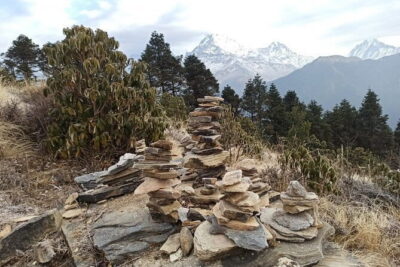
Browse the lists this tour appears in