
Reviewed · MARDI HIMAL TREKS
From Pokhara: 4-Day Mardi Himal Base Camp Trek
Mardi Himal hits you fast. This short 4-day private trek from Pokhara pairs rhododendron forest hiking with jaw-dropping Annapurna mountain viewpoints, without the long slog you get on bigger routes. I like that it feels calmer than the busiest trekking corridors, yet still delivers classic Himalayan drama.
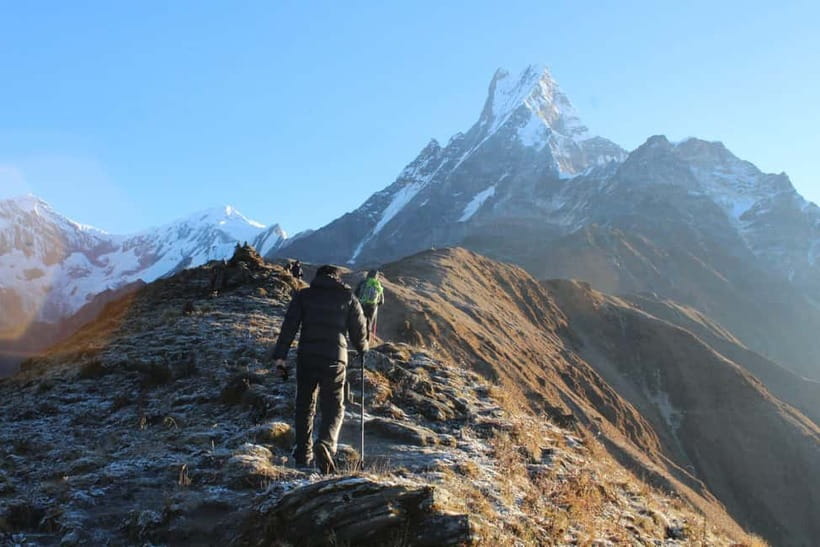
What I love most is the mix of scenery and effort. One day you’re climbing through dense rhododendron and oak, the next you’re chasing big-altitude views from High Camp and an early push toward the Mardi Himal Viewpoint area for sunrise over Machapuchhre. I also like the practical, human scale of staying in cozy teahouses along the way, which keeps the whole trip friendly and manageable.
A single caution: this trek is physically demanding. Expect steep sections, lots of stairs, and real cold at elevation, especially if you go early for sunrise when temperatures are at their lowest. If the Base Camp option (around 4,500 m) is on your wish list, you’ll need solid stamina and good conditions.
In This Review
- Key things that make this Mardi Himal trek worth your time
- Why this 4-day Mardi Himal trek feels like the sweet spot
- Day 1, Pokhara to Kande and Forest Camp at 2,550 m
- Day 2, up to High Camp (3,580 m) through rhododendron and oak
- Day 3, Mardi Himal viewpoint for sunrise, then down to Low Camp
- Day 4, Low Camp to Siding, Lumre canyon area, and back to Pokhara
- Guides and pace: what you should expect from the people on your trek
- The value equation: what $138 covers, and what it doesn’t
- What to pack so the cold and stairs don’t ruin the fun
- Where this trek fits best for different types of hikers
- The real quality check: sunrise plans and weather reality
- Should you book the 4-Day Mardi Himal Base Camp trek from Pokhara?
- FAQ
- What is the maximum altitude on this 4-day Mardi Himal trek?
- How long are the trekking days?
- Is this trek private, and what languages are supported?
- Are permits and TIMS fees included?
- Is accommodation included?
- What transportation is included from Pokhara?
Key things that make this Mardi Himal trek worth your time
- Private guide support that can slow down for first-timers and sick days, including pace checks and flexible adjustments on steep stair climbs
- Rhododendron and oak forests on day 2, with scenery that changes quickly from green trails to alpine feel
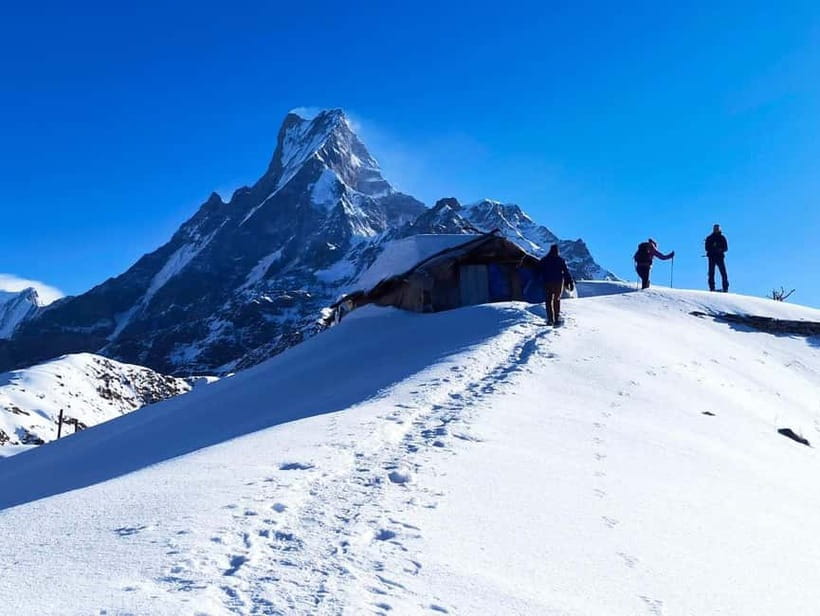
- Machapuchhre sunrise potential from a high-altitude viewpoint, with the timing set for early viewing
- A quieter vibe than the most crowded routes, using calmer trails and village stays
- Teahouse rhythm that keeps food, rest, and nights simple and local
- Optional Base Camp push if you feel strong, otherwise you still get dramatic views from the viewpoint area
Why this 4-day Mardi Himal trek feels like the sweet spot
Mardi Himal is often described as a “short trek with big rewards,” and that’s not just marketing talk. The route is designed so you gain elevation quickly enough to feel the altitude shift, but not so quickly that you’re stuck on the highest grind all day.
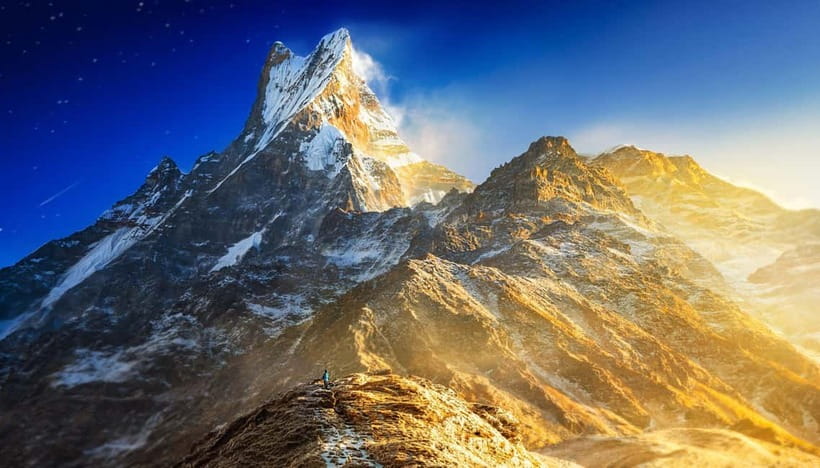
From your starting day in the Pokhara area, you’re pulled into the Annapurna region’s core trekking identity: forest footpaths, mountain air, and constant glimpses of peaks whenever the clouds allow it. Then, in just a few days, you’re high enough for Machapuchhre-focused views, the kind that make the early mornings worth it.
The private format also changes the whole tone. This is not a crowded shuffle with a metronome pace. In real life, guides on this route are known for adjusting speed and checking in on comfort, which matters if you’re recovering from illness, not training for cardio, or just trying to hike safely.
More Treks in Pokhara
- Poon hill Trek 3 days
★ 5.0 · 176 reviews - Trekking in Annapurna/Langtang/Everest/Upper Mustang regions
★ 5.0 · 161 reviews - Pokhara: 4-Day Ghorepani, Poonhill & Ghandruk Mountain Trek
★ 5.0 · 132 reviews
Day 1, Pokhara to Kande and Forest Camp at 2,550 m
Your day starts with a drive from Pokhara to Kande, roughly an hour. It’s a nice warm-up: no heroics yet, just time to get oriented and see the valley edge before the trail starts taking over.
Then you trek through the Australian Camp and Pothana areas, with forest trails and mountain views popping in and out as the path winds. The goal for the day is Forest Camp at about 2,550 m, with a typical hiking time around 5 to 6 hours.
Why this matters for your trip:
- Day 1 is where you decide if your pacing is realistic. If you rush here, the later altitude push feels tougher than it needs to be.
- Forest walking is perfect for finding your rhythm. You can practice steady breathing, test your boots, and dial in your layering without the pressure of a huge summit-style climb.
Overnight is in a teahouse in Forest Camp. That teahouse style matters more than it sounds. It’s simple, local, and usually the most efficient way to keep a 4-day trek from turning into logistics chaos.
Day 2, up to High Camp (3,580 m) through rhododendron and oak
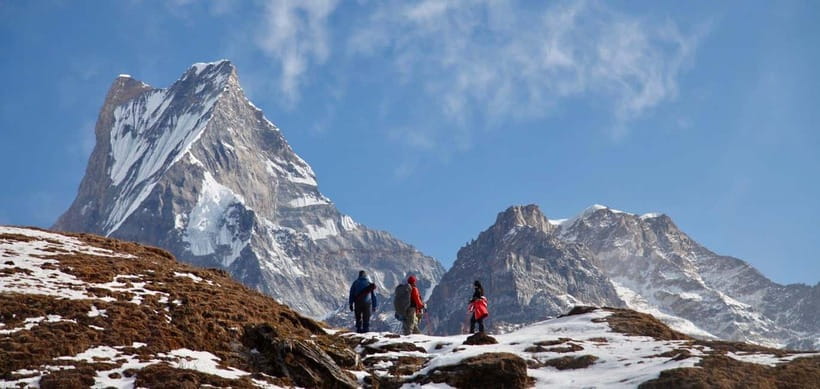
Day 2 is the big climb. You head uphill for roughly 6 to 7 hours through dense rhododendron and oak forests. This is where Mardi Himal earns its reputation for variety. The trail feels alive underfoot, and you get those classic mid-elevation forest vibes while still moving toward real mountain air.
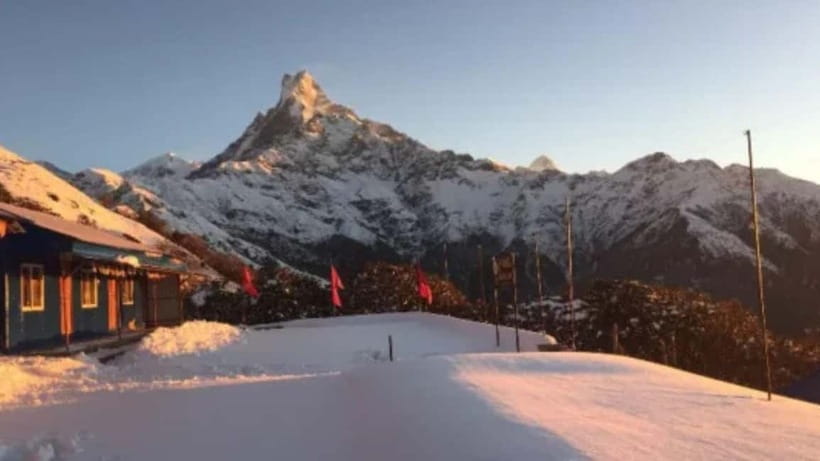
You finish at High Camp, around 3,580 m, where Machapuchhare and Annapurna South views can be very strong. You sleep at a teahouse at High Camp.
What to watch for:
- Stamina matters more than speed. Guides on this trek are used to adapting for different fitness levels, including first-time trekkers who need frequent breaks.
- Forest trail days can be deceptively tiring. Even without “technical climbing,” you’re still gaining elevation for most of the day.
If you want the day to feel easier, take short pauses often. Don’t wait until you’re gasping. Your body will thank you later when you’re doing early morning work.
Day 3, Mardi Himal viewpoint for sunrise, then down to Low Camp
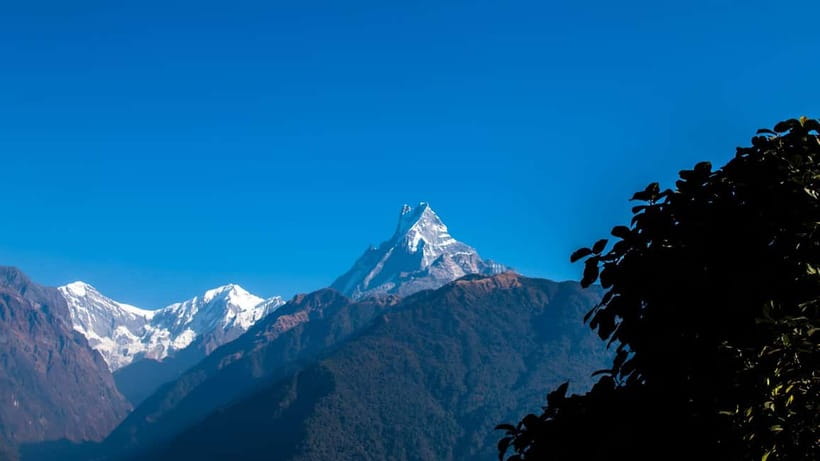
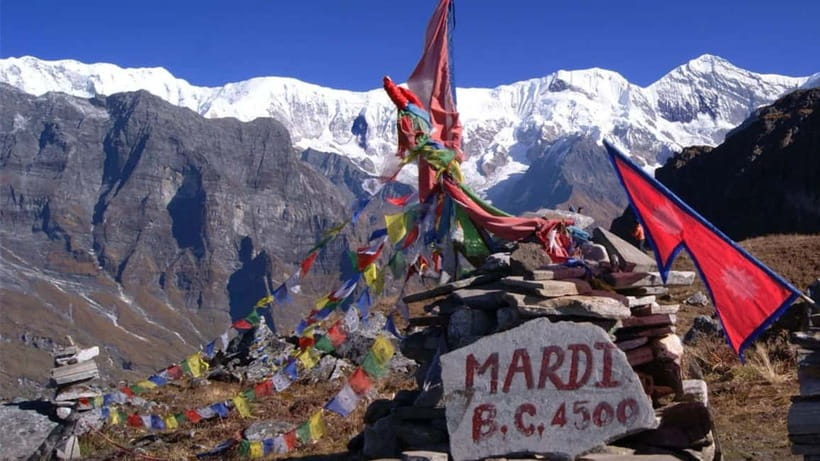
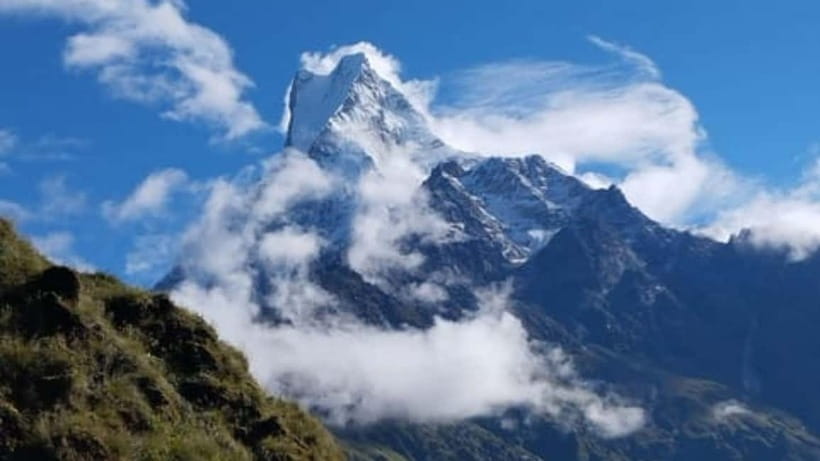
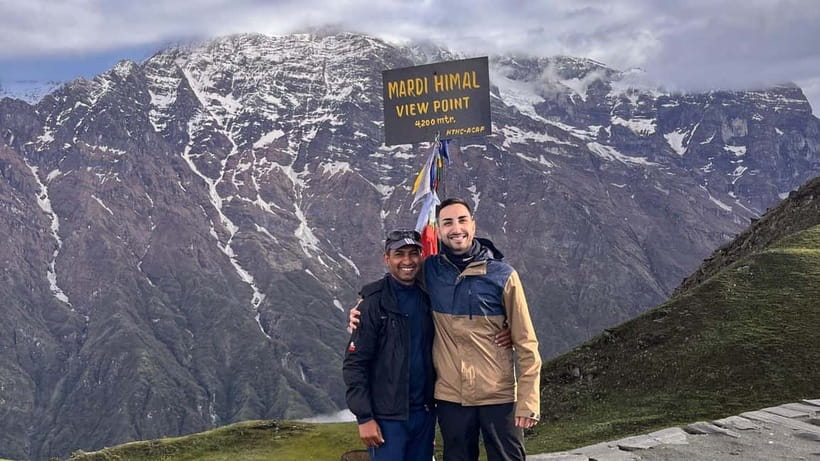
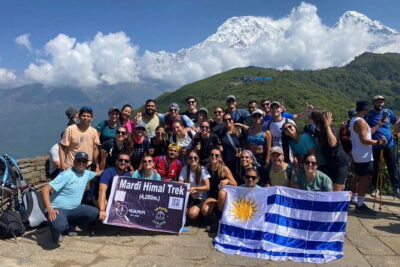
Day 3 starts early. You hike about 3 to 4 hours to reach the Mardi Himal Viewpoint area around 4,200 m. From there, you get a sunrise chance over the Annapurna range. There’s also an optional continuation toward Mardi Himal Base Camp, around 4,500 m, if you’re fit and conditions allow it.
Then you descend to Low Camp at about 2,970 m for the overnight stay. The downhill is typically 3 to 4 hours.
This is the most important day to plan your energy.
- Sunrise mornings are cold mornings. Temperatures at higher altitude can be very low, so layers are not optional.
- If clouds roll in, you might not get the full sunrise payoff. Still, you can get mountain views earlier on the route, and you’ll have a strong day’s scenery even without perfect skies.
Why the optional Base Camp push is a smart choice:
Base Camp at roughly 4,500 m is not far on a map, but it’s a different story in your legs. Going only if you feel good keeps this trek enjoyable instead of punishing. If you skip it, you’re not “missing the main thing.” The viewpoint stop is already built for dramatic views and a hard-earned early-morning payoff.
More Mardi Himal treks:
- Pokhara: 4-Day Mardi Himal Trek
★ 4.9 · 59 reviews - Private Mardi Himal Trek
★ 5.0 · 42 reviews - Mardi Himal Trek
★ 5.0 · 30 reviews - 4 Day Mardi Himal Base Camp Trek from Pokhara
★ 5.0 · 18 reviews
Day 4, Low Camp to Siding, Lumre canyon area, and back to Pokhara
After two nights at higher elevation (Forest Camp and High Camp) and one night at Low Camp, Day 4 is your recovery arc. You trek downhill about 4 to 5 hours to Siding Village, then continue for a short walk about 1 hour to Lumre. After that, you drive back to Pokhara, roughly 1 hour.
What I like about this finish:
- It gives you real closure. You end the trek with a downhill that feels like progress, not punishment.
- Village stops keep it grounded. You’re not just hiking through empty paths; you’re passing through inhabited places where the whole expedition feels human-sized.
Teahouse-style trekking doesn’t mean rough travel. It usually means you can focus on your steps, your breathing, and your views, instead of constantly thinking about hotels, transfers, and rebooking.
Guides and pace: what you should expect from the people on your trek
This is a private trek with an English-speaking guide, and the guide is described as certified by the Nepal Government. That matters because the job is more than translating. A good guide manages weather timing, trail safety, and the pacing balance that makes a 4-day trek feel doable.
The names you’ll see attached to successful trips include Anil, Tanka, Dhanapati, Santosh, Bala, Chandra, Jeet, Bishnu, and Golman. Across these accounts, the common thread is attentiveness and flexibility. You’ll often get help with stair climbs, reminders to rest when needed, and a calm approach when someone needs a slower day.
If you’re nervous about altitude or you’re not training hard, this kind of guide support is the difference between a trek you remember happily and one you rush through.
The value equation: what $138 covers, and what it doesn’t
The price listed is $138 per person for a 4-day private experience. That’s attractive because a short trek still has real costs: permits, transport, guide fees, and meals or lodging logistics.
What’s included in the package (as described):
- Round-trip transportation between your hotel (or pickup point) and the trek starting point, plus back to Pokhara
- Trekking permits, TIMS fees, and required paperwork
- Teahouse accommodation along the route
- Breakfast, lunch, and dinner if you select the meals option
- A guide (plus guide expenses like meals, accommodation, insurance, salary, and equipment)
- Porter if you choose that add-on
- Luggage storage in Pokhara
- Trekking gear like a trekking stick and sleeping bag as needed
- First aid kit and local taxes
Not included:
- Personal expenses, which you’ll run into for extras like drinks, snacks, and any gear you forgot
One very practical tip about the meals option:
If you want control over cost, you can consider skipping pre-paid meals and ordering at the teahouses the normal way. There’s an account where someone felt the meals-included option was extremely overpriced compared to buying on the trail. Your appetite and drink choices drive the bill anyway, so having the freedom to choose can keep things fair.
What to pack so the cold and stairs don’t ruin the fun
You’ll be at elevations where temperatures can swing a lot. Even if it’s sunny, cold mornings at altitude are a real thing, especially on sunrise days.
Bring:
- Passport or ID card
- Comfortable shoes and hiking shoes
- Hiking pants and comfortable layers
- A warm jacket for high elevation mornings
- Camera (and waterproofing if you plan to shoot in mist or rain)
- Travel insurance
- Hand sanitizer or tissues
- Cash
Also, plan for “small day comforts.”
Teahouses are basic by design, so having your usual personal items helps. The guide and teahouse staff handle the bigger logistics, but your comfort is still your responsibility.
Where this trek fits best for different types of hikers
This is a strong choice if you want:
- A short trek with real altitude moments
- Classic Annapurna-region hiking with rhododendron and alpine transitions
- A calmer experience than heavily trafficked routes
- Private pacing that can adjust to your fitness and energy
It may not be the best fit if:
- You dislike steep stair sections and uphill days
- You struggle with cold mornings and early starts
- You want a low-effort hike with minimal elevation gain
If you’re a first-time trekker, the route can work well because you sleep in teahouses each night and the pacing is adjustable. If you’re recovering from illness, it’s still possible, but you’ll want to go slowly and tell your guide how you feel.
The real quality check: sunrise plans and weather reality
The trek is set up for a sunrise chance over Machapuchhre from the high-altitude viewpoint area. That’s the dream scenario.
In real mountain time, clouds can block that view. Even when sunrise is missed, you typically still get strong mountain sightings on the way up and around the viewpoint. The best approach is to treat sunrise as a bonus, not a guarantee. Your energy should still go into enjoying the hike itself, not only the forecast.
Should you book the 4-Day Mardi Himal Base Camp trek from Pokhara?
Book it if you want a high-reward Annapurna trek that fits into a tight schedule. The private guide format, teahouse route structure, and the combination of rhododendron forests plus high-altitude viewpoints make it a practical way to experience Mardi Himal without committing to a longer multi-week trek.
Skip or rethink if you’re not ready for cold mornings, steep stairs, and uphill effort. Also consider your meals approach. If you’re price-sensitive, ordering at the teahouses might give you better control, rather than paying a meals-included premium.
If you’re unsure, aim for the viewpoint day even if you don’t push for Base Camp. You still get the mountain payoff this trek is built around, and you finish with a downhill Day 4 that feels like a victory.
FAQ
What is the maximum altitude on this 4-day Mardi Himal trek?
You reach High Camp at about 3,580 m on Day 2. On Day 3 you hike to Mardi Himal Viewpoint around 4,200 m, and there is an optional extension to Mardi Himal Base Camp around 4,500 m if you are fit.
How long are the trekking days?
Day 1 is about 5 to 6 hours to reach Forest Camp. Day 2 is about 6 to 7 hours to High Camp. Day 3 includes about 3 to 4 hours up to the viewpoint, plus descent to Low Camp over roughly 3 to 4 hours. Day 4 is about 4 to 5 hours downhill to Siding, then a short additional walk before returning.
Is this trek private, and what languages are supported?
It is a private group trek. The live tour guide speaks English, Hindi, and Nepali.
Are permits and TIMS fees included?
Yes. The package includes all required trekking permits, necessary paperwork, and TIMS fees for the trek.
Is accommodation included?
Yes. You stay in simple teahouses or lodges along the route.
What transportation is included from Pokhara?
Pickup is included from hotels in the Pokhara Lakeside area, Sarangkot area, and Pokhara International Airport. Drop-off is also available to the same types of locations after the trek.
More treks out of Pokhara
- From Pokhara: Sarangkot Sunrise Himalayas Tour
★ 4.7 · 218 reviews - From Pokhara: 3-Day Ghorepani Poon Hill Trek with Guide
★ 4.9 · 68 reviews - 3-Day Poon Hill Trek from Pokhara.
★ 5.0 · 45 reviews - From Pokhara: 2 Day 1 Night Ulleri,Ghorepani Poon Hill Trek
★ 4.9 · 33 reviews
Latest additions near Pokhara
- Pokhara: Pokhara Highlights Tour by Bus★ 3.6 · 10 reviews
- Discover Pokhara in Style: Private Vehicle Service with Driver★ 5.0 · 5 reviews
- Pokhara in 5 Hours: Lake, Museum, Cave, Falls & Pagoda Hill★ 4.5 · 16 reviews
- The World Peace Pagoda in Pokhara★ 4.5 · 7 reviews
- 7-Day Trek to Annapurna Base Camp from Pokhara★ 5.0 · 12 reviews
- 4 Day Mardi Himal Base Camp Trek from Pokhara★ 5.0 · 18 reviews
- World Peace Stupa Day Hike From Pokhara★ 5.0 · 4 reviews
- Unique Easy Hiking to Foxing Hill from Pokhara★ 5.0 · 4 reviews
Mardi Himal Treks, compared.

Mardi Himal Trek – 8 Days | Hidden Gem of the Annapurnas
Read our review →

Browse the lists this tour appears in