
Reviewed · MARDI HIMAL TREKS
Private Mardi Himal Trek
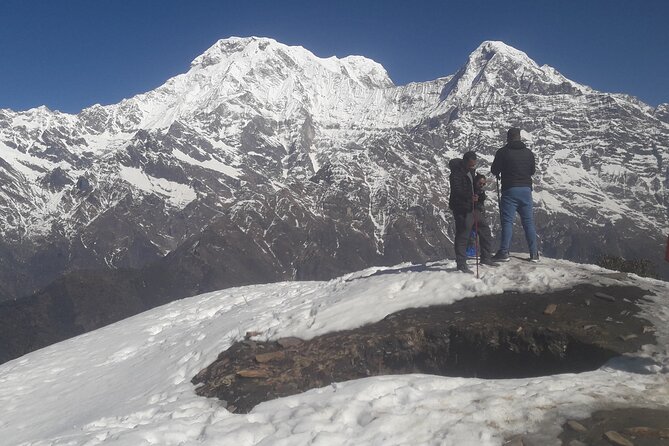
That first view is the payoff. This Private Mardi Himal Trek is a smart, supportive way to reach higher angles of Annapurna South and Machhapuchhre without the chaos of a big group. I especially like the private setup and the way the plan builds from Kande and Deurali up to Low Camp, High Camp, and the Mardi Himal Base Camp area, with clear daily walking targets. One thing to think about: the schedule still asks for real hiking days (often around 5 to 6 hours), and weather can make footing slippery, so you’ll want to take the gear and pacing seriously.
I also like that the trekking team is set up for safety and comfort. You get an English-speaking, government registered guide (and first aid trained), plus a porter setup of one porter for every two trekkers, plus a kitbag to keep your load organized. In past trips, I’ve seen staff names like Bhim, Saugat Tamang, Yakob, Jakub, and their porters (for example Tashi Tamang, Menjom, Kazoo, and Manjung), and the common thread is attentive care and steady pacing.
Finally, the value is strong if you compare what’s included versus what you usually pay extra for in Nepal. This trek covers transport from Pokhara to Kande, permits (ACAP permit and TIMS card), lodge accommodations along the route, and meals for the trekking days, plus equipment like micro spikes and trekking poles. The main practical drawback I’d flag is simple: drinks are not included, and water can be pricey on the trail, so plan to budget for that.
In This Review
- Key things that make this Mardi Himal trek work
- Why Mardi Himal feels different in the Annapurna region
- Female-led private trekking, with real support behind it
- Price and logistics: what you actually get for $399
- Day 1: Pokhara to Kande, then Kande to Deurali through forest and viewpoints
- Day 2: From the lower start toward Forest Camp (2600m) and Low Camp
- Day 3: Low Camp to High Camp (3700m) and the Machhapuchhre reveal
- Day 4: Mardi Himal Base Camp day, or the shorter halfway viewpoint
- Day 5: Badal Danda to Siding Village, then back to Pokhara
- Gear, gear, gear: what’s included and how it helps at altitude
- The itinerary in one sentence, and who it suits best
- Should you book this Private Mardi Himal Trek?
- FAQ
- Where does this Mardi Himal Trek start?
- How long is the trek?
- Is this a private trek?
- Are permits included?
- What accommodations are included?
- What meals are included?
- What trek gear is provided?
- Are drinks included?
- Are tips included for the guide and porter?
- What is the cancellation policy?
Key things that make this Mardi Himal trek work
- Private group hiking with only your team, so you’re not stuck matching someone else’s pace
- Permits handled (ACAP and TIMS), which saves time and paperwork stress
- Cold-weather gear included, including a sleeping bag rated for minus-25 degrees and micro spikes
- Well-paced campsite stages, from Deurali to Low Camp to High Camp around 3700m
- Base Camp option on Day 4, either the full Mardi Himal Base Camp or a shorter halfway viewpoint
- Guide and porter coverage, including first aid trained support and kit handling with a porter ratio of 1:2
Why Mardi Himal feels different in the Annapurna region
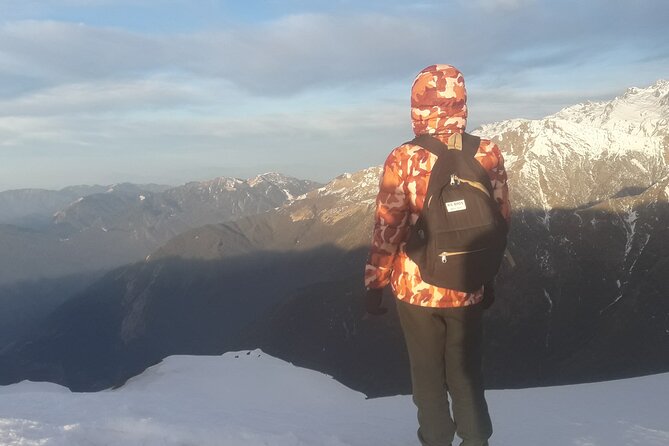
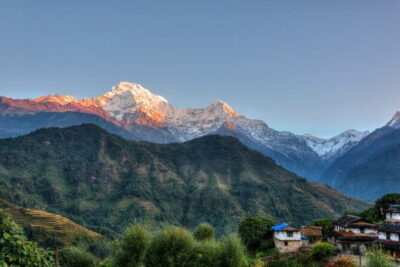
Most people hear Annapurna and think of the classic routes. Mardi Himal is quieter, and it gets you closer to the dramatic viewpoints you came for. Over these five days, your hike follows a gradual climb that keeps you moving through forested trail sections, then into higher areas where views open up more often.
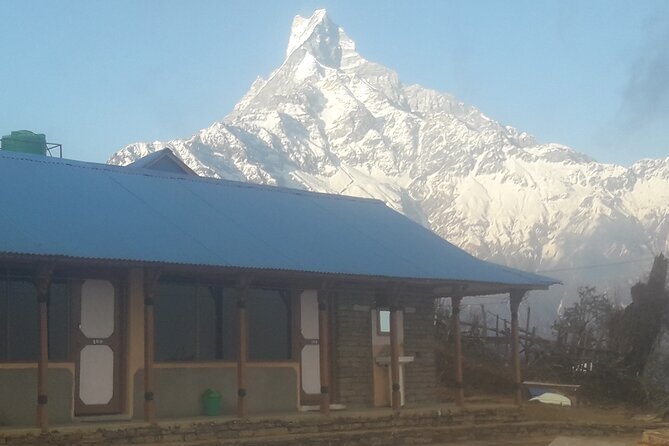
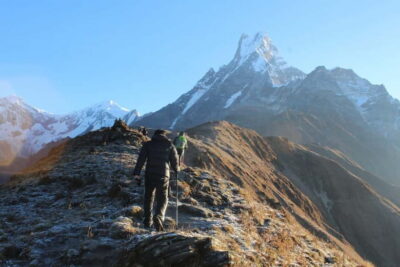
You’ll specifically catch big-name peaks in the mix. On the way up, the trail offers glimpses of Annapurna South and Hiunchuli. Higher up, the scenery centers on Machhapuchhre (Fishtail) and Annapurna South from High Camp at about 3700m. That’s the kind of “why I’m here” payoff you feel more than you just photograph.
The best part is that this route doesn’t try to be overly complicated. The daily timings are readable: some days are around 4 to 5 hours of hiking, and others stretch nearer to 6. You’re not doing marathon jumps, and you’re not constantly changing systems. It’s a steady trekking rhythm, which matters a lot if you want the experience to feel calm rather than frantic.
More Treks in Pokhara
- Poon hill Trek 3 days
★ 5.0 · 176 reviews - Trekking in Annapurna/Langtang/Everest/Upper Mustang regions
★ 5.0 · 161 reviews - Pokhara: 4-Day Ghorepani, Poonhill & Ghandruk Mountain Trek
★ 5.0 · 132 reviews
Female-led private trekking, with real support behind it
The concept here is a female guide-led trek, and that can change the tone of your days. A female-led team often means a more relationship-first approach to trekking, especially around pacing, comfort, and encouragement. Even if you’ve trekked before, that “someone’s got you” feeling helps when the trail tilts upward.
What makes it practical is that the team isn’t only about vibe. The guide is fluent English-speaking, government registered, and first aid trained. That matters when weather turns or when a small decision, like whether to slow down or change footing technique, can keep you comfortable.
You also get porter support built into the plan. With one porter for every two trekkers, you’re not dragging everything on your back for the whole route. The trek includes a kitbag for storing belongings, so you can keep your daily carry smaller and your bigger items with the porter.
From prior trips run by Nepal Wilderness Trekking, I’ve seen guides like Bhim and Saugat Tamang praised for pacing and friendliness, and I’ve seen porters like Menjom, Kazoo, Manjung, and Tashi Tamang highlighted for care. You should still take responsibility for your own comfort, but it’s reassuring when the team clearly knows what they’re doing and takes trekking pace seriously.
Price and logistics: what you actually get for $399
At $399 for about 5 days, this trek can be good value, mainly because it bundles the stuff that tends to nickel-and-dime trekkers on their own. Instead of you piecing together permits, transport, a guide, and equipment, the plan already includes key items.
Here’s what you should treat as “real included value”:
- Transport on the route: a private car or van from Pokhara to Kande, plus a shared jeep back from Siding Village to Pokhara
- Permits: ACAP permit and TIMS card
- Lodge accommodations: clean lodges on the Mardi Himal portion
- Meals: breakfast and dinner are included across the trekking days, and lunch is included (the plan lists Lunch (5), Breakfast (4), Dinner (4))
- Cold-weather and trail gear: sleeping bag (for minus-25 degrees), micro spikes, and trekking poles
- Paperwork and taxes, plus a certificate of appreciation after a successful trek
Now the “watch-outs” that keep expectations realistic:
- All drinks are not included. If you only buy water when you’re thirsty, the cost can sting, and one common real-world complaint is that water gets expensive on the trail.
- Personal insurance is not included, and that’s on you. For higher altitude hiking, make sure your insurance fits the activity.
- Kathmandu and Pokhara accommodations and meals are not included. This tour is focused on the trek days and the direct route logistics.
- Tips for guide and porter are not included, which is typical in Nepal but still worth planning for.
Also, confirm the start time listed as 11:45 pm. The itinerary starts with a drive and a trail start on Day 1, so you’ll want to check with the operator what that time means for your pickup schedule.
Day 1: Pokhara to Kande, then Kande to Deurali through forest and viewpoints
Day 1 has a clean goal: get you onto the trail and moving uphill at a comfortable start pace. You drive from Pokhara to Kande in about 1 to 1.5 hours, then you begin trekking from Kande and hike to Deurali.
The trail section matters because it sets your hiking rhythm. You’ll walk through lush forest stretches, and the route includes glimpses of Annapurna South and Hiunchuli along the way. Those “small view windows” are useful because they remind you why you’re working and they keep the trek from feeling like just uphill steps.
Overnight is in Deurali, which is where you reset before the longer climbing push later. This first day is also the moment to test your footing and your layering system. If the ground feels slick, micro spikes might be needed soon, and your guide can help you decide based on conditions.
Potential drawback for Day 1: it’s an early reset after the drive, and if you’re arriving from elsewhere the same day, you may feel stiff. A private trek helps because the guide can adjust your pace to how you’re feeling.
More Mardi Himal treks:
- Pokhara: 4-Day Mardi Himal Trek
★ 4.9 · 59 reviews - From Pokhara: 4-Day Mardi Himal Base Camp Trek
★ 4.9 · 31 reviews - Mardi Himal Trek
★ 5.0 · 30 reviews - 4 Day Mardi Himal Base Camp Trek from Pokhara
★ 5.0 · 18 reviews
Day 2: From the lower start toward Forest Camp (2600m) and Low Camp
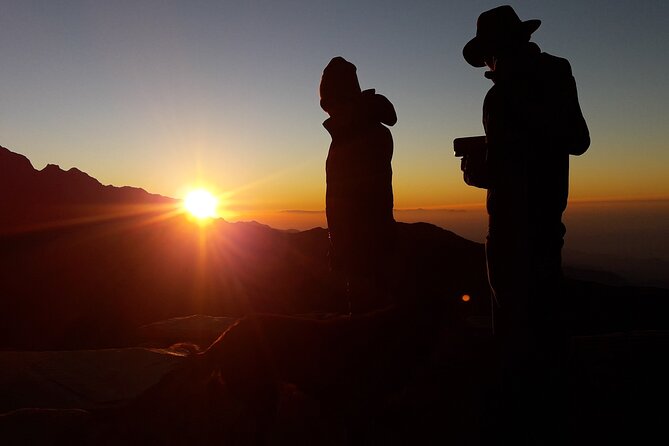
Day 2 is the first big step toward the core Mardi Himal area. After trekking for about 4 hours, you reach Forest Camp at around 2600m for lunch. Then you continue to Low Camp, with a total hiking time of about 6 hours from the lower start point described as Pothana in the plan.
This day is less about reaching the highest views and more about building stamina. The climb still gives you panoramic moments along the way, and you start noticing how the vegetation changes as altitude increases.
You’ll sleep at a lodge in Low Camp. Lodges at these altitudes are basic compared to cities, but that’s not a bad thing. It keeps you focused on the essentials: warm food, rest, and getting your legs ready.
A practical consideration: Day 2 is long enough that it pays to start steady, not fast. Even if you feel good, staying on an even pace tends to make Day 3 much more comfortable.
Day 3: Low Camp to High Camp (3700m) and the Machhapuchhre reveal
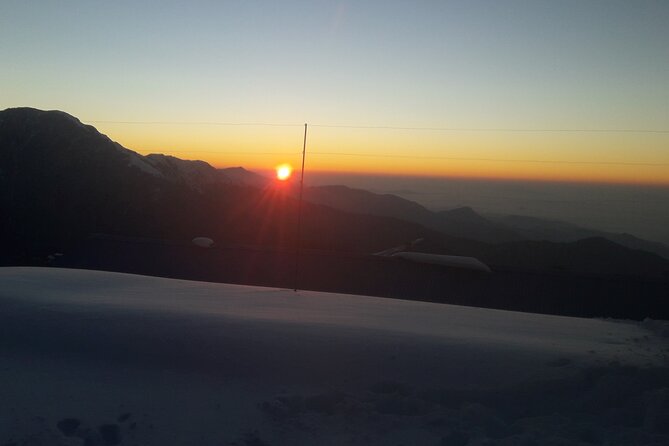
Day 3 is your major altitude climb. The hike from Low Camp to High Camp at about 3700m takes about 4 hours. The rewards come quickly once the trail tilts into higher terrain.
This is where Machhapuchhre and Annapurna South become stars in the show. On clear days, the views can feel close enough that you keep looking up without meaning to. The guide’s pacing also matters here, because your body notices altitude changes more than you might expect.
Overnight is at a lodge in High Camp. That means you’re not spending the night in a tent setup. It’s a trekking style that prioritizes comfort enough to keep you feeling human the next morning.
One drawback to consider: High Camp is higher and cold can set in faster. Even with an included sleeping bag, you’ll feel it if you show up underprepared with layers for evenings and early morning.
Day 4: Mardi Himal Base Camp day, or the shorter halfway viewpoint
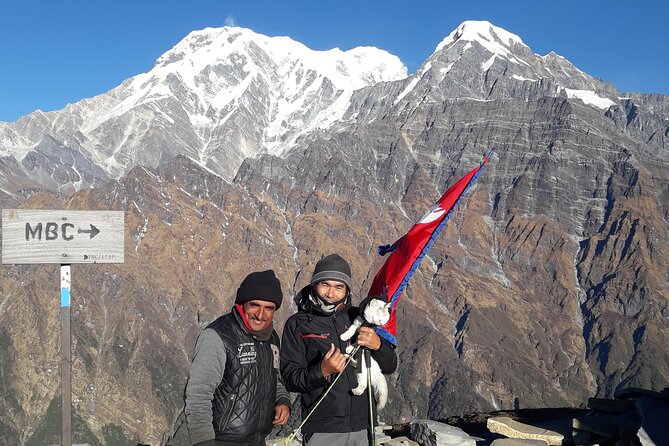
Day 4 is the day with options. You hike to Mardi Himal Base Camp, which is described as about 4 to 5 hours round trip. If you want less time on the trail, you can instead trek to a viewpoint halfway for a shorter hike.
This flexibility is a big deal for many people. Not everyone wants the same length of effort on the same day, and at altitude, your body gets to vote. Your guide can help you choose based on weather and how you’re feeling when you leave High Camp.
After the base camp or halfway viewpoint, you return to High Camp and then descend to Badal Danda (3210m). You sleep in a lodge at Badal Danda.
This descent is part of why the route feels manageable overall. You’re still hiking, but you’re not spending the whole day fighting altitude. Think of Day 4 as effort plus payoff plus a smart move downward to keep tomorrow realistic.
Day 5: Badal Danda to Siding Village, then back to Pokhara
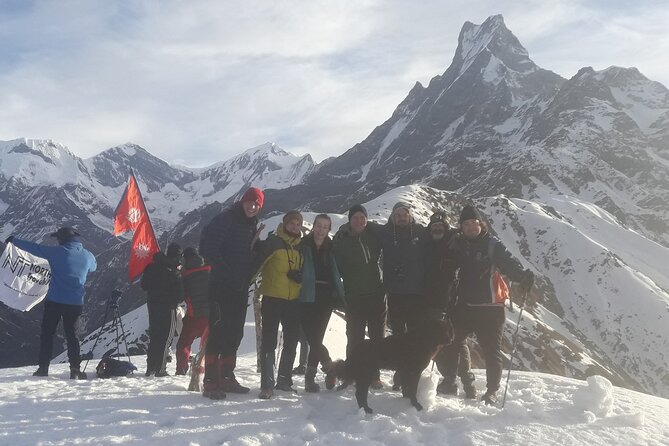
Day 5 keeps things moving, but it’s not another “highest point” day. You trek from Badal Danda to Siding Village in about 5 hours, then you drive back to Pokhara.
The plan also offers an extension if you want more time in the area. Instead of going straight to Pokhara after Siding Village, you can extend by adding a day trek from Siding to Lwang via Ghalel, about 5 to 6 hours, then you return to Pokhara.
If you like finishing with a smoother transition, the standard Day 5 works well. You end the trek in a village area, then you’re back in Pokhara with time to shower, eat, and decompress without feeling like you rushed the final hours.
If you’re the type who hates sitting still after a trek, the extension is a good way to stretch the experience while still keeping it within normal trekking hours.
Gear, gear, gear: what’s included and how it helps at altitude
This trek includes several items that usually cost extra or require you to rent. That matters because it reduces friction when you’re trying to pack smart.
You get:
- Sleeping bag rated for comfort on a trek in minus-25 degrees
- Micro spikes for icy or slippery footing
- Trekking poles
You also get a kitbag so your bigger belongings stay organized rather than stuck in your pack straps all day.
Here’s how to use that practically. Micro spikes and poles are most helpful when the trail surface gets slick, especially on morning starts or after any cold night. You don’t have to assume conditions will be bad. Instead, go with the plan: if your guide brings them out, it’s usually because the trail calls for it.
For personal items, the data doesn’t list what you must bring, so I won’t pretend. But you should assume you need warm layers for higher elevations, and you should plan hydration with your own water since drinks are not included.
The itinerary in one sentence, and who it suits best
This trek is a classic “climb up, sleep high, hike out to the base camp area, then descend” route through the Mardi Himal section of the Annapurna region, with lodge stays and a private team to keep the days smooth.
It’s a good fit if you have moderate physical fitness and you want a manageable, higher-altitude view experience without complicated logistics. It’s especially suitable for people who prefer:
- Private guiding and porter support
- A female-led trekking concept and supportive team tone
- A route that highlights Machhapuchhre and Annapurna South during the higher camp days
- Included gear that helps with cold and traction
If you hate early mornings or you’re dealing with injury or very low endurance, you may find the 4 to 6 hour hiking blocks challenging. The route is doable, but it’s not a stroll.
Should you book this Private Mardi Himal Trek?
I’d book this if you want an organized Mardi Himal Trek with less hassle and more support. The strongest reasons are practical: permits are included, meals and lodges are covered on trek days, and you’re given traction and cold-weather gear (micro spikes, poles, and a very warm sleeping bag). The private format also matters. Walking without managing a mixed pace makes a huge difference at altitude.
I would hesitate only if you know you struggle with hiking days that total around 5 to 6 hours, or if cold-weather treks make you anxious and you’re not ready to dress for it. Also, keep a small buffer for drinks, especially water, since those costs can add up quickly on the trail.
If you like mountain views, a steady rhythm, and a trek team that shows up on time and takes care of the details, this one is a smart choice.
FAQ
Where does this Mardi Himal Trek start?
It starts in the Pokhara area, with transportation provided from Pokhara to Kande, and then you begin trekking from Kande to Deurali on Day 1.
How long is the trek?
The duration is listed as 5 days (approx.).
Is this a private trek?
Yes. It is a private tour or activity, so only your group participates.
Are permits included?
Yes. The plan includes both the ACAP permit and the TIMS card permit.
What accommodations are included?
You get clean lodge accommodations along the Mardi Himal route during the trek. Accommodations in Kathmandu and Pokhara are not included.
What meals are included?
The plan includes Breakfast (4) and Dinner (4), plus Lunch (5) on the trek days.
What trek gear is provided?
Included gear includes a sleeping bag (for comfort in minus-25 degrees), micro spikes, and trekking poles.
Are drinks included?
No. The plan lists all drinks as not included.
Are tips included for the guide and porter?
No. Tips for the guide and porter are not included.
What is the cancellation policy?
Free cancellation is offered, and you can cancel up to 24 hours in advance for a full refund. If you cancel less than 24 hours before the experience start time, the amount paid is not refunded.
Latest additions near Pokhara
- Pokhara: Pokhara Highlights Tour by Bus★ 3.6 · 10 reviews
- Discover Pokhara in Style: Private Vehicle Service with Driver★ 5.0 · 5 reviews
- Pokhara in 5 Hours: Lake, Museum, Cave, Falls & Pagoda Hill★ 4.5 · 16 reviews
- 7-Day Trek to Annapurna Base Camp from Pokhara★ 5.0 · 12 reviews
- 4 Day Mardi Himal Base Camp Trek from Pokhara★ 5.0 · 18 reviews
- The World Peace Pagoda in Pokhara★ 4.5 · 7 reviews
- Unique Easy Hiking to Foxing Hill from Pokhara★ 5.0 · 4 reviews
- World Peace Stupa Day Hike From Pokhara★ 5.0 · 4 reviews
Mardi Himal Treks, compared.

Mardi Himal Trek – 8 Days | Hidden Gem of the Annapurnas
Read our review →

Browse the lists this tour appears in