
Reviewed · MARDI HIMAL TREKS
Mardi Himal Trek Nepal
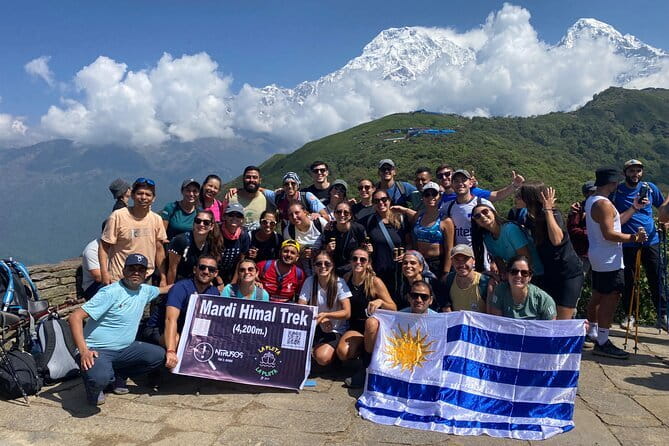
Tea houses, quiet trails, big mountains. Mardi Himal in the Annapurna region is a shorter trek that still delivers classic Himalayan payoff, with tea house nights and Machapuchare plus Annapurna panoramas as the main reason you came.
The tradeoff is effort and timing. This route lists a 1:15 am start, and the hiking days can run long, including a day with steep, narrow trail work, so you’ll want moderate fitness and a calm approach to altitude.
In This Review
- Key Reasons This Mardi Himal Trek Works So Well
- Why Mardi Himal Feels Like a Better Fit Than the Usual Annapurna Rush
- Price and Value: What $750 Really Buys You
- Getting There: Thamel, Early Starts, and Smooth Transfers
- Day-by-Day: From Kande to Deurali, Through Forest and Viewpoints
- High Camp and the Upper Viewpoint: Where the Trail Gets Real
- The Return Route Change Through Shiding Village
- Back to Kathmandu: One Last Night, Then Fly Out
- Tea House Comfort, Meals, and the Human Touch From Magic Himalaya
- Altitude, Fitness, and Weather Reality You Should Plan For
- Who This Trek Suits Best (And Who Should Think Twice)
- Should You Book This Mardi Himal Trek With Magic Himalaya?
- FAQ
- How long is the Mardi Himal Trek in this package?
- Where does the experience start and end?
- How do you get from Kathmandu to Pokhara, and back?
- Is airport pickup and drop-off included?
- What meals are included during the trek?
- Are permits included?
- What fitness level do I need?
Key Reasons This Mardi Himal Trek Works So Well
- A quieter Annapurna experience with a route that avoids the most crowded feel you may be expecting.
- Tea houses all along the way, so you spend your energy walking, not managing camp logistics.
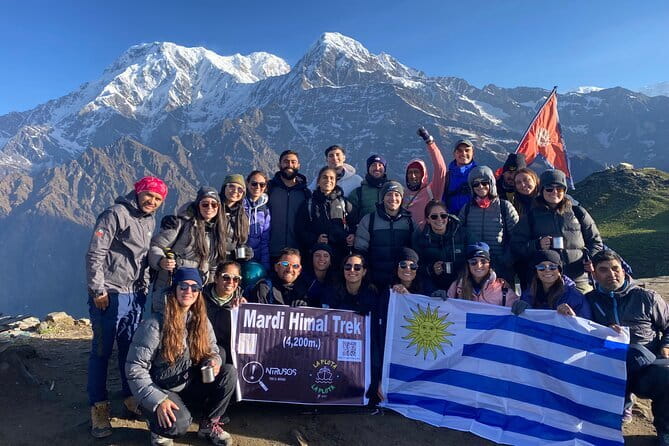
- Big views from a relatively short trek, including Machapuchare (Fishtail) and surrounding peaks from higher vantage points.
- Route variety on the return, including a trek through Shiding Village instead of repeating everything.
- Support that feels attentive, with Magic Himalaya’s team, including owner Nabin, checking in and keeping things smooth.
Why Mardi Himal Feels Like a Better Fit Than the Usual Annapurna Rush
Mardi Himal is in the Annapurna Himalaya region of Nepal, and the whole pitch is simple: you get mountain views without the circus atmosphere that can come with other famous treks. This one is often described as a calmer option, and what that means in real life is less time thinking about crowds and more time looking up at the peaks.
The trail itself moves through different kinds of terrain. You start with lower forest walking, then you work your way toward alpine meadows and higher, rockier feeling sections. The reward is not just a single summit moment, it’s the slow build of wider views as you gain height.
You also get the modern convenience of tea houses and lodges. Historically, this was a camping-style trek, but it has shifted toward staying in simple, cozy places along the route. For most people, that change is huge. It means fewer moving parts, warmer nights in many cases, and an easier rhythm to stick with from day to day.
And based on how the Magic Himalaya team runs the trip, you’re not left to figure out the details alone. Several comments point to how smoothly transport, stays, and meals come together, and that matters because trekking days can already be mentally busy.
More Treks in Kathmandu
- Everest Base Camp Trek – 14 Days
★ 5.0 · 1,499 reviews - Everest Base Camp Trek
★ 5.0 · 842 reviews - Everest Base Camp Trekking
★ 5.0 · 485 reviews
Price and Value: What $750 Really Buys You
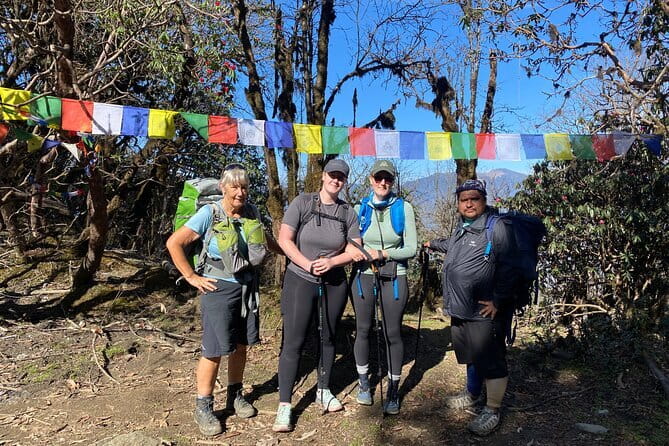
At $750 per person for about 9 days, you’re paying for a package that covers the moving pieces. The included transport is a big part of the value: you get an air-conditioned Kathmandu to Pokhara to Kathmandu tourist bus ride, plus private transportation for the start of the trek toward Kande, and a jeep drive back from Shiding to Pokhara.
You also get human support. The plan includes a guide and porter salary, plus equipment, food, and accommodation for the team. That’s the kind of detail that makes a trek less stressful for you, because you don’t need to coordinate logistics in-country.
Then there are the permits and basics that often surprise people. You get Annapurna conservation permits and required documents handled as part of the package. You also receive a trekking map and a company duffel bag for the porter. There’s a medical kit box and required medicine listed, along with government tax coverage.
Meal support is also built in during the trek portion. The package lists 8 breakfasts, 5 lunches, and 5 dinners. It also includes a farewell dinner and celebrations from the company.
What is not covered is equally important. Clothes and required gear are not included, and lunch and dinner in Kathmandu and Pokhara are not included. Personal expenses and bar bills, including alcohol and non-alcoholic drinks, are also on you.
My practical take: you’re not just buying walking time. You’re buying time back, fewer headaches, and someone else handling the admin while you focus on moving, breathing, and enjoying the mountain scenery.
Getting There: Thamel, Early Starts, and Smooth Transfers
Your experience starts in Kathmandu, with pickup from the airport and transfer to a hotel in Thamel. Thamel is convenient because it’s built for travelers, and you can usually find cafes and shops within easy reach. In the evening, you’ll head to the Magic Himalaya treks office for a briefing and discussion. This is a smart moment to get your bearings, ask questions, and confirm how the team runs days on the trail.
From there, the plan shifts quickly into travel logistics. The next major step is Pokhara. After breakfast, your guide picks you up from the hotel and transfers you to the tourist bus station. You take an air-conditioned bus ride to Pokhara, around 7 hours, and sleep in Pokhara for the night.
A key detail to respect: the experience lists a 1:15 am start time. That suggests you should plan your sleep and wake-up schedule carefully. If early mornings make you grumpy, you’ll want to manage that before trekking. Coffee helps, but consistency matters more.
On the trek side, you don’t start hiking directly from Pokhara. There’s a transfer day: after breakfast, you travel by car or private vehicle toward Kande, then you begin trekking toward Deurali. Later, the return includes a jeep drive from Shiding back to Pokhara. So, yes, you’re hiking, but you’re also getting the benefit of vehicle segments that reduce wasted time.
Day-by-Day: From Kande to Deurali, Through Forest and Viewpoints
After the Pokhara travel day, the trek begins with a short transfer into the hills. You head toward Kande and start walking toward Deurali. Even early on, you’re moving through environments that change as you gain height, so the day isn’t only about effort. It’s about watching the scenery shift as you leave the lower altitude air behind.
Lunch may happen around Australian Camp, described as a viewpoint. That’s an important style of stop. It breaks up the day with a perspective pause, so you can breathe, snack, and look ahead before continuing.
You then spend the night in Deurali villa. This matters because Deurali is where many trekkers start to feel the trek is becoming more of a rhythm than a series of hikes. Having a dedicated overnight stop right after the first walking block helps you reset and prepare for the next day’s climb.
The following day continues through forest. The trek keeps moving toward low camp, which becomes your overnight base. Forest trekking can be a gift. Trees create shade, soften wind exposure, and make the ascent feel more gradual than it would in open terrain. You also get a chance to spot wildlife, including the Danphe bird later on.
At low camp, the package includes accommodation plus breakfast, lunch, and dinner. That “full meal support” style is part of why tea house treks are easier to manage. You’re not hunting for options after a long day.
More Mardi Himal treks:
- Mardi Himal Trek
★ 5.0 · 41 reviews - Mardi Himal Trek – 8 Days | Hidden Gem of the Annapurnas
★ 5.0 · 19 reviews - Mardi Himal Base Camp Trek -9 Days
★ 5.0 · 18 reviews - Mardi Himal Trekking
★ 5.0 · 13 reviews
High Camp and the Upper Viewpoint: Where the Trail Gets Real
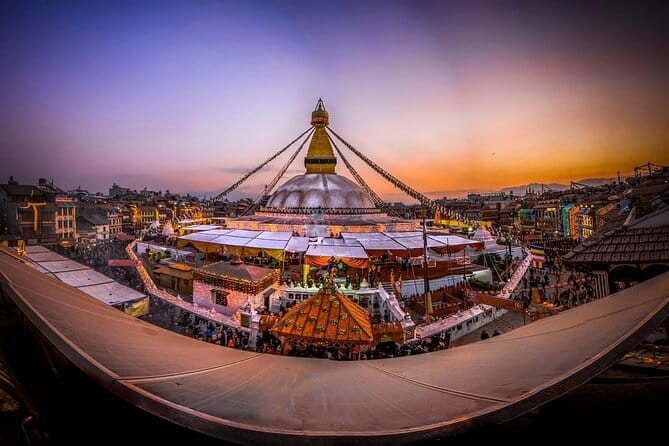
The next stage pushes upward toward high camp. As you climb, the tree line thins. That phrase is not just scenery trivia. When the tree line opens up, the air changes and the weather becomes more direct. You feel exposure earlier, and you’ll likely understand quickly why people talk about layers in the mountains.
There’s also a possibility of seeing Danphe, the national bird of Nepal, on the way to high camp. Even if you don’t spot one, the chance tells you the route can be alive with birdlife when conditions are right.
High camp is described as the final destination of the day, which means you’ll get a night where you’re fully in the higher elevation mindset. Tea houses at these elevations are typically simpler than in town, so the comfort you rely on here is warmth, food timing, and the fact that your route is set.
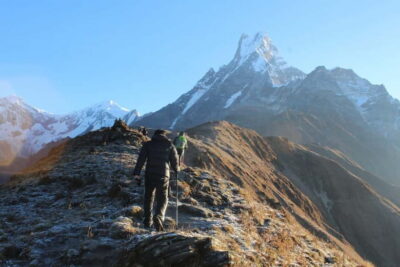
Then comes one of the most demanding segments: going to the upper viewpoint. This is where the trek shifts into a mix of ascending, descending, and time on steep and narrow trail sections. The description specifically calls out a steep and narrow route and a “narrow ride” style hike on a trail that passes through pastures.
Why does that matter for you? Narrow trail days increase the need for balance and careful footing. It’s not only about cardio. It’s also about concentration, especially when your legs feel heavy and the air is thinner. If you’re the type who loves easy scenic walking, this is the day that reminds you you’re still in the Himalayas.
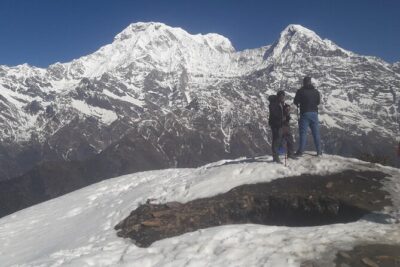
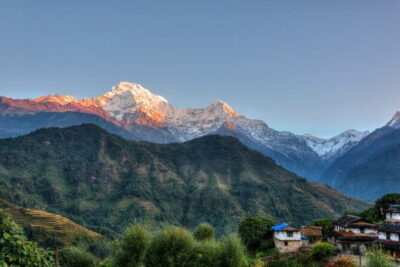
The reward is the upper viewpoint. You’re aiming for the big payoff: panoramic views of Mount Machapuchare (Fishtail), Annapurna South, and Hiunchuli. Even if the clouds are stubborn on any given day, the trek gives you enough higher elevation time that conditions often improve as you gain altitude.
The Return Route Change Through Shiding Village
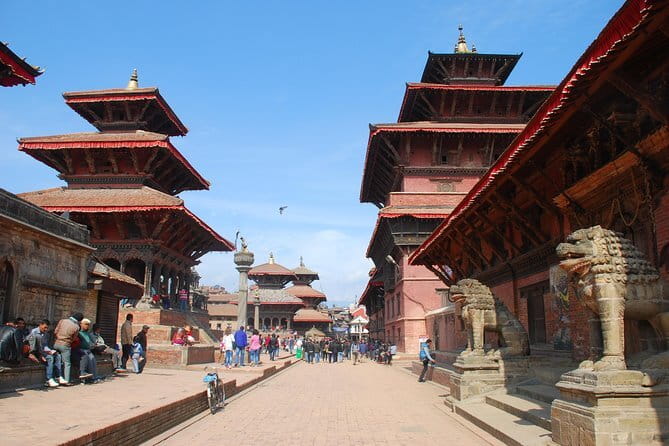
Many treks feel like a repeat movie: you walk back the way you came, and the scenery becomes a soundtrack you already know. This trek reduces that letdown with a planned route change.
Instead of following the same Mardi Himal trail on the return segment, you trek a different route to reach Shiding Village. That’s a practical choice, not just a novelty. Different paths can change the type of walking, the views you catch, and the sense of progress.
From Shiding Village, you drive back to Pokhara for an overnight stay. This is one of those underrated comfort moves. You finish the trek with a transition day rather than immediately starting another long series of climbs or hikes.
Back in Pokhara, you get a chance to reset. The next morning, you have breakfast at your Pokhara hotel and then take a small walk or drive to the tourist bus park. From there, you catch the bus back to Kathmandu, around 6 to 7 hours.
Back to Kathmandu: One Last Night, Then Fly Out
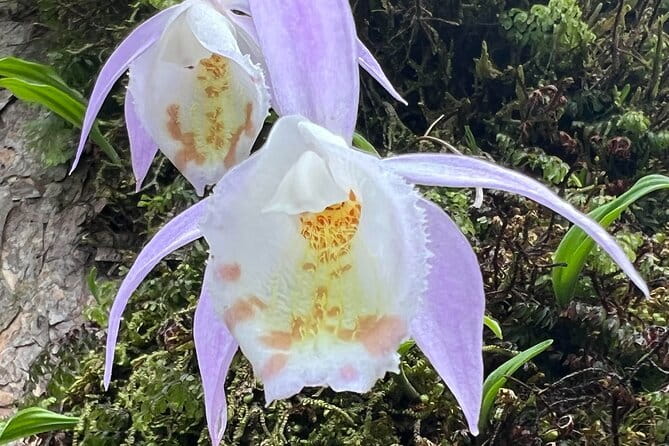
On the ride back to Kathmandu, you’re moving from mountain altitude down to city altitude, which often feels like a clean mental switch. You’ll arrive back with a different kind of tired: the good tired that comes from steady effort and long, satisfying views.
The plan includes hotel pickup before your departure on the final day, with transfer to the airport. That’s helpful because it removes the last bit of stress. You’ve done the work. Now you just need a smooth exit.
You should also plan for the normal post-trek reality. Your body will want water, food, and rest. If you keep that simple routine after the final bus ride, the whole trip feels more complete.
Tea House Comfort, Meals, and the Human Touch From Magic Himalaya
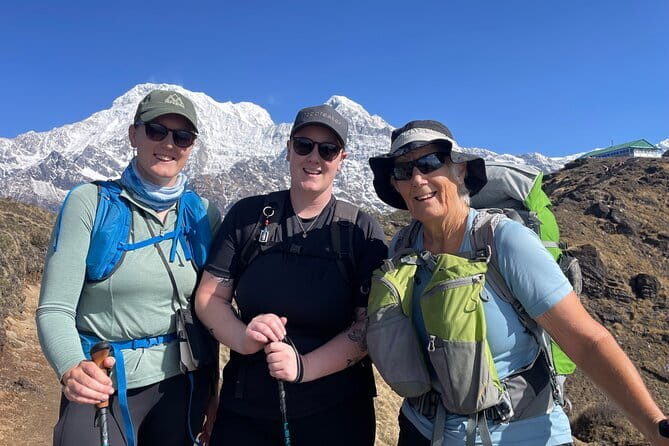
This trek leans on tea houses, which is the big difference between a modern tea house route and the older camping version. For you, tea houses mean fewer logistics decisions and more predictable days.
The included meal pattern is designed around the walking schedule. You get breakfasts throughout the trekking period, plus lunches and dinners on most trek days. That reduces the need to stop for long waits or negotiate food options when your energy is low.
The trek is also supported by the team logistics. The package includes guide and porter salaries, food, equipment, accommodation for the team, plus insurance and government tax. A lot of that is invisible to you, but it shows up as smoother service.
Service quality is a theme in the feedback you were given. People repeatedly describe the Magic Himalaya team as attentive and friendly, and owner Nabin is singled out as checking in and staying involved. That kind of management presence matters when you’re in the mountains. It’s not about constant attention, it’s about quick corrections if something feels off.
Even small details can help. The trip includes a medical kit box and required medicine, and you’re given a trekking map and a duffel bag for the porter. Those elements signal a basic level of preparedness, and that’s worth paying for.
Also, the package includes a farewell dinner and celebrations. That’s not just for fun. It gives closure and makes the last evening feel like part of the journey, not just a stop before you head home.
Altitude, Fitness, and Weather Reality You Should Plan For
You should go into this trek with moderate physical fitness. That is explicitly stated, and it’s also what the day structure suggests. You have long trekking blocks, including a day that runs about 10 hours with steep and narrow trail sections, plus another day that reaches an upper viewpoint.
One comment notes views up to around 4500 meters. You may feel that kind of altitude as reduced comfort and slower breathing, even if you don’t get dramatic symptoms. The practical move is simple: pace yourself and stay steady rather than sprinting for views.
Because the trek passes through forest, then opens toward higher, thinner tree line areas, you’ll likely experience changing exposure. In open spots, wind and chill can feel stronger. Bring layers so you can adjust without stopping for long.
If you want a trek that feels gentle all the way through, this might test your patience. If you want a rewarding Annapurna trek that balances time on your feet with good support, it’s a smart fit.
Who This Trek Suits Best (And Who Should Think Twice)
This is a great match if you want a quieter Annapurna region trekking experience and you like the tea house style. You’ll enjoy the classic mountain drama, especially the focus on Machapuchare (Fishtail) and the surrounding peaks.
It’s also a good fit if you prefer a shorter trek compared to longer Annapurna routes, but you still want several days where the views build and the trail feels like a real journey.
If you’re traveling with a group, the trip limits maximum group size to 16 travelers. Smaller groups usually help with trail traffic and keeping schedules calm.
Think twice if you struggle with long days or if narrow, steep footing makes you anxious. This route includes sections that are specifically described as steep and narrow, and that is the kind of terrain that rewards slow, careful movement more than speed.
Finally, if you dislike early mornings, you should plan carefully around the 1:15 am start time listed for the experience.
Should You Book This Mardi Himal Trek With Magic Himalaya?
I’d book it if you want a value-focused trek where the logistics are handled, the hiking is challenging enough to feel real, and the reward is solid Himalayan views without the biggest crowd energy. The combination of tea house convenience, included transport segments, and an attentive team that stays involved through owner Nabin gives this one a practical edge.
Skip it if you want an easy, low-effort walk every day, or if you’re not ready for steep, narrow trail segments and longer hiking hours.
One more practical note for peace of mind: free cancellation is available up to 24 hours in advance for a full refund, so you’re not locked in if your plans change.
FAQ
How long is the Mardi Himal Trek in this package?
It runs for about 9 days.
Where does the experience start and end?
It starts in Kathmandu, with airport pickup and a transfer to your hotel, and it ends in Kathmandu with pickup from your hotel before you go to the airport.
How do you get from Kathmandu to Pokhara, and back?
You travel by air-conditioned tourist bus from Kathmandu to Pokhara (about 7 hours), and on the return you take a bus from Pokhara to Kathmandu (about 6 to 7 hours).
Is airport pickup and drop-off included?
Yes. The package includes private vehicles for airport pick up and drop.
What meals are included during the trek?
Breakfast is included 8 times, lunch 5 times, and dinner 5 times during the trek period. Lunch and dinner in Kathmandu and Pokhara are not included.
Are permits included?
Yes. Annapurna conservation permits and required documents are included.
What fitness level do I need?
The trek is for people with moderate physical fitness.
Latest additions near Kathmandu
- Traditional Momo Making Class★ 5.0 · 10 reviews
- White Water River Rafting – 1 Day★ 4.3 · 3 reviews
- Kathmandu to Pokhara Premium sofa bus ticket★ 4.0 · 17 reviews
- Ghorepani Poon Hill Trek★ 5.0 · 16 reviews
- Amazing 1 Day Trekking Experience in Kathmandu Nepal★ 5.0 · 24 reviews
- Ghorepani Poonhill Trek★ 5.0 · 5 reviews
- Walking tour of real Kathmandu through back streets.★ 5.0 · 3 reviews
- Wildlife Adventure in Chitwan Nepal★ 4.0 · 4 reviews
Mardi Himal Treks, compared.
Mardi Himal Trek – 8 Days | Hidden Gem of the Annapurnas
Read our review →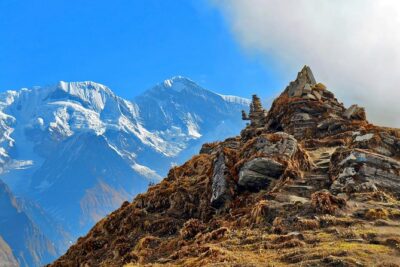
Browse the lists this tour appears in