
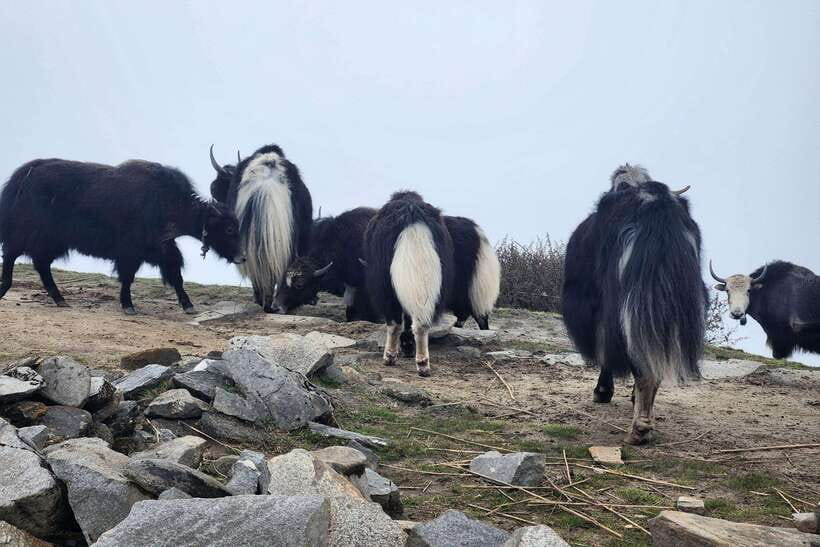
Reviewed · MARDI HIMAL TREKS
Pokhara: 4-Day Mardi Himal Trek
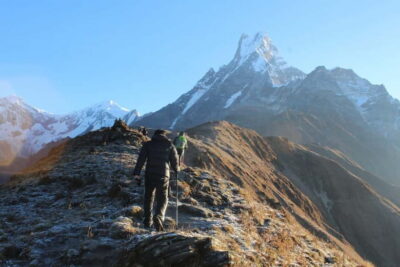
Mardi Himal pays you back at sunrise. This 4-day trek from Pokhara is built around sunrise at Viewpoint 4,200 m with Machhapuchhre (Mt. Fishtail) and the Annapurna range, plus rhododendron and village trails through forests, terraced fields, and warm Gurung and Magar communities, often with guides like Gobinda or Ramit keeping you comfortable and moving safely. The main drawback to plan for: the hiking involves lots of steps and steady altitude gain, and in winter or during monsoon, the higher optional sections can be limited by weather.
What I like most is how practical the whole setup feels. You get pick-up and drop-off in Pokhara, a licensed English-speaking guide, transport during the trek, and trekking gear like poles and a sleeping bag, so you can focus on pacing and enjoying the walk rather than logistics. It is also a private group, which helps the guide match your pace instead of herding you along.
In This Review
- Key points that make this trek worth your time
- Why Mardi Himal feels like the Annapurna area, minus the crowds
- Day 1 from Pokhara to Kande to Forest Camp (2,600 m): start easy, then walk into the trees
- Day 2 Forest Camp to High Camp (about 3,550 m): the jungle hike with wildlife moments
- Day 3 High Camp to the sunrise viewpoint near 4,300 m, then back down
- Optional push to Mardi Himal Base Camp (about 4,500 m)
- Day 4 Forest Camp down to Kalimati, then Jeep back to Pokhara
- The real value: guides, pacing, and how the trek actually runs day to day
- What you should know about inclusion, meals, and porter costs
- What to pack for Mardi Himal (and what to do about altitude)
- Seasons and weather, because your sunrise depends on them
- Price and logistics check: does $139 feel like good value?
- Should you book this 4-day Mardi Himal trek with MTA Trekking?
- FAQ
- How long is the Mardi Himal trek from Pokhara?
- Where does the trek start?
- What altitude is the main viewpoint?
- Is the trek suitable for beginners?
- What is included in the package price?
- Are meals included?
- Do I need travel or rescue insurance?
- What is the porter cost if I want help carrying?
- What should I bring?
- When is the best time to do this trek?
Key points that make this trek worth your time
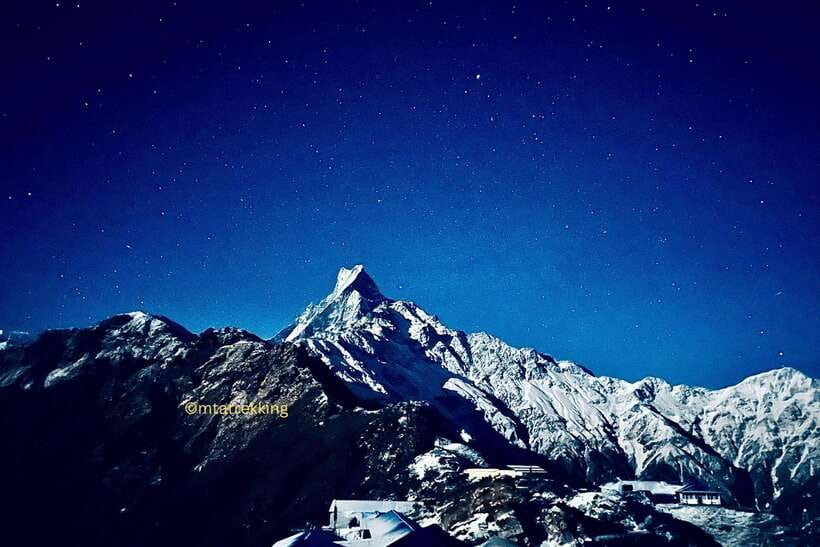
- A sunrise mission with real payoff: early hike to the viewpoint around 4,300 m, with Mt. Fishtail and Annapurna views when skies cooperate.
- Forest-to-camp progression: lush lower trails, then darker jungle and higher ridges as you climb toward High Camp.
- Village warmth on the way up: Gurung and Magar hospitality shows up in tea houses and small stops along the route.
- Wildlife chances, not just scenery: you may spot birds, butterflies, and even Himalayan thar in the right conditions.
- Optional Mardi Himal Base Camp with smart limits: your guide decides whether to continue based on snow and trail safety.
- Teahouses that feel homey, not fancy: cozy stays and good food culture at the camps, especially during the colder mornings.
Why Mardi Himal feels like the Annapurna area, minus the crowds
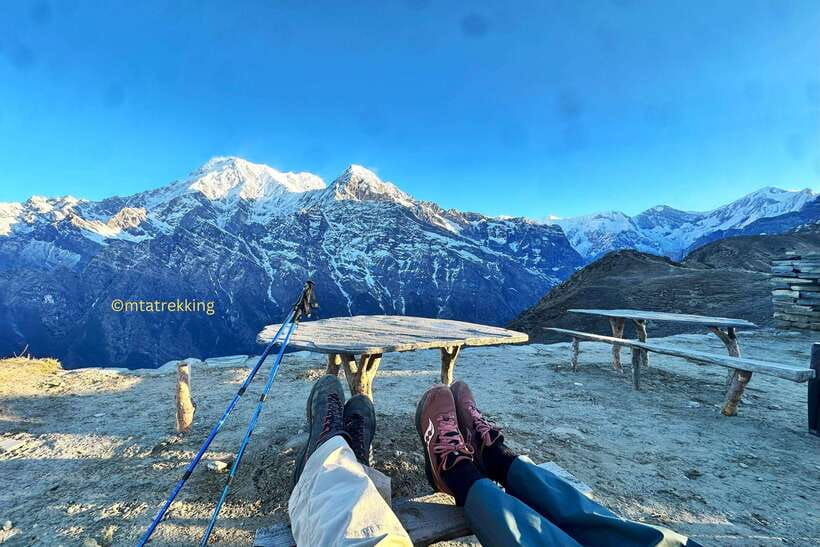
Mardi Himal is in the Annapurna region, but it tends to feel quieter than the famous Annapurna routes. That matters. When you walk through forests, climb ridgelines, and wait for sunrise, you want breathing room. Fewer people means you can enjoy the sound of wind in the trees, chat with hosts, and take your time on the steps.
Another reason I like this trek: it is not technical climbing. It is a hiking trek with a steady vertical goal. Reviews and guides consistently emphasize that the trail is manageable for people who are prepared for effort, not for scrambling. That is a key difference between a trek that feels like an adventure and one that feels like a grind.
More Treks in Pokhara
- Poon hill Trek 3 days
★ 5.0 · 176 reviews - Trekking in Annapurna/Langtang/Everest/Upper Mustang regions
★ 5.0 · 161 reviews - Pokhara: 4-Day Ghorepani, Poonhill & Ghandruk Mountain Trek
★ 5.0 · 132 reviews
Day 1 from Pokhara to Kande to Forest Camp (2,600 m): start easy, then walk into the trees
Your day begins with an early morning pick-up from one of six Pokhara locations. Then you drive about 1.5 hours to Kande, with plenty of scenic stops built into the experience. You will pass lush fields, dense forest sections, and the calmer stretches of the Seti River area, plus classic mountain views that make you feel like you are already in the Annapurna mood.
After a midday tea house stop at Kande, you switch into trekking. The hike to Forest Camp (around 2,600 m) takes about 5 hours and is all about easing your body into the rhythm. This is where you get the best “transition day” benefits: terraced fields give way to forest, and the walking stays steady without feeling like a punishment.
What to watch for on Day 1:
- Mosquitoes and leeches can show up in wetter forest sections, so treat this as a forest trek as much as a mountain trek.
- If you dislike long stair-like walking, Day 1 still has plenty of step work, just less relentlessly than higher days.
Day 2 Forest Camp to High Camp (about 3,550 m): the jungle hike with wildlife moments
Day 2 is the big middle step. You wake up at Forest Camp, enjoy breakfast, then start a trek of about 5 hours toward High Camp (around 3,550 m), with the route climbing into areas described as dense jungle and deeper forest.
This is the day when the trail starts to feel higher and more enclosed. In good visibility, you get frequent glimpses back toward the surrounding hills. In fog, you get that quiet, rolling-in feeling as clouds drift over the slopes. Either way, it is atmospheric trekking.
Wildlife sightings are part of the charm here. You might catch birds or butterflies in the right light. You may even see Himalayan thar if you are lucky and the animals are active.
The tea house and overnight part:
- Your night at High Camp is a traditional stop, built for trekkers. Expect basic comfort, warm food, and a slower pace at night.
- Reviews also highlight that guides manage meal planning well here, which helps you avoid the common mistake of arriving tired and underfed.
Day 3 High Camp to the sunrise viewpoint near 4,300 m, then back down
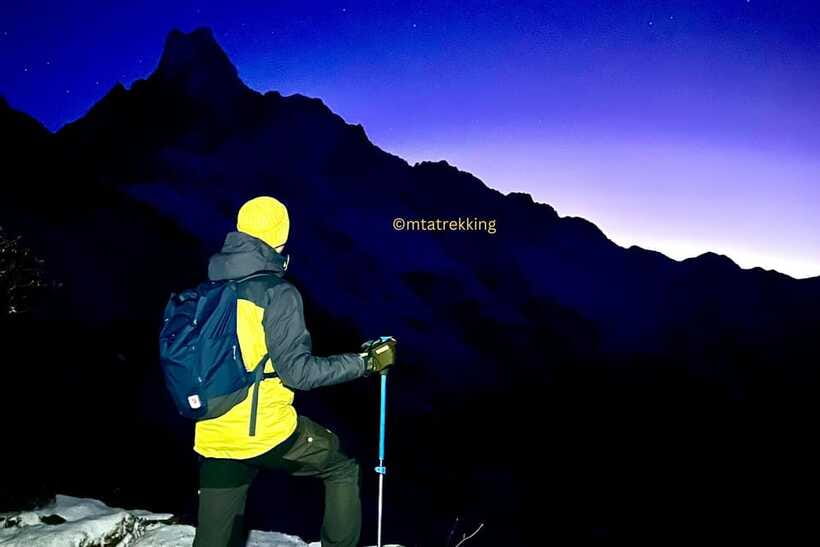
Day 3 is split into two moods: early mountain magic, then a return to comfort.
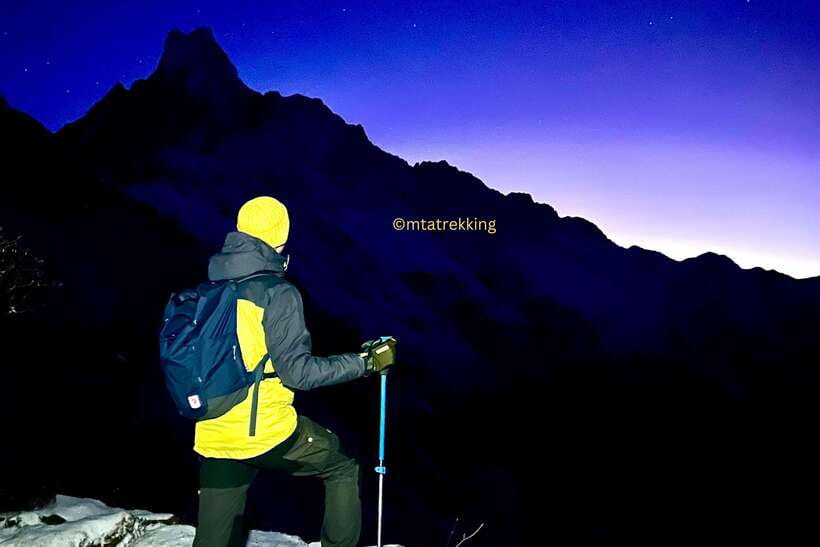
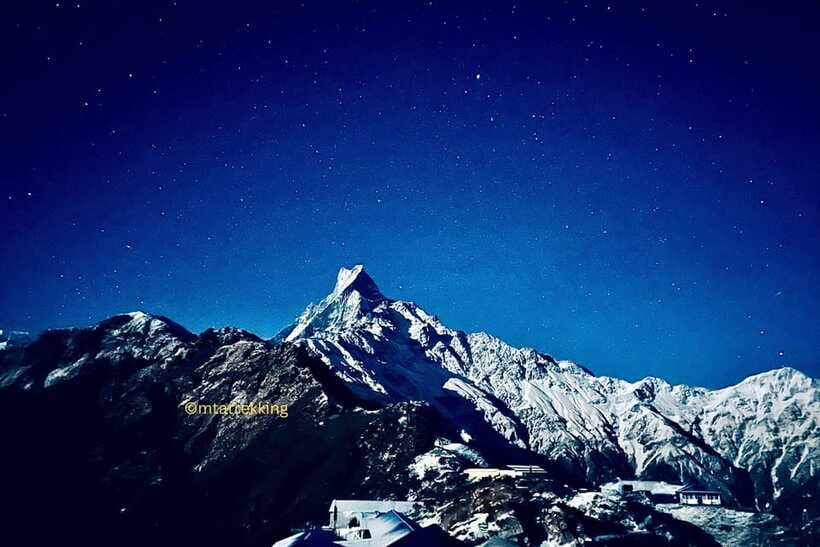
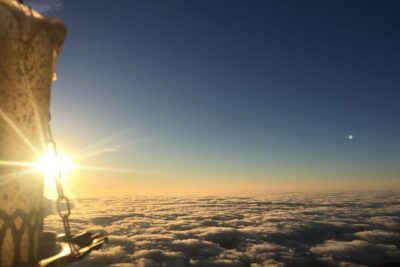
You start around 4:00 am for an early hike of about 1.5 to 2 hours from High Camp to the sunrise viewpoint (around 4,300 m). This is the moment you came for. When the sky clears, sunrise over Machhapuchhre (Mt. Fishtail) and the Annapurna range can look unreal. The views are wide enough that you can see how Mardi Himal fits into the bigger geometry of the mountains.
Two practical tips that make this section easier:
- You will likely feel chilly at that altitude before the sun warms the rocks. Warm layers matter more than fashion.
- Use the early hours to control your pace. You do not need to sprint to make sunrise. You need to arrive breathing calmly.
More Mardi Himal treks:
- Private Mardi Himal Trek
★ 5.0 · 42 reviews - From Pokhara: 4-Day Mardi Himal Base Camp Trek
★ 4.9 · 31 reviews - Mardi Himal Trek
★ 5.0 · 30 reviews - 4 Day Mardi Himal Base Camp Trek from Pokhara
★ 5.0 · 18 reviews
Optional push to Mardi Himal Base Camp (about 4,500 m)
There is an optional continuation to Mardi Himal Base Camp (around 4,500 m) if the weather allows. Your guide will make the call based on snow and conditions. In winter months, heavy snow can make the higher section challenging, and caution matters.
This is one of those times where “optional” really means “only if it is safe.” Guides may discourage the continuation when snow or visibility turns risky. That conservative decision is usually the right one, because you still get the core sunrise payoff either way.
After sunrise, you descend back toward Forest Camp (2,600 m) for the night. The descent is where you regain your legs, but it is also where you need to keep an eye on footing. Rocks and slopes in higher areas can feel steeper than they look.
Day 4 Forest Camp down to Kalimati, then Jeep back to Pokhara
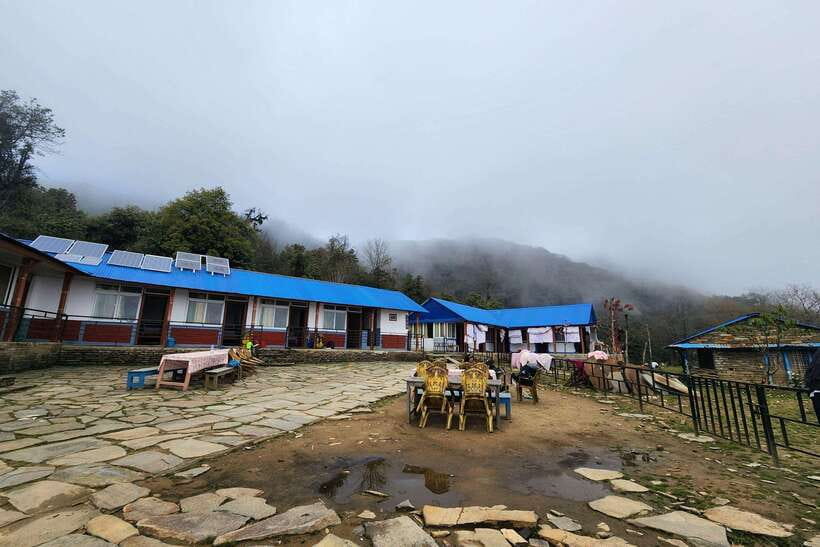
Day 4 is your release day, but not a free ride day.
You start with breakfast after your morning trail routine, then trek down toward Kalimati (around 1,800 m). The walking is described as calmer: bird sounds, lush forest paths, gentle waterfalls, and small bridges that keep the trail interesting even when your mind is ready for the finish line.
A big plus here is how Machhapuchhre stays in view as you go. That keeps the day from turning into just “walking down because we have to.” You still feel connected to the mountain for the whole descent.
Transport back:
- From Kalimati, you board a jeep directly to Pokhara, typically 1.5 to 2 hours.
- When you are back in Pokhara, you feel the difference instantly, from high altitude air to city comfort.
The real value: guides, pacing, and how the trek actually runs day to day
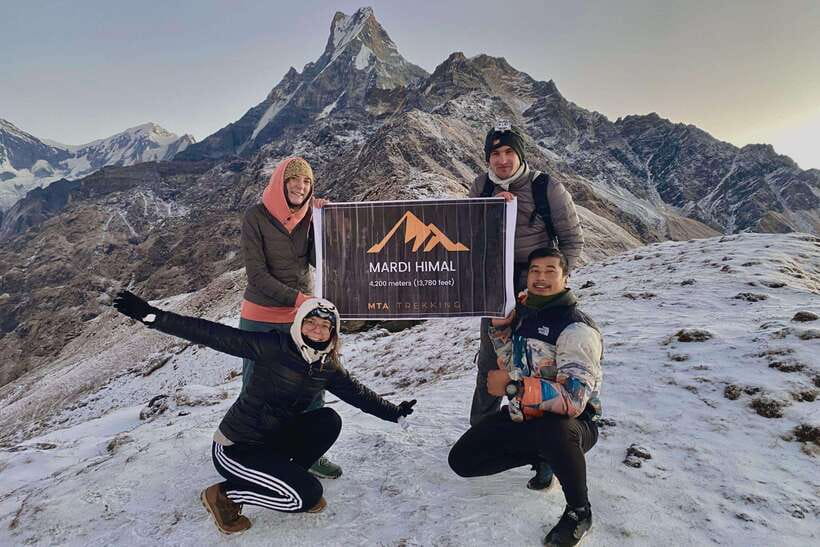
This trek’s reputation is strongly tied to people, not just scenery. Across guides you might meet on this route, the common thread is care: checking how you are feeling, adjusting pace, and planning rest and tea house stops so nobody feels rushed.
You might work with guides such as Ramit, Lalit, Prabit, Kaji, Jeevan, Santosh, Binod, Gobinda, or Shishir, depending on the group. The pattern from the experience notes is consistent: they keep logistics smooth, take time to explain local culture, and pay attention to safety, including altitude stress.
Altitude support is not just a theory here. If you start showing symptoms, a good guide will manage the situation and help you stay on plan when possible. Reviews specifically mention help during altitude sickness situations, including staying cautious and safe.
Food and teahouses:
- Your comfort depends on how you handle meals at altitude. Guides help by choosing stops and managing what you order.
- One practical tip that comes up repeatedly: guides often encourage avoiding heavy or unsuitable foods at higher elevations and focusing on fresh, simple meals when possible.
Tea house reality check:
- Expect basic facilities. Some nights can be cold, and showers or phone network can be limited in higher camps, depending on conditions.
- A small but meaningful comfort add-on from reviews is the idea of bringing a sleeping solution you trust for hygiene, even if trekking gear is provided.
What you should know about inclusion, meals, and porter costs
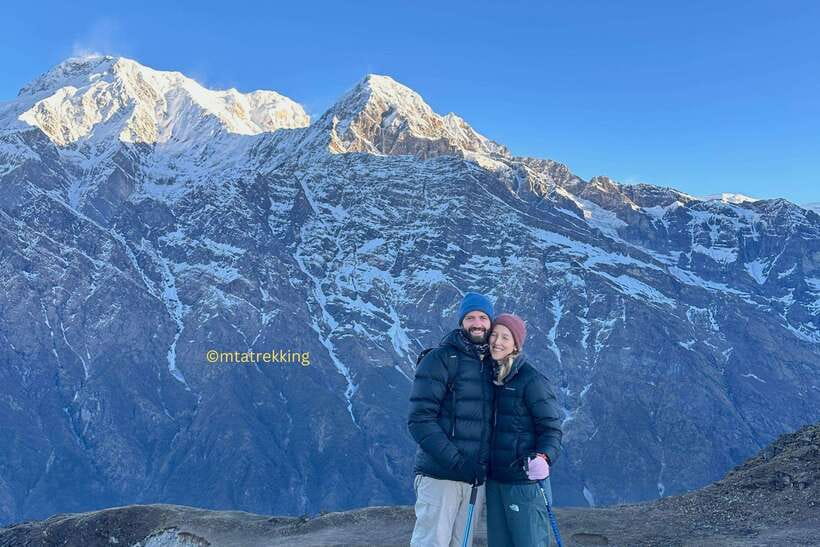
This is where people can get surprised, so I am going to be very direct.
Included in the package:
- Hotel pick-up and drop-off in Pokhara
- A licensed guide (English-speaking)
- Trekking permits and required paperwork, including TIMS
- Tea house or accommodation for the Standard arrangement
- Private accommodation during the trek, with the note that solo travelers may share rooms in peak season
- Trekking gear provided (trekking poles and a sleeping bag are specifically mentioned)
- Meals (breakfast, lunch, dinner) are included only in the Full Package
- Transportation during the trek
Not included:
- Soft and hard drinks
- Travel and rescue insurance
- Personal items like toiletries, laundry, phone calls, and boiled water
- Porter costs: $20 per day
Value-wise, the trek is priced low enough that you should think of it as paying for a full guiding and logistics service, not just a route. If you choose the Standard package, your meal plan matters because breakfasts and dinners are not automatically included. If you choose Full, your days feel more predictable.
Porters:
- If you want less weight on your back, a porter is the clean solution. At $20 per day, the cost is usually easier to justify if it helps you keep your energy for the stairs and altitude.
What to pack for Mardi Himal (and what to do about altitude)
Bring your basics, and bring them warm.
From the provided checklist:
- Warm clothing
- Sunglasses
- Sun hat
- Sunscreen
- Flashlight
Altitude and safety notes you should treat seriously:
- Viewpoint sits around 4,200 m, and Mardi Himal Base Camp is around 4,500 m.
- Winter brings snow risk, and the higher sections beyond the viewpoint can become steep and slippery with reduced safety infrastructure.
- Monsoon conditions also make things trickier beyond the viewpoint.
So how do you handle altitude with common sense?
- Walk slower than you think you need to.
- Keep yourself warm at rest breaks.
- Drink water regularly, even when you do not feel thirsty.
- If you have altitude experience, you might consider altitude tablets as a backup plan, as suggested by some first-timers in the experience notes.
- And if you have any history of altitude sickness, this trek is not the time to test it, because it is not listed as suitable for people who already struggle with altitude.
Who this trek fits best:
- People with decent hiking fitness who can handle daily climbs of several hours.
- First-time Himalayan hikers who want a non-technical challenge and a guide who manages pace.
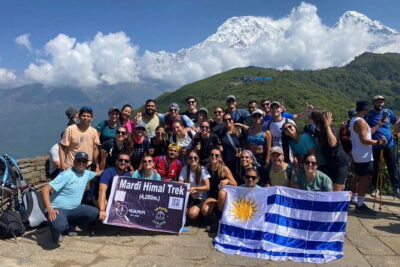
- Couples and solo travelers who like a private-group feel and prefer not to race a crowded trail.
Who should skip it:
- Pregnant women
- Anyone with altitude sickness
- People over 70
Seasons and weather, because your sunrise depends on them
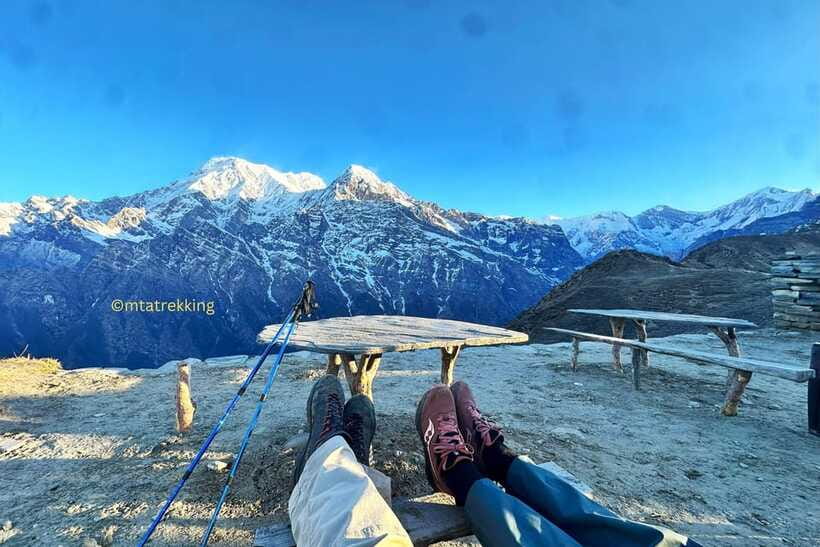
The trek runs best in spring (March to May) and autumn (September to November). Those seasons usually mean more stable conditions and better mountain visibility, which is everything when your big moment is sunrise at altitude.
If you are coming in winter or monsoon, understand what that can mean:
- Snow can force the guide to limit the hike beyond the viewpoint.
- Rain and slippery trail conditions can reduce safety and change the plan.
In short, the route itself is reliable, but the mountain is the boss.
Price and logistics check: does $139 feel like good value?
For a 4-day trek from Pokhara at $139 per person, the value is mainly in what is included: permits (TIMS), a licensed guide, transport, trekking gear, and the core overnight support. This is not just a ticket to a trailhead.
Where you may spend extra:
- Drinks and personal expenses are not included.
- Meals depend on whether you choose Standard or Full.
- Porters are an extra $20 per day if you want them.
So is it a good deal?
- If you want a guided, organized experience with minimal planning, yes, it is strong value.
- If you plan to eat only basic meals and keep your costs tight, Standard can work well, but you need to be ready to cover what you eat.
- If you prefer predictable daily meals and less decision-making, Full is usually the smoother choice.
Should you book this 4-day Mardi Himal trek with MTA Trekking?
I would book this trek if you want a classic Annapurna experience without the heavy-crowd feel, and if you are excited by sunrise views from a real altitude viewpoint. The biggest reason to choose it is the guide-led pacing. Names like Ramit, Lalit, Prabit, Kaji, and Jeevan show up because they are repeatedly praised for caring support, safety attention, and making the day feel manageable even with a lot of steps.
I would think twice if you are traveling in winter or monsoon and your plan depends on reaching the optional base camp. Conditions can change, and the guide may adjust for safety. Also, if you hate stair-style hiking, mentally prepare for the step-heavy sections.
If you match the trek to your fitness and season, you will walk away with that Mt. Fishtail sunrise memory, plus four days of forest, villages, and mountain air that feels a little more personal than the big-name trails.
FAQ
How long is the Mardi Himal trek from Pokhara?
The trek runs for 4 days.
Where does the trek start?
It starts from Pokhara, with a drive to Kande before you begin trekking.
What altitude is the main viewpoint?
The sunrise viewpoint is around 4,200 m, and the optional Mardi Himal Base Camp is around 4,500 m.
Is the trek suitable for beginners?
It is described as a moderate trek that can suit all levels, including beginners who want adventure, as long as they are prepared for the hiking effort.
What is included in the package price?
The package includes hotel pick-up and drop-off in Pokhara, a licensed English-speaking guide, permits including TIMS, taxes, tea house or accommodation for the Standard arrangement, private accommodation during the trek (with possible room sharing for solo travelers in peak season), and trekking gear like poles and a sleeping bag, plus transport during the trek.
Are meals included?
Meals are included only in the Full Package. The Standard Package does not include meals.
Do I need travel or rescue insurance?
Travel and rescue insurance is not included in the package.
What is the porter cost if I want help carrying?
Porter costs are listed as $20 per day (not included in the package).
What should I bring?
Bring warm clothing, sunglasses, sun hat, sunscreen, and a flashlight.
When is the best time to do this trek?
Spring (March to May) and autumn (September to November) are noted as the ideal times for more stable weather and better mountain views.
Latest additions near Pokhara
- Pokhara: Pokhara Highlights Tour by Bus★ 3.6 · 10 reviews
- Discover Pokhara in Style: Private Vehicle Service with Driver★ 5.0 · 5 reviews
- Pokhara in 5 Hours: Lake, Museum, Cave, Falls & Pagoda Hill★ 4.5 · 16 reviews
- The World Peace Pagoda in Pokhara★ 4.5 · 7 reviews
- 7-Day Trek to Annapurna Base Camp from Pokhara★ 5.0 · 12 reviews
- 4 Day Mardi Himal Base Camp Trek from Pokhara★ 5.0 · 18 reviews
- Unique Easy Hiking to Foxing Hill from Pokhara★ 5.0 · 4 reviews
- World Peace Stupa Day Hike From Pokhara★ 5.0 · 4 reviews
Mardi Himal Treks, compared.
Mardi Himal Trek – 8 Days | Hidden Gem of the Annapurnas
Read our review →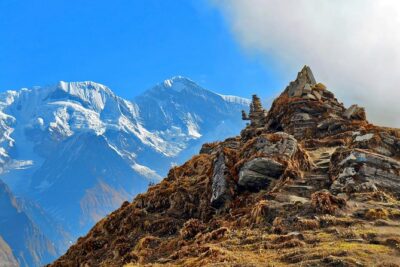

Browse the lists this tour appears in