
Reviewed · MARDI HIMAL TREKS
Mardi Himal Trek – 8 Days | Hidden Gem of the Annapurnas
Mardi Himal is the Annapurnas, minus the circus. This private 8-day trek keeps altitude moderate, offers excellent mountain sightlines, and gives you time to settle into the rhythm instead of sprinting for summits. You’ll trek with a guide, learn what you’re walking through, and move at your own pace.
What I really like here is how the itinerary is built around acclimatization. You max out around 4,500 meters (14,760 feet), and the trek stretches long enough to make altitude feel manageable for a lot of people with moderate fitness. I also like the comfort-and-structure balance: basic but comfortable teahouses and meals (breakfasts are included) take logistics off your plate.
The one drawback to consider is that this is still a trek, not a walk in a park. Even with a moderate high point, you’ll hike on uneven trails, and some days involve longer uphill stretches, so you’ll want to show up with real trekking fitness and the right gear.
In This Review
- Key things to know before you go
- Mardi Himal at 4,500m: Why this altitude mix works
- Value check: what $666.67 buys in a private, meal-included trek
- Getting started in Kathmandu and Pokhara: timing that reduces stress
- Day 2 to Day 3: drive to Kande, then ease into the Annapurnas
- Rhododendron forests and quieter trails: what Day 4 adds
- The longer push above the trees: Day 5 to the alpine feel
- Early viewpoint and High Camp breakfast: Day 6 at full view power
- Day 7 descent through forest and settlements, then back to Pokhara
- Day 8 Kathmandu return: smooth ending with time to breathe
- What makes this private setup feel different on the trail
- Who should book this Mardi Himal base camp trek
- Should you book this Mardi Himal Trek in 8 days?
- FAQ
- What’s the highest altitude on this Mardi Himal trek?
- How long is the trek?
- Is this a private trek or a group trek?
- What meals are included?
- Do I need to budget for drinks?
- When does the tour start?
Key things to know before you go
- Moderate altitude, serious views up to 4,500m, with Mardi Himal and Machhapuchhre in sight.
- Private trek means flexibility, plus your guide stays with you to help you manage pace and breaks.
- Teahouse stays are part of the plan, with breakfasts included and lunches and dinners provided during the trek.
- Rhododendron forests and quieter sections give you a calmer Annapurna feeling than the most crowded routes.
- Early starts and scenic drives help you get to the trails while the weather is still setting up.
Mardi Himal at 4,500m: Why this altitude mix works
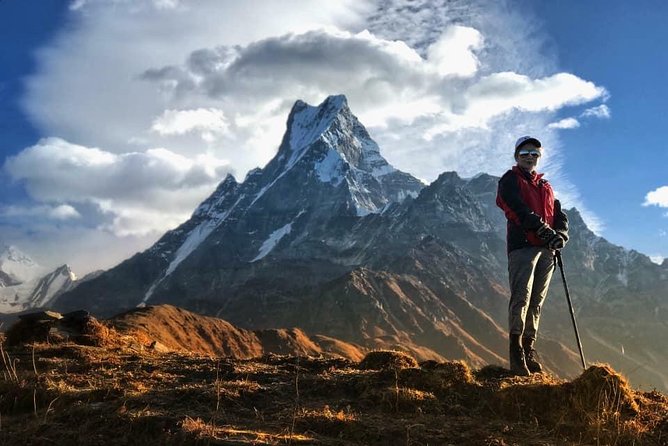
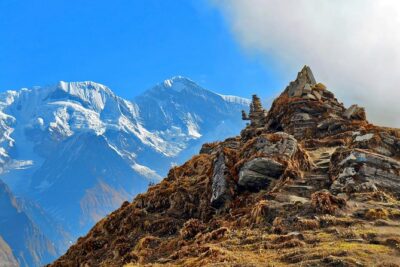
Mardi Himal is one of those routes that hits a sweet spot. You get into classic high-country Nepal scenery, but you don’t have to deal with the extreme altitude stress of the highest Himalayan treks. The top is listed at about 14,760 feet (4,500 meters), and that matters because it keeps the trip in the “challenging but doable” category for many hikers.
You also get a trek that is longer than the usual quick push. That’s a big deal. Altitude feels easier when you’re not constantly rushing to the next camp, and when you have time to breathe, hydrate, and walk slower if your body needs it. This itinerary is designed with that in mind, so you’re not just buying a route, you’re buying a pacing strategy.
You’ll still feel the elevation. Nights in the higher areas can be cold, and your legs will notice the climbs. But the overall structure aims to prevent the common problem where you go up too fast, too soon.
More Treks in Kathmandu
- Everest Base Camp Trek – 14 Days
★ 5.0 · 1,499 reviews - Everest Base Camp Trek
★ 5.0 · 842 reviews - Everest Base Camp Trekking
★ 5.0 · 485 reviews
Value check: what $666.67 buys in a private, meal-included trek
At $666.67 per person for an 8-day private trek, the value depends on what you’re comparing it to. If you’re used to DIY trekking, this price can feel high at first. But once you add up the real-world parts that cost time and energy, it becomes clearer.
Here’s what’s explicitly included:
- Meals: breakfasts (7), lunches (5), and dinners (5)
- Teahouse trekking stays in basic but comfortable conditions (including breakfasts)
- A private guiding setup so you’re not dealing with group chaos or split decisions
- Transfers and trek logistics tied to the Kathmandu and Pokhara route
What’s not included:
- Drinks (so plan on budgeting for bottled water or hot drinks once you’re on the trail)
My take: paying for private guiding plus meal coverage is often worth it on a trek like this. You lose less time handling arrangements, and you gain more confidence on days where weather or trail conditions change. Also, the private setup is where “at your own pace” becomes real, not just a marketing line.
If you’re the type who likes to focus on walking and scenery instead of route math and logistics, this price lands in the practical zone.
Getting started in Kathmandu and Pokhara: timing that reduces stress
Your trek rhythm begins in Kathmandu. The start time listed is 6:15 am, so plan for an early pickup and a straightforward first day. Day 1 is a transfer to your Kathmandu hotel, then time to explore Thamel and get ready.
Thamel is useful for practical reasons. You can top up on trekking essentials, hydrate, and adjust your layers before the long travel day. It’s also where solo trekkers often feel comfortable because there are plenty of travelers moving around and lots of local staff to help with quick questions.
Then you move to Pokhara by tourist bus, leaving early at about 6:30 am. The drive passes along the Trishuli and Marshyangdi rivers, which is a nice break from airports and long check-in lines. In the evening, you get a walk along Lakeside for an easy decompress. That kind of gentle landing matters. It sets you up for an early morning start to the mountains.
One more thing I liked from the overall feedback about this operator: the coordination feels human. People mention feeling taken care of, not shuffled through. If that matters to you, it’s a good sign.
Day 2 to Day 3: drive to Kande, then ease into the Annapurnas
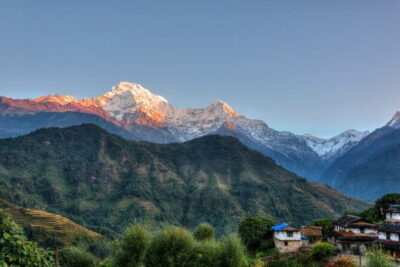
On Day 3, you take a 1.5-hour drive to Kande. From there, the trek begins through Australian Camp and Pothana, and you’re on a forested trail with mountain views including Annapurna and Machhapuchhre.
This is a smart first trekking stretch because you’re not thrown immediately into the steepest altitude challenge. Forest trails usually make the hike feel more forgiving, and they help you find your pace while the scenery still shows up through the trees.
You’ll also get early “recognition moments,” like realizing that Machhapuchhre (the fishtail) is the dramatic anchor in the background. When your eyes learn a peak early, the rest of the trek becomes easier to follow, even when you can’t see the entire route.
Practical tip: start slow on the first hiking day after the long drive. Your body is still converting to “walking mode.”
More Mardi Himal treks:
- Mardi Himal Trek
★ 5.0 · 41 reviews - Mardi Himal Trek Nepal
★ 5.0 · 29 reviews - Mardi Himal Base Camp Trek -9 Days
★ 5.0 · 18 reviews - Mardi Himal Trekking
★ 5.0 · 13 reviews
Rhododendron forests and quieter trails: what Day 4 adds
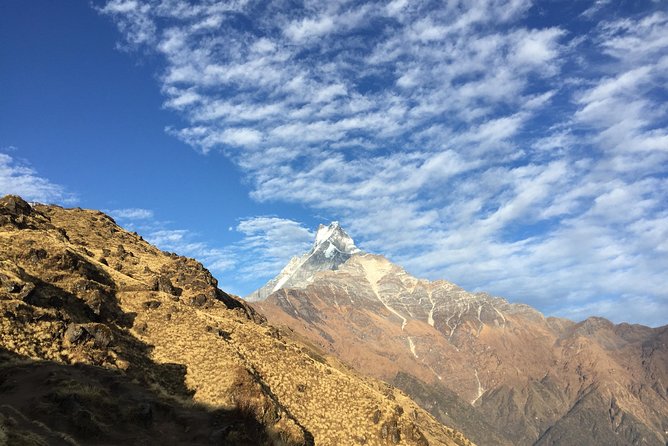
Day 4 is described as a quiet trail through rhododendron forests, and it’s intentionally framed as a less crowded section of the Annapurna region.
That one detail can make a huge difference in how the trek feels. Crowding can push you into faster pacing, or it can make it harder to rest without feeling like you’re holding up other people. A quieter day gives you space to stop for photos, drink water, and let the forest sounds replace the constant clatter of group traffic.
Rhododendron forests also bring variety to the trekking experience. Even if you’re focused on mountain views, forest days can be mentally refreshing. They’re also a good day to practice your “move, pause, breathe” routine, so your acclimatization stays on track.
The longer push above the trees: Day 5 to the alpine feel
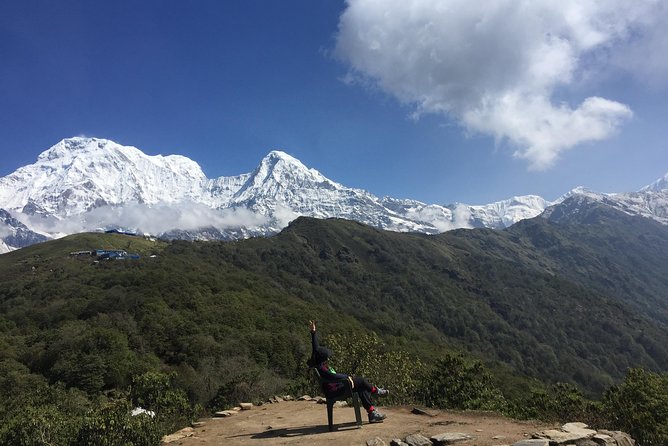
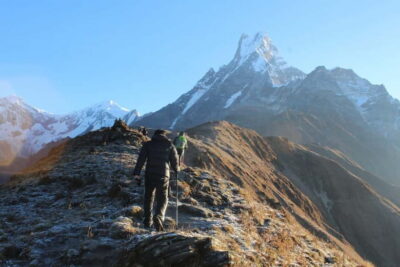
Day 5 brings a gradual ascent with major view potential. You’re hiking to areas framed as above the tree line, into more alpine terrain, with views of Mardi Himal and Machhapuchhre. The hike time here is listed at around 6 hours.
This is the day when many people start feeling the trek as a workout. Even with gradual ascent, you’ll notice more exposure. Wind can show up more than it does in dense forest, and the air can feel drier.
What’s valuable about this day is that it transitions you into the higher-world without pretending it’s easy. You still get time to settle, but the scenery starts telling you that you’re nearing the heart of the route.
Practical tip: if you carry a light daypack, this is a good day for it. Keep layers ready, but don’t load yourself up with extra stuff “just because.”
Early viewpoint and High Camp breakfast: Day 6 at full view power
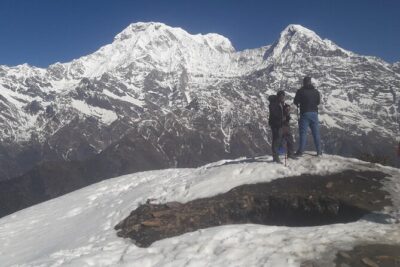
Day 6 is built around an early start. You’ll do an early morning hike to the viewpoint, with panoramic views described for Annapurna South, Hiunchuli, and Machhapuchhre. Then you return to High Camp for breakfast and rest, with about 3 hours of trekking time on the day.
This is one of those classic mountain-timing setups. Morning hours tend to be the best bet for clearer sightlines, and the itinerary explicitly uses that window. The format is also kind to your energy. You get the view run, then you come back for breakfast and recovery.
This also matters psychologically. You don’t just suffer uphill all day and hope something looks good at the top. You get a planned payoff.
What I’d do if you’re sensitive to cold: keep your layers consistent. If you’re shivering at the start, it can sap energy fast. Also, after the hike, breakfast at High Camp is a real comfort anchor. It turns the day from “chasing altitude” into “enjoying it.”
Day 7 descent through forest and settlements, then back to Pokhara
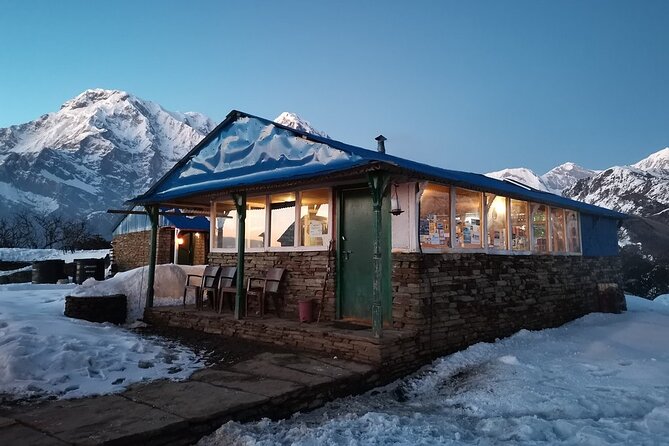
Day 7 is described as a final descent through forest and small settlements, followed by a drive back to Pokhara. Then you get a free evening by Lakeside to relax.
Descending days can feel deceptively easy until you realize your knees are doing a lot of work. Take shorter steps and keep your weight balanced. This is also a great day to focus on hydration, because you’ll be tempted to slow down and forget you’re still trekking.
The payoff is that you end the day in a comfortable, social setting. Lakeside evenings give you a chance to rinse off, get warm food, and reset your brain. After several days on trail, that normal routine can feel priceless.
Also, if you like a cozy place to land, some people highlighted a particular guesthouse in Pokhara and recommended it. If you have preferences, ask your operator what your Pokhara stay is and whether that place is used for your dates.
Day 8 Kathmandu return: smooth ending with time to breathe
On Day 8, you take a morning tourist bus back to Kathmandu, then transfer to your hotel.
The listing shows about 6 hours total for this return travel day. It’s not an ultra-fast exit, which actually helps. It means you’re not doing an all-out rush on your last morning. And because you spent the previous evening relaxing, you arrive with less of that “travel hangover.”
Practical tip: pack a small bag with what you need for the bus ride. Even when the trip is organized, you want water, a light layer, and something simple to pass time comfortably.
What makes this private setup feel different on the trail
A lot of treks say private. This one connects private guiding to real outcomes in the experience.
You’ll get a guide who:
- supports you through the days
- helps you manage pace without rushing
- explains the nature and culture you see along the way
In the feedback pattern tied to this operator, the big wins are consistent: people describe guides as welcoming and informative, and they mention not feeling overwhelmed. That’s exactly what you want from a private guide on a route that still includes climbs and altitude.
You also get the flexibility to customize the trek to your needs. That can mean slower pacing, extra breaks, or small adjustments to how you handle tough moments. When you’re spending multiple days hiking, small pacing changes can make the difference between “tough but fun” and “tough and miserable.”
If you’re going solo, this private structure can also add comfort. The route has plenty of shared tea house stops, but the day-to-day experience is still “your group only,” which can reduce anxiety.
Who should book this Mardi Himal base camp trek
This trek makes the most sense if you want:
- moderate altitude with big Annapurna-area views
- a teahouse trek that doesn’t require camping gear
- a guided experience that focuses on both hiking and what you’re seeing
- an itinerary with time built in for acclimatization
You’ll probably love it if you’re a confident intermediate hiker with moderate fitness, or if you’re newer but you walk consistently and follow your guide’s pacing. The tour notes specify a moderate physical fitness level, which is a helpful signal that this is not “beginner shuffle” but also not a technical mountaineering assignment.
You might want to reconsider if:
- you get stressed by early starts and long drive days
- you have knee or balance issues and can’t manage uneven trail
- you want something at lower altitude with shorter daily hikes
Should you book this Mardi Himal Trek in 8 days?
If you want the Annapurnas feeling more personal, this is a strong choice. The max altitude at 4,500m keeps the experience in a more manageable range, and the multi-day pace plus acclimatization time is built into the plan. Add in the meal structure and teahouse comfort, and you get a trek that feels practical, not chaotic.
I’d book it if you match the fitness profile and you care about having a guide handle the moving parts. It’s also a good fit if you’d rather trek with confidence than gamble on logistics.
If you’re unsure, ask the operator a few direct questions before you pay: confirm your exact teahouse category, ask how the guide gauges your pace on ascent, and clarify what your Pokhara lodging will be. With that, you’ll be making a decision with your eyes open, not on hope.
FAQ
What’s the highest altitude on this Mardi Himal trek?
The trek reaches a maximum altitude of about 4,500 meters (14,760 feet).
How long is the trek?
The itinerary is set for 8 days, with travel days included between Kathmandu, Pokhara, and the trek start and finish points.
Is this a private trek or a group trek?
This is a private tour/activity, so only your group participates.
What meals are included?
Breakfast is included for 7 days, and lunches and dinners are included for 5 days each, during the trekking portion.
Do I need to budget for drinks?
Drinks are not included. You should plan to purchase beverages separately during the trek.
When does the tour start?
The listed start time is 6:15 am. The schedule includes early departures from Kathmandu and early trekking starts across the trip.
Latest additions near Kathmandu
- White Water River Rafting – 1 Day★ 4.3 · 3 reviews
- Traditional Momo Making Class★ 5.0 · 10 reviews
- Kathmandu to Pokhara Premium sofa bus ticket★ 4.0 · 17 reviews
- Ghorepani Poon Hill Trek★ 5.0 · 16 reviews
- Amazing 1 Day Trekking Experience in Kathmandu Nepal★ 5.0 · 24 reviews
- Ghorepani Poonhill Trek★ 5.0 · 5 reviews
- Walking tour of real Kathmandu through back streets.★ 5.0 · 3 reviews
- Wildlife Adventure in Chitwan Nepal★ 4.0 · 4 reviews
Mardi Himal Treks, compared.
Browse the lists this tour appears in