
Reviewed · MARDI HIMAL TREKS
Mardi Himal Trek
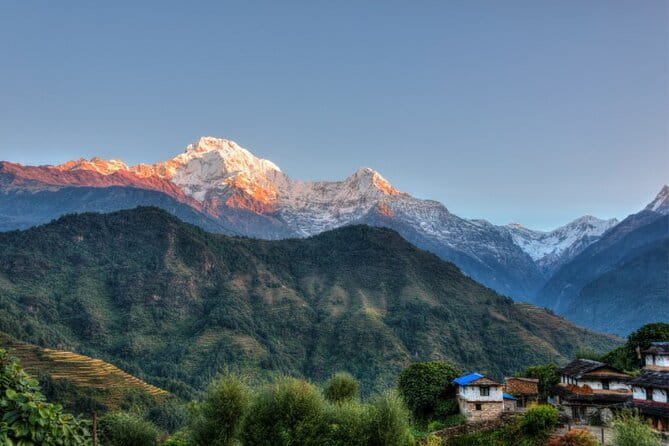
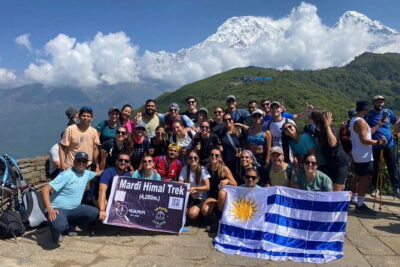
Big Himalayan views start with a gentler hike. This Mardi Himal trek is popular because it mixes a beginner-friendly climb with big payoff scenery, including Mardi Base Camp and the famous viewpoint over the Annapurna region. You get structured days, plus acclimatization stops that make the high altitude feel more manageable.
What I like most is how the route stages your effort, so you are not just white-knuckling uphill the whole time. The walking days flow through Deurali, Forest Camp, Low Camp, and High Camp, and each section has its own payoff, from rhododendron color in spring to wide panoramas at higher elevations. The second standout is the support system, with a licensed guide, strong porter team, and meals on the trail, which makes your energy go into hiking and enjoying the views.
One consideration: once you are above 3,000 meters, the air gets thinner and the nights get cold. Even with shorter acclimatization days, you still need to dress for winter-like temperatures at altitude, and you should plan for no hot shower being part of the deal.
In This Review
- Key things that make this trek worth your time
- Mardi Himal, explained like you’re planning your next hike
- Getting to Nepal’s trek rhythm: Kathmandu, then a morning hop to Pokhara
- From Deurali and Forest Camp, the trail turns scenic fast
- Low Camp and the smart acclimatization pattern above 3,000 meters
- High Camp and the push to Mardi Base Camp around 4,500 meters
- Sidhing and Lwangghale: when the trek shifts from height to people and plants
- Finishing in Pokhara: tea gardens, lakeside time, and a cultural reset
- What you get for the price, and why it can be fair
- The guide and porter factor: smoother days and better morale
- Cold nights, high altitude, and what to pack without overthinking
- Who should book Mardi Himal, and who should rethink it
- Should you book this Mardi Himal Trek?
- FAQ
- How long is the Mardi Himal Trek?
- Where does the tour start and end?
- What permits are included?
- Is the trek guide and porter included?
- Does the price include flights?
- What accommodation is provided?
Key things that make this trek worth your time
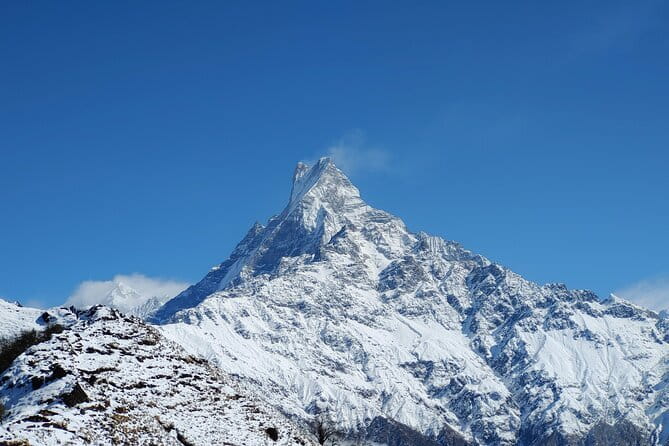
- Mardi Base Camp payoff: the climb is the emotional highlight, with dramatic Himalayan views from around 4,500 meters
- Acclimatization built into the schedule: shorter trekking days above 3,000 meters to help you adjust
- Guided, porter-supported trekking: a licensed guide plus an experienced porter, with meals and lodging handled on the trail
- Lodge comfort and simple choices: twin-sharing lodges, with food available along the route and small comforts like hot drinks when conditions allow
- Pokhara culture finish: you end with lake-town time, tea gardens, and guided sightseeing before returning to Kathmandu
- Value that adds up: domestic flights, permits, permits (ACAP and TIMS), and trekking gear support are included
Mardi Himal, explained like you’re planning your next hike
Mardi Himal is in Nepal’s Annapurna region, in the western side of the Himalayas, and it is known as a good “first serious trek” option. You still get real mountain days. You are walking on trails that can be steep, but the overall profile is often described as more approachable than the big-name epics, especially if you pace yourself.
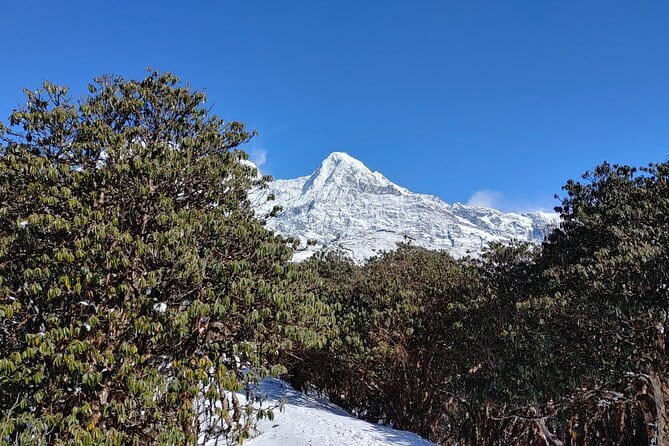
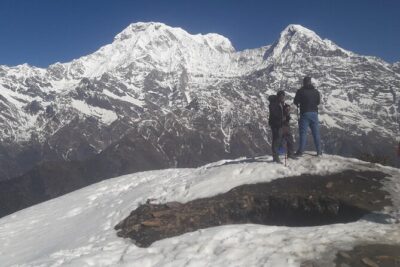
The headline is reaching Mardi Base Camp and taking in views of the Annapurna Massif, Mount Machhapuchhre, and Mardi Himal itself. The trek also plays to the seasons. In spring, the rhododendron woodlands can be a big deal for color, and those sections help break up the monotony of just climbing.
The other thing I appreciate is that the trek does not treat the altitude like a surprise. Above 3,000 meters, you are given shorter days and guidance around hydration. That matters, because the best route is the one you can actually enjoy.
More Treks in Kathmandu
- Everest Base Camp Trek – 14 Days
★ 5.0 · 1,499 reviews - Everest Base Camp Trek
★ 5.0 · 842 reviews - Everest Base Camp Trekking
★ 5.0 · 485 reviews
Getting to Nepal’s trek rhythm: Kathmandu, then a morning hop to Pokhara
Your journey starts in Kathmandu, where you land, get processed at the airport, and then go straight to Thamel for an easy night of recovery. You are staying in a 3-star hotel with breakfast in Kathmandu, which is a practical choice before trekking days begin.
Day 2 is where the trek really kicks off. You catch an early morning flight from Kathmandu to Pokhara, then drive toward Kande to start the walking route. This matters for two reasons.
First, it saves you travel time compared with doing the whole approach by road. Second, it sets your body up for hiking soon after you arrive in the mountains, rather than spending days in transit.
One small reality check: flights and early starts can feel rushed if you dislike mornings, but in a trek like this it keeps the schedule efficient.
From Deurali and Forest Camp, the trail turns scenic fast
As the trek begins in earnest, you follow the route toward Deurali, then onwards to Forest Camp. Expect a mix of easier stretches and steady climbs, especially as you start gaining height.
A typical rhythm looks like this:
- You hike for several hours with a gradual feel at first.
- You stop for meals at lodges along the way.
- The day ends at a camp-level lodge, so you sleep close to where you will start tomorrow.
Day 3 is about the jump to Forest Camp, with roughly a 6-hour hiking day. Day 4 then continues through mixed woodland areas, and you will be moving above 3,000 meters. In plain terms, this is the part where you transition from Nepal travel mode into mountain travel mode. Your pace matters here. If you go too hard early, you will feel it later during the higher, colder section.
If you are new to trekking, this is also the “learn your body” part. You figure out how often you need a break, what your breathing sounds like at altitude, and how your legs feel on stone steps.
Low Camp and the smart acclimatization pattern above 3,000 meters
Once you are higher, the schedule intentionally gives you room to adjust. Day 4 includes a lunch stop at Low Camp, and Day 5 is specifically designed as a shorter day to help prevent altitude issues. The guidance you get is basic but important: stay well hydrated.
I like this approach because it means the trek is not just one long test of willpower. You still hike, but you are not constantly adding maximum effort while your body is trying to acclimatize.
Practically, what you should do with this kind of day:
- Keep moving at a comfortable pace, not a sprint pace.
- Use lodge time to warm up, stretch a bit, and drink enough fluids.
- Treat the schedule like training, not like a race.
Even if you feel fine, these acclimatization days are where you protect your energy for the big highlight coming next.
More Mardi Himal treks:
- Mardi Himal Trek Nepal
★ 5.0 · 29 reviews - Mardi Himal Trek – 8 Days | Hidden Gem of the Annapurnas
★ 5.0 · 19 reviews - Mardi Himal Base Camp Trek -9 Days
★ 5.0 · 18 reviews - Mardi Himal Trekking
★ 5.0 · 13 reviews
High Camp and the push to Mardi Base Camp around 4,500 meters
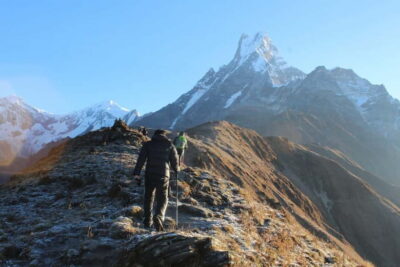
This is the core experience. Day 6 heads toward Mardi Himal Base Camp, with a longer hiking day of around 7 hours. En route, you get a viewpoint moment with wide panoramas, and the trek builds toward the final climb that many hikers find emotionally intense.
One of the best pieces of practical info you can carry into this section is the altitude expectation. Mardi Base Camp is often discussed around 4,500 meters, and the higher you go, the more cold and wind can change how you feel.
Also, this is where the trekking “support gear” becomes more than a box to check. You can request a down jacket, sleeping bag, and duffel bag for the trek. That means you are not trying to solve your cold-night setup at the last minute.
A small detail worth noting: lodges may serve simple meals and drinks, and one review called out pizza at High Camp. That kind of food is not going to replace a proper meal plan, but it does make a difference when the mountains are beating you at the end of the day.
Sidhing and Lwangghale: when the trek shifts from height to people and plants
After base camp days, the itinerary turns more about scenery and village life. Day 7 takes you down from the higher elevations toward Sidhing, with around a 6-hour trek. You walk through rhododendron and pine areas, which is a welcome shift from continuous altitude gain.
Day 8 is often considered a highlight, with a flatter-feeling route and about 6 hours of walking. You head toward Lwangghale, passing through a charming village area called Lwong. This segment is the kind of day where you notice details, not just distance. You see the way houses are built, you hear different bird calls, and you get moments that feel calmer than the steep sections.
If you are traveling with cameras or just enjoy photos, this is where you can slow down safely. You are still hiking, but you are less focused on survival pace.
Finishing in Pokhara: tea gardens, lakeside time, and a cultural reset
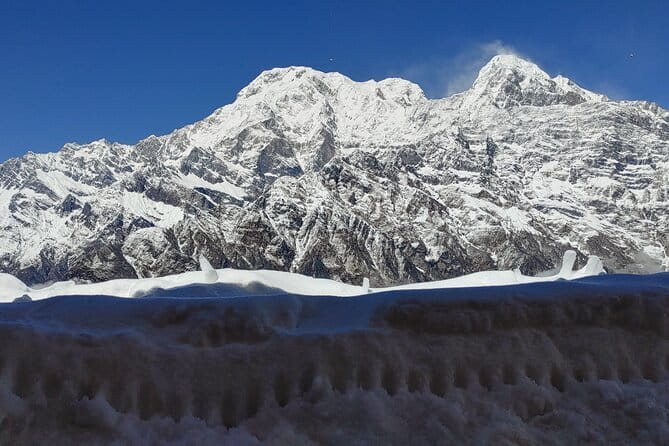
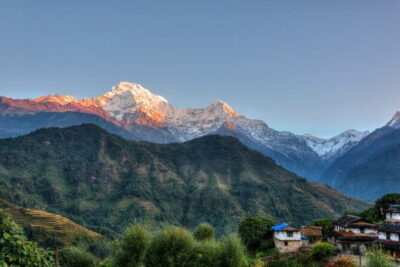
Day 9 brings an early morning walk through tea gardens around Lwong, with sunrise views as the big payoff. Then you head back to a guesthouse and take a breather.
Day 10 is more relaxed in Pokhara: you start at a lakeside breakfast spot and then join guided sightseeing. The listed options include Davis Waterfall and Gupteswor Mahadev among the activities, so you have a practical way to fill the final day without guessing.
Day 11 returns you to Kathmandu, where you get a town guide for exploring cultural and heritage spots. You are back near your original Thamel meeting point at the end of the tour.
This is a good sequence. Trekking days can make you feel mentally “stacked” with mountains. Pokhara gives you a soft landing before the Kathmandu city days.
What you get for the price, and why it can be fair
At $1,058 per person for about 11 days, the real value depends on what is included versus what you would otherwise pay separately.
Here is what you can treat as “built in”:
- Domestic flights Kathmandu to Pokhara and back, including for the guide
- Kathmandu and Pokhara hotel stays in a 3-star category, with breakfast
- Trek permits: ACAP and TIMS
- A licensed trekking guide and an experienced porter, with meals and insurance included for them
- Lodge accommodation on the trek, twin sharing
- A lot of your meals on the trail: 10 breakfasts, 8 lunches, and 8 dinners
- Transfers by private vehicle for airport and city connections
- Down jacket, sleeping bag, and duffel bag on request (to be returned after the trek)
If you are trying to self-arrange everything, you would likely spend money and time chasing permits, guides, and reliable support. This package is built to remove those stress points.
Two cost realities to remember:
1) International airfare and Nepal visa fees are not included, plus you need travel or rescue insurance that is not listed as included.
2) Personal expenses, drinks, WiFi, hot shower, and tipping are also not included.
Still, for many people, the mix of permits, domestic flight logistics, guide and porter, and a lot of trail meals makes it feel like a sensible package.
The guide and porter factor: smoother days and better morale
The most consistent praise centers on the people doing the work behind the scenes. The guide is repeatedly described as professional, careful, warm, and good at adjustments, especially when weather or conditions shift.
One guide name that shows up in feedback is Birendra. People highlight his careful arrangements and hospitality, including help with taking beautiful photos. Another review mentions guides Bikas and Dawa with precision and care. So while you cannot guarantee which person you will get, the pattern is clear: this operator invests in guides and porters, not just paperwork.
Porters matter more than most first-time trekkers expect. They help with load carrying and reduce the chance you arrive exhausted at the lodge. And when your legs are tired, small things like help with food recommendations and staying organized keep the trek from turning into a daily headache.
Because this is a private tour (only your group), you also avoid the chaos of being stuck to a mismatched crowd pace. That can be a big deal on steep days.
Cold nights, high altitude, and what to pack without overthinking
The trek gets cold as you climb. One of the clearest practical notes from feedback is to bring enough warm clothing. Even if gear like a down jacket and sleeping bag is available on request, you still need layers that work for your comfort and your tolerance for cold.
If you want a simple packing mindset for this kind of route:
- Use layers, so you can adjust as you climb or rest
- Plan for cold at night at higher elevations
- Bring a few comfortable items you will actually use every day, not just “technical gear you packed for luck”
Also remember the trekking lodge setup is practical, not a hotel. You may find hot drinks and basic meals at lodges, but you should expect simple comfort rather than luxury. That is part of the charm for many hikers, as long as you plan for it.
Who should book Mardi Himal, and who should rethink it
This trek fits best if you want:
- A meaningful Himalayan trek without the harsh intensity of the most extreme routes
- Big views of the Annapurna region and Machhapuchhre from a high point
- A structured schedule that includes acclimatization
- A guide and porter support system that makes logistics easier
You might want to rethink if you:
- Get nervous about cold at altitude and want guaranteed warm comfort
- Have very limited tolerance for walking at elevation, even with shorter acclimatization days
- Hate early mornings, because the Kathmandu to Pokhara flight is part of the plan
Should you book this Mardi Himal Trek?
If you want one of Nepal’s classic “serious but doable” treks, I would put this on your shortlist. The value comes from the parts most independent trekkers struggle with: permits (ACAP and TIMS), a licensed guide, a porter team, domestic flights, and a lot of your meals and lodging being handled.
The decision is mainly about your comfort with altitude and cold. If you dress appropriately, drink water, and keep a steady pace, this itinerary gives you the best part, Mardi Base Camp views, without turning the whole trip into a grind.
If you want, tell me your travel dates and your hiking experience level, and I can suggest a smart gear checklist and a pacing strategy for the high section.
FAQ
How long is the Mardi Himal Trek?
The trek runs for about 11 days.
Where does the tour start and end?
It starts and ends back at the Mission Himalaya Treks and Expeditions meeting point in Thamel, Kathmandu.
What permits are included?
The tour includes the required permits for the trek: ACAP and TIMS.
Is the trek guide and porter included?
Yes. A government licensed, ministry trained trekking guide is included, along with a strong experienced porter. Their meals, accommodation, salary, and insurance are included.
Does the price include flights?
Yes. Domestic flights from Kathmandu to Pokhara and back to Kathmandu are included, including for the guide.
What accommodation is provided?
You stay in 3-star category hotels in Kathmandu and Pokhara with breakfast. On the trek, you stay in the best available lodges on a twin-sharing basis.
Latest additions near Kathmandu
- Traditional Momo Making Class★ 5.0 · 10 reviews
- White Water River Rafting – 1 Day★ 4.3 · 3 reviews
- Kathmandu to Pokhara Premium sofa bus ticket★ 4.0 · 17 reviews
- Ghorepani Poon Hill Trek★ 5.0 · 16 reviews
- Amazing 1 Day Trekking Experience in Kathmandu Nepal★ 5.0 · 24 reviews
- Ghorepani Poonhill Trek★ 5.0 · 5 reviews
- Walking tour of real Kathmandu through back streets.★ 5.0 · 3 reviews
- Wildlife Adventure in Chitwan Nepal★ 4.0 · 4 reviews
Mardi Himal Treks, compared.
Mardi Himal Trek – 8 Days | Hidden Gem of the Annapurnas
Read our review →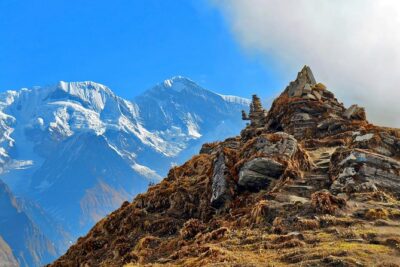

Browse the lists this tour appears in