
Reviewed · PEAK CLIMBING
Mera Peak Climbing
Altitude hits different at 6,476 m. This Mera Peak trek pairs Sherpa culture with big, less-frequented views on the edge of the Khumbu region, starting with a short hop to the mountains from Lukla. I like that it is a teahouse trek for most days, with camping only when the climb gets serious, not the whole journey. One main consideration: this is not a light trip, you will need strong fitness and you should budget for items not included, like visa, insurance, and personal gear.
What really sells it for me is the payoff. You climb Mera Peak (6,476 m) for summit views of several 8,000-meter giants, including Mt. Everest (8,848 m), Mt. Lhotse (8,516 m), Mt. Cho Oyu (8,201 m), Mt. Makalu (8,463 m), and Mt. Kanchenjunga (8,586 m). Done well, acclimatization and teamwork make this feel like a first real climb, not a gamble.
In This Review
- Key Highlights You’ll Actually Care About
- Lukla Flight, Kathmandu Hotel, and a Clean Start
- Sherpa Culture Meets Big-Mountain Views (Without the Usual Rush)
- Teahouse Trekking Plus Camping When It Matters
- Acclimatization on a River-to-Glacier Route
- Mera Peak at 6,476 m: Built for Climbing Progress
- Summit views are the whole point
- Guides, Teamwork, and the Kind of Communication That Prevents Problems
- Price and Value: What $2,974.36 Actually Covers
- What the Included Gear Means for Your Day-to-Day
- Fitness Reality Check: Who Should Do Mera Peak
- Meeting Point and the Practical Start of Day One
- Should You Book This Mera Peak Climbing Trip?
- FAQ
- How long is the Mera Peak climbing trip?
- Where does the trek start and end?
- How do you get from Kathmandu to Lukla?
- Is this a teahouse trek?
- What is included in the price?
- What is not included?
- Is free cancellation available?
Key Highlights You’ll Actually Care About
- Sherpa culture on the Khumbu edge: heritage, daily life, and mountain viewpoints on a route that is less crowded.
- Teahouse trekking with camping only during the climb: more comfort early, then camp when you need it most.
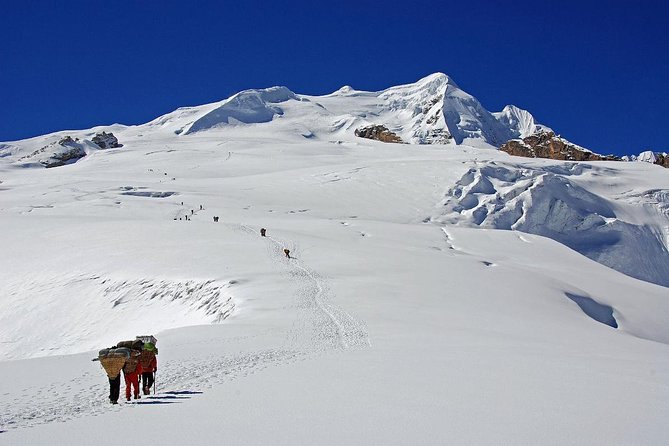
- Summit views of multiple 8,000-meter peaks: Everest, Lhotse, Cho Oyu, Makalu, Kanchenjunga, and more on clear days.
- Acclimatization is the game: you follow the river up toward glaciers, where your pace matters.
- Climbing support and gear included: fixed rope, main rope, ice axe, harness, figure of eight, and carabineer, plus an ice climbing guide.
- Small group size: max 15 travelers, with pickup offered and group discounts.
Lukla Flight, Kathmandu Hotel, and a Clean Start
Your trip begins in Kathmandu, with four nights in a hotel plus airport pickup and drop. That matters more than it sounds. After travel, you want sleep, food, and a calm briefing before you head for altitude.
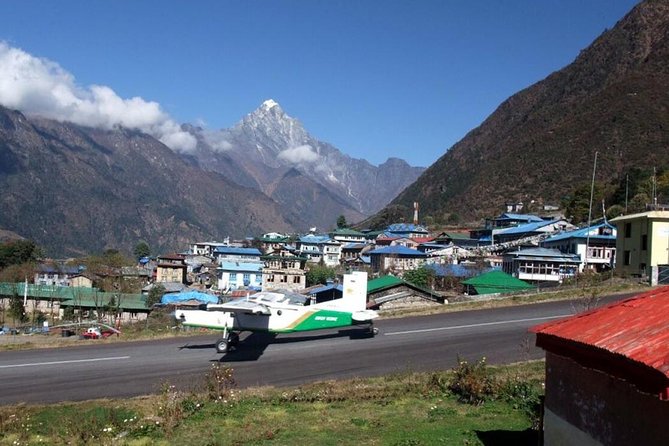
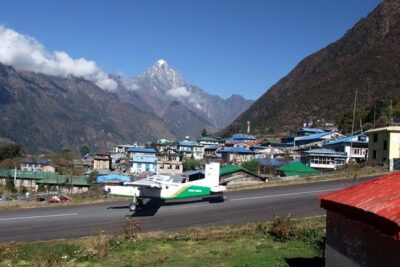
Then comes the signature start: a short 30-minute flight from Kathmandu to Lukla. It is a quick way to jump into the Khumbu region without spending days crossing the lowlands. The timing also shapes your mental game. Instead of feeling like you are still traveling, you start working on the trek right away.
From there, the route follows a direct line toward Mera Peak. In practical terms, that means your plan stays focused. You are not constantly turning into side quests, at least based on the route description you get. And because this is planned as an acclimatization-focused climb, the schedule’s “slow and steady” rhythm is the priority.
More climbing peaks in Kathmandu:
- Mera Peak Climbing
★ 5.0 · 33 reviews - Island Peak Adventure
★ 5.0 · 15 reviews - Everest Base Camp Trek with Island Peak Climbing
★ 5.0 · 14 reviews
Sherpa Culture Meets Big-Mountain Views (Without the Usual Rush)
One of the strongest reasons to do Mera is not just the summit, it is the journey through the Sherpa culture and heritage in this wider Everest region. You are trekking near the edge of the Khumbu area, where the experience can feel more local and less like a highway of tourists.
In a place like this, culture shows up in small ways: how people live around the mountains, how communities support trekkers, and how daily routines work against the backdrop of giant peaks. Even when you are focused on your breathing, you still get reminders that this is not only a climbing challenge, it is a living region.
I also like that the trip description stresses scenery that is rarely and seldom visited by other tourists. That does not mean you will have everything to yourself, but it does suggest a quieter feel. For many first-time climbers, that kind of pace helps. You can concentrate on the mountains and your team, not on crowds.
Teahouse Trekking Plus Camping When It Matters
This is a teahouse trek for most of the days, with camping only during the climb. That setup is smart for value and comfort. You get the convenience of meals and stays in teahouses while you build altitude gradually. Then, once you are committed to the summit push, you switch to camping to access the high approach.
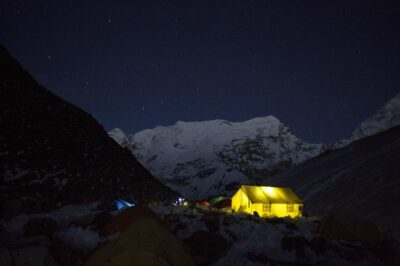
What you should think about is how that affects your body. Teahouses can make it easier to keep a steady routine early: warm meals, a bed, and a predictable rhythm. Camping is different. Nights at altitude can feel harsher, even when you do everything right. So your best move is to treat the camping phase like it is your training target.
Also pay attention to what the trip says about equipment. It lists that all require camping equipment. That wording suggests you should expect instructions and packing needs for the camping portion. If you are the type who packs too little, this is one area where you do not want surprises.
Acclimatization on a River-to-Glacier Route
Mera Peak is described as a climb where acclimatization is crucial. That is not a motivational poster line. It is altitude math. At these elevations, your body responds to time spent at height, not just to willpower.
The route follows a river upward toward glaciers as you trek higher into the remote valley. That detail helps you picture what your days can feel like. You are moving through changing terrain while your breathing adjusts. You will likely spend a lot of the day thinking about pacing: how slow is slow enough, when do you stop, how do you keep your heart rate manageable.
This is also where a good trekking guide matters. The trip includes an experienced English-speaking trekking guide plus porters to carry luggage. Less load on your back can mean better breathing and less fatigue over multiple days. And since the plan emphasizes acclimatization, it is usually not just about reaching a location on a map. It is about making sure you are fit enough for the climb phase when it arrives.
Another way to spend the time in Nepal:
- Everest Base Camp Trek – 14 Days
★ 5.0 · 1,499 reviews - Everest Base Camp Trek
★ 5.0 · 842 reviews - Private Kathmandu Sightseeing Tour | UNESCO World Heritage sites
★ 5.0 · 756 reviews - Kathmandu: 7 UNESCO Sites with Lunch
★ 4.8 · 744 reviews
Mera Peak at 6,476 m: Built for Climbing Progress
Mera Peak sits at 6,476 m, and it is often called one of the highest trekking peaks in Nepal. The trip also frames it as an exceptional initial peak for people without climbing knowledge, which is encouraging if you are new. But here is the honest part: beginner-friendly does not mean beginner-free. You still need to learn how the technical side works, and you still need safe decisions in cold air.
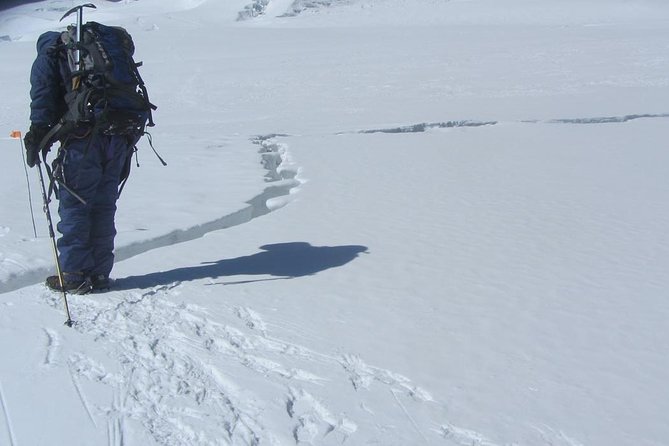
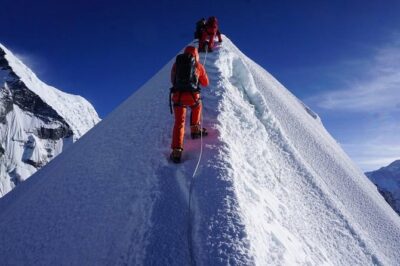
What helps is that the experience includes a well experienced ice climbing guide and climbing support. You also get a climbing gear list that covers the core system pieces: fixed rope, main rope, ice axe, zoomer, harness, figure of eight, and carabineer. That is a clear sign the operator is planning for the rope-and-ice side, not just the trekking.
And safety is not treated as an afterthought. The ice climbing guide section includes climbing service charge, insurance, food, and personal equipment. There is also a comprehensive medical kit included. None of that replaces good judgment, but it does reduce the chances that the team is scrambling at the last minute.
Summit views are the whole point
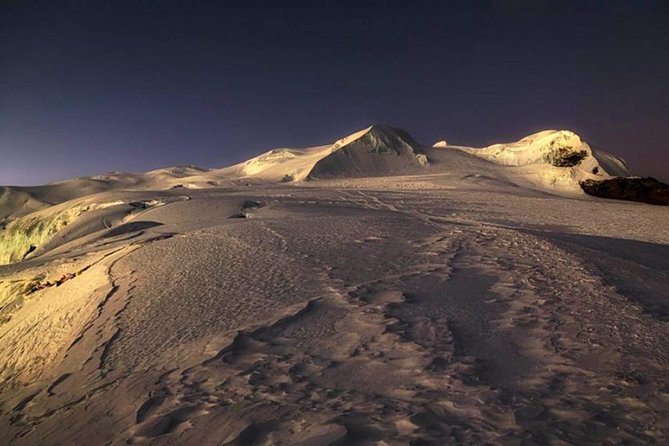
The reason most people want Mera is the summit. On clear days, you are chasing those dramatic views of major 8,000-meter mountains: Everest, Lhotse, Cho Oyu, Makalu, and Kanchenjunga. The best way to think about this is simple. If you put in the work and your body cooperates, the top is an altitude reward you will not forget.
Guides, Teamwork, and the Kind of Communication That Prevents Problems
The reviews highlight a few operational strengths that you can feel on the ground: professionalism, transparency, and teamwork. One name that comes up is Aakash Gurung, along with Krishna. The feedback points to them being professional and transparent about terms and conditions, and also honoring their word even after a costly mistake in a message. That is the kind of detail that builds trust. When plans change or misunderstandings happen, the real test is how the team fixes it.
Another recurring name is Ramesh, praised for reliable organization and for keeping communication tight. A climbing trip is full of tiny coordination tasks: gear checks, timing, weather expectations, and the mental rhythm of a summit day. If your guide team communicates well, you spend less energy guessing and more energy moving.
This tour also keeps group size capped at 15 travelers maximum. Smaller groups are not automatically better, but they often mean more practical attention. In a mountain environment, attention is oxygen.
Price and Value: What $2,974.36 Actually Covers
The price is $2,974.36 per person for an 18-day itinerary (approx.). That is serious money, so you should ask a basic question: what is included that you would normally pay for separately?
Here is what stands out as value inside the package:
- Kathmandu support: four nights hotel, plus airport pickup and drop
- Meals and lodging on trek: all accommodation and meals during the trek under a full board plan
- Domestic flights: including the Kathmandu to Lukla leg described as about 30 minutes
- Guiding and carrying: English-speaking trekking guide and porters
- Climbing support: ice climbing guide
- Climbing gear: fixed rope and key safety/technical items listed
- Permits and park fees: peak permit royalty, Barunche National Parks and Sagarmatha national park fee
- A medical kit
- Farewell dinner
- Trip kit: Nepal Mountain Trekkers duffel bag, t-shirt, and trekking map
Now look at what is not included:
- Nepalese visa fee
- International airfare to and from Kathmandu
- Travel insurance and rescue cost
- Personal expenses
- Personal trekking and climbing gears
- Lunch and evening meals in Kathmandu
- Tips for guides and porters
- Extra night accommodation(s) and excess baggage charges
So the value story is this: you are paying for a complete high-altitude system, not only a guided walk. The climbing gear, permits, and ice climbing guide are major cost centers. If you tried to assemble this yourself, you would likely spend time and risk on missing pieces.
One caution: insurance and rescue cost are explicitly not included. In a place like this, that is not a small item. You should plan it early so it does not become a scramble before your flight.
What the Included Gear Means for Your Day-to-Day
The included climbing gear list tells you the operator is set up for technical sections. Fixed rope and main rope imply you will be using rope systems during climbing portions. The harness, figure of eight, and carabineer point to proper belay and safety handling.
The ice axe is expected for steep, icy movement. The list also includes zoomer, which is a term used for crampon-like footwear components in some gear vocabularies. Since the exact wording is what is given, you should confirm the gear model in your pre-trip instructions.
Even with included gear, your personal fit matters. You should expect that the team will help with how things work, but it still needs to fit your body. If you wear boots that feel slightly wrong, you will notice at altitude. Small discomfort turns into big fatigue when you are climbing.
Fitness Reality Check: Who Should Do Mera Peak
This trip is described as requiring strong physical fitness. That is not a scare tactic, it is the baseline. You are moving through altitude, trekking days, and a technical climb to a high summit.
This is likely a good fit if:
- You want a first serious peak and you are open to learning climbing basics
- You can handle long days and cold conditions
- You are comfortable with acclimatization pacing
It may not be the right fit if:
- You want a casual hike with no technical phase
- You are still building stamina and consistency in real-world hikes
- You do not have room in your budget for visa, insurance, tips, and personal gear
If you are unsure, be honest with your own training routine. Altitude punishes “almost fit” plans quickly.
Meeting Point and the Practical Start of Day One
You meet at Nepal Mountain Trekkers, Pyramid Galli, Kathmandu 44600, Nepal for both the start and the ticket redemption point. Plan to arrive with time to handle paperwork and gear questions. When you start a trip like this, having your items squared away early reduces stress later.
The tour includes pickup offered, and airport pickup and drop is included. That is a real convenience when you arrive tired and jet-lagged.
Should You Book This Mera Peak Climbing Trip?
If you want a structured, guided climb that includes permits, meals, Kathmandu hotel nights, domestic flights, and serious climbing support, this package checks a lot of boxes. I think it is especially attractive if you want teahouse comfort early and then camping during the climb, rather than committing to the rough stuff from day one.
Two things should decide it for you. First, confirm you are ready for strong fitness and acclimatization. Second, plan travel insurance and your personal gear, since those are not covered.
If those pieces fit your situation, this is the kind of Everest region experience that gives you both mountain drama and a real sense of how Sherpa communities live close to the giants.
FAQ
How long is the Mera Peak climbing trip?
The duration is 18 days (approx.).
Where does the trek start and end?
The experience starts at Nepal Mountain Trekkers, Pyramid Galli, Kathmandu 44600, Nepal and ends back at the same meeting point.
How do you get from Kathmandu to Lukla?
The trek begins with a short flight from Kathmandu to Lukla, described as about 30 minutes.
Is this a teahouse trek?
Yes. It is described as a teahouse trek, with camping only during the climb.
What is included in the price?
Included items are airport pickup and drop, 4 nights hotel in Kathmandu, all accommodation and meals during the trek (full board), domestic flights, guiding and porters, the ice climbing guide, climbing service details, required climbing gear items, permits and park fees, a medical kit, and a farewell dinner.
What is not included?
Not included are the Nepalese visa fee, international airfare to and from Kathmandu, travel insurance and rescue cost, lunch and evening meals in Kathmandu, extra accommodation, personal expenses, personal trekking and climbing gears, excess baggage charges, and tips for guides and porters.
Is free cancellation available?
Yes. You can cancel for a full refund up to 24 hours in advance of the experience start time. If you cancel less than 24 hours before, the amount is not refunded.
Latest additions near Kathmandu
- White Water River Rafting – 1 Day★ 4.3 · 3 reviews
- Traditional Momo Making Class★ 5.0 · 10 reviews
- Kathmandu to Pokhara Premium sofa bus ticket★ 4.0 · 17 reviews
- Ghorepani Poonhill Trek★ 5.0 · 5 reviews
- Ghorepani Poon Hill Trek★ 5.0 · 16 reviews
- Amazing 1 Day Trekking Experience in Kathmandu Nepal★ 5.0 · 24 reviews
- Walking tour of real Kathmandu through back streets.★ 5.0 · 3 reviews
- Wildlife Adventure in Chitwan Nepal★ 4.0 · 4 reviews
Peak Climbing, compared.
Everest Base Camp Trek with Island Peak Climbing
Read our review →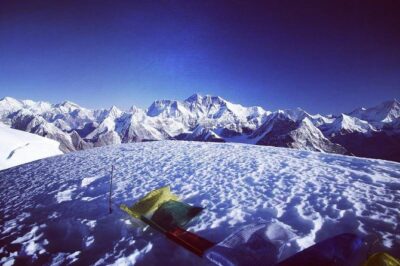
Browse the lists this tour appears in