
Reviewed · PEAK CLIMBING
Lobuche Peak Climbing on 21 Days
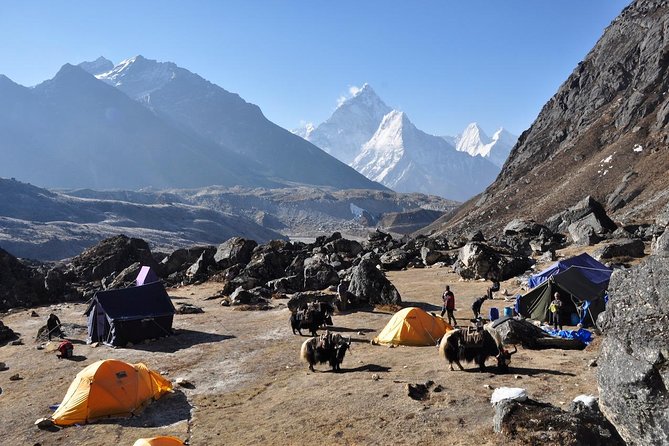
A cold start in the Himalaya changes everything. Lobuche Peak is a Group B trekking peak in Nepal’s official climbing categories, and the whole trip is built around getting you ready for a real summit day, with stunning Everest-region views along the way. You also get time in Sherpa villages and monasteries, which adds meaning beyond the ticket price.
I love the way this route layers acclimatization with big viewpoints, not just long walks. Places like Machermo, Gokyo, and the Ngozumba Lake hike help your body adjust while still feeding your brain with views of Everest, Lhotse, Nuptse, Ama Dablam, Thamserku, and more. One consideration: Lobuche East is not a casual hike. You must be comfortable with climbing gear skills like an ice axe and crampons, and you should show up with at least moderate physical fitness.
In This Review
- Key highlights worth planning for
- Lobuche Peak as a Group B training mission in the Everest region
- Kathmandu to Ramechhap: smooth logistics before the real work
- Lukla, Namche, and the acclimatization backbone through Everest view country
- Machermo to Gokyo: lake country hikes that also train your altitude
- Cho La to Dzongla: the long crossing that sets up your Lobuche camps
- Lobuche East Summit day: gear skills, timing, and the long return
- Sherpa villages, monasteries, and cultural stops that add real texture
- Price, guide team, and what you should confirm before you go
- The Lukla flight reality, plus Kathmandu wrap-up and shopping time
- Should you book Lobuche Peak climbing with Dream Himalaya Adventures?
- FAQ
- Where does the trip start?
- How long is the Lobuche Peak climbing experience?
- What is the price per person?
- Is this tour private?
- What is Lobuche Peak classified as?
- What fitness and climbing skills do I need?
- Does the trip include pickup and digital tickets?
- Are there flights involved in the route?
- What is the cancellation policy?
Key highlights worth planning for
- Group B classification, with a route that supports trainee mountaineers but still expects solid climbing comfort
- Machermo acclimatization day, plus high-altitude hikes that help your body adapt
- Gokyo side trip culture and scenery, including lake country and big panorama points
- Cho La to Dzongla transition, a long day that sets you up for the Lobuche camps
- Summit day timing, with a demanding climb to Lobuche East Summit and a long return
- A team that plans for uncertainty, with an emergency day option for Lukla flight disruptions
Lobuche Peak as a Group B training mission in the Everest region
If you want Everest-area altitude and drama, but you also want a climb you can train for, Lobuche Peak is a smart target. It’s officially classified as a Group B trekking peak by the Nepal Mountaineering Association, which signals that the goal is challenging, but attainable with proper preparation and instruction.
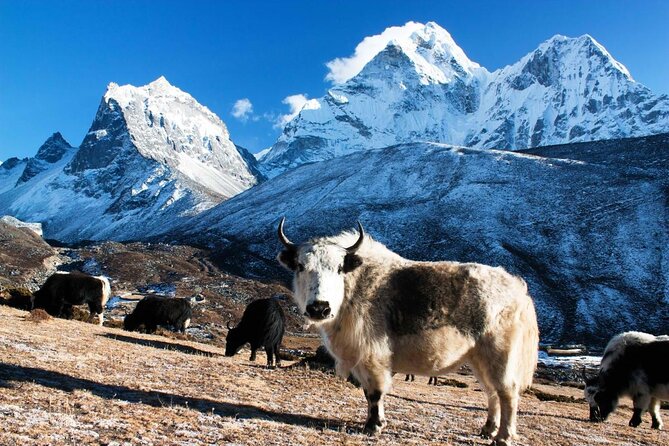
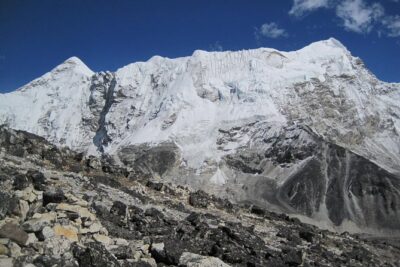
What I like about the framing here is that it treats this as training, not magic. The route includes technical buildup and enough time at altitude to make the summit attempt safer and more realistic. You’ll also spend plenty of time looking at the Everest crowd’s famous peaks from angles many people never get, including Mt. Lhotse, Mt. Nuptse, Mt. Ama Dablam, Mt. Thamserku, and nearby names like Loboche, Kasum-Kangru, and Kwangde.
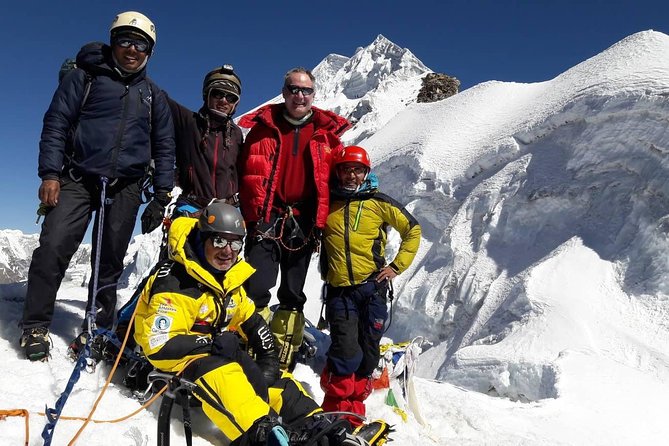
You should still respect the commitment. Lobuche East Summit reaches 6,119m, and you’re looking at long hiking days and a summit schedule that can run 10 to 12 hours. This isn’t the kind of trip where you can fake fitness or gear comfort.
More climbing peaks in Kathmandu:
- Mera Peak Climbing
★ 5.0 · 33 reviews - Island Peak Adventure
★ 5.0 · 15 reviews - Everest Base Camp Trek with Island Peak Climbing
★ 5.0 · 14 reviews
Kathmandu to Ramechhap: smooth logistics before the real work
Your trip starts in Kathmandu, at Tribhuvan Airport. Day 1 is arrival, hotel transfer, and a briefing. This matters more than it sounds. A good briefing helps you understand timing, gear expectations, and what to do in the first tense days before altitude starts stacking up.
Day 2 is preparation and packing, then a long drive to Ramechhap. You’ll spend about 5 hours on the road covering roughly 195 km. This is a practical reality of Nepal aviation. In the Everest region, flight timing and route connections are part of the experience, so you plan for travel days just like you plan for altitude days.
Day 3 usually means a short flight to Lukla at 2,840m, around 20 minutes, then trekking to Phakding at 2,610m for about 3 hours. You’ll feel the mix immediately: the road-to-airport staging, then the trail rhythm. Once you’re walking, your day starts being about effort, breathing, and noticing the way the mountains change the light.
Also note the trip is a private setup, meaning only your group participates. That can reduce stress because schedules and pace feel more tailored, and you avoid the chaos of big mixed groups.
Lukla, Namche, and the acclimatization backbone through Everest view country
From Phakding, Day 4 brings you to Namche Bazar at 3,340m in about 5 to 6 hours. Namche is a pressure point for many people. It’s busy compared to the rest of the trek, and it’s where you might feel your altitude more strongly. The good news is that the plan gives you time to adapt instead of pushing harder just because you can.
Day 5 is built for acclimatization through movement. You hike to the Everest View Hotel area and to Khumjung Village at around 3,800m, taking about 4 hours. That combination is smart. A viewpoint hike helps you get air into your lungs while also giving your mind a reward for the work.
Day 6 moves you to Phortse Tenga at about 3,680m, around 5 hours. Day 7 goes to Machermo at 4,470m, around 5 hours, which sets up your big adjustment day.
Then comes the standout acclimatization moment: Day 8, an acclimatization day in Machermo at 4,470m. This is the kind of pause that often separates trips that feel manageable from trips that feel rushed. You’re not just resting in place. You’re giving your body time to catch up to the altitude you already gained.
If you’re the type who hates downtime, you’ll still likely appreciate this stop. Even a light day at altitude can help your appetite return and make the later high country feel less like a fight.
Machermo to Gokyo: lake country hikes that also train your altitude
Day 9 is a move to Gokyo at 4,790m, about 4 hours. Gokyo has a different feel than Namche. The air feels sharper, the scenery opens in a way that makes you stare longer, and you start transitioning into the high-lake zone where this itinerary spends serious time.
Day 10 is a key day: hike to Ngozumba Lake at 5,100m and return to the Gokyo Lake area, around 6 hours. The elevation jump is real, but the round-trip structure gives you a clear goal and a built-in recovery. This kind of hike is great training because it teaches pacing. You can’t sprint, and you learn how to keep breathing steady on uphill grades.
Day 11 brings you up to Gokyo Ri (about 5,360m), then down to Thangnak (around 4,700m) in about 6 to 7 hours. This is another “earn the view” day, but it also keeps your altitude progression moving in a controlled way.
If you’re worried about whether this trek is too intense before the climb, here’s the honest answer: it is strenuous. But it’s strenuous in a structured way. You’re not sleeping low and then jumping high with no preparation. The plan keeps your body learning the pattern.
Another way to spend the time in Nepal:
- Everest Base Camp Trek – 14 Days
★ 5.0 · 1,499 reviews - Everest Base Camp Trek
★ 5.0 · 842 reviews - Private Kathmandu Sightseeing Tour | UNESCO World Heritage sites
★ 5.0 · 756 reviews - Kathmandu: 7 UNESCO Sites with Lunch
★ 4.8 · 744 reviews
Cho La to Dzongla: the long crossing that sets up your Lobuche camps
Day 12 is one of the hardest-feeling transitions on the route. You climb over Cho La at around 5,330m, then trek to Dzongla at about 4,830m for roughly 8 hours. That means you get both the high crossing effort and a long day of uphill grinding.
Even if you’ve done other treks, a pass like Cho La tends to test your legs and your focus. Weather can also change quickly in these elevations. The practical trick here is mindset: treat it like a technical hike day, not a sightseeing stroll. Keep your eyes on footing and your breathing steady, and let the altitude take what it takes.
Day 13 shifts into Lobuche approach territory. You climb to Lobuche Lower High Camp at about 5,400m, taking around 4 to 5 hours. This is where you start feeling the expedition side of the trip, not just the trekking side.
By now, you’ve spent days walking through altitude layers, and you’ve learned your pace. That’s exactly what you want before the summit push, because once you’re on the high camp schedule, there’s less room for sloppy planning.
Lobuche East Summit day: gear skills, timing, and the long return
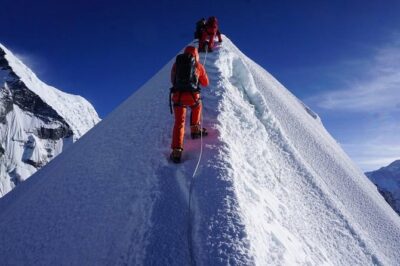
Day 14 is the big one. You’ll target Lobuche East Summit at 6,119m, then return to Lobuche at about 4,910m. The time estimate is 10 to 12 hours, which is a long day at high altitude where even good conditions demand patience.
This is where the “Group B” classification makes sense. You need more than hiking boots. The trek overview is clear that climbers must be proficient with climbing gear like an ice axe and crampons, plus the technical habits that go with them. If you’re unsure about those basics, ask your guide early and practice with your group gear before you start counting on the summit.
What you’ll likely appreciate is that the itinerary doesn’t hide the effort. It schedules enough days leading up to the climb that you aren’t arriving at the starting line without adaptation time. That helps you focus during the climb, instead of spiraling into panic because you feel unready.
Day 15 eases you back down to Pangboche at about 3,930m, 4 to 5 hours. That descent is more than comfort. It’s recovery. When you regain normal breathing and appetite, you’ll understand why summit days need follow-up days, not a sudden jump to flights.
Day 16 is a return trek to Namche at about 3,440m, around 5 hours. Day 17 drops to Lukla at about 2,700m, around 6 hours. These are good walking days for processing what you did. You can also take inventory of what gear felt right, what pacing worked, and what you would tweak next time.
Sherpa villages, monasteries, and cultural stops that add real texture
This trip isn’t only about summits. It also includes Sherpa community contact, including visits to Sherpa villages and monasteries to understand culture and daily life up close. That’s one of the best ways to make this region feel human, not just scenic.
A specific example is Khumjung Village on Day 5, which gives you a village stop combined with an Everest-focused view hike. Later, Pangboche on Day 15 connects you back to the cultural heart of the Khumbu area. Even if you move fast on the trek, these stops remind you that the mountains are part of an ongoing way of life, not an empty backdrop.
Also, there’s something practical here. Cultural stops often make the altitude experience feel more grounded. You’re not only measuring breath and steps. You’re meeting people, listening, and noticing routines that have lasted far longer than any summit attempt.
In the reviews, Dream Himalaya’s guide support stands out, including experiences led by a guide named Karma and a team led by Dawa. That matters on this kind of route because good guidance keeps you calm when weather and timing start playing tricks in the Everest region.
Price, guide team, and what you should confirm before you go
The price is listed at $2,700 per person for a roughly 20-day program based out of Kathmandu. For this length and the altitude profile, the value usually comes from three things: private guiding, multi-day logistics, and the internal flight segments tied to Lukla.
Still, you should treat the price as a starting point, not the final checklist. Before you commit, ask what’s included versus what’s on you. For instance, this information clearly flags the need to be proficient with climbing gear like ice axe and crampons, but it does not explicitly say who supplies what. You also want clarity on personal gear expectations, group gear responsibility, and what meals and accommodation look like on the trek days.
Two practical features listed here help reduce stress. Pickup offered in Kathmandu cuts down confusion on arrival day, and mobile ticket suggests smoother access to transport planning for the internal stages.
Finally, because this is a private trip for your group only, you should think about whether you want that tighter coordination. If your group wants a consistent pace and fewer mixed-group variables, private can feel like a gift. If your group prefers the energy of big mixed treks, you might find this feels quieter.
The Lukla flight reality, plus Kathmandu wrap-up and shopping time
Once you reach Lukla again on Day 17, you’re in the flight window. Day 18 includes the Lukla to Ramechhap flight (again estimated at about 20 minutes), then a 5-hour drive back to Kathmandu for a celebration dinner. That dinner is a nice emotional reset after high altitude, and it also signals you’re done with the hardest physical part.
Day 19 includes city sightseeing, plus free time for shopping in Kathmandu. It also includes an emergency day for Lukla flight changes. That’s important in this region. Weather and air schedules can shift, and having that cushion can protect your sanity more than any “perfect” plan ever could.
Day 20 is departure with your international flight home.
If you’re someone who hates being at the mercy of schedules, plan your mindset before you go. The mountains can change timing. This itinerary acknowledges that with an emergency day, which is exactly what a smart traveler wants built in.
Should you book Lobuche Peak climbing with Dream Himalaya Adventures?
You should book if you want a real Everest-region mission with a training-focused approach. This plan works especially well for trainee mountaineers who already understand basic climbing gear habits and want the structure of acclimatization days like Machermo and high-country hikes before the Lobuche East Summit attempt.
You should think twice if you are new to technical gear work. The trip specifically calls out the need to be proficient with climbing gear such as ice axe and crampons, and the summit day timing is long. If that part feels shaky, you’ll likely enjoy the trek less because you’ll spend the climb day managing fear instead of focusing on technique and breathing.
If you decide to go, do one smart thing before departure: confirm your gear responsibilities and training readiness with your guide team, including how you’ll practice movements and transitions on your climbing days. That one step usually turns a stressful summit attempt into a focused, achievable one.
FAQ
Where does the trip start?
The start point is Tribhuvan Airport in Kathmandu, Nepal.
How long is the Lobuche Peak climbing experience?
It’s listed as about 20 days.
What is the price per person?
The price is $2,700.00 per person.
Is this tour private?
Yes. It’s a private tour/activity, and only your group participates.
What is Lobuche Peak classified as?
Lobuche Peak is classified as a group B trekking peak by the Nepal Mountaineering Association.
What fitness and climbing skills do I need?
You should have moderate physical fitness, and you must be proficient in using climbing gear such as an ice axe and crampons.
Does the trip include pickup and digital tickets?
Yes. Pickup is offered, and you receive a mobile ticket.
Are there flights involved in the route?
Yes. The plan includes flying to Lukla from Kathmandu, and later flying from Lukla to Ramechhap. Each flight is listed as about 20 minutes.
What is the cancellation policy?
Free cancellation is available. You can cancel up to 24 hours in advance for a full refund. If you cancel less than 24 hours before the start time, the amount paid is not refunded.
Latest additions near Kathmandu
- White Water River Rafting – 1 Day★ 4.3 · 3 reviews
- Traditional Momo Making Class★ 5.0 · 10 reviews
- Kathmandu to Pokhara Premium sofa bus ticket★ 4.0 · 17 reviews
- Ghorepani Poon Hill Trek★ 5.0 · 16 reviews
- Amazing 1 Day Trekking Experience in Kathmandu Nepal★ 5.0 · 24 reviews
- Ghorepani Poonhill Trek★ 5.0 · 5 reviews
- Walking tour of real Kathmandu through back streets.★ 5.0 · 3 reviews
- Wildlife Adventure in Chitwan Nepal★ 4.0 · 4 reviews
Peak Climbing, compared.
Everest Base Camp Trek with Island Peak Climbing
Read our review →
Browse the lists this tour appears in