
Reviewed · PEAK CLIMBING
Island Peak Climbing | Summit 6,189m with Expert Guides
A real summit climb awaits in Nepal. Island Peak has you working your way up to 6,189m through the Everest region. You get the hiking rhythm, the Sherpa villages, and the technical training you need for the final push.
I especially like two things. Expert guidance is built into the whole plan, not just the summit day. And I like how the trek threads in Sherpa culture through mountain towns, monasteries, and daily mountain life.
One consideration: this is not a simple hike. The summit day is long and physically demanding, and some key costs are extra (like the Island Peak permit and the Lukla flights).
In This Review
- Key highlights you’ll feel from day one
- Island Peak at 6,189m: what kind of challenge is it, really?
- Kathmandu to Lukla: the Everest region starts before the first trail
- The Namche phase: acclimatize while you earn the Everest views
- Tengboche and beyond: monasteries, long walks, and altitude that sticks
- Chukkung to Base Camp: you switch from hikers to climbers
- Summit day on Island Peak: plan for a long, focused 8 to 10 hours
- Day 10 contingency: why this buffer is more valuable than extra bravado
- Descending back to Namche and Lukla: the part where your legs complain
- Guides, Sherpas, and the human side of the Khumbu
- Price and logistics: what $1,699 covers, and what you should budget for
- What to bring, what you’ll get, and how to stay comfortable at altitude
- Who should book this Island Peak climb, and who should pass
- Should you book Accessible Adventure’s Island Peak climb?
- FAQ
- How high is the Island Peak summit on this trip?
- Is the Island Peak permit included in the price?
- How long is the flight between Kathmandu and Lukla?
- Is travel insurance required for this kind of high-altitude climbing?
- Are drones allowed on this trip?
- What flexibility do I have if plans change?
Key highlights you’ll feel from day one
- A licensed, English-speaking climbing team focused on training, not just logistics
- Sherpa villages in the Khumbu plus monastery time at Tengboche
- Real glacier practice at Island Peak Base Camp, including glacier walking training
- A summit push with a contingency buffer, built in as a separate day
- Gear and support included for technical climbing, plus one porter for every two clients
- Serious altitude pacing with an acclimatization day in Namche and another in the route profile
Island Peak at 6,189m: what kind of challenge is it, really?
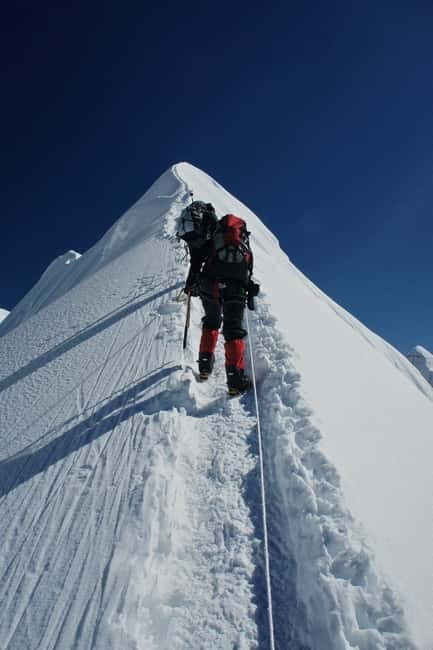
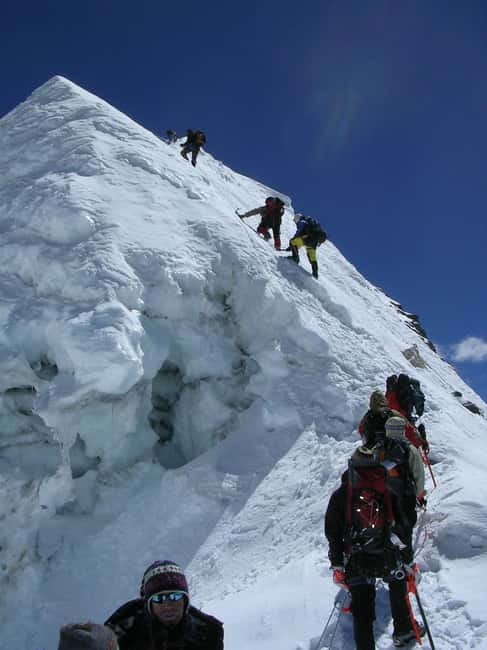
Island Peak sits in the Everest region, but the experience feels more like climbing than sightseeing. You’re not just chasing views from a trail. You’ll use rope and ice tools as you move on and near glaciated terrain, with training starting at Base Camp.
The best part is that the climb is treated as a process. You get a structured trek first, then you’re brought into technical mode with glacier walking training and the shared climbing gear you’ll need (ice screws, snow bars, ice hammers, ropes, and tents plus kitchen equipment).
If you want bragging rights, sure, it’s a summit at 6,189m. But what you’ll remember is the work: learning how to move efficiently, staying calm under pressure, and trusting the guide system that’s designed for safety.
More climbing peaks in Kathmandu:
- Mera Peak Climbing
★ 5.0 · 33 reviews - Island Peak Adventure
★ 5.0 · 15 reviews - Everest Base Camp Trek with Island Peak Climbing
★ 5.0 · 14 reviews
Kathmandu to Lukla: the Everest region starts before the first trail
Your journey opens in Kathmandu at about 1,338m/4,390ft. Think of it as the reset button. You arrive, you settle into the deluxe suite hotel for two nights, and you get transfers handled in a private vehicle. This matters more than it sounds. When you’re about to board a tiny plane to Lukla, you want your stress level as low as possible.
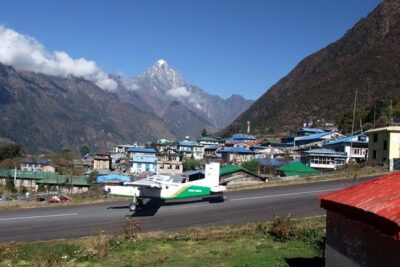
Next comes the famous Lukla flight, about 35 minutes, then your first trek segment. You’ll go from Lukla to Phakding, around 2,800m/9,187ft, walking about 3-4 hours over roughly 8 km. Early on, it’s not about speed. It’s about getting your legs used to higher air and irregular trail time.
Practical note you should plan around: in peak season, flights to Lukla may operate from Ramechhap Airport. So if you’re building a tight schedule around travel day plans, keep some slack.
The Namche phase: acclimatize while you earn the Everest views
Day 3 takes you to Namche Bazaar, about 3,438m/11,280ft. You walk 5-6 hours, around 10 km, crossing suspension bridges along the way. This is where the Everest region stops being a concept and starts becoming real, with your first solid sights, including Everest.
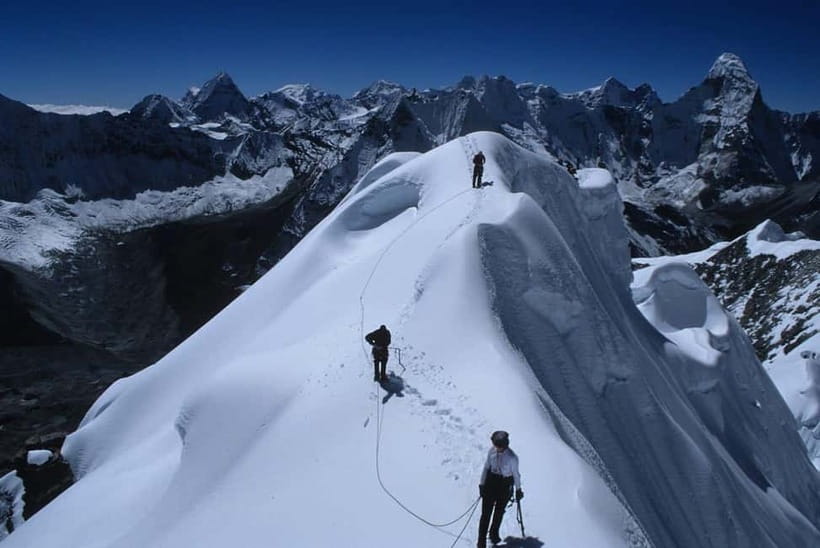
By Day 4 you stay put in Namche for acclimatization. You can take an optional hike for 2-3 hours (about 3-5 km total). This day is a big deal because it improves your odds of feeling steady later. It also gives you some of the best panoramas: Everest and Ama Dablam show up clearly from higher vantage points around town.
What to know about this section: acclimatization days are not rest days you should treat like couch time. You’re still moving, just smartly. If you rush, you pay for it later, usually with breathlessness and weaker energy on the grind upward.
Tengboche and beyond: monasteries, long walks, and altitude that sticks
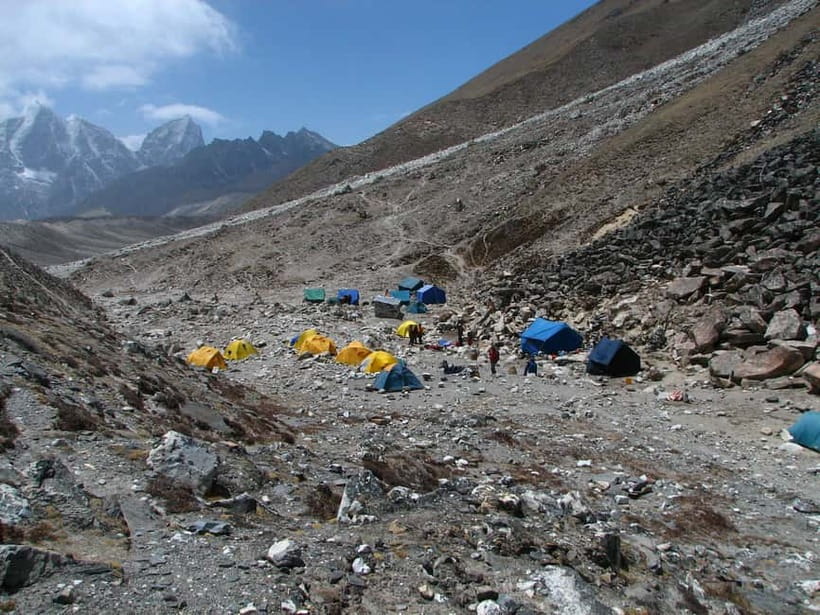
After Namche, Day 5 brings you to Tengboche, about 3,870m/12,697ft. Expect a 5-6 hour trek, around 9 km. The highlight here is Tengboche Monastery, plus broad views toward Everest, Lhotse, and Ama Dablam.
If you like cultural stops, this is one of your anchor moments. A monastery visit gives you a pause that isn’t staged. You watch people living their routines in mountain weather, not just touring a site. It also helps break up the monotony of switchbacks, which can wear on your brain even when your body is okay.
Day 6 goes to Dingboche, around 4,360m/14,305ft. You’re walking 5-6 hours, about 10 km. The route includes picturesque valleys and views including Lhotse and Ama Dablam. This day often feels like momentum building: you’re still climbing, but your body usually starts adapting more reliably after the Namche acclimatization.
Another way to spend the time in Nepal:
- Everest Base Camp Trek – 14 Days
★ 5.0 · 1,499 reviews - Everest Base Camp Trek
★ 5.0 · 842 reviews - Private Kathmandu Sightseeing Tour | UNESCO World Heritage sites
★ 5.0 · 756 reviews - Kathmandu: 7 UNESCO Sites with Lunch
★ 4.8 · 744 reviews
Chukkung to Base Camp: you switch from hikers to climbers
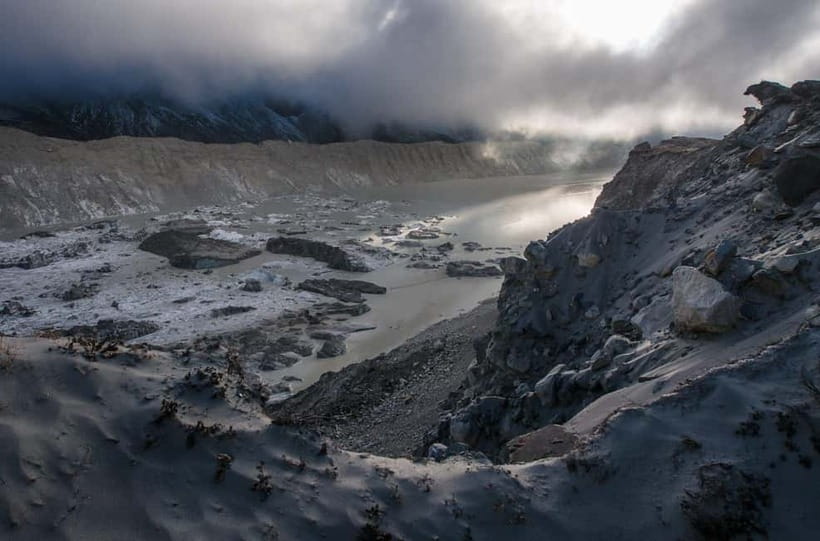
Day 7 brings you to Chukkung, about 4,730m/15,519ft. It’s a shorter day, 3-4 hours over about 6 km. You’ll see Lhotse and Island Peak from up high, and the terrain shifts toward the more alpine feeling of glacier-country travel.
Day 8 is where the trip turns into a technical climb program. You trek to Island Peak Base Camp, about 5,200m/17,061ft, for another 3-4 hour day over roughly 5 km, then you do pre-climb training.
That training is the part you should not treat like a formality. The plan includes glacier walking training, and since you’ll be using crampon-like movement mechanics (implied by glacier work) along with rope systems, practice in controlled conditions is how you avoid panicking later. It’s also where you learn how your body reacts in colder air while still moving.
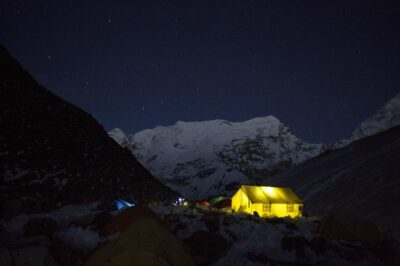
From a comfort standpoint, Base Camp nights with tented accommodation can feel different from lodge days. You’re higher, colder, and more exposed. Your guide and the provided support equipment matter here.
Summit day on Island Peak: plan for a long, focused 8 to 10 hours
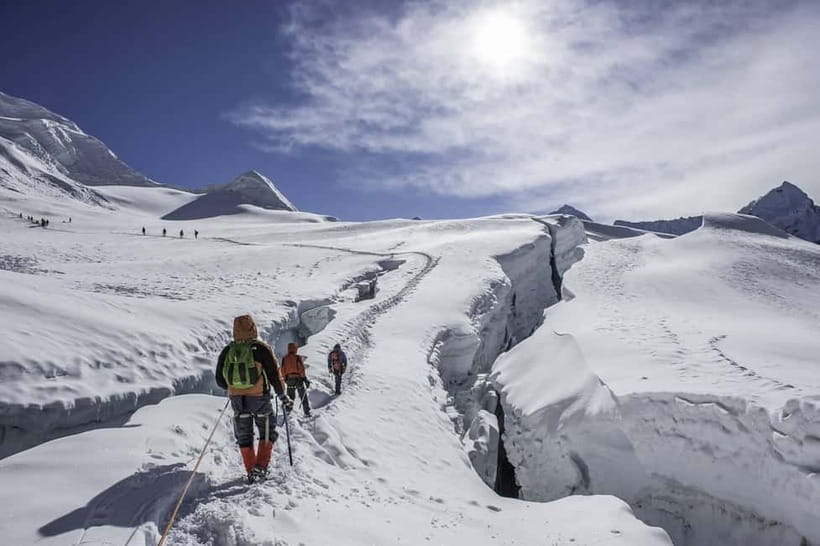
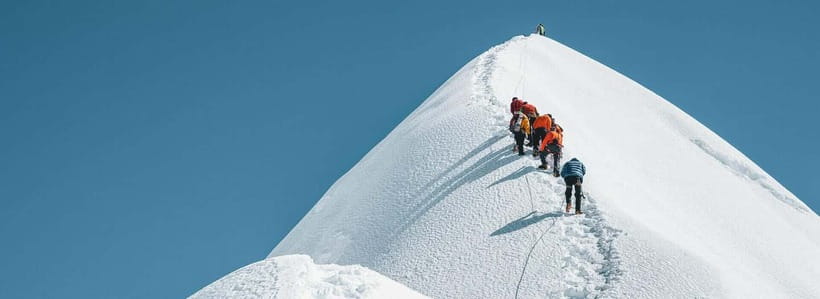
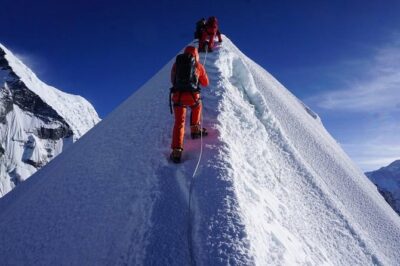
Day 9 is summit day, and the schedule is honest. You’ll go up to 6,189m/20,306ft and then return to Base Camp, with 8-10 hours walking time and about 10 km total distance. That’s an ascent and descent of roughly +989m and -989m.
This is not the time for bravado. The summit day is mostly about pacing and concentration. You’ll be managing cold, fatigue, and attention span, while the technical moves stay simple but require care. Expert guides and the climbing gear included in the package are what make the experience possible and safe.
One more thing I like about this setup: you’re not left dangling if conditions don’t cooperate.
Day 10 contingency: why this buffer is more valuable than extra bravado
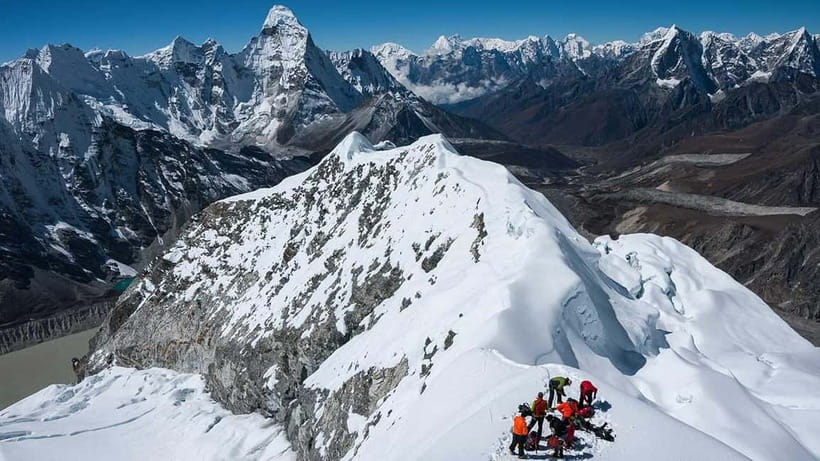
Day 10 is a contingency day. It gives you a buffer for your summit attempt in case the weather, trail, or glacier conditions need adjustment. Having an official backup day means the team can choose timing based on safety rather than pure calendar pressure.
This matters even if you feel great on Day 9 morning, especially in mountain conditions where wind and visibility can change quickly. The point is not to force a summit at any cost. The point is to give you an actual chance to do it well.
Descending back to Namche and Lukla: the part where your legs complain
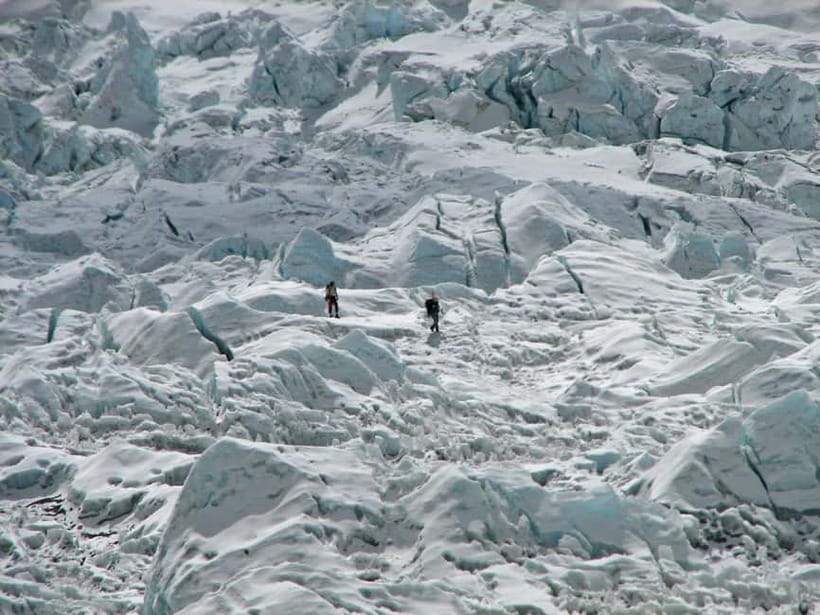
After Base Camp, Day 11 takes you from Chhukung back to Namche Bazaar. It’s a long descent day, about 5-6 hours and around 18 km, with a big drop to about 3,438m/11,280ft. This is where many people feel the downside of the whole climb. Your breathing might be easier, but your knees and quads can take a beating.
Day 12 is another major trekking segment, from Namche down to Lukla, about 2,800m/9,187ft. You’re looking at about 6-7 hours over roughly 19 km. Even when you’re ready to leave the mountains behind, the final days still require steady footwork and pacing.
Day 13 then brings you back to Kathmandu by air in about 35 minutes. It’s the kind of transition that feels strange. One day you’re thinking about crampon placement and timing. The next you’re back in a city and you suddenly remember you can eat without thinking about altitude.
Day 14 is departure.
Guides, Sherpas, and the human side of the Khumbu
What stands out most from the people-side details is how organized the climbing support feels. The program uses an Island Peak climbing guide with minimum experience of 20+ summits, and you also have a government-licensed English-speaking guide and one porter for every two clients.
That guide and porter ratio changes the vibe. You’re not constantly worrying about carrying heavy loads or figuring out what comes next. In short: you get to focus on breathing, footing, and the training you practiced.
Also, the Sherpa and porter team culture comes through. One highlight from participant feedback is how friendly and professional the Sherpas and porters were, and how safety and wellbeing were actively looked after. Another name you might hear in this kind of climb is Mijan, mentioned for going above normal porter duties, including extra support when needed at key moments, like airport situations in Lukla.
When it runs well, that local professionalism is the difference between a hard trip and a truly memorable one.
Price and logistics: what $1,699 covers, and what you should budget for
The advertised price is $1,699 per person for a 14-day trip. For this kind of technical mountain objective, that base price looks like it mainly covers the backbone of the operation: hotel nights, daily trek meals, guide services, equipment, park fees, and the logistics chain that makes the whole route workable.
Here’s what’s clearly included:
- Two nights in Kathmandu at a deluxe suite hotel or similar, plus airport and hotel transfers by private vehicle
- Three meals per day during the trek (breakfast, lunch, dinner)
- Group climbing equipment, plus tented accommodation and kitchen equipment
- The climbing guide for Island Peak ascent, with minimum 20+ summits experience
- Park and route fees, including Sagarmatha National Park entry permit and multiple government charges
- SPCC fee and Khumbu Pasang Lhamu Rural Municipality fee
- Garbage deposit of USD 500
- One porter for every two clients, including their food, accommodation, salary, equipment, and insurance
- Acclimatization and pre-climb training at Base Camp
- Heli rescue assistant to contact your insurance
- 24-hour support
What is not included, and is easy to forget until you’re counting money:
- Island Peak climbing permit (listed as USD 350 or USD 175, depending on the permit condition shown)
- Round-trip flights Kathmandu to Lukla (USD 440 per person)
- Travel insurance for the climbing guide (listed as USD 100)
- Tips, which are described as customary but not included
- Personal expenses like Wi-Fi, drinks, laundry, hot shower, and phone calls
So is it good value? For me, the best sign is that equipment and climbing support are included, plus the fee web that many independent budgets forget. The main reason cost can jump is permits and flights, and that’s normal for Nepal climbing. If you’re coming from far away, plan your total budget around those extra line items from the start.
What to bring, what you’ll get, and how to stay comfortable at altitude
You’ll need to bring:
- Passport
- Climbing gear
- Cash
- Flashlight
The trip also notes you should plan for personal trekking gear, while essential items like a duffle bag, sleeping bag, and down jacket will be provided. That reduces what you need to carry on planes and makes packing simpler.
Two comfort and safety notes:
- Weather can be variable. You should expect cold and changing conditions, especially after you leave the lower lodge zone.
- You must have valid travel insurance covering high-altitude trekking and climbing. The program also mentions a heli rescue assistant tied to your insurance, which is exactly what you want in a remote area.
And one hard rule: drones are not allowed.
Who should book this Island Peak climb, and who should pass
This program is a solid fit if you:
- Want an assisted technical climb with expert guidance
- Prefer a structured approach to acclimatization
- Like the mix of hiking and mountaineering, not just one or the other
- Want Sherpa villages and monasteries as part of the story, not an afterthought
It is not suitable for:
- Children under 14
- Pregnant women
- Wheelchair users
- People over 95
Also, a good level of physical fitness is required for the Island Peak climb. If you’re new to higher altitude or technical climbing, this is still doable, but only if you take training days seriously and you don’t treat the summit as a casual walk.
Should you book Accessible Adventure’s Island Peak climb?
Yes, if you want a guided path to a real summit at 6,189m, with glacier walking training and a contingency buffer that takes pressure off. The inclusions are strong for a technical climb, especially equipment, guide experience, porter support, and the maze of fees that can derail DIY budgeting.
I’d think twice if:
- You’re not ready for a long summit day and a demanding altitude profile
- Your total budget can’t cover permits and Lukla flights on top of the base price
- You hate waiting for weather, even though the plan builds in a buffer for that reality
If you’re the type who likes things organized, values safety, and wants the full Everest region experience with actual climbing skills at the core, this is the kind of trip that tends to stick with people long after the flight back to Kathmandu.
FAQ
How high is the Island Peak summit on this trip?
The goal is to summit Island Peak at 6,189m (20,306ft) on the scheduled summit day.
Is the Island Peak permit included in the price?
No. The Island Peak climbing permit is listed as not included, with a permit cost shown as USD 350 or USD 175.
How long is the flight between Kathmandu and Lukla?
The flight duration is listed as about 35 minutes.
Is travel insurance required for this kind of high-altitude climbing?
Yes. The trip notes that you should ensure you have valid travel insurance covering high-altitude trekking and climbing.
Are drones allowed on this trip?
No. Drones are not allowed.
What flexibility do I have if plans change?
The activity lists free cancellation up to 24 hours in advance for a full refund, and it also offers reserve now & pay later to keep your travel plans flexible.
Latest additions near Kathmandu
- White Water River Rafting – 1 Day★ 4.3 · 3 reviews
- Traditional Momo Making Class★ 5.0 · 10 reviews
- Kathmandu to Pokhara Premium sofa bus ticket★ 4.0 · 17 reviews
- Ghorepani Poon Hill Trek★ 5.0 · 16 reviews
- Amazing 1 Day Trekking Experience in Kathmandu Nepal★ 5.0 · 24 reviews
- Ghorepani Poonhill Trek★ 5.0 · 5 reviews
- Walking tour of real Kathmandu through back streets.★ 5.0 · 3 reviews
- Wildlife Adventure in Chitwan Nepal★ 4.0 · 4 reviews
Peak Climbing, compared.
Everest Base Camp Trek with Island Peak Climbing
Read our review →
Browse the lists this tour appears in