
Reviewed · EVEREST BASE CAMP TREKS
16 Days Island Peak Climbing With Everest Base Camp Private Trip
Island Peak feels like Everest training. This private trek climbs to a 6189m summit while you also work your way through classic Khumbu villages and end at Everest Base Camp for huge mountain views. You also get time built in to adjust to altitude, plus a close look at Sherpa life in the Everest region.
I especially like the acclimatization rhythm, with scheduled stops that help your body catch up before the real climbing starts. I also like the support level, since a professional English-speaking climbing guide and porters are included, and key climbing gear and even sleep and cold-weather items are provided.
One possible drawback: timing depends on weather, and the summit or flight days can shift. You should plan a couple spare days, so your trip does not get squeezed if the Himalaya decides to be moody.
In This Review
- Key things that make this trip worth your time
- Island Peak and Everest Base Camp, why this pairing works
- Kathmandu to Lukla: start fast, adjust later
- Namche and Tengboche: the altitude “course correction” days
- Lobuche to Gorakshep: where the route turns into big-altitude territory
- Kalapatthar and Chhukung: two viewpoints, two different feelings
- Island Peak base camp to high camp to summit day
- Gear, guides, and porters: how the included package reduces stress
- Accommodation and food, what “teahouse to tent” really means
- Price and logistics, what you are really paying for
- Who this private Island Peak trip fits best
- Should you book this Island Peak plus Everest Base Camp trip?
- FAQ
- What is the highest point on this trip?
- Is the Island Peak climbing permit included?
- What kind of accommodation is provided?
- What climbing and cold-weather gear is included, and what do I need to bring?
- What meals are included?
- How does baggage work for the flights to Lukla?
- What happens if weather affects the trip?
Key things that make this trip worth your time
- Lukla flight into the Khumbu sets the stage fast, then you start trekking from real trail elevations
- Everest Base Camp plus Kalapatthar gives you both the Base Camp experience and a high viewpoint feel
- Island Peak is treated as training with base camp to high camp, then a planned summit push
- Sherpa cultural stops around Namche and Tengboche help you understand the region beyond the peaks
- Climbing gear is largely handled for you, so you can travel lighter than many expeditions
- A private setup means only your group rides the itinerary, not a crowded shuffle
Island Peak and Everest Base Camp, why this pairing works
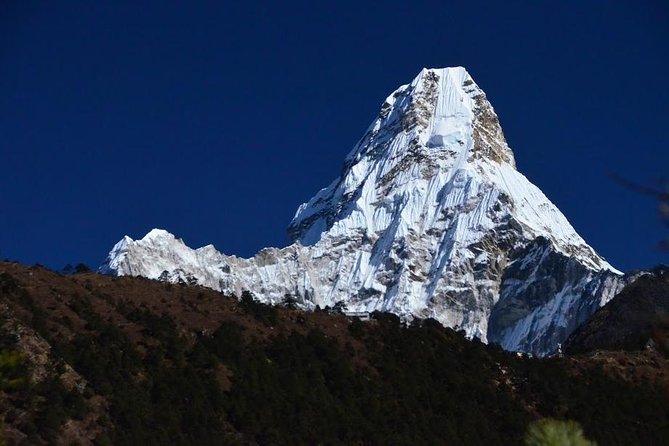
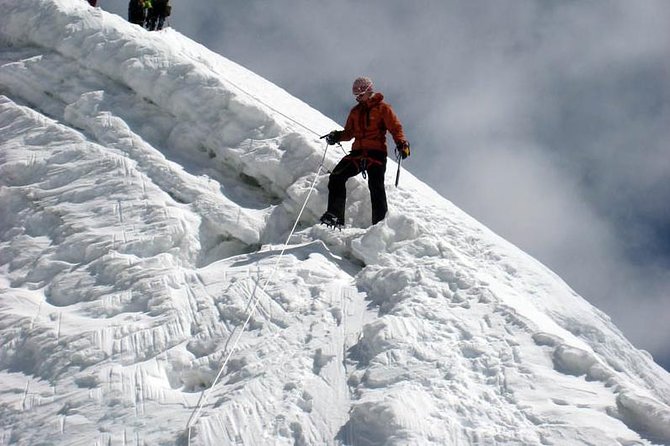
Island Peak (6189m) sits in the Everest region and is popular for a reason. It’s high enough to feel serious, but it also functions like a stepping stone. You’re not just chasing altitude for altitude’s sake. You learn how steep, icy terrain feels, practice basic climbing systems, and get your body ready during the trekking days.
The second reason this combo is smart is that Everest Base Camp brings context. You’ll spend time trekking through places that made the Everest story famous. Then you reach the Base Camp area, walk around among the gear-carrying routes, and see why climbers plan their entire seasons around weather and timing. After that, Island Peak doesn’t feel random. It feels like the next step.
You should also know this is not a casual hike. The itinerary is built for people with moderate physical fitness who can handle cold, big days, and altitude. The good news is pacing is part of the design, including acclimatization days. That matters more than people think until they’re walking uphill near 5000m.
More Everest Base Camp treks:
- Everest Base Camp Trek – 14 Days
★ 5.0 · 1,499 reviews - Everest Base Camp Trek
★ 5.0 · 842 reviews - Everest Base Camp Helicopter Tour landing at Everest View Hotel
★ 5.0 · 668 reviews
Kathmandu to Lukla: start fast, adjust later
Your trip begins in Kathmandu, with a transfer and time for trek preparation. This matters because what you pack and how you organize your clothing is part of staying comfortable in the cold. In the Himalaya, small mistakes turn into big problems.
Then comes the short flight from Kathmandu to Lukla, usually your jump-off point at around 2840m. After landing, you trek onward to Phakding (2610m). On paper, the altitude drop looks tiny. In reality, it’s a transition day where your legs wake up and you get a feel for trail footing and steep sections.
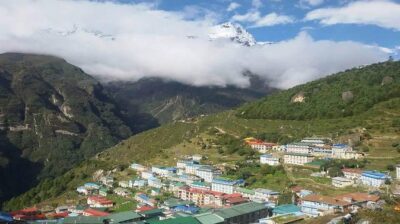
From Phakding, you move toward Namche Bazaar (3440m). Namche is the major hub. It’s where altitude starts to feel personal. You’ll notice the rhythm changes here: breath shortens, walking pace slows, and the air feels thinner even if you’re doing the same steps you did yesterday.
Namche and Tengboche: the altitude “course correction” days
This trip includes an acclimatization day in Namche Bazaar. I like this because it’s not just a forced rest. It’s a chance to walk a bit, then return to your lodge and let your body catch up. That balance is important before you keep climbing.
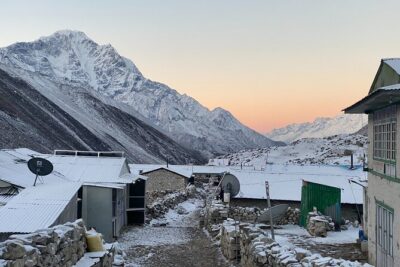
After Namche, the route goes to Thyangboche (Tengboche) (3680m). This is one of those stops where you feel the spiritual pull of the region. You’re also at an elevation where the cold can sharpen quickly, especially in the morning and evening. Pack and dress for that reality, not for what it feels like in Kathmandu.
From there you head to Pheriche (4240m). This is a classic acclimatization stepping stone. It’s high enough to test you, but it also gives you time to settle into the lower-oxygen way of moving. The goal is to arrive, breathe, hydrate, and avoid the urge to “push through” like you’re on a flat trail.
Lobuche to Gorakshep: where the route turns into big-altitude territory
Next up is Lobuche (4950m), then Gorakshep (5160m) and the trek onward toward Everest Base Camp (5364m area). This is where the altitude gets real. Your breathing rate will be higher. Your muscles will fatigue faster. And the cold can feel more intense, especially when wind shows up.
The itinerary is designed to give you a meaningful Everest Base Camp day experience, then return to Gorakshep. The practical value of this approach is that you see Base Camp, you get your time in the area, and you’re not forced to chain too many high-elevation activities without recovery.
If you’re hoping for a highlight moment, this is a strong contender. When you’re up in this zone, everything feels purposeful. Even the act of walking to Base Camp becomes part of the story, because you’re moving through the same kinds of routes climbers use for supplies and staging.
More climbing peaks in Kathmandu:
- Mera Peak Climbing
★ 5.0 · 33 reviews - Island Peak Adventure
★ 5.0 · 15 reviews - Everest Base Camp Trek with Island Peak Climbing
★ 5.0 · 14 reviews - Mera Peak Climbing
★ 5.0 · 8 reviews
Kalapatthar and Chhukung: two viewpoints, two different feelings
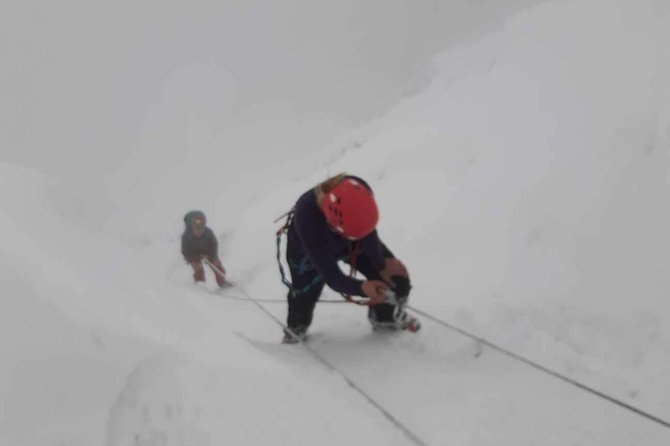
After Everest Base Camp time, the plan includes Kalapatthar (5550m). This viewpoint is about seeing more, higher, and farther. Expect wind, cold hands, and a slow pace up, even if you feel okay. The payoff is in the wide panorama feel, with multiple peaks lined up in view.
Then you trek to Chhukung (4730m). This is a key shift. You’re transitioning from the Everest Base Camp region toward Island Peak’s base area. Chhukung sits lower than the highest points you’ll reach, so it can feel like a “reset,” but it’s still high enough to keep you honest.
This part of the journey is also useful because it sets up the next phase. By the time you reach Chhukung, your body has already been through the high-elevation routine. That makes the next step from trekking to climbing systems feel more manageable.
Island Peak base camp to high camp to summit day
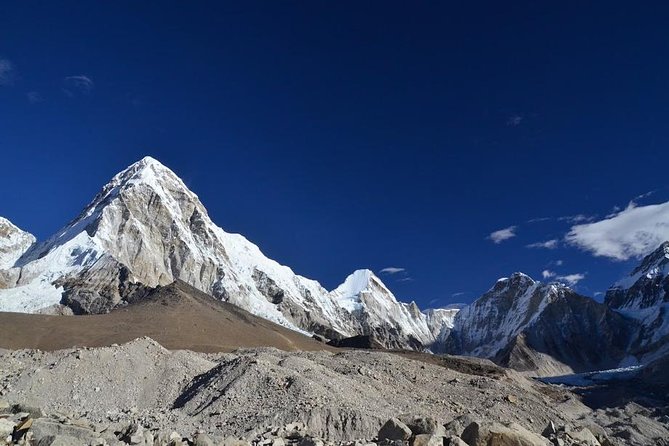
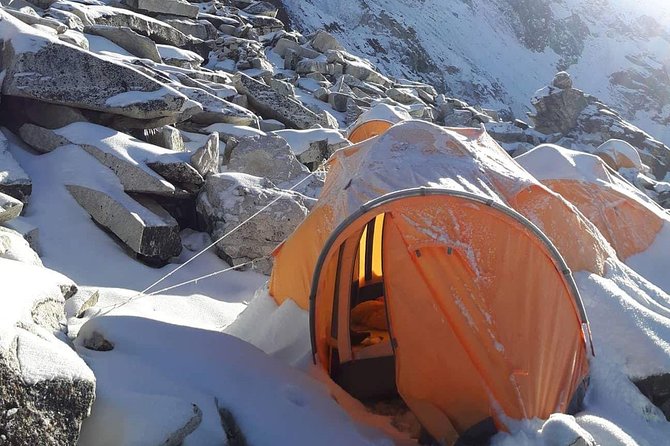
From Chhukung, you go to Island Peak Base Camp (5200m). The big change here is that the trip stops being only about hiking. Base camp is where you shift into a climbing mindset, including practice and preparation tied to equipment.
Then you move to High Camp (5600m). This step matters because it simulates what it feels like to function at a higher altitude while carrying the mental load of a summit attempt. Whether your guide has you sleep there or time things so you minimize strain, this is where you learn how to stay calm and methodical.
The itinerary includes acclimatization on Day 13, then a summit push from High Camp: High Camp to Summit (6189m) and back to Base Camp. The itinerary also notes that, depending on weather and other factors, the guide may choose alternatives like how many nights you spend at base camp versus running a faster summit plan. That flexibility is not a detail. It’s how you protect your chances.
On summit day, the cold, wind, and fatigue will be more important than your ambition. You’ll want to move steadily, follow the guide’s pace, and trust your systems. The reward is the summit panorama, plus the satisfaction of reaching a “real climbing” height in the Everest region.
Gear, guides, and porters: how the included package reduces stress
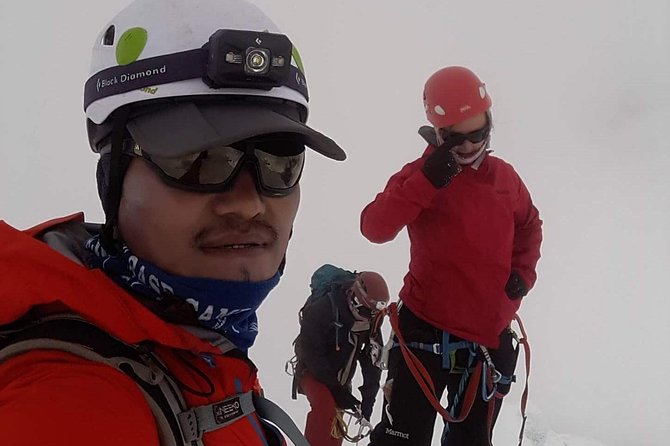
This trip includes a surprising amount of gear. You get a down jacket, sleeping bag, and a first-aid kit. You also get iodine-based water purifying solution, which is practical in remote trekking areas where water safety matters.
For climbing, you’re provided items like tent, ice axe, ropes, crampons, harness, and helmet. That can save you real money and pack weight. It also reduces the risk of arriving with the wrong equipment setup, which is a common problem for first-time climbers.
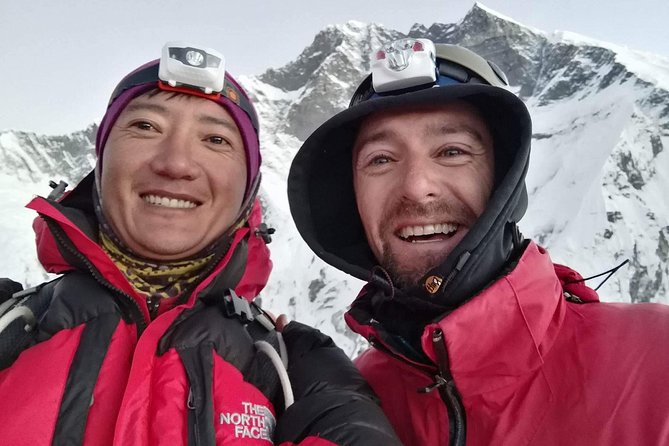
You’ll also have an experienced English-speaking climbing guide, and porters are included for two climbers, carrying up to 25 kg. That doesn’t eliminate all effort, but it can protect your strength for the climb itself.
A nice touch from the operation side: expenses for guide and porters are covered, including wages, accommodation, meals, transportation, and insurance. The plan also mentions special insurance for high altitude workers. Even if you do not think about that until something goes wrong, it’s a sign the company is set up for this kind of terrain.
From past feedback tied to this outfitter, I’ve seen names like Arjun show up in thanks for guide work on Island Peak, and Ram praised for logistics support. You can’t build a decision only on names, but it does match the overall impression of an established team.
Accommodation and food, what “teahouse to tent” really means
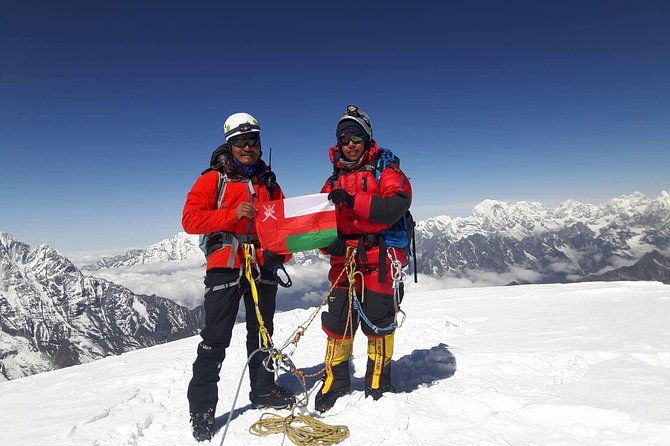
On the trekking portion, you’ll use basic teahouse accommodation. Expect private space in some form, but toilets and bathrooms are outside the room. It’s normal for the region, and it’s part of how the experience stays affordable.
In Kathmandu, the plan includes deluxe accommodation for 3 nights, plus breakfast there. That’s a useful break before and after altitude. In the climbing phase, you shift to tented camp, again on a twin sharing basis.
Food is structured with three meals per day during the trek: breakfast, lunch, and dinner. You can choose from the menu. During the climbing period, meals are prepared by your guide, and breakfast is included again in Kathmandu. This matters because appetite can be tricky at altitude, and having predictable meal structure reduces decision fatigue.
What is not included is equally important. You’ll pay for beverages like cold drinks, bottled mineral water, and tea or coffee. You’ll also pay for personal expenses like snacks, battery charging, wifi, hot showers, and laundry.
Price and logistics, what you are really paying for
At $2,765 per person, this is not a budget trek. But it also isn’t just paying for someone to walk with you. Your price includes the Island Peak climbing special permit, core staffing (guide and porters), and the cost of guide and porter logistics like insurance and travel. It also includes included gear for cold and technical climbing, plus a provided water purification solution.
So where does the value show up for you? It’s in reducing the number of things you must figure out yourself, especially at altitude where mistakes are expensive. It’s also in the private setup, meaning you’re not stuck sharing your timeline with strangers if your group prefers a certain pace.
Still, do budget thoughtfully. Even with many essentials covered, you will want extra money for beverages and personal items. You may also face excess luggage fees if your checked baggage is over 15 kg, since the plan states airlines allow 15 kg per person and excess costs USD 1.5 per kilo.
Who this private Island Peak trip fits best
This is best for you if you want a guided, structured Everest region experience with real climbing days at the end. You should also like the idea of learning through pacing: trekking, acclimatization, then stepping into technical altitude.
I’d especially recommend it if you are:
- Comfortable with moderate fitness demands and cold conditions
- Open to a private group dynamic, where the itinerary matches your needs
- Interested in Sherpa culture and want time in Khumbu hubs like Namche and around Tengboche
It may feel less suitable if you want a flexible, go-anywhere itinerary with minimal altitude stress. This plan is specific, and the success of a summit push depends on weather and your ability to follow a steady routine.
Should you book this Island Peak plus Everest Base Camp trip?
If you want Island Peak that feels like smart training, not chaotic risk, this trip is a strong match. You get a full Everest region route, scheduled acclimatization, and a guided climb plan that includes key climbing gear and staffing support.
My advice is to book if you can commit to being prepared for altitude, cold mornings, and the reality that the Himalaya can affect timing. If you can also keep a bit of buffer time in your calendar, you’ll give yourself room for the weather to decide things.
If you’re unsure, ask your outfitter directly about what you personally need to bring for boots, warm layers, and headlamp readiness, since personal equipment for trekking and climbing is not included. That one detail can make a huge difference in comfort.
FAQ
What is the highest point on this trip?
The highest point is Island Peak summit at 6189m. The itinerary also includes high areas like Everest Base Camp and Kalapatthar, so you should expect long days at altitude.
Is the Island Peak climbing permit included?
Yes. The trip includes the Island Peak climbing special permit.
What kind of accommodation is provided?
During the trek, you stay in basic teahouse accommodation, with toilet and bathroom facilities outside the room. In Kathmandu, you get deluxe accommodation for 3 nights. During the climbing period, you use tented camp on a twin sharing basis.
What climbing and cold-weather gear is included, and what do I need to bring?
Included items include a down jacket, sleeping bag, first-aid kit, and iodine-based water purification solution, plus climbing equipment such as tent, ice axe, ropes, crampons, harness, and helmet. You still need to bring personal trekking shoes, climbing boots, and warm clothes, since personal equipment is not included.
What meals are included?
The trek includes three meals per day (breakfast, lunch, and dinner), with options from the menu. Kathmandu includes breakfast, and during the climbing period meals are prepared by your guide. A farewell dinner in Kathmandu is also included. Beverages are not included.
How does baggage work for the flights to Lukla?
The plan notes airlines allow 15 kilos of baggage per person. If your luggage is more than 15 kg, you pay excess luggage charges at the airport, listed as USD 1.5 per kilo.
What happens if weather affects the trip?
The trip is subject to favorable weather conditions. If it is canceled due to poor weather, you are offered an alternative date. The guidance recommends keeping at least 2 spare days so your vacation does not feel disrupted.
Latest additions near Kathmandu
- White Water River Rafting – 1 Day★ 4.3 · 3 reviews
- Traditional Momo Making Class★ 5.0 · 10 reviews
- Kathmandu to Pokhara Premium sofa bus ticket★ 4.0 · 17 reviews
- Amazing 1 Day Trekking Experience in Kathmandu Nepal★ 5.0 · 24 reviews
- Ghorepani Poonhill Trek★ 5.0 · 5 reviews
- Ghorepani Poon Hill Trek★ 5.0 · 16 reviews
- Walking tour of real Kathmandu through back streets.★ 5.0 · 3 reviews
- Wildlife Adventure in Chitwan Nepal★ 4.0 · 4 reviews
Everest Base Camp Treks, compared.
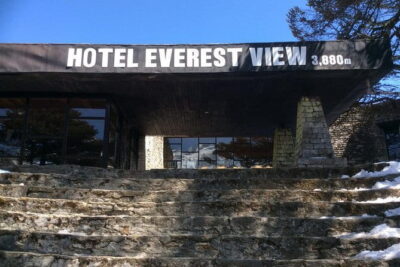
Everest Base Camp Helicopter Tour landing at Everest View Hotel
Read our review →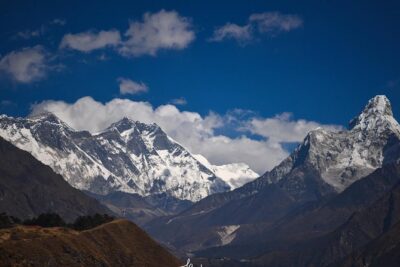
Everest Base Camp Helicopter Tour landing at Hotel Everest View
Read our review →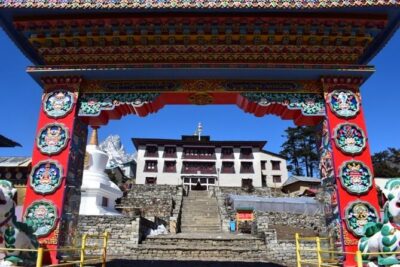
Browse the lists this tour appears in