
Reviewed · ANNAPURNA BASE CAMP TREKS
Short Annapurna Base Camp Trek – 7 Days
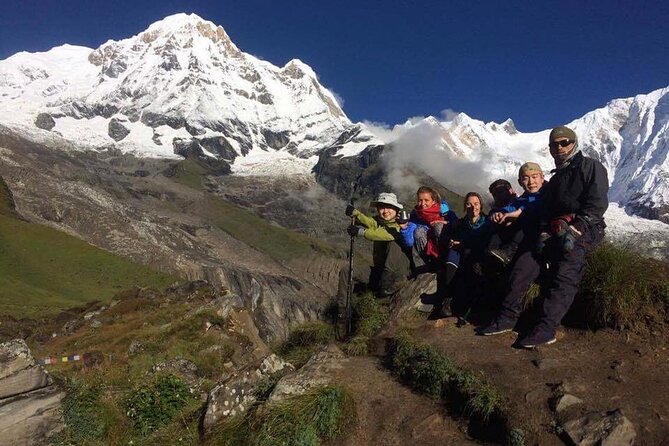
If you love mountains, wake up early in Nepal. This 7-day short Annapurna Base Camp trek focuses on reaching Annapurna Base Camp and Machhapuchhre Base Camp without doing the full classic route, so you get the same sense of adventure in fewer days.
I especially like that the trip is set up with a guide plus porter support, and the meals during the trek are included, which removes a lot of day-to-day decision making.
One thing to consider first: this trek demands a strong fitness level, and you will need to cover costs that are not included, like personal gear, drinks, and tips.
In This Review
- Key points to know before you go
- Short Annapurna Base Camp in 7 days: the point of this trek
- Getting started at 1:15 am and how the transfers work
- Pokhara hotel days: where the trip catches its breath
- Trekking with a guide and porter team that actually helps
- Lodge life in tea houses: included meals, real hosting
- Villages and culture: Gurung, Magar, and Tamang daily life
- Machhapuchhre Base Camp and the view moments that matter
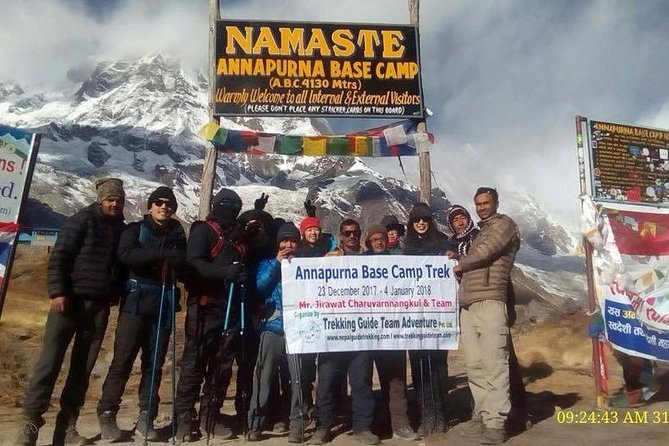
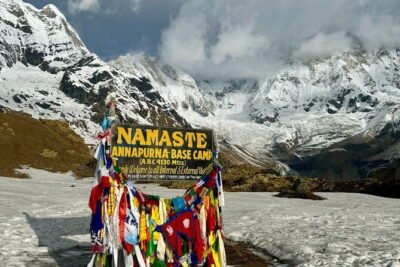
- Reaching Annapurna Base Camp: what you should expect
- Gear, fitness, and comfort: what you must plan for
- Price and value: what $650 covers, and what it does not
- People factor: guides and porters who make it feel human
- Should you book Short Annapurna Base Camp for 7 days?
- FAQ
- What is the duration of the Short Annapurna Base Camp trek?
- Where does the trek start and end?
- What is the meeting start time?
- What is included in meals during the trek?
- What lodging is included?
- Does the price include permits?
- Do I need to arrange my own Nepal visa?
- What trekking gear is not included?
- Is personal travel insurance included?
- Is tipping included?
Key points to know before you go
- You get the base-camp payoff in a shorter schedule, with both Annapurna and Machhapuchhre targets
- Meals during the trek are included, served at normal Nepali lodge or tea house places along the way
- A guide and porter pair up with your group, with guide and porter insurance included in the package
- You visit real ethnic villages tied to Gurung, Magar, and Tamang life
- Pokhara is part of the rhythm, including a 3-star bed and breakfast stay for 2 nights
- Permits are handled, including the TIMS permit and Annapurna Conservation related paperwork
Short Annapurna Base Camp in 7 days: the point of this trek
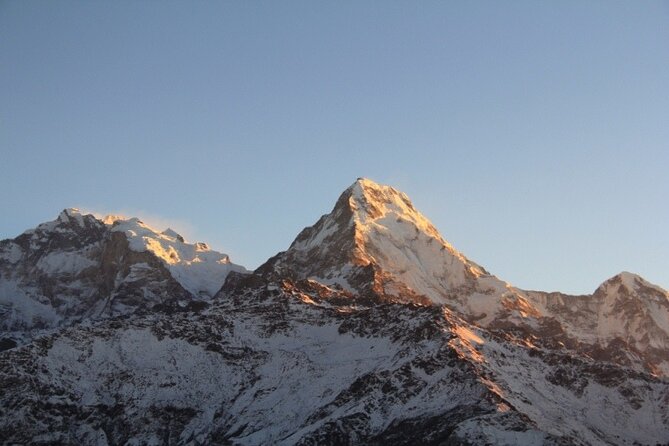
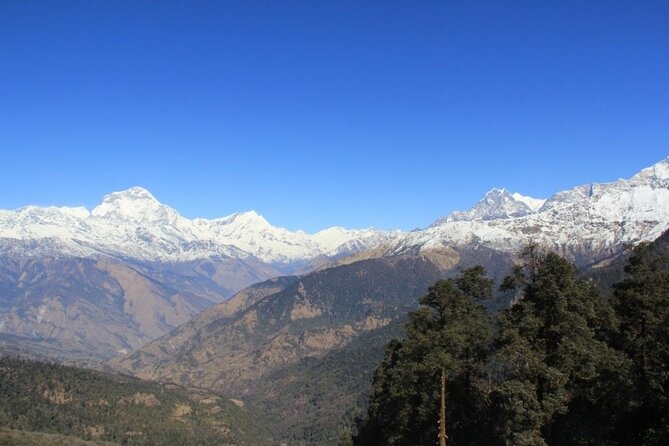
The appeal here is simple: you still go after the Annapurna Base Camp experience, but you do it in a shorter window. You are not just chasing views, either. The route is built to give you repeated chances to look across the Annapurna range and to spot landmarks like Machhapuchhre (Fishtail).
This trek also leans into the human side of Nepal. Along the way, you pass through villages connected to Gurung, Magar, and Tamang communities. That matters because it changes the mood from pure “exercise to elevation” into a moving window on how people live, work, and host trekkers in the Annapurna region.
The base-camp goal plus village life is why this works well for people who want a memorable Himalayan trip but cannot tie up two full weeks.
More Treks in Kathmandu
- Everest Base Camp Trek – 14 Days
★ 5.0 · 1,499 reviews - Everest Base Camp Trek
★ 5.0 · 842 reviews - Everest Base Camp Trekking
★ 5.0 · 485 reviews
Getting started at 1:15 am and how the transfers work
The start time is early, 1:15 am, which tells you right away this is an itinerary designed to maximize daylight on the trekking days. You will be in the pre-trek logistics phase fast, not slowly easing into Nepal time.
From Kathmandu, the plan uses land transportation by tourist bus from Kathmandu to Kathmandu as part of the overall loop. Then you connect from Pokhara to New Bridge by local jeep, which is where the trekking starts and ends. That matters for two reasons:
- You are not spending extra time figuring out connections while you are already tired.
- The jeep leg helps compress time so the schedule stays realistic for a 7-day trek.
If you like clear structure, this kind of setup is comforting. If you hate early mornings, you will still have to work with this start.
Pokhara hotel days: where the trip catches its breath
Before the trek, you get a hotel base in Pokhara. The package includes 3-star bed and breakfast accommodation for 2 nights, listed as Splinded View. Even if you treat the hotel as a sleep stop, it helps to have a real bed before you start moving daily on foot.
Pokhara is also where your brain switches from city mode to trail mode. You’ll likely take care of practical items like gear checks, water planning, and a final look at what you will do with your evenings once you are in lodge country. It is a nice buffer, especially when the trek begins so early.
One bonus included with the overall concept is that the journey includes a point described as views from a Himalayan hotel. While the exact timing of that view stop is not spelled out here, the idea is consistent: you get visual reward during your trip, not only at base camp.
Trekking with a guide and porter team that actually helps
This is set up as a private tour/activity, meaning only your group participates. That usually improves the overall feel because your guide can keep the pace aligned to your comfort level and adjust around small issues like energy dips or slower steps.
Support is also a core feature:
- You get 1 guide + 1 porter for each two tourists.
- Insurance for the guide and porters is included.
- During the trek, you stay in normal lodge or tea houses run by Nepali families.
From a value perspective, this is where the price makes sense. You are paying for human support during most of the hardest parts of the trip, not just for a map and a checklist. In the feedback you provided, names like Jit, Shambu, Sujan, Deepak, Ram, and Santosh come up repeatedly, along with porters like Amrit, CP, Namraj, Noma, and Suga. The common thread is not just friendliness, it is practical care, like keeping people comfortable and adjusting when conditions get tough.
One of the most useful reminders from the trip feedback: if you or someone in your group has slower days, a good guide and team can help keep the experience enjoyable instead of stressful. That is the kind of support you want on a shortened trek, where you still want to enjoy every day you have.
More Annapurna Base Camp treks:
- Annapurna base camp trek 5 Days
★ 5.0 · 252 reviews - 14-Day Private Annapurna Base Camp Trek
★ 5.0 · 180 reviews - Annapurna Base Camp Trekking
★ 5.0 · 116 reviews - Annapurna Base Camp Trek
★ 5.0 · 111 reviews
Lodge life in tea houses: included meals, real hosting
During the trek, breakfast, lunch, and dinner are included. Lodges and tea houses here are described as normal places run by Nepali families. That means you are not stuck eating one rigid hotel menu. You can expect a simple rhythm: eat, rest, and get moving again.
This is also one reason the trek is easier to manage mentally. When meals are handled, you spend less time thinking about logistics on the trail. You can focus on pacing and scenery instead.
Just note what is not included: coffee and/or tea, alcoholic and non-alcoholic drinks (including tea, coffee, mineral water, and hot water) are listed as not included. Snacks like sweet treats are also not included, and hot shower and laundry are not included during the trek. So you should treat drinks, extras, and comfort upgrades like optional add-ons, not part of the base plan.
Villages and culture: Gurung, Magar, and Tamang daily life
One of the best things about Annapurna is that you do not move through empty scenery. You move through working communities. This trek includes exploration of typical villages linked to Gurung, Magar, and Tamang ethnic groups.
Why I like this part of the experience for you: it gives your trek meaning beyond checkpoints. You are seeing a region with a history of hospitality, and tea houses are not just tourist infrastructure. They are homes and small businesses supporting families in the mountains.
It also helps your photos feel more grounded. You will likely capture both landscapes and everyday mountain life, which tends to make the memory stick longer after the trek dust settles.
Machhapuchhre Base Camp and the view moments that matter
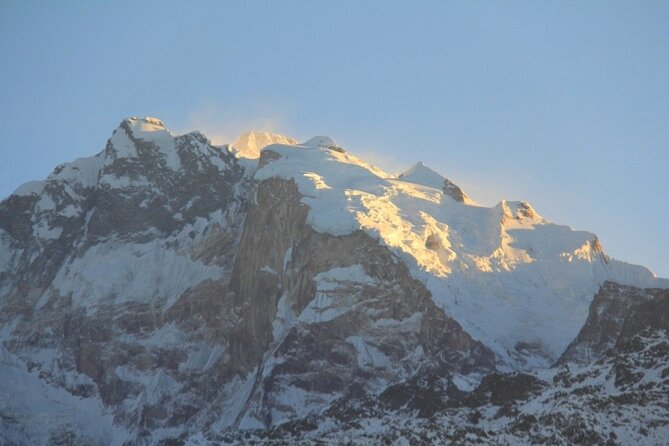
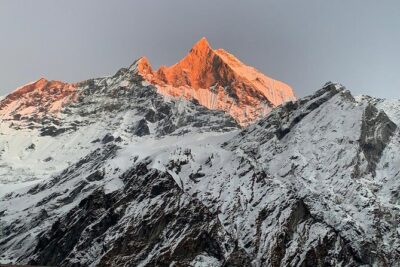
The itinerary highlights trekking to Machhapuchhre Base Camp and pairing that with wide mountain views across the Annapurna range. Machhapuchhre is a special summit in Nepal. Even without going into legend, its shape is famously distinctive, and base camp style routes often feel like you are walking closer to a dramatic skyline.
A key included element in the trip summary is a set of mesmerizing views from a Himalayan hotel. This is valuable because it breaks up trekking days with a built-in “reward moment.” On shorter treks, those checkpoints matter. They keep you motivated when the trail gets repetitive and you start wondering if it will be worth it again tomorrow.
If you are the type who gets frustrated when a trek feels like a long uphill grind, this design helps. You get payoff during the journey, not only at the final destination.
Reaching Annapurna Base Camp: what you should expect
The goal here is trekking to Annapurna Base Camp. In the summary, Annapurna is described as the tenth highest mountain in the world, at 8091 m, which is the kind of framing that makes you understand why base camp is such a big deal even if you are not climbing the peak.
On a short route, you should think of base camp as the emotional finish line. You will likely spend time soaking in the mountain presence, taking photos, and letting the reality sink in after days of motion. Because the trek is fewer days than the classic version, you will probably feel a little more “compressed excitement.” You do not have time to get bored, and that can be a good thing.
The best practical advice: plan to keep your pace steady and your expectations flexible. Weather can change quickly in the mountains, and even if you get clear skies, you still want time for slow breaths and long looks, not only quick picture runs.
Gear, fitness, and comfort: what you must plan for
The trek requires strong physical fitness. Since the package does not include personal equipment, you should show up with the basics ready:
- sleeping bag, down jacket, gloves, sunglasses, sunscreen, trekking stick, and trekking shoes are listed as not included.
Also manage comfort expectations. Hot shower and laundry during trekking are not included, and wifi, internet, phone calls, and battery charging are not included. That last point matters more than people expect. Plan for low connectivity days. If you need to stay in touch constantly, you will feel the limits.
One more reality check: the meeting time is extremely early, and the trekking loop includes jeep travel out of Pokhara. If you are prone to getting motion-sick or struggle with early starts, you may want to plan for that with rest and hydration on the hotel nights.
Price and value: what $650 covers, and what it does not
The listed price is $650 per person. The value is strongest when you look at what is included for most of the tough, time-consuming part of the trip.
Included:
- Guides and porters (with the ratio given: 1 guide and 1 porter per two tourists)
- Meals during the trek (breakfast, lunch, dinner)
- Pokhara hotel for 2 nights (3-star bed and breakfast)
- Transportation loop by tourist bus from Kathmandu to Kathmandu
- Pokhara to New Bridge by local jeep for the trekking start and end
- TIMS permit and Annapurna Conservation related paperwork
- Lodge or tea house accommodations during the trek
- Pickup offered (not every company offers that clearly)
Not included:
- Nepal entry visa (given on arrival at the airport, bring 2 passport size photos)
- Personal insurance for travel, including helicopter rescue coverage
- Emergency rescue evacuation
- Tipping for guide and porter
- Personal trekking gear
- Kathmandu and Pokhara lunch and dinner, listed as typically $3 to $7 per item depending on what you order
- Coffee/tea, drinks, snacks, and comfort add-ons like hot shower and laundry
- Kathmandu accommodation
So is $650 fair? For a 7-day base-camp trek with permits, lodge nights, most meals, and staffed trail support, it is on the reasonable side, especially if you compare what you would pay for guide-only services plus your own planning.
But if you already know you will spend heavily on drinks, extra snacks, and comfort items, your final trip total can climb quickly. This is the part to budget early, so you do not get surprised later.
People factor: guides and porters who make it feel human
The strongest praise in the feedback you shared focuses on the people. Guides like Shambu, Jit, Deepak, Ram, Tej Bagale, and Sujan show up repeatedly, and porters such as Nama, Amrit, CP, Namraj, Noma, and Suga are praised for being polite, patient, and helpful.
A few specific patterns stand out that you can take into your decision:
- The guides explain things and keep the group comfortable, not just moving forward.
- The team helps even when someone has a slow pace or needs extra care.
- Personal support is not treated like a special request. It is treated as part of the job.
If you book this trek because you want the classic base-camp scenery, you will still get that. But the extra value is that you are also buying a human buffer that can make the route feel easier and safer.
Should you book Short Annapurna Base Camp for 7 days?
I think this is a smart choice if:
- You want base-camp drama for both Annapurna and Machhapuchhre but you cannot do the full classic itinerary.
- You like having guide and porter support and you want meals and permits handled.
- You care about more than scenery, and you want exposure to Gurung, Magar, and Tamang village life.
Skip it or choose a different format if:
- You do not have the fitness to handle a shorter, more direct trekking schedule.
- You are not ready to handle extra costs on your own side, like gear, visa photos, personal insurance, tipping, drinks, and Kathmandu lodging.
- You need constant connectivity. Internet and charging are not included.
If you are prepared, this short version can give you the core Annapurna Base Camp feeling without turning your trip into a long slog.
FAQ
What is the duration of the Short Annapurna Base Camp trek?
It runs for 7 days approximately.
Where does the trek start and end?
The trekking starts and ends at New Bridge, with transport from Pokhara to New Bridge by local jeep.
What is the meeting start time?
The start time is 1:15 am.
What is included in meals during the trek?
Breakfast, lunch, and dinner during the trek are included.
What lodging is included?
During the trek, accommodations are in normal lodge or tea houses run by Nepali families. In Pokhara, there is a 3-star bed and breakfast stay for 2 nights.
Does the price include permits?
Yes. The package includes the TIMS permit and Annapurna Conservation and Trekkers Information Management System related permit paperwork.
Do I need to arrange my own Nepal visa?
Yes. The Nepal entry visa is provided on arrival at the airport, but you must bring 2 passport size photos.
What trekking gear is not included?
Personal equipment is not included, including sleeping bag, down jacket, gloves, sunglasses, sunscreen, trekking stick, and trekking shoes.
Is personal travel insurance included?
No. Personal insurance for travel to Nepal is not included, and the provided list specifically mentions coverage for helicopter rescue.
Is tipping included?
No. Tips for the guide and porter are not included.
Latest additions near Kathmandu
- White Water River Rafting – 1 Day★ 4.3 · 3 reviews
- Traditional Momo Making Class★ 5.0 · 10 reviews
- Kathmandu to Pokhara Premium sofa bus ticket★ 4.0 · 17 reviews
- Ghorepani Poon Hill Trek★ 5.0 · 16 reviews
- Amazing 1 Day Trekking Experience in Kathmandu Nepal★ 5.0 · 24 reviews
- Ghorepani Poonhill Trek★ 5.0 · 5 reviews
- Walking tour of real Kathmandu through back streets.★ 5.0 · 3 reviews
- Wildlife Adventure in Chitwan Nepal★ 4.0 · 4 reviews
Annapurna Base Camp Treks, compared.
Kathmandu to Annapurna Base Camp (ABC) 5-Day Trek
Read our review →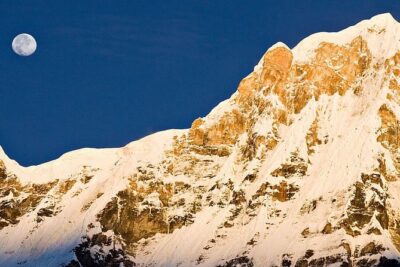
Browse the lists this tour appears in