
Reviewed · ANNAPURNA CIRCUIT TREKS
Private Annapurna Circuit Trek
Thorong La tests you, then gives back views. This private Annapurna Circuit trek is interesting because it takes you to Thorong La Pass at 5,416 meters, one of the highest non-technical passes you can cross, and it keeps things fresh with scenery and village life that shift day by day. I also like the human side here, you move through Gurung and Magar villages, apple orchards, rhododendron forests, and Tibetan-influenced settlements, then end in the sacred town of Muktinath.
The one real consideration is altitude. You climb to thin air well before the pass, with days at around 4,000 to 4,600 meters, so you need to pace yourself and listen to your guide. If you want a smooth experience, plan on moderate fitness, and remember that rescue and travel insurance is not included.
In This Review
- Key Highlights You’ll Care About
- Private Annapurna Circuit Trek, What You Actually Get
- Price and Value Check at $1,150 Per Person
- Thorong La Prep: Altitude Reality and How This Itinerary Helps
- Kathmandu to Besi Shahar: The Soft Start That Sets the Tone
- Chame to Pisang: Forest Steps, Apple Orchards, and Prayer Flags
- Pisang to Manang: Braga Monastery and Two Nights to Acclimatize
- Manang to Yak Kharka to Thorong Phedi: Bridges and Thin Air
- Thorong La Pass at 5,416 Meters, Then Down to Muktinath
- Jomsom and Pokhara: Gorge Scenery and a Real Bed
- Meals, Lodges, and the Comforts That Keep You Moving
- Your Guide Experience: Adaptable Pace Matters
- What to Pack and What to Plan For (No Guesswork Required)
- Who This Private Annapurna Circuit Trek Fits Best
- Should You Book This Private Annapurna Circuit Trek?
- FAQ
- How many days is the Annapurna Circuit trek?
- Where does the trek start?
- What is the highest point on this trek?
- Is this trek private?
- What is included in the trek meals?
- Are trekking poles and crampons included?
- What is not included in the price?
- Is pickup offered?
- What is the cancellation window for a full refund?
Key Highlights You’ll Care About
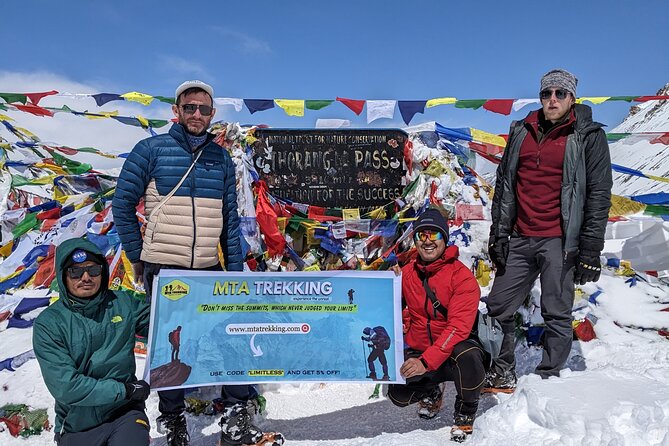
- Thorong La Pass at 5,416 meters without technical climbing skills, but still a long, demanding day
- Private trek setup where you and your group set the pace, with an experienced guide handling timing
- Good value meal coverage, with breakfast, lunch, and dinner included during the trek
- Manang acclimatization built in, including a full extra day to rest, resupply, and day hike if you feel good
- Home-cooked style meals and friendly teahouses, plus a home-base hotel night before and after the trek
- Simple recovery detail, including a one-hour foot massage after the trek
Private Annapurna Circuit Trek, What You Actually Get
This is a private Annapurna Circuit trek based out of Kathmandu, designed for travelers who want the route, the pace, and the logistics to feel handled. The biggest difference versus a budget group trek is that the trip stays centered on your group, not on making everyone fit one strict schedule. That matters when you are at altitude and when your body is adjusting.
Another thing I like is that meals are part of the deal during the trekking days. Tea house style is normal on the Annapurna Circuit, but you are not constantly budgeting for lunch breaks and dinner plans while you are tired. You also get one night of hotel accommodation before the trek and one after, plus another hotel night in Pokhara.
You should also know that it is not a light and fluffy vacation. This is high terrain travel. Even though the pass does not require technical climbing, it still asks for endurance, careful breathing, and smart pacing.
More Treks in Kathmandu
- Everest Base Camp Trek – 14 Days
★ 5.0 · 1,499 reviews - Everest Base Camp Trek
★ 5.0 · 842 reviews - Everest Base Camp Trekking
★ 5.0 · 485 reviews
Price and Value Check at $1,150 Per Person
At $1,150 per person for about 11 days, you are paying for three things: planning, people, and time saved. The package includes an experienced guide, guided transport legs, trekking meals (breakfast, lunch, and dinner during the trek), and required paperwork like ACAP permit and TIMS.
It also includes trekking poles and crampons. That is a practical plus. Even if you do not use them constantly, having the gear reduces last-minute scrambling and helps you feel ready for colder or icy sections near the high pass, depending on conditions.
Now the trade-offs. Not included are travel and rescue insurance, tips, bottled or boiled water, and certain personal costs like laundry and bar bills. Porter help is also not included, which can matter if you tend to travel with more gear than the average minimalist trekker.
If you handle your own tipping and you bring proper insurance, this price starts to look fair fast, especially for a private setup with multiple guided days, meals, and lodging.
Thorong La Prep: Altitude Reality and How This Itinerary Helps
Thorong La Pass is the signature moment. It tops out at 5,416 meters, and it is one of the highest passes on the Annapurna Circuit that you can cross without technical climbing. That makes it more accessible than routes that require roped climbing or equipment beyond poles and traction.
Still, the pass day is not the only high altitude day. You spend time building tolerance before you go for the top. Around Manang you are already in a zone where you may feel the altitude. Your trek includes two key support factors:
1) Time to acclimatize in Manang
You get two nights in Manang and a full acclimatization day, with options like restocking supplies and day hikes to places such as Gangapurna Lake or Kicho Tal (if you feel good).
2) A gradual climb to higher villages
You go from Yak Kharka to Thorong Phedi the day before the pass. That reduces the shock of jumping straight from lower altitude to the highest point.
If you are the type who wants numbers, plan on this: you will be trekking around 4,000 meters by day 7, and roughly 4,600 meters by day 8. If you treat those days like training days instead of checklists, your pass day usually feels more doable.
Kathmandu to Besi Shahar: The Soft Start That Sets the Tone
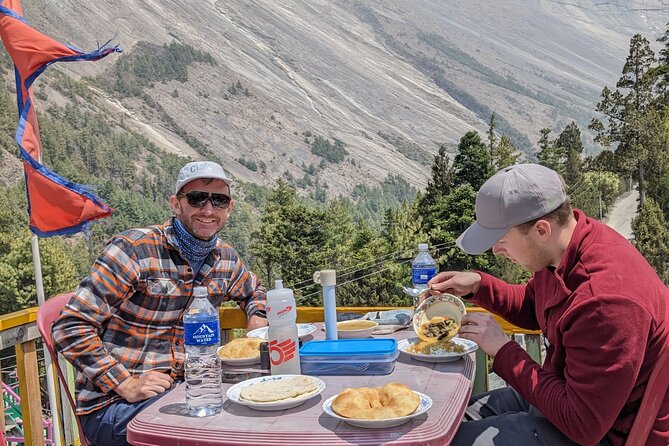
Day 1 is your arrival day in Kathmandu. You get a greeting and transfer to a deluxe budget hotel included in the package, then a short trip briefing. This kind of briefing matters more than it sounds. It helps you understand how the next days will flow and what your guide will be watching for.
Day 2 brings you to Besisahar, Lamjung. You travel by public transportation for about 4 to 5 hours. The upside is that the route out of Kathmandu lets you see rural Nepal quickly, not just from a bus window. The possible downside is that public transport can be less comfortable than private shuttles. If you bruise easily, bring a seat cushion and dress in layers.
You check into your hotel in Besisahar and keep the afternoon flexible. That downtime is useful because tomorrow includes a driving leg and permit steps before real hiking starts.
More Annapurna Circuit departures:
- Annapurna Circuit Trek with Tilicho Lake
★ 5.0 · 368 reviews - Annapurna Circuit Trek
★ 5.0 · 94 reviews - Annapurna Circuit Trek
★ 5.0 · 67 reviews - Annapurna Circuit Trek
★ 5.0 · 49 reviews
Chame to Pisang: Forest Steps, Apple Orchards, and Prayer Flags
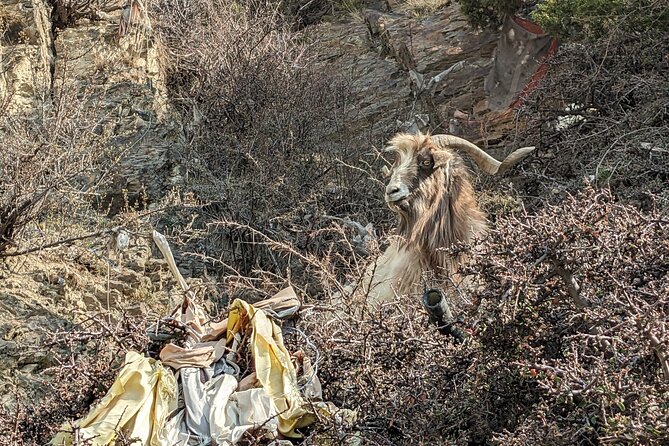
On day 3 you drive from Besisahar to Chame, about 2 to 3 hours. The drive passes through Gurung and Magar villages, pine and rhododendron forests, and even a roadside waterfall stop. You also register for trekking permits at Dharapani.
Chame itself is a good “first lodge night” base. It is not the final destination, but you get that early trekking lodge rhythm: arrive, rest, eat well, and sleep early.
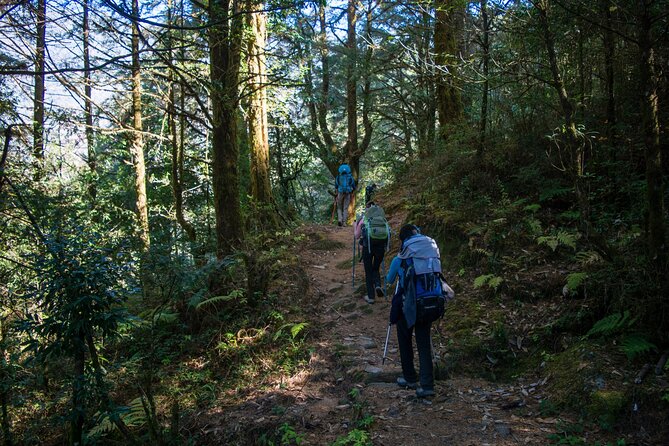
Day 4 is your hike from Chame to Pisang, around 4 to 5 hours. This day has a mix of softer terrain and pretty details: apple orchards, rhododendron and conifer forests, and suspension bridges decorated with colorful prayer flags. You also get views of Paungda Danda, a less talked-about flat-topped mountain.
If you like photography, this is a strong day because prayer flags and bridge crossings are easy to capture without sprinting.
The drawback to watch for on this section: early in the trek, it is easy to start too fast. If you push because it feels easy, you pay later when the altitude climbs.
Pisang to Manang: Braga Monastery and Two Nights to Acclimatize
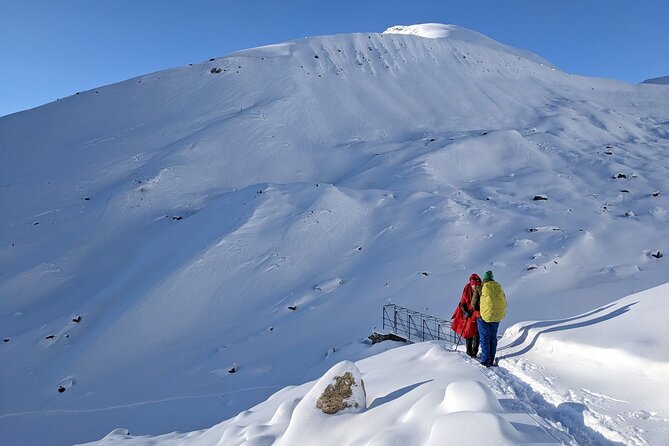
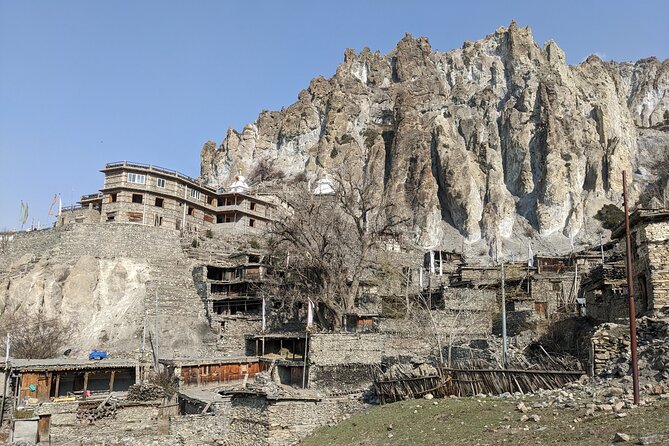
Day 5 hikes from Pisang to Manang, about 5 to 6 hours. You travel through evergreen forest sections, past Humde and Braga villages, and you reach the area of the 900-year-old Braga monastery. Manang is one of the largest communities in the Annapurnas, and the route gives you regular sightlines toward peaks like Gangapurna, Pisang Peak, and the Annapurnas.
The big practical advantage is that you do not just “arrive and keep climbing.” You stay two nights in Manang. That is a smart design, because altitude adaptation does not happen instantly just because you are in the right place.
Day 6 is a full acclimatization day in Manang. You can rest, resupply, and eat at town restaurants. There is also a built-in option for a day hike to Gangapurna Lake or Kicho Tal. Then you return to your lodge.
For many people, this is the emotional turning point of the trek. The pass day will feel heavy in your mind, but the Manang day makes it feel like a plan instead of a threat.
Manang to Yak Kharka to Thorong Phedi: Bridges and Thin Air
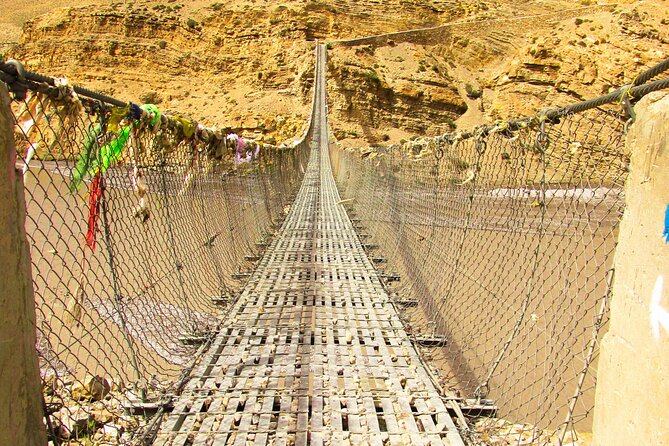
Day 7 takes you from Manang to Yak Kharka, around 4 hours. You cross several suspension bridges along the way. You should expect altitude to start feeling real here, since you are trekking around 4,000 meters.
Yak Kharka is described as a small village with a bakery and charming teahouse accommodations. That matters because it is not just a bed stop, you also get a chance to eat something familiar, warm, and not overly complicated.
Day 8 hikes from Yak Kharka to Thorong Phedi, about 4 to 5 hours. You cross a gravity-defying suspension bridge and then continue to Thorong Phedi, where you trek around 4,600 meters.
Thorong Phedi is small, but it gives great mountain views, including Gangapurna, Tilicho Peak, and the Annapurnas. This is the night before the pass, so it is also where your routine matters most. Eat early, sleep as much as you can, and keep your head clear. If your guide makes adjustments to your schedule based on your condition, trust that.
Thorong La Pass at 5,416 Meters, Then Down to Muktinath
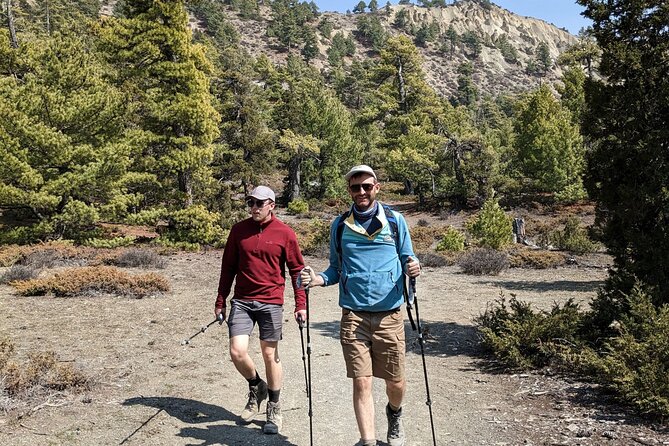
Day 9 is the headline. You climb to Thorong La Pass at 5,416 meters. This is a long and strenuous hike, even though it does not require technical climbing. From the pass, you can see major ranges, including Dhaulagiri and Manaslu.
After the pass, the itinerary descends to Muktinath, a sacred town for both Hindus and Buddhists. This is a meaningful contrast day. You go from high altitude effort to a place designed for reflection and ritual.
Practically, it is also one of the most “finish and recover” segments. Descents can be tough on knees, so plan for slow, steady steps. The views are the reward, but your legs still need to make it to the lodge.
Jomsom and Pokhara: Gorge Scenery and a Real Bed
Day 10 takes you trekking to Jomsom, around 5 hours. You then head toward the next base in the journey chain.
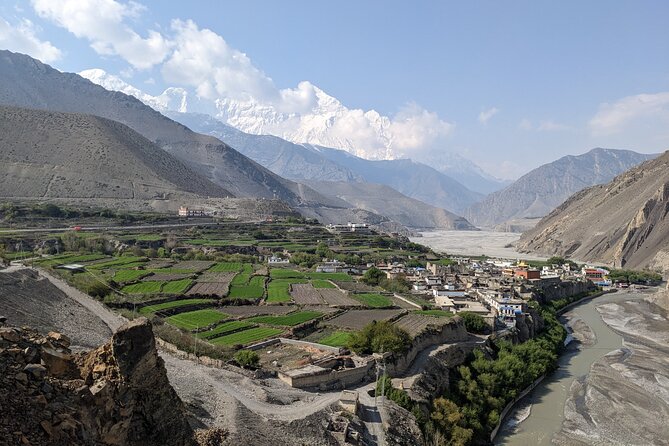
Day 11 is Pokhara. You get a final stretch that highlights changing terrain, including views of the Annapurna and Dhaulagiri ranges, the Kali Gandaki Gorge, terraced fields, and traditional villages. It is a nice payoff after days of thin air.
You also return to more comfortable travel life. Your package includes hotel accommodation in Pokhara after the trek, and it includes a one-hour foot massage after the trek. That is the kind of included recovery detail you appreciate most if you have been hiking hard and your feet feel like they have turned into rocks.
Meals, Lodges, and the Comforts That Keep You Moving
During the trek, meals (breakfast, lunch, and dinner) are included. That is a big quality-of-life point on this route. When you are tired, hunger makes everything worse. With meals handled, you can focus on pacing and staying warm.
Lodging is teahouse style on the trekking days, and the itinerary mentions trekking lodges in Chame, Pisang, Manang, Yak Kharka, and Thorong Phedi. The Manang area especially is known in the experience notes as having a good base for food and supplies.
The foot massage after the trek is also a standout. It is not just a nice extra, it helps you bounce back into normal life faster, especially if you are traveling onward.
What you should not assume: teahouses are not luxury hotels. If you prefer a lot of privacy and modern comforts, you might find the basic setup an adjustment.
Your Guide Experience: Adaptable Pace Matters
The Annapurna Circuit is one of those treks where small decisions can make a big difference. You want a guide who handles more than directions.
In past experiences with this trekking provider, guides such as Ghanshyam and Shishir have been praised for taking care of trekkers, adapting to needs, and keeping the mood up. One account notes that the guide adjusted the itinerary when weather and physical condition required it, while another highlights a cheerful, optimistic approach.
Even if you do not get those exact guides, the lesson you can carry is clear: ask questions early, tell your guide how you feel, and expect your plan to adjust if conditions demand it.
What to Pack and What to Plan For (No Guesswork Required)
The package includes trekking poles and crampons, so you do not need to buy them just for this trek. That said, you still need smart clothing and foot care. Even with traction gear, altitude and day-to-day weather can make conditions change quickly.
Also plan for water and personal costs. Bottled or boiled water, showers, and laundry are not included. So budget for them in your day-to-day spending plan, especially if you want extra hygiene after long hiking days.
Finally, porter help is not included. If you are carrying more than a reasonable daypack, you might feel the load more than the altitude. Keep your pack weight modest, and be realistic about what you can carry comfortably.
Who This Private Annapurna Circuit Trek Fits Best
This trek suits travelers with moderate fitness who want a high pass experience without technical climbing. You also want a private or semi-private rhythm, where your guide and group keep the plan practical for your pace.
You will likely love it if you:
- enjoy village life and want real interaction along the route
- want big altitude viewpoints, including Thorong La Pass and the Muktinath stop
- appreciate an itinerary that includes acclimatization time rather than pushing non-stop
You might want to rethink if:
- you hate long travel days and prefer only short hikes
- you cannot handle altitude exposure, since the trek climbs to 4,000 meters and above before the pass
- you would rather have porter help included by default
Should You Book This Private Annapurna Circuit Trek?
I would book it if you want a classic Annapurna Circuit experience with the hard part taken seriously and the logistics kept simple. The route makes sense for altitude because it builds in time in Manang and includes a day-before-pass staging at Thorong Phedi. Meals, trekking gear (poles and crampons), and lodging nights are covered in a way that helps you focus on hiking instead of negotiating daily details.
Skip the booking if you are not ready for altitude pacing, or if you rely on porter service that is not included. Also make sure your travel and rescue insurance is sorted before you go, because that is not covered in the package.
If you match the fitness level and you pack smart, this is the kind of trek where you will remember the pass crossing and the shift from high altitude strain to the calmer spiritual mood of Muktinath.
FAQ
How many days is the Annapurna Circuit trek?
It’s approximately 11 days.
Where does the trek start?
The tour starts in Kathmandu, Nepal.
What is the highest point on this trek?
The highest point is Thorong La Pass at 5,416 meters.
Is this trek private?
Yes, it is a private tour/activity. Only your group participates.
What is included in the trek meals?
Breakfast, lunch, and dinner are included during the trekking days.
Are trekking poles and crampons included?
Yes, trekking poles and crampons are included.
What is not included in the price?
Not included are travel and rescue insurance, tips for guides and porters, bottled or boiled water, laundry, bar bills, extra porters, and showers. Porter is also not included.
Is pickup offered?
Pickup is offered.
What is the cancellation window for a full refund?
You can cancel up to 6 days in advance for a full refund. You must cancel at least 6 full days before the experience start time.
Latest additions near Kathmandu
- White Water River Rafting – 1 Day★ 4.3 · 3 reviews
- Traditional Momo Making Class★ 5.0 · 10 reviews
- Kathmandu to Pokhara Premium sofa bus ticket★ 4.0 · 17 reviews
- Ghorepani Poon Hill Trek★ 5.0 · 16 reviews
- Amazing 1 Day Trekking Experience in Kathmandu Nepal★ 5.0 · 24 reviews
- Ghorepani Poonhill Trek★ 5.0 · 5 reviews
- Walking tour of real Kathmandu through back streets.★ 5.0 · 3 reviews
- Wildlife Adventure in Chitwan Nepal★ 4.0 · 4 reviews
Annapurna Circuit Treks, compared.
Browse the lists this tour appears in