
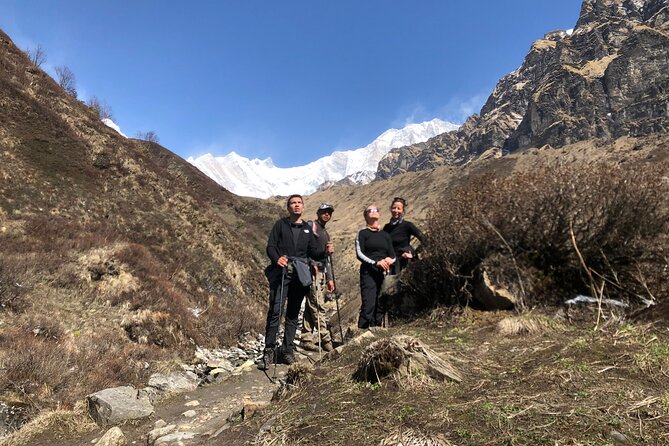
Reviewed · ANNAPURNA CIRCUIT TREKS
Annapurna circuit Trek
That thin mountain air is the whole point. This Annapurna Circuit trek blends big Annapurna views with hands-on logistics and local support from start to finish. I like that the route is built around steady altitude gains plus a dedicated acclimatization day.
What I also like is the level of included care, from a 3 star Kathmandu hotel to treated drinking water and daily fruit after dinner. The one drawback to plan for is the pace and altitude, with a long high day over the Thong-la pass (up to 5,416m) and early mornings like a 6:15am airport start.
If you want an organized, classic Himalayan circuit with fewer moving parts for you, this is a strong fit. It is also private, so your group moves as one unit rather than bouncing between schedules.
In This Review
- Key highlights you should notice first
- The Annapurna Circuit route, paced for real bodies
- Kathmandu transfer, 3 star comfort, and a 6:15am reality check
- Getting moving: from Besisahar and Dharapani to Chame and Upper Pisang
- Manang and acclimatization: why this day can make or break you
- Yak Kharka, Thorong Phedi or basecamp, and the long pass day
- Jomsom to Marpha, then down to Tatopani and Pokhara
- Guides and porters: what support looks like in the real world
- Included perks that help more than they sound
- Price and value: $998 per person, what you really get
- Who should book this Annapurna Circuit, and who should reconsider
- Should you book Nature Explore for the Annapurna Circuit?
- FAQ
- Where does the trek start, and what time is pickup?
- How long is the Annapurna Circuit trek?
- What is included for meals and water during the trek?
- Are hotels included in Kathmandu and Pokhara?
- What trekking permits are included?
- What major items are not included in the price?
Key highlights you should notice first
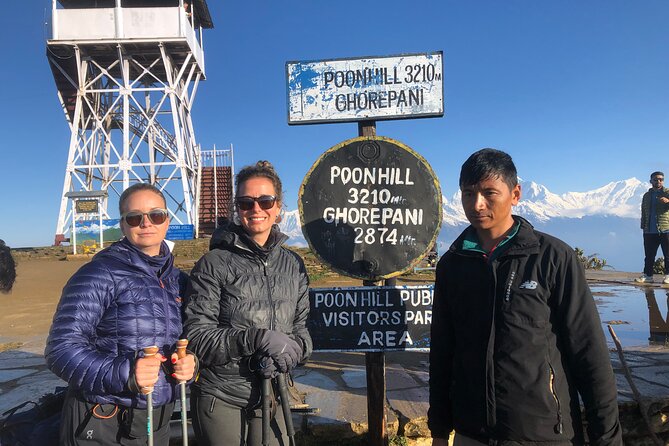
- Altitude planning with an acclimatization day around Manang, plus a gradual climb toward Yak Kharka and Thorong Phedi or basecamp.
- Real logistics are handled, including airport pickup and drop, local transport segments, and necessary permits and documents.
- Daily trekking fuel is covered, with breakfast, lunch, dinner, plus tea or coffee on the trail and treated drinking water.
- Support team included, featuring an experience guide and porters, with client feedback repeatedly praising leaders like Dinesh and Deepak.
- Comfort extras are bundled, including a refundable down jacket, a duffle bag, and a t-shirt gift.
- A smooth finish in lower altitude, with the drive down to Tatopani and then on to Pokhara.
The Annapurna Circuit route, paced for real bodies
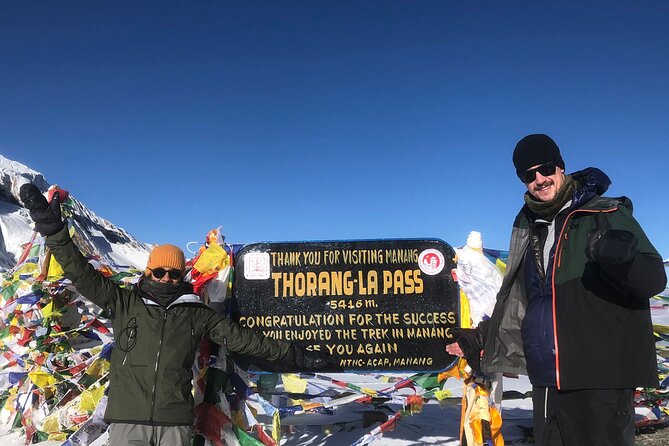
This trek is designed as a climb, not a sprint. You start at lower elevations, work upward through Chame and Upper Pisang, then settle at Manang for a breathing break before pushing higher. That matters because the circuit is all about altitude, and you are only as good on day 7 as you were on days 1 through 4.
One big reason I’d consider this itinerary is the way the elevation steps line up with the long-haul effort days. You do not jump straight from easy walking to the highest section. Instead, you build to places around 4,060m (Yak Kharka), then around 4,500m (Thorong Phedi or basecamp), and finally go highest at Thong-la pass, then drop again toward Muktinath at 3,800m.
Still, you should not expect a gentle walk. You will hit long hiking windows like 7 to 8 hours on some days, and at 5,416m your breathing and pacing will be the limiting factor. If you like early nights, steady movement, and simple routines, you’ll probably enjoy this kind of structure.
More Treks in Kathmandu
- Everest Base Camp Trek – 14 Days
★ 5.0 · 1,499 reviews - Everest Base Camp Trek
★ 5.0 · 842 reviews - Everest Base Camp Trekking
★ 5.0 · 485 reviews
Kathmandu transfer, 3 star comfort, and a 6:15am reality check
The trip begins at Tribhuvan Airport, Kathmandu, with a 6:15am start time and pickup arranged for you. That early departure is not just a detail, it is a key part of how the company keeps the trek on track.
You also get a 3 star hotel in Kathmandu before you head out on the trekking drive. That is a practical value add because Kathmandu nights can be loud, hot, and chaotic, and a solid base helps you start rested. It also reduces your need to chase transport and negotiate logistics on your own in your first day.
A small thing you might appreciate: the tour notes you are near public transportation, which can help if you need to buy anything last minute. For example, if you forgot a cable, charger, or a small piece of personal gear, you are not stuck.
Getting moving: from Besisahar and Dharapani to Chame and Upper Pisang
After you land, you drive to Dharapani via Besisahar, around 7 to 8 hours, reaching about 2,000m. That drive day can feel long, but it also shortens the amount of trekking you must do right away. You are not immediately thrown into a steep climbing day.
Then the trek begins in earnest:
- Dharapani to Chame takes roughly 4 to 5 hours, with Chame around 2,600m. This is a classic first step up, where you learn your rhythm and how your body responds to slower breathing.
- Chame to Upper Pisang is another 4 to 5 hours, climbing toward about 3,300m. This leg is where you start feeling altitude more noticeably, especially if you tend to walk fast.
Upper Pisang is also one of those points where the circuit starts to feel like it is really in the high Himalaya rather than just approaching it. Expect cooler air, longer shadows, and a more serious feel to the mornings.
Practical tip: on these early legs, keep your pace controlled. You want your legs fresh for later days, especially the long, high crossing day.
Manang and acclimatization: why this day can make or break you
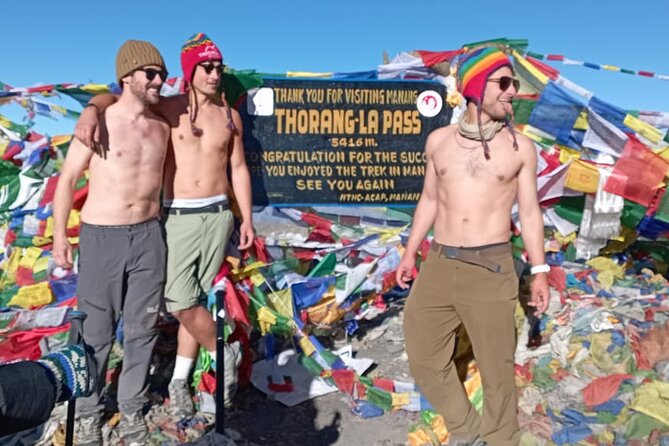
The trek climbs to Manang via an upper trail, around 7 to 8 hours, reaching roughly 3,500m. That is a substantial day, and it sets up the acclimatization day that comes next.
Your schedule includes a dedicated acclimatization day. You can think of it as a planned pause to reduce the risk of feeling crushed later. You are not just resting, you are giving your body time to adjust before the climb toward 4,060m.
Why I value this structure: many circuit attempts go wrong not on the highest pass, but a few days earlier when the body never fully adapts. An acclimatization day is where you pay attention to hydration, sleep, and breathing. You also learn quickly what kind of walking pace feels manageable for you at altitude.
This also tends to be when the trek becomes more social and reflective. With the longer stops and slower pace, you often get the best conversations with other trekkers and your guide team.
More Annapurna Circuit departures:
- Annapurna Circuit Trek with Tilicho Lake
★ 5.0 · 368 reviews - Annapurna Circuit Trek
★ 5.0 · 94 reviews - Annapurna Circuit Trek
★ 5.0 · 67 reviews - Annapurna Circuit Trek
★ 5.0 · 49 reviews
Yak Kharka, Thorong Phedi or basecamp, and the long pass day
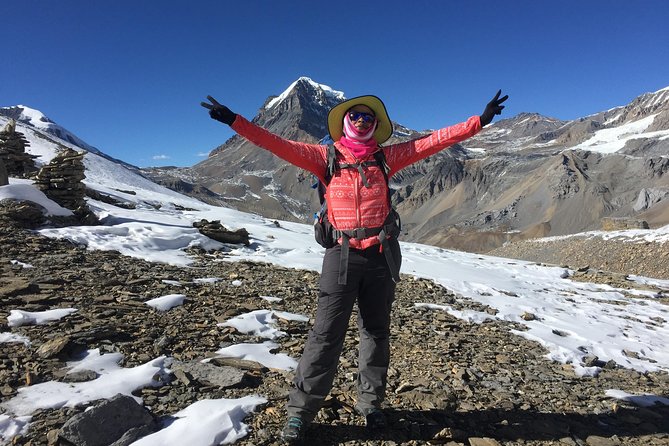
Once you move past Manang, the climb gets more serious. Manang to Yak Kharka takes about 3 to 4 hours, reaching roughly 4,060m. This is not the longest day, but it is a high one, and it reminds you that the circuit is a stack of altitude.
From there, Yak Kharka to Thorong Phedi or Thorong basecamp is roughly 3 to 4 hours and lands you around 4,500m. This is a key staging area. You are preparing for a high pass push, and your comfort on this night matters a lot for how you feel the next morning.
Then comes the big day:
- Trek to Muktinath via Thong-la pass, with Thong-la rising to about 5,416m.
- The day is about 7 to 8 hours, and you end around 3,800m.
This is the day to respect. Even if you are fit, altitude adds workload through slower breathing and reduced stamina. The upside is that you do drop back down afterward, and that helps you recover quicker than if the route stayed high.
Practical tip: start early, keep your steps short, and treat the pass like a steady breathing exercise rather than a race. If you try to walk like you do at sea level, you’ll pay for it.
Jomsom to Marpha, then down to Tatopani and Pokhara
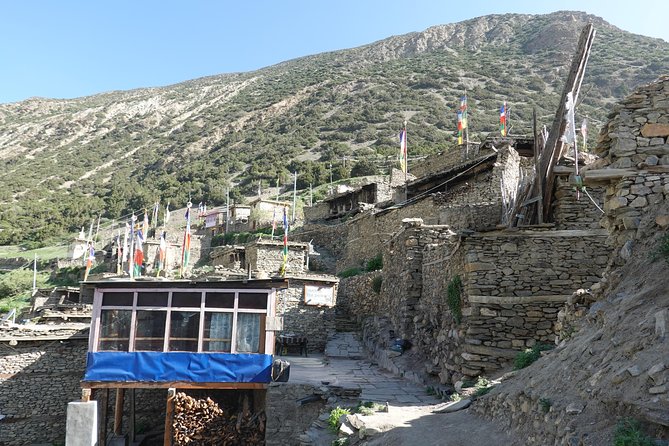
After the pass and Muktinath segment, your plan continues down the circuit toward lower altitude comfort. Muktinath to Marpha via Jomsom is about 6 to 7 hours, and Marpha is around 2,650m.
Marpha is the kind of stop where the whole vibe shifts. You are still in the mountains, but you are no longer living at the extreme altitudes. That means you can actually feel progress not just in distance, but in energy levels.
The next stage is a relief: you drive to Tatopani by bus or jeep, about 5 hours, reaching around 1,190m. Then you drive back to Pokhara, about 6 hours, around 740m, where your trip ends.
This downhill finish is a big part of why the circuit works. You get the challenge of the high pass, then you earn real recovery time while still moving through Nepal’s mountain regions.
Guides and porters: what support looks like in the real world
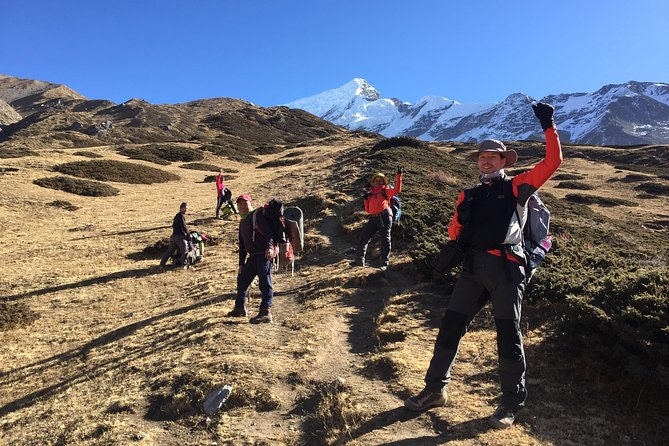
Here is the thing I’d bet you care about when you book a trek: will someone be competent when things get hard?
In client feedback for Nature Explore, names like Dinesh, Deepak, Nara, Ram, and Tej show up repeatedly, with strong comments about safety, communication, and caring leadership. People specifically mention being supported during medical situations and feeling guided smoothly during challenging moments. That pattern matters, because the circuit can be unforgiving if nobody is paying attention.
You also get:
- An experience guide
- Porters (the company describes them as sporting staff)
That means you are not trying to carry everything yourself, and you are more likely to maintain a steady trekking rhythm. On a multi-day circuit, that difference adds up, especially on long legs like the Manang approach day and the high pass day.
Practical tip: treat your guide like the main decision-maker for pacing and rest stops. You can share how you feel, but trust their judgment on altitude days. Short breaks and slower walking often help more than pushing through.
Included perks that help more than they sound
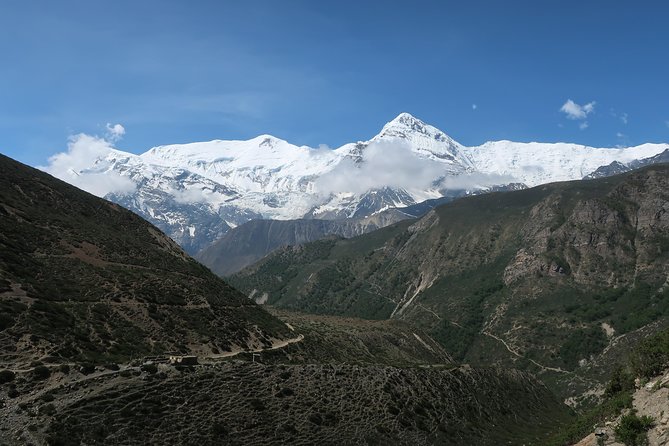
This package includes a lot of what typically turns into surprise expenses on your own:
- All meals on trek days: breakfast, lunch, dinner
- Tea or coffee during the trek
- Fresh fruit after dinner every day
- Treated drinking water
- Accommodation during the trek
- Annapurna conservation entrance permit and TMIS card
- One night hotel in Pokhara after the trek
- All trip necessary documents and government tax VAT
Then there are the extras that feel small until you experience high altitude:
- A down jacket rental included, listed as refundable after the trip
- A duffle bag
- A t-shirt gift
If you do not already own warm layers, this helps you start without panicking about what to pack for cold nights.
What is not included is also important:
- Trekking equipment is not included
- Wi-fi, laundry, and cold drinks are not included on the trek
- Tipping for staff is not included
So plan on bringing your core gear and budgeting for personal items you want during the trip.
Price and value: $998 per person, what you really get
At $998 per person, this trip is priced like a full-service Nepal package, not a low-cost DIY adventure. And the value depends on what you would otherwise pay for.
You are getting:
- Airport pickup and drop
- A 3 star hotel in Kathmandu
- One night hotel in Pokhara
- Transport segments during the trek, including bus or jeep drives
- Guide and porter support
- Permits and documentation
- Meals plus treated drinking water
- Warm gear support via the down jacket and other provided items
The big exclusions are also clear: international airfare, travel insurance, trekking equipment, and tipping. Those are common exclusions, but they are the items that often decide whether the total cost feels affordable or not.
Here is how I’d think about it: if you want the circuit without negotiating transportation, hunting down permits, or worrying about meal coverage, the $998 can make sense. If you already own gear, plan your own transport, and like doing logistics yourself, you might compare other options. But if you want a smoother flow, this kind of package is likely worth it.
Also note: the company lists free cancellation up to 24 hours in advance for a full refund. That gives you breathing room if plans change.
Who should book this Annapurna Circuit, and who should reconsider
This trek is aimed at people with moderate physical fitness. The schedule includes walking days ranging around 3 to 8 hours, with a big long day over the 5,416m Thong-la pass. If you can manage sustained uphill walking and you handle altitude cautiously, you will likely do well.
It is also a private tour/activity, meaning only your group participates. If you prefer a calmer experience and better attention from your guide, this is a plus.
You might want to rethink booking if:
- You are not comfortable with early starts like a 6:15am pickup
- You struggle with long hiking days and need lots of flexibility
- You are worried about high-altitude effort and want a more forgiving route with less exposure to the highest pass segment
But if you want the classic circuit feel, strong mountain views, and a plan that supports acclimatization and logistics, this is a solid choice.
Should you book Nature Explore for the Annapurna Circuit?
I’d recommend booking if you want a structured, high-altitude circuit with fewer moving parts. The biggest reasons are the included meals, treated water, guides and porters, and the thoughtful altitude progression with an acclimatization day. The added perks like the refundable down jacket also reduce packing stress.
Before you commit, double-check your personal gear situation and your comfort level with a long high day over Thong-la pass. If you’re ready to walk steadily, follow your guide’s pace, and treat altitude seriously, you should have a trip that feels big in every sense, from first climbs to the final drive down to Pokhara.
If you want, tell me your hiking experience level and whether you already own trekking boots and warm layers. I can help you sanity-check if this itinerary matches your fitness and packing reality.
FAQ
Where does the trek start, and what time is pickup?
The start is Tribhuvan Airport, Kathmandu, Nepal, with the listed start time at 6:15 am.
How long is the Annapurna Circuit trek?
The duration is listed as 12 days (approx.).
What is included for meals and water during the trek?
You get breakfast, lunch, and dinner, plus tea or coffee during the trek. The package also includes treated drinking water and fresh fruit after dinner every day.
Are hotels included in Kathmandu and Pokhara?
Yes. You get a 3 star hotel in Kathmandu, plus one night hotel in Pokhara after the trek.
What trekking permits are included?
The package includes the Annapurna conservation entrance permit and the TMIS card.
What major items are not included in the price?
The not included list covers international airfare, travel insurance, trekking equipment, extra nights in Kathmandu and Pokhara before or after the trek, and tipping for staff. Wi-fi, laundry, extra snacks, and cold drinks are also not included on the trek.
Latest additions near Kathmandu
- White Water River Rafting – 1 Day★ 4.3 · 3 reviews
- Traditional Momo Making Class★ 5.0 · 10 reviews
- Kathmandu to Pokhara Premium sofa bus ticket★ 4.0 · 17 reviews
- Ghorepani Poon Hill Trek★ 5.0 · 16 reviews
- Amazing 1 Day Trekking Experience in Kathmandu Nepal★ 5.0 · 24 reviews
- Ghorepani Poonhill Trek★ 5.0 · 5 reviews
- Walking tour of real Kathmandu through back streets.★ 5.0 · 3 reviews
- Wildlife Adventure in Chitwan Nepal★ 4.0 · 4 reviews
Annapurna Circuit Treks, compared.
Browse the lists this tour appears in