
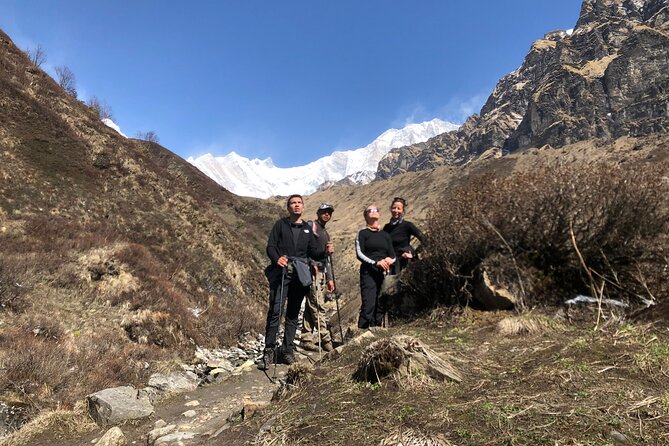
Reviewed · ANNAPURNA CIRCUIT TREKS
Annapurna Circuit Trek
The Annapurna Circuit, but faster and smarter. This 12-day trek uses road help to cut walking time while still taking you over the classic Thorong La crossing at 5,416m. You’ll move from Kathmandu to Besisahar, ride on to Chame, then settle into the rhythm of Manang Valley and the high-altitude days that make this route famous.
Two things I really like are the focus on acclimatization before the pass and the way daily logistics are handled for you. The itinerary includes a dedicated Manang rest and an optional hike to Gangapurna Lake, and the trek runs with a government-licensed guide plus thoughtful touches like three cups of tea per trek day, seasonal fruit, and even provided essentials such as a sleeping bag and down jacket. In the guide feedback I saw, people repeatedly named leaders like Shanta and Buddhi Tamang, praising their organization and attentiveness.
One consideration: this is still a high-altitude trek, even in a shorter format. The plan avoids risky shortcuts, like using a jeep past Chame for going on to Manang, because altitude sickness risk can jump when you gain elevation too quickly. If you’re prone to altitude issues, or you hate long walking days, you’ll want to train and pace carefully.
In This Review
- Key things to know before you go
- The 10-day style Annapurna Circuit: what “shorter” really means
- Day-by-day: Kathmandu to Besisahar to Chame (your warm start)
- Manang Valley days: pine forests, river walking, and slow altitude gain
- The acclimatization rest day in Manang (the smart move)
- Thorong La at 5,416m: what that day feels like
- Descent to Pokhara: temple payoff and a long, scenic drive
- Lodging, meals, and gear you do not want to skip planning
- Transport reality check: jeep myths and why the itinerary avoids risky shortcuts
- Price and value: what $975 covers, and what you still need to bring
- Who this trek fits best (and who should reconsider)
- Should you book this Annapurna Circuit trek?
- FAQ
- FAQ
- What is the meeting point for this Annapurna Circuit trek?
- How long is the Annapurna Circuit trek on this itinerary?
- What is included in the tour price of $975 per person?
- What is the highest point on the trek?
- Is a jeep ride to Manang allowed to reduce trekking days?
- Do you get a rest day before crossing the pass?
- What kind of accommodation do you use during the trek?
- Are travel insurance or water purchases included?
Key things to know before you go
- Road to Chame, then real trekking: you save days, but you still earn the views on foot
- Manang acclimatization built in: a rest day before the big pass push
- Thorong La at 5,416m: early start, prayer flags, and big mountain panoramas
- Muktinath plus temple culture: a strong cultural payoff after the pass
- Included comforts and gear: tea house stays, meals, and key cold-weather gear
- Guide support matters: multiple guide names cited for safety and smooth pacing
The 10-day style Annapurna Circuit: what “shorter” really means
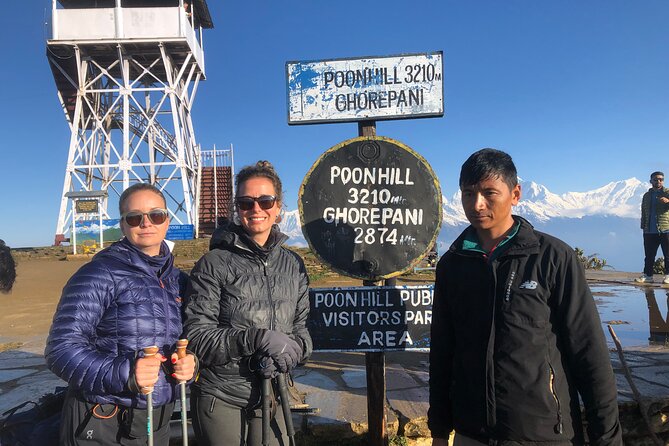
The Annapurna Circuit is traditionally a longer trek, often 10 to 17 days depending on how you structure it. This version keeps the heart of the route but shortens the trekking by using road travel where it makes sense, especially earlier on.
For you, that translates into two practical wins. First, you get fewer full-on trekking days while still reaching Manang Valley and crossing the high pass. Second, the schedule has a built-in sequence for altitude, rather than rushing from low elevations straight to the top.
The word you should remember is balance. You’re trading some time on a bus or jeep for time on your feet, and you’re also trading optional flexibility for a planned rhythm. That can be a good thing if you like structure and you’re managing vacation days. It can feel tough if you’re the type who wants to wander, linger, or shorten or lengthen days on the fly.
More Treks in Kathmandu
- Everest Base Camp Trek – 14 Days
★ 5.0 · 1,499 reviews - Everest Base Camp Trek
★ 5.0 · 842 reviews - Everest Base Camp Trekking
★ 5.0 · 485 reviews
Day-by-day: Kathmandu to Besisahar to Chame (your warm start)
Day 1 is all about Kathmandu arrival and reset. You land at Tribhuvan International Airport and get picked up for a transfer to a hotel, then join a group briefing with guides and staff. This matters more than it sounds. A clear briefing in Kathmandu helps you understand how treks run, what to expect from altitude changes, and how to handle the first day when you’re still fresh.
Day 2 is a long drive, about 12 hours, heading beyond Kathmandu Valley to the Lamjung area around Besisahar. Expect warmer lower terrain and quick glimpses of snow-capped mountains as the region starts to change under you. It’s a travel day, not a trek day, so it’s useful if you’re trying to save stamina.
Day 3 continues the same idea, another drive of roughly 12 hours to Chame, the headquarters of the Manang district. The road is unpaved, but the scenery through the window is part of the charm. Also, this is where the plan makes a safety-minded choice: it avoids extending jeep travel beyond Chame toward higher elevation because of the altitude risk.
Manang Valley days: pine forests, river walking, and slow altitude gain
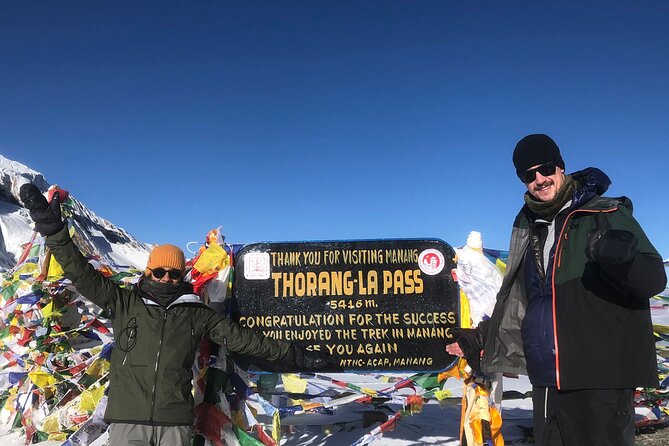
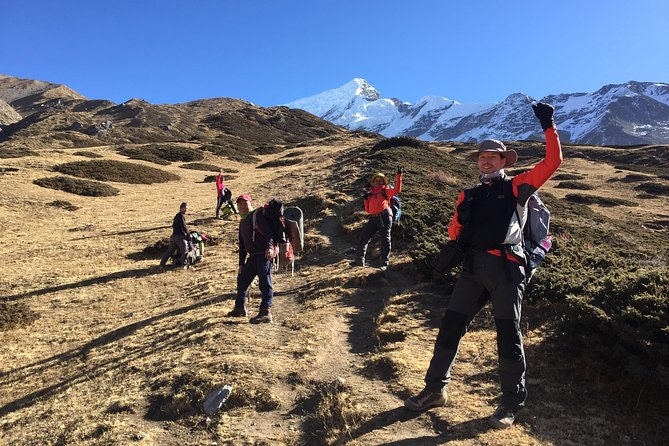
Days 4 and 5 are your first deep taste of the classic Circuit feel. You’ll walk closer to the mountains, following the Marsyangdi River upstream for parts of the day, and you’ll move through alpine forest. In practical terms, these are your “get your legs working” days. The altitude is rising, but it’s rising gradually enough to learn your pace before the hardest days.
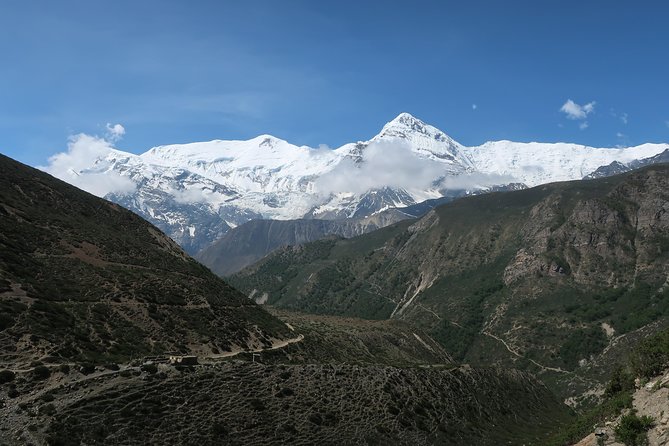
Day 4 ends in the Manang area, after a day that includes village walking and pine scenery. Day 5 brings you further through Manang Valley, with stops around places like Pisang village. This day is notable for mountain viewing, including perspectives of Annapurna II and Annapurna III and the broader feel of the surrounding peaks.
If you like a trek that mixes nature with small settlements, this stretch fits. Tea house nights also help you keep going, because you’re not carrying gear from hut to hut. And if you’ve never done high-altitude treks before, the gradual rise here is a great place to learn how breath control changes on steep moments.
One drawback is simple: walking days are long on paper. The schedule lists days around 13 hours for this section. That doesn’t mean you’ll be slogging nonstop, but it does mean you should be ready for a steady, all-day effort.
The acclimatization rest day in Manang (the smart move)
Day 6 is a true rest day for acclimatization in Manang. This is one of the best parts of the itinerary because it respects how your body behaves at altitude. You’re not just “waiting around,” either. The plan strongly recommends hiking to Gangapurna Lake, described as extremely beautiful in the Manang Valley area.
Think of it like this: your schedule sets you up to cross Thorong La with fewer surprises. When you give your body time to adjust, your trekking becomes more controlled, and that usually means you conserve energy for the real pass day.
Day 7 then ramps up. You walk to Yak Kharka, a higher-altitude settlement with incredible mountain views. You’ll cross small streams and keep moving through thinner air. The day is long on the schedule, but it’s also part of the standard Circuit logic: you gain elevation in steps, instead of in one dramatic leap.
If you tend to rush, this segment is where you learn to slow down for real. You might feel fine early in the day, but altitude meters do not care about your confidence.
More Annapurna Circuit departures:
- Annapurna Circuit Trek with Tilicho Lake
★ 5.0 · 368 reviews - Annapurna Circuit Trek
★ 5.0 · 94 reviews - Annapurna Circuit Trek
★ 5.0 · 67 reviews - Annapurna Circuit Trek
★ 5.0 · 49 reviews
Thorong La at 5,416m: what that day feels like
Day 8 heads toward Thorung Phedi and sets up the pass crossing. You start with a morning walk that gets you closer to Thorang-la, passing a bridge, then climbing along the Jarjung River. The plan calls out a final climb to Thorung Phedi for rest and then the last-hour ascent toward the pass area.
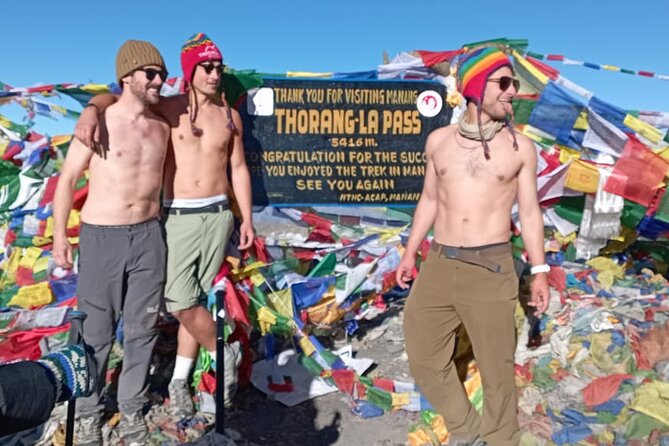
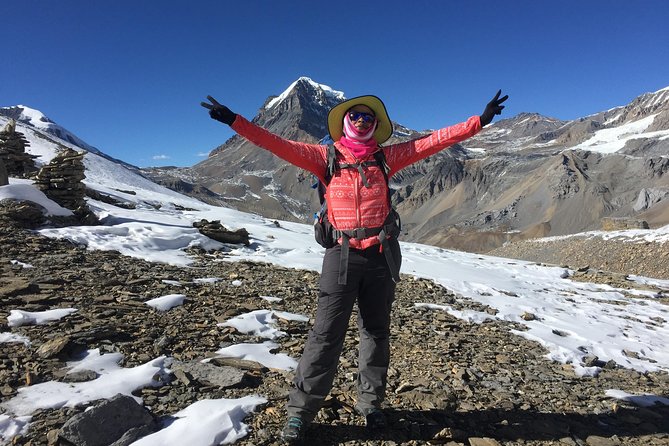
Day 9 is the big one. You start early and push up to Thorong La at 5,416m, marked with Buddhist prayer flags. This is one of those moments you’ll remember even if you don’t remember the exact steps. The views are the reward, but the more important win is that you followed the plan. You didn’t skip acclimatization, and that makes the pass crossing more manageable.
After that, you move toward Muktinath Temple. The itinerary suggests a long day of climbing and then descending toward the cultural highlight. Muktinath is a major spiritual stop on the route, and it changes the mood of the trek. After days of pure effort, you get a place where people slow down and focus on ritual and meaning.
One practical tip: even if you feel good at the start, keep your breathing steady. Early passes tempt people to go fast, then pay for it later. The altitude will collect its payment.
Descent to Pokhara: temple payoff and a long, scenic drive
Day 10 moves you from the high route down to Pokhara by drive, around 14 hours. After Muktinath, the rest of the journey is easier in terms of physical effort because you’re in a vehicle. But the day still keeps you moving, so plan for a full travel day.
Pokhara is a classic bookend to Annapurna treks. You get a night there in a hotel with breakfast included. Even if you’ve seen beautiful views already, Pokhara’s scenery helps your brain reset after altitude.
Day 11 is the overland journey back to Kathmandu. The drive is described as scenic, with stops to observe farm villages and towns along the way. You’ll reach Kathmandu by afternoon, then have time for individual activities.
Day 12 is departure. You transfer to the airport based on your flight time from Tribhuvan International Airport.
Lodging, meals, and gear you do not want to skip planning
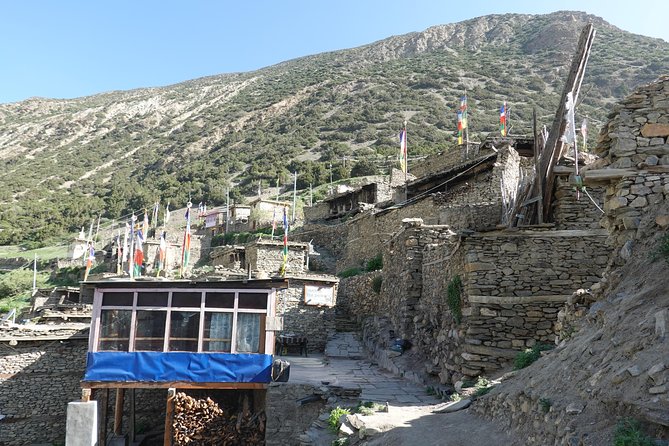
This trek is built around tea houses, using private local tea house basis with twin sharing beds. That’s a comfortable middle ground: you get warmth and beds without the extra work of carrying camping gear.
Meals are included three times during the trek, and you also get included breakfasts, plus seasonal fruits during the trek. You’ll also have three cups of tea per day while trekking. It sounds small, but it helps you stay warm and keeps your routine consistent when you’re tired and in the mountains.
The gear list is a big value point. Sleeping bag, down jacket, and a duffle bag are included. That can save money and, just as importantly, saves decision stress. You won’t need to gamble on whether your jacket is warm enough for a high pass night.
Just keep in mind what’s not included: mineral water, beer, Coke, laundry, and dessert. Also, travel insurance is not included. I recommend you budget for those early, so nothing turns into a last-minute panic at altitude.
Transport reality check: jeep myths and why the itinerary avoids risky shortcuts
You might wonder if you can cut down trekking days further by jeep. The plan is clear: it is not appropriate to take a jeep beyond Chame. It is possible to use a four-wheel jeep to reach Manang, but the risk of altitude sickness is described as very high.
That’s the key logic. Shortcuts can shrink walking time, but altitude is the actual boss fight. The itinerary’s approach, road to Chame plus walking into Manang and then through acclimatization, is the safer trade-off.
So if you want “less time walking,” that’s what you’re buying with this itinerary. But you are not buying an altitude cheat code.
Price and value: what $975 covers, and what you still need to bring
At $975 per person for about 12 days, this trek is priced like a guided, logistics-heavy mountain trip, not a DIY expedition.
Here’s where the money goes based on what’s included:
- Ground transportation including airport pick up and drop off, plus bus and jeep drives
- Two nights in Kathmandu and one night in Pokhara with breakfast
- Three trek meals per day (break, lunch, dinner) during the trek
- A government licensed holder guide from Kathmandu
- The Annapurna Conservation Area conservation permit
- Private tea house stays with twin sharing beds
- Trekking gear: sleeping bag, down jacket, duffle bag
- Seasonal fruits, plus three cups of tea per trekking day
For you, the value is mostly about reducing planning and uncertainty. The gear alone can be a budget factor if you otherwise would rent or buy cold-weather equipment. The guide role also matters when weather changes. In the feedback I saw, guides such as Buddhi Tamang and Pawan were mentioned for organization and making things work even when conditions were not perfect.
The main things you’ll still handle yourself are personal expenses like water and snacks beyond what’s included, plus tips for the trekking crew, and your travel insurance.
Who this trek fits best (and who should reconsider)
This is a private tour for your group, with moderate physical fitness required. It also suits people who want the classic Annapurna Circuit experience but have limited vacation time.
You’ll probably enjoy this trek most if:
- You want a structured itinerary that builds acclimatization before the pass
- You like tea house trekking, not camping
- You appreciate included gear and meals, so you can focus on walking and recovery
- You’re okay with long drive days early and in the middle and a long travel day at the end
You should reconsider or talk with the operator first if:
- You have a strong history of altitude sickness
- You hate long walking days listed in the schedule (several days reach 13 to 14 hours on the plan)
- You need lots of free time day-to-day for personal detours, because the trek is guided and paced
Should you book this Annapurna Circuit trek?
If you want the Annapurna Circuit without turning your whole month into trekking, this version is a smart pick. The biggest selling point is that it does not treat altitude like an afterthought. A rest day in Manang, then a step-up to Yak Kharka, then Thorong La at 5,416m, is exactly the kind of sequence that helps you stay functional.
I’d book it if you value guided safety, included gear, and a clear schedule that helps you manage time. I’d think twice if you’re looking for a truly easy version. Even with road support, this is still serious mountain travel, and the pass day is the day you plan your entire body around.
FAQ
FAQ
What is the meeting point for this Annapurna Circuit trek?
The meeting point is Tribhuvan International Airport, Ring Rd, Kathmandu, Nepal.
How long is the Annapurna Circuit trek on this itinerary?
It runs for about 12 days.
What is included in the tour price of $975 per person?
The price includes airport pick up and drop off, all bus and jeep drives, two nights in Kathmandu and one night in Pokhara with breakfast, three meals per day during the trek (break, lunch, dinner), a licensed guide from Kathmandu, tea house stays on a twin sharing basis, the Annapurna Conservation Area permit, trekking gear (sleeping bag, down jacket, duffle bag), seasonal fruits, and three cups of tea per day during the trek.
What is the highest point on the trek?
The highest point is Thorong La Pass at 5,416 meters.
Is a jeep ride to Manang allowed to reduce trekking days?
It is not appropriate to take a jeep beyond Chame. A four-wheel jeep to reach Manang is possible, but the risk of altitude sickness is described as very high.
Do you get a rest day before crossing the pass?
Yes. There is a rest and acclimatization day in Manang before heading to the high altitude and crossing Thorong La Pass.
What kind of accommodation do you use during the trek?
You stay in private local tea houses with twin sharing beds.
Are travel insurance or water purchases included?
Travel insurance is not included, and items like mineral water are listed as not included.
Latest additions near Kathmandu
- Traditional Momo Making Class★ 5.0 · 10 reviews
- White Water River Rafting – 1 Day★ 4.3 · 3 reviews
- Kathmandu to Pokhara Premium sofa bus ticket★ 4.0 · 17 reviews
- Ghorepani Poon Hill Trek★ 5.0 · 16 reviews
- Amazing 1 Day Trekking Experience in Kathmandu Nepal★ 5.0 · 24 reviews
- Ghorepani Poonhill Trek★ 5.0 · 5 reviews
- Walking tour of real Kathmandu through back streets.★ 5.0 · 3 reviews
- Wildlife Adventure in Chitwan Nepal★ 4.0 · 4 reviews
Annapurna Circuit Treks, compared.
Browse the lists this tour appears in